Concetta Modica
A come Argilla.
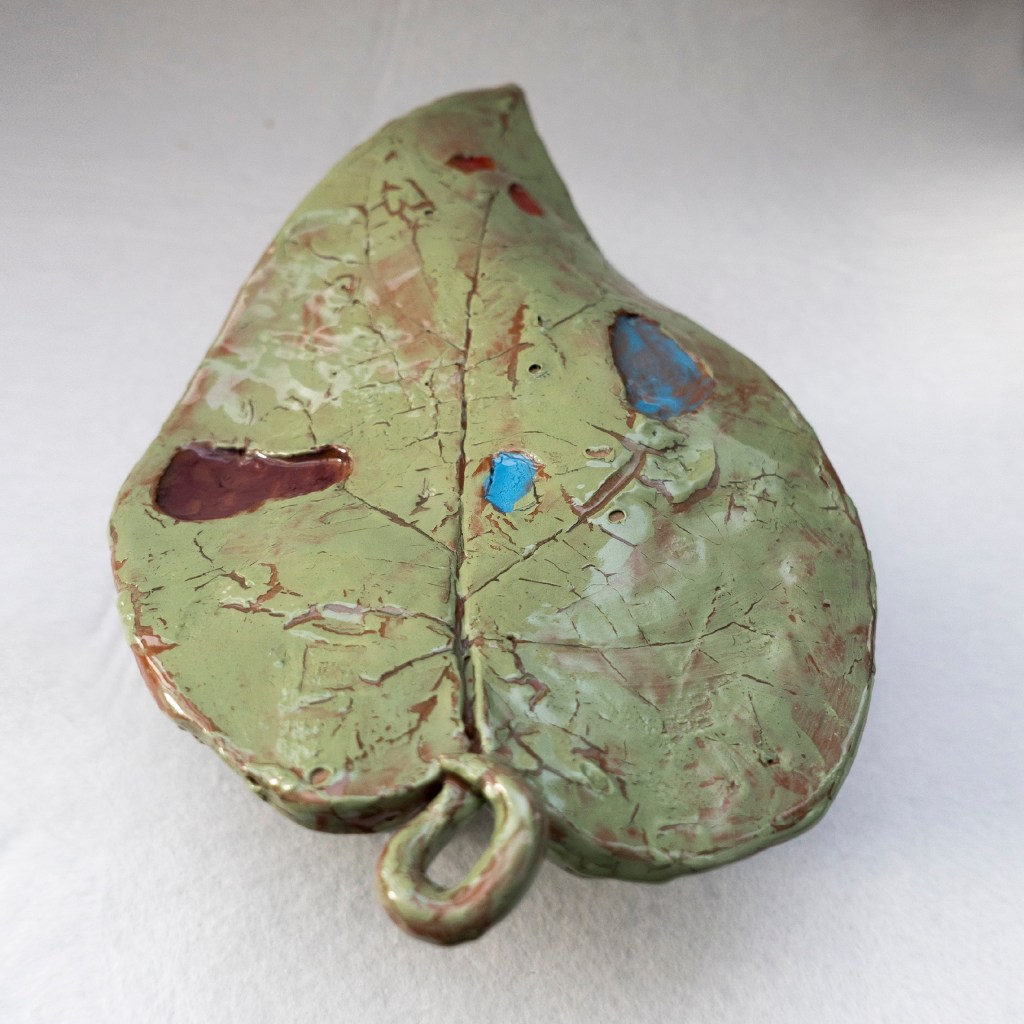
L’argilla è terra, ma non la sento come tale. Quando la incontro, è già passata attraverso una trasformazione. La tocco ma la vedo già cotta, irrigidita, colorata da ossidi e fuoco, resa stabile da un processo che ne cancella l’origine fluida. E così dimentico che è stata fango, impasto cedevole, materia umida che si lascia toccare e deformare.
L’argilla porta in sé una memoria ambigua: è insieme origine e risultato. Prima di diventare oggetto è suolo, sedimento, accumulo lento di particelle che il tempo ha compresso. Eppure, nel momento in cui la riconosco come “cosa”, ha già perso la sua qualità terrestre. Non la penso più come paesaggio, ma come manufatto.
Forse è proprio questa distanza a renderla interessante: l’argilla è terra che ha attraversato il mio studio. Mantiene una tensione tra il naturale e l’artificiale, tra ciò che si disfa e ciò che resiste. Anche quando è cotta, mi sembra trattenga una possibilità di ritorno, mi minaccia, come se sotto la superficie dura continuasse a esistere una forma latente, pronta a cedere.
Guardarla significa allora esercitare uno spostamento: riconoscere nella forma finita una materia che è stata informe, e che, in qualche modo, continua a esserlo.
English version
Az Alphabetical Self-Portraits
Concetta Modica
A come Argilla/Clay
Clay is earth, but I don’t feel it as such. When I encounter it, it has already undergone a transformation. I touch it, but I see it already baked, stiffened, colored by oxides and fire, stabilized by a process that erases its fluid origins. And so I forget that it was once mud, a yielding mixture, a moist material that can be touched and deformed.
Clay carries within itself an ambiguous memory: it is both origin and result. Before becoming an object, it is soil, sediment, a slow accumulation of particles compressed by time. Yet, the moment I recognize it as a “thing,” it has already lost its earthly quality. I no longer think of it as a landscape, but as an artifact.
Perhaps it is precisely this distance that makes it interesting: clay is earth that has passed through my studio. It maintains a tension between the natural and the artificial, between what is crumbling and what endures. Even when it’s cooked, it seems to hold back a possibility of return, it threatens me, as if beneath the hard surface a latent form continues to exist, ready to yield.
Looking at it, then, means exerting a shift: recognizing in the finished form a material that was once formless, and which, in some way, continues to be so.