(English text /texte en Français/ Deutschsprachiger text)
#paroladartista #sacro #rolandotessadri
Gabriele Landi: Secondo te il sacro ha ancora una sua importanza nell’arte di oggi e nel mondo in cui viviamo?
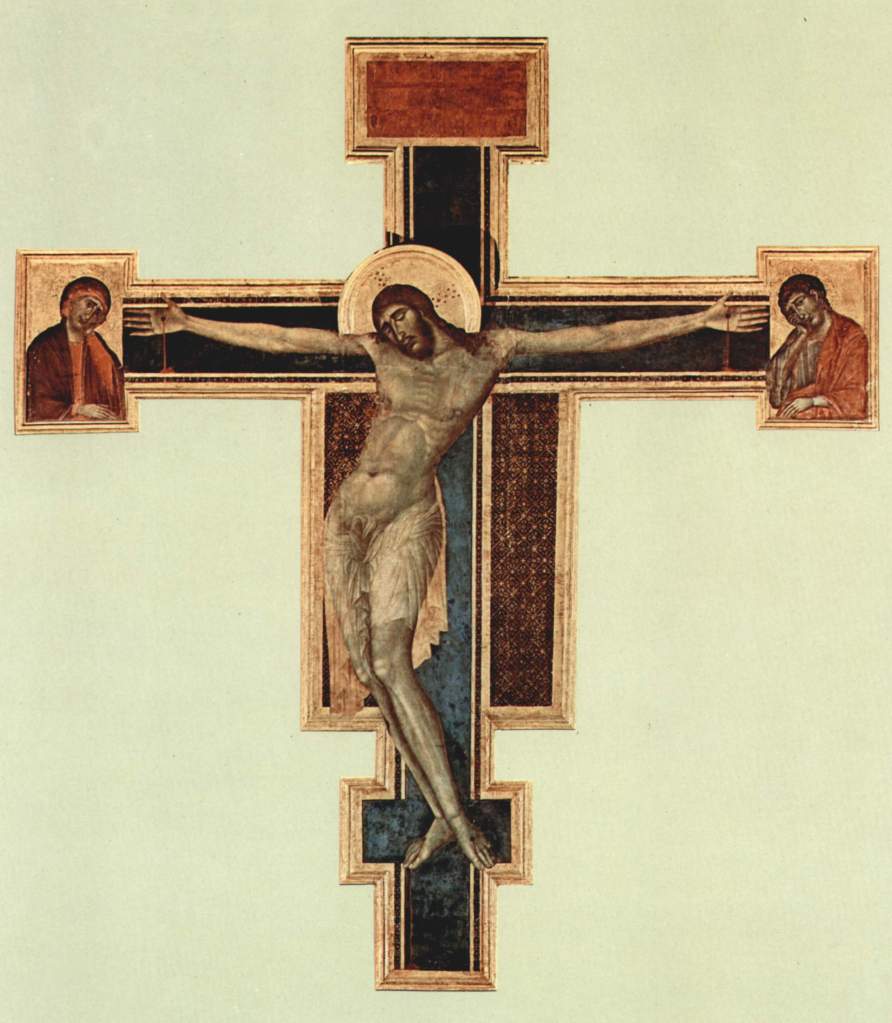
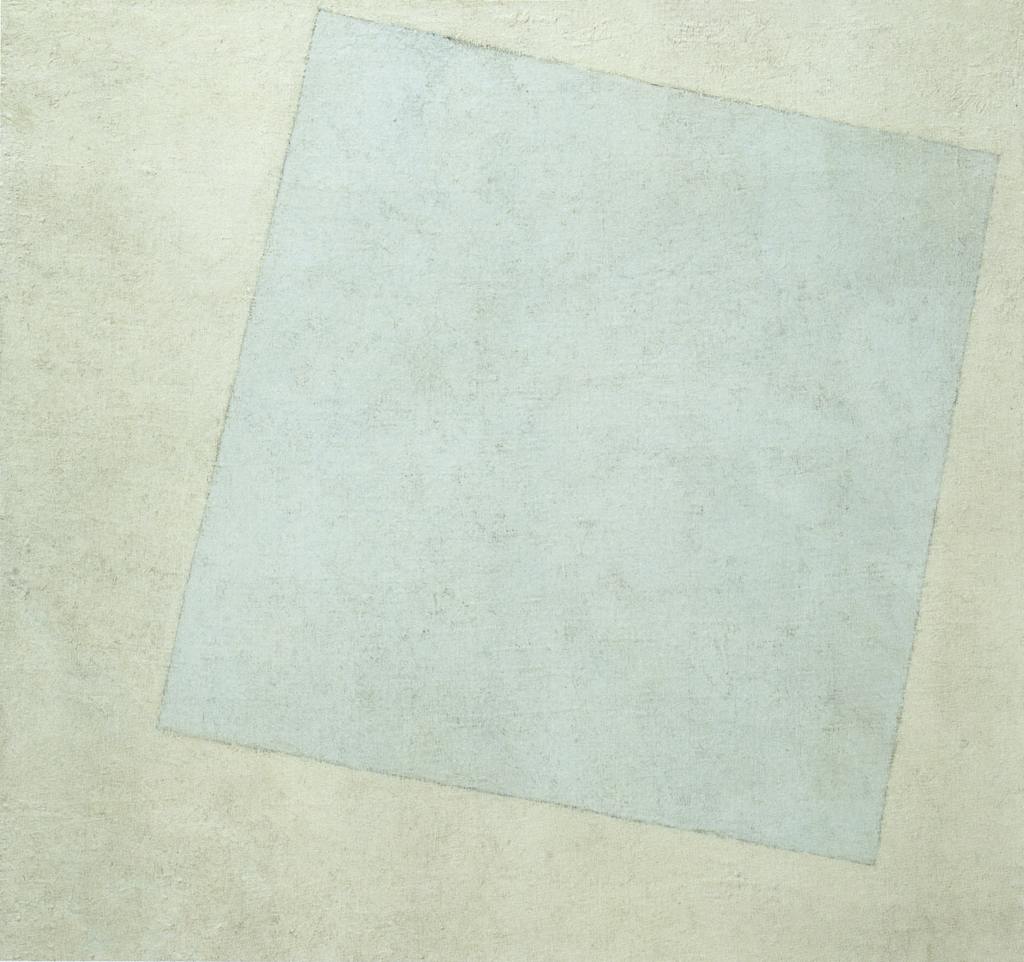
Rolando Tessadri: Non saprei. Sicuramente l’arte ha ancora a che fare con la spiritualità, però non è detto che questa dimensione si trovi nelle opere realizzate attualmente per i nostri luoghi di culto. Anzi, secondo me in questo ambito prevale una produzione che è condizionata da una visione del tutto strumentale dell’oggetto artistico. Spesso la Chiesa (intesa non solo come gerarchia, ma anche come comunità dei credenti) richiede opere che siano essenzialmente dei racconti illustrati delle vicende bibliche. E va inesorabilmente incontro a dei fallimenti, perché il confronto con la tradizione medievale non lascia scampo, nonostante essa abbia ancora un notevole peso per l’arte contemporanea. Il fatto è che non si può pensare di recuperarla semplicemente ricalcandone le forme esteriori. Bisogna andare più in profondità e coglierne l’essenza, come ha fatto Malevich con le icone bizantine. Se vogliamo riscoprire la dimensione spirituale dell’arte, dobbiamo fare come lui e cercare di navigare nel bianco libero abisso, come dei mistici. Resta però da capire se le opere frutto di questo agire si potranno considerare ancora opere d’arte sacra, dal momento che, con ogni probabilità, alla fine del nostro percorso ci saremo allontanati dal mondo a tal punto che non sapremo nemmeno più dove si riunisce la comunità dei credenti alla quale vorremmo/dovremmo rivelarle e rimarremo solo noi a contemplare noi stessi nel nostro perfetto isolamento.
English text
Viewpoints on the sacred Rolando Tessadri
#sacred #rolandotessadri
Gabriele Landi: Do you think the sacred still has an importance in today’s art and in the world we live in?
Rolando Tessadri: I don’t know. Certainly art still has something to do with spirituality, but this dimension is not necessarily to be found in the works currently created for our places of worship. On the contrary, in my opinion a production prevails here that is conditioned by a completely instrumental vision of the artistic object. Often the Church (understood not only as hierarchy, but also as a community of believers) demands works that are essentially illustrated accounts of biblical events. And it inexorably fails, because the comparison with the mediaeval tradition leaves no way out, even though it still carries considerable weight in contemporary art. The fact is that one cannot think of recovering it simply by tracing its external forms. One must go deeper and grasp its essence, as Malevich did with Byzantine icons. If we want to rediscover the spiritual dimension of art, we must do as he did and try to navigate the white free abyss, like mystics. It remains to be seen, however, whether the works resulting from this action can still be considered works of sacred art, since, in all likelihood, at the end of our journey we will have distanced ourselves from the world to such an extent that we will no longer even know where the community of believers to which we would/should reveal them congregate, and we will be left alone to contemplate ourselves in our perfect isolation.
texte en Français
Points de vue sur le sacré Rolando Tessadri
#motadartiste #sacre #rolandotessadri
Gabriele Landi : Pensez-vous que le sacré a encore une importance dans l’art d’aujourd’hui et dans le monde dans lequel nous vivons ?
Rolando Tessadri : Je ne sais pas. Il est certain que l’art a encore quelque chose à voir avec la spiritualité, mais cette dimension ne se retrouve pas nécessairement dans les œuvres créées actuellement pour nos lieux de culte. Au contraire, à mon avis, il y règne une production conditionnée par une vision complètement instrumentale de l’objet artistique. Souvent, l’Église (entendue non seulement comme hiérarchie, mais aussi comme communauté de croyants) demande des œuvres qui sont essentiellement des récits illustrés d’événements bibliques. Et elle échoue inexorablement, car la comparaison avec la tradition médiévale ne laisse pas d’échappatoire, même si elle a encore un poids considérable dans l’art contemporain. En effet, on ne peut songer à la retrouver en se contentant de tracer ses formes extérieures. Il faut aller plus loin et en saisir l’essence, comme Malevitch l’a fait avec les icônes byzantines. Si l’on veut retrouver la dimension spirituelle de l’art, il faut faire comme lui et tenter de naviguer dans l’abîme blanc et libre, comme les mystiques. Reste à savoir si les œuvres qui résulteront de cette action pourront encore être considérées comme des œuvres d’art sacré, car, selon toute vraisemblance, au terme de notre voyage, nous nous serons tellement éloignés du monde que nous ne saurons même plus où se trouve la communauté de croyants à laquelle nous voudrions/devrions les révéler, et nous serons laissés seuls pour nous contempler dans notre parfait isolement.
Deutschsprachiger text
Sichtweisen auf das Heilige Rolando Tessadri
#heilig #rolandotessadri
Gabriele Landi: Glauben Sie, dass das Heilige in der heutigen Kunst und in der Welt, in der wir leben, noch eine Bedeutung hat?
Rolando Tessadri: Ich weiß es nicht. Sicherlich hat Kunst immer noch etwas mit Spiritualität zu tun, aber diese Dimension ist nicht unbedingt in den Werken zu finden, die derzeit für unsere Gotteshäuser geschaffen werden. Im Gegenteil: Meiner Meinung nach herrscht hier eine Inszenierung vor, die von einer völlig instrumentellen Sichtweise des künstlerischen Objekts bestimmt ist. Oft verlangt die Kirche (nicht nur als Hierarchie, sondern auch als Gemeinschaft der Gläubigen verstanden) Werke, die im Wesentlichen illustrierte Darstellungen biblischer Ereignisse sind. Und sie scheitert unweigerlich, denn der Vergleich mit der mittelalterlichen Tradition lässt keinen Ausweg zu, auch wenn er in der zeitgenössischen Kunst immer noch ein großes Gewicht hat. Man kann nämlich nicht daran denken, sie wiederzufinden, indem man nur ihre äußeren Formen nachzeichnet. Man muss tiefer gehen und ihr Wesen erfassen, wie es Malewitsch mit den byzantinischen Ikonen tat. Wenn wir die spirituelle Dimension der Kunst wiederentdecken wollen, müssen wir es ihm gleichtun und versuchen, den weißen, freien Abgrund zu durchschreiten, wie die Mystiker. Es bleibt jedoch abzuwarten, ob die Werke, die dabei entstehen, noch als Werke der sakralen Kunst gelten können, denn höchstwahrscheinlich werden wir uns am Ende unserer Reise so weit von der Welt entfernt haben, dass wir nicht einmal mehr wissen, wo sich die Gemeinschaft der Gläubigen versammelt, der wir sie offenbaren wollen/sollen, und wir werden allein gelassen, um uns in unserer vollkommenen Isolation zu betrachten.