

(▼Scroll down for English text)
#paroladartista #intervistaartista #artistinterview #giuseppebuffoli
Parola d’Artista: Per la maggior parte degli artisti, l’infanzia rappresenta il periodo d’oro in cui iniziano a manifestarsi i primi sintomi di una certa propensione ad appartenere al mondo dell’arte. È stato così anche per te? Racconta.
Giuseppe Buffoli: Sì, fin da bambino ho sempre disegnato. Ricordo di aver avuto una naturale predisposizione per il disegno, soprattutto per la copia di immagini, come fumetti o altre illustrazioni che trovavo sui libri. Mi piaceva molto riprodurre queste immagini, anche se, a dire il vero, non amavo molto colorare. Il piacere era nel segno, nel gesto del tracciare, più che nell’uso del colore. Nel disegno trovavo una sorta di tranquillità, una dimensione di tempo che scorreva piacevolmente. Inoltre, trascorrevo molto tempo a casa dei nonni materni, dove un mio prozio aveva una falegnameria che per me era diventata un vero e proprio parco giochi. Mi ricordo di passare interi pomeriggi a costruire accrocchi di legno che diventavano aerei o macchine, o a piantare chiodi, esplorando il materiale con curiosità e creatività.
Pd’A: Anche tu, come molti altri, hai avuto un primo amore artistico?
G.B.: il mio primo amore artistico è stato Giovanni Anselmo. Quando ho scoperto il suo lavoro, mi sono sentito profondamente colpito dalla sua capacità di trasformare il concetto di scultura in qualcosa di fluido, dinamico, in costante equilibrio tra il pieno e il vuoto, tra il visibile e l’invisibile.
Le sue opere, in cui utilizza le forze che ci circondano o il pensiero di tempo non legato all’uomo, ma al cosmo, hanno avuto un impatto enorme su di me. Ho trovato una forma di scultura che non solo era fisica, ma anche concettuale, che parlava di forze invisibili, di tensioni, di leggi della natura. Quella ricerca sull’instabilità, sull’equilibrio precario e sull’energia che scaturisce dalle sue opere è qualcosa che mi ha profondamente affascinato e che, in qualche modo, ha influenzato molto la mia visione dell’arte.
Mi ricordo che da ragazzo assistetti a una sua conferenza ed esordi dicendo: “Noi tutti crediamo di essere qui seduti, fermi, ma in realtà ci stiamo muovendo a 250 km al secondo verso Vega”. Quella frase mi cambiò la percezione della realtà. Mi fece capire che tutto è in movimento, che la nostra visione è limitata e che l’arte ha il potere di ampliare la nostra consapevolezza, di rivelare l’invisibile e il dinamico nel mondo che ci circonda. Da quel momento, l’arte per me non fu più solo materia, ma una ricerca continua, un’esperienza che sfida le convenzioni e amplifica la nostra percezione del mondo
Pd’A: Quali studi hai fatto?
G.B.: Il mio percorso di studi è stato piuttosto lineare, una naturale evoluzione della passione che coltivavo fin da bambino. Ho frequentato il Liceo Artistico Statale di Bergamo, per poi proseguire con l’Accademia di Belle Arti di Brera a Milano, dove mi sono laureato in scultura nel 2003. Dopo l’Accademia, nel 2007, ho avuto l’opportunità di frequentare un corso avanzato sul trattamento artistico dei metalli (TAM) nelle Marche, presieduto da Arnaldo Pomodoro con la direzione artistica di Nunzio. È stata un’esperienza che mi ha arricchito molto, permettendomi di approfondire tecniche e approcci diversi nella lavorazione dei materiali.
Pd’A: Ci sono stati incontri importanti durante gli anni della formazione?
G.B.: Sì, indubbiamente. Oltre a molte amicizie che ancora oggi mi circondano, credo che l’esperienza lavorativa presso lo studio e la Fondazione Arnaldo Pomodoro sia stata un momento cruciale della mia formazione. Lì ho avuto la possibilità di affinare le tecniche scultoree e di osservare da vicino come lavora un artista di fama internazionale. In particolare, l’allestimento delle grandi mostre mi ha dato l’opportunità di entrare in contatto diretto con opere che avevo studiato solo sui libri. Ho avuto anche il privilegio di vedere all’opera grandi maestri come Jannis Kounellis, Magdalena Abakanowicz e Cristina Iglesias, i cui lavori mi hanno ispirato e fatto riflettere.
Pd’A: Quanto è importante la geometria nel tuo lavoro?
G.B.: La geometria è un elemento fondamentale nel mio lavoro, ma non nel senso tradizionale di regole precise e angoli definiti. Piuttosto, la geometria è per me un linguaggio che aiuta a organizzare lo spazio, a dare una struttura alla forma, ma sempre in una tensione tra ordine e disordine. Spesso le sculture che realizzo sembrano quasi sfidare le leggi della geometria, ma in realtà sono il frutto di una ricerca in cui la forma geometrica viene messa in discussione, trasformata o “distorta”. L’equilibrio che cerco di ottenere nelle mie opere, ad esempio, è spesso un gioco di forze che coinvolge la geometria in modo complesso, come se ogni elemento fosse in costante relazione con gli altri, ma senza mai raggiungere una stabilità totale. La geometria in questo senso diventa un sistema che permette alle sculture di “dialogare” con lo spazio, ma in un modo che evoca la fragilità e la precarietà, piuttosto che la solidità immutabile. Non è tanto una geometria della perfezione, ma una geometria della tensione, dove le forme si avvicinano a un ideale di simmetria, ma non lo raggiungono mai completamente. Questo, per me, è ciò che dà vita all’opera: la costante ricerca di un equilibrio che, pur nella sua incertezza, è capace di suscitare un’emozione e una riflessione profonda sul limite e sulla condizione umana.
Pd’A: Con quali materiali realizzi le tue sculture?
G.B.: Non c’è un materiale “fisso” con cui lavoro. La scelta del materiale dipende molto dall’idea che voglio esprimere e dalla relazione che la forma deve avere con lo spazio. La materia è sempre un mezzo per comunicare qualcosa che va oltre l’aspetto fisico dell’oggetto. Mi piace utilizzare una varietà di materiali, spesso in modo non convenzionale, perché ogni materiale porta con sé una propria “personalità” che influisce sul risultato finale. Ho lavorato con il gesso e la terra cruda, che mi permette di ottenere superfici morbide e quasi organiche. Spesso uso anche materiali di recupero o oggetti di uso quotidiano, come hula hoop, asciugacapelli, livelle, e gambe di tavolini modificate, perché questi oggetti quotidiani portano con sé una sorta di poesia nascosta, una reminiscenza di qualcosa che appartiene alla vita quotidiana, ma che viene trasformato attraverso il contesto in cui viene messo. Negli ultimi anni, sto esplorando l’uso dell’MDF nero colorato in pasta, un materiale che mi consente di ottenere un effetto pulito e preciso, giocando con il contrasto tra la superficie liscia e le sue potenzialità scultoree. Un altro materiale che mi ha affascinato è il bucchero, una terracotta cotta in riduzione di ossigeno, che ha una superficie scura e vellutata, quasi come se fosse stata “trattata” dal tempo. In fondo, non è tanto il materiale che definisce la scultura, ma il modo in cui viene utilizzato.
Pd’A: L’idea di fisicità ha una qualche importanza nella tua pratica scultorea?
G.B.: Assolutamente sì. La fisicità è un aspetto cruciale nel mio lavoro, soprattutto se la intendiamo come l’interazione tra l’oggetto e lo spazio che lo circonda, ma anche come la “presenza” dell’opera in un determinato luogo. Molte delle mie sculture sono concepite per essere in equilibrio precario o sospese, e questa instabilità è parte integrante della loro fisicità. L’idea di precarietà che accompagna ogni scultura è, infatti, una riflessione sulla fragilità e sull’effimero, ma anche sulla resistenza e sulla tensione verso l’equilibrio. In questo senso, la fisicità non è solo quella della materia, ma quella delle forze che agiscono sull’opera, come la gravità, il movimento e la luce. L’interazione tra il lavoro e lo spazio in cui è collocato diventa fondamentale. Una scultura non è mai un oggetto isolato, ma è sempre in relazione con l’ambiente che la ospita. È come se l’opera si “adattasse” fisicamente all’ambiente in cui viene collocata, trovando un proprio equilibrio che è sempre in divenire.
Pd’A: Quando prepara una mostra, sei interessato all’idea di mettere in scena l’opera?
G.B.: Sì, il momento dell’esposizione è un’ulteriore opportunità per far vivere l’opera fuori dal contesto dello studio. Esportare un lavoro in un altro spazio è già di per sé un modo di “metterlo in scena”, ma per me non è tanto un gioco teatrale sull’opera, quanto un tentativo di creare un dialogo tra le diverse opere esposte. Mi interessa molto come le sculture si relazionano tra loro e con lo spazio espositivo, come se formassero un insieme che parla attraverso il loro posizionamento, la loro interazione e la loro capacità di “dialogare” con l’ambiente circostante. In altre parole, la disposizione delle opere, la loro sequenza e il loro rapporto con lo spazio diventa parte del messaggio che intendo trasmettere. Mi piace che lo spettatore possa “leggere” il percorso, capire come ogni scultura si inserisce in un contesto più ampio, quasi come un racconto che si sviluppa nello spazio.
Pd’A: Quanto è importante la luce nel tuo lavoro?
G.B.: La luce è un elemento fondamentale nel mio lavoro, non solo come condizione visiva, ma come strumento che contribuisce a definire la sostanza stessa dell’opera. Per me, la scultura non è mai qualcosa di statico; è sempre in relazione con lo spazio e con la luce che la illumina. La luce può rivelare o nascondere parti dell’opera, trasformandola continuamente. L’effetto che la luce produce sulle superfici e sulle forme è per me altrettanto importante della scultura stessa. A volte la luce crea un contrasto che accentua la delicatezza o la precarietà dell’equilibrio delle mie sculture, come se fosse parte integrante del loro fragile sostegno. È una sorta di dialogo continuo, dove la scultura e la luce si rispecchiano e si modulano vicendevolmente. Nelle mie opere, la luce non è mai un semplice complemento, ma un’energia che diventa visibile e che attiva l’interazione tra materia e spazio.
Pd’A: Che importanza hanno le categorie di tempo e spazio in quello che fai?
G.B.: Tempo e spazio sono categorie essenziali nel mio lavoro. La mia scultura non è mai solo un oggetto fisico, ma una presenza che interagisce con il tempo e con lo spazio che la circonda. Il tempo è presente nel modo in cui le sculture sono pensate per essere fragili e instabili: l’equilibrio che cerco di creare è sempre precario, ed è come se l’opera fosse sospesa in un momento che potrebbe cambiarsi da un istante all’altro. Non c’è mai una “staticità” assoluta, ma una tensione costante tra l’azione del movimento e la resistenza alla caduta. Questo rende il tempo un elemento vivo e pervasivo nel mio lavoro. Lo spazio, invece, è sempre un interlocutore attivo. Ogni scultura che realizzo è pensata in relazione allo spazio che la ospita, al contesto in cui vive. Per me, lo spazio non è un semplice contenitore, ma una realtà dinamica che influenza e modula la percezione dell’opera. Ogni lavoro diventa un’esperienza spaziale, in cui il pubblico è chiamato a interagire fisicamente e mentalmente con l’opera, a percepirne la distanza, la profondità e la relazione con l’ambiente.
Pd’A: Secondo te il sacro ha ancora una sua importanza nell’arte di oggi?
G.B.: Il sacro ha sicuramente ancora un’importanza nell’arte contemporanea, ma forse in modi diversi rispetto al passato. Oggi non lo vediamo tanto come un valore religioso o spirituale tradizionale, ma più come una categoria che può essere reinterpretata, dissacrata, trasformata. Il sacro nell’arte di oggi può essere inteso come un simbolo di quel “mistero” che l’arte stessa è in grado di evocare: un senso di trascendenza, di oltrepassamento dei confini della realtà visibile, che ci invita a riflettere su questioni esistenziali, sul nostro rapporto con l’infinito, sul caos e sull’ordine. In questo senso, il sacro non è solo un oggetto di culto, ma può anche essere una metafora di ciò che non possiamo comprendere completamente, ma che continuiamo a cercare. Nel mio lavoro, ad esempio, il sacro è spesso messo in discussione e ribaltato: nelle sculture che sono in bilico o sospese, c’è una sorta di sacralità “laica”, che gioca sull’ambiguità e sull’instabilità, proprio per evidenziare la fragilità della condizione umana e la precarietà delle nostre certezze. Prendiamo, ad esempio, gli hula hoop sospesi nelle mie opere: questi cerchi, che normalmente sono simboli di gioco e leggerezza, vengono ritratti come enormi aureole, ma prive di ogni significato religioso convenzionale. Questo ribaltamento del sacro in chiave ironica e ludica è per me un modo per mantenere viva una riflessione sull’idea di spiritualità, ma anche per mettere in discussione le forme tradizionali di venerazione, restituendo alla sacralità un volto più dinamico, aperto e interpretativo.
Pd’A: Le opere d’arte esistono se non c’è nessuno che le guarda?
G.B.: Questa è una domanda che mi fa riflettere molto. Da un lato, l’opera esiste indipendentemente dalla presenza dello spettatore, è un oggetto fisico che ha una sua esistenza materiale. Ma, d’altra parte, credo che l’arte abbia un senso solo nella sua relazione con l’altro, con lo spettatore. È nel momento in cui l’opera entra in contatto con l’osservatore che essa assume il suo significato, che diventa “completa”. L’arte vive in una dimensione di interazione, e senza il guardare, l’interpretare, il percepire, credo che l’opera rimanga solo una potenzialità non realizzata. Non è tanto che le opere “esistono” solo quando vengono osservate, ma che la loro “verità” si rivela solo nel momento in cui qualcuno le vive, le interroga, le rielabora. L’opera d’arte è, quindi, un dialogo che nasce e prende vita nel momento in cui viene osservata, interpretata, percepita.
Pd’A: Qual è la sua posizione rispetto al suo lavoro?
G.B.: La mia posizione rispetto al mio lavoro è quella di un osservatore-attivo, che lavora con e attraverso le forme, ma che, allo stesso tempo, non può mai essere del tutto distaccato dal processo creativo. L’opera non nasce da un’intenzione predefinita, ma da una ricerca che si sviluppa in relazione alla materia, allo spazio, e soprattutto al contesto. Non sono un “padre” delle mie sculture, ma piuttosto un “canale” attraverso cui passa un’esperienza che va oltre il mio controllo. Mi piace pensare che il mio lavoro non sia mai una dichiarazione definitiva, ma un tentativo continuo di esplorare l’ineffabile, l’instabile, l’invisibile. La mia posizione è quindi quella di un ricercatore che ha il compito di dare forma a ciò che non ha ancora forma, di cogliere l’attimo in cui una forma precaria si stabilisce, per poi essere messa in discussione continuamente. La scultura diventa, per me, uno strumento per interrogarmi e per chiedermi continuamente cosa significhi “essere” in uno spazio, in un tempo, in una relazione.
BREVE BIOGRAFIA
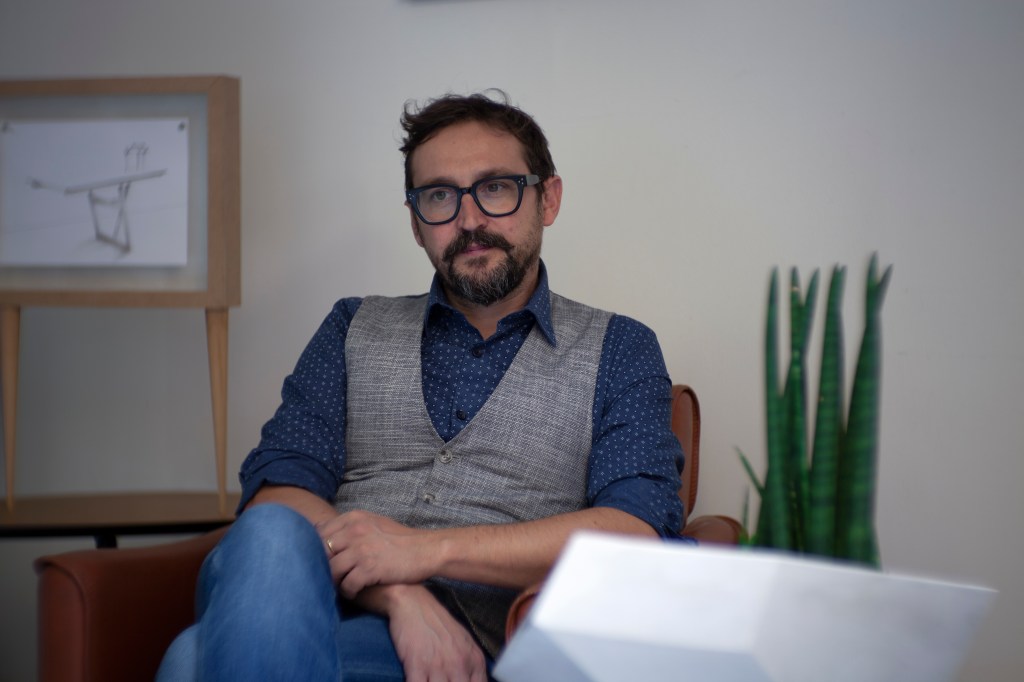
Giuseppe Buffoli (Brescia, 1979) vive e lavora a Milano. Nel 1997 si iscrive al corso di scultura presso l’accademia di Belle Arti di Brera a Milano durante il quale nel2002 ottiene con l’incisione “Soprasotto” un premio all’ XI Salon Primo. Si diploma nel 2003, dopo un periodo di ricerche sulle tecniche incisorie presso una stamperia artistica a Roma, nel 2005 si trasferisce definitivamente a Milano, dove partecipa ad alcune collettive e premi. Nel 2007 frequenta il corso d’eccellenza T.A.M., nelle Marche, finalizzato al trattamento artistico dei metalli, presieduto da Arnaldo Pomodoro e la direzione artistica di Nunzio Di Stefano, durante il quale consolida la sua ricerca artistica focalizzata sull’equilibrio e la precarietà, e realizza lavori nei quali, oltre all’impiego di materiali scultorei, si inseriscono oggetti legati alla misurazione spaziale, livelle, fili a piombo ecc. Nel 2009 prende parte alla residenza internazionale Harlem Studio Fellowship a New York (U.S.A.) dove sviluppa lavori legati al disegno con la penna a sfera. Nel 2017 partecipa al XIII Premio Cairo, tenutosi a Palazzo Reale di Milano; l’anno successivo vince il premio Weir Gabbioneta per la realizzazione di una scultura permanente da collocarsi presso la sede dell’azienda.
English text
Interview to Giuseppe Buffoli
#paroladartista #intervistaartista #artistinterview #giuseppebuffoli
Parola d’Artista: For most artists, childhood is the golden age when the first symptoms of a certain propensity to belong to the art world begin to appear. Was that the case for you too? Tell us.
Giuseppe Buffoli: Yes, ever since I was a child, I have always drawn. I remember I had a natural predisposition for drawing, especially for copying images, such as comics or other illustrations I found in books. I really liked reproducing these images, although, to tell the truth, I didn’t like colouring very much. The pleasure was in the sign, in the gesture of tracing, rather than in the use of colour. In drawing I found a kind of tranquillity, a dimension of time that flowed pleasantly. In addition, I spent a lot of time at my maternal grandparents’ house, where a great uncle of mine had a carpentry shop that had become a real playground for me. I remember spending entire afternoons building wooden contraptions that became planes or cars, or hammering nails, exploring the material with curiosity and creativity.
Pd’A: Did you, like many others, have an artistic first love?
G.B.: My first artistic love was Giovanni Anselmo. When I discovered his work, I was deeply impressed by his ability to transform the concept of sculpture into something fluid, dynamic, in constant balance between fullness and emptiness, between the visible and the invisible.
His works, in which he uses the forces that surround us or the thought of time not related to man, but to the cosmos, had an enormous impact on me. I found a form of sculpture that was not only physical, but also conceptual, that spoke of invisible forces, tensions, laws of nature. That quest for instability, precarious balance and energy that emanates from his works is something that deeply fascinated me and somehow greatly influenced my view of art.
I remember attending one of his lectures as a boy and saying: ‘We all think we are sitting here, standing still, but we are actually moving at 250 km per second towards Vega’. That sentence changed my perception of reality. It made me realise that everything is in motion, that our vision is limited and that art has the power to expand our awareness, to reveal the invisible and the dynamic in the world around us. From that moment on, art for me was no longer just matter, but an ongoing quest, an experience that challenges conventions and amplifies our perception of the world
Pd’A: What studies have you done?
G.B.: My course of study was quite linear, a natural evolution of the passion I cultivated since childhood. I attended the Liceo Artistico Statale in Bergamo, and then went on to the Brera Academy of Fine Arts in Milan, where I graduated in sculpture in 2003. After the Academy, in 2007, I had the opportunity to attend an advanced course on the artistic treatment of metals (TAM) in the Marche region, chaired by Arnaldo Pomodoro with the artistic direction of Nunzio. It was a very enriching experience, allowing me to explore different techniques and approaches in working with materials.
Pd’A: Were there any important encounters during your training years?
G.B.: Yes, undoubtedly. In addition to many friendships that still surround me today, I believe that my work experience at the Arnaldo Pomodoro studio and foundation was a crucial moment in my training. There, I had the opportunity to refine my sculptural techniques and to closely observe how an internationally renowned artist works. In particular, the staging of major exhibitions gave me the opportunity to come into direct contact with works that I had only studied in books. I also had the privilege of seeing great masters like Jannis Kounellis, Magdalena Abakanowicz and Cristina Iglesias at work, whose works inspired me and made me think.
Pd’A: How important is geometry in your work?
G.B.: Geometry is a fundamental element in my work, but not in the traditional sense of precise rules and defined angles. Rather, geometry is for me a language that helps to organise space, to give structure to form, but always in a tension between order and disorder. Often the sculptures I make almost seem to defy the laws of geometry, but in reality they are the result of research in which geometric form is questioned, transformed or ‘distorted’. The balance I try to achieve in my works, for example, is often a play of forces that involves geometry in a complex way, as if each element were in constant relation with the others, but without ever achieving total stability. Geometry in this sense becomes a system that allows sculptures to ‘dialogue’ with space, but in a way that evokes fragility and precariousness, rather than immutable solidity. It is not so much a geometry of perfection, but a geometry of tension, where the forms approach an ideal of symmetry, but never quite reach it. This, for me, is what gives life to the work: the constant search for a balance that, despite its uncertainty, is capable of arousing emotion and profound reflection on the limit and the human condition.
Pd’A: With what materials do you make your sculptures?
G.B.: There is no ‘fixed’ material I work with. The choice of material depends a lot on the idea I want to express and the relationship the form must have with the space. The material is always a means to communicate something that goes beyond the physical aspect of the object. I like to use a variety of materials, often in unconventional ways, because each material carries its own ‘personality’ that influences the final result. I have worked with plaster and raw earth, which allows me to achieve soft, almost organic surfaces. I also often use salvaged materials or everyday objects, such as hula hoops, hair dryers, spirit levels, and modified coffee table legs, because these everyday objects carry with them a kind of hidden poetry, a reminiscence of something that belongs to everyday life, but is transformed through the context in which it is placed. Over the last few years, I have been exploring the use of black paste coloured MDF, a material that allows me to achieve a clean and precise effect, playing with the contrast between the smooth surface and its sculptural potential. Another material that fascinated me is bucchero, an earthenware fired in oxygen reduction, which has a dark, velvety surface, almost as if it had been ‘treated’ by time. In the end, it is not so much the material that defines the sculpture, but the way it is used.
Pd’A: Does the idea of physicality have any importance in your sculptural practice?
G.B.: Absolutely yes. Physicality is a crucial aspect in my work, especially if we understand it as the interaction between the object and the space that surrounds it, but also as the ‘presence’ of the work in a given place. Many of my sculptures are designed to be precariously balanced or suspended, and this instability is an integral part of their physicality. The idea of precariousness that accompanies each sculpture is, in fact, a reflection on fragility and ephemerality, but also on endurance and tension towards balance. In this sense, the physicality is not only that of the material, but that of the forces acting on the work, such as gravity, movement and light. The interaction between the work and the space in which it is placed becomes fundamental. A sculpture is never an isolated object, but is always in relation to its environment. It is as if the work physically ‘adapts’ to the environment in which it is placed, finding its own balance that is always in flux.
Pd’A: When you prepare an exhibition, are you interested in the idea of staging the work?
G.B.: Yes, the moment of the exhibition is a further opportunity to bring the work to life outside the studio context. Exporting a work to another space is in itself a way of ‘staging’ it, but for me it is not so much a theatrical play on the work as an attempt to create a dialogue between the different works on display. I am very interested in how the sculptures relate to each other and to the exhibition space, as if they form a whole that speaks through their positioning, their interaction and their ability to ‘dialogue’ with their surroundings. In other words, the arrangement of the works, their sequence and their relationship with the space becomes part of the message I want to convey. I like the viewer to be able to ‘read’ the route, to understand how each sculpture fits into a larger context, almost like a story unfolding in space.
Pd’A: How important is light in your work?
G.B.: Light is a fundamental element in my work, not only as a visual condition, but as a tool that helps to define the very substance of the work. For me, sculpture is never something static; it is always in relation to space and the light that illuminates it. Light can reveal or conceal parts of the work, constantly transforming it. The effect that light has on surfaces and forms is as important to me as the sculpture itself. Sometimes the light creates a contrast that accentuates the delicacy or precariousness of the balance of my sculptures, as if it were an integral part of their fragile support. It is a kind of continuous dialogue, where sculpture and light mirror and modulate each other. In my works, light is never a mere complement, but an energy that becomes visible and activates the interaction between matter and space.
Pd’A: How important are the categories of time and space in what you do?
G.B.: Time and space are essential categories in my work. My sculpture is never just a physical object, but a presence that interacts with time and the space that surrounds it. Time is present in the way the sculptures are designed to be fragile and unstable: the balance I try to create is always precarious, and it is as if the work were suspended in a moment that could change from one moment to the next. There is never absolute ‘staticity’, but a constant tension between the action of movement and the resistance to falling. This makes time a living and pervasive element in my work. Space, on the other hand, is always an active interlocutor. Every sculpture I make is conceived in relation to the space that houses it, to the context in which it lives. For me, space is not a mere container, but a dynamic reality that influences and modulates the perception of the work.
Each work becomes a spatial experience, in which the audience is called upon to interact physically and mentally with the work, to perceive its distance, depth and relationship to the environment.
Pd’A: In your opinion, does the sacred still have an importance in art today?
G.B.: The sacred certainly still has an importance in contemporary art, but perhaps in different ways than in the past. Today we do not see it so much as a traditional religious or spiritual value, but more as a category that can be reinterpreted, desecrated, transformed. The sacred in today’s art can be understood as a symbol of that ‘mystery’ that art itself is able to evoke: a sense of transcendence, of transcending the boundaries of visible reality, which invites us to reflect on existential questions, on our relationship with the infinite, on chaos and order. In this sense, the sacred is not only an object of worship, but can also be a metaphor for what we cannot fully comprehend, but continue to seek. In my work, for example, the sacred is often questioned and overturned: in sculptures that are poised or suspended, there is a kind of ‘secular’ sacredness, which plays on ambiguity and instability, precisely to highlight the fragility of the human condition and the precariousness of our certainties.
Take, for example, the suspended hula hoops in my works: these hoops, which are normally symbols of playfulness and lightness, are portrayed as enormous haloes, but devoid of any conventional religious significance. This reversal of the sacred in an ironic and playful key is for me a way to keep alive a reflection on the idea of spirituality, but also to question traditional forms of veneration, giving sacredness a more dynamic, open and interpretative face.
Pd’A: Do works of art exist if there is no one to look at them?
G.B.: This is a question that makes me think a lot. On the one hand, the work exists independently of the presence of the viewer, it is a physical object that has its own material existence. But on the other hand, I believe that art only makes sense in its relationship with the other, with the spectator. It is at the moment when the work comes into contact with the viewer that it takes on its meaning, that it becomes ‘complete’. Art lives in a dimension of interaction, and without the looking, the interpreting, the perceiving, I believe that the work remains only an unrealised potential. It is not so much that works ‘exist’ only when they are observed, but that their ‘truth’ is revealed only when someone experiences them, questions them, reworks them. The work of art is, therefore, a dialogue that is born and comes to life at the moment it is observed, interpreted, perceived.
Pd’A: What is your position with respect to your work?
G.B.: My position with respect to my work is that of an observer-active, who works with and through forms, but who, at the same time, can never be completely detached from the creative process. The work does not originate from a predefined intention, but from research that develops in relation to the material, the space, and above all the context. I am not a ‘father’ of my sculptures, but rather a ‘channel’ through which an experience beyond my control passes. I like to think that my work is never a definitive statement, but an ongoing attempt to explore the ineffable, the unstable, the invisible. My position is therefore that of a researcher whose task is to give form to what does not yet have form, to seize the moment in which a precarious form is established, only to be continually questioned. For me, sculpture becomes a tool for questioning myself and for continually asking myself what it means to ‘be’ in a space, in a time, in a relationship.
SHORT BIOGRAPHY
Giuseppe Buffoli (Brescia, 1979) lives and works in Milan. In 1997, he enrolled in the sculpture course at the Brera Academy of Fine Arts in Milan, during which he won an award at the 11th Salon Primo in 2002 with the engraving ‘Soprasotto’. He graduated in 2003, and after a period of research into engraving techniques at an artistic print shop in Rome, in 2005 he moved permanently to Milan, where he took part in several group exhibitions and awards. In 2007, he attended the T.A.M. course of excellence, in the Marche region of Italy, aimed at the artistic treatment of metals, chaired by Arnaldo Pomodoro and under the artistic direction of Nunzio Di Stefano, during which he consolidated his artistic research focused on balance and precariousness, and produced works in which, in addition to the use of sculptural materials, objects linked to spatial measurement, spirit levels, plumb lines, etc. were used. In 2009, he took part in the international Harlem Studio Fellowship residency in New York (U.S.A.) where he developed works related to biros drawing. In 2017, he participated in the 13th Cairo Prize, held at the Palazzo Reale in Milan; the following year, he won the Weir Gabbioneta prize for the creation of a permanent sculpture to be placed at the company’s headquarters.
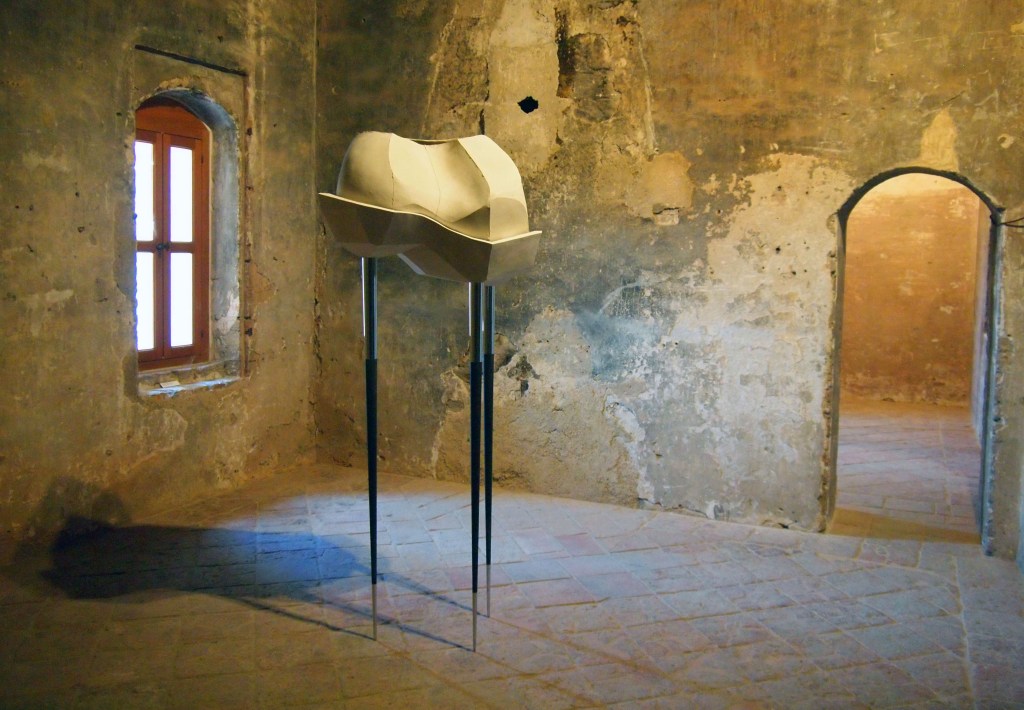
Titolo: LA SENSIBILITà DELL’ARCHEOLOGO
Anno: 2017
Tecnica: gesso, creta cruda, ferro cromato, resina
Dimensioni: 80 x 183 x 55 cm
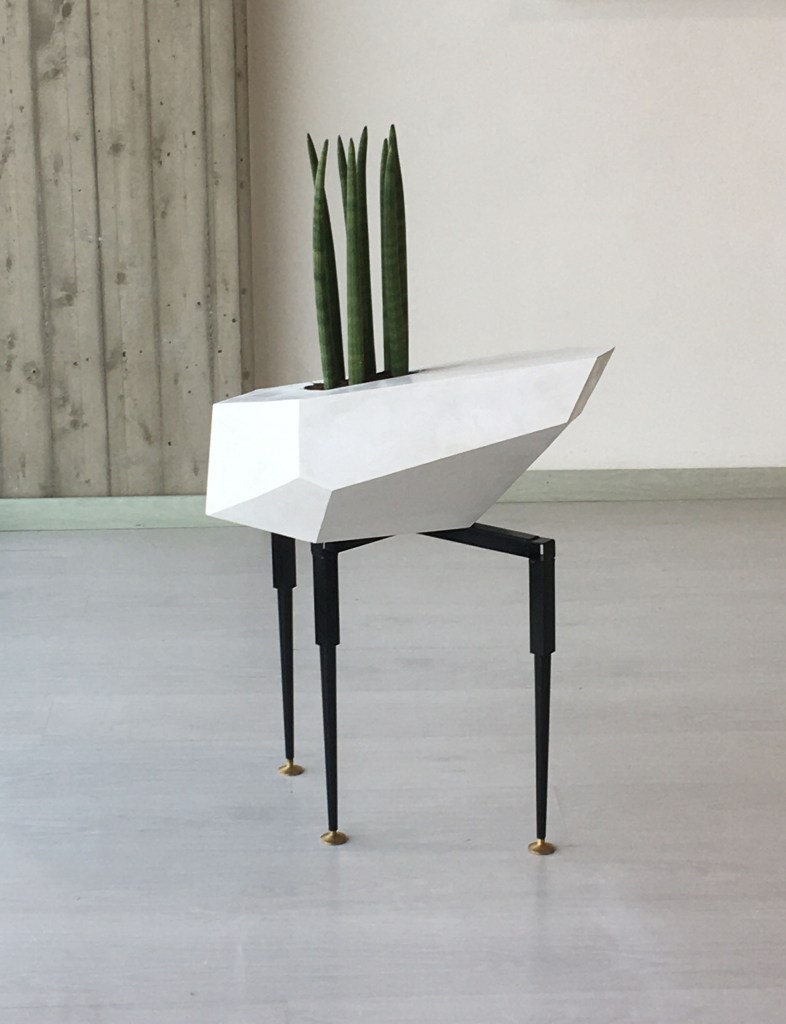
Titolo: LA SENSIBILITà DELL’ARCHEOLOGO
Anno: 2018
Tecnica-materiali: gesso,ferro, ottone, terra, germoglio
Dimensioni: 65 x 67 x 55 cm
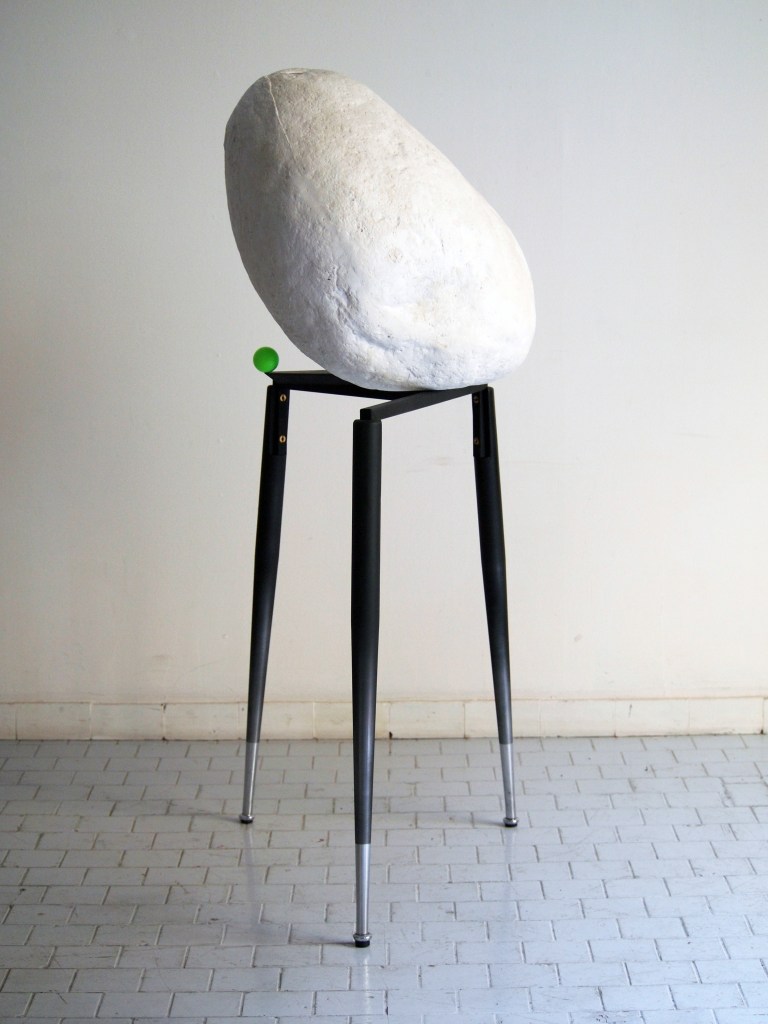
Titolo: CHANGE TO STAY THE SAME
Dimensioni: 75x 135×60 cm
Anno: 2021
Materiali: gesso, acciaio cromato e verniciato, livella, legno
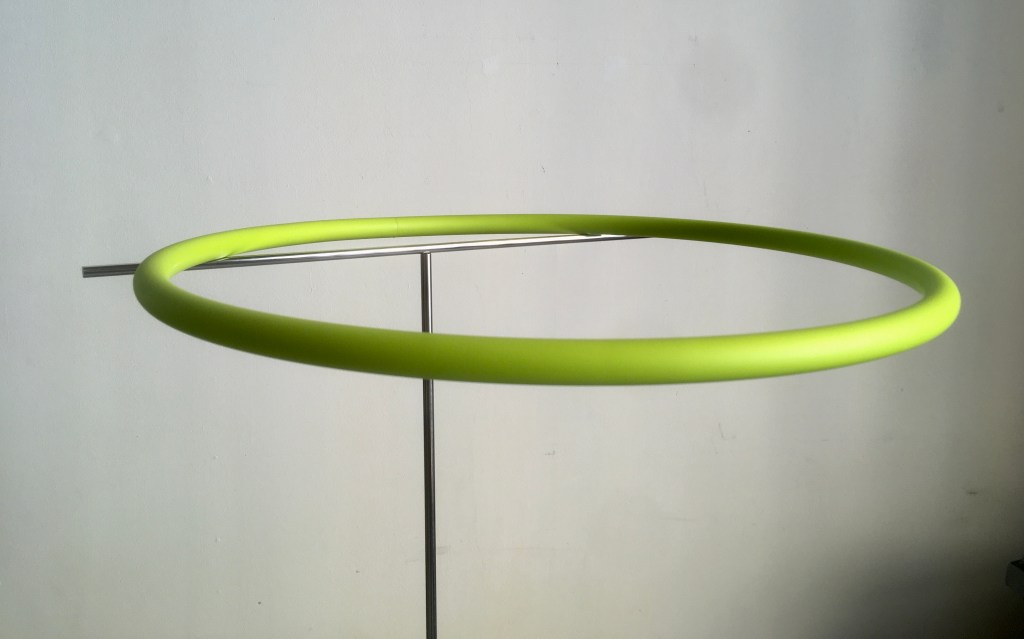
Titolo: MACCHINA PER SANTITÀ
Anno: 2022
Tecnica: hula-oop, acciaio, MDF,piombo
Dimensioni: 50 x 135 x 50 cm
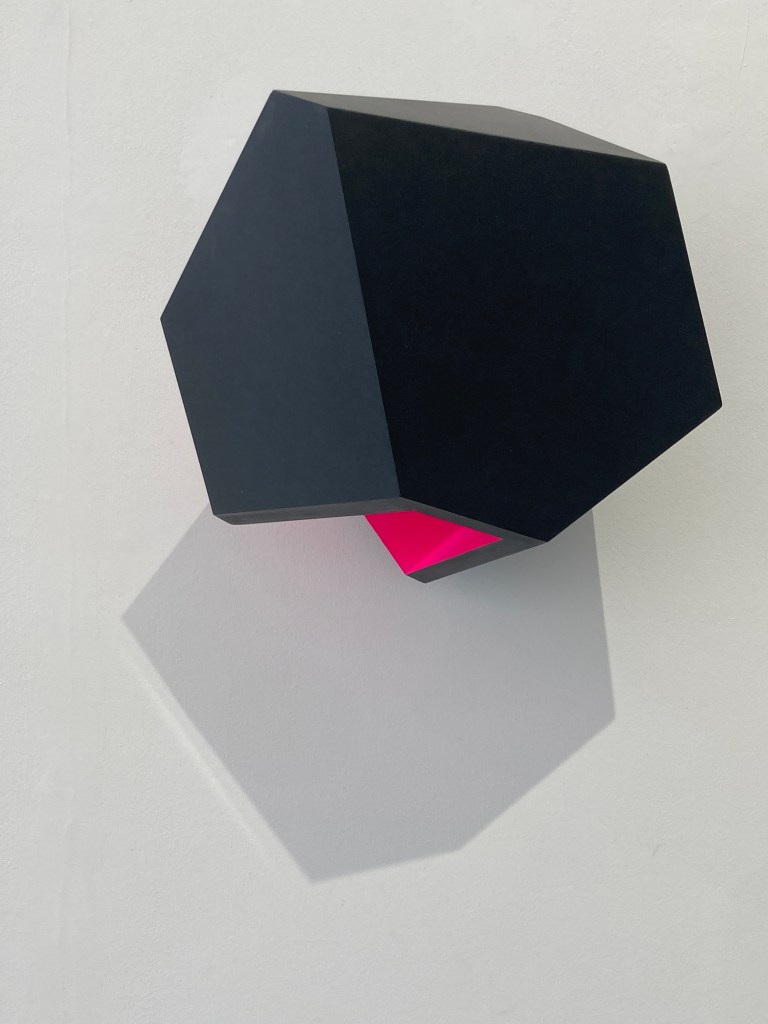
Titolo: LOOK UP (MELANCHOLIA)
Anno: 2024
Tecnica: MDF nero, smalto
Dimensioni: 40 x 40 x 40 cm
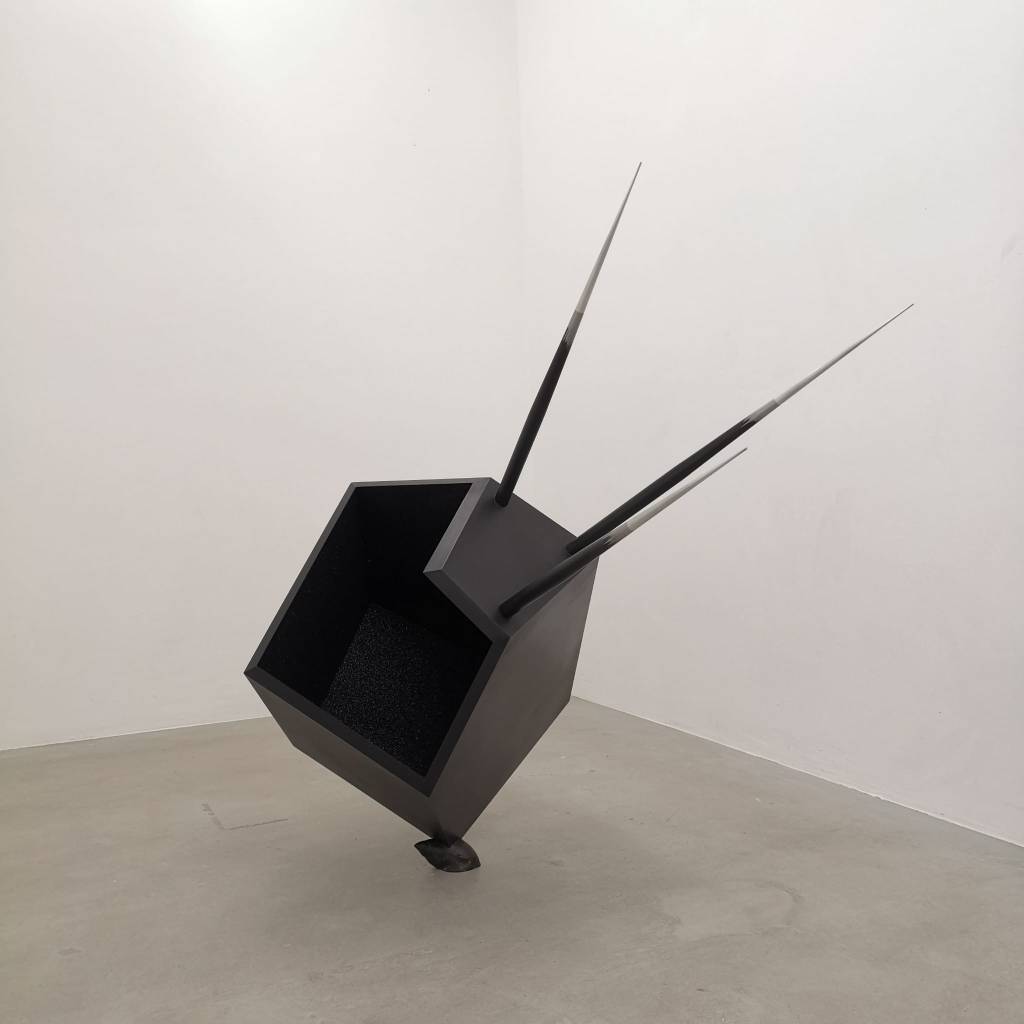
Titolo: TUTTE LE BUONE INTENZIONI
Anno: 2024
Tecnica: MDF nero, glitter nero, ferro, alluminio, bronzo
Dimensioni: 75 x 115 x 110 cm

