
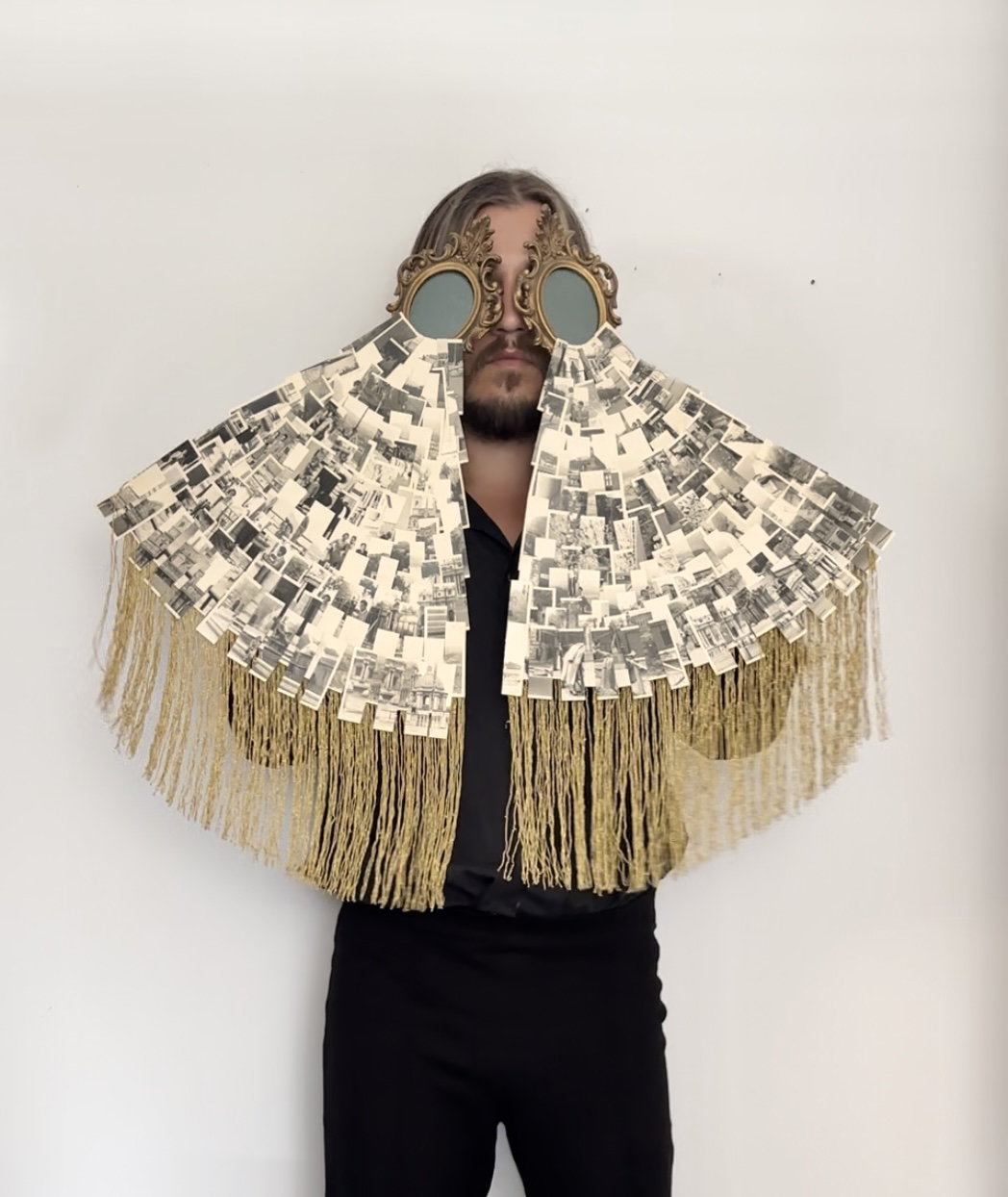
(▼Scroll down for English text)
#paroladartista #intervistaartista #artistinterview #raffaelemilazzo
Parola d’Artista: Ciao Raffaele, Per la maggior parte degli artisti, l’infanzia rappresenta il periodo d’oro in cui iniziano a manifestarsi i primi sintomi di un certo interesse verso l’arte. È stato così anche per te? Racconta.
Raffaele Milazzo: Penso che l’infanzia sia il periodo più sperimentale per un individuo. Già da piccolo amavo l’arte in ogni sua forma, sia nel movimento del corpo che nel visivo. All’età di nove anni ho iniziato a fare danza. Amavo quel modo di esprimermi; era un modo per esternare le mie emozioni, mi sentivo appagato e di conseguenza amavo osservare i corpi nella loro dinamicità ed eleganza. In casa, i miei genitori mi lasciavano scegliere già da piccolo come disporre i quadri e il resto dell’arredo. Ricordo che mia mamma aveva delle tende con delle nappe che costantemente toglievo per assemblarle a modo mio.
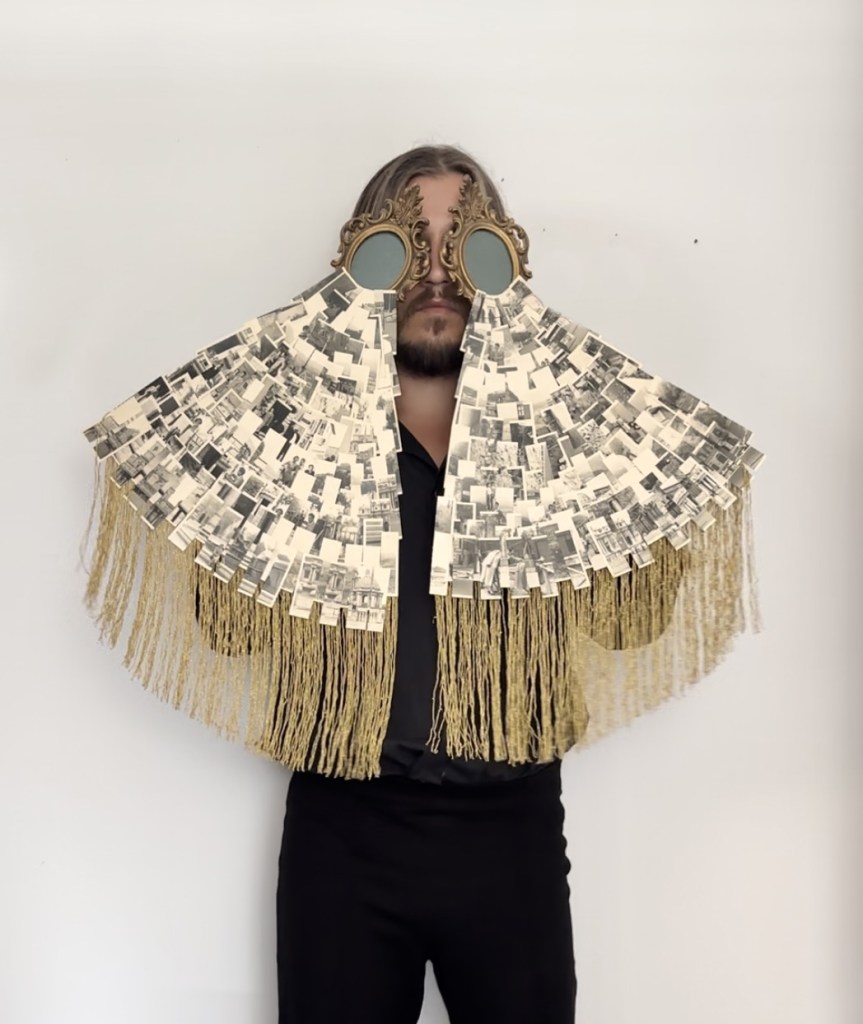
Il ricordo più bello è quello del piccolo negozio di mio nonno, anzi della “persiana”, dove mio nonno raccoglieva tra le strade di Palermo oggetti di ogni tipo: cornici, fotografie, vestiti e tanto altro. Li disponeva in quella piccola stanza con i muri cadenti ed io ero affascinato da quel luogo e da tutti quegli oggetti accatastati. Passavo ore in quel posto insieme a lui a “sistemare” a modo mio tutti quegli oggetti che, una volta trovata la loro collocazione, a mio avviso, diventavano qualcos’altro. La loro forma appariva più bella.
Pd’A: Quale è stato il tuo primo amore artistico?
R.M.: Il mio primissimo amore artistico è stato Edgar Degas. Non appena ho visto “Piccola Ballerina di quattordici anni” mi sono innamorato di quel modo molto innovativo di fare scultura. Fino ad allora avevo studiato opere che seguivano schemi più tradizionali, come le statue marmoree che spesso raffiguravano nudi idealizzati.
L’allontanamento dalla tradizionale scultura classica si concretizzava in quest’opera nell’utilizzo di materiali non convenzionali e realistici, e nella posa che non rimandava affatto alla grazia, all’eleganza e alla bellezza, attributi solitamente associati al mondo della danza. La statua era modellata in cera colorata (non nel tradizionale marmo) e presentava inoltre accessori reali: aveva capelli umani veri legati con un nastro di raso, indossava un corpetto in stoffa, un tutù di pizzo e scarpette da ballo in seta rosa. Col tempo ho apprezzato altri artisti e stili, ma ricordo di essermi completamente innamorato di Degas e di aver comprato il mio primo numero di Art e Dossier.
Pd’A: Quali studi hai fatto?
R.M.: Ho frequentato l’Istituto Statale d’Arte di Palermo e successivamente l’Accademia di Belle Arti di Palermo, completando sia il triennio che il biennio in Scultura.
Pd’A: Ci sono statti degli incontri importanti durante la tua formazione?
R.M.: Durante il triennio all’Accademia di Belle Arti di Palermo, ho incontrato l’artista Daniele Franzella, che mi ha dato modo di sperimentare le tecniche della scultura, ma soprattutto mi trasmetteva l’amore per la forma. L’eleganza e la poetica del suo fare erano per me ossigeno; ero innamorato del suo modo di operare, soprattutto di comunicare. Le sue parole per me erano poesia, così come il suo lavoro.
Durante il biennio, invece, ho incontrato l’artista Paolo Grassino. Come un uragano mi ha travolto. E’ stato per me come una forma di scarcerazione; mi ha dato modo di apprezzare ciò di cui mi vergognavo e di farne tesoro e vanto. Mi ha accompagnato nella ricerca del mio essere e nel scavare il mio passato, liberandomi da quei confini. È stato il primo a darmi la possibilità di esporre il mio lavoro come artista. La prima cosa che vide del mio lavoro fu una fotografia che scattai a una sedia su cui c’erano dei vestiti stirati da mia madre, colse immediatamente il gesto d’amore che avevo fotografato e aprì in me un mondo. Proprio da questa sedia partì il mio lavoro, legato a quel gesto, e così nacque “Ipertrofia”.
Pd’A: Che importanza hanno nel tuo lavoro l’idea di orizzontale e verticale?
R.M.: Nel mio lavoro, l’idea di orizzontale e verticale gioca un ruolo significativo. Questi due concetti non sono solo elementi fisici nello spazio, ma rappresentano anche concetti simbolici che influenzano la mia espressione artistica. L’orizzontale spesso evoca senso di stabilità, di infinito di equilibrio e connessione con la terra, mentre il verticale può simboleggiare crescita, aspirazione verso l’alto e dinamicità. Utilizzo questi elementi per creare composizioni che esplorano il rapporto tra solidità e movimento, stabilità ed espansione, cercando di trasmettere un equilibrio dinamico nei miei lavori.
Pd’A: Sei interessato alla dimensione mnemonica degli oggetti che impieghi nelle tue istallazioni o ti interessa di più l’aspetto formale?
R.M.: Sono profondamente interessato alla dimensione mnemonica degli oggetti che utilizzo nelle mie installazioni. Per me, ogni oggetto porta con sé una storia, un ricordo o un significato che va al di là della sua semplice forma fisica, anche se avvolte sono affascinato dalla forma. Mi ammalia esplorare come questi oggetti possano evocare emozioni, ricordi e connessioni emotive nelle persone, oltre che nel processo creativo. L’aspetto mnemonico degli oggetti mi permette di creare lavori che sono intrise di narrazioni personali e collettive, trasformando il materiale fisico in esperienze sensoriali e emotive per chi le osserva.
Pd’A: Quando inizi un lavoro hai già un’idea chiara di come si svilupperà o c’è spazio per delle modifiche in corso d’opera?
R.M.: Solitamente ho già un’idea, ma spesso è la forma che mi consiglia come procedere e capita ogni tanto che in corso d’opera modifico il lavoro.
Pd’A: Come procedi nel tuo lavoro?
R.M.: Parto spesso da un’emozione personale, dal mio vissuto, e cerco di riconoscere il collegamento con l’esperienza collettiva. Trovo spesso ispirazione nei mercati dell’usato, dove mi capita di innamorarmi di un elemento e immediatamente nasce un nuovo lavoro. In altre occasioni, invece, ci vuole più tempo: devo metabolizzare e riflettere a lungo. Il quotidiano gioca un ruolo cruciale nel processo creativo. Gesti, parole e storie delle persone intorno a me, come la mia famiglia, gli amici e le persone care, sono fondamentali. I testi e i luoghi del passato e del presente sono indispensabili per gli stimoli: contribuiscono a trovare la soluzione e a dare forma ai miei lavori.
Pd’A: Il disegno ha una qualche importanza in quello che fai?
R.M.: Certamente, a volte parto da un disegno, devo dire che spesso anche la scrittura mi aiuta nel processo creativo.
Pd’A: Ti interessa l’idea di messa in scena del lavoro riferita alla sua esposizione?
R.M.: Assolutamente sì, ci tengo alla collocazione e al contesto, il luogo deve dialogare con il lavoro.
Pd’A: Che tipo di dialogo cerchi con lo spettatore che si trova davanti al tuo lavoro?
R.M.: Spero sempre di non aver bisogno di parlare del mio lavoro, ma che lo spettatore percepisca ciò che gli voglio comunicare. Desidero che si riconosca nel mio lavoro e che questo possa suscitare in lui emozioni e ricordi.
Un curatore una volta mi disse che sono troppo attraversabile, come se lo spettatore potesse entrare subito dentro di me e dentro il mio lavoro. Non presi molto bene questa affermazione all’epoca, poi mi resi conto che in parte aveva ragione e che questa cosa non mi dispiaceva. Lo notavo perché lo spettatore spesso non mi chiede nulla, riesce a percepire immediatamente cosa voglio dire.
Pd’A: Che cosa succede alle opere quando non c’è nessuno che le osserva, l’esistenza di un opera d’arte può prescindere dalla presenza di un osservatore?
R.M.: Mi dico sempre che i lavori devono sapersi difendere da soli, senza di me; devono riuscire a stare in piedi da soli. Un lavoro deve attirare l’osservatore a sé, anche in mezzo ad altri, e deve riuscire a catturare l’attenzione, anche da lontano.
Pd’A: Secondo te l’artista dove si pone nei confronti della sua opera?
R.M.: È un rapporto profondo e complesso: l’artista non solo crea fisicamente il suo lavoro, ma trasferisce anche parte della propria esistenza, visione del mondo ed emotività. Il lavoro diventa un mezzo attraverso il quale l’artista esplora ed esprime se stesso. È un atto di comunicazione diretta e autentica. Alcuni artisti scelgono
di separarsi emotivamente o concettualmente dal proprio lavoro, posizionandosi quasi come osservatori esterni o mediatori. Questo approccio può permettere al lavoro di sviluppare una vita propria, indipendentemente dall’artista.
(C’è chi come molti performer si pone al centro di quello che fa, chi a lato come per esempio Giulio Paolini, un modo che denota una forma di distacco, altri assumono posizioni differenti tu?)
Dipende, a volte mi pongo in una posizione molto intima e personale rispetto al mio lavoro, altre volte preferisco essere spettatore e guardarlo dall’esterno. Io parlo attraverso i miei lavori; non riesco a stare bene senza questo modo di comunicare. Mi dico spesso che il mio lavoro è il mio psicologo. Credo di riflettermi nel mio lavoro: mi racconto, mi analizzo, sono all’interno dei miei lavori. Penso di essere presente in ogni parte del mio lavoro.
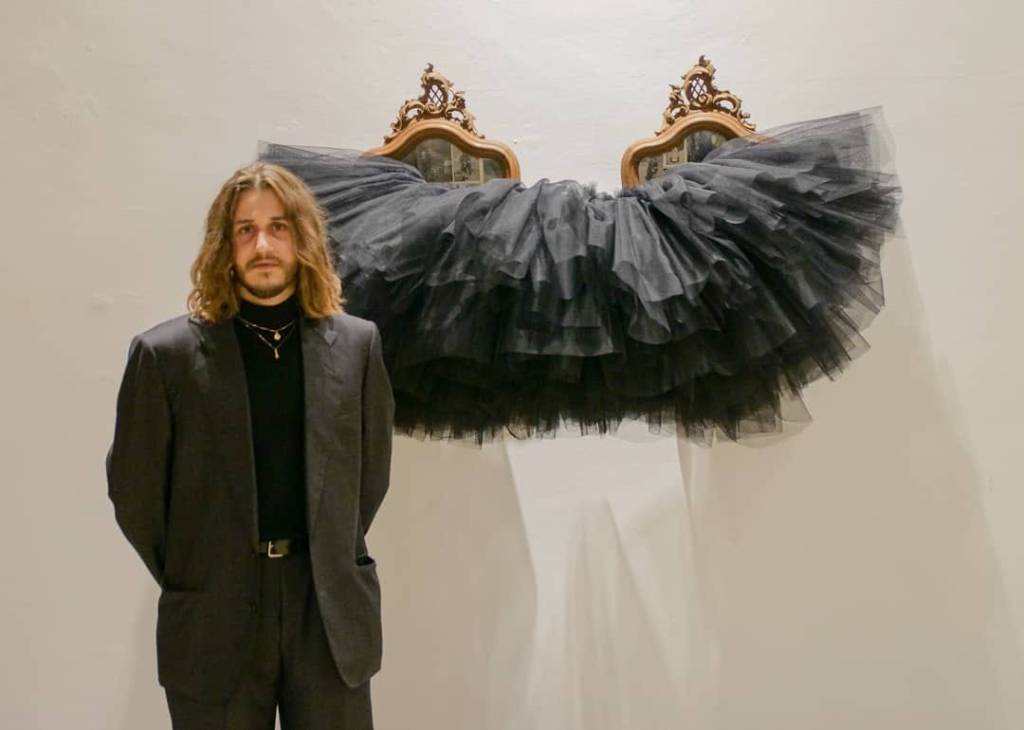
Raffaele Milazzo (1991, Palermo) è un artista che vive e lavora tra Palermo e Milano. Ha esposto in diverse parti d’Italia, sia in gallerie private che in spazi pubblici, e le sue opere sono incluse in collezioni sia private che pubbliche.
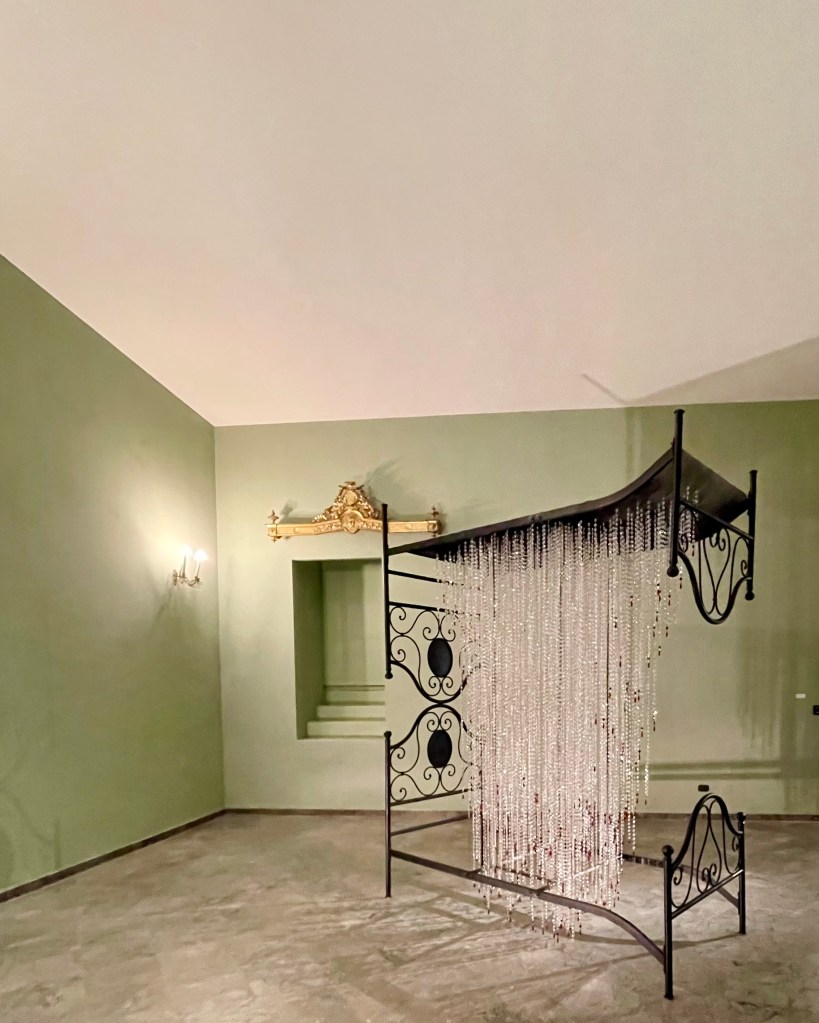
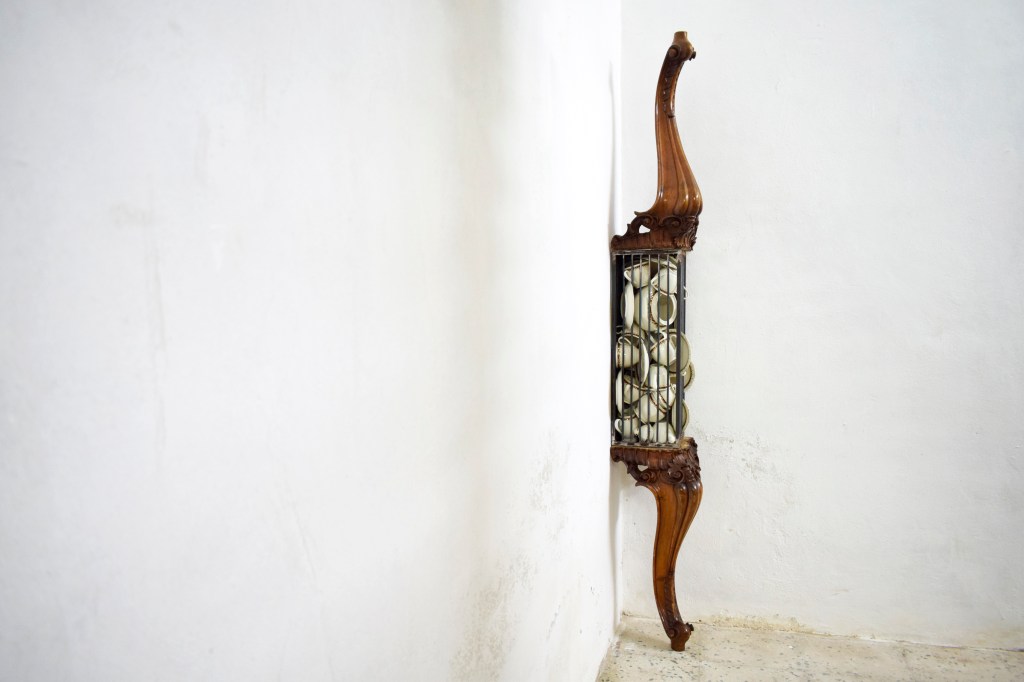
Il lavoro di Raffaele Milazzo si manifesta come una dolce concessione di senso alla realtà quotidiana. Guardando agli oggetti di uso comune, quelli che ci fanno stare bene, egli cerca di potenziarne il valore simbolico. Salvandoli dalla rovina e tentando di recuperarli dalle forze oscure del tempo, Milazzo attua una sorta di rivolta nascosta, creando un “rosario” che svela salvezze di un mondo privato.
La sensibilità dei materiali utilizzati nella sua costruzione architettonica rivela un gesto di ritorno verso la propria educazione. Tuttavia, all’interno di questa rassicurazione, si insinua un desiderio di sfuggire al dilemma tra distruggere e ricostruire. Così, sempre in bilico tra sacro e sacrilegio, Milazzo è in cerca di una formula segreta della retorica.
English text
Interview to Raffaele Milazzo
#paroladartista #intervistaartista #artistinterview #raffaelemilazzo
Parola d’Artista: Hi Raffaele, For most artists, childhood is the golden age when the first signs of an interest in art begin to appear. Was that the case for you too? Tell us.
Raffaele Milazzo: I think childhood is the most experimental period for an individual. Even as a child, I loved art in all its forms, both in body movement and the visual. At the age of nine, I started doing dance. I loved that way of expressing myself; it was a way of externalizing my emotions, I felt fulfilled and consequently loved observing bodies in their dynamism and elegance. At home, my parents let me choose from an early age how to arrange the paintings and the rest of the furniture. I remember that my mum had curtains with tassels that I was constantly removing to assemble them in my own way.
The most beautiful memory is that of my grandfather’s small shop, or rather the ‘persiana’, where my grandfather used to collect all kinds of objects from the streets of Palermo: frames, photographs, clothes and much more. He would arrange them in that small room with the walls falling down and I was fascinated by that place and all those piled-up objects. I used to spend hours in that place with him ‘arranging’ in my own way all those objects which, once they found their place, in my opinion, became something else. Their form appeared more beautiful.
Pd’A: What was your first artistic love?
R.M.: My very first artistic love was Edgar Degas. As soon as I saw ‘Little Dancer of Fourteen’, I fell in love with that very innovative way of doing sculpture. Until then I had studied works that followed more traditional patterns, such as marble statues that often depicted idealised nudes.
The departure from traditional classical sculpture was realised in this work in the use of unconventional and realistic materials, and in the pose that did not at all evoke grace, elegance and beauty, attributes usually associated with the world of dance. The statue was modelled in coloured wax (not traditional marble) and also had real accessories: she had real human hair tied with a satin ribbon, wore a cloth bodice, a lace tutu and pink silk ballet slippers. Over time I appreciated other artists and styles, but I remember falling completely in love with Degas and buying my first issue of Art and Dossier.
Pd’A: What studies did you do?
R.M.: I attended the State Institute of Art in Palermo and then the Academy of Fine Arts in Palermo, completing both the three-year and two-year courses in Sculpture.
Pd’A: Were there any important encounters during your training?
R.M.: During my three years at the Academy of Fine Arts in Palermo, I met the artist Daniele Franzella, who gave me the opportunity to experiment with sculpture techniques, but above all, he transmitted to me his love for form. The elegance and poetics of his making were oxygen for me; I was in love with his way of working, especially of communicating. His words were poetry to me, as was his work.
During the two-year period, however, I met the artist Paolo Grassino. Like a hurricane he swept over me. It was like a form of release for me; it gave me the opportunity to appreciate what I was ashamed of and to treasure and boast about it. It accompanied me in the search for my being and in excavating my past, freeing me from those boundaries. He was the first to give me the opportunity to exhibit my work as an artist. The first thing he saw of my work was a photograph I took of a chair on which there were clothes ironed by my mother, he immediately grasped the gesture of love I had photographed and opened up a world in me. It was from this chair that my work, linked to that gesture, started, and so ‘Hypertrophy’ was born.
Pd’A: What importance do the idea of horizontal and vertical have in your work?
R.M.: In my work, the idea of horizontal and vertical plays a significant role. These two concepts are not only physical elements in space, but also represent symbolic concepts that influence my artistic expression. The horizontal often evokes a sense of stability, infinite balance and connection to the earth, while the vertical can symbolise growth, upward aspiration and dynamism. I use these elements to create compositions that explore the relationship between solidity and movement, stability and expansion, trying to convey a dynamic balance in my work.
Pd’A: Are you interested in the mnemonic dimension of the objects you use in your installations or are you more interested in the formal aspect?
R.M.: I am deeply interested in the mnemonic dimension of the objects I use in my installations. For me, every object carries with it a story, a memory or a meaning that goes beyond its mere physical form, although sometimes I am fascinated by the form. I am fascinated by how these objects can evoke emotions, memories and emotional connections in people, as well as in the creative process. The mnemonic aspect of objects allows me to create works that are steeped in personal and collective narratives, transforming physical material into sensory and emotional experiences for the viewer.
Pd’A: When you start a work, do you already have a clear idea of how it will develop, or is there room for changes as you go along?
R.M.: I usually already have an idea, but it is often the form that advises me how to proceed and it happens occasionally that I modify the work in the course of the work.
Pd’A: How do you go about your work?
R.M.: I often start from a personal emotion, from my own experience, and try to recognise the connection with the collective experience. I often find inspiration in second-hand markets, where I fall in love with an element and immediately a new work is born. On other occasions, however, it takes longer: I have to metabolise and reflect for a long time. The everyday plays a crucial role in the creative process. Gestures, words and stories of the people around me, such as my family, friends and loved ones, are crucial. Texts and places from the past and present are indispensable for stimuli: they help to find the solution and shape my work.
Pd’A: Does drawing have any importance in what you do?
R.M.: Certainly, sometimes I start from a drawing, I have to say that often writing also helps me in the creative process.
Pd’A: Are you interested in the idea of staging the work in relation to its exhibition?
R.M.: Absolutely yes, I am interested in location and context, the place must dialogue with the work.
Pd’A: What kind of dialogue do you seek with the viewer in front of your work?
R.M.: I always hope that I do not need to talk about my work, but that the viewer perceives what I want to communicate to him. I want him to recognise himself in my work and for it to arouse emotions and memories in him.
A curator once told me that I am too traversable, as if the viewer could immediately enter me and my work. I did not take this statement very well at the time, then I realised that he was partly right and that I did not mind this. I noticed this because the spectator often doesn’t ask me anything, he can immediately perceive what I want to say.
Pd’A: What happens to works when there is no one there to observe them, can the existence of a work of art be independent of the presence of an observer?
R.M.: I always tell myself that works must be able to stand on their own, without me; they must be able to stand on their own. A work must draw the observer to itself, even in the midst of others, and it must be able to capture attention, even from afar.
Pd’A: Where do you think the artist stands in relation to his work?
R.M.: It is a deep and complex relationship: the artist not only physically creates his work, but also transfers part of his own existence, worldview and emotionality. The work becomes a medium through which the artist explores and expresses himself. It is an act of direct and authentic communication. Some artists choose
to separate themselves emotionally or conceptually from their work, positioning themselves almost as external observers or mediators. This approach can allow the work to develop a life of its own, independent of the artist.
(There are those who, like many performers, place themselves at the centre of what they do, others to the side like Giulio Paolini for example, a manner that denotes a form of detachment, others take different positions do you)?
It depends, sometimes I place myself in a very intimate and personal position in relation to my work, other times I prefer to be a spectator and watch it from the outside. I speak through my work; I can’t be comfortable without this way of communicating. I often tell myself that my work is my psychologist. I think I reflect myself in my work: I tell myself, I analyse myself, I am inside my work. I think I am present in every part of my work.
Raffaele Milazzo (1991, Palermo) is an artist who lives and works between Palermo and Milan. He has exhibited in different parts of Italy, both in private galleries and public spaces, and his works are included in both private and public collections.
Raffaele Milazzo’s work manifests itself as a gentle concession of meaning to everyday reality. By looking at everyday objects, those that make us feel good, he seeks to enhance their symbolic value. Saving them from ruin and attempting to retrieve them from the dark forces of time, Milazzo enacts a kind of hidden revolt, creating a ‘rosary’ that reveals the salvation of a private world.
The sensitivity of the materials used in his architectural construction reveals a gesture of return towards his own upbringing. However, within this reassurance creeps a desire to escape the dilemma between destroying and rebuilding. Thus, always poised between sacred and sacrilege, Milazzo is in search of a secret formula of rhetoric.
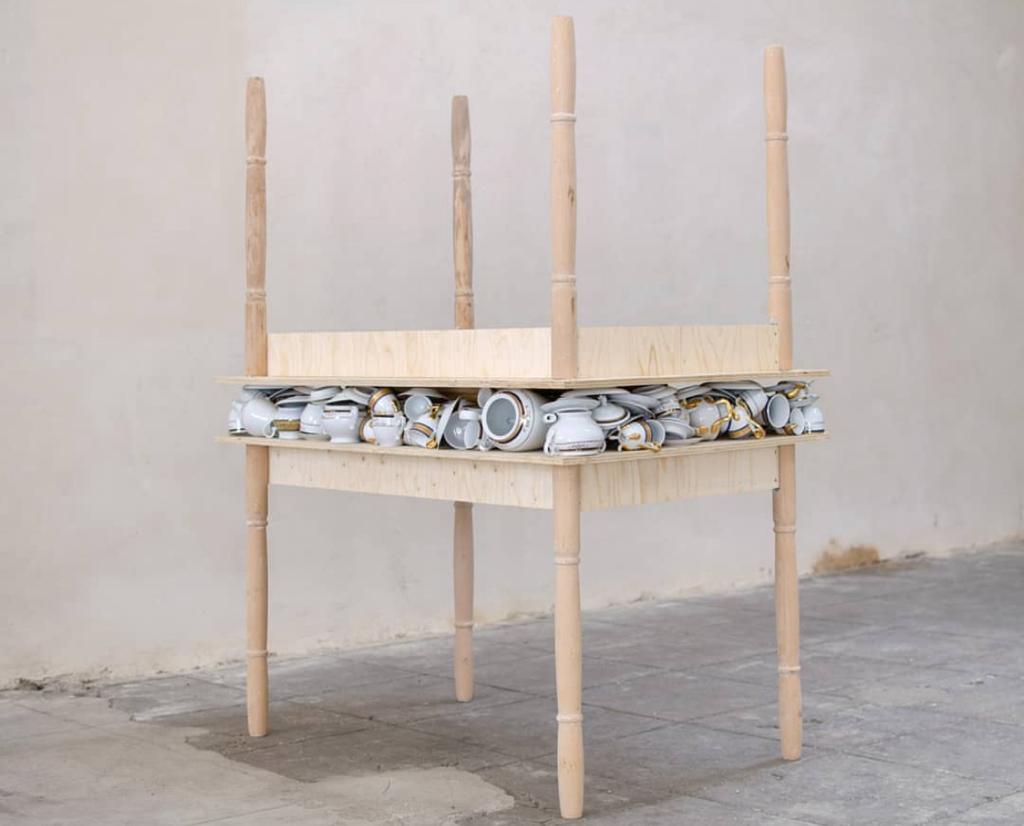
AGRODOLCE CONSERVA
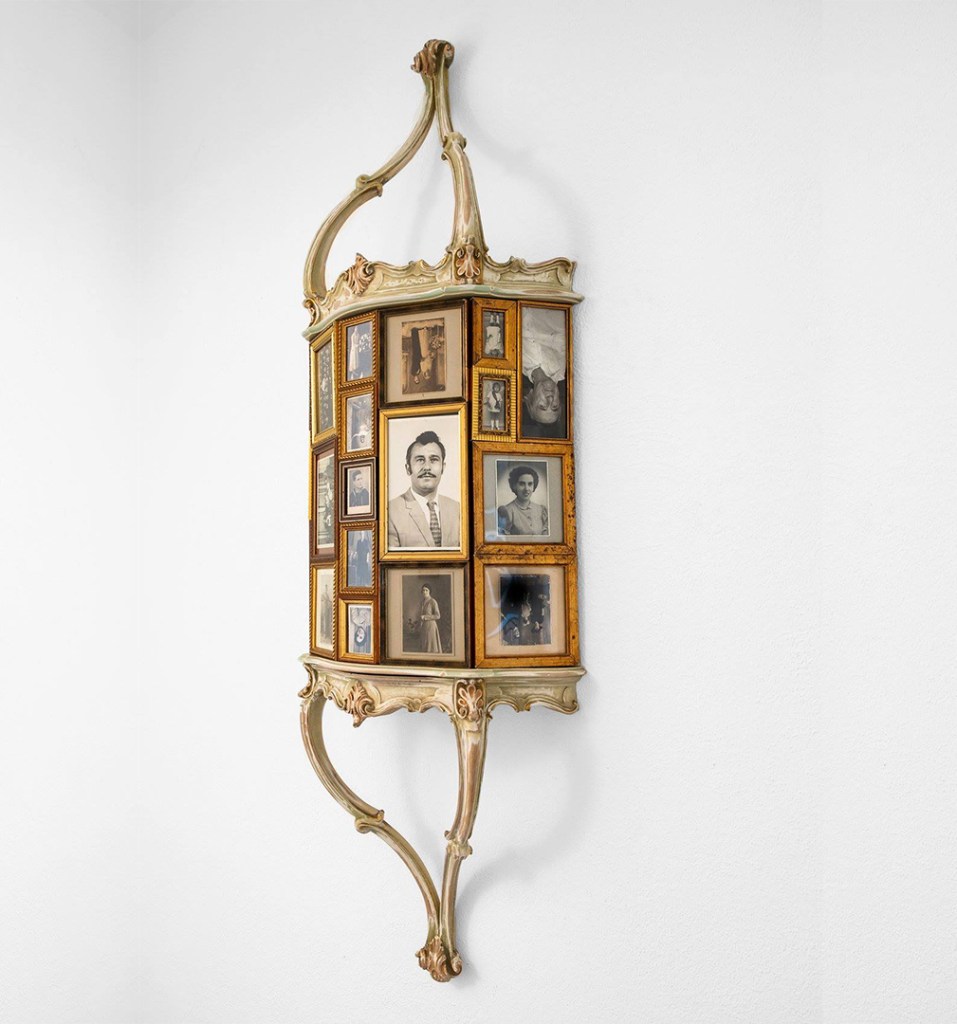
CLESSIDRA
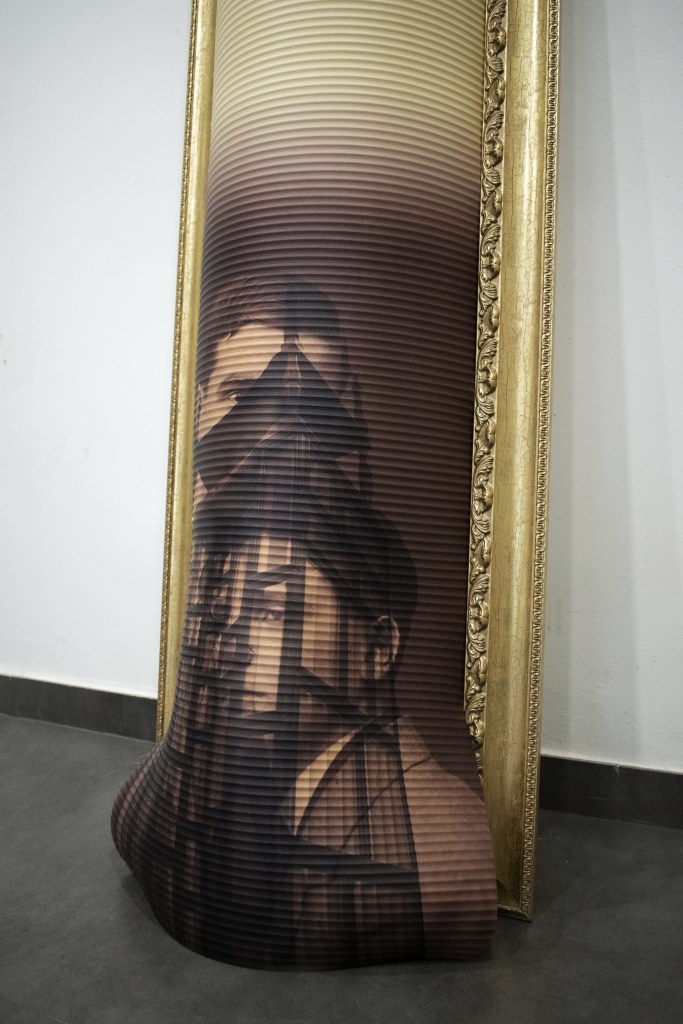
CUSTODI
MY BED
PLACIDO VIOLA
UNITI PERDIAMOCI
 paroladartista.com