
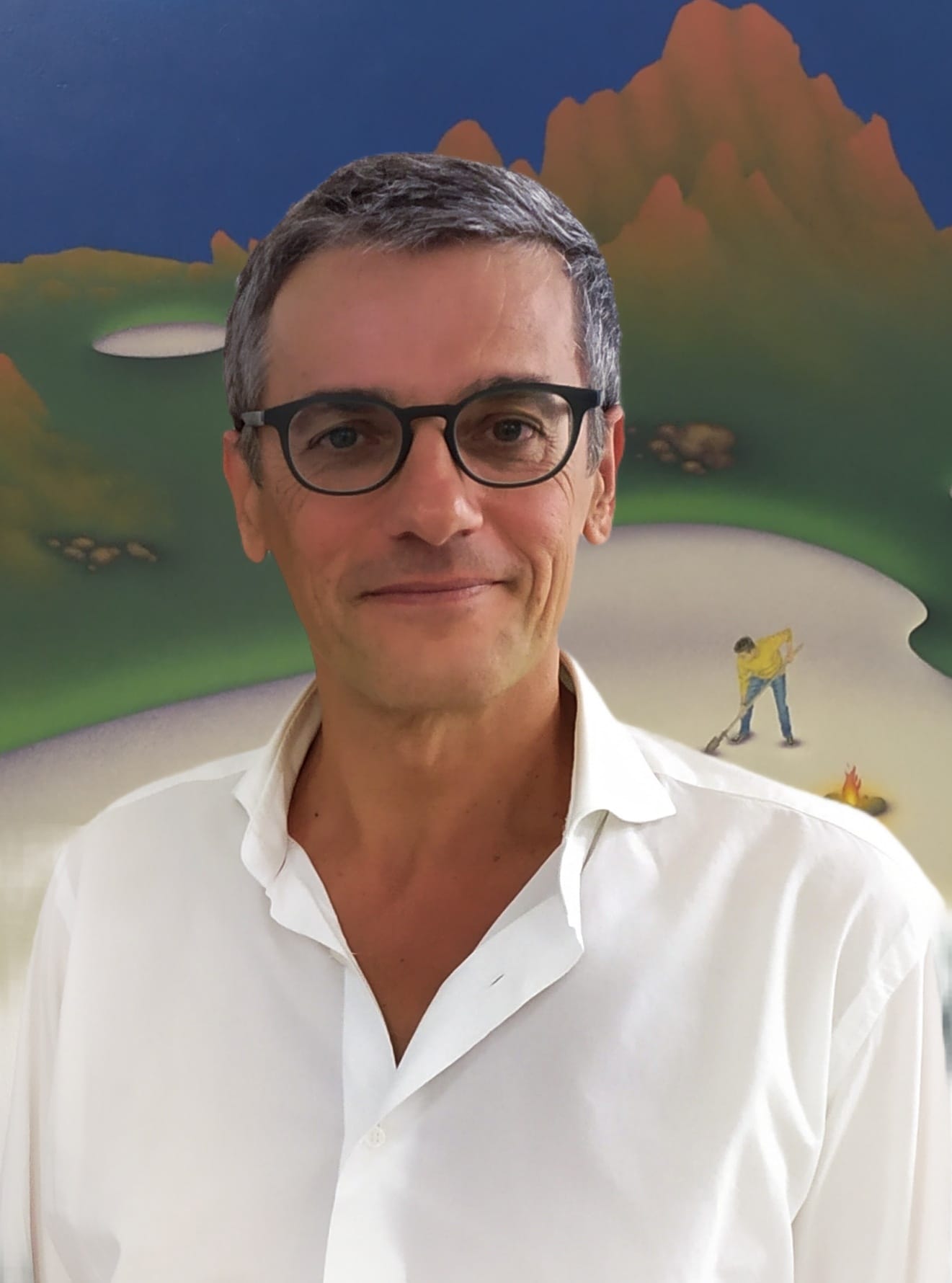
(▼Scroll down for English text)
#paroladartista #intervistaartista #gianlucasgherri #artistinterview
Parola d’Artista: Nel tuo lavoro da ormai molti anni ritorna l’idea del buco in vari modi. Che cosa rappresenta per te?
Gianluca Sgherri: I buchi rappresentano il vuoto e al tempo stesso sono aperture che ci permettono di guardare oltre …
Pd’A: Molti pensano ai dipinti in generale come ad una finestra che si apre su un’altrove. Ora nel tuo caso il buco è proprio una cosa che ritorna in più occasioni. Quando hai fatto il primo?
G.S. Il primo lavoro con i buchi risale al 1998, in occasione della mostra personale allo Studio d’arte Cannaviello di Milano. In quel caso realizzai un trompe-l’oeil a parete con i pastelli.
Pd’A: Ricordo che nel comunicato stampa della mostra si alludeva all’Architettura Rinascimentale Toscana. Era questo l’obbiettivo di quel lavoro?
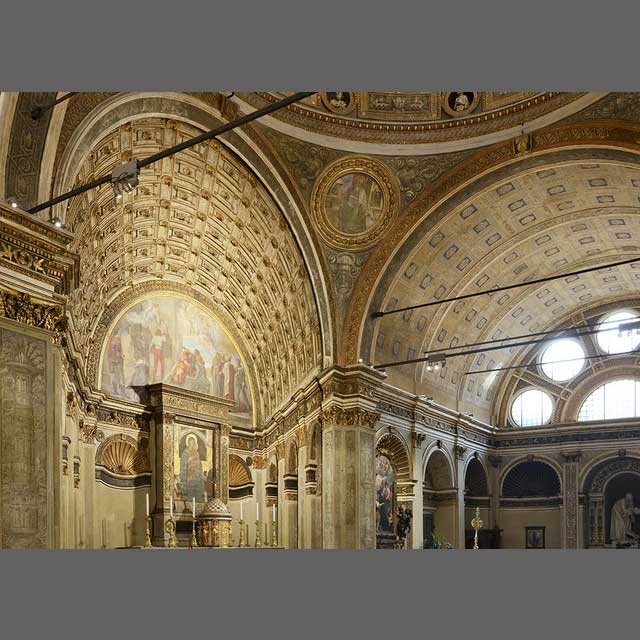
G.S. Le chiese e le cappelle rinascimentali sono ricche di elementi decorativi circolari: cerchi chiusi, aperti, scuri o luminosi … Ma nel caso specifico mi sono ispirato all’architettura illusionistica nel transetto del Bramante, nella chiesa di Santa Maria presso San Satiro a Milano.
Pd’A: In un’altra conversazione mi hai raccontato che eri particolarmente attratto dalla stanza sotterranea della galleria in cui hai fatto questo intervento. Che importanza ha la relazione con lo spazio in cui vai ad intervenire con questi lavori?
G.S. È molto importante, anzi è obbligatorio. Il bel seminterrato della galleria aveva doppie pareti su due lati, distanti circa un metro l’uno dall’altro, più due aperture verticali al centro, ed è stato proprio questo aspetto a suggerire il lavoro dei finti oculi. Il mio primo lavoro site-specific è nato lì …
Pd’A: Nel tempo i buchi sono tornati più volte sopra tutto nei contesti Site-specific. Da che cosa credi che derivi questa voglia di bucare lo spazio in cui vai ad intervenire?
G.S. Attrazione per l’ignoto. Nella casa dei miei genitori c’era una piccola stanza che fungeva da corridoio tra l’ingresso e il bagno, e in quella piccola stanza c’era una scala pieghevole per andare in soffitta. Vedevo mio padre salire la scala e guardare fuori dalla botola, mi chiedevo cosa vedesse in quella soffitta buia e misteriosa …
Pd’A: L’idea delle botole come dispositivo che in qualche modo creano uno straniamento spazio temporale in chi si trova a muoversi nella stanza che le ospita trova una sua prima formulazione nel lavoro presentato a Tellaro due anni fa o esistono dei precedenti?
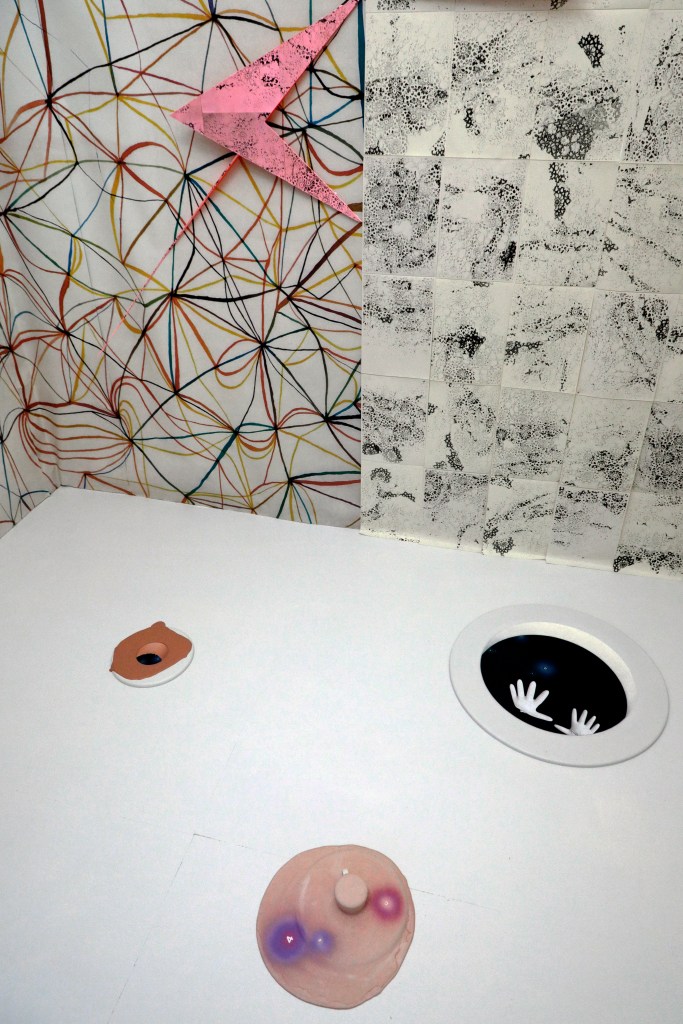
G.S. Sebbene avessi l’idea in testa da tempo, è stato a Tellaro che ebbi l’opportunità di concretizzarla per la prima volta. Le premesse c’erano tutte: una sera, mentre scendevo le scale del piccolo borgo disabitato, mi ritrovai di fronte al mare; la risacca e le correnti sembravano lambire e penetrare i muri, fino alle fondamenta. Quel riflusso visivo e sonoro faceva pensare a qualcosa proveniente dal basso …
Pd’A: Puoi parlare del lavoro che presenterai al mudaC?
G.S. Il mudaC è il museo d’arte contemporanea di Carrara. Se a Milano rimasi incantato dalla prospettiva e dai finti oculi di S. Satiro e della Cappella Portinari, qui non mi stancherei mai di guardare la ex Torre Balilla o anche detta Torre Fiat, con il pozzo interno a forma elicoidale, in zona Partaccia. Non solo le grandi opere del passato sono fonte di ispirazione. Una sorta di iniziazione è avvenuta guardando nel foro della fontana della piazzetta del Forte a Forte dei Marmi. Attraverso il tubo, l’acqua usciva dall’oscurità e dalle profondità; un’eco cosparso di letterine e numerini era già nell’aria …
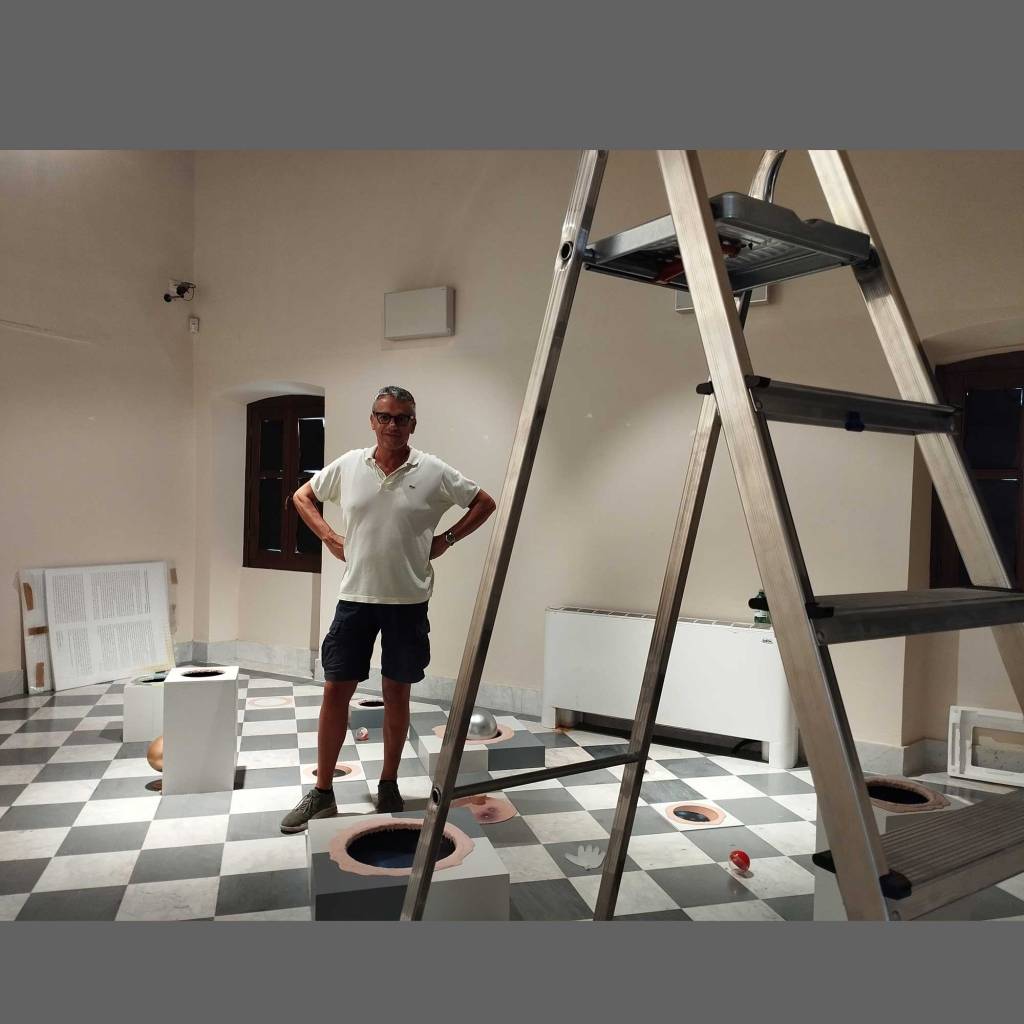
Le coincidenze artistiche, l’ambiente di lavoro e le opportunità che questa città mi ha dato hanno contribuito alla realizzazione di quest’opera. Per me Carrara è la città della luce, del bianco e della luce ma è anche la città dell’oscurità e dell’abisso quando penso alle Apuane, alle grotte, agli anfratti… Se in certi momenti della giornata il centro città è avvolto da una luce sospesa e abbagliante, il paesaggio notturno è ancora più buio e spettrale, con le montagne che si ergono sopra le case. Questo netto e duplice contrasto, si ritrova nel pavimento a scacchiera della Project room; ed è da qui che nasce il mio lavoro. Se a Tellaro i buchi nel pavimento assomigliavano a botole o portelli, qui richiamano cavità, forme solide, estrazioni … perforazioni.
Se questa città è legata alle montagne lo è anche al mare. Le storie delle montagne a volte drammatiche e mortali, coincidono con quelle dei carichi pesanti, delle barche e dei naufragi. Ho quindi preferito combinare elementi geometrici quadrati con forme rotondeggianti; sostanze liquide, rigurgiti, colate laviche, oggetti giocosi e manine “annegate” …
L’opera che ho in mente sarà vera e falsa allo stesso tempo, concreta e astratta, verticale e capovolta, in scala o sproporzionata: un trompe-l’oeil e un presepio. Un uninverso.
English text
Interview to Gianluca Sgherri
#paroladartista #intervistaartista #gianlucasgherri #artistinterview
Parola d’Artista: In your work for many years now, the idea of the hole has returned in various ways. What does it represent for you?
Gianluca Sgherri: Holes represent emptiness and at the same time are openings that allow us to look beyond …
Pd’A: Many people think of paintings in general as a window that opens to somewhere else. Now in your case the hole is really something that returns on several occasions. When did you make the first one?
G.S. The first work with holes was in 1998, on the occasion of a solo exhibition at Studio d’arte Cannaviello in Milan. In that case I made a wall trompe-l’oeil with pastels.
Pd’A: I remember that the press release for the exhibition alluded to Tuscan Renaissance Architecture. Was that the goal of that work?
G.S. Renaissance churches and chapels are full of circular decorative elements: closed, open, dark or luminous circles … But in the specific case I was inspired by the illusionistic architecture in Bramante’s transept in the church of Santa Maria presso San Satiro in Milan.
Pd’A: You told me in another conversation that you were particularly attracted to the underground room in the gallery where you did this intervention. How important is the relationship to the space in which you are going to intervene with these works?
G.S. It is very important, in fact it is mandatory. The beautiful basement of the gallery had double walls on two sides, about a meter apart, plus two vertical openings in the center, and it was this aspect that suggested the mock oculi work. My first site-specific work was born there …
Pd’A: Over time the holes have returned several times over all in Site-specific contexts. Where do you think this desire to pierce the space in which you go to intervene stems from?
G.S. Attraction to the unknown. In my parents’ house there was a small room that served as a hallway between the entrance and the bathroom, and in that small room there was a folding ladder to the attic. I used to see my father climbing the ladder and looking out the trapdoor, wondering what he saw in that dark and mysterious attic …
Pd’A: Does the idea of trapdoors as devices that somehow create a space-time estrangement in those who find themselves moving around in the room that houses them find its first formulation in the work presented in Tellaro two years ago, or are there precedents for it?
G.S. Although I had had the idea in my head for some time, it was in Tellaro that I had the opportunity to materialize it for the first time. The premises were all there: one evening, as I was descending the stairs of the small uninhabited village, I found myself facing the sea; the undertow and currents seemed to lap and penetrate the walls, down to the foundations. That visual and sound ebb made one think of something coming from below …
Pd’A: Can you talk about the work you are presenting at the mudaC?
G.S. The mudaC is the museum of contemporary art in Carrara. If in Milan I was enchanted by the perspective and mock oculi of S. Satiro and the Portinari Chapel, here I would never tire of looking at the former Balilla Tower or also known as the Fiat Tower, with its helical internal well, in the Partaccia area. Not only the great works of the past are a source of inspiration. A kind of initiation occurred by looking into the hole of the fountain in the Piazzetta del Forte in Forte dei Marmi. Through the pipe, water came out of the darkness and depths; an echo sprinkled with little letters and little numbers was already in the air … The artistic coincidences, the working environment and the opportunities that this city has given me contributed to the realization of this work. For me, Carrara is the city of light and white but it is also the city of darkness and abyss when I think of the Apuan Alps, caves, ravines… If at certain times of the day the city center is shrouded in a suspended and dazzling light, the night landscape is even darker and more ghostly, with the mountains rising above the houses. This stark, dual contrast, is found in the checkerboard floor of the Project room; and this is where my work comes from. If in Tellaro the holes in the floor resembled trapdoors or hatches, here they recall cavities, solid forms, extractions … perforations.
If this town is connected to the mountains, it is also connected to the sea. The stories of the sometimes dramatic and deadly mountains coincide with those of heavy loads, boats and shipwrecks. Therefore, I preferred to combine square geometric elements with round shapes; liquid substances, regurgitations, lava flows, playful objects and “drowned” little hands …
The work I have in mind will be real and false at the same time, concrete and abstract, vertical and upside down, scaled or disproportionate: a trompe-l’oeil and a nativity scene. An uninverse.
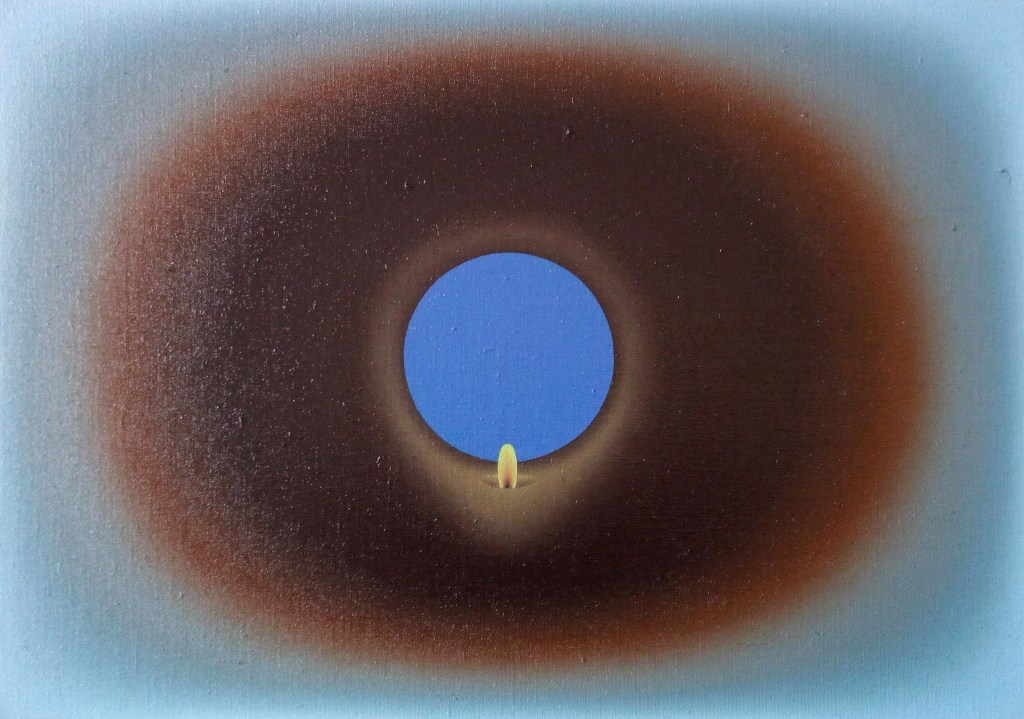
Lume 2022 olio su lino 35 x 50 cm
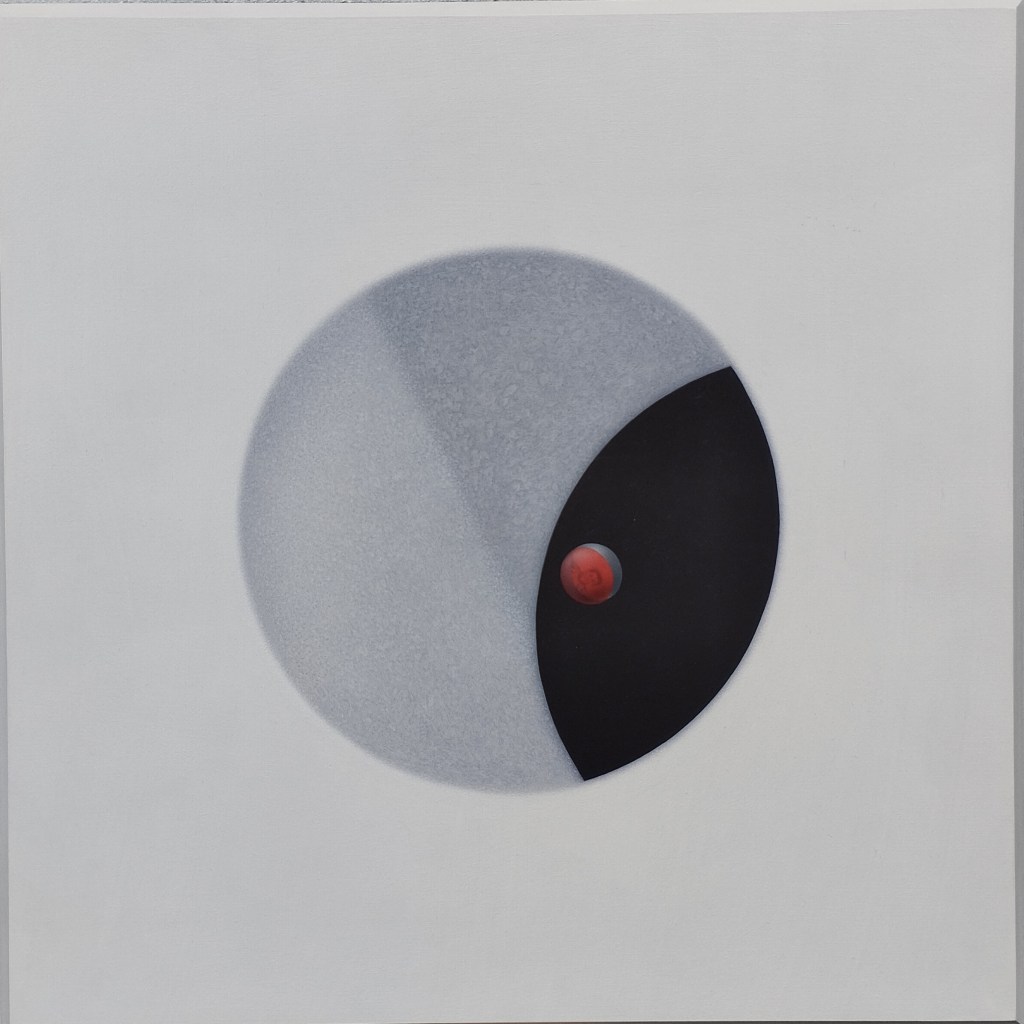
Passaggio 2° 1999-2014 olio su mdf 35 x 35 cm
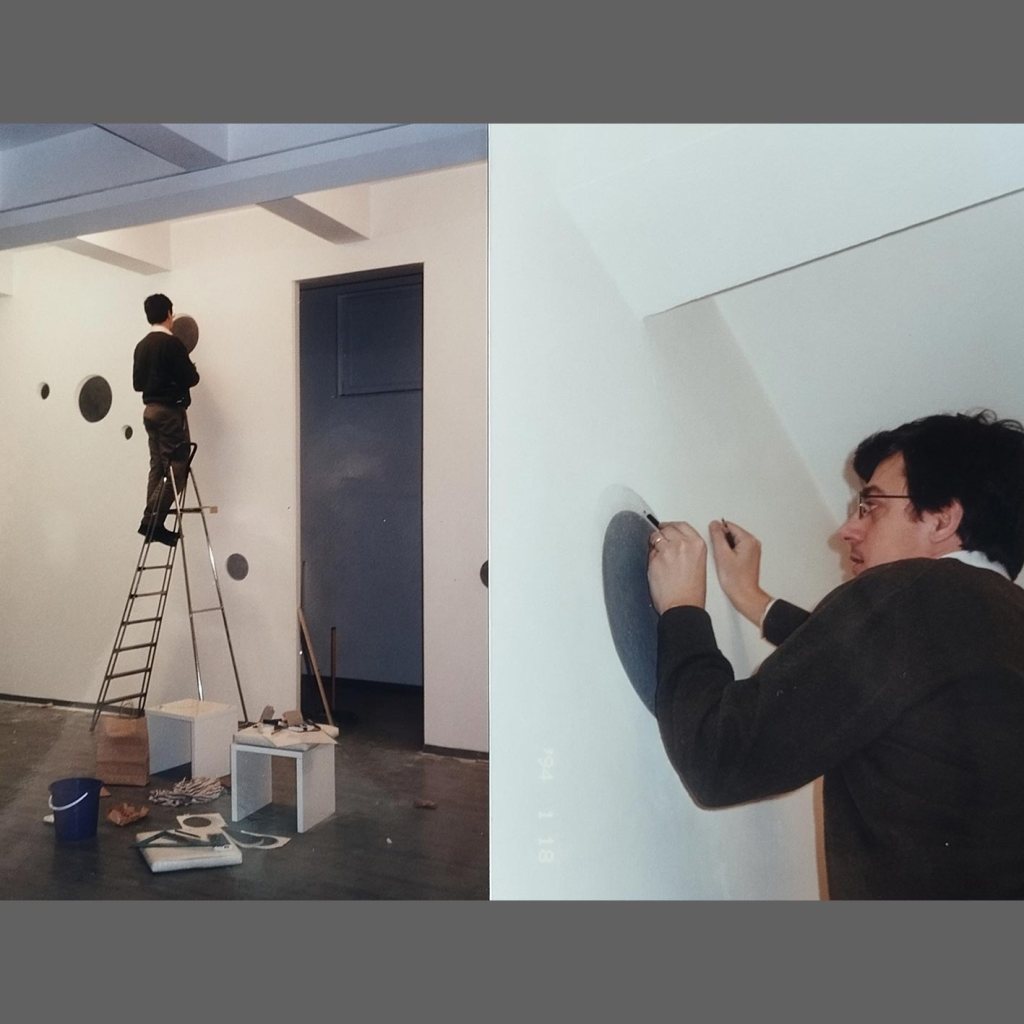
al lavoro presso lo Studio d’Arte Cannaviello Milano 1999
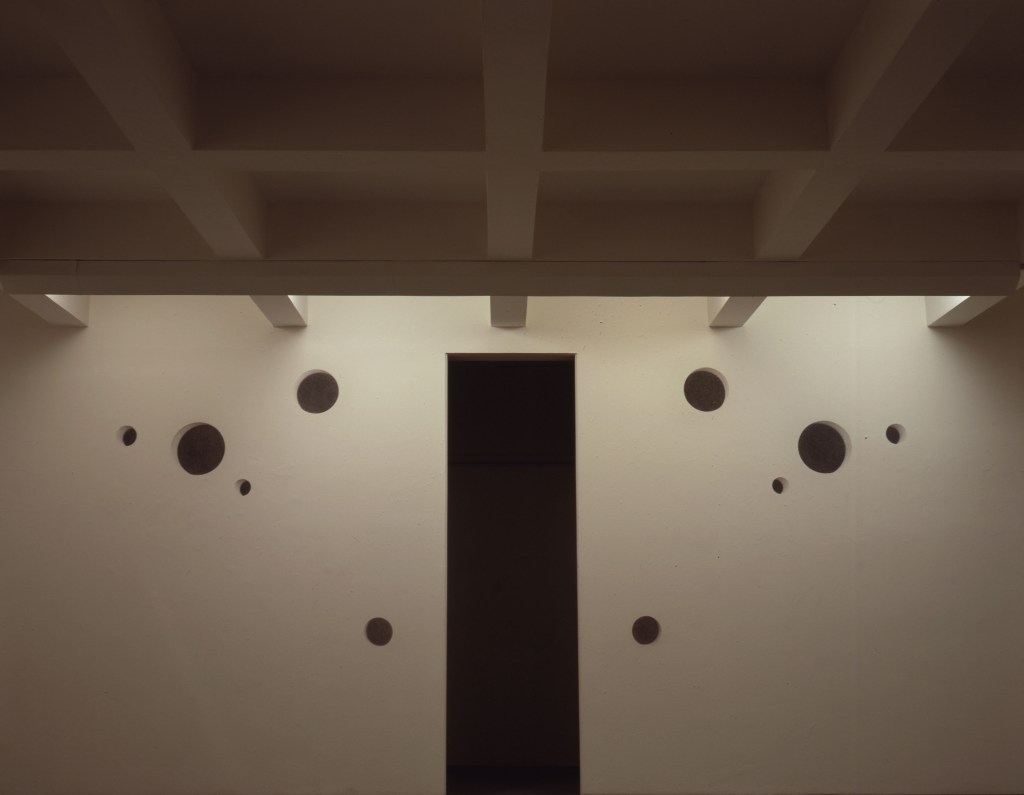
Senza Tititolo,1999, pastello su muro.
Studio d’Arte Cannaviello Milano
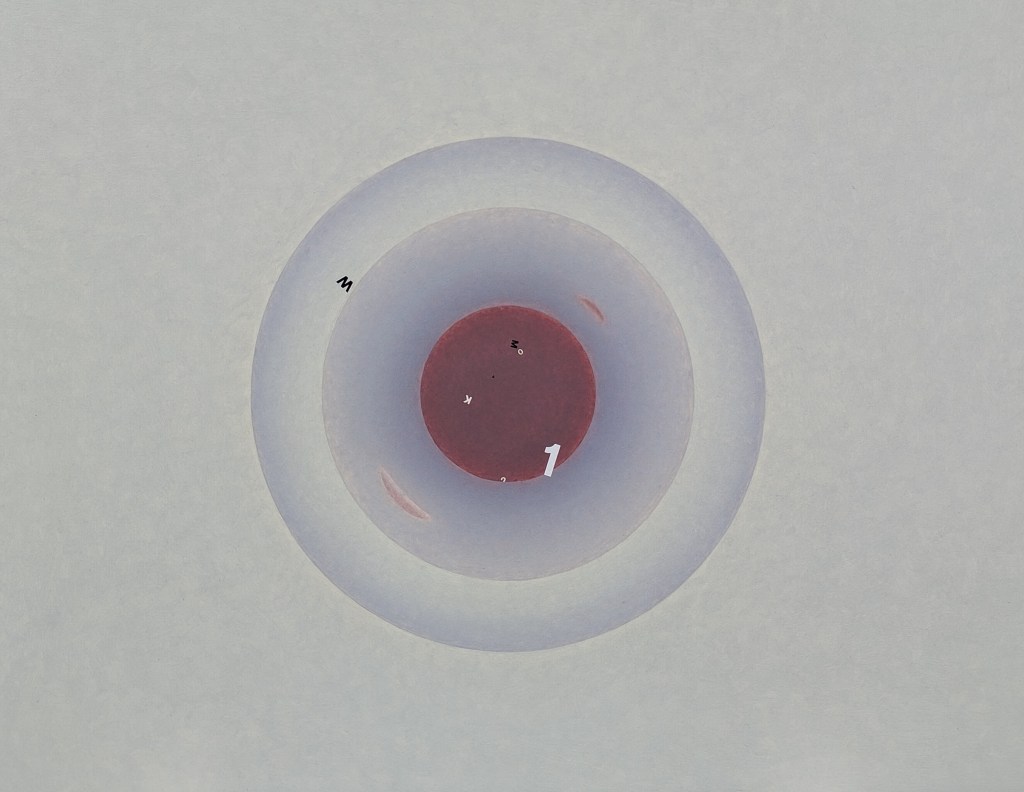
Senza titolo 2007 olio su tavola 45,4 x 59,3 cm

Senza titolo 1999 olio su tavola 65 x 65 cm
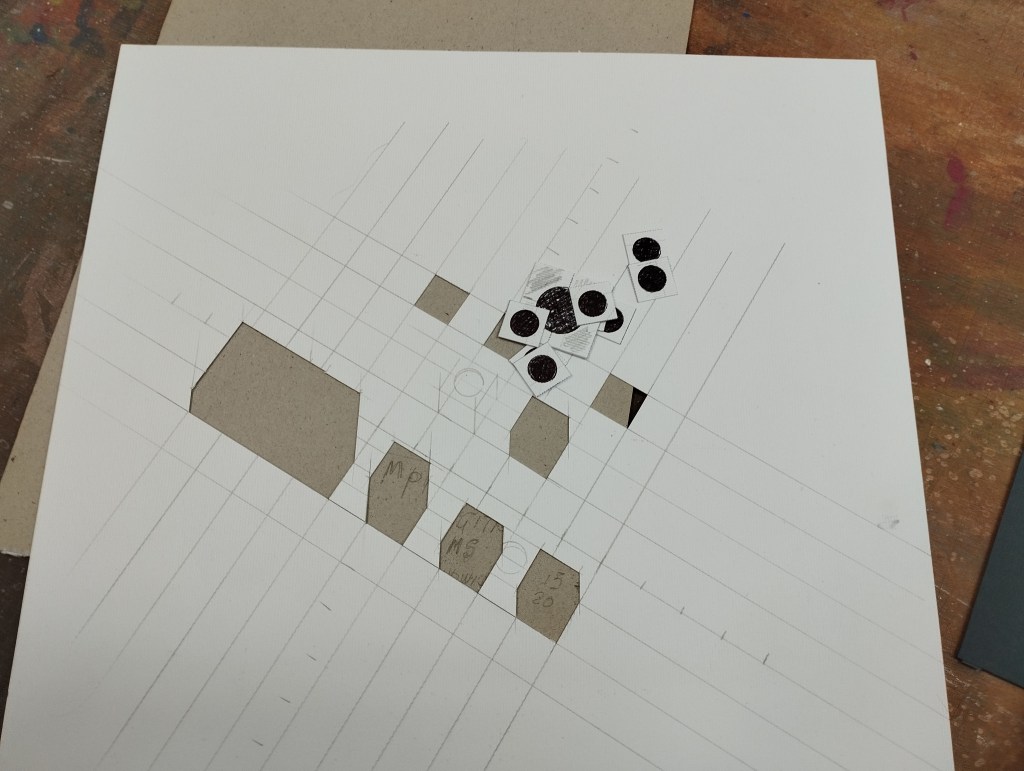
Uninvero 2025 Progetto su carta
Ph Andrea Castagna

 paroladartista.com