
(▼Scroll down for English text)
#paroladartista #lucalupi #artistinterview #intervistaartista
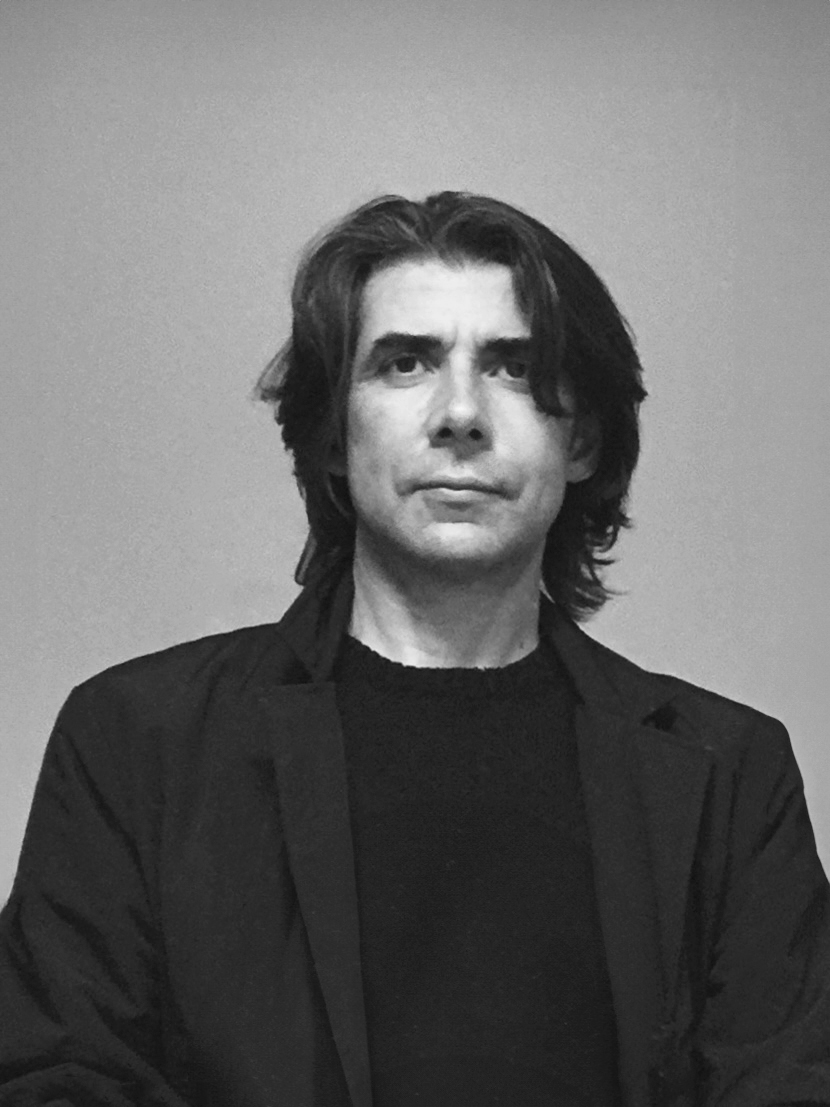
Parola d’Artista: Ciao Luca, da quando è iniziata questa nuova fase del tuo lavoro?
Luca Lupi: Il progetto nasce nella primavera del 2020, durante il periodo di restrizioni sanitarie. Impossibilitato a spostarmi per fotografare, ho iniziato a sperimentare nuove forme di fotografia
Pd’A: Puoi raccontare come è successo e quali intuizioni ti hanno portato su questa strada?
LP: Tutto è cominciato per caso, osservando la copertina di un libro che, dopo anni esposta parzialmente alla luce, aveva formato l’immagine di un paesaggio. Da lì è nata una domanda: utilizzando una fotocamera possiamo fotografare un soggetto illuminato dalla luce, ma è possibile utilizzare la luce per realizzare direttamente un’immagine che ancora non esiste ma riesci solo a intuire nella mente come un’idea, un pensiero. Questo interrogativo ha dato il via alla sperimentazione.
Pd’A: L’idea ha molto a che fare con il significato etimologico della parola fotografia ovvero scrittura di luce puoi raccontare come realizzi questi lavori?
LP: La fotografia viene riportata alla sua essenza: l’effetto della luce su una data superficie. Svincolata dalla funzione di riprodurre il reale, l’immagine nasce direttamente dall’azione della luce. Le opere realizzate senza fotocamera, attraverso tecniche alternative, non registrano ma generano. Come sostiene Moholy-Nagy in Produzione – Riproduzione, la fotografia diventa un mezzo di creazione autonoma, non più strumento di semplice rappresentazione.
Pd’A: Inizialmente lavoravi su dei cartoncini colorati che esponevi per diverse ore alla diretta luce del sole poi come si è evoluto il lavoro?
LP: All’inizio, tra la primavera e l’estate del 2020, ho esposto i materiali alla luce solare per lunghi periodi, da alcuni giorni fino a uno o due mesi. In autunno, a partire da fine settembre, ho trasferito il lavoro in studio, utilizzando una fonte luminosa artificiale capace di replicare le caratteristiche del sole, ma con un’intensità molto più elevata. È in questo contesto che ha preso forma il progetto Esposizioni. Con Variazioni, la ricerca si è spostata sul colore: ho iniziato a stamparlo personalmente, sovrapponendo strati di pigmento secondo una logica ispirata alla struttura della carta fotografica. Rimuovendo selettivamente alcuni di questi strati, ho ottenuto immagini che emergono per sottrazione.
Pd’A: Che legami esistono fra il tuo lavoro “Finis terrae” e quello attuale?
LP: Finis Terrae si chiude nel momento stesso in cui prende forma il progetto Esposizioni, anche se i due lavori si fondano su approcci tecnici molto differenti. Eppure, dentro di me, continua a persistere la presenza del paesaggio e dell’orizzonte: elementi che, pur cambiando linguaggio, rimangono come strutture mentali. Perché è nella forma che l’immagine prende vita.
Pd’A: L’idea di paesaggio ha ancora una sua importanza in quello che fai?
LP: Certamente, tutti i miei progetti si sviluppano a partire da una riflessione approfondita sullo spazio e sul tempo. Questi due elementi rappresentano per me non solo coordinate fisiche, ma anche dimensioni concettuali attraverso cui leggere e interpretare la realtà. In particolare il mio ultimo progetto nasce proprio dall’esigenza di esplorare il legame profondo tra il paesaggio e il trascorrere del tempo. L’interazione tra ambiente naturale e trasformazione temporale diventa così un terreno fertile per indagare mutamenti, memorie stratificate, e tracce visibili o invisibili che il tempo imprime nei luoghi. Attraverso questo lavoro, cerco di mettere in luce come ogni paesaggio sia, in fondo, una narrazione di eventi in continua evoluzione.
Pd’A: Sei interessato alla prossimità che il tuo lavoro ha con molta pittura astratta contemporanea?
LP: Forse i confini tra pittura e fotografia sono molto più sottili di quanto comunemente si creda. Al di là della differenza di medium, entrambe si configurano come strumenti di visualizzazione di un’idea, mezzi attraverso cui si rende visibile un pensiero o una visione interiore. Ciò che mi affascina è la possibilità che la fotografia ha di superare i propri limiti tecnici diventando essa stessa terreno di sperimentazione. In questo processo, la luce — elemento fondante del linguaggio fotografico — assume un ruolo centrale: è proprio nell’indagare la luce, nella sua capacità di costruire, alterare o dissolvere l’immagine, che si apre lo spazio per andare oltre la semplice riproduzione del reale. Diversamente, la fotografia rischia di ridursi a puro esercizio formale o virtuosismo tecnico. Per me, l’interesse sta nel momento in cui il mezzo si mette in discussione, si decostruisce e si rigenera, aprendo possibilità percettive e concettuali nuove.
Pd’A: Ti interessa la dimensione pittorica in quello che fai?
LP: La dimensione pittorica non è un obiettivo del mio lavoro, né un riferimento diretto. Se compare, è solo come conseguenza del processo visivo. Ciò che mi interessa davvero è la dimensione percettiva dell’immagine: la costruzione dello sguardo, la luce, la relazione tra visibile e invisibile. Utilizzo la fotografia come strumento per indagare queste dinamiche, non per rappresentare fedelmente il reale, ma per esplorare le possibilità espressive della visione stessa. In questo contesto ogni evocazione pittorica è solo un esito laterale non un fine.
Pd’A: Ora vorrei chiederti di parlare di questi lavori che realizzi fotografando il sole, recentemente esposti nella mostra “A fuoco”?
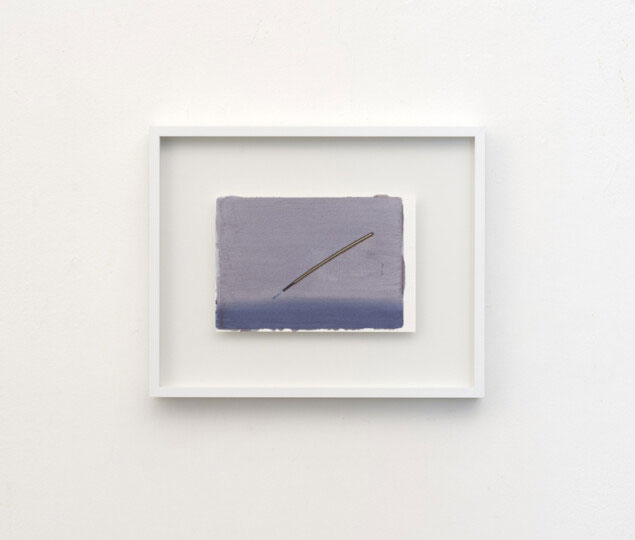
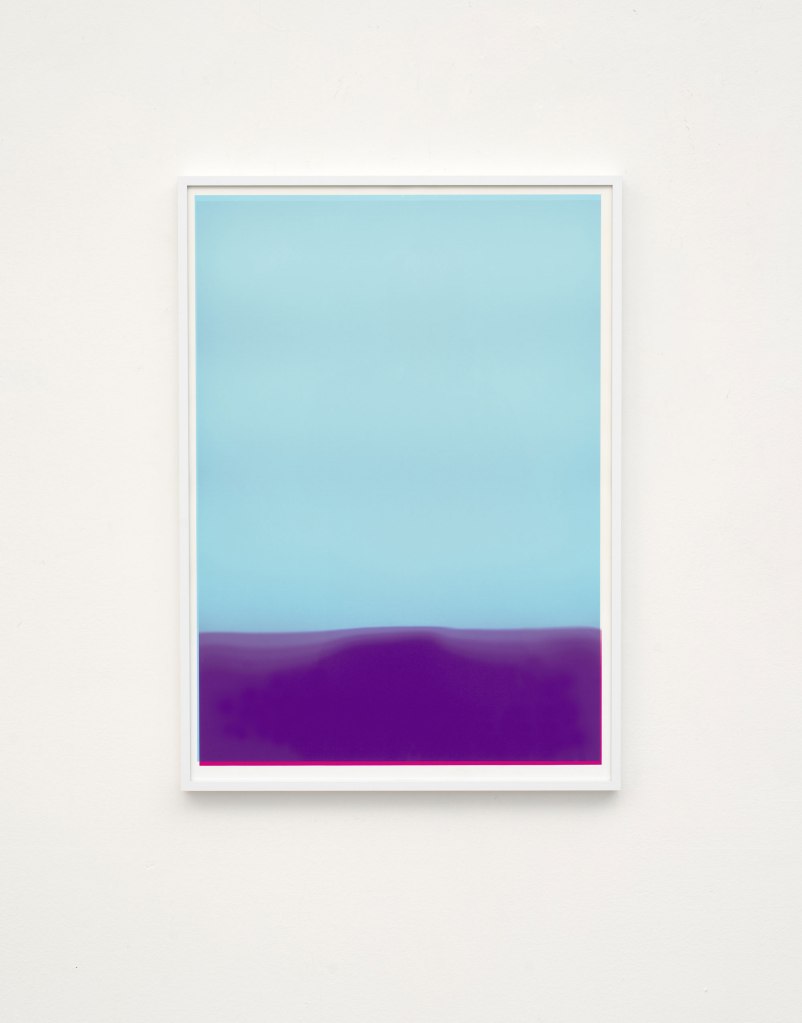
LP: La serie A fuoco ha segnato un ritorno al sole come soggetto e come mezzo. È stata la mia prima sperimentazione in cui sono riuscito a registrare la traccia diretta del sole, impressa su un cartoncino da acquerello, resa visibile grazie al movimento di rotazione terrestre. Un’impronta reale del passaggio del tempo. Dal 2023, con Spaziotempo, ho iniziato a utilizzare vecchi banchi ottici in formato 13×18 cm per fotografare direttamente il sole. Per questo lavoro continuo a usare le stesse carte da acquerello dei progetti precedenti, trattate però con un’emulsione fotosensibile applicata a mano. Infine, con Senzatempo, il progetto a cui sto lavorando, utilizzo una fotocamera digitale di medio formato, personalmente modificata, per poter riprendere il sole e il paesaggio in modo diretto, proseguendo la ricerca sulla luce, sul tempo e sulla loro trascrizione in immagine. Ogni immagine cattura un frammento di durata, una superficie sulla quale il tempo si posa lentamente, lasciando segni, trasformazioni, presenze fugaci. È un modo per cercare di dare al tempo una forma visibile.
English text
Interview to Luca Lupi
#paroladartista #lucalupi #artistinterview #intervistaartista
Parola d’Artista: Hi Luca, when did this new phase of your work start?
Luca Lupi: The project started in the spring of 2020, during a period of health restrictions. Unable to move around to take pictures, I started experimenting with new forms of photography
Pd’A: Can you tell us how it happened and what intuitions led you down this path?
LP: It all started by chance, observing the cover of a book which, after years partially exposed to light, had formed the image of a landscape. From there a question arose: using a camera we can photograph a subject illuminated by light, but is it possible to use light to directly realise an image that does not yet exist but you can only guess in your mind as an idea, a thought. This question started the experimentation.
Pd’A: The idea has a lot to do with the etymological meaning of the word photography, i.e. writing about light, can you tell us how you realise these works?
LP: Photography is brought back to its essence: the effect of light on a given surface. Freed from the function of reproducing reality, the image is born directly from the action of light. Works made without a camera, through alternative techniques, do not record but generate. As Moholy-Nagy argues in Production – Reproduction, photography becomes a means of autonomous creation, no longer an instrument of mere representation.
Pd’A: Initially, you worked on coloured cards that you exposed to direct sunlight for several hours, then how did the work evolve?
LP: In the beginning, between spring and summer 2020, I exposed the materials to sunlight for long periods, from a few days up to one or two months. In the autumn, starting at the end of September, I transferred the work to the studio, using an artificial light source capable of replicating the characteristics of the sun, but with a much higher intensity. It was in this context that the Expositions project took shape. With Variazioni (Variations), the research shifted to colour: I started printing it myself, superimposing layers of pigment according to a logic inspired by the structure of photographic paper. By selectively removing some of these layers, I obtained images that emerge by subtraction.
Pd’A: What links are there between your work ‘Finis terrae’ and your current work?
LP: Finis Terrae was completed at the same time as the Esposizioni project, even though the two works are based on very different technical approaches. And yet, within me, the presence of the landscape and the horizon continues to persist: elements that, although they change language, remain as mental structures. Because it is in the form that the image comes to life.
Pd’A: Does the idea of landscape still have an importance in what you do?
LP: Of course, all my projects develop from an in-depth reflection on space and time. These two elements represent for me not only physical coordinates, but also conceptual dimensions through which to read and interpret reality. In particular, my latest project stems from the need to explore the deep connection between the landscape and the passage of time. The interaction between the natural environment and temporal transformation thus becomes a fertile ground for investigating changes, stratified memories, and visible or invisible traces that time imprints on places. Through this work, I try to highlight how every landscape is, after all, a narrative of events in continuous evolution.
Pd’A: Are you interested in the proximity your work has with much contemporary abstract painting?
LP: Perhaps the boundaries between painting and photography are much thinner than is commonly believed. Beyond the difference in medium, both are tools for visualising an idea, means through which an inner thought or vision is made visible. What fascinates me is the possibility that photography has of overcoming its technical limitations by becoming itself a field of experimentation. In this process, light – the founding element of photographic language – takes on a central role: it is precisely in investigating light, in its ability to construct, alter or dissolve the image, that one opens up
Otherwise, photography risks being reduced to a purely formal exercise or technical virtuosity. For me, the interest lies in the moment when the medium is questioned, deconstructed and regenerated, opening up new perceptual and conceptual possibilities.
Pd’A: Are you interested in the pictorial dimension in what you do?
LP: The pictorial dimension is not an objective of my work, nor is it a direct reference. If it appears, it is only as a consequence of the visual process. What really interests me is the perceptive dimension of the image: the construction of the gaze, light, the relationship between the visible and invisible. I use photography as a tool to investigate these dynamics, not to faithfully represent reality, but to explore the expressive possibilities of vision itself. In this context, any pictorial evocation is only a lateral outcome, not an end.
Pd’A: Now I would like to ask you about these works you create by photographing the sun, recently exhibited in the exhibition ‘In Focus’?
LP: The A fuoco series marked a return to the sun as subject and medium. It was my first experiment in which I was able to record the direct trace of the sun, imprinted on a watercolour board, made visible by the movement of the earth’s rotation. A real imprint of the passage of time. Since 2023, with Spaziotempo, I have been using old optical benches in 13×18 cm format to photograph the sun directly. For this work, I continue to use the same watercolour papers as in previous projects, but treated with a hand-applied photosensitive emulsion. Finally, with Senzatempo, the project I am working on, I use a medium format digital camera, personally modified, in order to be able to shoot the sun and the landscape directly, continuing the research on light, time and their transcription into images. Each image captures a fragment of duration, a surface on which time slowly settles, leaving marks, transformations, fleeting presences. It is a way of trying to give time a visible form.
Luca Lupi è nato a Pontedera in provincia di Pisa nel 1970, attualmente vive e lavora a Fucecchio, Firenze. Born in Pontedera, province of Pisa, 1970, presently lives and works in Fucecchio, Florence in Italy.
Principali mostre / Main Exhibitions :
2024
“A Fuoco”, Cardelli & Fontana, Sarzana (SP), a cura di Davide Daninos
2022 “When space becomes a place for action and thought”,10 A.M. Art, Milano, a cura di Angela Madesani
“Traversees d’Europe”, Jardin du Luxembourg, Parigi, Francia “Luce”, Anne Clergue Galerie, Arles, France
Personale ad Arte Fiera Bologna, Cardelli & Fontana
2021
“Esposizione”, Cardelli & Fontana, Sarzana, a cura di Ilaria Mariotti
2020
“Natura”, Cardelli & Fontana, Sarzana
2019
“Landscapes”, Benrubi Gallery, New York
2018
“Dal vero”, Cardelli & Fontana, Sarzana , testo di Pietro Gaglianò
“Finis Terrae”, Anne Clergue Galerie, Arles, Francia
“Italian Landscape”, Consolato Generale d’Italia in New York, USA
“Landscape”, Università di Firenze, Dipartimento di Architettura, Firenze
“Ballata per luce sola”, Palazzina dell’Indiano Arte, Firenze, a cura di Pietro Gaglianò
2017
“Finis Terrae”, Passaggi Arte Contemporanea, Pisa, a cura di Ilaria Mariotti
2016
“Landscapes”, Emon Photo Gallery, Tokyo, Giappone
“Paesaggi”, Studio d’Arte Cannaviello, Milano
“Still, Cardelli & Fontana Sarzana, testo di Ilaria Mariotti
“Landscapes”, Comunità Italia, Architettura e Paesaggio, Triennale di Milano
2015
“Infinito Presente” Sincresis Arte, Empoli, (Fl), a cura di Alessandra Scappini
“Io e Te”, Hymmo Art Lab, Pratovecchio, Arezzo
“Monotype // For Design Week 2015”, Twenty 14 Contemporary, Milano
“The Wall (archives)#10”, Assab One, Milano, a cura di Pietro Gaglianò
2014
“Spazi”, Museo di Fucecchio, (FI), a cura di Ilaria Mariotti
“Landscapes” Anne Clergue Galerie, Arles, Francia
“The Wall (archives)#9 / home”, Sponge Arte Contemporanea, Pergola (PU), a cura di Pietro Gaglianò
“Pae-Saggio”, Montevarchi, Arezzo, a cura di Carles Marco
“RATP invite”, esposizione in 12 stazioni della Metropolitana di Parigi, Parigi, Francia
CIRCULATION(S) Festival de la June Photographie Europeenne, Centquatre, Parigi, Francia, a cura di Marion Hislen “Emering Talents, Lens Culture”, Galeria Valid Foto, Barcelona, Spagna
2013
The Wall (archives) #8 – beyond the railway. B.go Loreto/SP, Cremona, a cura di Pietro Gagliano
2011
“Sei Gradi di Separazione” Villa Pacchiani, Santa Croce sull’Arno, Pisa, a cura di Ilaria Mariotti
Premi / Awards
2022
Premio Francesco Fabbri per le Arti Contemporanee
Photo Open Up, Festival Internazionale di Fotografia, Padova
2017
Vincitore della 7° edizione di Photomed Festival, Francia
2016
Primo classificato al concorso “Italy in a frame 2016”, Triennale di Milano, Milano
2015
Premio COMBAT 2015, Museo Civico G. Fattori (Villa Mimbelli), Livorno
Premio Arte Laguna 2015, Arsenale di Venezia, Venezia
2014
B.I.P.A.(Barcelona International Photography Awards), Barcellona, Spagna.
Vincitore, Lens Culture emerging talents 2014
CIRCULATION(S) 2014 Festival de la June Photographie Europeenne, Parigi, Francia
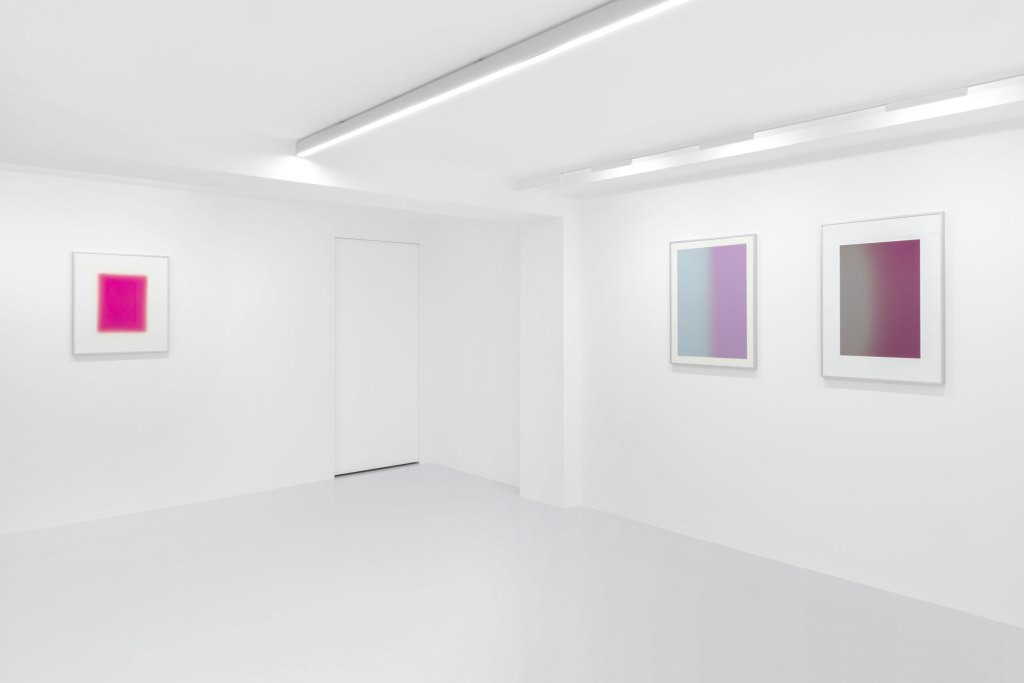
“When space becomes a place for action and thought”, 10 A.M. Art, Milano. A cura di Angela Madesani
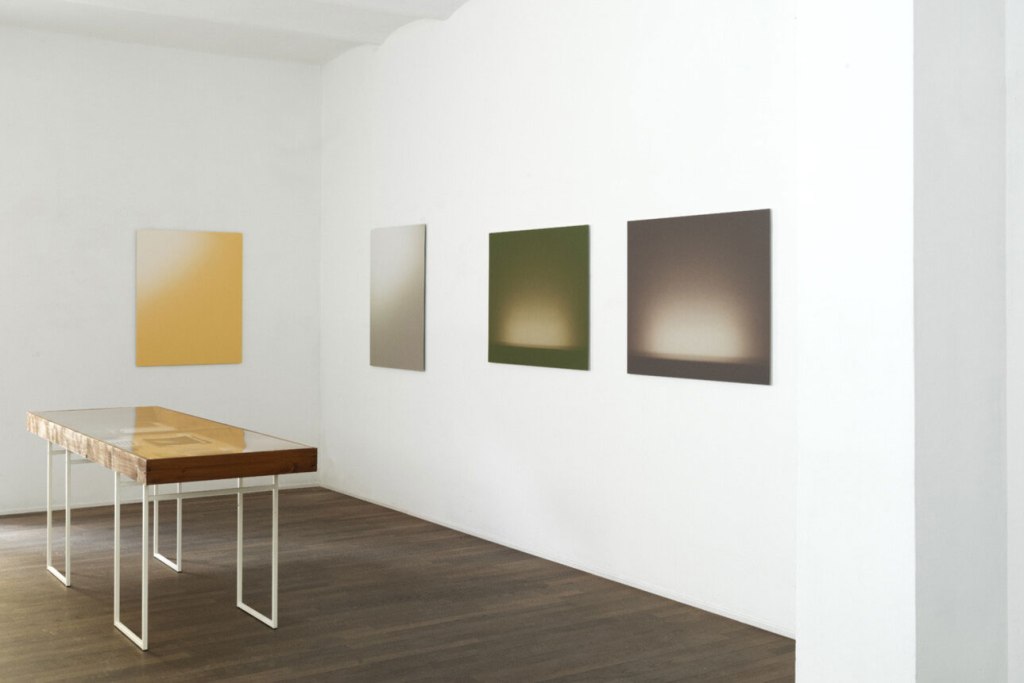
A fuoco (veduta della mostra) personale, Cardelli & Fontana
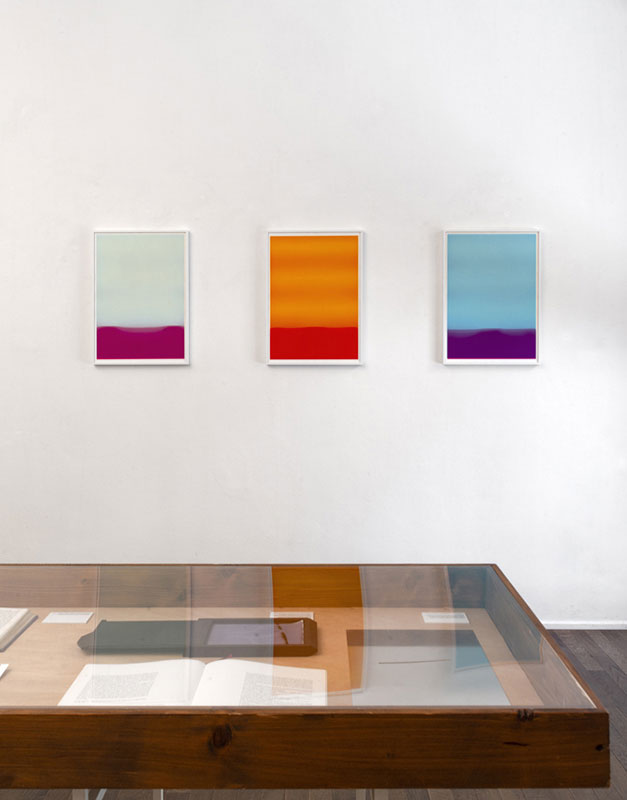
A fuoco (veduta della mostra)personale, Cardelli & Fontana

Arte Fiera Bologna 2019, personale, Cardelli & Fontana

Arte Fiera Bologna 2022, personale, Cardelli & Fontana
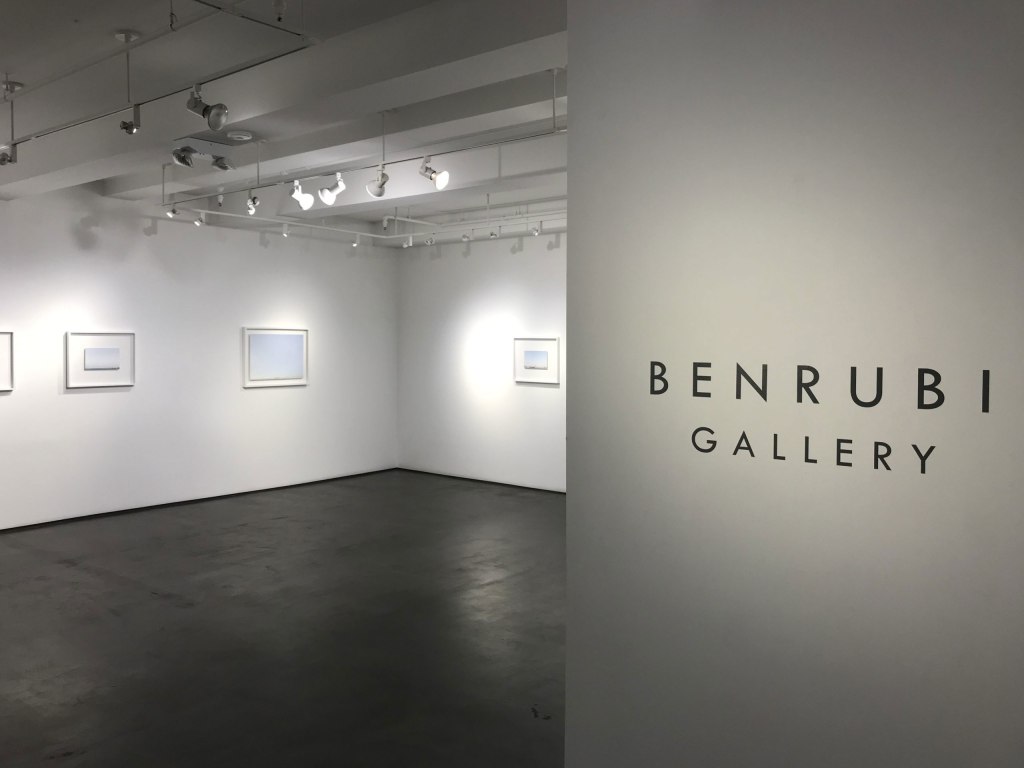
Benrubi Gallery, New York
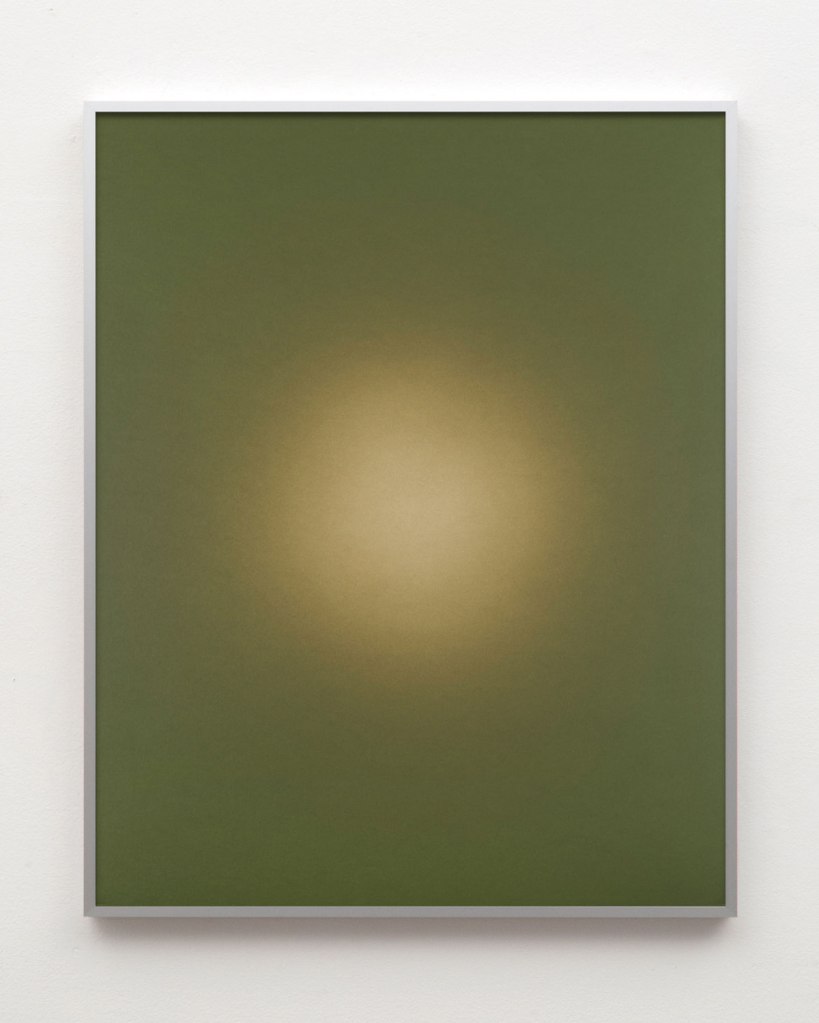
Esposizione-LXVIII-68-,-2021_100x80-cm_34-ore_DSF1083
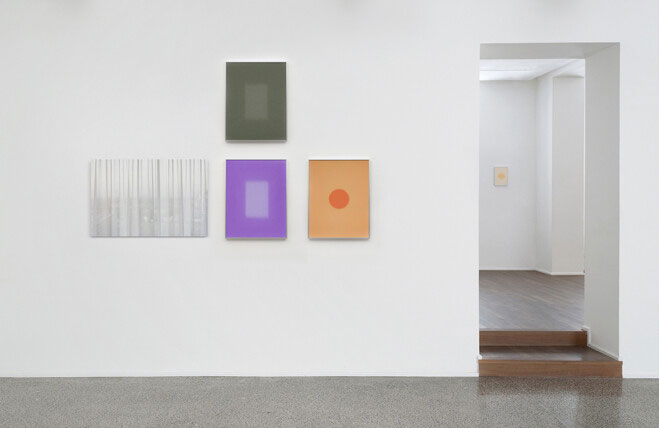
Esposizioni, 2021
(veduta della mostra) personale, Cardelli & Fontana
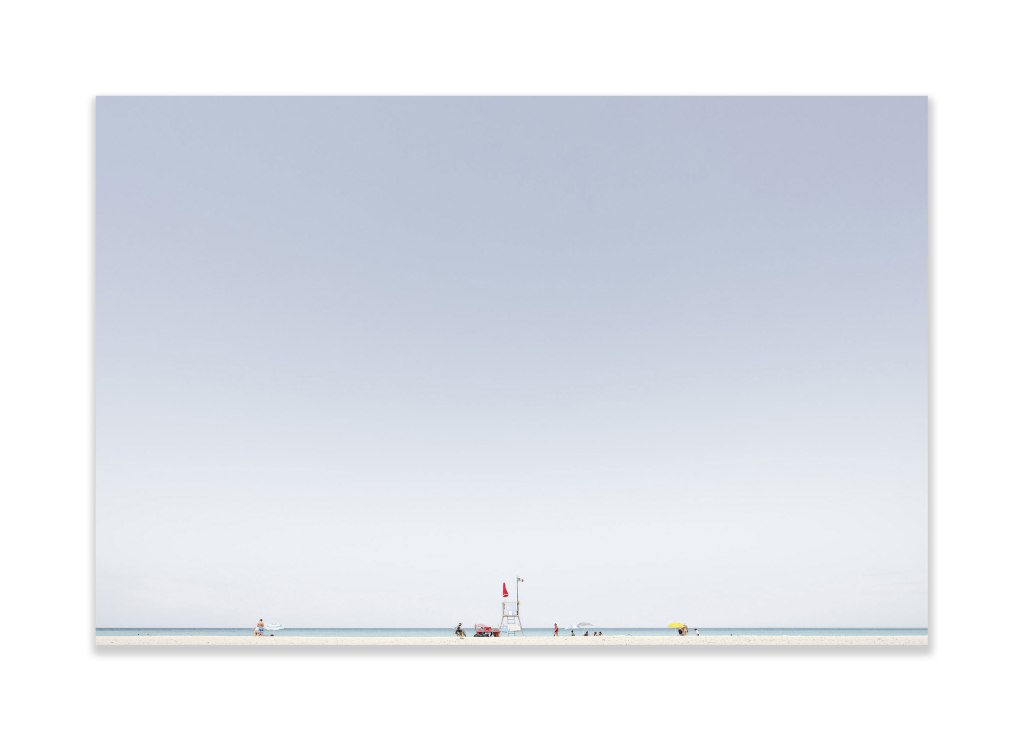
Finis Terrae, Spiagge bianche, 2017
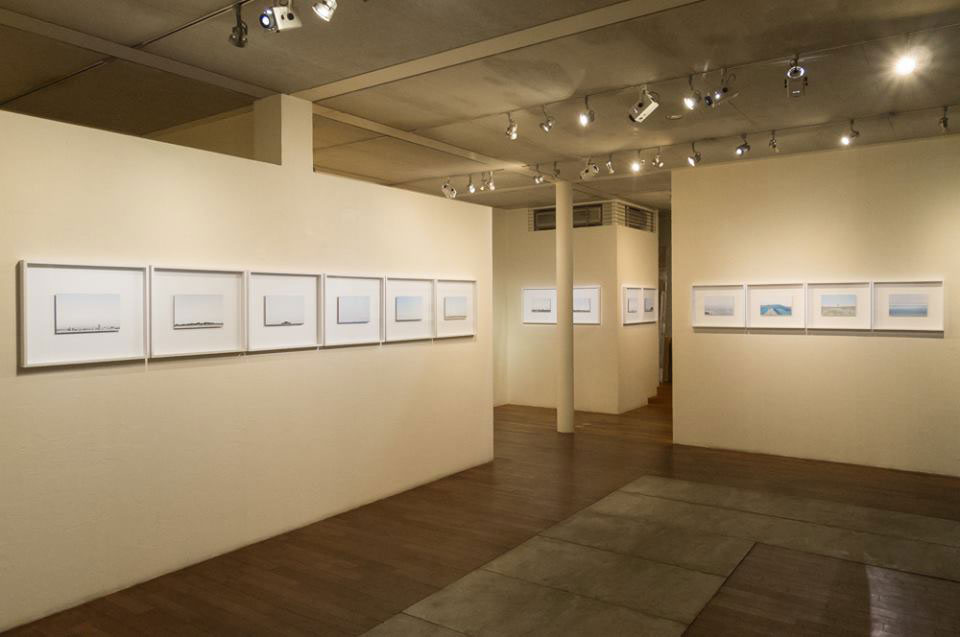
Landscapes, Emon Photo Gallery, Tokyo

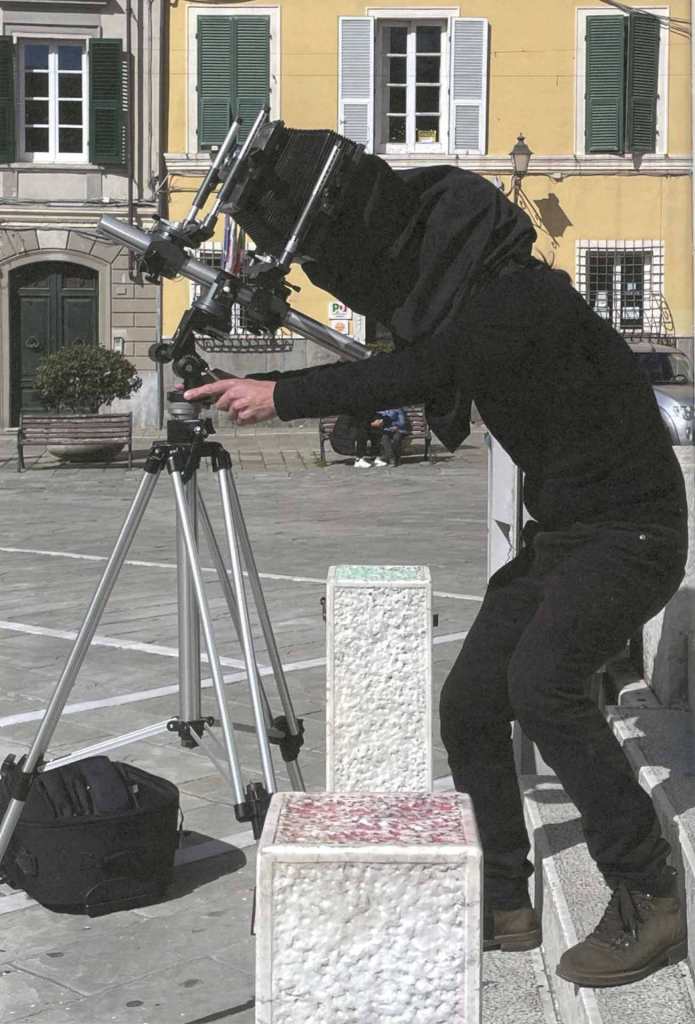
foto Massimo Biava
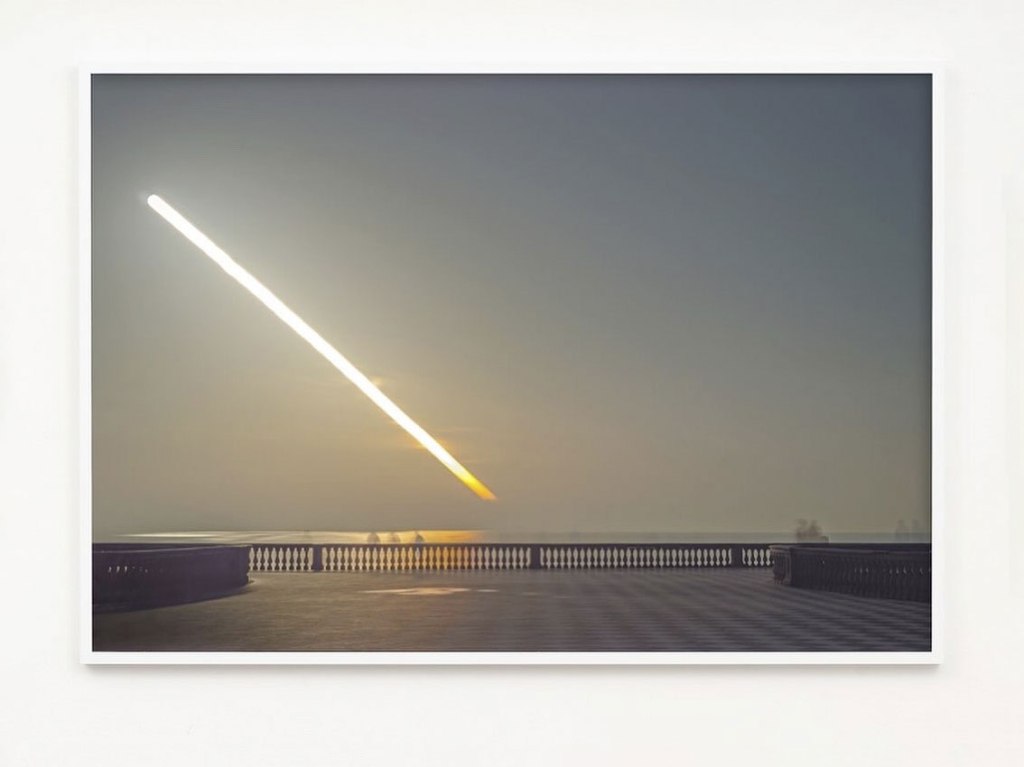
Senzatempo. 7.218 seconds exposure, 29 ottobre 2024
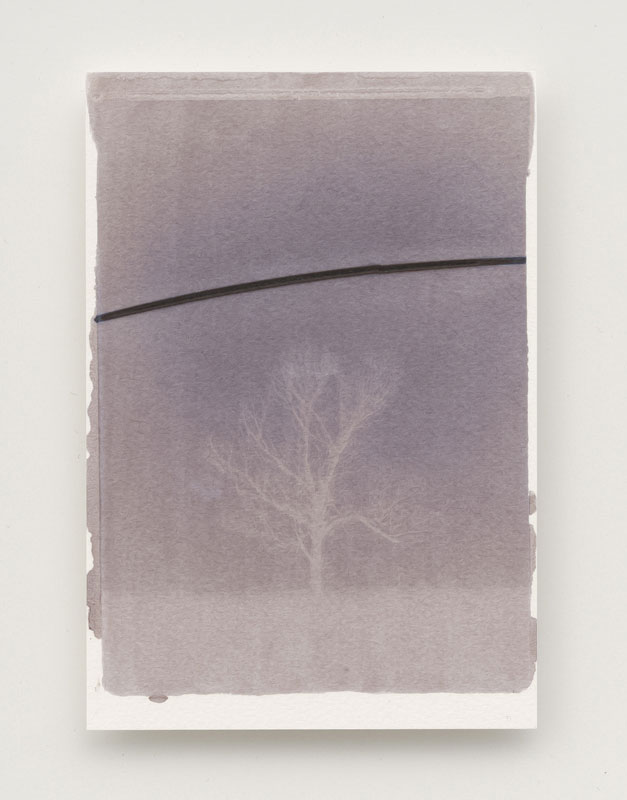
Spaziotempo, Padule di Fucecchio
31 gennaio 2024 3 ore
18×13
Spaziotempo, Parco della Sterpaia
28 gennaio 2024 4 ore 13×18
 paroladartista.com