
(▼Scroll down for English text)
#paroladartista #artistinterview #intervistaartista #display
Parola d’Artista: Che cos’è un artist run project?
Display: Onestamente, non lo so. Siamo sempre stati un po’ allergici alle etichette. Quando abbiamo iniziato, da zero e completamente autodidatti, ci siamo accorti che spazi simili a quello che volevamo creare venivano chiamati “Artist Run Spaces”, perché erano gestiti da artisti. Però per noi era più un’idea che una definizione rigida.
Pd’A: Cosa vi ha spinto ad attivare un progetto come Display?
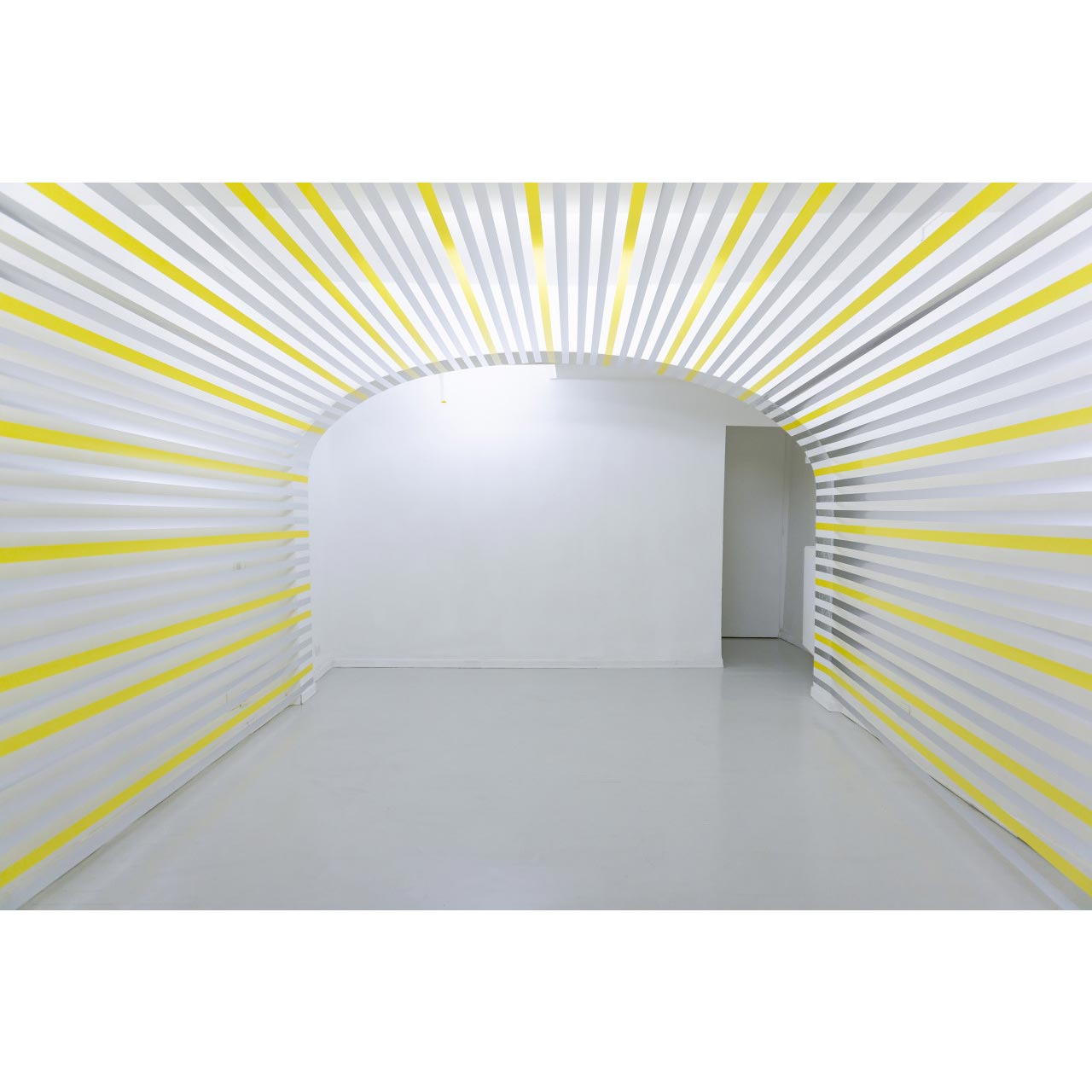
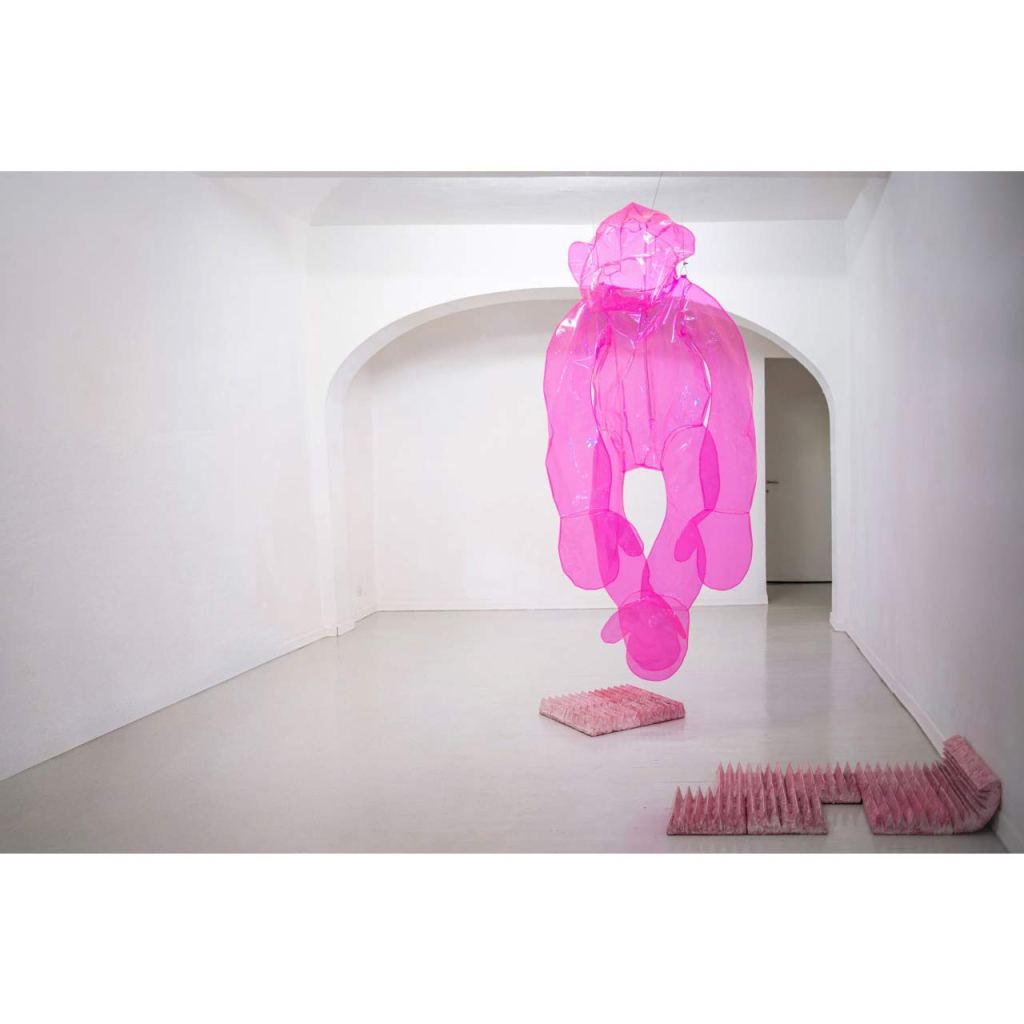
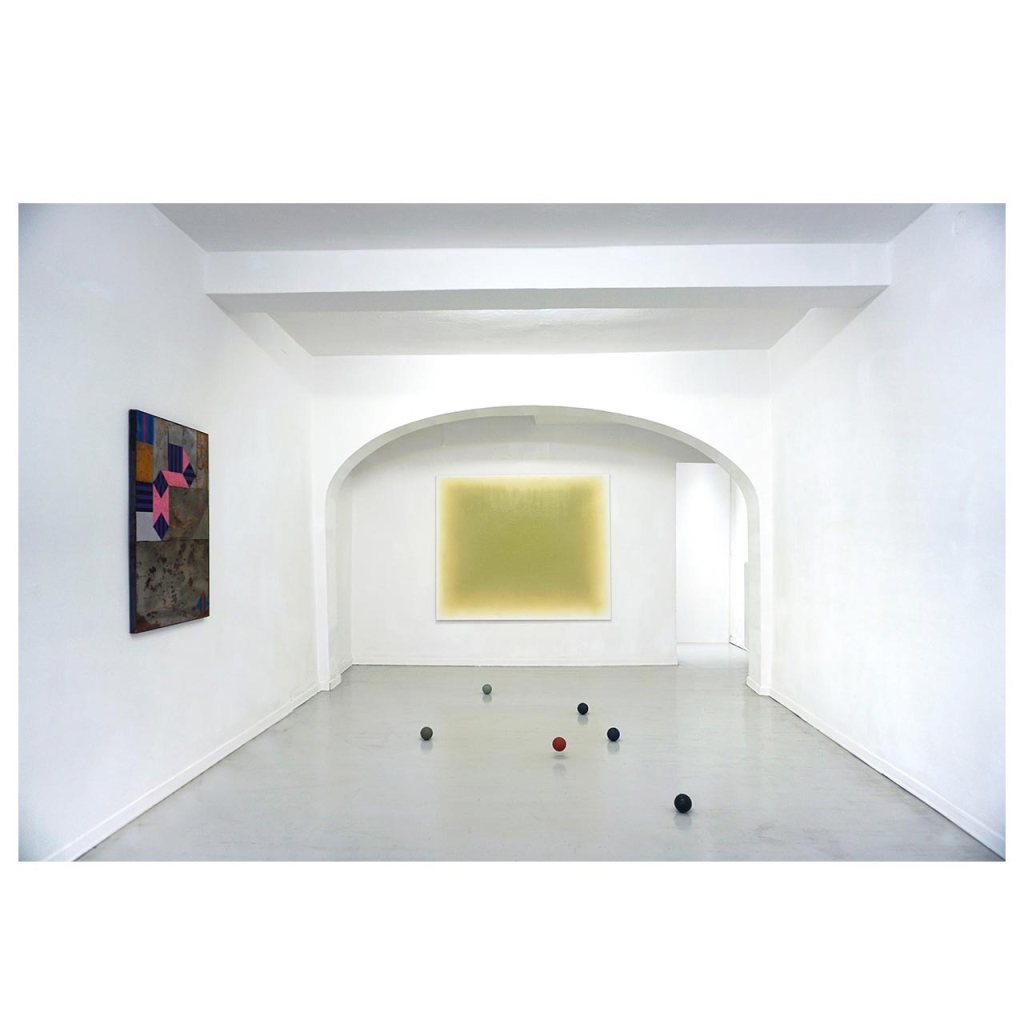
Display: Per noi è stato come un prurito, un brufolo che ti scoppia una notte e dalla mattina successiva non puoi fare altro che grattare. E’ un progetto nato per noi, volevamo vedere cosa sarebbe successo nel portare sul piano reale un sogno. Ci piaceva pensare a una vetrina che trasmettesse “analogicamente” quello che continuavamo a vedere facendo ricerche su uno schermo di un computer. E’ per questo che lo spazio si chiama DISPLAY, un omaggio a chi ci ha impartito un’educazione estetica. Non una scuola d’arte, ma il word wide web tramite transistor e microchip.
Pd’A: In che cosa l’attività che portate avanti nello spazio che gestite si differenzia da quella di una galleria?
Display: La differenza principale è che non ci interessa vendere. Lavoriamo senza pressioni commerciali e lasciamo carta bianca agli artisti. Prediligiamo progetti site-specific e puntiamo su quello che ci emoziona, non su ciò che è “vendibile”. Detto questo, il nostro modo di lavorare – organizzazione, documentazione fotografica, creazione di materiali per la stampa – ha qualcosa in comune con una piccola galleria.
Pd’A: Vi occupate personalmente di curare ed organizzare le mostre che accadono a Display o vi appoggiate a dei curatori esterni?
Display: All’inizio facevamo tutto noi, ma da qualche anno collaboriamo stabilmente con una curatrice, Ilaria Monti. L’abbiamo conosciuta lavorando a un progetto comune e c’è stata subito sintonia sulla visione artistica.
Pd’A: Che importanza ha il luogo in cui accade la vostra attività?
Display: Per noi era fondamentale che lo spazio fosse visibile anche dall’esterno, senza bisogno di entrare. La vetrina su strada, in pieno centro storico, è perfetta per chi passa e si incuriosisce. A parte questo, DISPLAY potrebbe esistere ovunque: lavoriamo site-specific, quindi qualsiasi location potrebbe funzionare.
Pd’A: Come si articola il progetto nel tempo?
Display: DISPLAY è nato da un’intuizione e si è evoluto in qualcosa di sempre più strutturato. Ogni anno presentiamo sei mostre, ciascuna della durata di un mese e mezzo o due, e ad oggi abbiamo già definito il calendario per il prossimo anno e mezzo. Essendo nati fuori dal mondo dell’arte, non seguiamo i soliti giri: selezioniamo gli artisti in modo istintivo, cercando progetti che ci colpiscano davvero, senza preoccuparci di mode o circuiti prestabiliti. Questa libertà ci permette di costruire un percorso che si rinnova continuamente. Da qualche anno guardiamo anche all’estero: non per snobismo, ma perché il nostro gusto spesso ci porta lì.
English text
DISPLAY Interview to perfettipietro e Massimo Allevato.
#paroladartista #artistinterview #intervistaartista #display
Parola d’Artista: What is an artist run project?
Display: Honestly, I don’t know. We have always been a bit allergic to labels. When we started, from scratch and completely self-taught, we realised that spaces similar to what we wanted to create were called ‘Artist Run Spaces’, because they were run by artists. But for us it was more of an idea than a strict definition.
Pd’A: What prompted you to start a project like Display?
Display: For us it was like an itch, a pimple that breaks out one night and from the next morning all you can do is scratch it. It was a project born for us, we wanted to see what would happen in bringing a dream to reality. We liked to think of a showcase that would ‘analogically’ transmit what we kept seeing by researching on a computer screen. That is why the space is called DISPLAY, a tribute to those who gave us an aesthetic education. Not an art school, but the word wide web via transistors and microchips.
Pd’A: How does the activity you carry out in the space you manage differ from that of a gallery?
Display: The main difference is that we are not interested in selling. We work without commercial pressure and give artists carte blanche. We prefer site-specific projects and focus on what excites us, not on what is ‘saleable’. That said, the way we work – organisation, photo documentation, creation of materials for the press – has.
Pd’A: Do you personally take care of and organise the exhibitions at Display or do you rely on external curators?
Display: At the beginning we did everything ourselves, but for a few years now we have been collaborating permanently with a curator, Ilaria Monti. We met her while working on a common project and there was an immediate connection on the artistic vision.
Pd’A: How important is the place where your activity takes place?
Display: For us, it was essential that the space be visible from outside, without having to go inside. The shop window on the street, in the middle of the city centre, is perfect for people passing by and curious. Apart from that, DISPLAY could exist anywhere: we work site-specific, so any location could work.
Pd’A: How is the project articulated over time?
Display: DISPLAY started from an intuition and has evolved into something more and more structured. Every year we present six exhibitions, each lasting a month and a half or two, and to date we have already defined the calendar for the next year and a half. Being born outside the art world, we do not follow the usual routes: we select artists instinctively, looking for projects that really strike us, without worrying about fashions or pre-established circuits. This freedom allows us to build a path that is renewed.

courtesy Display
courtesy Display

courtesy Display
courtesy Display
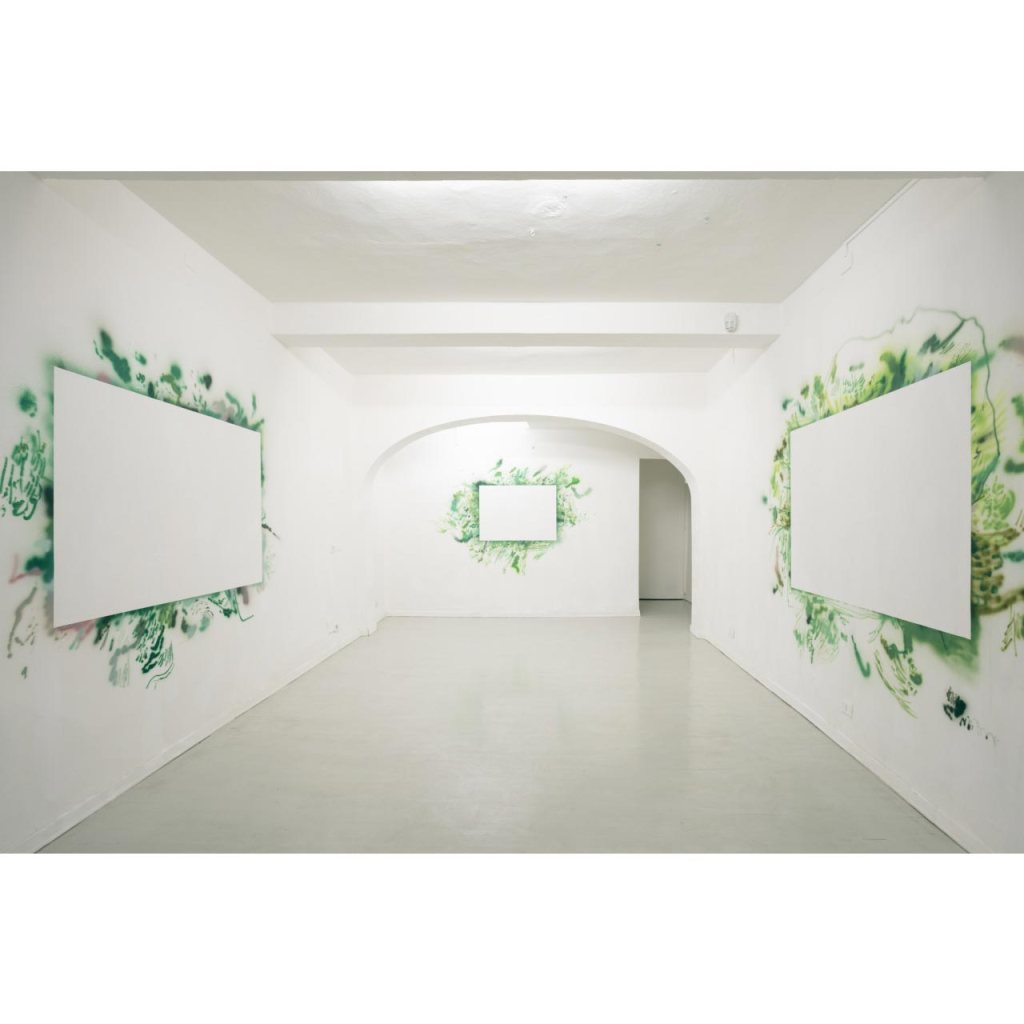
courtesy Display
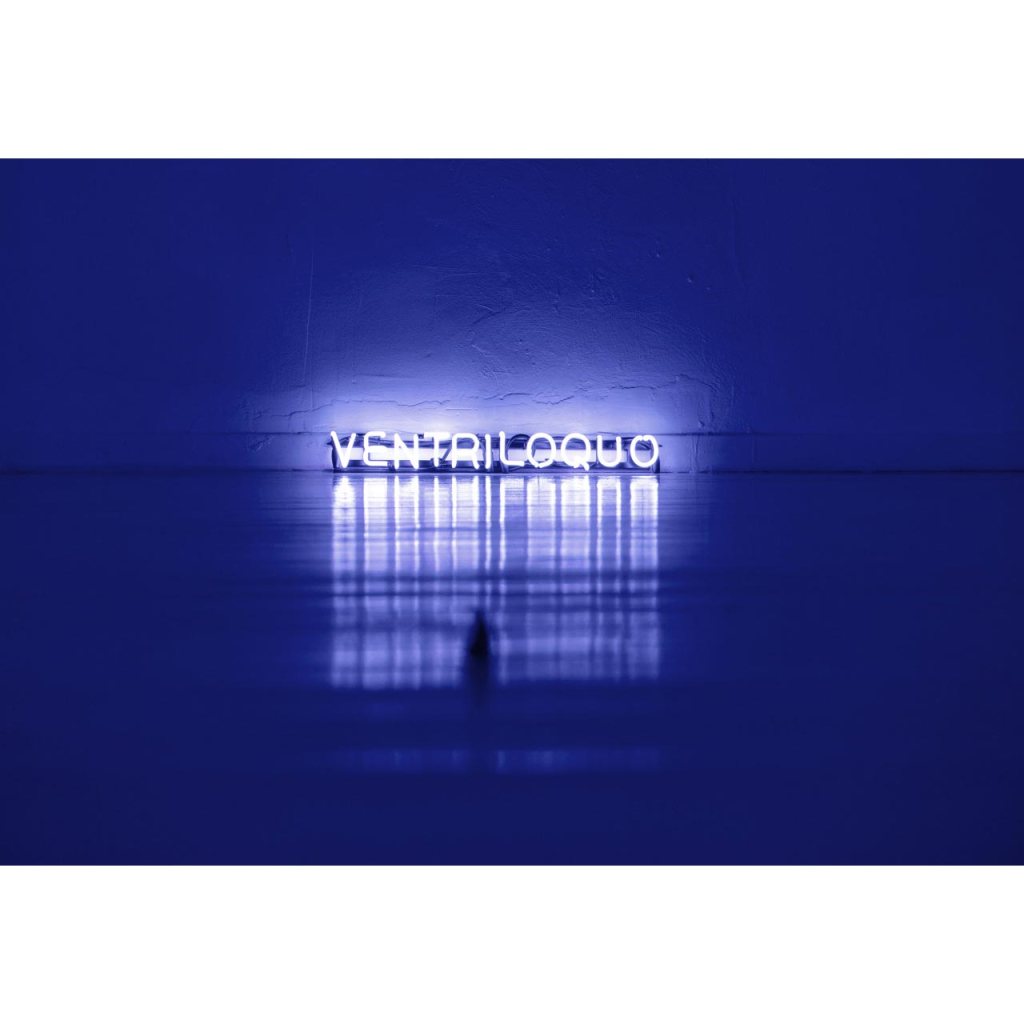
courtesy DISPLAY
 paroladartista.com