
(▼Scroll down for English text)
#paroladartista #artistinterview #intervistaartista #alessiaarmeni
Parola d’Artista: Per la maggior parte degli artisti, l’infanzia rappresenta il periodo d’oro in cui iniziano a manifestarsi i primi sintomi di una certa propensione ad appartenere al mondo dell’arte. È stato così anche per te? Racconta.
Alessia Armeni: Disegnare mi ha salvato a scuola, c’era almeno una cosa che sapevo fare.
Pd’A: Anche tu, come tanti, hai avuto un primo amore artistico?
AA: Ciò che da subito mi ha appassionato all’arte è stato di farla; non c’è stata inizialmente una figura o un movimento artistico di cui io mi sia innamorata.
Pd’A: Quali studi hai fatto?
AA: Liceo artistico, Accademia di belle arti di Brera, master per curatori sempre a Brera.
Pd’A: Ci sono stati incontri importanti durante gli anni della formazione?
AA: Sono stata per alcuni anni assistente di galleria per Christian Stein dove ho conosciuto, ma soprattutto visto lavorare, artisti come Mario Merz, Jannis Kounellis, Mimmo Paladino, Giulio Paolini; è stata un’esperienza incisiva.
Pd’A: Quanto è importante la geometria nel tuo lavoro?
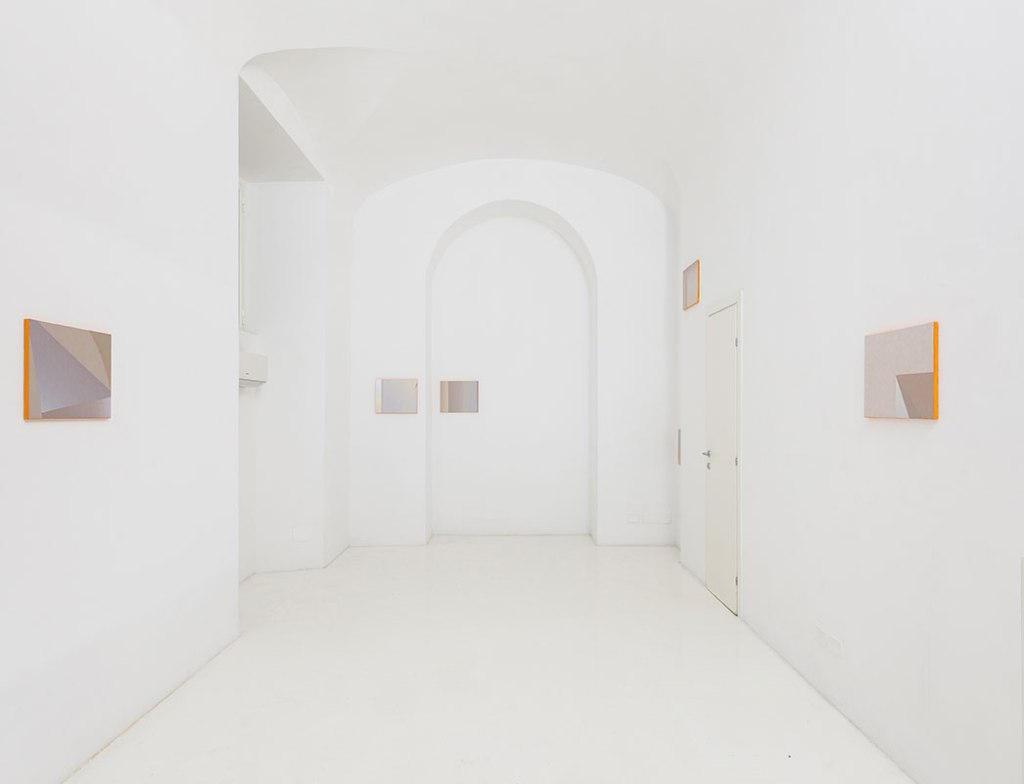
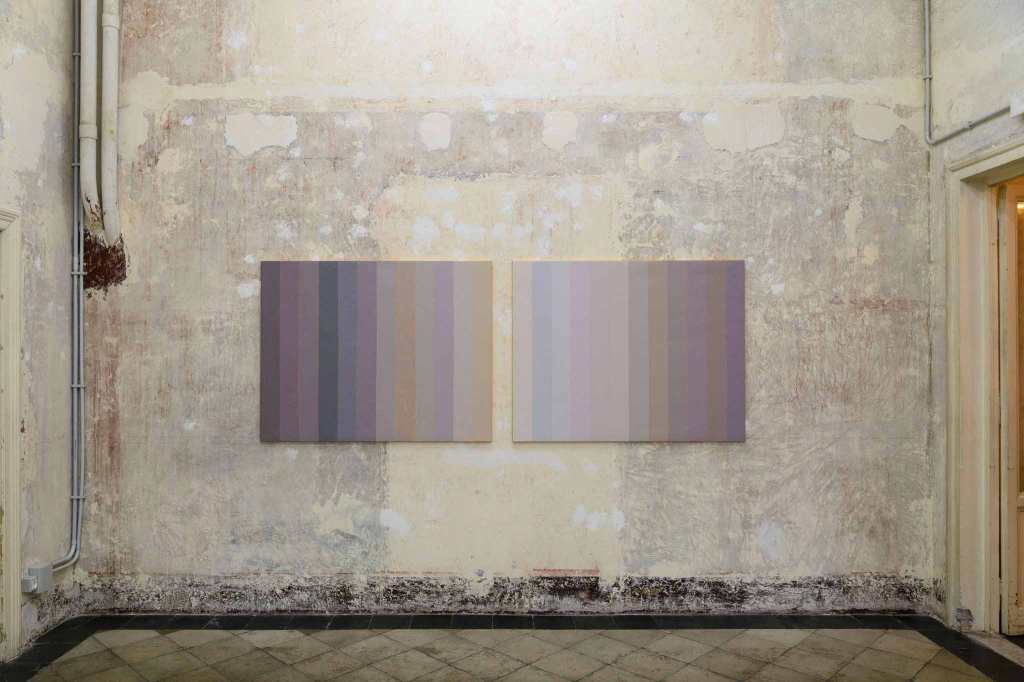
AA: Alcuni miei quadri possono apparire geometrici, nel senso di mostrare linee dritte che delimitano superfici, e questo accade perché ritraggono i luoghi in cui abitiamo; se vivessimo in igloo sono certa che per questo aspetto farei quadri diversi. Se invece intendiamo la geometria come struttura compositiva del quadro, allora è fondamentale per me.
Pd’A: Quanto è importante la luce nel tuo lavoro?
AA: E’ uno degli strumenti che mi permettono di imprimere senso all’opera.
Pd’A: Che importanza hanno le categorie di tempo e spazio in quello che fai?
AA: Piuttosto che allo spazio preferisco riferirmi al luogo: il luogo è dove dipingo, come il mio studio, è cosa dipingo, come la parete, è anche dove risiede il quadro appeso. Similmente, piuttosto che al tempo preferisco riferirmi al movimento: il movimento che guida il pennello o quello di un corpo intorno al quadro, o ancora quello verso la concentrazione per fare o verso la contemplazione per osservare.
Pd’A: Nel tuo lavoro compaiono spesso personaggi provenienti dal mondo dei fumetti e dei cartoni animati come mai?
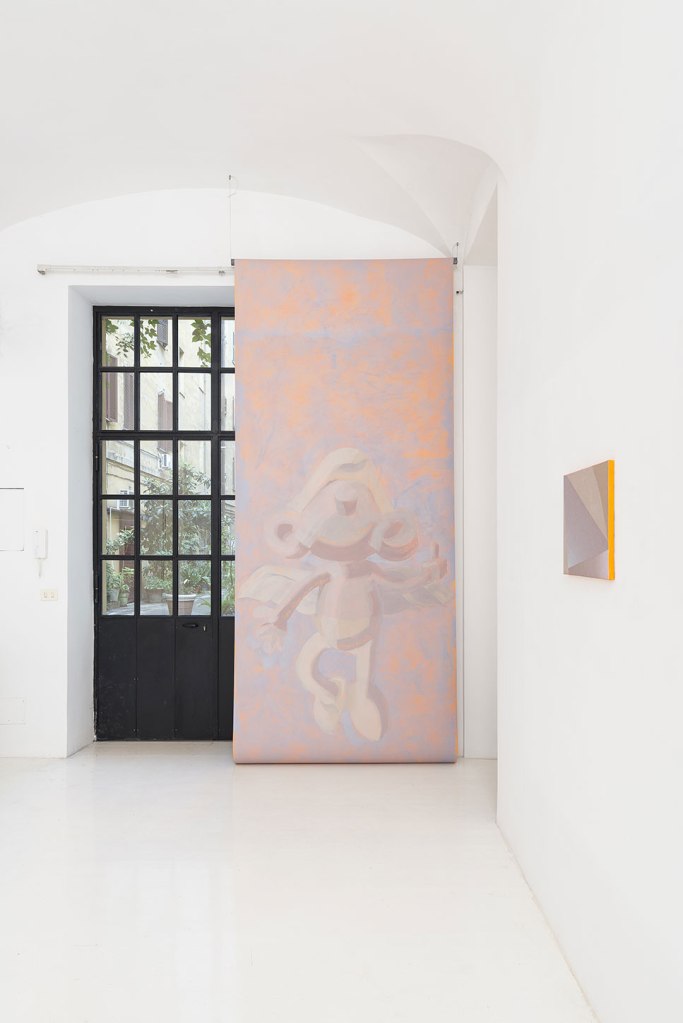
AA: Per indagare il potere simbolico del colore: cosa accade ad un puffo se non è più blu?
Pd’A: Ti interessa l’aspetto pittorico?
AA: Moltissimo, in fondo la mia è una riflessione sulla pittura.
Pd’A: Che importanza attribuisci ai titoli?
AA: I titoli per me sono una componente del lavoro, indicano l’intenzione per la quale quel quadro è fatto.
Pd’A: Quando prepari una mostra, sei interessata all’idea di messa in scena?
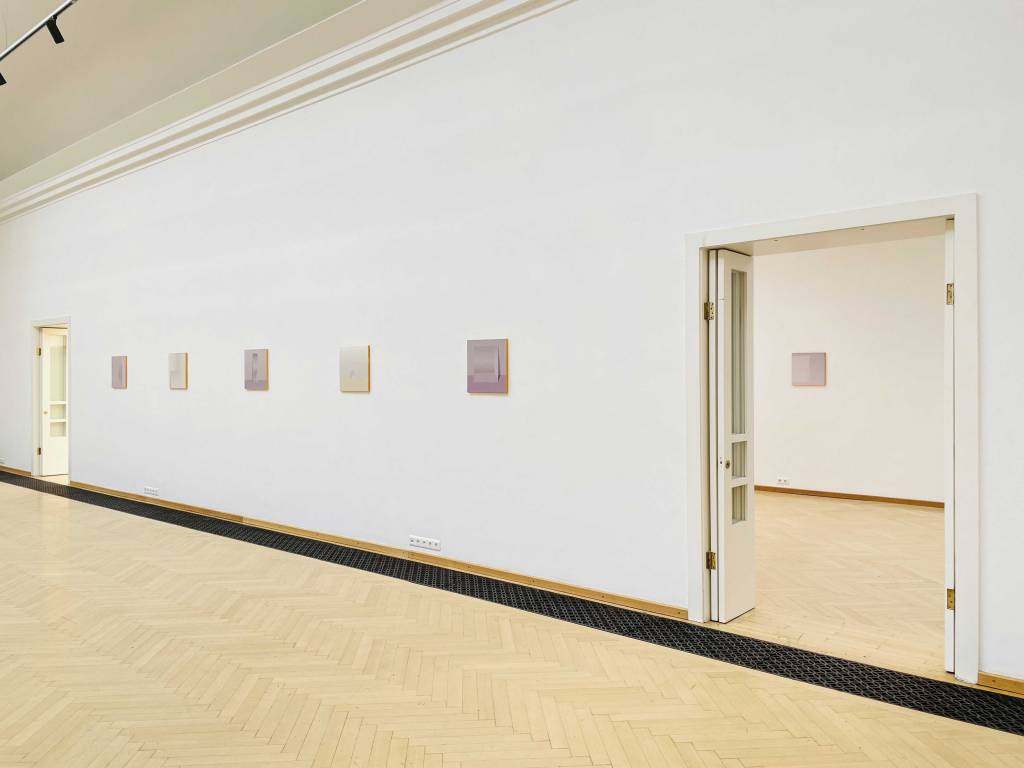
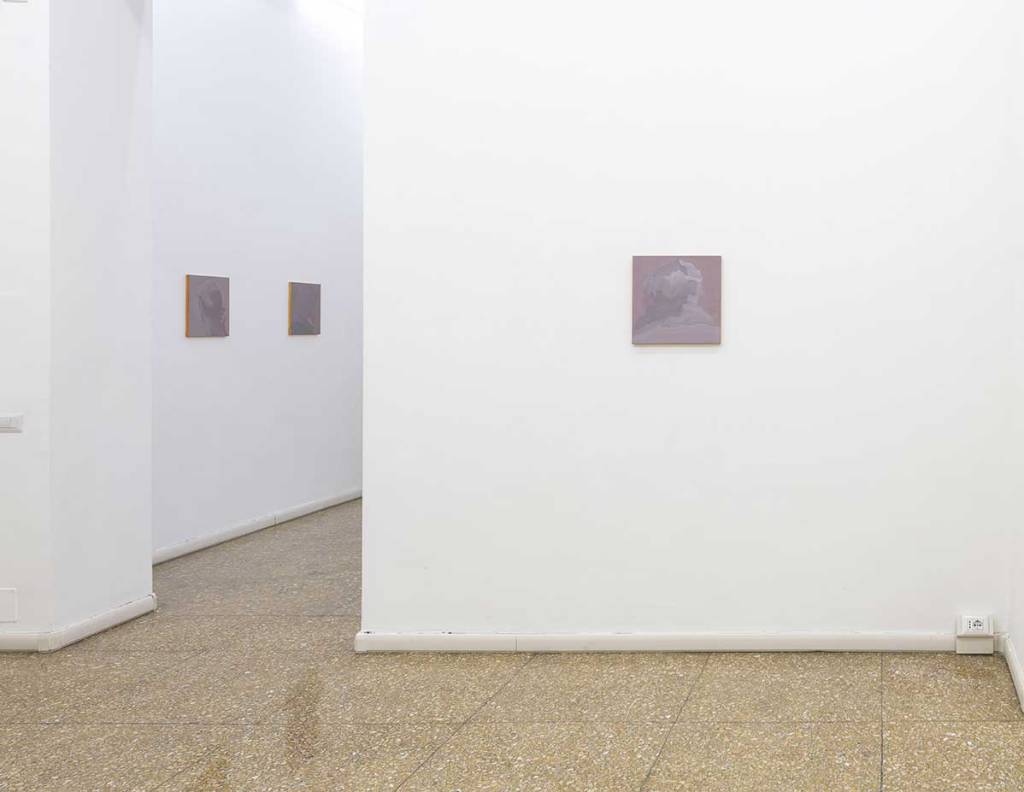
AA: No, non sono interessata alla messa in scena, sono però attenta che i lavori determinino un senso al luogo in cui si collocano; i miei quadri sono tuttavia autonomi rispetto all’occasione di essere in mostra.
Pd’A: Le opere d’arte esistono se non c’è nessuno che le guarda?
AA: Certamente si e, se lo sono, non smetteranno mai di esserlo: innanzitutto per chi le ha fatte e poi per chi le troverà.
Pd’A: Qual è la sua posizione rispetto al suo lavoro?
AA: Frontale?
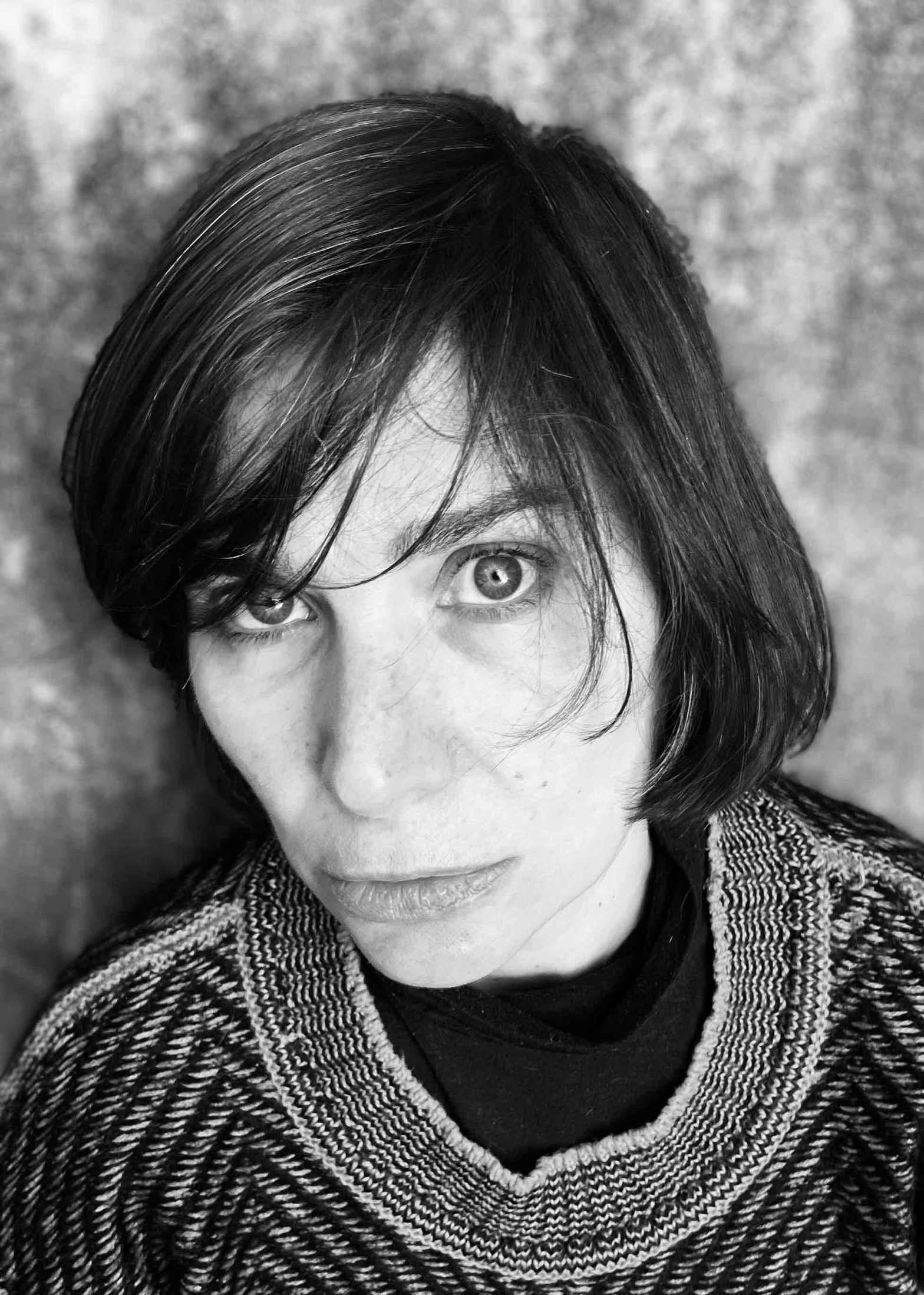
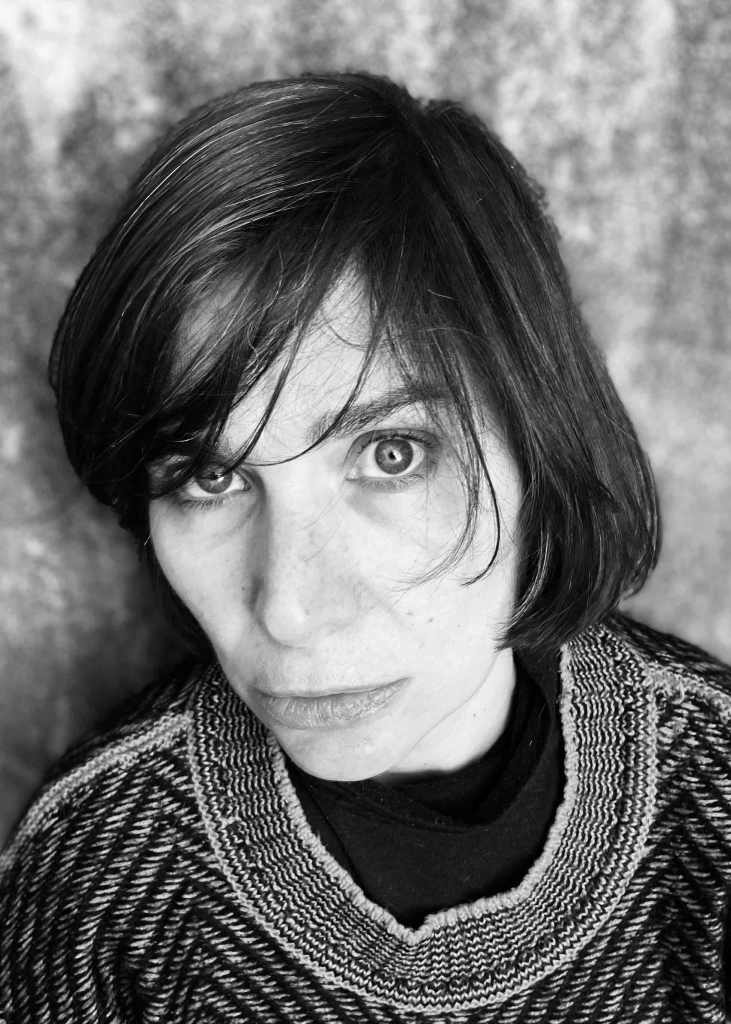
Alessia Armeni vive e lavora a Roma. Ha conseguito il diploma in pittura presso l’Accademia di Belle Arti di Brera a Milano nel 1999. Attraverso la pittura e altri media una riflessione sul colore, in particolare attorno al concetto di bianco, come elemento di indagine e rappresentazione di concetti quali il trascorrere del tempo, l’identità, la denominazione.
Ha esposto in Italia e all’estero; tra le personali: 2024 Puntuactión, Italian Institute of Culture, Mexico-city; Il bacio della pantera, 16Civico, Pescara (IT); 2023 Non ti avevo mai immaginato prima, Nube di Oort, Roma, (IT); 2021Cartografia Sensibile, Fondazione Antonio Calderara, Novara, (IT) Prospettiva Rovesciata, Spazio Mensa, Rome, (IT) Abbaglio nitido, Spazio Varco, L’Aquila, 2016; Tilt, Spazio Y, Roma, 2015; Tiempo-Espazio-Luz, curata da Karen Huber, la 77, Mexico-City, 2011.
Una selezione delle mostre collettive recenti comprende: 2023 Space Oddity, Kunstverein Kaerten Kunstlerhaus Klagenfurt, (AT); Contestabile /Permeabile, Contemporary Cluster, Roma; 2022 Only the dead have seen the end of the world, Funnel Contemporary, Belgrado, (SRB);2021Portaportese, Spazio Mensa, Rome, (IT); 2020 A word that troubles, Temple University, Rome, (IT)
English text
Interview to Alessia Armeni
#paroladartista #artistinterview #intervistaartista #alessiaarmeni
Parola d’Artista: For most artists, childhood is the golden age when the first symptoms of a certain propensity to belong to the art world begin to appear. Was that the case for you too? Tell us.
Alessia Armeni: Drawing saved me at school, there was at least one thing I knew how to do.
Pd’A: Did you too, like many, have a first artistic love?
AA: What made me passionate about art right from the start was to make it; there was no figure or artistic movement that I fell in love with at first.
Pd’A: What studies did you do?
AA: Liceo artistico, Accademia di belle arti di Brera, master’s degree for curators also at Brera.
Pd’A: Were there any important encounters during your formative years?
AA: I was gallery assistant for Christian Stein for a few years where I met, but above all saw artists such as Mario Merz, Jannis Kounellis, Mimmo Paladino, Giulio Paolini working; it was an incisive experience.
Pd’A: How important is geometry in your work?
AA: Some of my paintings may appear geometric, in the sense of showing straight lines delimiting surfaces, and this happens because they depict the places we live in; if we lived in igloos, I am sure I would make different paintings for this aspect. If, on the other hand, we understand geometry as the compositional structure of the painting, then it is fundamental for me.
Pd’A: How important is light in your work?
AA: It is one of the tools that allow me to impart meaning to the work.
Pd’A: How important are the categories of time and space in what you do?
AA: Rather than space I prefer to refer to place: place is where I paint, like my studio, it is what I paint, like the wall, it is also where the painting hangs. Similarly, rather than time I prefer to refer to movement: the movement guiding the brush or that of a body around the painting, or that towards concentration to do or towards contemplation to observe.
Pd’A: Characters from the world of comics and cartoons often appear in your work, why is that?
AA: To investigate the symbolic power of colour: what happens to a Smurf if he is no longer blue?
Pd’A: Are you interested in the pictorial aspect?
AA: Very much, after all, mine is a reflection on painting.
Pd’A: What importance do you attach to titles?
AA: Titles for me are a component of the work, they indicate the intention for which that painting is made.
Pd’A: When you prepare an exhibition, are you interested in the idea of staging?
AA: No, I am not interested in staging, but I am careful that the works make sense of the place where they are placed; however, my paintings are autonomous with respect to the occasion of being on show.
Pd’A: Do works of art exist if there is no one looking at them?
AA: Certainly yes, and if they are, they will never cease to be: first of all for those who made them and then for those who will find them.
Pd’A: What is your position in relation to your work?
AA: Frontal?
Alessia Armeni lives and works in Rome. She graduated in painting from the Brera Academy of Fine Arts in Milan in 1999. Through painting and other media, she reflects on colour, particularly around the concept of white, as an element of investigation and representation of concepts such as the passing of time, identity, and naming.
He has exhibited in Italy and abroad; personal exhibitions include: 2024 Puntuactión, Italian Institute of Culture, Mexico-city; Il bacio della pantera, 16Civico, Pescara (IT); 2023 Non avevo mai immaginato prima, Nube di Oort, Roma, (IT); 2021Cartografia Sensibile, Fondazione Antonio Calderara, Novara, (IT) Prospettiva Rovesciata, Spazio Mensa, Rome, (IT) Abbaglio nitido, Spazio Varco, L’Aquila, 2016; Tilt, Spazio Y, Rome, 2015; Tiempo-Espazio-Luz, curated by Karen Huber, la 77, Mexico-City, 2011.
A selection of recent group shows includes: 2023 Space Oddity, Kunstverein Kaerten Kunstlerhaus Klagenfurt, (AT); Contestabile /Permeabile, Contemporary Cluster, Rome; 2022 Only the dead have seen the end of the world, Funnel Contemporary, Belgrade, (SRB);2021Portaportese, Spazio Mensa, Rome, (IT); 2020 A word that troubles, Temple University, Rome, (IT)
 paroladartista.com