
(Scroll down for English text)
#paroladartista #intervistaartista #artistinterview #eleonoramariani
Parola d’Artista: Per la maggior parte degli artisti, l’infanzia rappresenta il periodo d’oro in cui iniziano a manifestarsi i primi sintomi di una certa propensione ad appartenere al mondo dell’arte. È stato così anche per te? Racconta.
Eleonora Mariani: L’infanzia è un periodo della vita in cui le cose si muovono con particolare naturalezza e di questo si ha piena coscienza solo nel momento in cui ce lo si ricorda. Per quanto mi riguarda, non so se sia corretto parlare di appartenenza al mondo dell’arte, ma sono certa di aver sempre cercato un mio mondo, chiamiamola dimensione, sin da quando ero bambina. Più che cercarla, la costruivo con prepotenza e in questo forse stava la differenza rispetto a tutti i mondi meravigliosi (ognuno a modo suo) che il bambino naturalmente crea. Quella che chiamo prepotenza non è mai stata però una volontà d’imposizione. Era più una resistenza continua, che ha permesso a quell’allora piccolo mondo di svilupparsi e di prendere forma.
Pd’A: Anche tu, come tanti, hai avuto un primo amore artistico?
E.M.: Sono stati tanti gli artisti fonte d’ispirazione e di riflessione, ma andando a ritroso nel tempo, ricordo di aver avuto una folgorazione particolare per l’opera di Medardo Rosso. Ero attratta dal suo modo di gestire la materia, dalla capacità di dare piena espressione ad un volto con un solo raggio di luce, dai gesti impressi nelle sue sculture che mi sembravano diventare tocchi di colore. In realtà sono sempre stata affascinata anche dalla sua personalità: controverso, curioso, instancabile sperimentatore. Mi viene in mente un bellissimo libro grazie al quale ho scoperto che, oltre alla scultura, Rosso utilizzava molto anche la fotografia. Credo che gli fosse utile per estraniare una seconda volta il soggetto, per permettergli di guardarlo da un’altra prospettiva, così da poter scoprire nuove cose; forse era un modo per andare ancora più a fondo della materia, pur apparentemente allontanandosene. – “Fotografare non è nient’altro che vedere le cose con una luce diversa”- diceva Rosso. Io ho capito davvero l’utilità di questo gesto quando mi è capitato di fotografare le mie composizioni o i soggetti dei miei quadri. La fotografia è in grado di creare un’ immagine indipendente dalla realtà, dove i soggetti possono essere liberi di assumere nuove sembianze e significati diversi rispetto a quelli che siamo soliti attribuirgli. È come se con uno scatto fosse possibile donare una seconda vita alle cose e col tempo mi sono resa conto che applicare questo processo anche al mio meccanismo visivo è diventato fondamentale nel mio lavoro.
Pd’A: Quali studi hai fatto?
E.M.:Ho frequentato un liceo socio-psico-pedagogico, per poi iscrivermi all’Accademia di belle arti di Brera.
Pd’A: Ci sono stati incontri importanti durante gli anni della formazione?
E.M.:Sicuramente l’ambiente dell’Accademia è stato essenziale per me. Al di là degli ottimi docenti che ho incontrato, primo su tutti il mio professore di Pittura, Marco Cingolani, con molti compagni di corso si è instaurato un dialogo profondo e continuo sui temi dell’arte e non solo, uno scambio vivo ancora oggi e che è diventato molto importante nel momento in cui quella che era una routine scolastica o un percorso principalmente di ricerca, ha iniziato ad essere in qualche modo un lavoro. Non è scontato che quelli che sono stati i tuoi compagni di studi diventino poi i tuoi compagni di vita, ma per me è stato proprio così.
Pd’A: Quanto è importante la luce nel tuo lavoro?
E.M.:La luce per me non è solo un dato fisico, ma anche e soprattutto un oggetto di riflessione. Mi piace intenderla come un’entità, in grado di mostrare le cose. Il suo potere è straordinario, se ci pensi. Prima di tutto perché ha in sé qualcosa di magico e poi perché, a ben vedere, è infinito. Così come infinite sono le facce che posso prendere le cose. “Siamo solo scherzi di luce” – per riprendere Medardo Rosso. Ecco, all’interno del mio lavoro cerco di giocare con la luce e con questo suo grande potere. Una forza primordiale e misteriosa, che attrae e che allo stesso tempo può dare pace o incutere timore. Credo che la luce abbia anche una grande componente emotiva, per questo la stessa immagine o il medesimo oggetto, visti sotto fari differenti, possono assumere significati completamente diversi. Questo, oltre ad essere estremamente affascinante, apre per me un grande margine d’azione all’interno del lavoro.
Pd’A: La tua è una pittura molto rarefatta quasi fatta per sottrazione puoi descrivere il tuo processo di lavoro?
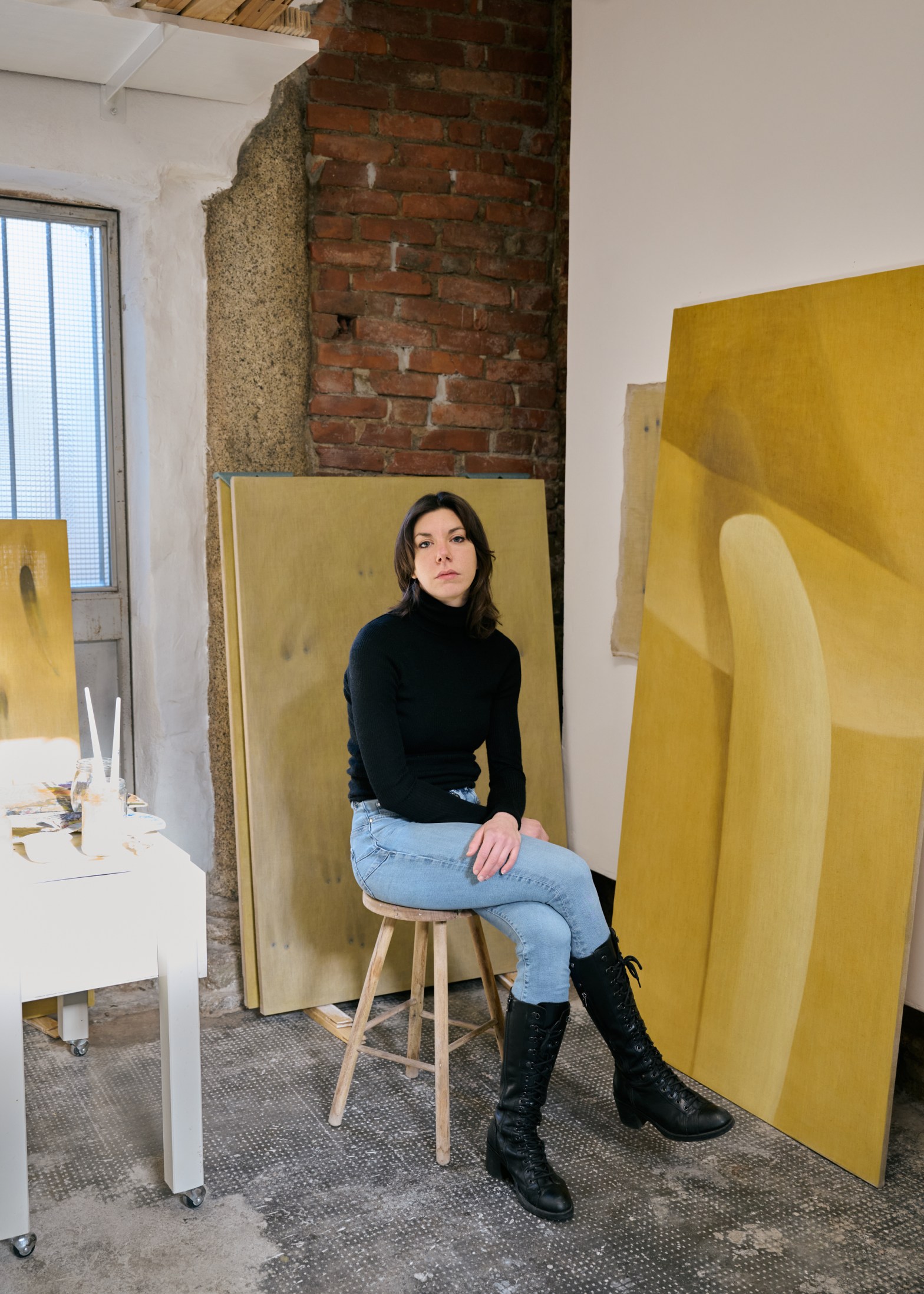
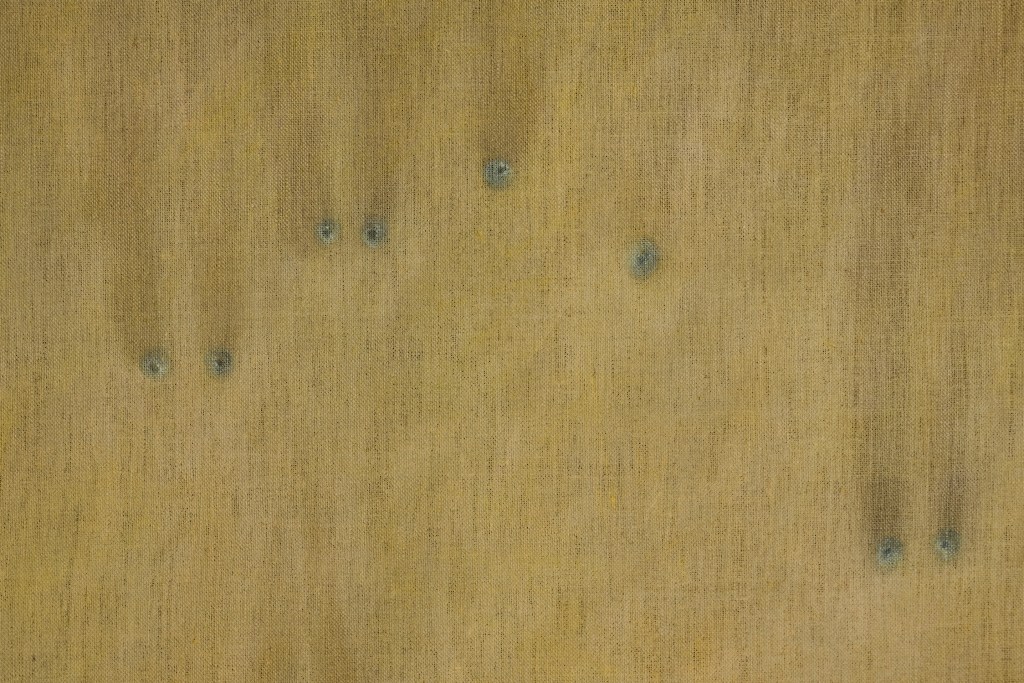
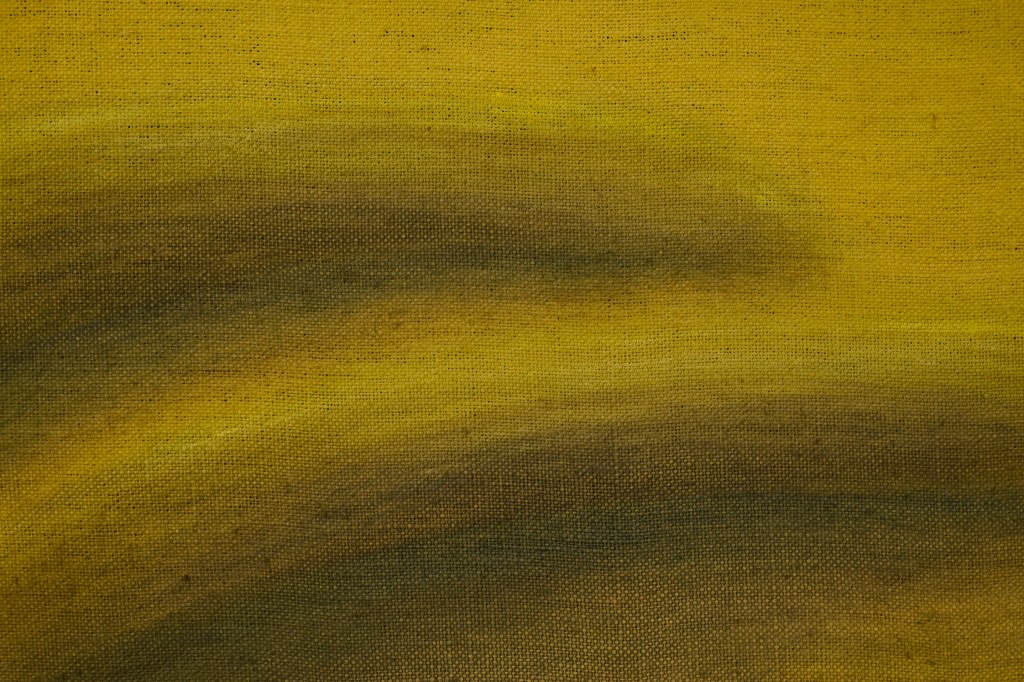
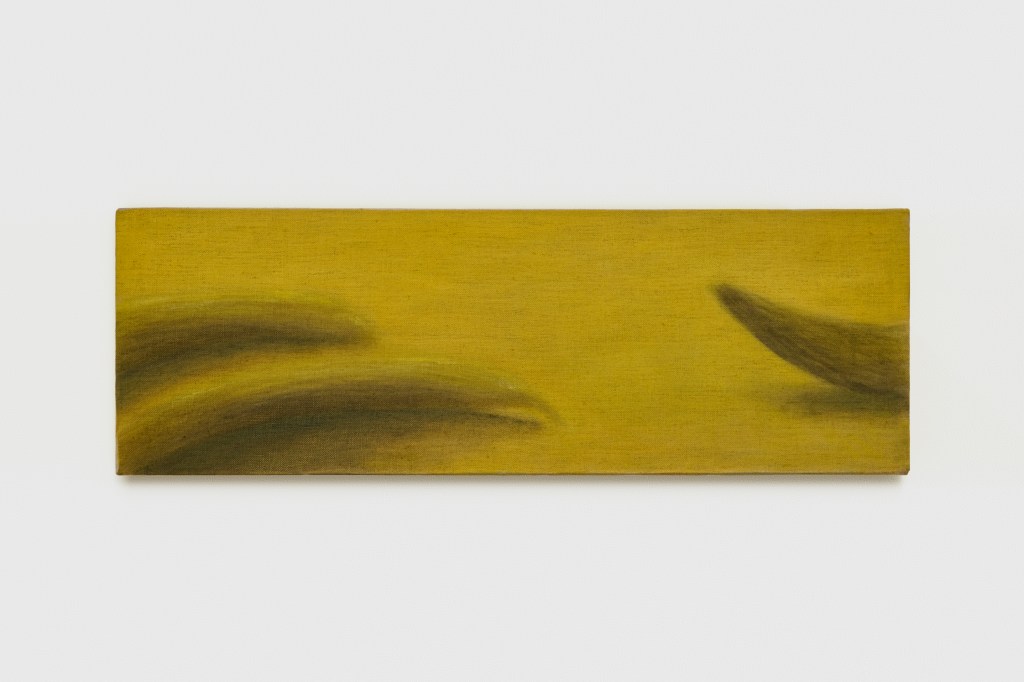
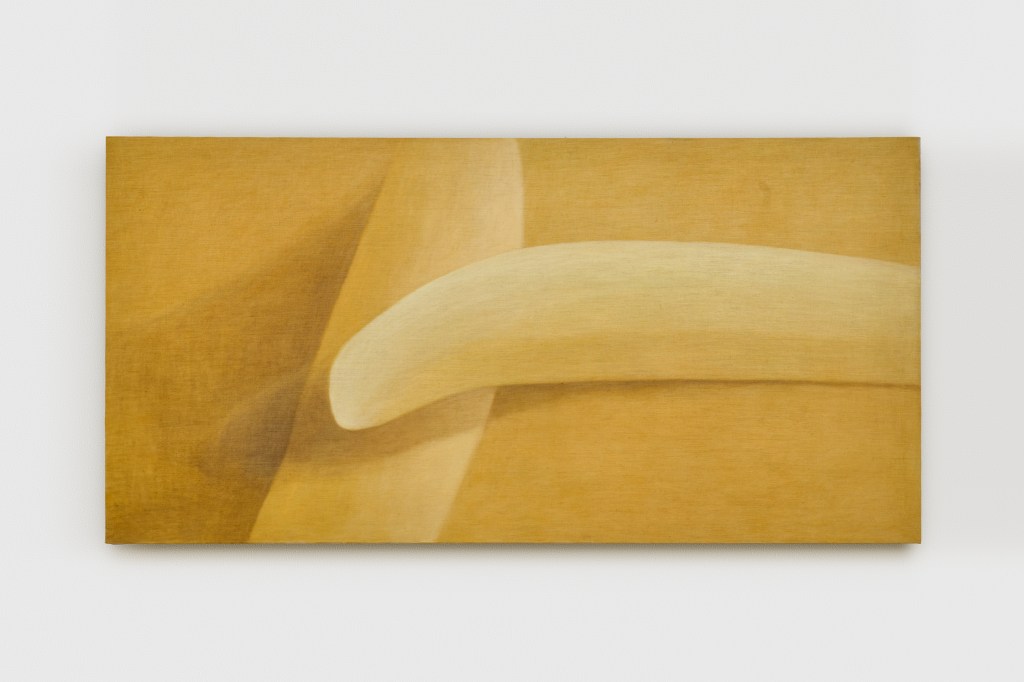
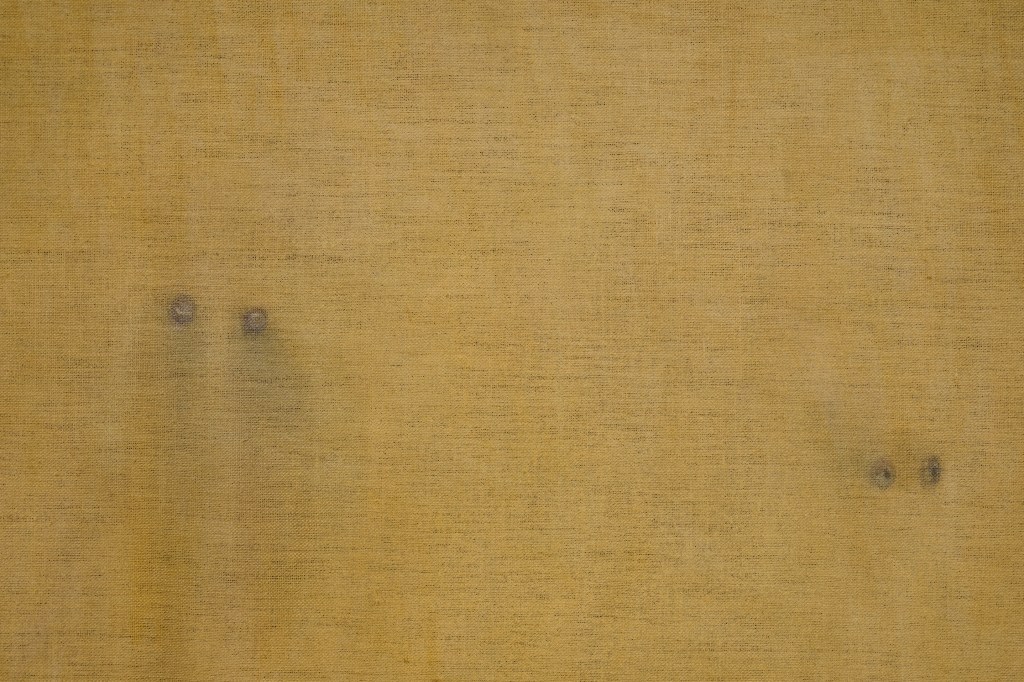
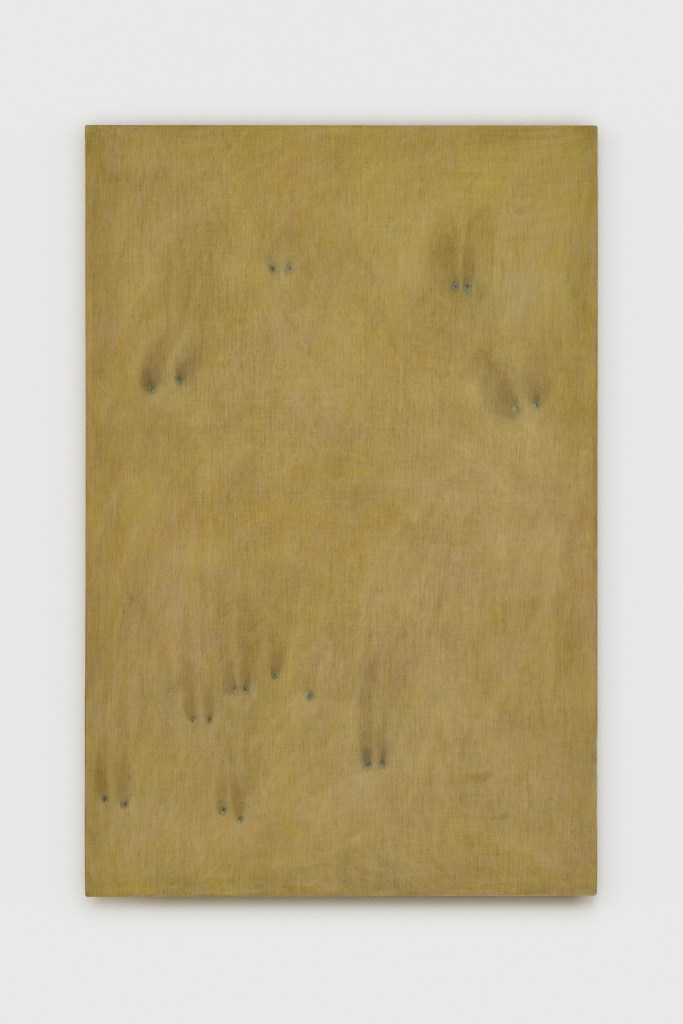
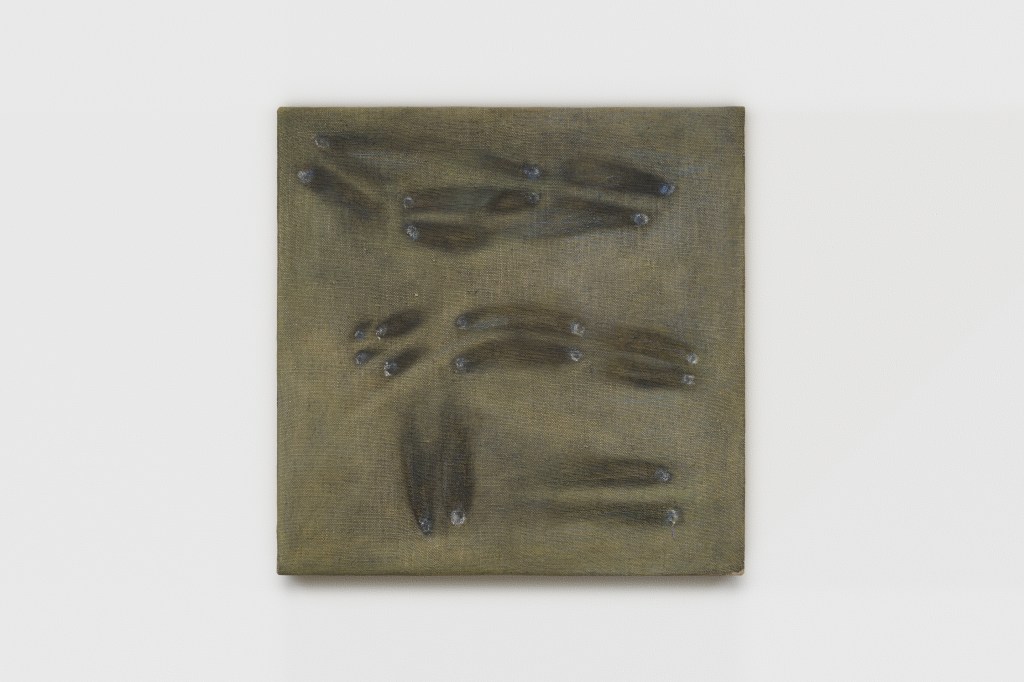
E.M.:Più che per sottrazione la mia è una pittura fatta di sottili e controllate addizioni. L’intera immagine è formato da leggeri veli di colore sommati e sovrapposti. Mi piace trattare la superficie pittorica come se fosse una membrana. A volte parto dalla creazione di un fondo dal quale i soggetti lentamente affiorano, altre volte abbozzo loro per primi, con una pittura molto slavata, che mi permette poi di riprenderli. Le tele sono sempre preparate con pochissima materia e per questo la trama, anche a quadro finito, rimane visibile. Forse è per questo che l’aspetto complessivo è spesso evanescente, come se fosse l’immagine di un sogno o di un ricordo.
Pd’A: Il disegno ha una qualche importanza per te?
E.M.:Disegno per studiare i soggetti, per avvicinarmi a loro e per creare una forma di confidenza. Il disegno per me è una pratica vicina al pensiero che permette di rimpastare, anche velocemente, le idee. È una sorta di decostruzione e ricostruzione continua che mi serve per appropriarmi del soggetto e in un certo senso per liberarlo. Quando sento che questo avviene, mi muovo sulla tela, cercando di mantenere la stessa disinvoltura.
Pd’A: Quando dipingi lavori ad un quadro alla volta o ne lavori più di uno simultaneamente?
E.M.:Dipende, non c’è una regola precisa, a volte un quadro mi trattiene e non sento il bisogno di iniziarne subito un altro; altre volte capita che naturalmente uno ne chiami un altro, o più. In generale il fare per me riserva molte sorprese e quando lavoro cerco sempre di essere in una buona condizione di ascolto. Mi capita anche di lasciar riposare certe immagini per diverso tempo; ci sono pittori che iniziano un quadro preparandolo per mesi e sapendo già più o meno come verrà risolto, quindi operano in una direzione ben precisa per portare a termine l’opera. Per me molto spesso non è così e l’immagine si costruisce spontaneamente durante il processo pittorico: alle volte il risultato è qualcosa che non avevo mai nemmeno immaginato. Questo modo di lavorare è sicuramente rischioso, nel senso che le cose non sempre si risolvo nel migliore dei modi (o non si risolvono affatto) ma per me anche questo rappresenta una parte interessante del lavoro.
Pd’A: Ti interessa l’aspetto pittorico?
E.M.:Se con aspetto pittorico intendi come la pittura si concretizza sulla tela e quindi quello che poi rimane a disposizione degli occhi degli altri, si, mi interessa. L’immagine è certo fondamentale, ma credo che ogni immagine porti con sé una buona percentuale di ambiguità. L’aspetto pittorico è una sorta di porta d’accesso a questo enigma e se gestito in un certo modo può diventare la chiave di lettura dell’immagine stessa.
Pd’A: Che importanza hanno le categorie di tempo e spazio in quello che fai?
E.M.:All’interno del quadro cerco sempre di creare una dimensione che non è reale, che si avvicina di più ad una visione. In realtà lo spazio/tempo in cui i miei soggetti si muovono è quello della mente, anche per questo i fondi delle tele sono spesso così evanescenti e poco dettagliati. Pur partendo sempre dall’osservazione di un soggetto che concretamente esiste e dalla creazione più o meno articolata di quelli che potrebbe essere degli Still Life, quello che cerco di attivare è un continuo esercizio di percezione, in cui i classici strumenti della pittura, quali composizione, prospettiva e colore, sono gestiti in modo inusuale, a volte estremizzati, per creare una sorta di cortocircuito visivo, in cui la dimensione spazio/tempo che si crea apre ad un altro immaginario, ed è propria solo ed esclusivamente di quel quadro. In generale reputo un’opera ben riuscita quando la dimensione creata può diventare uno luogo comune, spazio e tempo condiviso, tra me ed un possibile spettatore.
Pd’A: Sei interessata all’idea di messa in scena del lavoro quando lo esponi?
E.M.:Se la messa in scena non è forzata, diventa un meccanismo interessante e molto potente, che può aiutare a far comprendere meglio l’opera, diventarne parte, o essere essa stessa il lavoro.
Pd’A: Le opere d’arte esistono se non c’è nessuno che le guarda?
E.M.:Esistono, forse a metà. Come tutto quello che esiste ma di cui non abbiamo conoscenza. Nelle arti visive è l’occhio ad essere il primo e principale veicolo di conoscenza. Rivolgere lo sguardo verso un’opera significa prima di tutto instaurare un ponte tra te e quella cosa e, al di là dell’apprezzamento e della comprensione, questa connessione fa in modo che essa esista.
Pd’A: Qual è la sua posizione rispetto al suo lavoro?
E.M.:Una delle cose che mi attrae di più come pittrice è l’idea di un’immagine che compare dal nulla e quando lavoro cerco sempre di avvicinarmi a questo. L’artista è però sia produttore che spettatore della propria opera e in entrambe le circostanza quella che mi interessa mantenere è una posizione di meraviglia e di scoperta. Cerco di fare in modo che la sensazione che accompagna l’immagine mentre affiora dal vuoto della tela diventi poi una tensione visibile agli occhi degli altri a quadro finito. E ovviamente sono io stessa la prima persona su cui testo che questo avvenga.
Biografia
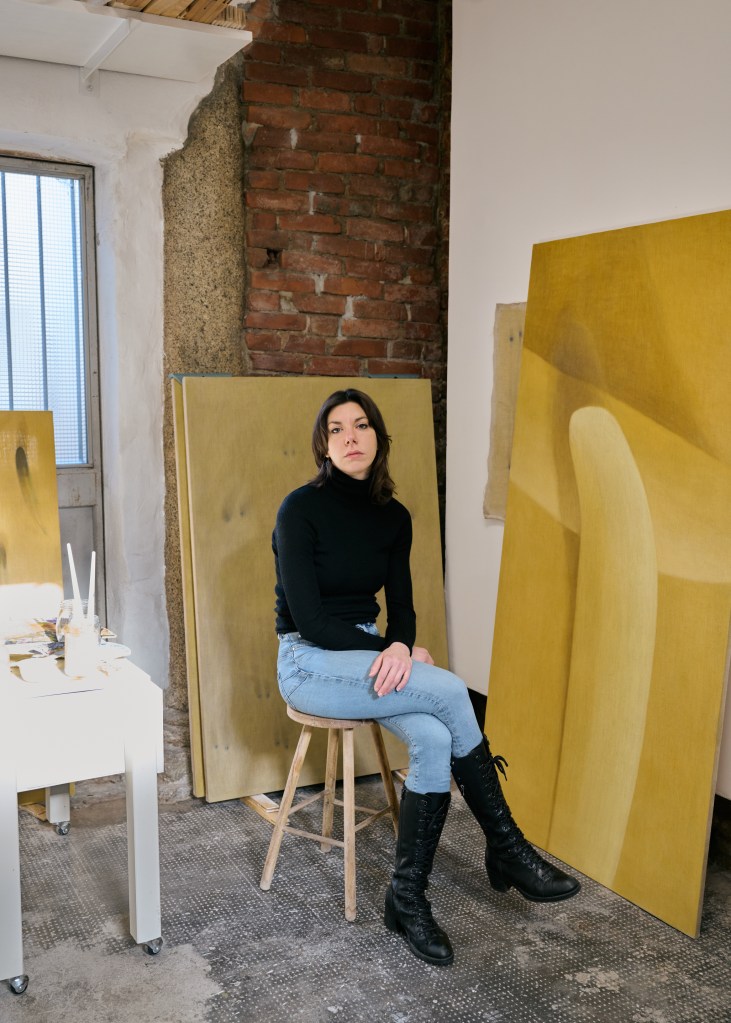
Eleonora Mariani (1994), ha frequentato l’Accademia di belle arti di Brera a Milano. Nel 2019 consegue il Diploma di I Livello in Pittura e nel 2021 conclude gli studi con un Diploma di II Livello. Attualmente vive e lavora a Milano.
Intervista a Eleonora Mariani
(Scroll down for English text)
#paroladartista #intervistaartista #artistinterview #eleonoramarian
Parola d’Artista: For most artists, childhood is the golden age when the first symptoms of a certain propensity to belong to the art world begin to appear. Was that the case for you too? Tell us.
Eleonora Mariani: Childhood is a period of life in which things move particularly naturally, and you only become fully aware of this when you remember it. As far as I am concerned, I do not know if it is correct to speak of belonging to the world of art, but I am certain that I have always sought my own world, let us call it a dimension, ever since I was a child. Rather than looking for it, I was overbearingly building it, and in this perhaps lay the difference to all the wonderful worlds (each in its own way) that a child naturally creates. What I call bullying was never, however, a will to impose. It was more a continuous resistance, which allowed that then small world to develop and take shape.
Pd’A: Did you, like many, have a first artistic love?
E.M.: There have been many artists who have been a source of inspiration and reflection, but going back in time, I remember having a particular thunderbolt for the work of Medardo Rosso. I was attracted by his handling of matter, by his ability to give full expression to a face with just one ray of light, by the gestures imprinted in his sculptures that seemed to me to become touches of colour. In fact, I have always been fascinated by his personality as well: controversial, curious, a tireless experimenter. I am reminded of a beautiful book thanks to which I discovered that, in addition to sculpture, Rosso also used photography a lot. I think it was useful for him to estrange the subject a second time, to allow him to look at it from another perspective, so that he could discover new things; perhaps it was a way of going even deeper into the subject, while seemingly distancing himself from it. – Photography is nothing more than seeing things in a different light,’ Rosso said. I really understood the usefulness of this gesture when I happened to photograph my compositions or the subjects of my paintings. Photography is able to create an image independent of reality, where subjects can be free to take on new guises and meanings different from those we are used to attributing to them. It is as if with a shot it is possible to give a second life to things, and over time I realised that applying this process to my visual mechanism has become fundamental in my work.
Pd’A: What studies have you done?
E.M.:I attended a socio-psycho-pedagogical high school and then enrolled at the Brera Academy of Fine Arts.
Pd’A: Were there any important encounters during your formative years?
E.M.:Certainly the environment at the Academy was essential for me. Apart from the excellent teachers I met, first and foremost my professor of painting, Marco Cingolani, with many of my classmates a deep and continuous dialogue was established on art topics and not only, an exchange that is still alive today and that became very important when what was a school routine or a path mainly of research, began to be in some way a job. It is not taken for granted that those who were your fellow students then become your life companions, but for me it was like that.
Pd’A: How important is light in your work?
E.M.:Light for me is not only a physical fact, but also and above all an object of reflection. I like to understand it as an entity, able to show things. Its power is extraordinary, if you think about it. First of all because it has something magical about it and then because, on closer inspection, it is infinite. Just as infinite are the faces that things can take. ‘We are just tricks of the light’ – to quote Medardo Rosso. Here, within my work I try to play with light and this great power of light. A primordial and mysterious force, which attracts and at the same time can give peace or instil fear. I believe that light also has a great emotional component, which is why the same image or the same object, seen under different lights, can take on completely different meanings. This, besides being extremely fascinating, opens up a great deal of scope for me within the work.
Pd’A: Yours is a very rarefied painting almost done by subtraction can you describe your working process?
E.M.:More than by subtraction, mine is a painting made of subtle and controlled additions. The entire image is made up of light veils of colour added and superimposed. I like to treat the pictorial surface as if it were a membrane. Sometimes I start by creating a background from which the subjects slowly emerge, at other times I sketch them first, with a very washed-out painting, which then allows me to pick them up again. The canvases are always prepared with very little material and for this reason the texture, even when the painting is finished, remains visible. Perhaps that is why the overall appearance is often evanescent, as if it were the image of a dream or a memory.
Pd’A: Does drawing have any importance for you?
E.M.:I draw to study subjects, to get closer to them and to create a form of confidence. Drawing for me is a practice close to thinking that allows you to reshuffle, even quickly, ideas. It is a kind of continuous deconstruction and reconstruction that serves me to appropriate the subject and in a certain sense to liberate it. I believe that light also has a great emotional component, which is why the same image or the same object, seen under different lights, can take on completely different meanings. This, besides being extremely fascinating, opens up a great deal of scope for me within the work.
Pd’A: Yours is a very rarefied painting almost done by subtraction can you describe your working process?
E.M.:More than by subtraction, mine is a painting made of subtle and controlled additions. The entire image is made up of light veils of colour added and superimposed. I like to treat the pictorial surface as if it were a membrane. Sometimes I start by creating a background from which the subjects slowly emerge, at other times I sketch them first, with a very washed-out painting, which then allows me to pick them up again. The canvases are always prepared with very little material and for this reason the texture, even when the painting is finished, remains visible. Perhaps that is why the overall appearance is often evanescent, as if it were the image of a dream or a memory.
Pd’A: Does drawing have any importance for you?
E.M.:I draw to study subjects, to get closer to them and to create a form of confidence. Drawing for me is a practice close to thinking that allows me to reshape, even quickly, ideas. It is a kind of continuous deconstruction and reconstruction that serves me to appropriate the subject and in a certain sense to liberate it. When I feel this happening, I move around on the canvas, trying to maintain the same nonchalance.
Pd’A: When you paint, do you work on one painting at a time or do you work on more than one simultaneously?
E.M.:It depends, there is no precise rule, sometimes a painting holds me back and I don’t feel the need to start another immediately; other times it happens that naturally one calls for another, or more. In general, doing holds many surprises for me and when I work I always try to be in a good listening condition. It also happens to me that I let certain images rest for quite some time; there are painters who begin a painting by preparing it for months and already knowing more or less how it will be resolved, so they work in a very precise direction to complete the work. For me, this is very often not the case and the image builds up spontaneously during the painting process: sometimes the result is something I had never even imagined. This way of working is certainly risky, in the sense that things don’t always work out in the best way (or don’t work out at all) but for me this is also an interesting part of the work.
Pd’A: Are you interested in the pictorial aspect?
E.M.:If by pictorial aspect you mean how the painting materialises on canvas and thus what then remains available to the eyes of others, yes, I am interested. The image is certainly fundamental, but I believe that every image carries with it a good percentage of ambiguity. The pictorial aspect is a kind of gateway to this enigma and if handled in a certain way, it can become the key to understanding the image itself.
Pd’A: How important are the categories of time and space in what you do?
E.M.:Within the painting I always try to create a dimension that is not real, that is closer to a vision. In reality, the space/time in which my subjects move is that of the mind, which is also why the backgrounds of the canvases are often so evanescent and lacking in detail. Although I always start from the observation of a subject that concretely exists and from the more or less articulated creation of what could be Still Lives, what I try to activate is a continuous exercise of perception, in which the classic tools of painting, such as composition, perspective and colour, are handled in an unusual way, sometimes taken to extremes, to create a sort of visual short-circuit, in which the space/time dimension that is created opens up to another imaginary, and is only and exclusively that painting. In general, I consider a work to be successful when the dimension created can become a common place, a shared space and time, between me and a possible viewer.
Pd’A: Are you interested in the idea of staging the work when you exhibit it?
E.M.: If the staging is not forced, it becomes an interesting and very powerful mechanism, which can help to better understand the work, become part of it, or be the work itself.
Pd’A: Do works of art exist if there is no one to look at them?
E.M.:They exist, maybe half. Like everything that exists but of which we have no knowledge. In the visual arts, it is the eye that is the first and main vehicle of knowledge. Turning your gaze towards a work means first of all establishing a bridge between you and that thing and, beyond appreciation and understanding, this connection makes it exist.
Pd’A: What is your position on your work?
E.M.:One of the things that attracts me most as a painter is the idea of an image appearing out of nowhere, and when I work, I always try to approach this. However, the artist is both producer and spectator of his or her own work and in both circumstances what I am interested in maintaining is a position of wonder and discovery. I try to ensure that the feeling that accompanies the image as it emerges from the emptiness of the canvas then becomes a tension visible to the eyes of others when the painting is finished. And of course, I myself am the first person on whom I text that this happens.
Biography
Eleonora Mariani (1994) attended the Brera Academy of Fine Arts in Milan. In 2019 she obtained a Level I Diploma in Painting and in 2021 she completed her studies with a Level II Diploma. She currently lives and works in Milan.



 paroladartista.com