
(▼Scroll down for English text)
#paroladartista #intervistaartista #artistinterview #giorgiafiorentino
Parola d’Artista: Per la maggior parte degli artisti, l’infanzia rappresenta il periodo d’oro in cui iniziano a manifestarsi i primi sintomi di una certa propensione ad appartenere al mondo dell’arte. E’ stato così anche per te? Racconta.
Giorgia Fiorentino: Ciao! E’ una domanda piuttosto complessa perché ancora oggi non mi è chiaro. Ricordo bene che da piccola disegnavo tanto, soprattutto la sera prima di andare a dormire, ma non mi reputo tra quegli artisti e quelle artiste che già fin da piccole sapevano in qualche modo di appartenere a questo mondo. Credo più che altro di aver seguito il caso degli eventi e questi semplicemente mi hanno condotto all’arte.
Pd’A: Quali studi hai fatto?
G.F.: Ho studiato al Liceo artistico sperimentale e all’Accademia di Belle Arti di Palermo.
Pd’A: Ci sono stati degli incontri importanti durante la tua formazione?
G.F.: Gli anni del liceo in generale sono stati anni cruciali per la mia formazione perché tra le amicizie instaurate e le lezioni ho avuto la possibilità di credere che potevo essere tutto. In particolar modo, durante le lezioni di arti visive del professore Salvo Messina ho appreso che l’arte può risiedere su ogni cosa e ho scoperto, più di tutto, la
bellezza segreta della poesia.
Pd’A: Che ruolo ha il disegno in quello che fai?
G.F.: Il disegno ha rappresentato la prima chiave di accesso per la comprensione, accompagnando il mio lavoro per molti anni. Nel tempo ho scoperto poi l’energia del colore, conducendo il disegno stesso alla sua quasi totale sottrazione.
Pd’A: Che importanza ha l’idea di corpo e di fisicità in quello che fai?
G.F.: E’ proprio dal desiderio di voler accettare il mio corpo e la mia fisicità che nasce la mia ricerca, perché come si può apprendere qualcosa e raccontarla se prima non abbiamo compreso noi stessi?
Mi piace l’idea di rompere il limite tra pelle e intelletto e vivere il supporto su cui lavoro come carne che assimila le fragilità umane.
Pd’A: La dimensione del femminile ha una sua centralità nel tuo lavoro?
G.F.: Si. Raccontare la sfera del femminile e della maternità è una necessità e un dovere nei confronti di tutte le donne e sorelle.
Il mio lavoro assorbe questa immagine come parallelismo alla condizione di vita e di morte, raccontando di quei corpi, i nostri corpi, che mai possono essere stanchi.
Ogni atto cruciale della donna è compiuto in posizione supina: la nascita, il parto, la morte…ed è interessante come questo cerchio di rinascita racchiuda il dualismo di luce e buio.
Pd’A: Ti interessa l’aspetto pittorico nel tuo lavoro?
G.F.: Decisamente, il gesto pittorico è il principio del mio lavoro.
Pd’A: L’idea di messa in scena quando allestisci un lavoro ha una sua importanza?
G.F.: Si. Immagino l’allestimento di un lavoro come un gioco su più livelli in cui ogni elemento dialoga e rivendica il proprio spazio. Corpi di luce e di ombre si estendono nell’ambiente come a condurre lo spettatore verso le proprie trame fino a dilatare l’aspetto perturbante delle opere che lo abitano.
Pd’A: Nel tuo lavoro lasci spazio al caso agli incidenti di percorso o procedi secondo un progetto chiaro che realizzi così come lo avevi immaginato?
G.F.: Solitamente parto da un’idea ben chiara ma non resisto ad ascoltare ciò che suggerisce il lavoro stesso durante il suo sviluppo, per cui alla fine, quasi sempre, l’opera si evolve su una direzione del tutto diversa.
Pd’A: Quando lavori ti concentri su un solo lavoro o ne porti avanti diversi simultaneamente?
G.F.: Preferisco dedicarmi a più lavori contemporaneamente, con la consapevolezza di lasciare a ciascuno il tempo necessario per evolversi.
Pd’A: Che tipo di dialogo cerchi con lo spettatore che si trova davanti al tuo lavoro?
G.F.: Come ho anticipato prima, mi interessa creare un ambiente in cui lo spettatore possa sentirsi coinvolto e non sopraffatto.
Il mio lavoro, espresso per lo più attraverso la pittura, è caratterizzato da segni che è possibile scorgere solo attraverso un’attenta osservazione, per questa ragione, desidero guidare l’osservatore a fermarsi e a riflettere.
La mia indagine incarna la frustrazione, il lutto, l’amore…che inevitabilmente ci appartengono, non solo a noi in quanto esseri umani ma a noi tutti individui.
Desidero riesumare quei sentimenti latenti propri dell’osservatore, necessari per la guarigione di sé e pertanto indispensabili per riflettere sulla condizione comune in cui tutti siamo esseri fatti di carne e spirito.
Pd’A: Che cosa succede alle opere quando non c’è nessuno che le osserva, l’esistenza di un’opera d’arte può prescindere dalla presenza di un osservatore?
G.F.: E’ una domanda forte.
Determinare l’esistenza di un’opera d’arte dall’osservazione di terzi è un dubbio dolente, ma forse giusto. A proposito della domanda precedente, ogni artista, penso, miri a instaurare una relazione con l’osservatore, pertanto in assenza di quest’ultimo l’opera resta muta.
Dunque, Al di là dell’indiscutibile forza dell’opera, questa può davvero esistere priva di dialogo?
Pd’A: Secondo te l’artista dove si pone nei confronti della sua opera?
G.F.: Dalla mia esperienza, durante il processo creativo, tra l’artista e la sua opera si stabilisce un legame viscerale fatto di conflitto e di compassione.
Questo rapporto cresce e si esaspera nell’atto di compiere l’opera d’arte fino a infrangere il legame di dipendenza.
L’artista diviene osservatore e l’opera d’arte materia che respira.
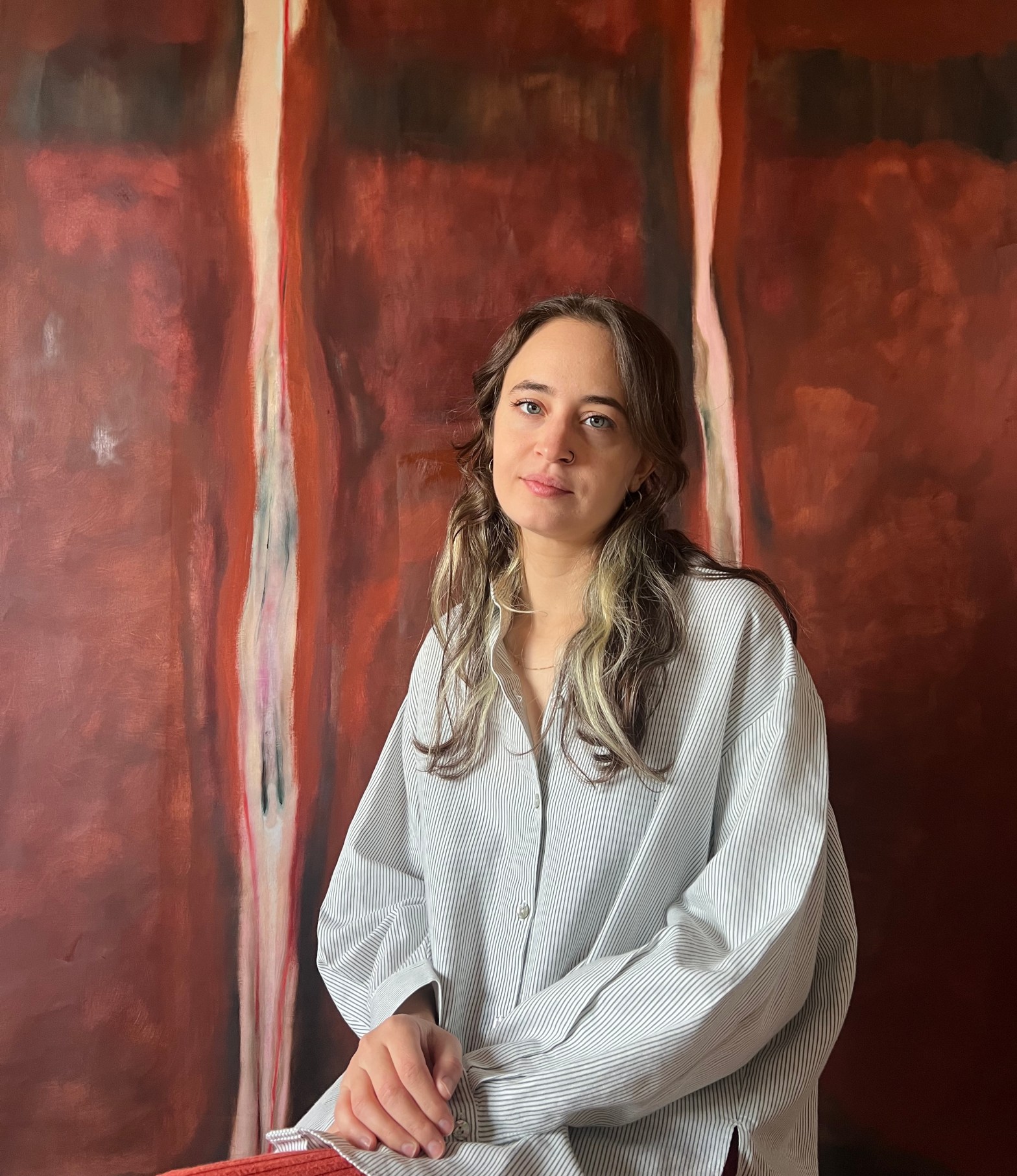
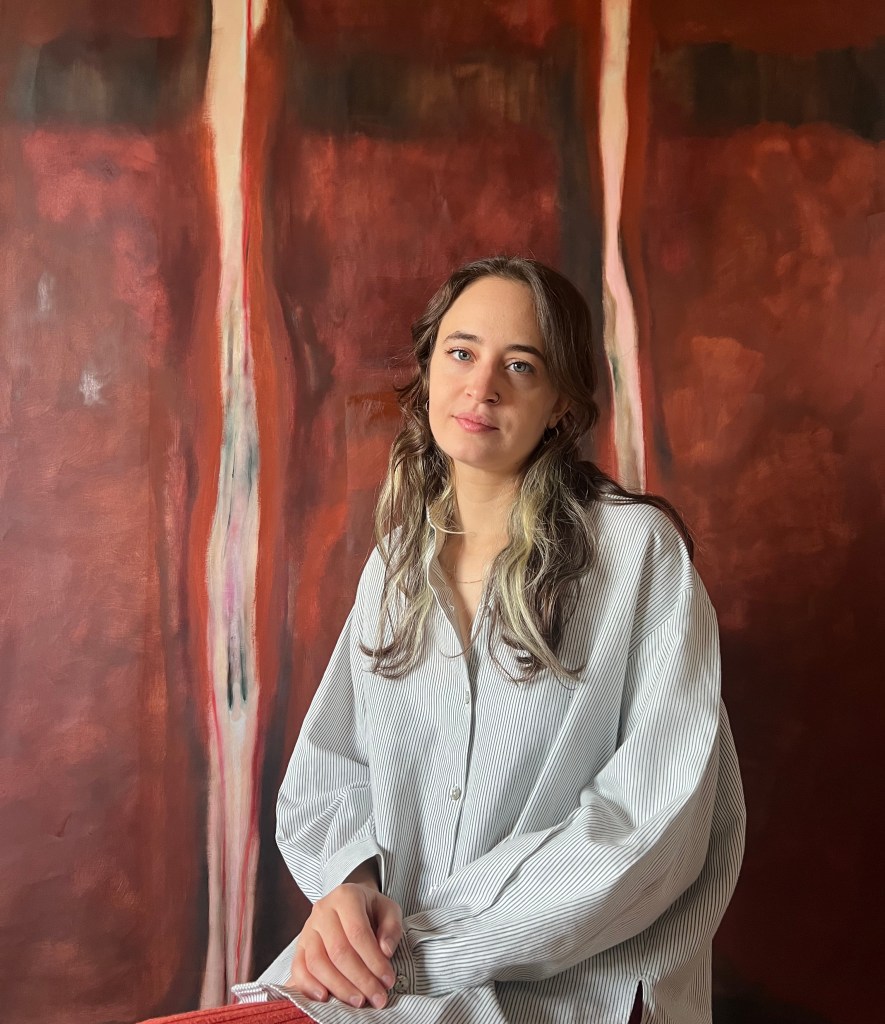
Giorgia Fiorentino nasce a Palermo il 30/06/1994 dove attualmente vive e lavora. Studia Pittura all’Accademia di Belle Arti di Palermo, concludendo il biennio a febbraio 2023. Nel 2023 espone a Palermo la sua prima personale Giorgia Fiorentino solo show dove espone pitture ad olio e l’installazione Culla, osso e cuscino curata da Marcello Carriero presso Arèa. Nel febbraio del 2024 partecipa alla collettiva Povera carne che non mangia carne, curata da Asia Lupo e Antonio Shkallu, presso Artlaide, Gallarate (VA). Precedentemente, espone alla collettiva Polizzi Generosa Arte Contemporanea, curata da Doriana Bruccoleri, presso il Palazzo della Cultura di Polizzi Generosa (PA).
English text
Interview to Giorgia Fiorentino
#paroladartista #intervistaartista #artistinterview #giorgiafiorentino
For most artists, childhood is the golden age when the first symptoms of a certain propensity to belong to the art world begin to appear. Was that the case for you too? Tell us.
Giorgia Fiorentino: Hi! This is a rather complex question because it is still not clear to me today. I remember well that as a child, I used to draw a lot, especially at night before going to sleep, but I don’t consider myself among those artists who already knew from an early age that I belonged to this world. I think more that I followed the case of events and these simply led me to art.
Pd’A: What studies did you do?
G.F.: I studied at the Liceo artistico sperimentale and the Accademia di Belle Arti in Palermo.
Pd’A: Were there any important encounters during your training?
G.F.: The high school years in general were crucial years for my education because between the friendships I made and the lessons I had the chance to believe that I could be everything. In particular, during Professor Salvo Messina’s visual arts classes, I learnt that art can reside in everything and I discovered, more than anything else, the
secret beauty of poetry.
Pd’A: What role does drawing play in what you do?
G.F.: Drawing was the first key to understanding, accompanying my work for many years. Over time I then discovered the energy of colour, leading drawing itself to its.
Pd’A: How important is the idea of body and physicality in what you do?
G.F.: It is precisely from the desire to want to accept my body and my physicality that my research stems, because how can we learn something and tell it if we have not first understood ourselves?
I like the idea of breaking the boundary between skin and intellect and experiencing the medium I work on as flesh that assimilates human frailties.
Pd’A: Does the dimension of the feminine have a centrality in your work?
G.F.: Yes. Telling the sphere of the feminine and motherhood is a necessity and a duty to all women and sisters.
My work absorbs this image as a parallel to the condition of life and death, telling of those bodies, our bodies, that can never be tired.
Every crucial act of a woman is performed in a supine position: birth, childbirth, death… and it is interesting how this circle of rebirth encapsulates the dualism of light and darkness.
Pd’A: Are you interested in the pictorial aspect in your work?
G.F.: Definitely, the pictorial gesture is the principle of my work.
Pd’A: Is the idea of staging when you set up a work important?
G.F.: Yes. I imagine the staging of a work as a multi-level game in which each element dialogues and claims its own space. Bodies of light and shadows extend into the environment as if to lead the spectator towards their own plots to dilate the perturbing aspect of the works that inhabit it.
Pd’A: In your work do you leave room for accidents of chance or do you proceed according to a clear project that you realise as you imagined it?
G.F.: I usually start with a clear idea but cannot resist listening to what the work itself suggests during its development, so in the end, almost always, the work evolves in a completely different direction.
Pd’A: When you work, do you concentrate on one work or do you carry out several simultaneously?
G.F.: I prefer to dedicate myself to several works at the same time, in the knowledge that I allow each one the time it needs to evolve.
Pd’A: What kind of dialogue do you seek with the spectator in front of your work?
G.F.: As I mentioned before, I am interested in creating an environment in which the spectator can feel involved and not overwhelmed.
My work, expressed mostly through painting, is characterised by signs that can only be discerned through careful observation, for this reason, I want to guide the viewer to stop and reflect.
My investigation embodies frustration, mourning, love… which inevitably belong to us, not only to us as human beings but to all of us as individuals.
I would like to exhume those latent feelings proper to the observer, necessary for self-healing and therefore indispensable for reflecting on the common condition in which we are all beings made of flesh and spirit.
Pd’A: What happens to works of art when there is no one there to observe them, can the existence of a work of art be independent of the presence of an observer?
G.F.: This is a strong question.
To determine the existence of a work of art from the observation of a third party is a painful, but perhaps fair question. Regarding the previous question, every artist, I think, aims to establish a relationship with the observer, so in the absence of the observer, the work remains mute.
So, beyond the unquestionable strength of the work, can it really exist without dialogue?
Pd’A: Where do you think the artist stands in relation to his work?
G.F.: From my experience, during the creative process, a visceral bond of conflict and compassion is established between the artist and his work.
This relationship grows and is exacerbated in the act of making the work of art until the bond of dependence is broken.
The artist becomes an observer and the work of art becomes breathing matter.
Giorgia Fiorentino was born in Palermo on 30/06/1994 where she currently lives and works. She studied painting at the Academy of Fine Arts in Palermo, finishing the two-year course in February 2023. In 2023 she held her first solo show Giorgia Fiorentino solo show in Palermo, where she exhibited oil paintings and the installation Cradle, Bone and Pillow curated by Marcello Carriero at Arèa. In February 2024, she participated in the group show Povera carne che non mangia carne, curated by Asia Lupo and Antonio Shkallu, at Artlaide, Gallarate (VA). Previously, he exhibited at the collective Polizzi Generosa Arte Contemporanea, curated by Doriana Bruccoleri, at the Palazzo della Cultura in Polizzi Generosa (PA).
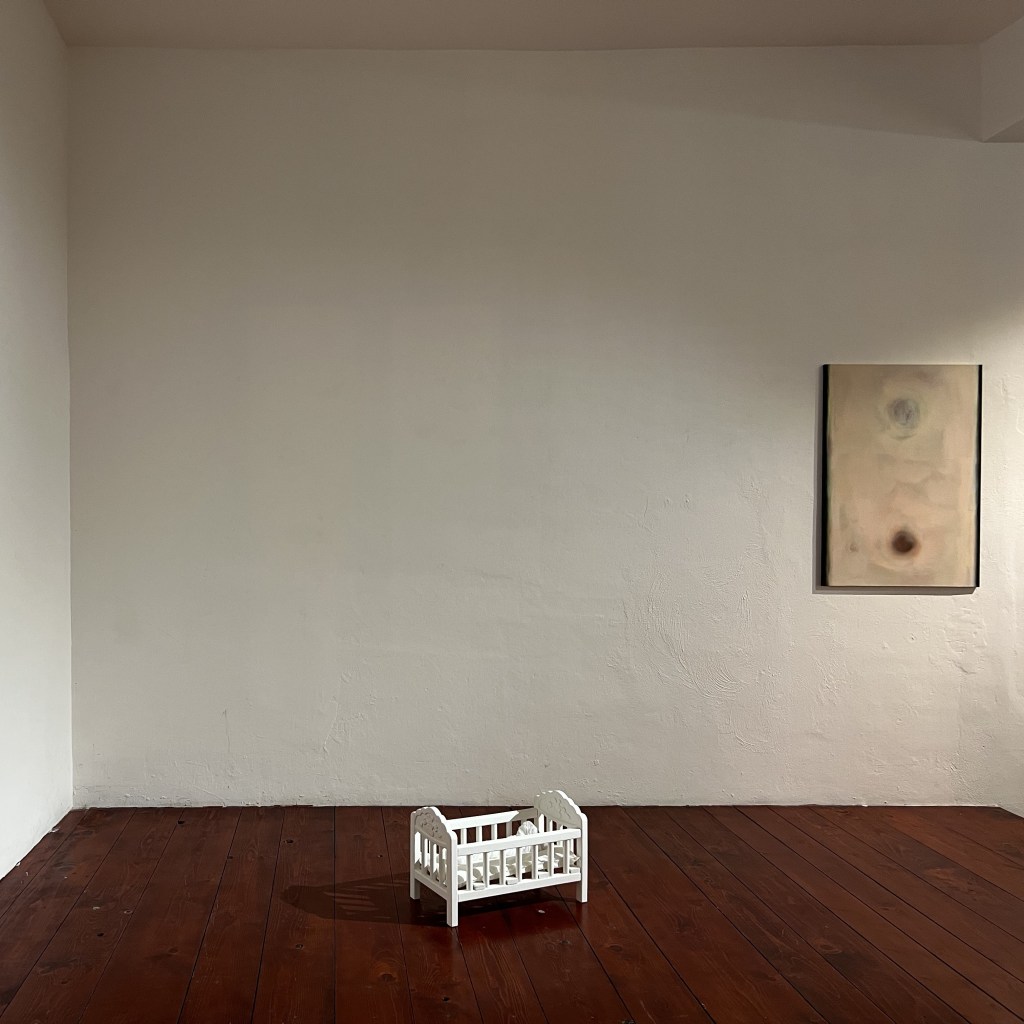
-veduta della mostra “Giorgia Fiorentino solo show”, 2023, Arèa, Palermo, a cura di Marcello Carriero.
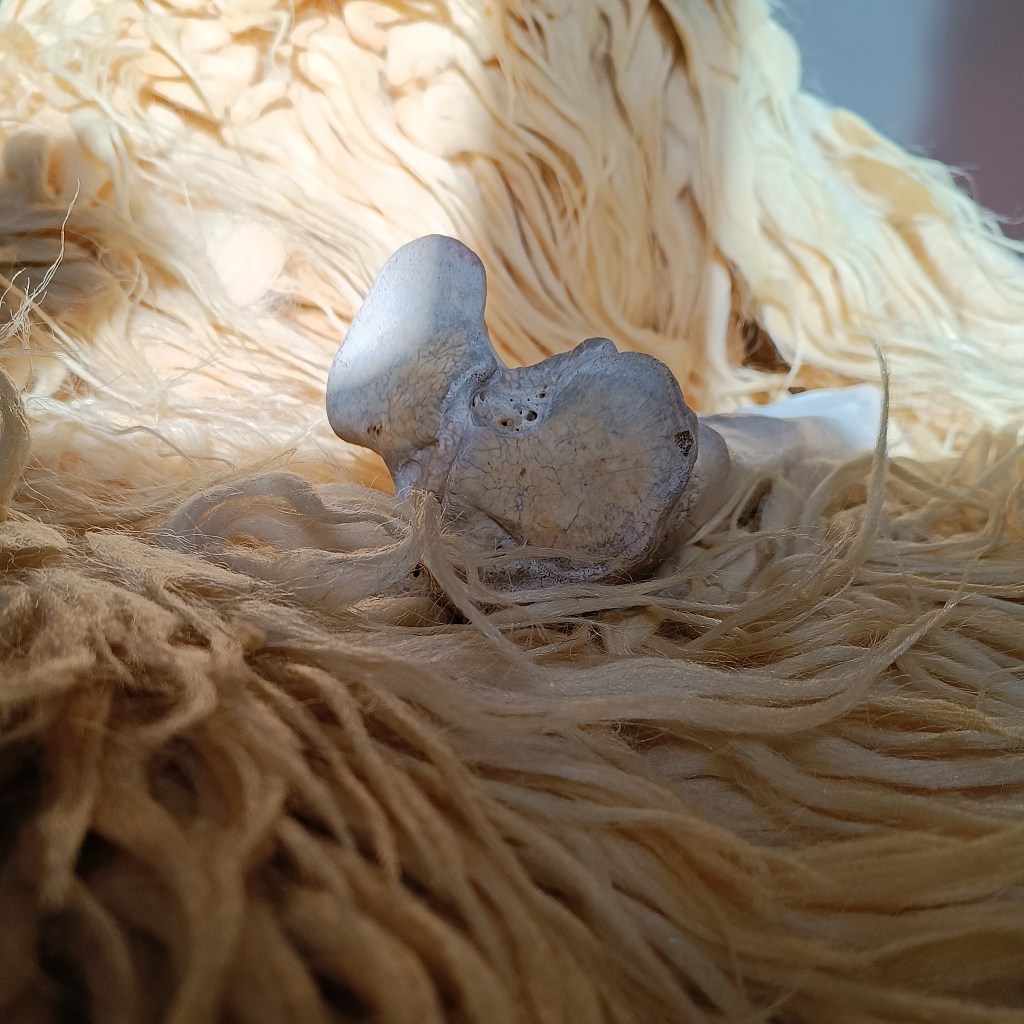
“Culla, osso e cuscino” , installazione, femore animale e garze.
“Eterno patteggiamento” olio su tela, 100 x 70 cm.
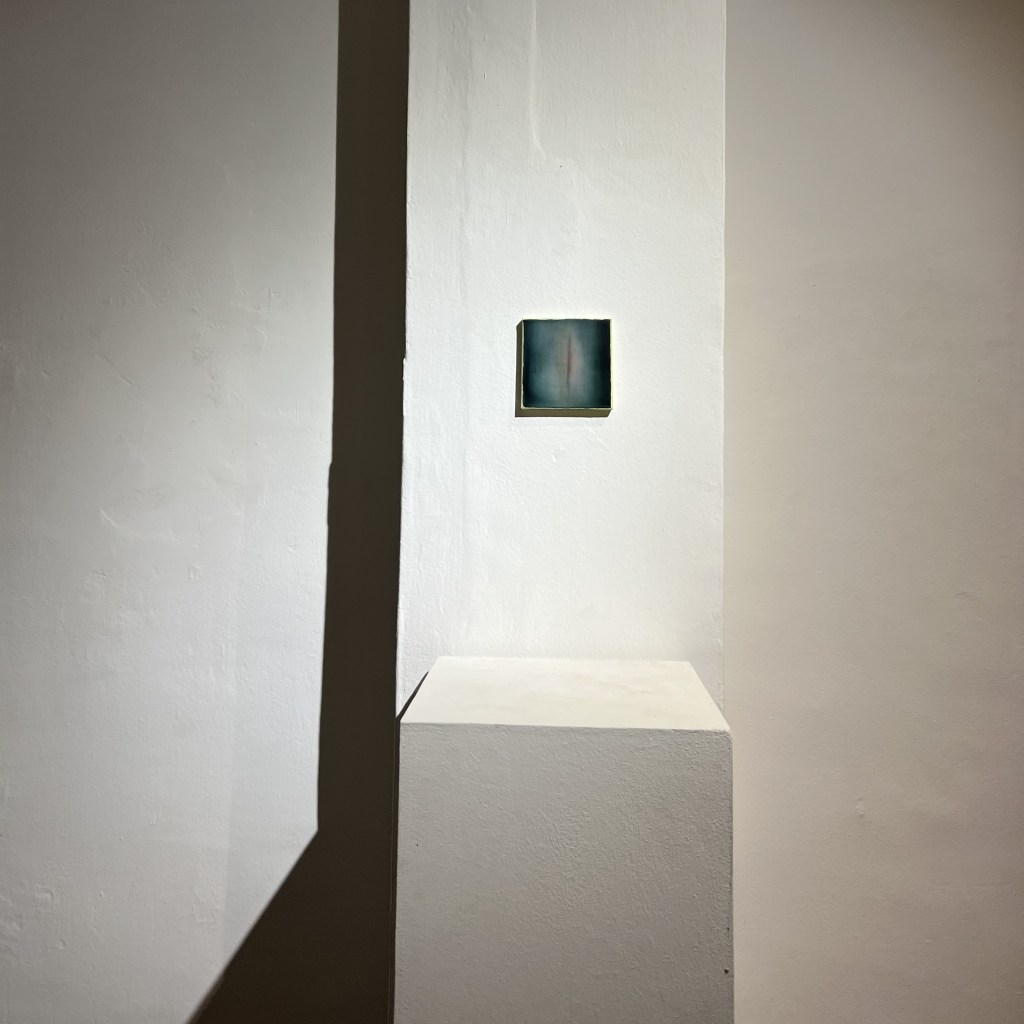
“I am, i am not”
olio su tela, 15 x 15 cm.
veduta della mostra “Giorgia Fiorentino solo show”
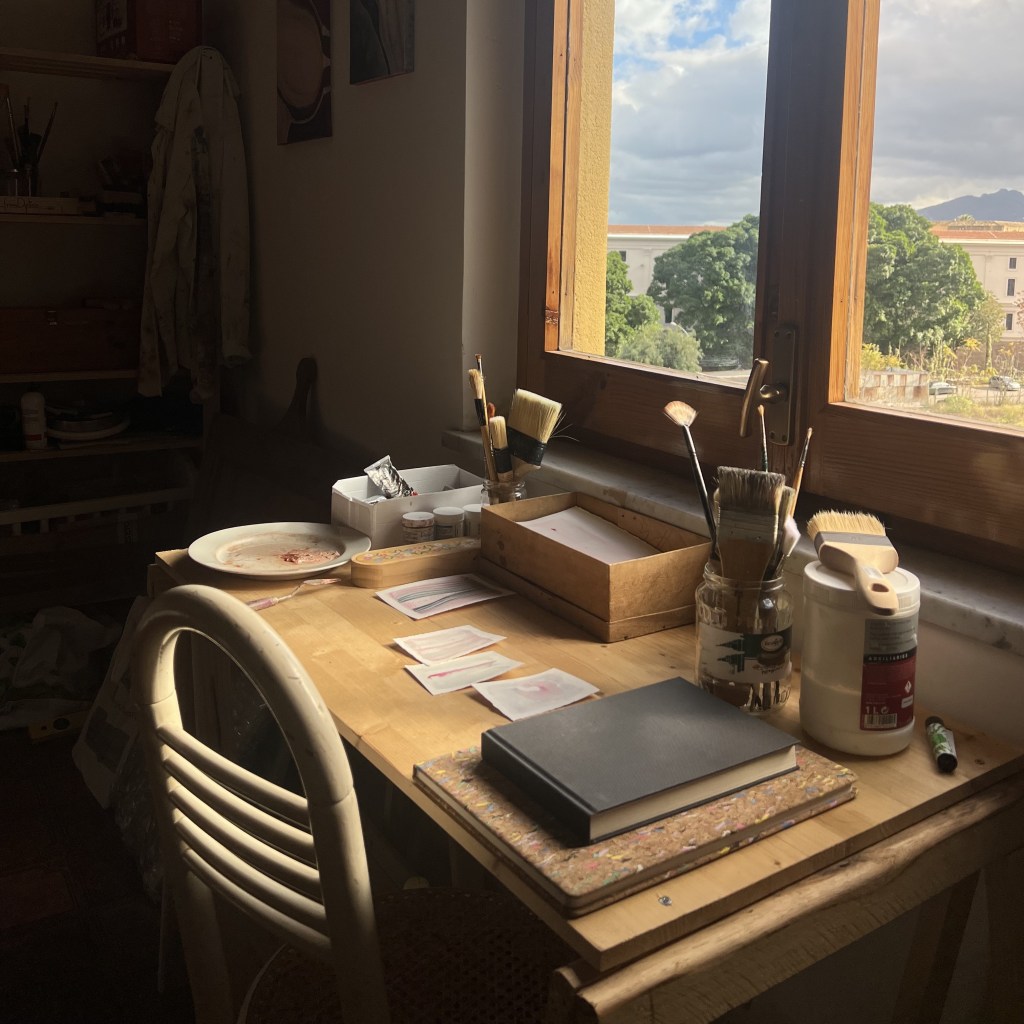
Giorgia Fiorentino
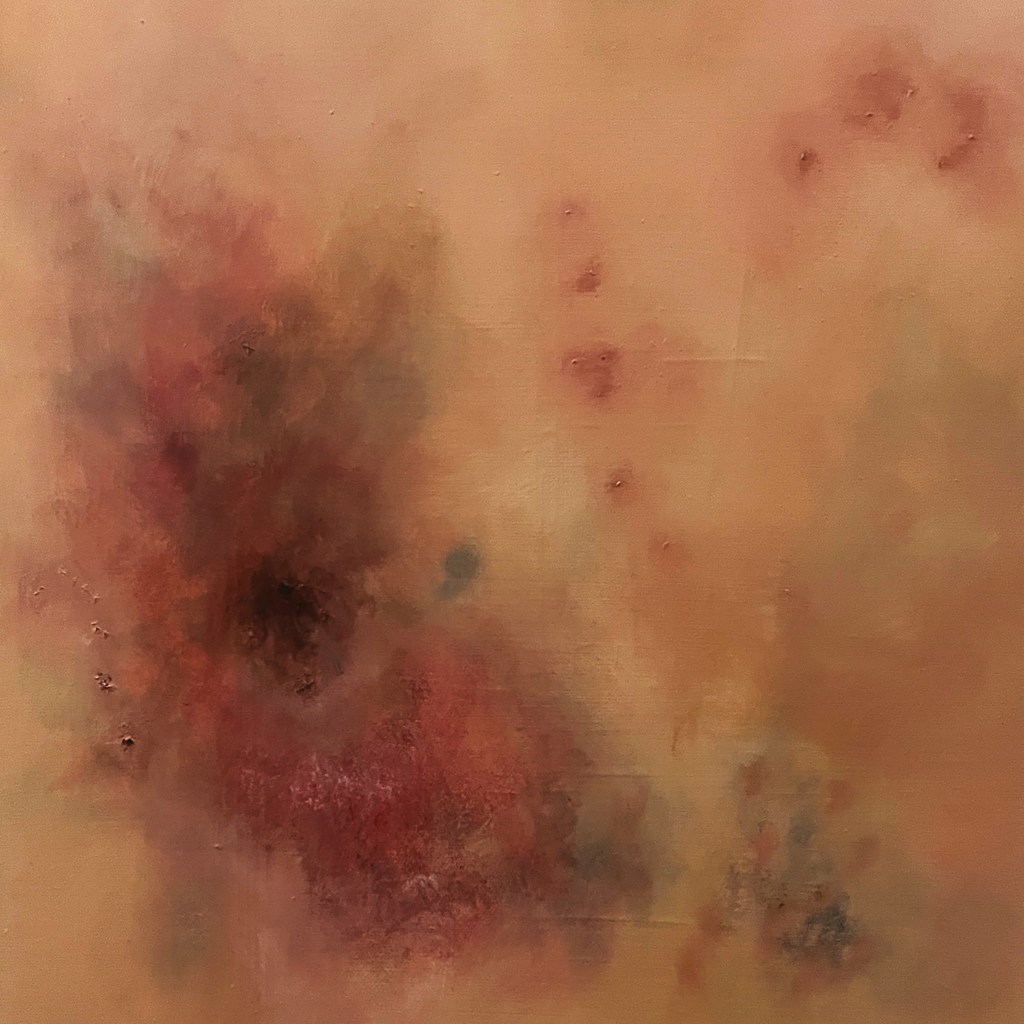
dettaglio “Carne”,dittico, olio su tela 35 x 45 cm – 35 x 45 cm.
Della mostra “Povera carne che non mangia carne”, 2024, Artilaide, Gallarate (VA), a cura di Asia Lupo e Antonio Shkallu.
 paroladartista.com