
(▼Scroll down for English text)
#paroladartista #intervistacuratore #curetorinterview #robertabertozzi #cristallinoartivisive
Parola d’Artista: Come nasce il tuo interesse per l’arte e in particolar modo quello per l’arte contemporanea?
Roberta Bertozzi: Durante i miei studi universitari in filosofia ho sviluppato un profondo interesse per la teoria critica e la fenomenologia dell’esperienza estetica, confrontandomi con il pensiero di autori come Anceschi, Baudrillard, Baumgarten, Foucault, Agamben, Agosti… Inizialmente mi sono dedicata alla scrittura saggistica in ambito letterario, pubblicando articoli su riviste specialistiche e quotidiani. In seguito, grazie alla collaborazione con alcuni amici artisti, ho cominciato ad occuparmi anche di arti visive, in modo particolare attraverso la redazione di testi in catalogo e curatele. Questa contaminazione tra ambiti diversi si è rivelata estremamente fertile e mi ha portata a considerare il manufatto artistico come parte integrante di un sistema culturale complesso. Credo tra l’altro che proprio questa condivisione con una comunità di intellettuali e artisti – alimentata da dialoghi, ricerche, relazioni – sia stata determinante per mettere a punto il mio approccio critico.
Pd’A: Hai avuto un primo amore artistico? Racconta…
R.B.: Più che di un unico amore parlerei di diverse liaison, sicuramente più legate a scuole e a movimenti artistici che all’opera di singole personalità. Ciò che mi affascina è come questi movimenti abbiano saputo interpretare il loro tempo, in modo spesso intempestivo, cioè non attuale. A colpirmi è come gli artisti siano in grado di intercettare lo spirito della loro epoca stando sempre in posizione diacronica rispetto ad essa – il loro vedere e comprendere sempre a partire da una sfasatura, da un anacronismo. Credo che a questo riguardo gli esponenti dell’Arte Povera del secondo novecento italiano ci abbiano lasciato gli esempi più magistrali.
Pd’A: Che cosa è Cristallino Arti Visive?
R.B.: Cristallino è un progetto da me diretto nel 2015 con l’intento di ridare agli artisti l’ultima parola sull’arte, ponendo al centro la loro pratica concreta. Immaginato come uno spazio di dialogo e confronto, ha incoraggiato gli artisti stessi a “coalizzarsi”, sia nell’individuare affinità e tendenze comuni, sia nell’esplorare le singolarità del loro fare creativo. Nel tempo questa piattaforma ha cercato di dare risalto alle esperienze più variegate del contemporaneo: dai linguaggi formativi a quelli visivi, dall’arte al design, fino alle pratiche multidisciplinari. Un elemento cardine del progetto è stato il suo impegno nel favorire la diffusione delle tendenze contemporanee, privilegiando i luoghi in cui queste nascono e si sviluppano – officine, spazi indipendenti, atelier – come epicentri di creazione e sperimentazione. Cristallino continua ancora oggi a generare opportunità per gli artisti, offrendo visibilità al loro lavoro attraverso progetti curatoriali, produzioni grafiche, la redazione di cataloghi e un’attenzione specifica alla promozione sui social media. Sul sito cristallino.org, è possibile consultare lo storico della piattaforma, così come scoprire le sue attività più recenti.
Pd’A: Come intendi il lavoro di curatrice e con che modalità lo svolgi?
R.B.: Il lavoro di curatrice è per me una pratica multidimensionale, capace di assumere molteplici sfumature a seconda del contesto, del progetto e degli attori coinvolti. Negli anni ho interpretato questo ruolo a tutto tondo, quasi si trattasse di mettere in atto ogni volta una regia. Ho operato come direttrice artistica, una posizione che mi ha permesso di delineare visioni programmatiche e di orchestrare l’intero ecosistema culturale intorno a specifici obiettivi. Ho agito come critica teorica, approfondendo gli aspetti concettuali e interpretativi delle opere e dei contesti in cui esse prendono vita. Mi sono inoltre dedicata alla costruzione e al consolidamento di reti di supporto per eventi culturali, un lavoro meno visibile ma imprescindibile per la creazione di progetti sostenibili e di valore duraturo. Sono dell’idea che il ruolo del curatore sia fondamentale per creare un circuito che consenta all’opera di esprimersi nella sua massima potenzialità: per quanto mi riguarda non mi limito all’aspetto della selezione, ma lavoro per costruire una narrazione, uno spazio fisico e mentale in cui l’arte possa stimolare criticamente il pubblico ed essere riconosciuta dal mondo circostante.
Pd’A: In che modo ti avvicini al lavoro di un’artista?
R.B.: Con circospezione. Si instaura un rapporto con l’opera frequentandola a più riprese, intrecciando una relazione che contempli anche pause, momenti di distacco in cui essa può scivolare in una sorta di oblio. Sono questi intervalli temporali a rendere possibile un atto di distinzione e una comprensione più profonda di ciò che si ha dinanzi. Senza questi spazi di sospensione, il pensiero non matura, e la vera essenza dell’opera rischia di sfuggire. Per chiarire meglio questo concetto, ricorro a una poesia di Valerio Magrelli, che riflettendo sulla comprensione della poesia affermava che le poesie vanno lette e rilette, somigliano a orologi, devono essere messe in carica… Allo stesso modo, l’arte, la musica e ogni campo del sapere umano richiedono molteplici incontri per rivelare appieno la loro sostanza. Solo allora l’opera giunge a noi nella sua forma più autentica, come un’epifania, un momento di improvvisa e luminosa chiarezza.
Pd’A: Nella babele dei linguaggi visivi della contemporaneità c’è qualcosa che prediligi e che cosa ti attrae di questi linguaggi?
R.B.: Prediligo quei linguaggi in cui a risaltare è la concretezza del fare, dell’operatività. Per me, il manufatto artistico deve essere qualcosa di tangibile, capace di rendere visibile l’intero processo teorico, esperienziale e agonistico messo in campo dall’artista. Ciò che realmente mi attrae non è tanto la singola opera, quanto piuttosto quei cicli di lavori che incarnano, in modo rigoroso, tre principi per me imprescindibili in ogni pratica artistica, indipendentemente dalla sua natura: l’intensità, la forma e l’esercizio. Deve trasparire la presenza di un’idea fissa, e tutto il lavoro profuso per arrivare al punto di esaurimento di questa idea.
Pd’A: L’idea della divulgazione ha una sua importanza per te?
R.B.: No, non ce l’ha. Non rientra tra i miei interessi. Per quanto mi riguarda non si tratta di divulgare l’arte ma di riassegnarle un posto di primo piano per la comprensione – o talvolta per il fraintendimento, che può rivelarsi persino più generativo e ricco di possibilità – della realtà. In genere, nel mio lavoro, non faccio divulgazione ma cerco di creare delle stanze interpretative che chiunque può attraversare, far proprie, o stravolgerle. Sempre che ne abbia voglia e tempo (sorride, ndr.).
Pd’A: I social quali pro e quali contro, che ruolo hanno in quello che fai e in che ottica li usi?
R.B.: I social vanno utilizzati per costruire una narrazione intorno al proprio lavoro e, per quanto mi riguarda, per dare una identità visiva al mio modo di operare, alle mie scelte critiche, al mio pensiero. Per dirla diversamente: i social sono tutto fuorché una “vetrina”. In ultima istanza, penso a Instagram in particolare, non rispondono alle dinamiche dell’informazione o della comunicazione: sono dei dispositivi testamentari, che la cosa piaccia o no, seguono le stesse regole del romanzo, ti consentono di creare degli archetipi visivi della tua esperienza, di dirimerne, per centellinate scelte estetiche e concettuali, il fondamentale caos. Perché noi non mostriamo tutto ma decidiamo sempre cosa mostrare, scegliamo sempre cosa meglio ci rappresenta e ci individua: il libro lo scriviamo noi.
English text
Interview to Roberta Bertozzi
#paroladartista #intervistacuratore #curetorinterview #robertabertozzi #cristallinoartivisive
Parola d’Artista: How did your interest in art and especially contemporary art come about?
Roberta Bertozzi: During my university studies in philosophy, I developed a deep interest in critical theory and the phenomenology of aesthetic experience, confronting myself with the thought of authors such as Anceschi, Baudrillard, Baumgarten, Foucault, Agamben, Agosti… Initially, I dedicated myself to non-fiction writing in the literary sphere, publishing articles in specialist magazines and newspapers. Later, thanks to the collaboration with some artist friends, I also started to deal with the visual arts, particularly through the writing of texts in catalogues and curatorships. This contamination between different fields proved to be extremely fertile and led me to consider the artistic artefact as an integral part of a complex cultural system. Among other things, I believe that it is precisely this sharing with a community of intellectuals and artists – nurtured by dialogue, research, relationships – that has been instrumental in fine-tuning my critical approach.
Pd’A: Did you have an artistic first love? Tell.
R.B.: Rather than a single love, I would speak of several liaisons, certainly more related to schools and artistic movements than to the work of individual personalities. What fascinates me is how these movements were able to interpret their time, often in an untimely, i.e. not current, way. What strikes me is how artists are able to intercept the spirit of their epoch by always standing diachronically in relation to it – their seeing and understanding always starting from a mismatch, from an anachronism. I believe that in this respect the exponents of Arte Povera in the second half of the 20th century in Italy have left us the most masterful examples.
Pd’A: What is Cristallino Arti Visive?
R.B.: Cristallino is a project I created in 2012 with the intention of giving artists the last word on art, putting their concrete practice at the centre. Imagined as a space for dialogue and confrontation, it encouraged the artists themselves to ‘come together’, both in identifying common affinities and tendencies and in exploring the singularities of their creative making. Over time, this platform has sought to give prominence to the most varied contemporary experiences: from educational languages to visual languages, from art to design and multidisciplinary practices. A pivotal element of the project has been its commitment to fostering the dissemination of contemporary trends, privileging the places where they are born and develop – workshops, independent spaces, ateliers – as epicentres of creation and experimentation. Cristallino still continues to generate opportunities for artists, offering visibility to their work through curatorial projects, graphic productions, catalogue editing and a specific focus on social media promotion. At cristallino.org, you can consult the platform’s history, as well as discover its most recent activities.
Pd’A: How do you understand the work of a curator and how do you carry it out?
R.B.: For me, curating is a multidimensional practice, capable of taking on multiple nuances depending on the context, the project and the actors involved. Over the years, I have interpreted this role in the round, almost as if it were a question of putting a direction in place each time. I have acted as artistic director, a position that has allowed me to outline programme visions and orchestrate the entire cultural ecosystem around specific objectives. I have acted as a theoretical critic, delving into the conceptual and interpretative aspects of works and the contexts in which they come to life. I have also dedicated myself to the construction and consolidation of support networks for cultural events, a less visible but indispensable work for the creation of sustainable projects of lasting value. I am of the opinion that the role of the curator is fundamental in creating a circuit that allows the work to express itself to its full potential: as far as I am concerned, I do not limit myself to the selection aspect, but work to build a narrative, a physical and mental space in which art can critically stimulate the public and be recognised by the world around it.
Pd’A: How do you approach the work of an artist?
R.B.: With circumspection. You establish a relationship with the work by frequenting it several times, weaving a relationship that also contemplates pauses, moments of detachment in which it can slip into a kind of oblivion. It is these intervals of time that make possible an act of distinction and a deeper understanding of what one has before one. Without these spaces of suspension, thought does not mature, and the true essence of the work risks escaping. To better clarify this concept, I resort to a poem by Valerio Magrelli, who, reflecting on the understanding of poetry, stated that poems must be read and re-read, they resemble clocks, they must be wound up… In the same way, art, music and every field of human knowledge require multiple encounters to fully reveal their substance. Only then does the work come to us in its most authentic form, like an epiphany, a moment of sudden, luminous clarity.
Pd’A: In the babel of contemporary visual languages, is there anything you prefer and what attracts you to these languages?
R.B.: I prefer those languages in which what stands out is the concreteness of doing, of operativity. For me, the artistic artefact must be something tangible, capable of making visible the entire theoretical, experiential and agonistic process deployed by the artist. What really attracts me is not so much the individual work, but rather those cycles of works that embody, in a rigorous manner, three principles that are indispensable to me in any artistic practice, regardless of its nature: intensity, form and exercise. The presence of a fixed idea must shine through, and all the work put in to arrive at the point of exhaustion of this idea.
Pd’A: Does the idea of disclosure matter to you?
R.B.: No, it doesn’t. It is not part of my interests. As far as I am concerned, it is not a question of popularising art, but of reassigning it a prominent place in the understanding – or sometimes the misunderstanding, which can turn out to be even more generative and richer in possibilities – of reality. Generally, in my work, I do not divulge, but try to create interpretative rooms that anyone can walk through, make their own, or distort. As long as he/she has the will and time (smiles, ed.).
Pd’A: What are the pros and cons of social media, what role do they play in what you do and how do you use them?
R.B.: Social media should be used to build a narrative around your work and, as far as I’m concerned, to give a visual identity to my way of working, my critical choices, my thinking. To put it differently: social is anything but a ‘shop window’. In the final instance, I am thinking of Instagram in particular, they do not respond to the dynamics of information or communication: they are testamentary devices, whether you like it or not, they follow the same rules as the novel, they allow you to create visual archetypes of your experience, to direct, by centred aesthetic and conceptual choices, the fundamental chaos. Because we do not show everything, but we always decide what to show, we always choose what best represents and identifies us: we write the book.
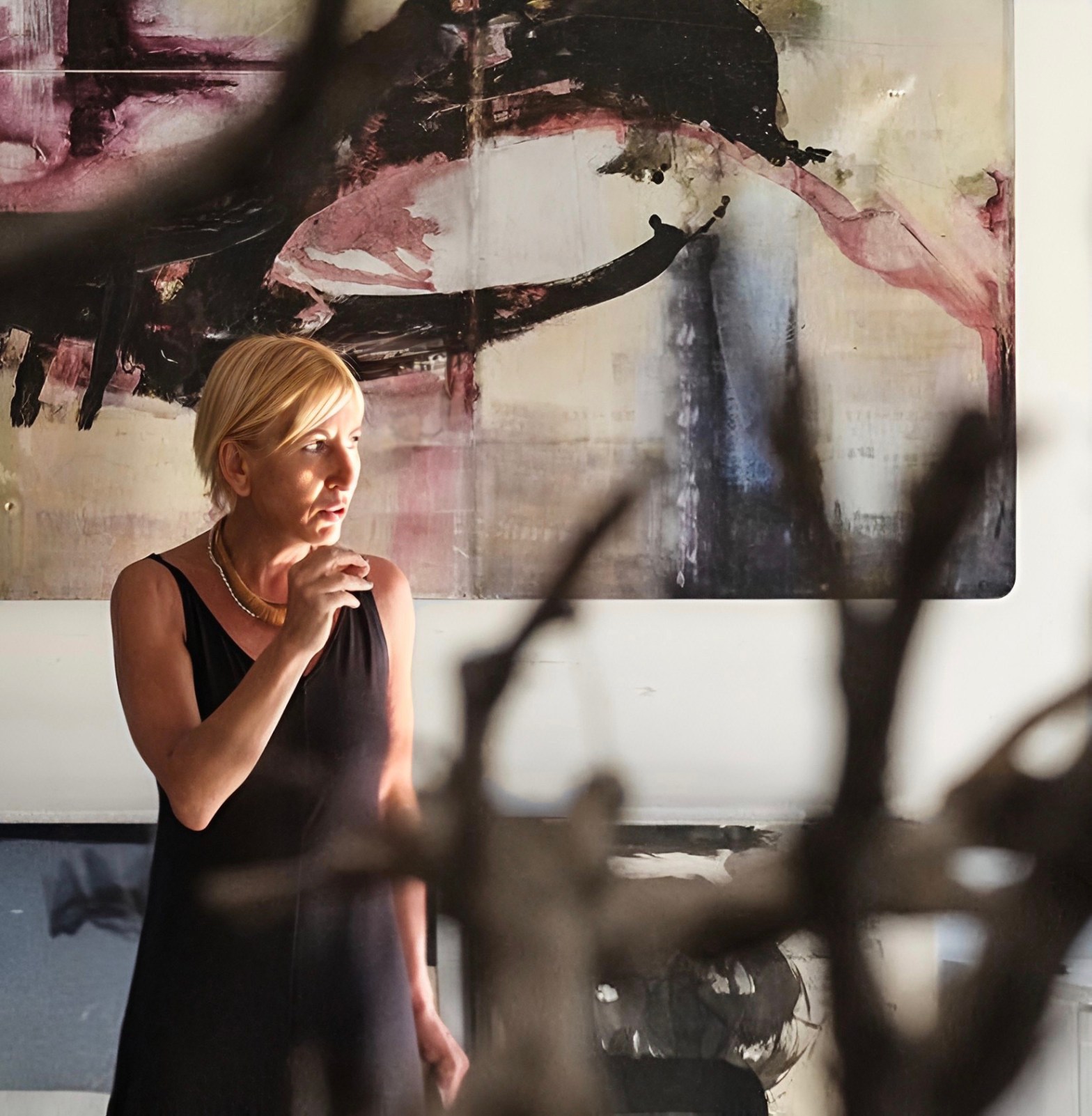
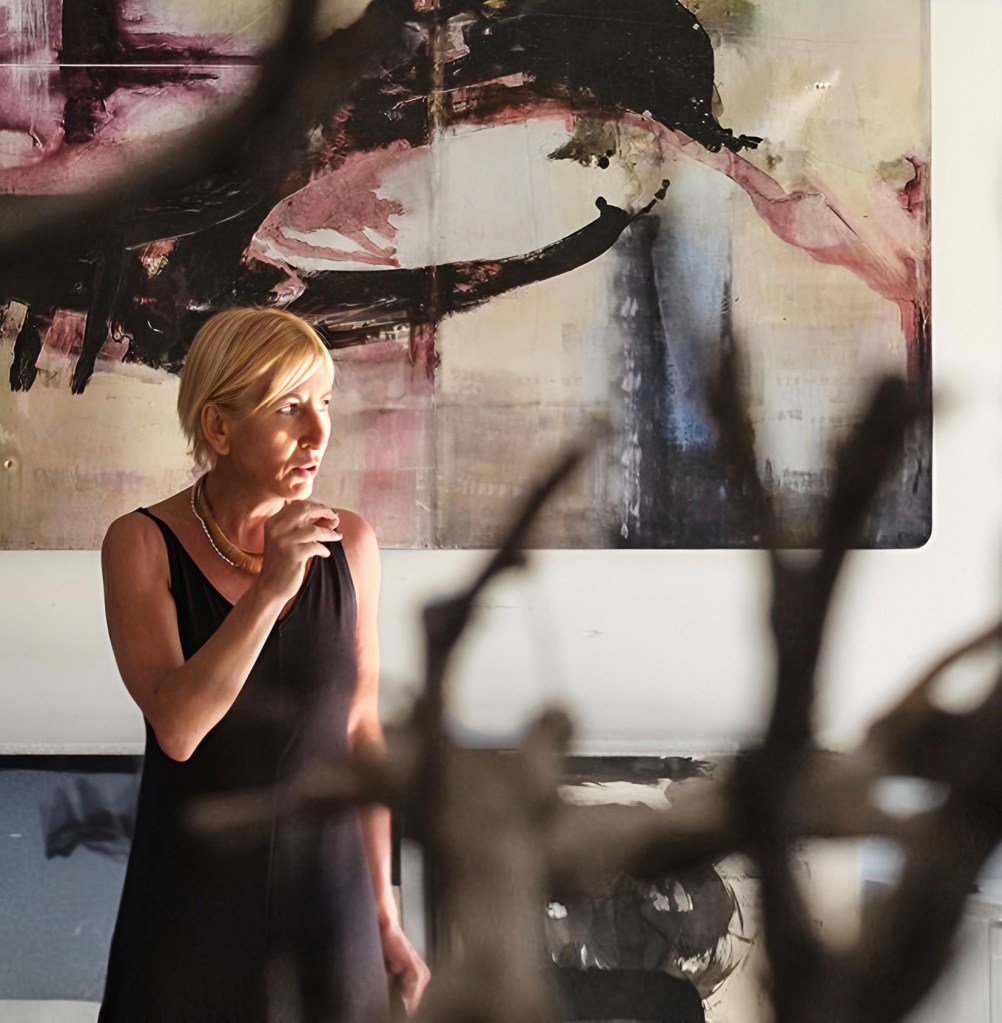
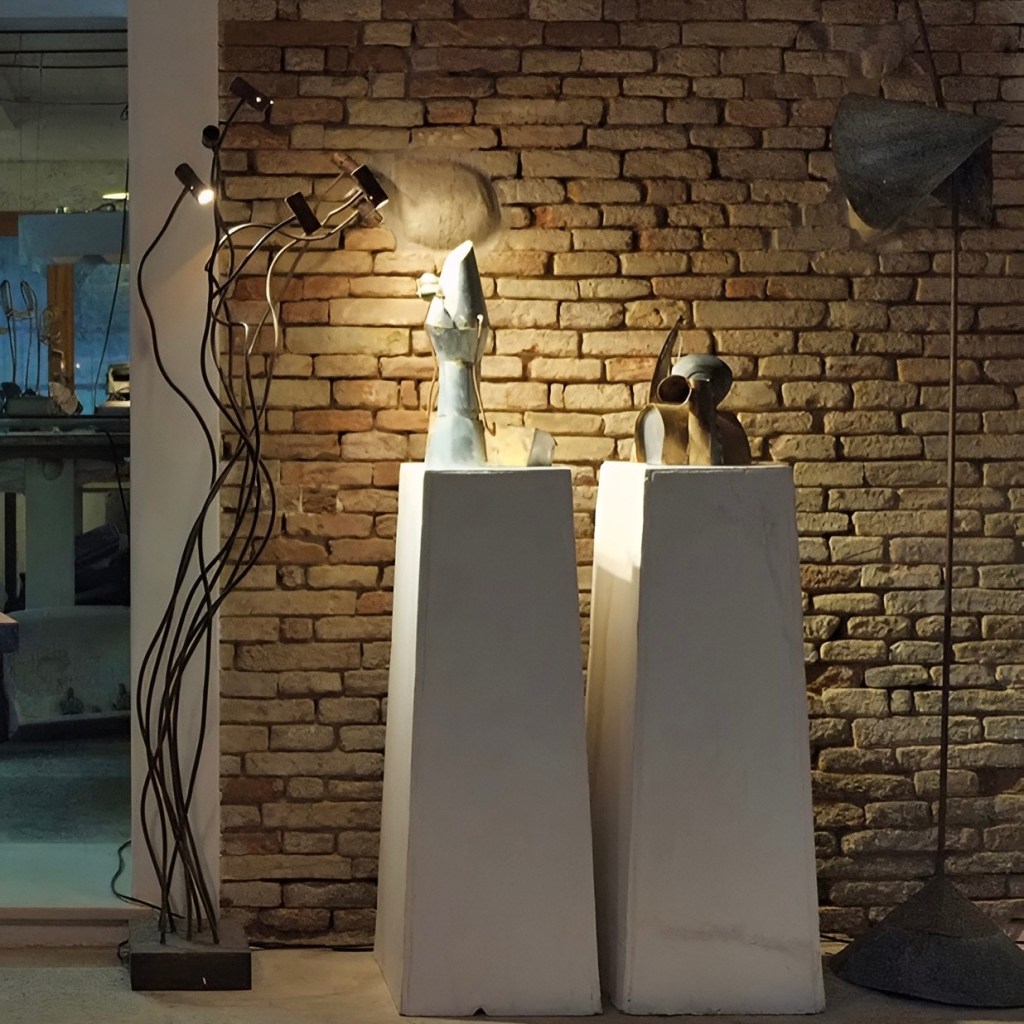
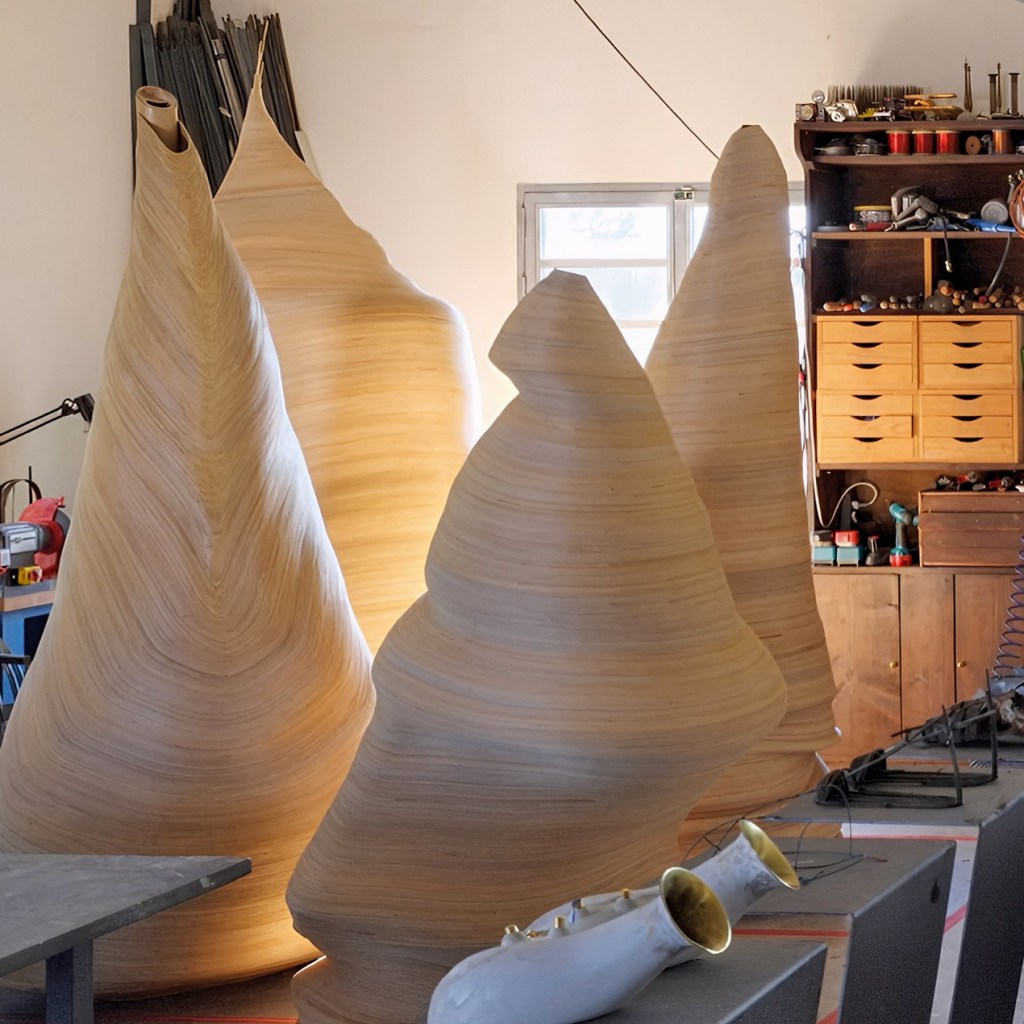
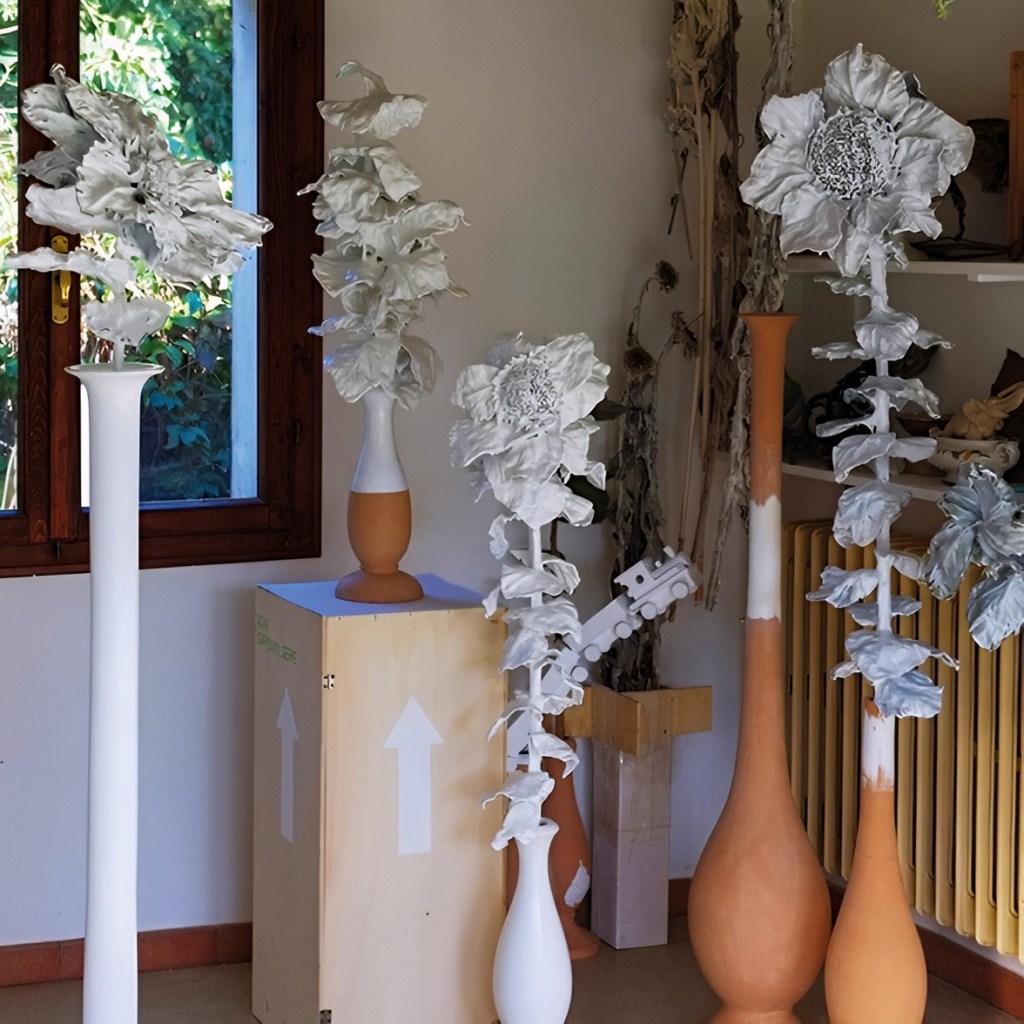
Nelle immagini Roberta Bertozzi durante una presentazione critica e alcuni atelier visitati dal progetto Cristallino.
In the pictures Roberta Bertozzi during a critical presentation and some ateliers visited by the Cristallino project.

 paroladartista.com