
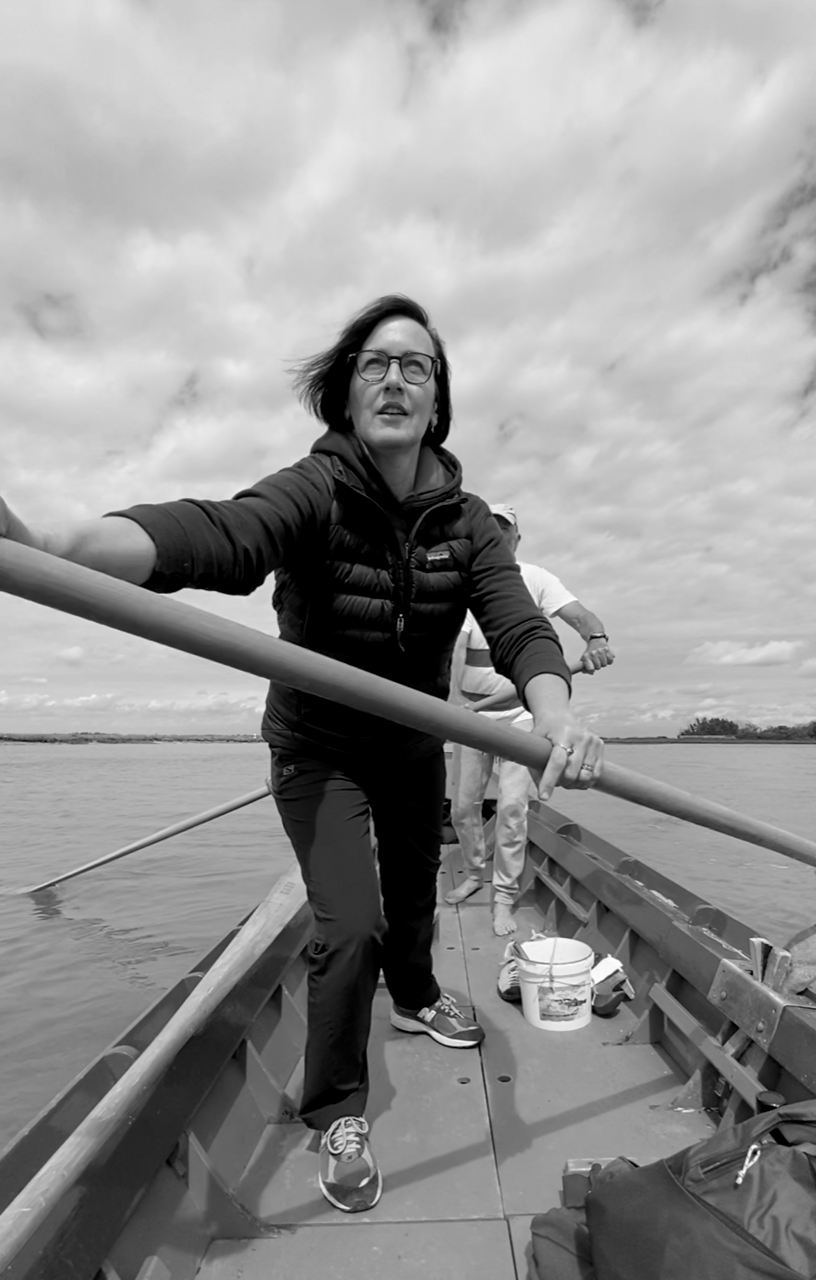
(▼scorri verso il basso per la versione Italiana)
#paroladartista #artistinterview #intervistaartista #melissamcgill #mazzoleniart #archiviodistatotorino #Eridanus
Parola d’Artista: When you approach a place what kind of connection do you try to establish?
Melissa McGill: This is very important as so much of my work is site-specific and responsive. I really just listen and feel for the invitation. The connection is already there… because we are all nature. We are bodies of water and we are made of stardust, so if we make space for the connection, it is always welcoming.
Pd’A: How important are the anthropic and cultural aspects in the way you work?
M.McG.: Deep research and spending time with and listening to local community members inform the work. I have been guided by the Italian verb tramandare, “to pass between hands,” which is frequently used when locals share stories about the Po River. This is central theme in my projects and it is how I have come to meet members of the Po’s community and those who are dedicating their lives to the river, as I collect their water stories. One introduces me to another and quickly the project’s family is growing and we are all connected by the river.
Pd’A: How do space and time enter into your work?
M.McG.: Every work is a conversation through time and space and connects past, present and future. This happens in many ways throughout each project.
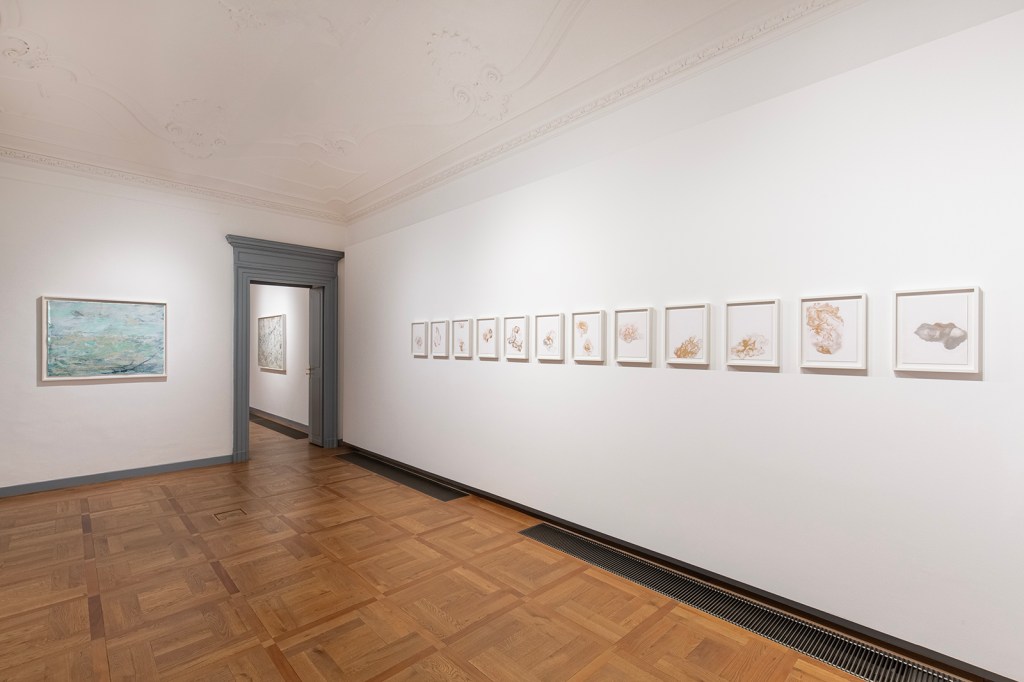
My current exhibition at Mazzoleni in Turin is titled, Eridanus: The River Constellation, which references one of the largest constellations in the southern celestial hemisphere, represented as a river. It is one of the 48 constellations listed by the 2nd-century astronomer Ptolemy. Extending farthest in the sky from north to south, it later gave its Latin name to the Po River.
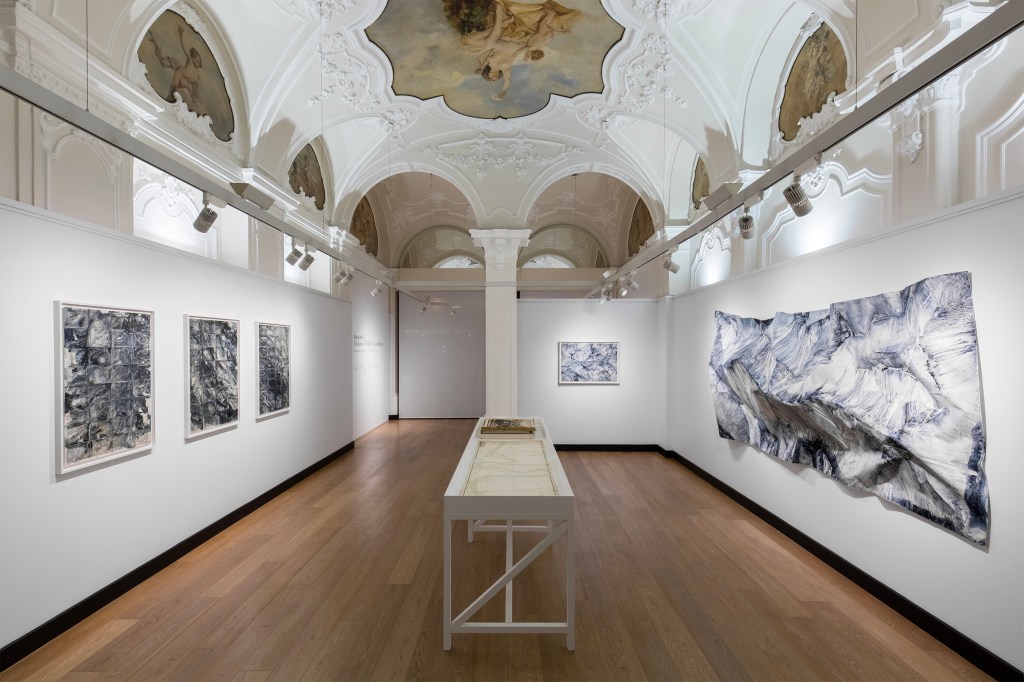
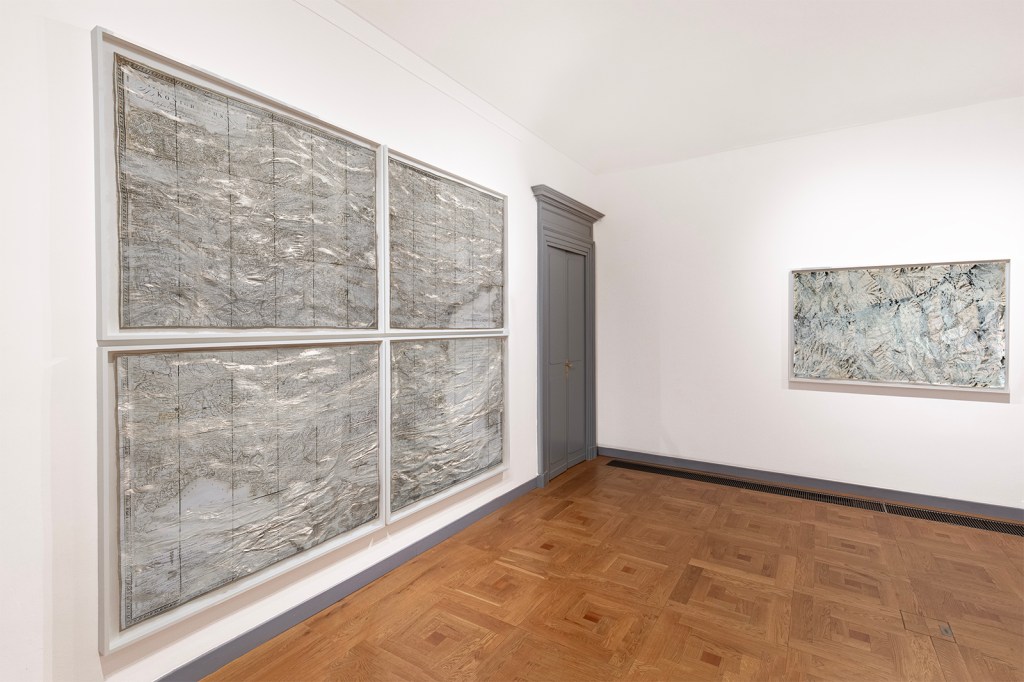
It connects the stars and the waterways and traces the arc of my entire artistic oeuvre, inviting exploration of perspective, mapping, water storytelling, constellations and connections between past, present and future. In studying and intervening with historical maps (some are found and some are from the State Archives of Turin) I engage with water and natural organic and homemade materials in the same way I have engaged in collaborative interventions in the public realm.
I invite the quintessential language and creativity of water and organic materials that embody a vitality and sense of time all their own. Water from rivers, organic indigo, kaolin clay, copper oxide, homemade soy milk, vinegar and water are collaborators in the making of these works.
Pd’A: How important is the idea of uniting art and life and how strongly connected is the idea of performance in your work?
M.McG.: I have a vibrant studio practice that is interlaced with my creative collaborative work in the wider world. I engage in collaborations that are site-specific, immersive experiences exploring nuanced conversations between land, water, sustainable traditions, and the interconnectedness of all living beings. At the heart of my work is a focus on community, meaningful shared experiences and lasting positive impact.
Whether in Constellation, In the Waves, Red Regatta something that really moves me is how we can be inside these work together. Participation is transformative. And that transformative energy radiates to all who experience the work. We are all there together.
How can we come together and share meaningful experiences that ignite positive change? How we celebrate our individuality while celebrating our collective being, intertwined and connected with ALL beings in our ecosystem?
Pd’A: Do you seek a dialogue with the viewer in front of your work?
M.McG.: I am seeking an active and vibrant connection and engagement. My aim is to activate our interconnectedness with reciprocity with nature and explore new ways of navigating forward with nature’s wisdom as our guide.
Pd’A: When you start a work do you move according to pre-ordained patterns or does each work have a different story?
M.McG.: All of my work engages with themes of waters and the cosmos and connections between the two. I am a water storyteller and a collector of water stories.
For example, here is a water story about when I met the Po River at her source on July 16, 2023:
The Po River source is located in the Cottian Alps, a mountain range in the southwestern part of the Alps forming a border between France and Italy. I really felt the river’s source energy resounding between the rocks, a voice emerging from deep in the earth. And now that I was attuned to the river’s voice, I heard it speaking throughout the landscape, in places visible and invisible. Everywhere. The language of water.
What I heard and felt became embodied in new works which began to take shape immediately upon my return to my studio in Beacon, New York. I took the maps I was given upon arrival at Parco del Monviso and I flooded the detailed cartographic information of the original printed map with intricate flowing currents of homemade natural color evoking the spirited expression of the waters of the Po Source flowing throughout that magnificent alpine landscape. These works bring the waters to the surface, releasing their language over the labeled and calculated human one, free and flowing. This is the imagining of a new map to guide, return to and to share.
Melissa McGill (Rhode Island, 1969. Lives and works in Beacon, New York) has presented independent public art projects and solo exhibitions nationally and internationally since 1991. She is known for collaborative and ambitious site-specific public art projects as well as a dynamic studio practice. Her projects are immersive site-specific experiences that explore possible dialogues between land, water, sustainable traditions and the interconnectedness of living beings. Central to his work is a focus on community, meaningful shared experiences and lasting positive impact. McGill embraces a variety of media including performance, photography, painting, drawing, sculpture, sound, light, video and installation.
McGill has exhibited her work nationally and internationally since 1991 with solo and group shows including: Canaletto and Melissa McGill: Performance and Panorama, The Lightbox, United Kingdom; Manitoga, Garrison, New York; Mazzoleni, London – Turin; Magazzino Italian Art,Cold Spring (NY); The Permanent Mission of Italy at the United Nations, New York; Totah, New York; White Cube, London; Power House, Memphis; Palazzo Capello, Venice; CRG Gallery, New York, Zabludowicz Collection, London; Norrtalje Konsthall, Norrtalje (Sweden); Museum van Hedendaagse Kunst, Ghent (Belgium).
Melissa McGill received the National Endowment of the Arts ArtWorks Grant.
Versione Italiana
Intervista a Melissa McGill
#paroladartista #artistinterview #intervistaartista #melissamcgill #mazzoleniart #archiviodistatotorino #Eridanus
Parola d’Artista: Quando si avvicina a un luogo che tipo di connessione cerca di stabilire?
Melissa McGill: Questo è molto importante perché gran parte del mio lavoro è specifico e reattivo. Mi limito ad ascoltare e a percepire l’invito. La connessione è già lì… perché siamo tutti natura. Siamo corpi d’acqua e siamo fatti di polvere di stelle, quindi se facciamo spazio alla connessione, questa è sempre accogliente.
Pd’A: Quanto sono importanti gli aspetti antropici e culturali nel suo modo di lavorare?
M.McG.: Il lavoro si basa su una ricerca approfondita e sull’ascolto dei membri delle comunità locali. Sono stato guidato dal verbo italiano tramandare, “passare tra le mani”, che viene spesso usato quando la gente del posto racconta storie sul fiume Po. Questo è il tema centrale dei miei progetti ed è il modo in cui ho conosciuto i membri della comunità del Po e coloro che stanno dedicando la loro vita al fiume, mentre raccolgo le loro storie d’acqua. Uno mi presenta un altro e rapidamente la famiglia del progetto si allarga e siamo tutti collegati dal fiume.
Pd’A: Come entrano nel suo lavoro lo spazio e il tempo?
M.McG.: Ogni lavoro è una conversazione attraverso il tempo e lo spazio e collega passato, presente e futuro. Questo avviene in molti modi nel corso di ogni progetto.
La mia mostra attuale alla Mazzoleni di Torino si intitola Eridanus: The River Constellation, che fa riferimento a una delle costellazioni più grandi dell’emisfero celeste meridionale, rappresentata come un fiume. È una delle 48 costellazioni elencate dall’astronomo Tolomeo del II secolo. Estendendosi nel cielo da nord a sud, ha poi dato il nome latino al fiume Po.
Collega le stelle e i corsi d’acqua e traccia l’arco di tutta la mia opera artistica, invitando a esplorare la prospettiva, la cartografia, la narrazione dell’acqua, le costellazioni e le connessioni tra passato, presente e futuro. Studiando e intervenendo con mappe storiche (alcune trovate e altre provenienti dall’Archivio di Stato di Torino) mi impegno con l’acqua e con i materiali naturali, organici e artigianali, nello stesso modo in cui mi sono impegnato in interventi collaborativi nel regno pubblico.
Invito la quintessenza del linguaggio e della creatività dell’acqua e dei materiali organici che incarnano una vitalità e un senso del tempo tutti loro. L’acqua dei fiumi, l’indaco organico, l’argilla caolino, l’ossido di rame, il latte di soia fatto in casa, l’aceto e l’acqua collaborano alla realizzazione di queste opere.
Pd’A: Quanto è importante l’idea di unire arte e vita e quanto è forte l’idea di performance nel suo lavoro?
M.McG.: Ho una vivace pratica in studio che si intreccia con il mio lavoro di collaborazione creativa nel mondo. Mi impegno in collaborazioni che sono site-specific, esperienze immersive che esplorano conversazioni sfumate tra terra, acqua, tradizioni sostenibili e l’interconnessione di tutti gli esseri viventi. Al centro del mio lavoro c’è l’attenzione per la comunità, le esperienze significative condivise e l’impatto positivo duraturo. Che si tratti di Constellation, di In the Waves o di Red Regatta, ciò che mi commuove è il modo in cui possiamo essere all’interno di questi lavori insieme. La partecipazione è trasformativa. E questa energia trasformativa si irradia a tutti coloro che sperimentano il lavoro. Siamo tutti lì insieme.
Come possiamo riunirci e condividere esperienze significative che innescano un cambiamento positivo? Come possiamo celebrare la nostra individualità e allo stesso tempo il nostro essere collettivo, intrecciato e connesso con tutti gli esseri del nostro ecosistema?
Pd’A: Cerca un dialogo con lo spettatore davanti alle sue opere?
M.McG.: Cerco una connessione e un coinvolgimento attivi e vibranti. Il mio obiettivo è attivare la nostra interconnessione e reciprocità con la natura ed esplorare nuovi modi di navigare in avanti con la saggezza della natura come guida.
Pd’A: Quando inizia un lavoro, si muove secondo schemi preordinati o ogni opera ha una storia diversa?
M.McG.: Tutti i miei lavori affrontano i temi dell’acqua, del cosmo e delle connessioni tra i due. Sono un narratore d’acqua e un collezionista di storie d’acqua.
Per esempio, questa è la storia di quando ho incontrato il fiume Po alla sua sorgente il 16 luglio 2023: La sorgente del Po si trova nelle Alpi Cozie, una catena montuosa nella parte sud-occidentale delle Alpi che costituisce il confine tra Francia e Italia. Ho sentito davvero l’energia della sorgente del fiume risuonare tra le rocce, una voce che emerge dal profondo della terra. E ora che ero in sintonia con la voce del fiume, l’ho sentita parlare in tutto il paesaggio, in luoghi visibili e invisibili. Ovunque. Il linguaggio dell’acqua.
Ciò che ho sentito e percepito si è concretizzato in nuove opere che hanno iniziato a prendere forma subito dopo il mio ritorno nel mio studio di Beacon, a New York. Ho preso le mappe che mi sono state consegnate all’arrivo al Parco del Monviso e ho inondato le dettagliate informazioni cartografiche della mappa originale stampata con intricate correnti fluenti di colore naturale fatto in casa che evocano l’espressione vivace delle acque della sorgente del Po che scorrono in quel magnifico paesaggio alpino. Queste opere portano le acque in superficie, liberando il loro linguaggio su quello umano etichettato e calcolato, libero e fluente. È l’immaginazione di una nuova mappa da guidare, a cui tornare e da condividere.
Melissa McGill (Rhode Island, 1969. Vive e lavora a Beacon, New York) ha presentato progetti di arte pubblica indipendenti e mostre personali a livello nazionale e internazionale dal 1991. È nota per i progetti collaborativi e ambiziosi di arte pubblica site-specific ma anche per una dinamica pratica di studio. I suoi progetti sono esperienze immersive site-specific che esplorano possibili dialoghi fra terra, acqua, tradizioni sostenibili e interconnessione fra gli esseri viventi. Al centro del suo lavoro c’è l’attenzione alla comunità, alle esperienze condivise significative e all’impatto positivo duraturo. McGill abbraccia una varietà di media tra cui performance, fotografia, pittura, disegno, scultura, suono, luce, video e installazione.
McGill ha esposto i suoi lavori a livello nazionale e internazionale dal 1991 con personali e collettive tra le quali: Canaletto and Melissa McGill: Performance and Panorama, The Lightbox, Regno Unito; Manitoga, Garrison, New York; Mazzoleni, London – Torino; Magazzino Italian Art,Cold Spring (NY); The Permanent Mission of Italy at the United Nations, New York; Totah, New York; White Cube, Londra; Power House, Memphis; Palazzo Capello, Venice; CRG Gallery, New York, Zabludowicz Collection, Londra; Norrtalje Konsthall, Norrtalje (Sweden); Museum van Hedendaagse Kunst, Ghent (Belgio).
Melissa McGill ha ricevuto il National Endowment of the Arts ArtWorks Grant.

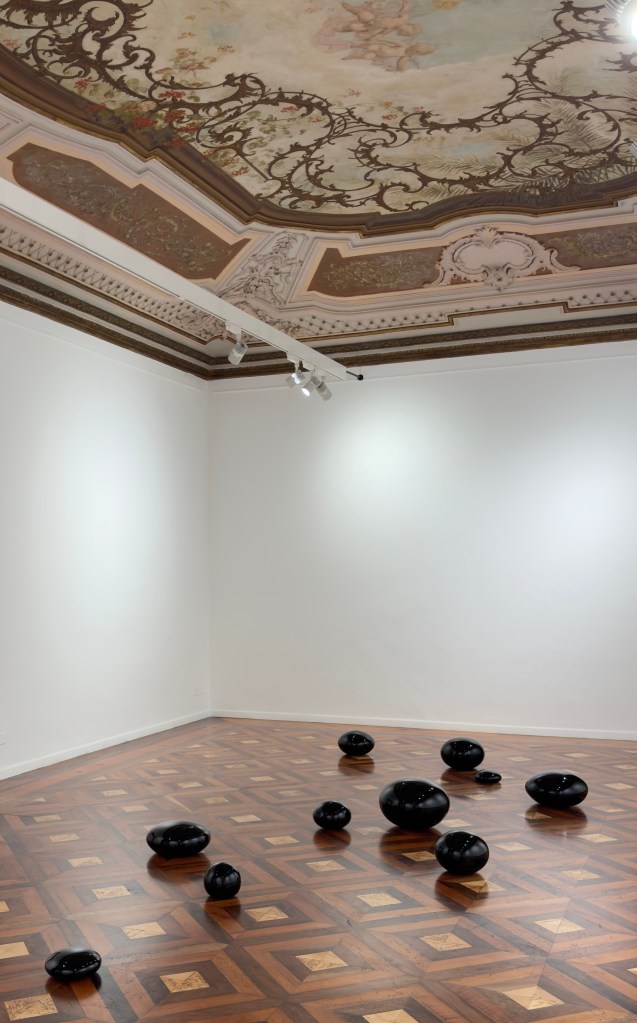
Here and Now, 2004
10 hand-blown black glass elements are grouped together on the floor. The inky black glass absorbs and reflects its surroundings.
Elements range from 6” to 16” in diameter
Courtesy Mazzoleni, London – Torino
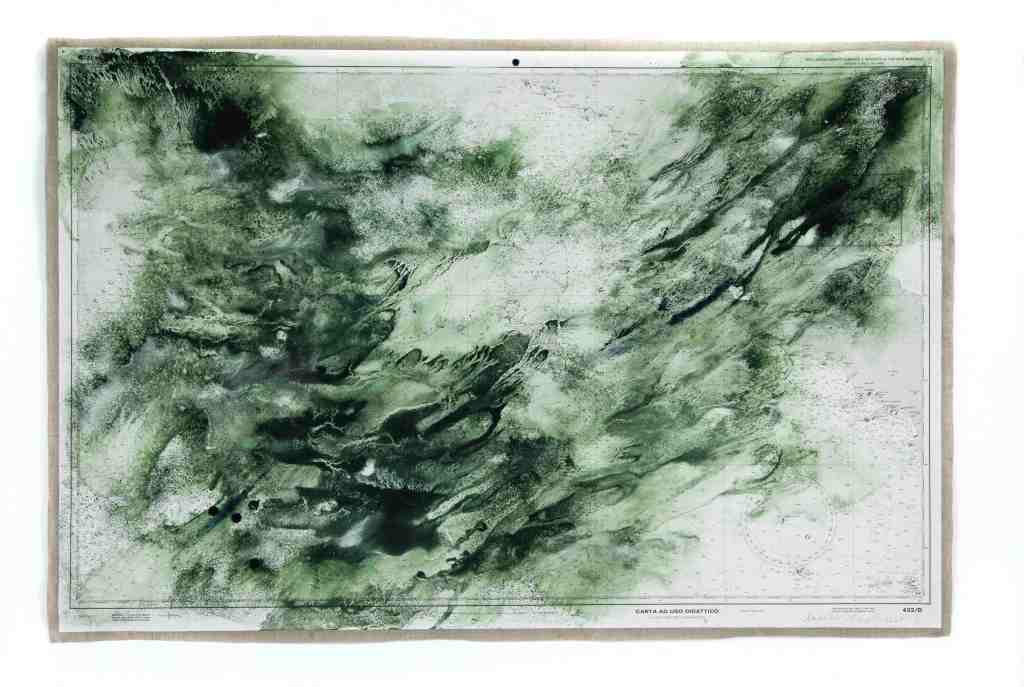
Celestial River, 2024
Water, chlorophyllin, indigo, homemade soy milk, kaolin clay, and vinegar on found printed map
30.5 x 45.75 in
77.47 x 116.21 cm
Courtesy Mazzoleni, London – Torino
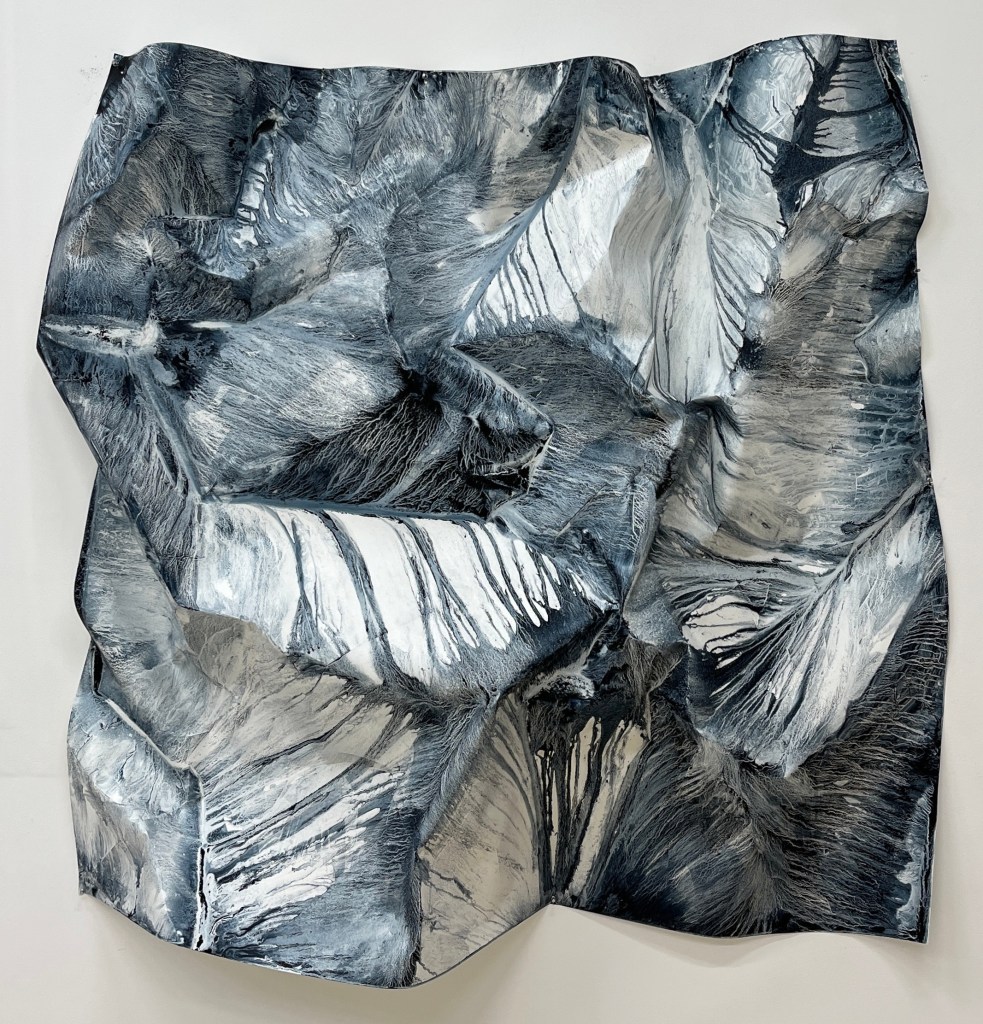
Source, III, 2024
Water, organic indigo, homemade soy milk, and vinegar on Yupo
59 x 57.5 x 11.75 in
149.86 x 146.05 x 29.85 cm
Courtesy Mazzoleni, London – Torino
 paroladartista.com