
(Scroll for English text)
#paroladartista #intervistaartista #artistinterview #raffaeledivaia
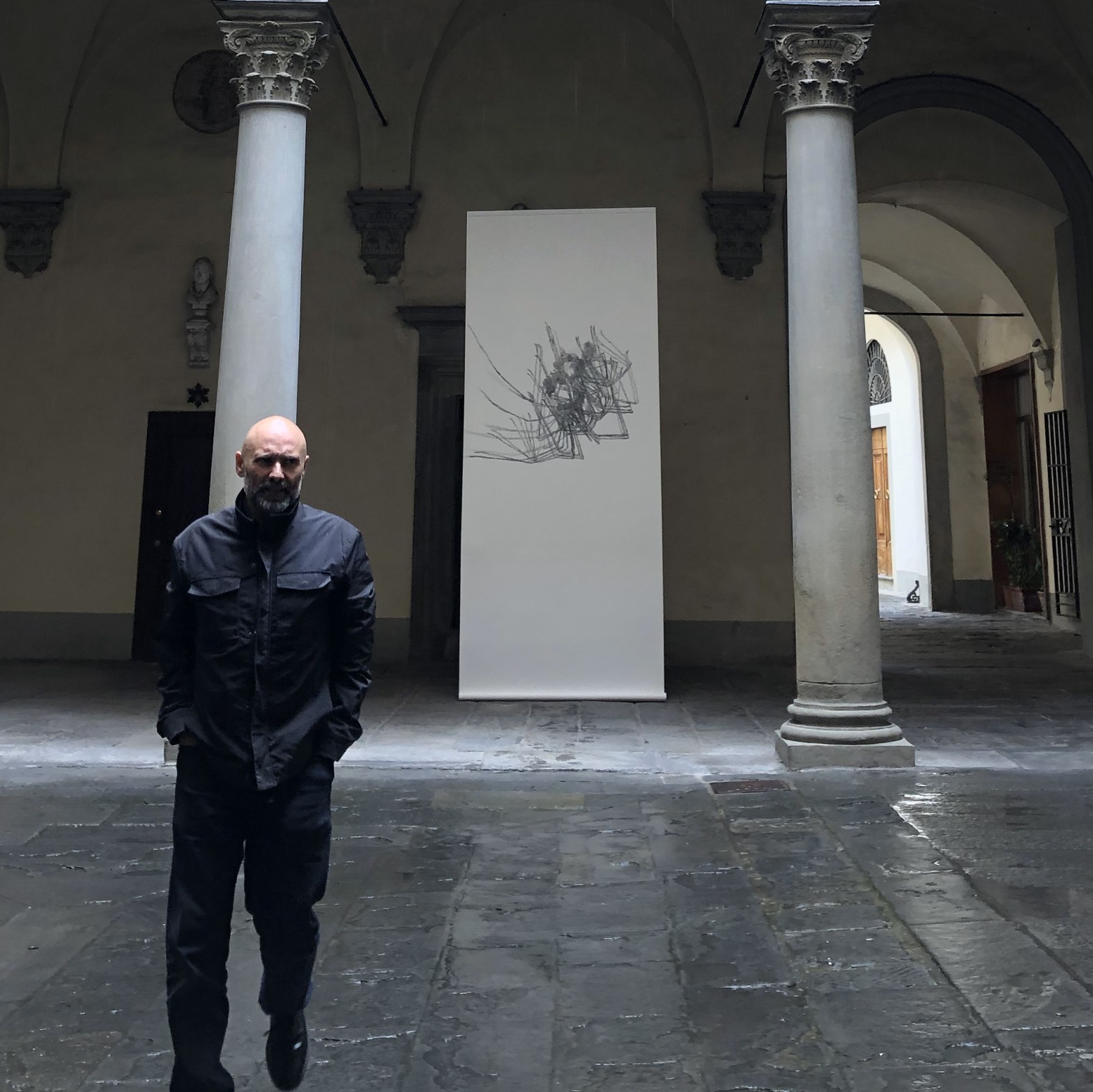
Parola d’Artista: Ciao Raffaele, che importanza ha l’esercizio dell’immaginazione nel tuo lavoro?
Raffaele Di Vaia:Ritengo sia essenziale. Credo sia ciò che mi spinge a costruire cose, storie. La capacità (o la necessità?) di creare legami con ciò che realmente o in apparenza non ne ha. Immagino sia una propensione ad azzardare ipotesi e tesi senza preoccuparsi della loro confutazione. Ovviamente è un processo che richiede di essere alimentato, sostenuto tramite la curiosità.
Pd’A: Esiste in quello che fai un interesse per la dimensione della memoria?
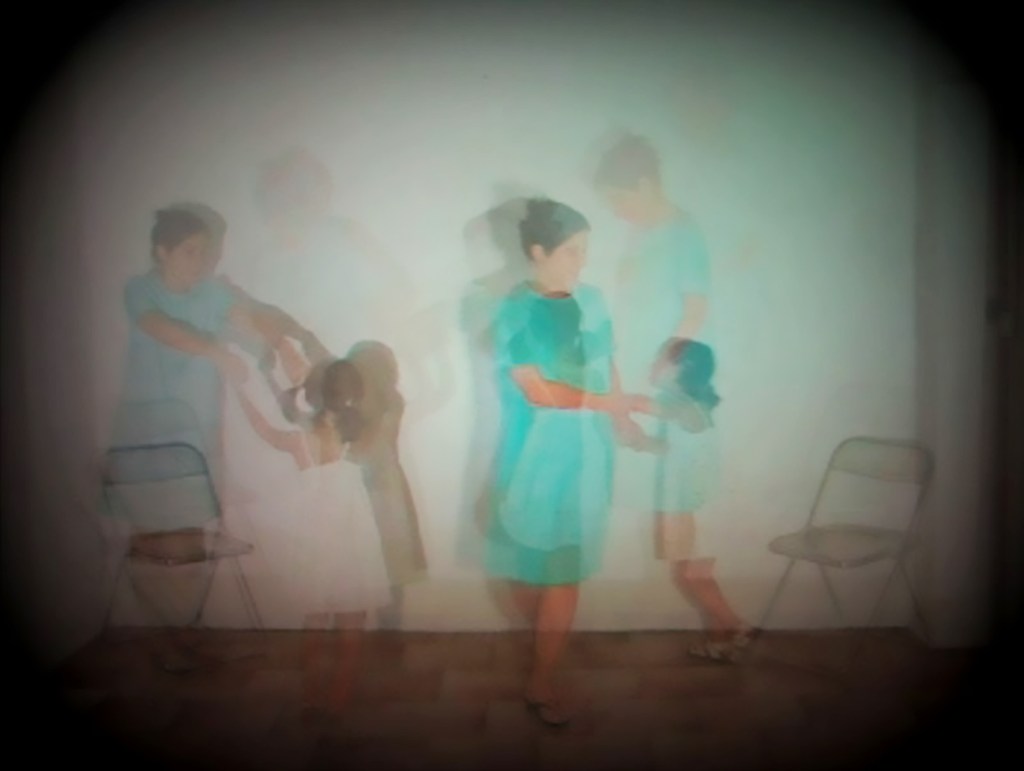
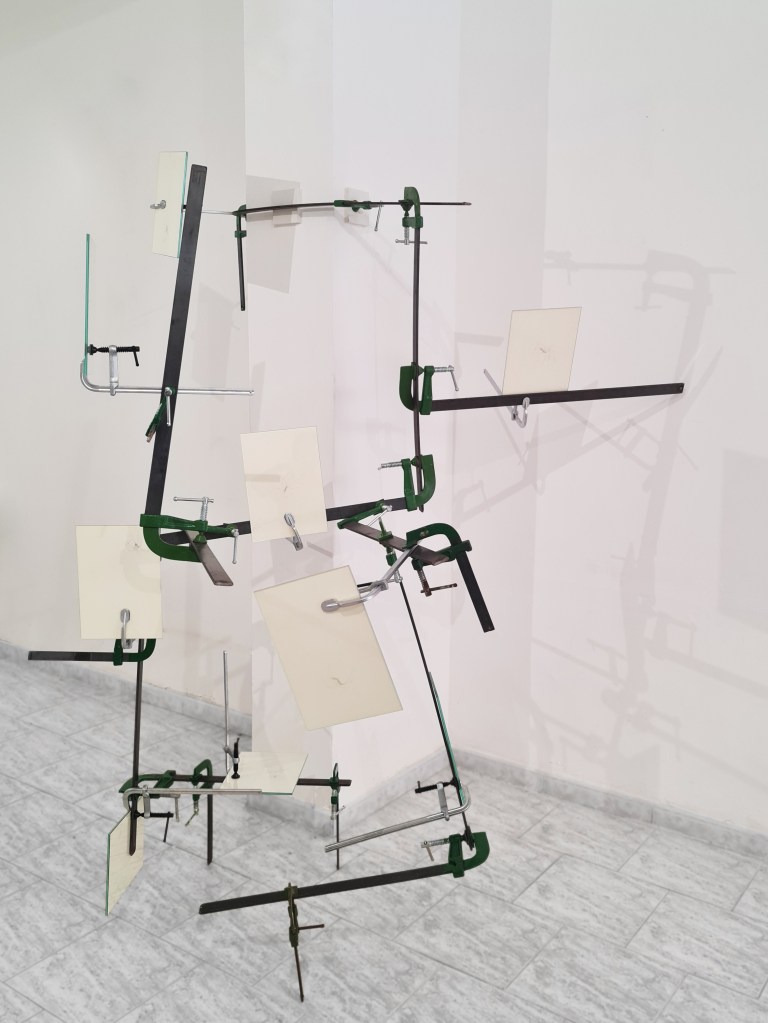
R.D.V.: Sì, l’utilizzo del disegno, fil rouge dell’intero mio percorso, è dovuto proprio al fatto che ritengo sia lo strumento più immediato quasi atavico, ancor prima della scrittura, per registrare un momento; il tentativo di fermare e rivivere un evento, per raccontare una storia. Nel mio lavoro a volte ho utilizzato il frottage proprio con lo scopo di memorizzare un oggetto nel modo più fedele possibile. Ad esempio nella serie “Disegni” del 2011, ho realizzato dei frottage di specchi tentando di andare oltre l’oggetto, addirittura provando ad acquisirne la funzione, grazie alla grafite che utilizzata su carta nera, acquista la capacità di riflettere l’immagine quasi come un vero specchio. Anche in lavori video come Faustine, dove cito il romanzo “L’invenzione di Morel” di Adolfo Bioy Casares, affronto proprio il tema di una memoria artefatta come sostituzione della realtà.
Pd’A: Ti interessano gli aspetti simbolici delle immagini che di volta in volta metti a fuoco con il tuo lavoro?
R.D.V.: Soprattutto all’inizio del mio percorso ho tentato di eliminare ogni simbolismo dal mio lavoro, cercando un’astrazione assoluta. Ma presto mi sono reso conto che l’elemento simbolico era inevitabile e anzi necessario. Lo specchio, la sedia, il ragno, la mappa, la porta, ecc., fanno parte di un simbolismo non scelto ma essenziale, che ha evidenziato un processo di narrazione inaspettata e che mi ha permesso di coniugare nell’opera l’approccio analitico a quello introspettivo.
Pd’A: Spesso ti avvali di linguaggi diversi per realizzare il tuo lavoro: Fotografia, Scultura, Installazioni, Animazioni, Disegno da dove arriva questa tua molteplicità linguistica?
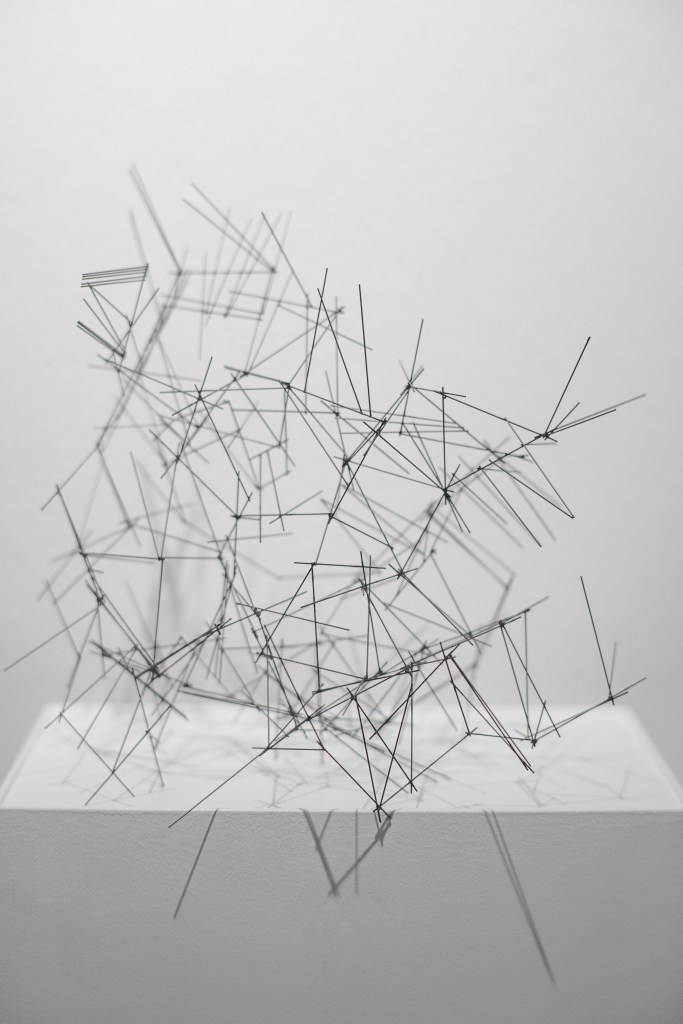
R.D.V.: Per quanto il disegno e in particolare carta e grafite, sia il mio medium naturale, ritengo che alcune narrazioni richiedano linguaggi specifici. Ad esempio, il lavoro “Costellazione” è conseguenza di uno scatto fotografico fatto per documentare una scena del micromondo degli insetti, che aveva catturato la mia attenzione. Inizialmente doveva tradursi in disegno, ma poi mi sono reso conto che ci sarebbe stato un inutile passaggio per raccontare qualcosa che era già perfetto nella sua natura fotografica. Il disegno non avrebbe aggiunto nulla di più… Ogni storia ha bisogno della sua voce narrante.
Pd’A: Hai avuto un tuo primo amore artistico, racconta?
R.D.V.: Sicuramente Giuseppe Penone. Vidi la sua mostra al Castello di Rivoli nei primi anni 90, curata da Germano Celant e ne rimasi folgorato. Ero a Torino per vedere la mostra sull’arte americana al Lingotto e decisi di andare a visitare anche Rivoli di cui avevo sentito parlare. Fu un’epifania. Non conoscevo il suo lavoro e quindi affrontai la mostra totalmente disarmato. Quella capacità di fondere la ricerca analitica sull’opera ad una visione intimistica mi si è incisa dentro. L’unica altra sensazione simile l’ho provata alla biennale del ‘95 con l’opera The greeting di Bill Viola dove rimasi ad osservarla per ore…
Pd’A: Esiste in quello che fai l’idea di racconto?
R.D.V.: Sì, un po’ come per i simboli, la narrazione si è inserita nel mio lavoro quasi inevitabilmente. Soprattutto nell’affrontare l’aspetto temporale. Probabilmente è anche conseguenza del fatto che il mio percorso è molto condizionato dal cinema di registi Friedrich Murnau, David Lynch, Peter Greenaway, Emidio Greco, solo per citarne alcuni e dalla letteratura con Bram Stocker, Adolfo Bioy Casares, Jorge Luis Borges, Arthur Schnitzler, autori che non solo mi hanno influenzato ma che in certi casi ho esplicitamente citato.
Comunque è una narrazione che non è mai diretta e lineare ma che si muove per tracce indizi e che spesso gioca con il tempo intrecciandolo o addirittura negandolo. Proprio come fanno alcuni degli autori che ho citato precedentemente.
Inoltre alcuni miei lavori sono legati tra loro proprio come se fossero i capitoli di una storia e in alcuni casi nel titolo inserisco un numero come per dare un ordine ma che poi non coincide con la data di creazione. In altri casi alcune opere nascono come memoria di altre fatte in precedenza proprio a sottolinearne il legame narrativo.
Pd’A: Ti interessa quando allestisci i tuoi lavori la messa in scena?
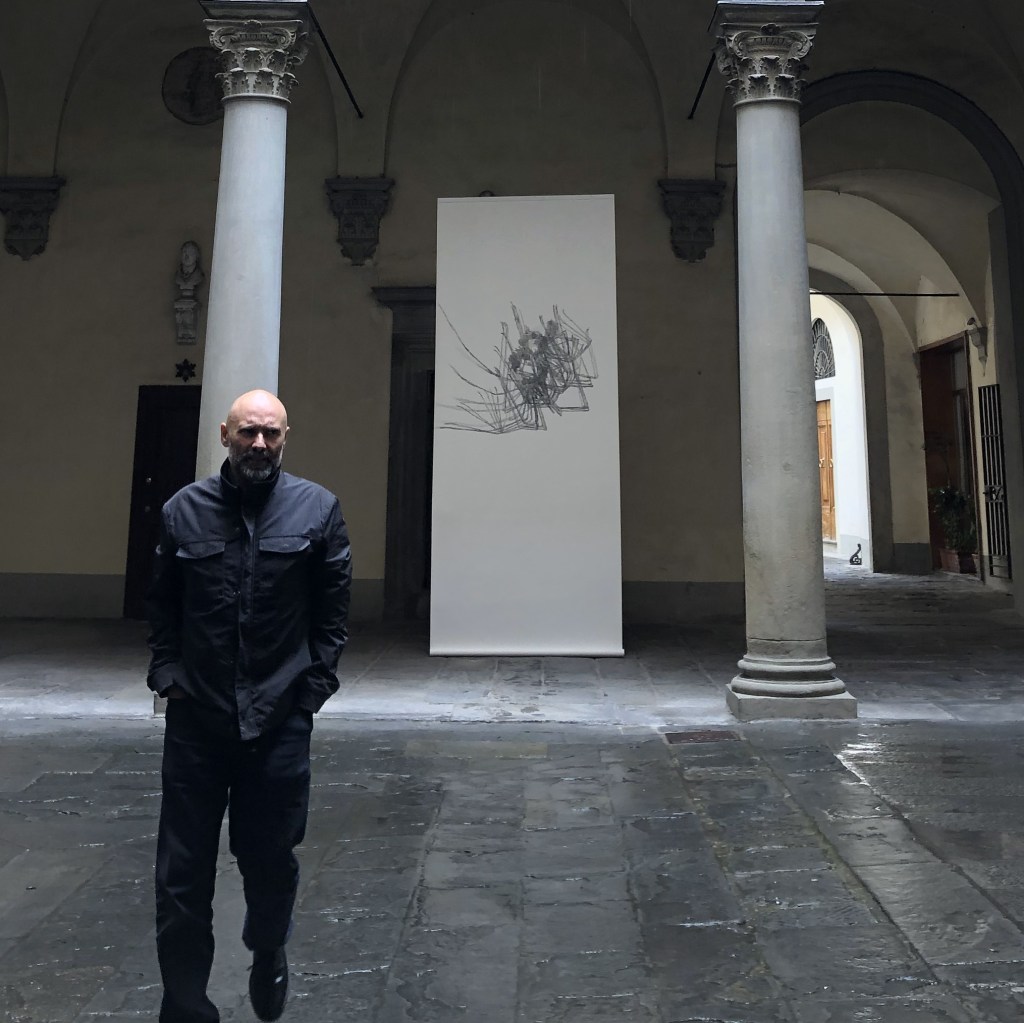
R.D.V.: Ritengo che un’opera si concluda solo nel momento in cui è esposta. L’aspetto percettivo è importante per la comprensione di un lavoro e quindi tutti quegli elementi che possono essere funzionali ad una giusta lettura ben vengano. Ma non so se sia giusto parlare di messa in scena. La mostra non credo sia uno spettacolo ma un momento di richiesta di attenzione da parte delle opere. Il percorso di una mostra è una costruzione importante dove la sequenza dei lavori, gli scorci visivi, l’illuminazione, il ritmo, creano una narrazione immersiva che permette al fruitore di leggere, e forse comprendere, aspetti del percorso di un artista e delle sue opere.
Pd’A: Secondo te le opere d’arte esistono quando non c’è nessuno che le guarda?
R.D.V.: Domanda difficile… Probabilmente rimangono in sospensione come un libro chiuso. Parafrasando il titolo di un mio lavoro, potrei dire che un’opera d’arte non guardata è “un potenziale inespresso di possibilità narrative”.
Pd’A: Dove ti poni nei confronti del tuo lavoro?
R.D.V.: Un passo indietro ma in un percorso circolare.
_
Nota biografica
Nato a Torino nel 1969, si forma artisticamente tra Siena e Firenze. Attivo inizialmente nel campo del fumetto e della scenografia, nei primi anni 90 comincia a sperimentare il linguaggio del video sempre declinato come opera site specific. Negli anni successivi il suo lavoro assimila il medium della fotografia per poi svilupparsi, intorno ai primi anni 2000, in maniera preponderante nel linguaggio del disegno per mezzo di grafite e carta. Le sue opere alternano una narrazione intimista ad un’analisi concettuale sui limiti dell’opera. Negli ultimi anni ha sperimentato un approccio performativo alla realizzazione di alcune opere, che si riconnette a buona parte della sua produzione video.
Tra le più recenti occasioni espositive si ricorda:
2024
Io non sono qui (mostra personale) a cura di Anna Rita Chiocca, Studio Elisi, Livorno
La casa del custode (residenza artistica) Cassero della fortezza medicea, Poggibonsi (SI)
2023
Inizia (mostra personale) a cura di Erica Romano, Piano Nobile Home Gallery, Pistoia (2023)
2019
Iconosmash, a cura di Valeria D’Ambrosio, Palazzo Ricasoli Fridolfi, Firenze
“Je vois de la lumière noire” Raffaele Di Vaia e Rachel Morellet a cura di Špela Zidar, SACI Maidoff Gallery, Firenze.
2017
SxT – Performance di Raffaele Di Vaia con Alessandra Panerai e Francesco Pellegrino, StudioMDT, Prato – Progetto a cura di StudioMDT e Artforms in occasione del festival Sillumina.
2016
FLAT (mostra personale), a cura di Serena Trinchero, SRISA Gallery of Contemporary Art, Firenze.
English text
Interview to Raffaele Di Vaia
#paroladartista #intervistaartista #artistinterview #raffaeledivaia
Parola d’Artista:Hi Raffaele, how important is the exercise of imagination in your work?
Raffaele Di Vaia: I think it is essential. I think it is what drives me to build things, stories. The ability (or the need?) to create links with what really or apparently has none. I guess it is a propensity to hazard hypotheses and theses without worrying about their refutation. Obviously it is a process that needs to be nurtured, sustained through curiosity.
Pd’A: Is there an interest in the dimension of memory in what you do?
R.D.V.: Yes, the use of drawing, the fil rouge of my entire journey, is due precisely to the fact that I believe it is the most immediate almost atavistic tool, even before writing, to record a moment; the attempt to stop and relive an event, to tell a story. In my work I have sometimes used frottage precisely with the aim of memorising an object as faithfully as possible. For example, in the ‘Drawings’ series of 2011, I made frottages of mirrors, attempting to go beyond the object, even trying to acquire its function, thanks to graphite that used on black paper, acquires the ability to reflect the image almost like a real mirror. Even in video works like Faustine, where I quote the novel ‘The Invention of Morel’ by Adolfo Bioy Casares, I address precisely the theme of an artefactual memory as a substitute for reality.
Pd’A: Are you interested in the symbolic aspects of the images you focus on in your work?
R.D.V.: Especially at the beginning of my career, I tried to eliminate all symbolism from my work, seeking absolute abstraction. But I soon realised that the symbolic element was inevitable and indeed necessary. The mirror, the chair, the spider, the map, the door, etc., are all part of a symbolism that is not chosen but essential, which highlighted an unexpected narrative process and allowed me to combine the analytical and introspective approach in the work.
Pd’A: You often use different languages to realise your work: Photography, Sculpture, Installations, Animations, Drawing where does this linguistic multiplicity of yours come from?
R.D.V.: Although drawing, and in particular paper and graphite, is my natural medium, I feel that some narratives require specific languages. For example, the work ‘Constellation’ is the consequence of a photograph taken to document a scene from the micro-world of insects, which had caught my attention. Initially it was to be translated into a drawing, but then I realised that it would be an unnecessary step to narrate something that was already perfect in its photographic nature. The drawing would have added nothing more… Every story needs its own narrative voice.
Pd’A: You had your first artistic love, tell us?
R.D.V.: Definitely Giuseppe Penone. I saw his exhibition at the Castello di Rivoli in the early 1990s, curated by Germano Celant, and I was thunderstruck. I was in Turin to see the exhibition on American art at Lingotto and I decided to also visit Rivoli, which I had heard about. It was an epiphany. I was unfamiliar with his work, so I approached the exhibition totally unarmed. That ability to fuse analytical research on the work with an intimate vision was engraved in me. The only other similar feeling I had was at the ‘95 biennale with Bill Viola’s work The greeting where I sat and watched it for hours…
Pd’A: Does the idea of storytelling exist in what you do?
R.D.V.: Yes, a bit like symbols, narrative has become part of my work almost inevitably. Especially in dealing with the temporal aspect. It is probably also a consequence of the fact that my path is very much conditioned by the cinema of directors Friedrich Murnau, David Lynch, Peter Greenaway, Emidio Greco, to name but a few, and by literature with Bram Stocker, Adolfo Bioy Casares, Jorge Luis Borges, Arthur Schnitzler, authors who have not only influenced me but whom I have also explicitly quoted in certain cases.
In any case, it is a narrative that is never direct and linear but moves by trace clues and often plays with time by interweaving it or even denying it. Just as some of the authors I mentioned above do.
Moreover, some of my works are linked together just as if they were chapters of a story and in some cases I put a number in the title as if to give an order but which does not coincide with the date of creation. In other cases, some works are created as a memory of others made earlier precisely to underline the narrative link.
Pd’A: Are you interested in staging your works?
R.D.V.: I believe that a work is only finished when it is exhibited. The perceptive aspect is important for the understanding of a work and therefore all those elements that can be functional for a correct reading are welcome. But I do not know if it is right to talk about staging. I don’t think of an exhibition as a show but as a moment in which the works demand attention. The path of an exhibition is an important construction where the sequence of works, the visual glimpses, the lighting, the rhythm, create an immersive narrative that allows the viewer to read, and perhaps understand, aspects of the path of an artist and his works.
Pd’A: Do you think works of art exist when there is no one looking at them?
R.D.V.: Difficult question… They probably remain in suspension like a closed book. Paraphrasing the title of one of my works, I could say that an unseen work of art is ‘an unexpressed potential of narrative possibilities’.
Pd’A: Where do you stand in relation to your work?
R.D.V.: A step backwards but in a circular path.
_
Biographical note
Born in Turin in 1969, he trained artistically between Siena and Florence. Initially active in the field of comic strips and set design, in the early 1990s he began experimenting with the language of video, always declined as a site-specific work. In the following years his work assimilated the medium of photography and then developed, around the early 2000s, predominantly in the language of drawing using graphite and paper. His works alternate between an intimist narration and a conceptual analysis of the limits of the work. In recent years, he has experimented with a performative approach to the creation of some of his works, which is linked to much of his video production.
Recent exhibitions include:
2024
Io non sono qui (solo exhibition) curated by Anna Rita Chiocca, Studio Elisi, Livorno
La casa del custode (artistic residence) Cassero della fortezza medicea, Poggibonsi (SI)
2023
Inizia (solo exhibition) curated by Erica Romano, Piano Nobile Home Gallery, Pistoia (2023)
2019
Iconosmash, curated by Valeria D’Ambrosio, Palazzo Ricasoli Fridolfi, Florence
‘Je vois de la lumière noire’ Raffaele Di Vaia and Rachel Morellet curated by Špela Zidar, SACI Maidoff Gallery, Florence.
2017
SxT – Performance by Raffaele Di Vaia with Alessandra Panerai and Francesco Pellegrino, StudioMDT, Prato – Project curated by StudioMDT and Artforms on the occasion of the Sillumina festival.
2016
FLAT (solo exhibition), curated by Serena Trinchero, SRISA Gallery of Contemporary Art, Florence.
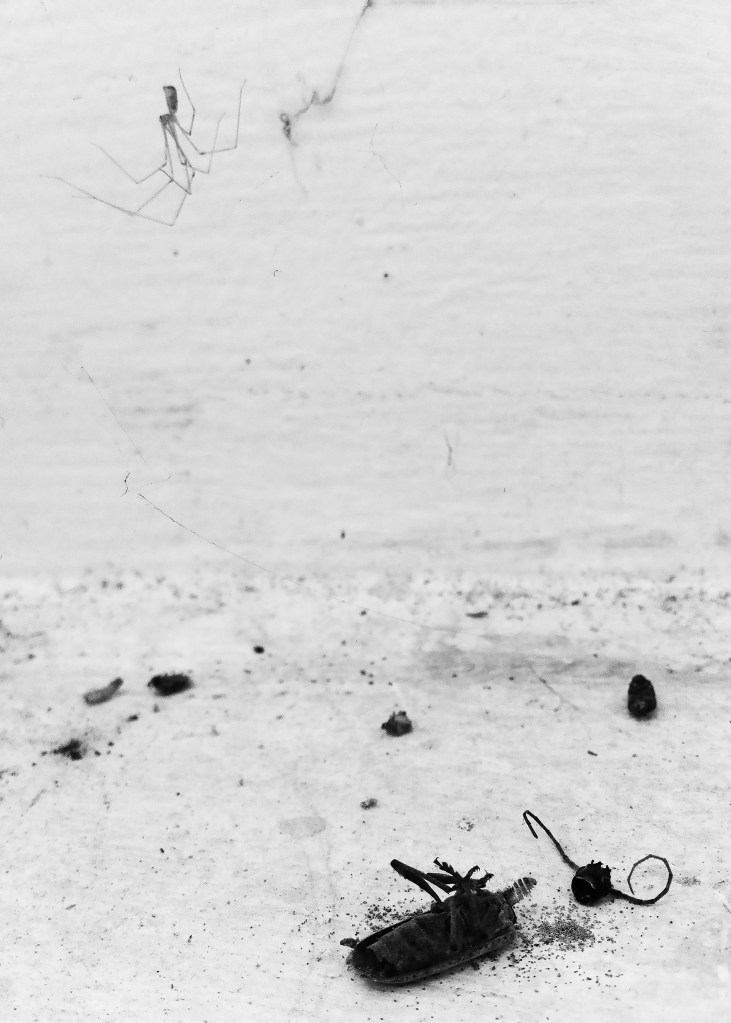
Fotografia, stampa Fine Art su carta hahnemühle photorag ultra smooth, montata su dibond calandrato a freddo, cornice in legno;
75 x 54 x 3 cm
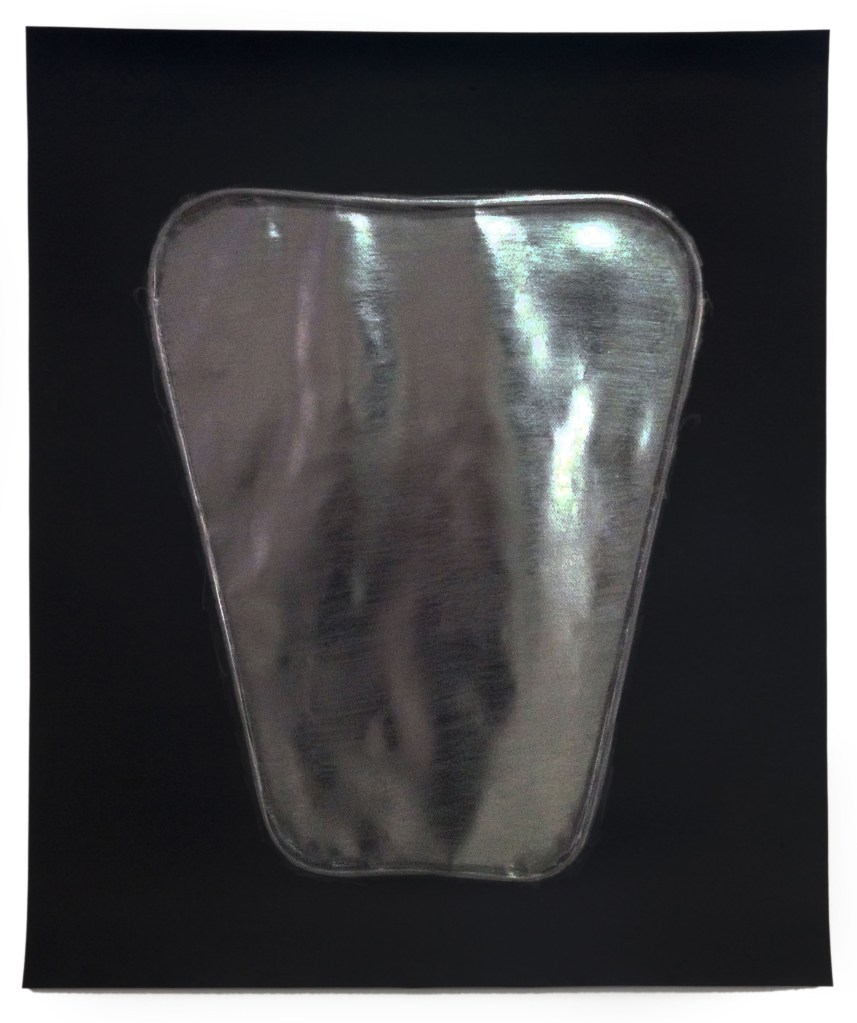
frottage, grafite su carta Canson nera
80 x 50 cm
video, colore, sonoro
4:3, 09’16”

Disegno a grafite e cancellature su carta Fabriano piegata
9 elementi, 42 x 29,7 cm cad.
Disegni a grafite su carta Favini, vetro, morsetti in acciaio
Dimensioni variabili
Scultura, assemblaggio di mine 2B di grafite con colla cianoacrilica
38 x 32 x 24 cm
 paroladartista.com