
(scroll down for English text)
#paroladartista #intervistaartista #artistinterview #delphinevalli
Parola d’Artista: Ciao Delphine, spesso le ragioni più profonde ed intime del lavoro di un’artista affondano le loro radici nell’infanzia. È cosi anche per te?
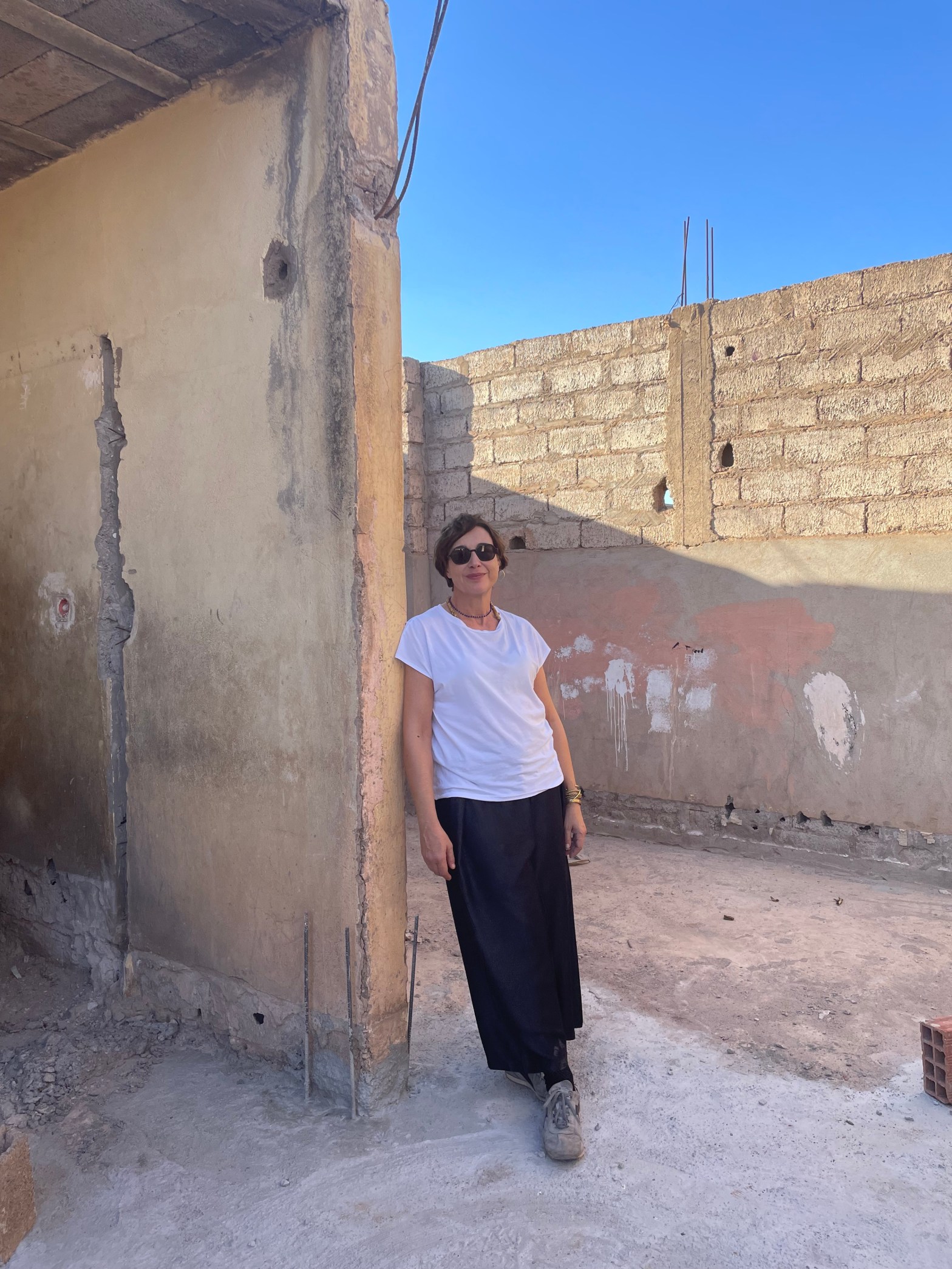
Delphine Valli: Ciao, riconosco in me una fedeltà all’infanzia anzi, a volte mi sembra che la mia infanzia abbia determinato tutte le scelte che ho fatto successivamente. La mia pratica artistica ha sempre affondato le sue radici in quelle tensioni. Nel 2022, mi ha riportata nel Maghreb, dove sono cresciuta e che avevo lasciato definitivamente a 16 anni. Prima con una borsa di ricerca con residenza estera dell’Italian Council, grazie alla quale sono approdata a Marrakech, e successivamente in Algeria, con l’Istituto Francese di Algeri, ad Algeri, la città nella quale sono cresciuta.
Pd’A: Nel tuo lavoro che importanza ha il colore?
D.V.: Inizialmente, il colore si è imposto, forse per tramutare l’univocità strutturale o materiale. Il colore manifesta un’evidenza, non dà ragioni. Questa affermazione, questa sua adesione totale con una forma, sono peculiarità del colore, senza alcun dubbio, e allo stesso momento, la sua qualità dipende dalla luce, non è fantastico?
Pd’A: La geometria, spesso associata all’idea di ordine e struttura, nel tuo lavoro mi sembra che abbia un significato differente puoi parlarne?
D.V.: Sì, si associa la geometria all’ordine, alla struttura, ma in realtà, la geometria studia le forme nel piano e nello spazio e le loro relazioni. In natura, siamo soggetti all’entropia, all’aumento del disordine. Si genera di volta in volta per un continuo riequilibrio delle forze, un ordine, pure transitorio. A me interessa questa transitorietà. È anche interessante notare che se l’entropia è bassa, l’energia è massima.
Pd’A: Esiste secondo te una relazione fra la geometria e la poesia?
D.V.: La poesia fa emergere un dato che colma magicamente la distanza che si ha con la realtà. Pure in modo criptico o inatteso, si è in contatto con significati improvvisamente accessibili. Se la poesia deriva da una visione, la relazione che può avere con la geometria è la stessa che ha con un ombrello.
Pd’A: Come ti rapporti con lo spazio in cui di volta in volta ti trovi ad operare?
D.V.: Mi metto in ascolto. Se lo spazio ci accoglie, è essenzialmente inconoscibile, sappiamo che esiste, risponde a leggi fisiche, senza però essere reale. Lo spazio può essere un ostacolo, dalla solidità apparente. Eppure manifesta per essenza l’enigma e la sorpresa non solo che le cose abbiano una forma piuttosto che un’altra ma che ci siano proprio delle cose al posto di niente.
Pd’A: L’idea di leggerezza, che emana dai tuoi lavori, risponde ad una tua precisa volontà o è un effetto collaterale, una conseguenza di quello che fai?
D.V.: Penso sia un effetto collaterale. In un sistema dualistico, la leggerezza non esiste senza il suo opposto. Parlare dell’una significa evocare l’altro e viceversa. A me ha sempre affascinato la libertà, mi ripeto spesso davanti agli ostacoli, apparenti o non, davanti ai sistemi, alle convenzioni, alla regola, “E se non fosse così?” mi consente di proseguire senza aderire per mimesi, con un certo senso di vertigini. Entrare in relazione con la libertà significa volerla condividere, allargare il suo raggio e tanto per iniziare, sentirsi sovrani nelle scelte che si fanno o sapere che sono puramente condizionate.
Delphine Valli (Francia, 1972). Vive e lavora a Roma dove si è diplomata all’Accademia di Belle Artiin Scultura nel 2002. Nella sua ricerca artistica, sollecita l’apparente immutabilità delle cose ed esplora le tensioni che si creano tra l’intervento artistico e lo spazio, coinvolgendolo come elemento plastico. Vincitrice dell’Italian Council, X Ed. Grant di ricerca con residenza estera (LE 18, Marrakech, Marocco) e di una Borsa di ricerca dell’Institut Français Alger (La MaisonDAR, Algeri, Algeria) nel 2022. Ha esposto il suo lavoro in gallerie e spazi pubblici ed istituzionali tra i quali Building, Milano; MANIFESTA13, Marsiglia; AlbumArte, Institut Français, MAXXI, Accademia Nazionale di San Luca, Ex Elettrofonica a Roma; Digital District, Paris; CIAC, Genazzano; XXVI° Biennale di Scultura, Palazzo Ducale, Gubbio.
È docente di Installazioni multimediali e Tecniche Performative per le Arti Visive all’Accademia di Belle Arti di Venezia.
English text
Intervista a Delphine Valli
#paroladartista #intervistaartista #artistinterview #delphinevalli
Parola d’Artista: Hi Delphine, often the deepest and most intimate reasons for an artist’s work have their roots in childhood. Is that the case for you too?
Delphine Valli: Hi, I recognise in me a fidelity to childhood, in fact sometimes I feel that my childhood determined all the choices I made later on. My artistic practice has always been rooted in those tensions. In 2022, it took me back to the Maghreb, where I grew up and which I had left for good at the age of 16. First with a research grant with a foreign residency from the Italian Council, thanks to which I landed in Marrakech, and later in Algeria, with the French Institute in Algiers, the city where I grew up.
Pd’A: How important is colour in your work?
D.V.: Initially, colour imposed itself, perhaps in order to transform structural or material univocity. Colour manifests an evidence, it does not give reasons. This statement, this total adherence to a form, are peculiar to colour, without any doubt, and at the same time, its quality depends on light, isn’t that fantastic?
Pd’A: Geometry, often associated with the idea of order and structure, in your work seems to me to have a different meaning can you talk about it?
D.V.: Yes, one associates geometry with order, with structure, but in reality, geometry studies forms in the plane and in space and their relationships. In nature, we are subject to entropy, to increasing disorder. An order, albeit transitory, is generated from time to time by a continuous rebalancing of forces. I am interested in this transience. It is also interesting to note that if entropy is low, energy is maximum.
Pd’A: Do you think there is a relationship between geometry and poetry?
D.V.: Poetry brings out a datum that magically bridges the distance one has with reality. Even in a cryptic or unexpected way, one is in contact with suddenly accessible meanings. If poetry comes from a vision, the relationship it can have with geometry is the same as with an umbrella.
Pd’A: How do you relate to the space in which you operate from time to time?
D.V.: I listen. If space welcomes us, it is essentially unknowable, we know it exists, it responds to physical laws, but it is not real. Space can be an obstacle, of apparent solidity. Yet it essentially manifests the enigma and surprise not only that things have one form rather than another, but that there are actually things instead of nothing.
Pd’A: Does the idea of lightness, which emanates from your works, respond to a precise will of yours or is it a side effect, a consequence of what you do?
D.V.: I think it’s a side effect. In a dualistic system, lightness does not exist without its opposite. To speak of the one is to evoke the other and vice versa. I have always been fascinated by freedom, I often repeat to myself in front of obstacles, apparent or not, in front of systems, conventions, the rule, ‘What if it wasn’t like that?’ it allows me to continue without adhering by mimesis, with a certain sense of vertigo. To enter into a relationship with freedom is to want to share it, to widen its range and, to begin with, to feel sovereign in the choices one makes or to know that they are purely conditional.
Delphine Valli (France, 1972). She lives and works in Rome where she graduated from the Academy of Fine Arts in Sculpture in 2002. In her artistic research, she questions the apparent immutability of things and explores the tensions created between artistic intervention and space, involving it as a plastic element. Winner of the Italian Council, 10th Research Grant with foreign residency (LE 18, Marrakech, Morocco) and a Research Grant from the Institut Français Alger (La MaisonDAR, Algiers, Algeria) in 2022. He has exhibited his work in galleries and public and institutional spaces including Building, Milan; MANIFESTA13, Marseille; AlbumArte, Institut Français, MAXXI, Accademia Nazionale di San Luca, Ex Elettrofonica in Rome; Digital District, Paris; CIAC, Genazzano; XXVIth Sculpture Biennial, Palazzo Ducale, Gubbio.
He teaches Multimedia Installations and Performative Techniques for the Visual Arts at the Accademia di Fine Arts in Venice.
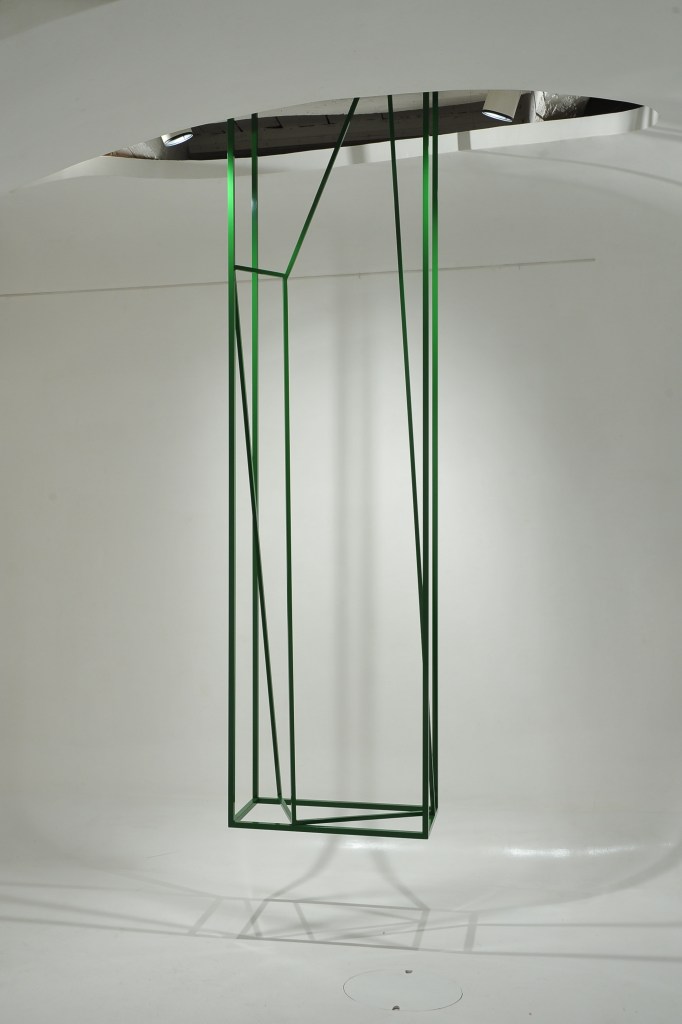
ph Ramy Leon Lorenco
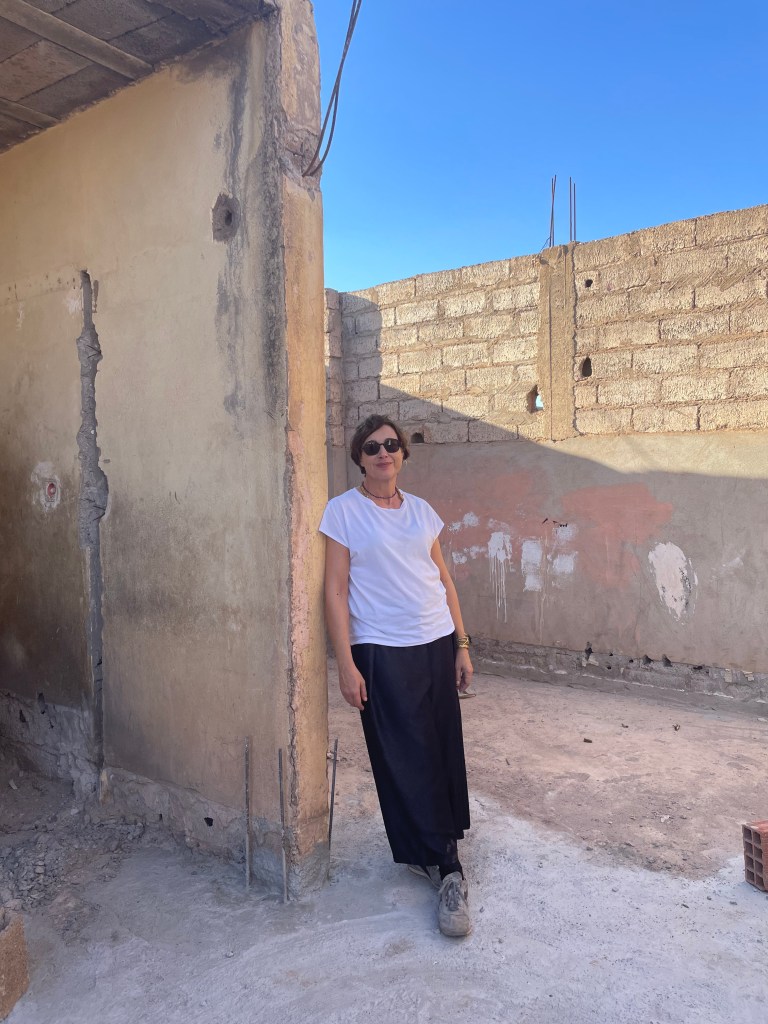
ph Marc Challis-Thompson

Blu Dinamite Delphine Valli ph credit Gabriele Albergo
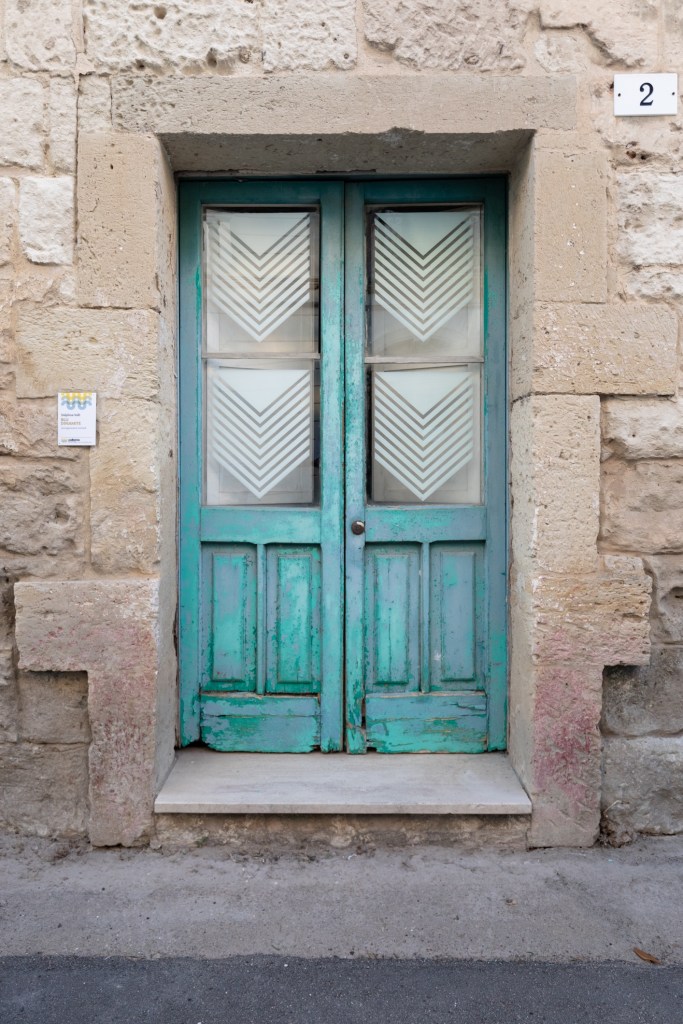

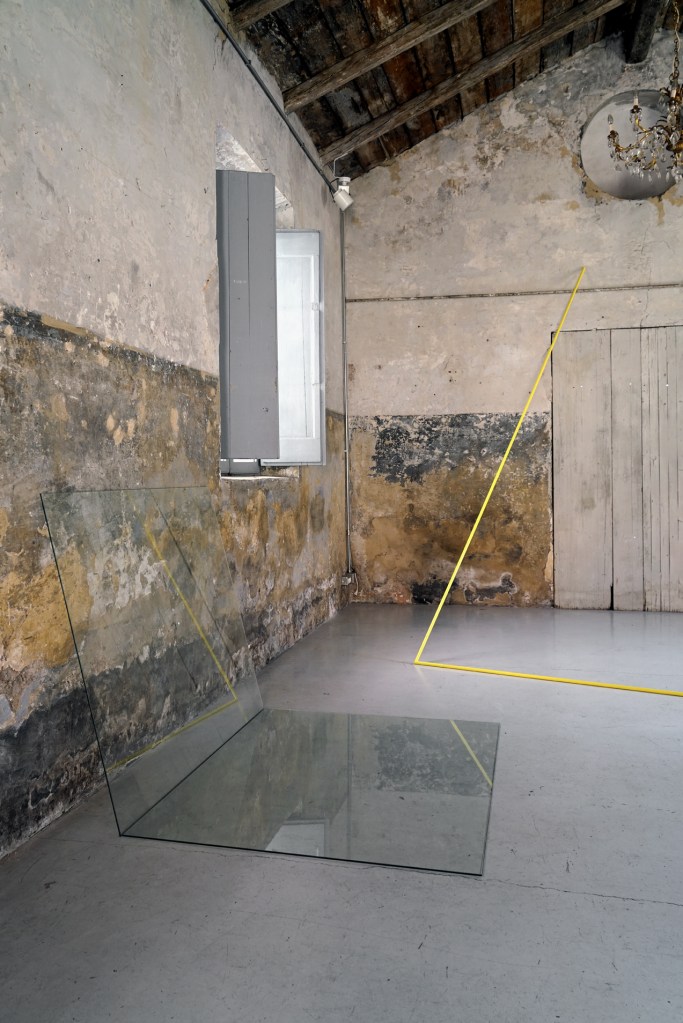
ph Luis Do Rosario
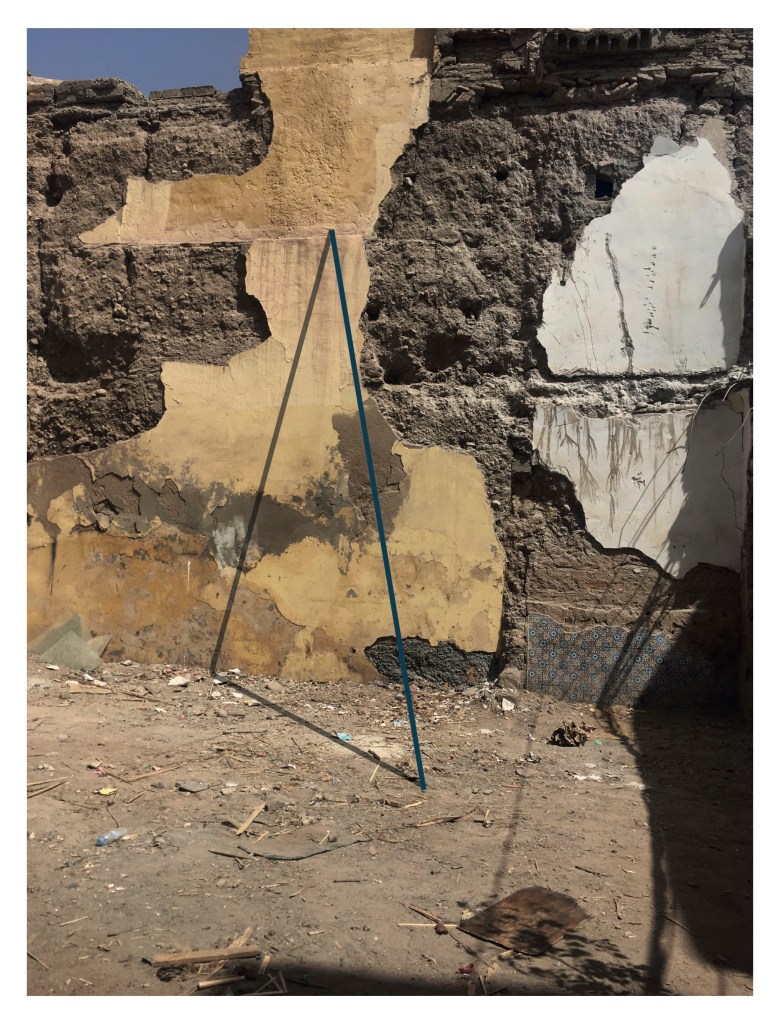
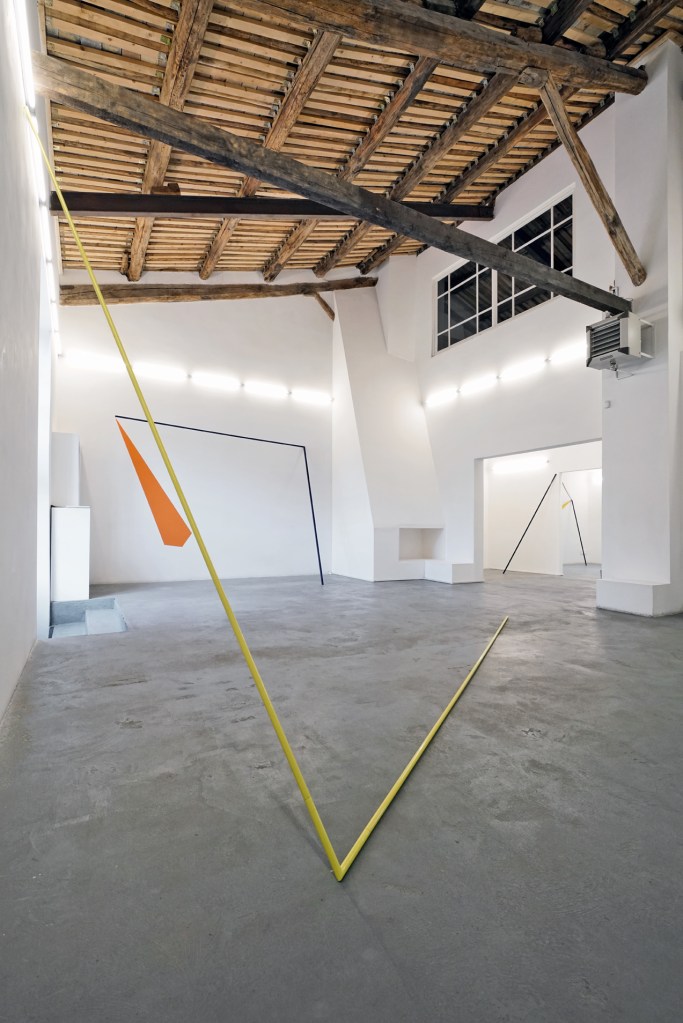
ph Luis Do Rosario

 paroladartista.com