
(Scroll down for English text)
#paroladartista #intervistaartista #artistinterview #francescapizzoscuto
Parola d’Artista: Ciao Francesca, spesso l’infanzia gioca un ruolo importante nella definizione di quello che è l’immaginario di chi in seguito deciderà di intraprendere il cammino dell’arte. È stato così anche per te? Racconta.
Francesca Pizzo Scuto: Quello che ricordo è di avere trascorso molti anni di profonda precarietà emotiva in ambito domestico e di avere cercato riparo in un mondo che fosse solo mio. Creato da me, con le mie regole. La pratica del disegno è stata un linguaggio che ho utilizzato fin da piccola e si è rivelata molto importante. Credo si tratti da sempre di un tentativo di creare ordine. Al disegno si sono aggiunti poi la lettura e la scrittura e più tardi la musica.
Pd’A: Quale è stato il tuo “primo amore” artistico?
F.P.S.: Non è semplice setacciare così in profondità nel passato. Posso rispondere che qualche mese fa lo storico dell’arte e amico
Pierluca Nardoni mi ha inviato l’immagine di un’opera di Piero Dorazio che in qualche modo trovava vicina alla mia ricerca. Non sapeva che in casa a Bologna, fin da quando ho memoria, è appesa una sua serigrafia. L’ho trovato curioso perché l’influsso segreto di quell’opera ha certamente contaminato il mio sentire. Il tutto a mia insaputa. Negli ultimi mesi credo di essermi mossa verso una ulteriore sintesi ma, come con Dorazio, scoprirò nella scia di chi altri solo a lavoro ultimato.
Pd’A: Che studi hai fatto?
F.P.S.: Ho frequentato il Liceo Artistico e l’Accademia di Belle Arti a Bologna.
Pd’A: Ci sono stati degli incontri importanti nei tuoi anni di formazione?
F.P.S.: Credo che il privilegio dell’artista sia quello di potersi permettere una perenne formazione e di potere cercare lo scambio poetico, nell’arco della sua intera vita, con figure di amici e colleghi. In riferimento ai miei anni accademici, certamente un docente su tutti, Davide Benati, ha segnato il mio percorso. Le sue lezioni, spesso sintetiche ed enigmatiche al tempo stesso, suscitavano in noi studenti una grande attesa e generavano a volte forti conflitti interiori. Penso che la sua figura sia quella di un grande artista e di un grande maestro.
Pd’A: L’aspetto performativo che importanza ha nel tuo lavoro?
F.P.S.: Dal punto di vista performativo, in anni di concerti dal vivo e varie collaborazioni teatrali, ho capito che al momento mi interessa più il processo creativo privato che la sua messa in scena. Nell’arte visiva, mesi di ricerca, spesso solitaria e incerta, trovano una restituzione solo una volta approdati in galleria. L’impermanenza di questo evento di condivisione che sublima un lungo percorso mi sembra qualcosa di molto affascinante e raro. Il fatto che i miei lavori possano dare forma a un sedimentarsi di vissuto non pubblico è un fattore di grande importanza per me, soprattutto in una contemporaneità che ha reso tutti performers attraverso l’uso dei social media.
Pd’A: Ti interessa la dimensione del sacro?
F.P.S.: Mi interessa da sempre. Nel cercare di risponderti rifletto sul fatto che gli artisti che più apprezzo sono quelli che riescono a trasmettermi questa sacralità. In fondo, quando ci troviamo a contatto con l’opera, restare sospesi per qualche istante, non è ciò che desideriamo? Al di là di tutto quanto si possa dire o disquisire in merito al lavoro di un artista, è proprio ciò che non può essere espresso a parole che costituisce l’opera. Un limbo tra la materia e il contingente. Quell’inesprimibile che sospende è per me la dimensione del sacro.
Pd’A: Che idea hai del tempo e dello spazio?
F.P.S.: Li vivo entrambi come dimensioni all’interno delle quali abbiamo la possibilità di aggiungere o togliere. Campi d’azione nei quali aggiungere o togliere enfasi, dinamica, luce, valore, densità, coordinate di ogni sorta.
Pd’A: Che idea hai della natura?
F.P.S.: Il pensiero della natura mi stringe il cuore. Forse la storia dell’umanità non si è mai trovata ad affrontare un divario tanto grande tra quei potenti che della natura -strettamente umana- incarnano solo gli aspetti peggiori e gli altri, di cui mi sento di fare parte, che per natura intendono una complessità antichissima di interrelazioni dal delicato equilibrio. Immagino che oggi la natura susciti soprattutto paura. Tra coloro che lavorano incessantemente per annientarla da un lato e coloro che temono che prima o poi ci riusciranno dall’altro.
Pd’A: Qual è la tua idea di bellezza?
F.P.S.: Una semplicità familiare ma al contempo estranea, un gesto che si riconosce come proprio ma che si decide di allontanare un poco da sè. Per vedere dove può arrivare. Lo sguardo di un cane, una nostalgia futura, visualizzare qualcosa e cercare di realizzarla. Tutti i tentativi per cercare di realizzarla, anche senza riuscirci. Forse è proprio nel tentativo che qualcosa di inaspettato accade. Molti libri da leggere. Credere in qualcosa o qualcuno oltre a se stessi.
Pd’A: Secondo te un’opera d’arte esiste se non c’è nessuno che la guarda?
F.P.S.: No. L’arte è sempre nell’anima di chi guarda.
Pd’A: Dove ti poni nei confronti del tuo lavoro?
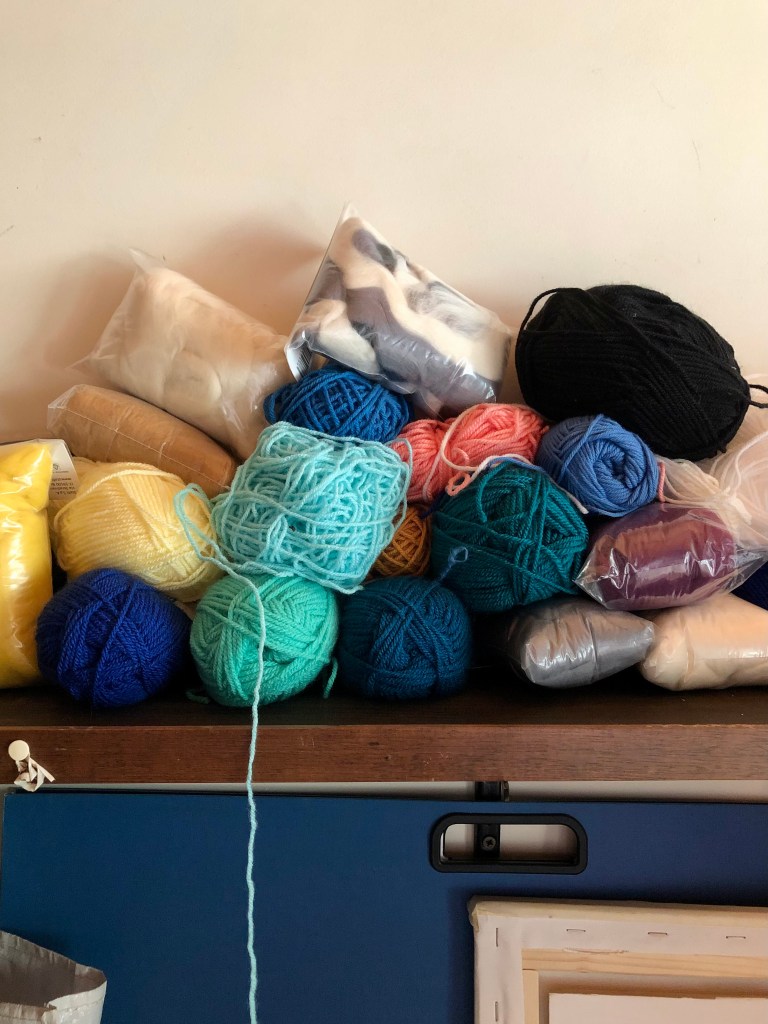
F.P.S.: In cammino col mio lavoro. Attualmente una a fianco all’altro. In pittura come nella realizzazione dei pezzi tessili, pur ricercando una ritualità, attraverso la lenta stratificazioni di gesti che compongono poi l’intera opera, credo di pormi in uno stato di dialogo vigile. A volte, proprio a causa della lentezza necessaria al mio operare, mantenersi tanto vigili durante il lavoro quanto aperti a un dialogo interiore e di relazione con ciò che si sta compiendo è il passaggio più delicato. Quando attenzione e apertura nel processo creativo vengono meno si rischia di rovinare tutto.
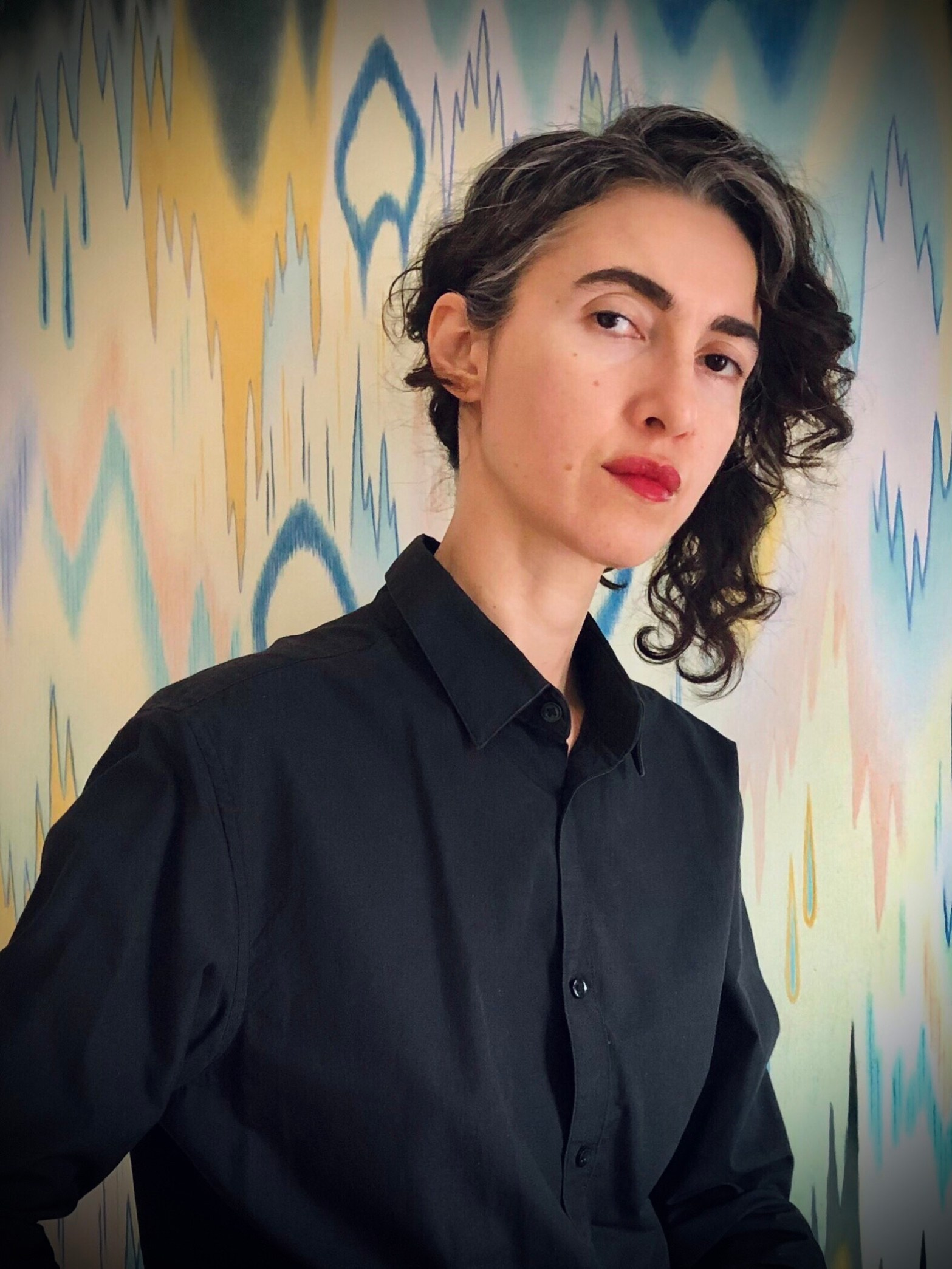
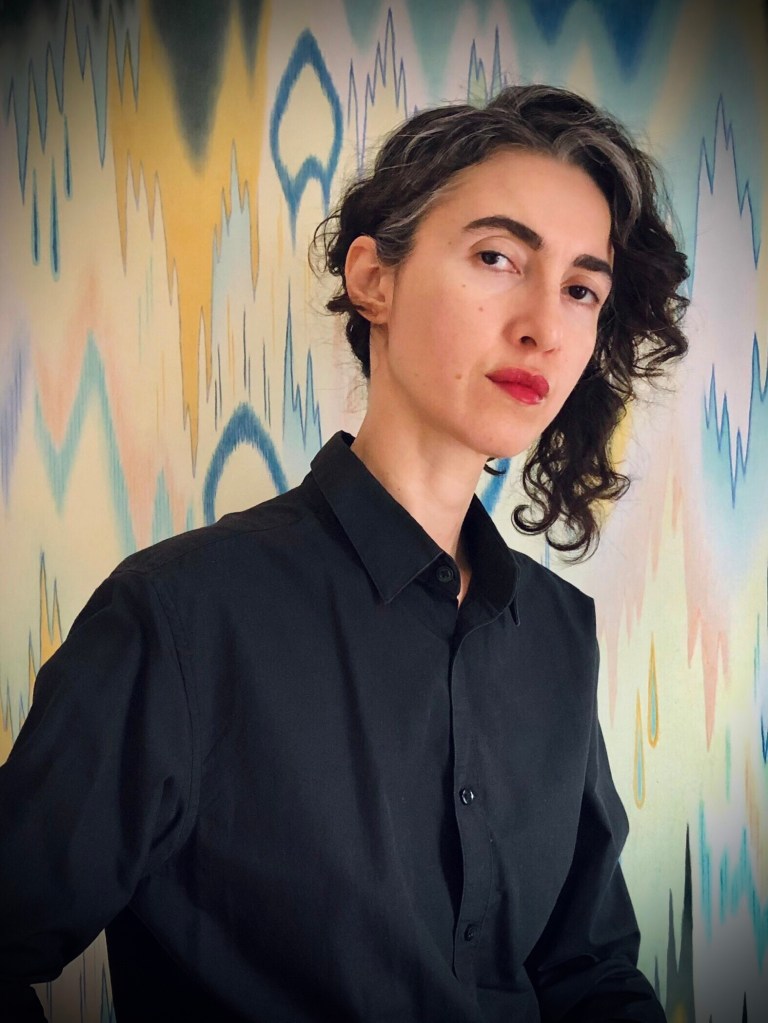
Francesca Pizzo Scuto: Artista visiva, performer e musicista. La sua ricerca si concentra sulla stratificazione e la ripetizione del gesto ricondotto alla dimensione essenziale. Indaga, attraverso un processo di riduzione negli elementi di linea e colore, sequenze ritmiche che rimandano a segmenti musicali. Tali sequenze creano matrici che trovano poi in ambito tessile una trasposizione volta a mantenere un equilibrio tra l’astrazione, il farsi materia e l’oggetto rituale.
Nel 2024 riprende a esporre i suoi lavori dopo diversi anni di attività prevalentemente musicale e teatrale. Dal 2023 collabora con la compagnia Iunta di Catania portando in scena lo spettacolo Brave. Nel 2021 pubblica alcune poesie nella raccolta Cuori a Kabul pubblicata da Graphe.it Edizioni. Dal 2016 collabora con la compagnia teatrale Ateliersi di Bologna con cui porta in scena De Facto e nel 2021 La mappa del cuore di Lea Melandri. Dal 2011 forma il duo Melampus con cui pubblica gli album Ode road, N#7, Hexagon Garden, seguiti da relativi tour. Nel 2010 espone negli Stati Uniti alla Kabe Contemporary, Miami. Nel 2009 in Svizzera all’Hangar 7 di Salisburgo e a partire dal 2007 comincia a esporre in diverse gallerie italiane e nell’ambito del convegno mondiale dell’F.C.E.M. (Femmes cheffes d’enterprises mondiales) “Climate warming and business strategies”.
English text
Interview to Francesca Pizzo Scuto
#paroladartista #intervistaartista #artistinterview #francescapizzoscuto
Parola d’Artista: Hi Francesca, childhood often plays an important role in defining the imagination of those who later decide to embark on the path of art. Was that the case for you too? Tell us.
Francesca Pizzo Scuto: What I remember is spending many years of deep emotional precariousness at home and seeking shelter in a world that was mine alone. Created by me, with my own rules. The practice of drawing has been a language I have used since I was a child and it has been very important. I think it has always been an attempt to create order. Drawing was later joined by reading and writing and later by music.
P.P.A: What was your artistic ‘first love’?
F.P.S.: It is not easy to delve so deeply into the past. I can answer that a few months ago, art historian and friend
Pierluca Nardoni sent me an image of a work by Piero Dorazio that he somehow found close to my research. He did not know that a silkscreen of his has hung in my house in Bologna for as long as I can remember. I found this curious because the secret influence of that work certainly contaminated my feeling. All unbeknownst to me. In the last few months, I think I have moved towards a further synthesis but, as with Dorazio, I will only discover in whose wake others are only when the work is finished.
Pd’A: What studies did you do?
F.P.S.: I attended the Liceo Artistico and the Accademia di Belle Arti in Bologna.
Pd’A: Were there any important encounters during your formative years?
F.P.S.: I believe that an artist’s privilege is to be able to afford perennial training and to be able to seek poetic exchange, throughout his or her entire life, with friends and colleagues. With reference to my academic years, certainly one lecturer above all, Davide Benati, has marked my path. His lectures, often concise and enigmatic at the same time, aroused great expectation in us students and sometimes generated strong inner conflicts. I think his figure is that of a great artist and a great teacher.
Pd’A: How important is the performance aspect in your work?
F.P.S.: From the performance aspect, over years of live concerts and various theatre collaborations, I have realised that at the moment I am more interested in the private creative process than in staging it. In visual art, months of research, often solitary and uncertain, only find a return once they have landed in the gallery. The impermanence of this sharing event that sublimates a long journey seems to me something very fascinating and rare. The fact that my works can give shape to a sedimentation of non-public experience is a very important factor for me, especially in a contemporaneity that has made everyone performers through the use of social media.
Pd’A: Are you interested in the dimension of the sacred?
F.P.S.: It has always interested me. In trying to answer you, I reflect on the fact that the artists I appreciate most are those who manage to convey this sacredness to me. After all, when we are in contact with the work, to remain suspended for a few moments, isn’t that what we desire? Beyond everything that can be said or discussed about an artist’s work, it is precisely what cannot be expressed in words that constitutes the work. A limbo between the material and the contingent. That inexpressible that suspends is for me the dimension of the sacred.
Pd’A: What idea do you have of time and space?
F.P.S.: I experience them both as dimensions within which we have the possibility of adding or removing. Fields of action in which we can add or remove emphasis, dynamics, light, value, density, coordinates of all kinds.
Pd’A: What is your idea of nature?
F.P.S.: The thought of nature tugs at my heartstrings. Perhaps the history of mankind has never been confronted with such a huge gap between those powerful people who only embody the worst aspects of nature -strictly human- and the others, of which I feel I am a part, who by nature mean a very ancient complexity of interrelationships with a delicate balance. I imagine that nature today inspires fear above all. Between those who work tirelessly to annihilate it on the one hand and those who fear that sooner or later they will succeed on the other.
Pd’A: What is your idea of beauty?
F.P.S.: A simplicity that is familiar but at the same time foreign, a gesture that one recognises as one’s own but decides to distance oneself a little from it. To see where it can go. The look of a dog, a future longing, visualising something and trying to realise it. All attempts to try to realise it, even without succeeding. Perhaps it is precisely in the attempt that something unexpected happens. Many books to read. Believing in something or someone other than oneself.
P.A: Do you think a work of art exists if there is no one looking at it?
F.P.S.: No. Art is always in the soul of the beholder.
Pd’A: Where do you stand in relation to your work?
F.P.S.: On the road with my work. Currently one alongside the other. In painting as in the realisation of the textile pieces, while seeking a rituality, through the slow layering of gestures that then make up the whole work, I believe I place myself in a state of vigilant dialogue. Sometimes, precisely because of the slowness required for my work, remaining as vigilant during the work as I am open to an inner dialogue and relationship with what is being made is the most delicate step. When alertness and openness in the creative process are lacking, one risks ruining everything.
Francesca Pizzo Scuto: Visual artist, performer and musician. Her research focuses on the layering and repetition of gesture brought back to the essential dimension. She investigates, through a process of reduction in the elements of line and colour, rhythmic sequences that refer to musical segments. These sequences create matrices that are then transposed into textiles in order to maintain a balance between abstraction, becoming matter and the ritual object.
In 2024 he resumed exhibiting his works after several years of mainly musical and theatrical activity. Since 2023, he has collaborated with the Iunta company in Catania, staging the show Brave. In 2021 he published some poems in the collection Cuori a Kabul published by Graphe.it Edizioni. Since 2016 he has collaborated with the Ateliersi theatre company in Bologna, with which he staged De Facto and in 2021 La mappa del cuore by Lea Melandri. In 2011, he formed the duo Melampus with which he released the albums Ode road, N#7, and Hexagon Garden, followed by related tours. In 2010 he exhibited in the United States at Kabe Contemporary, Miami. In 2009 in Switzerland at Hangar 7, Salzburg and from 2007 she began exhibiting in various Italian galleries and at the F.C.E.M. (Femmes cheffes d’enterprises mondiales) world conference ‘Climate warming and business strategies’.
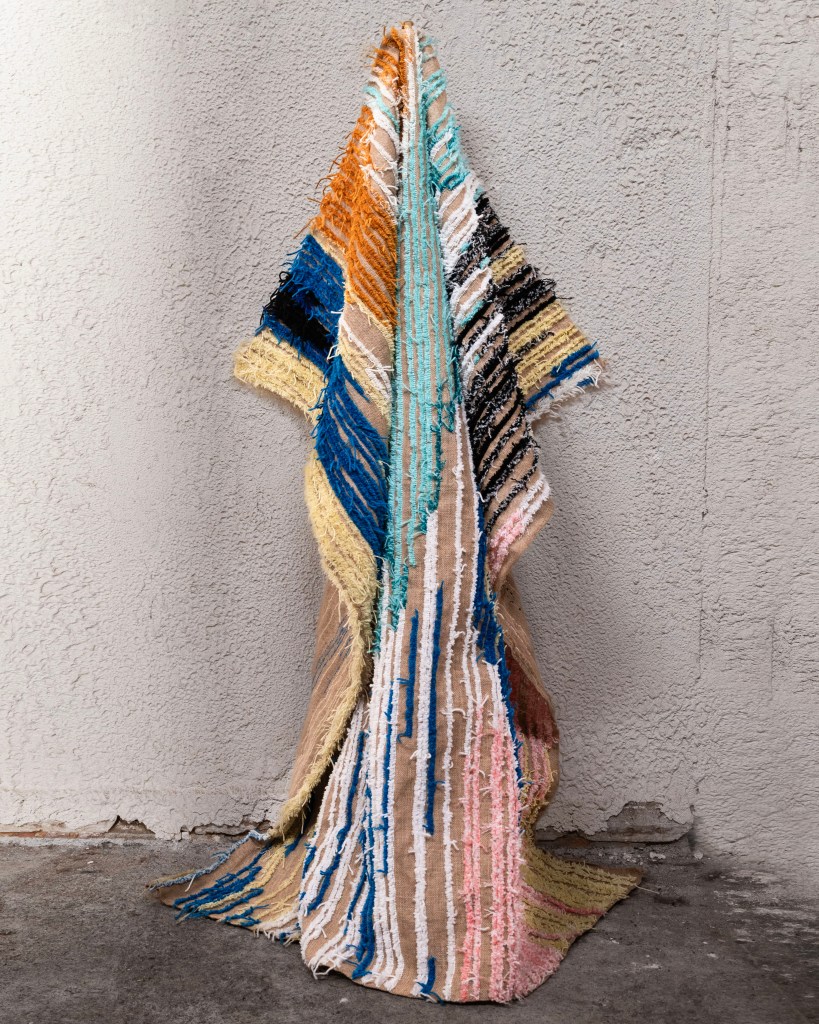
Fiotto.
Burlap, wool, acrilic, 175 x 155 cm. 2024
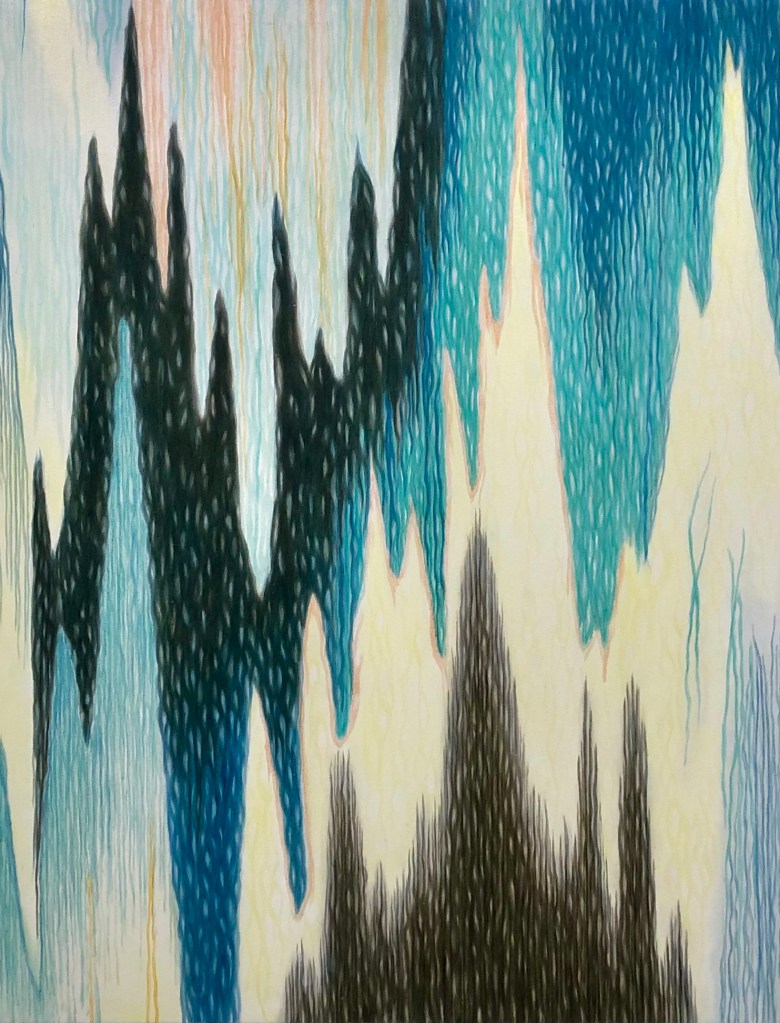
Se #02.
Oil on canvas, 100 x 80 cm 2023
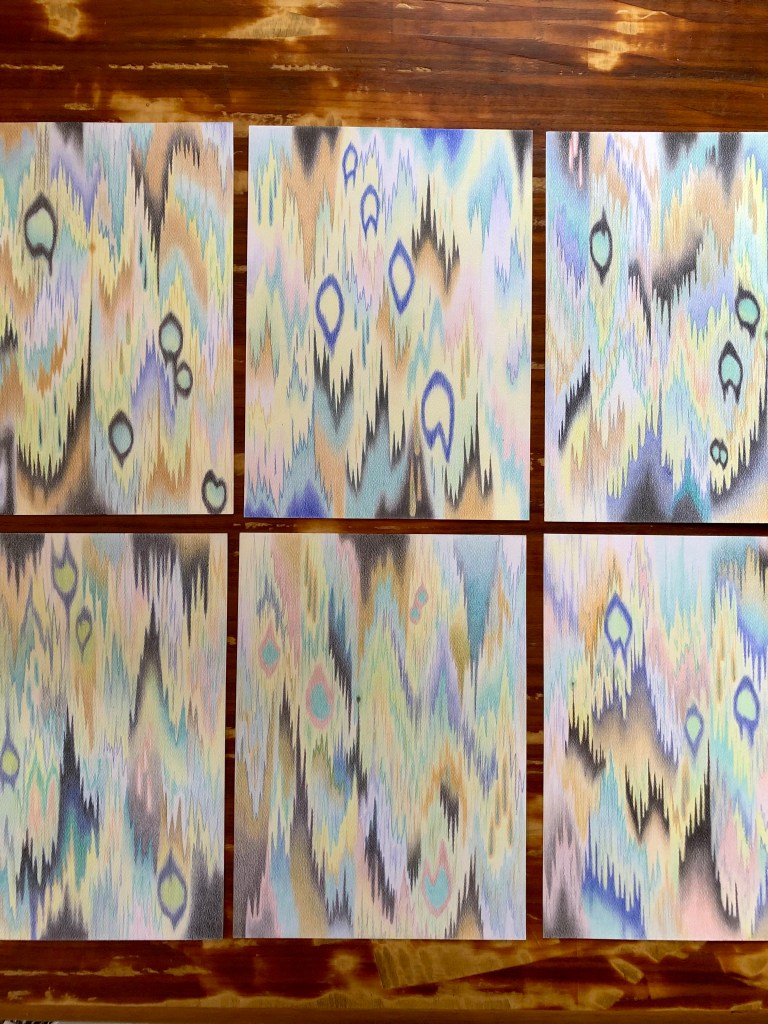
“So” Series of studies.
Pastels on paper

 paroladartista.com