
(scroll down for English Text)
#paroladartista #rachelmorellet #nellostudiodi #artiststudio
Prima di rispondere alla domanda di Parola d’Artista: qual è il mio rapporto con il mio studio, ho riflettuto molto perché non mi ero mai posta la domanda. Cosi mi sono sorpresa a cercarne la definizione nel dizionario. Treccani dice: Ambiente o complesso di ambienti arredato e attrezzato per lo svolgimento di determinate attività professionali. s. artistico, s. di pittore, di scultore, dotati di particolari condizioni di illuminazione naturale (grandi finestre sulle parti alte delle pareti, lucernari nel soffitto). Un laboratorio è simile, su Wikipedia leggo: Un laboratorio (dal latino medievale laboratorium, derivato da laborare ovvero “lavorare) è un edificio o un locale attrezzato e dedicato allo studio di un determinato argomento, non necessariamente scientifico.
Le mie origini francesi mi spingono a cercare anche la definizione di Atelier. L’enciclopedia Larousse dice: Locale attrezzato per il lavoro di un pittore, scultore o fotografo; tipo di abitazione caratterizzata da soffitti alti, un grande tetto di vetro o una grande porta-finestra e solitamente esposta a nord. Locali in cui le persone lavorano manualmente per il loro mestiere o per il loro piacere. Wikipedia da altre informazioni interessanti: Un’atelier è un luogo (spesso una stanza) dedicato alla produzione. In origine, la bottega (L’astelier), deriva dall’antica parola Astelle, un pezzo di legno, era quindi un luogo dove si lavorava il legno. È diventato il luogo in cui venivano creati mestieri e le belle arti. Oppure: L’atelier contemporaneo è generalmente la stanza di lavoro di un artista, eventualmente assistito. È questo significato della parola atelier che è stato esportato in tutto il mondo (atelier in Inglese, atolié in Giapponese).
Il Centre National des ressources textuelles et lexicales invece dice: Luogo in cui si svolge un lavoro manuale, in cui si praticano attività artistiche o ricreative; p.est: luogo in cui si crea un’opera d’arte.
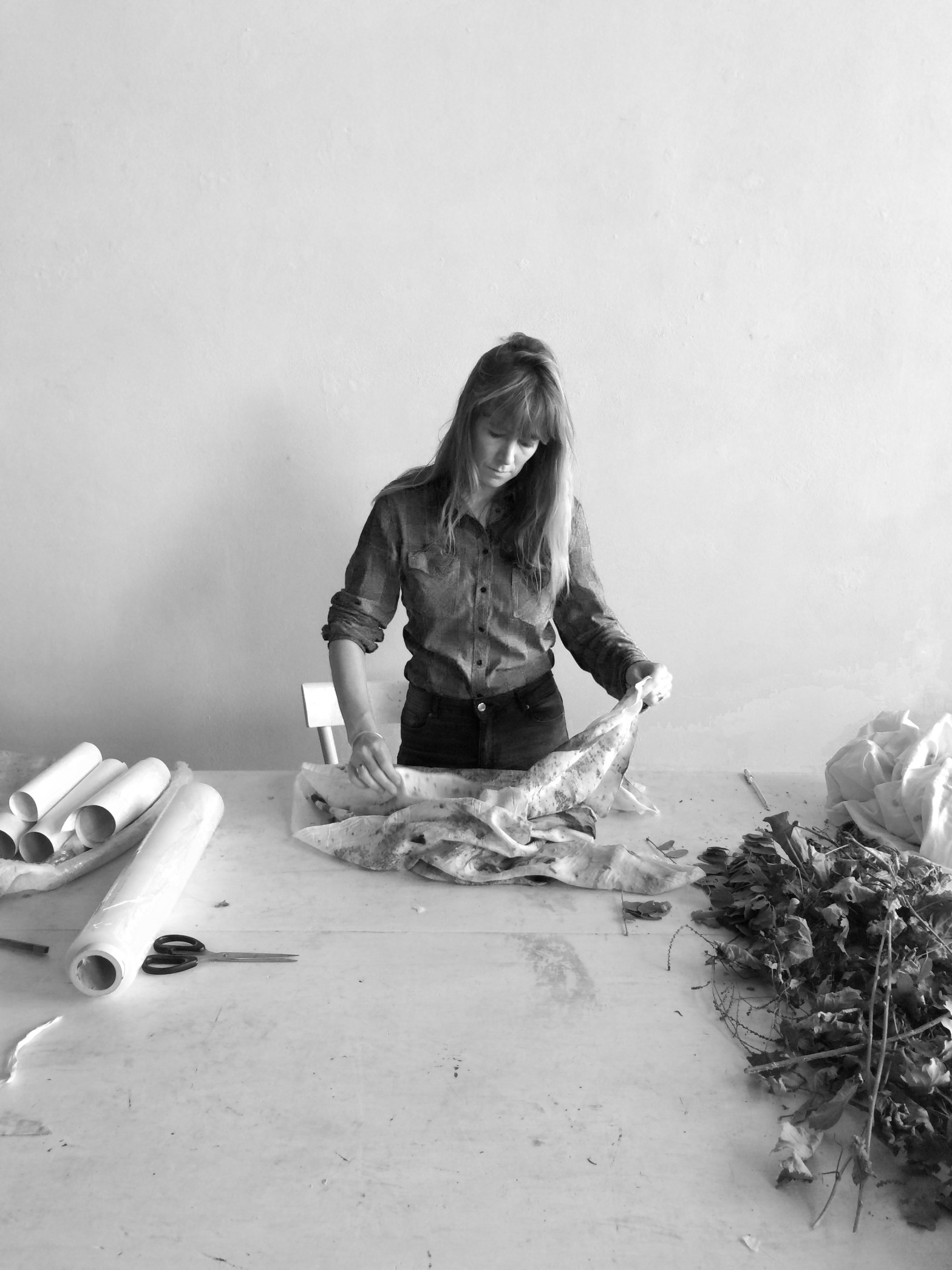
Prima di tutto la cosa che trovo interessante è la nozione ripetuta di piacere. “…per il loro piacere…attività ricreative…”. E rilevante il sentimento positivo che viene associato al tipo di lavoro svolto in questo luogo. Un altro aspetto attraente sono le caratteristiche della luce, “…grandi finestre sulle parti alte delle pareti, lucernari nel soffitto…soffitti alti, un grande tetto di vetro…” Quindi per definizione la presenza di una certa qualità della luce associata al piacere sono necessarie alla produzione del mestiere d’artista. Allora mi immagino questa scena: un’artista al centro di una bella stanza poco arredata, illuminata da una fonte di luce naturale fredda ma intensa, e che sorride! Una visione che flirta con il cliché e che non rappresenta il più delle volte la realtà di tanti artisti sia del passato che contemporanei.
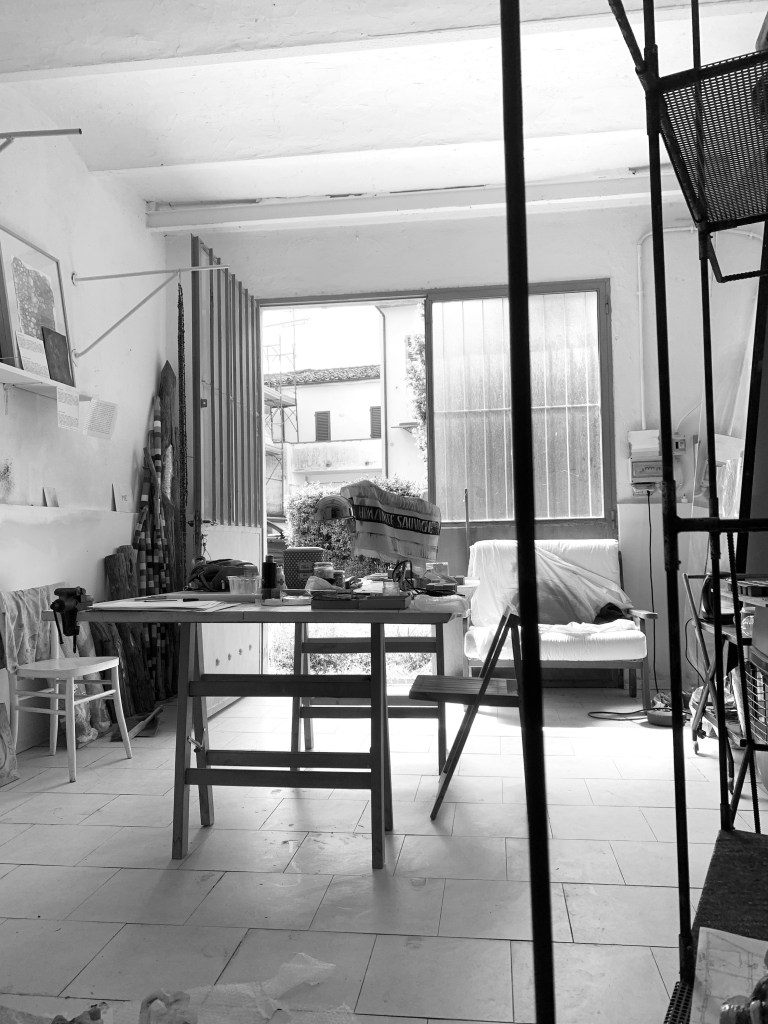
Nel mio atelier, che corrisponde si e no con le descrizioni sopra elencate, svolgo sia il mio lavoro artistico che l’attività di restauro di opere. Fino ad ora sono stati quattro. Il primo, in condivisione, era in centro a Empoli, due stanzette con una vetrina sulla strada. Il secondo lo trovai a Vinci, lo chiamai Studio Chimera, perché svolgevo per la prima volta tre attività, restauro, creazione e curatela di mostre. Era piccolo, abbastanza basso di soffitto e aveva una stanza sotterranea perfetta per conservarci salumi o vino ma non opere d’arte. Il terzo, era condiviso, chiamato Interno8 e divenuto sede dell’associazione Artforms, nella città di Prato. Anche lì per otto anni ho restaurato, realizzato opere e curato mostre in collaborazione. Molto grande e alto di soffitto, con un grande lucernario esposto a nord, in un complesso interessante dal punto di vista culturale. Quello attuale si trova a Limite sull’Arno, è personale, più piccolo, tutto bianco con una porta finestra ben illuminata.
Per quanto riguarda il mio lavoro artistico, vivo questi spazi maggiormente durante la realizzazione delle opere che durante la loro genesi. I momenti di studio veri e propri, durante i quali effettuo ricerche, analizzo le idee, le scarto, leggo, realizzo schizzi o scrivo appunti, nascono a casa mia. Quanto ai lavori di restauro dentro l’atelier sono quelli svolti sulle opere di piccolo formato. Fuori sede effettuo i restauri su grandi formati, le perizie tecniche, i condition report, l’accompagnamento di opere durante i trasporti e a volte l’assistenza e l’installazione.
Tornando al rapporto che ho con i miei studi, forse per queste ragioni, non provo un particolare legame con essi, li vedo più come dei contenitori. Sicuramente il mio rapporto, in maniera generale, è molto più intenso e forte con le opere che contengono.
English Text
Artist studio Rachel Morellet
#paroladartista #rachelmorellet #nellostudiodi #artiststudio
Before answering the Parola d’Artista question: what is my relationship with my studio, I did a lot of thinking because I had never asked myself the question. So I surprised myself by looking up its definition in the dictionary. Treccani says: A room or complex of rooms furnished and equipped for the performance of certain professional activities. s. artistic, s. of a painter, of a sculptor, equipped with special conditions of natural lighting (large windows in the upper parts of the walls, skylights in the ceiling). A laboratory is similar, on Wikipedia I read: A laboratory (from the Medieval Latin laboratorium, derived from laborare meaning ‘to work’) is a building or room equipped and dedicated to the study of a particular subject, not necessarily scientific.
My French origins also lead me to look up the definition of Atelier. The Larousse encyclopaedia says: A room equipped for the work of a painter, sculptor or photographer; a type of dwelling characterised by high ceilings, a large glass roof or a large French window and usually facing north. Rooms where people work manually for their trade or pleasure. Wikipedia gives other interesting information: An atelier is a place (often a room) dedicated to production. Originally, workshop (L’astelier), comes from the ancient word Astelle, a piece of wood, so it was a place where wood was worked. It became the place where crafts and the fine arts were created. Or: The contemporary atelier is generally the working room of an artist, possibly assisted. It is this meaning of the word atelier that has been exported all over the world (atelier in English, atolié in Japanese).
The Centre National des ressources textuelles et lexicales, on the other hand, says: Place where manual work is carried out, where artistic or recreational activities are practised; p.est: place where a work of art is created.
First of all, what I find interesting is the repeated notion of pleasure. ‘…for their pleasure…recreational activities…’. And relevant is the positive feeling that is associated with the type of work done here. Another attractive aspect is the light characteristics, ‘…large windows in the upper parts of the walls, skylights in the ceiling…high ceilings, a large glass roof…’. So by definition the presence of a certain quality of light associated with pleasure are necessary for the production of the artist’s craft. So I imagine this scene: an artist in the centre of a beautiful, sparsely furnished room, illuminated by a cool but intense natural light source, and smiling! A vision that flirts with cliché and most often does not represent the reality of many artists, both past and contemporary.
In my studio, which corresponds yes and no with the descriptions above, I carry out both my artistic work and the restoration of works. Up to now there have been four. The first, shared, was in the centre of Empoli, two small rooms with a shop window on the street. The second I found in Vinci, I called it Studio Chimera, because I was doing three activities for the first time, restoration, creation and curating exhibitions. It was small, quite low on the ceiling and had an underground room perfect for storing cold meats or wine but not works of art. The third, was shared, called Interno8 and became the headquarters of the Artforms association, in the city of Prato. There too for eight years I restored, created works and curated exhibitions in collaboration. It was very large and high-ceilinged, with a large skylight facing north, in a culturally interesting complex. The current one is in Limite sull’Arno, it is personal, smaller, all white with a well-lit French window.
As for my artistic work, I experience these spaces more during the realisation of the works than during their genesis. The actual study moments, during which I research, analyse ideas, discard them, read, make sketches or write notes, arise in my home. As for the restoration work inside the studio, these are the ones carried out on small format works. Outside the studio, I do restoration work on large formats, technical appraisals, condition reports, accompanying works during transport and sometimes assistance and installation.
Returning to the relationship I have with my studios, perhaps for these reasons, I do not feel a particular connection with them, I see them more as containers. Certainly my relationship, in a general way, is much more intense and strong with the works they contain.
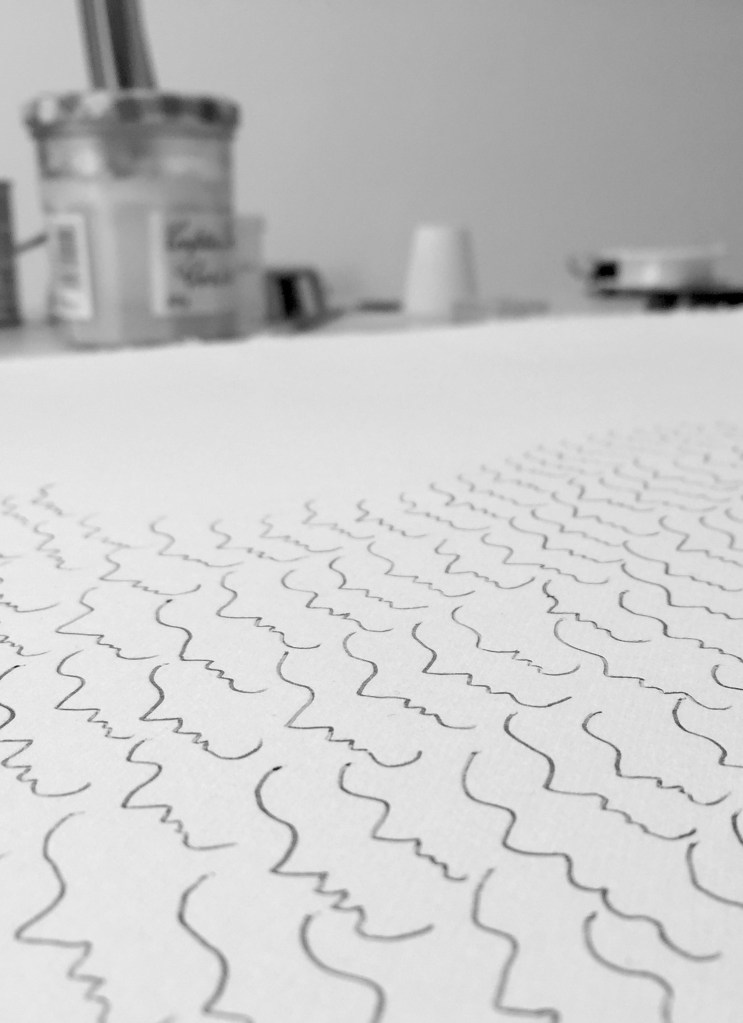
Rachel Morellet Artist studio
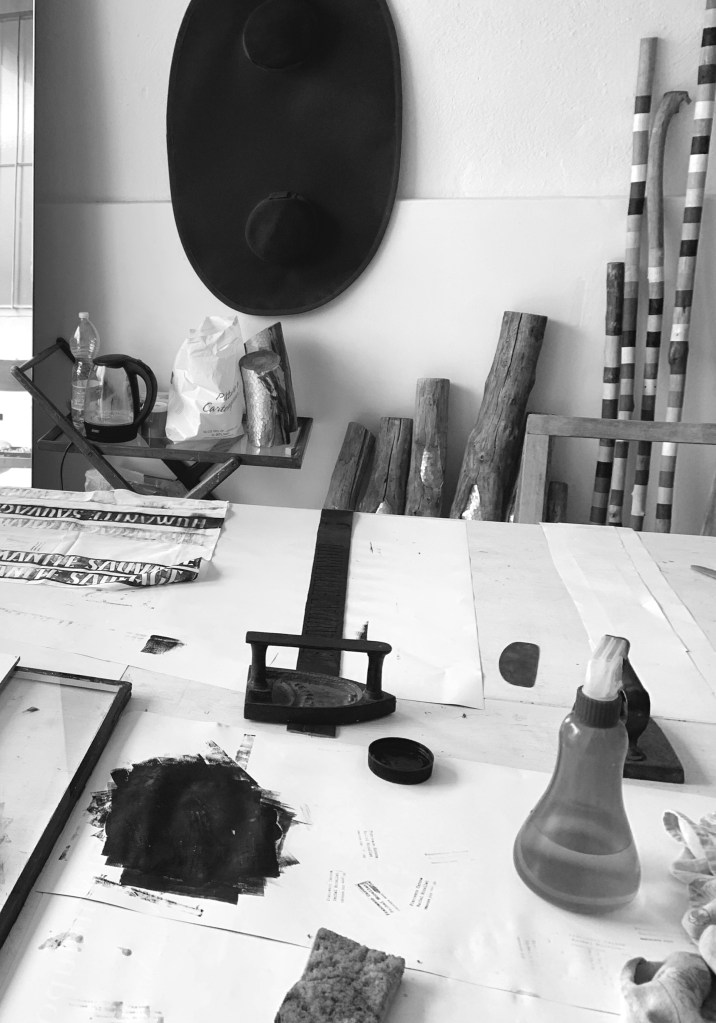
Rachel Morellet Artist studio
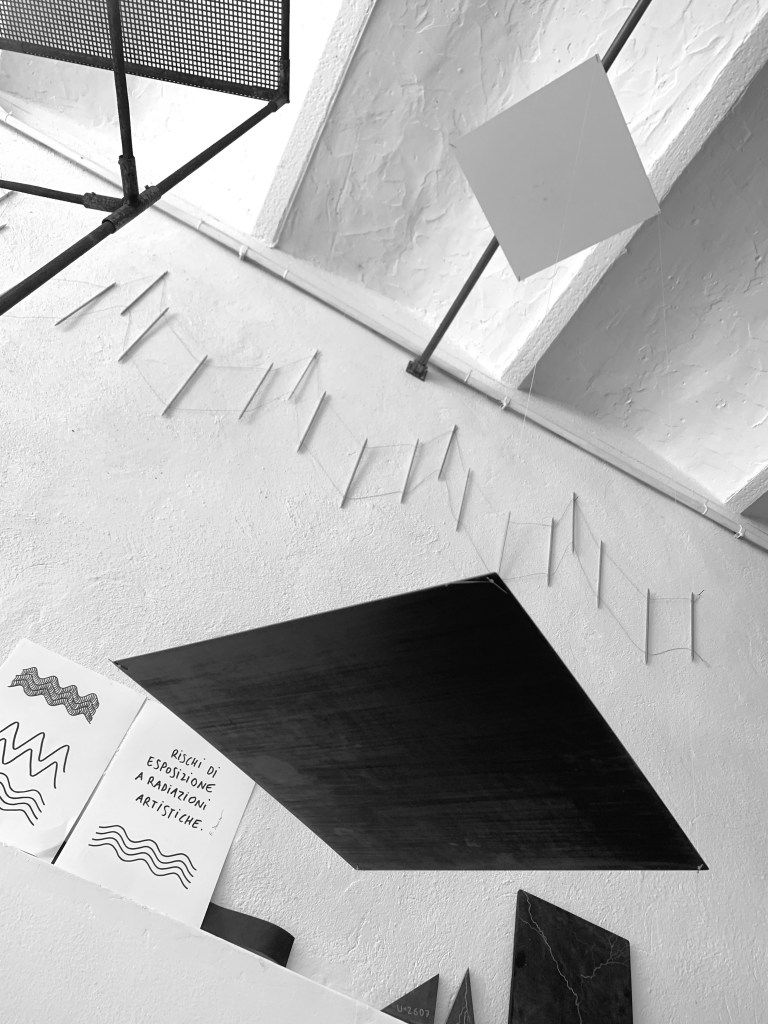
Rachel Morellet Artist studio
Rachel Morellet Artist studio
Rachel Morellet Artist studio

Rachel Morellet Artist studio
 paroladartista.com