
(▼Scroll down for English text)
#paroladartista #intervistaartista #artistinterview #federicomazza
Parola d’Artista: Per la maggior parte degli artisti, l’infanzia rappresenta il periodo d’oro in cui iniziano a manifestarsi i primi sintomi di un certo interesse verso l’arte. È stato così anche per te?
Racconta.
Federico Mazza: Anche per me è stato esattamente così, ricordo che avevo pochi anni quando disegnavo già paesaggi con una sorta di prospettiva a volo d’uccello, come se io fossi a mezz’aria davanti a una collina. Immaginavo paesaggi e stradine di campagna che si sviluppavano tra vallate e corsi d’acqua, casette sparse qua e là. Una specie di idillio campestre vagamente antropizzato di bassa collina.Non solo paesaggi ma anche ritratti, non di figure umane ma di macchine: navi mercantili, velieri, aerei, astronavi e camion la facevano da padroni. La mia famiglia giocò un ruolo cruciale (lo gioca sempre, in ogni caso immagino) una madre che si dilettava nella scultura, un padre profondamente amante della natura e due fratelli più grandi, dunque, essendo il terzo e ultimo figlio, ho assorbito le passioni di almeno 4 persone più grandi di me oltre alle mie, senza contare poi il grande supporto di un cugino lontano, artista sotto il Vesuvio, e una zia psicologa poco più giù, verso il litorale, di fronte a Capri, che mi riempiva di matite colorate e fogli Fabriano ogni volta che scendevo in estate a trovare i parenti a Torre del Greco. Odore di carta e trucioli, friniti e pietra lavica. Era l’estate del tempo indefinito, quella dell’infanzia e del disegno, in cui passato, presente e futuro erano tutt’uno.
Pd’A: Hai avuto un primo amore artistico?
F.M.: Il mio primo amore artistico mi è stato suggerito da una mia carissima amica. I miei lavori giovanili dell’epoca le ricordavano Edward Hopper così mi esortò a scoprirlo. Come non innamorarsene! Il secondo amore artistico non me lo hai chiesto ma te lo dirò comunque, si chiama Gerhard Richter.
Pd’A: Quali studi hai fatto?
F.M.: Dopo il liceo scientifico mi sono diplomato in grafica pubblicitaria.
Pd’A: Ci sono stati degli incontri importanti durante la tua formazione?
F.M.: Se per formazione intendiamo il periodo degli studi allora posso dire che ho avuto la fortuna di incontrare quelle che poi sarebbero diventate grandi amicizie e che hanno affinato il mio sguardo sul mondo.
Pd’A: Nel tempo come si è sviluppato il tuo lavoro?
F.M.: I bordi erano definiti, ora non lo sono più, perlomeno non nei lavori di figurazione.
Pd’A: Le immagini che dipingi hanno un’origine fotografica?
F.M.: La fotografia è quel libro attraverso il quale posso studiare quello che vorrei dipingere (anche i libri sono macchine, come le macchine fotografiche). Indubbiamente le immagini dipinte sono state tutte processate da una fotografia quasi sempre da me realizzata in precedenza, con scatti molto casuali e in tutta fretta, senza mai uno studio approfondito della prospettiva, o delle luci, viene solo usata per un seguente assemblaggio pittorico. In genere non cerco tanto la riproduzione di quella specifica fotografia ma solo la sua atmosfera, l’essenza.
Negli ultimi anni ho iniziato a collezionare foto estratte dalle telecamere meteo amatoriali o di stazioni meteorologiche (webcam) sparse per il mondo. Trovo abbiano una grandissima potenza dovuta al fatto che il più delle volte sono offuscate sia per la bassa risoluzione che dal disturbo della trasmissione dati, cosi come per le condizioni atmosferiche da me ricercate. Spesso seleziono immagini da dipingere dalla stessa webcam ma a diversi orari e la condivido nella pagina Instagram https://www.instagram.com/webcamserie , un po’ come Monet nella serie delle Cattedrali di Rouen. Ho iniziato anche a riprodurre queste immagini in pittura, cercando di limitare il più possibile variazioni da quello che potevo recepire da queste piccole immagini low-fi prese dal web.
Pd’A: Che importanza e che ruolo ha il disegno nel tuo lavoro?
F.M.: Per quanto mi riguarda tutto è disegnato. Tutto è disegno e sia chiaro che non sto affermando che qualcuno lo abbia disegnato. Sto affermando solamente che tutto è disegnato.
Pd’A: Quando inizi un lavoro hai già un’idea chiara di come si svilupperà o c’è spazio per delle modifiche in corso d’opera?
F.M.: I miei dipinti vanno per conto loro, io non li freno, non mi azzarderei mai, non mi piace avere un’idea chiara in pittura, forse perché mi spaventa: la morte e la fine di tutto mi paiono già abbastanza chiare, perché restare in questa gabbia!
Cerco quindi un ordine caotico, confuso e che prende forma in calcio d’angolo, visionaria, che si trasforma in corso d’opera, anzi alla fine dell’opera.
Un istante prima dell’ultima pennellata non c’è quasi nulla sulla tela.
Cambia tantissime volte forma e colore, la pittura si sposta da una parte all’altra, in transito, cerco di tenerla ferma per un istante nella speranza che mi soddisfi.
Ma non è sempre così. Con la serie Webcam ultimamente sto entrando in un’altra strada leggermente bloccata su qualcosa di più fedele all’idea originaria, la fotografia di partenza, sempre senza mai fissarmi sulla esatta riproduzione, non sono un iperrealista.
Pd’A: Il caso, l’incidente nel tuo lavoro hanno un ruolo ?
F.M.: Come detto sopra, lascio molto al caso, pur avendo le idee chiarissime sul fatto che – alla fine – non lascerò nulla al caso.
Pd’A: Lavori per serie, ti concentri su un dipinto per volta o ne realizzi diversi insieme?
F.M.: Lavoro per serie. Spesso con due o tre lavori contemporaneamente se di piccole dimensioni, mentre per i lavori grandi, non avendo uno studio spazioso, posso lavorare solo a un pezzo alla volta.
Pd’A: Ho visto che prediligi formati di piccole dimensioni per quale motivo?
F.M.: Perché sono leggeri e meno impegnativi, sono quasi tascabili.
Pd’A: L’idea di messa in scena del lavoro riferita alla sua esposizione ha una qualche importanza?
F.M.: Non mi interessa la messa in scena del lavoro, mi interessa più che altro il lavoro in sè.
Pd’A: Che tipo di dialogo cerchi con lo spettatore che si trova davanti al tuo lavoro?
F.M.: Mi piace sapere che lo spettatore si emozioni come mi sono emozionato io quando ho visto per la prima volta quell’immagine dipinta.
Pd’A: Che cosa succede alle opere quando non c’è nessuno che le osserva, l’esistenza di un opera d’arte può prescindere dalla presenza di un osservatore?
F.M.: C’era una volta un contadino che, di nascosto e senza che nessuno lo vedesse, arò la terra per un giorno intero. A fine giornata, voltandosi mentre tornava soddisfatto a casa, si ritrovò con un terreno pieno di rovi, come se nessuno lo avesse mai arato prima! Questa parabola che ho apprestato per risponderti, ha due soluzioni: o il contadino è pazzo e ha inventato tutto, oppure è semplicemente una storia falsa! L’opera è un lavoro come quello del contadino: esiste dal momento in cui viene messa ..in opera.
Pd’A: Secondo te l’artista dove si pone nei confronti della sua opera?
F.M.: Per quanto mi riguarda mi sento uno spettatore, alla pari di chi lo guarda per la prima volta.
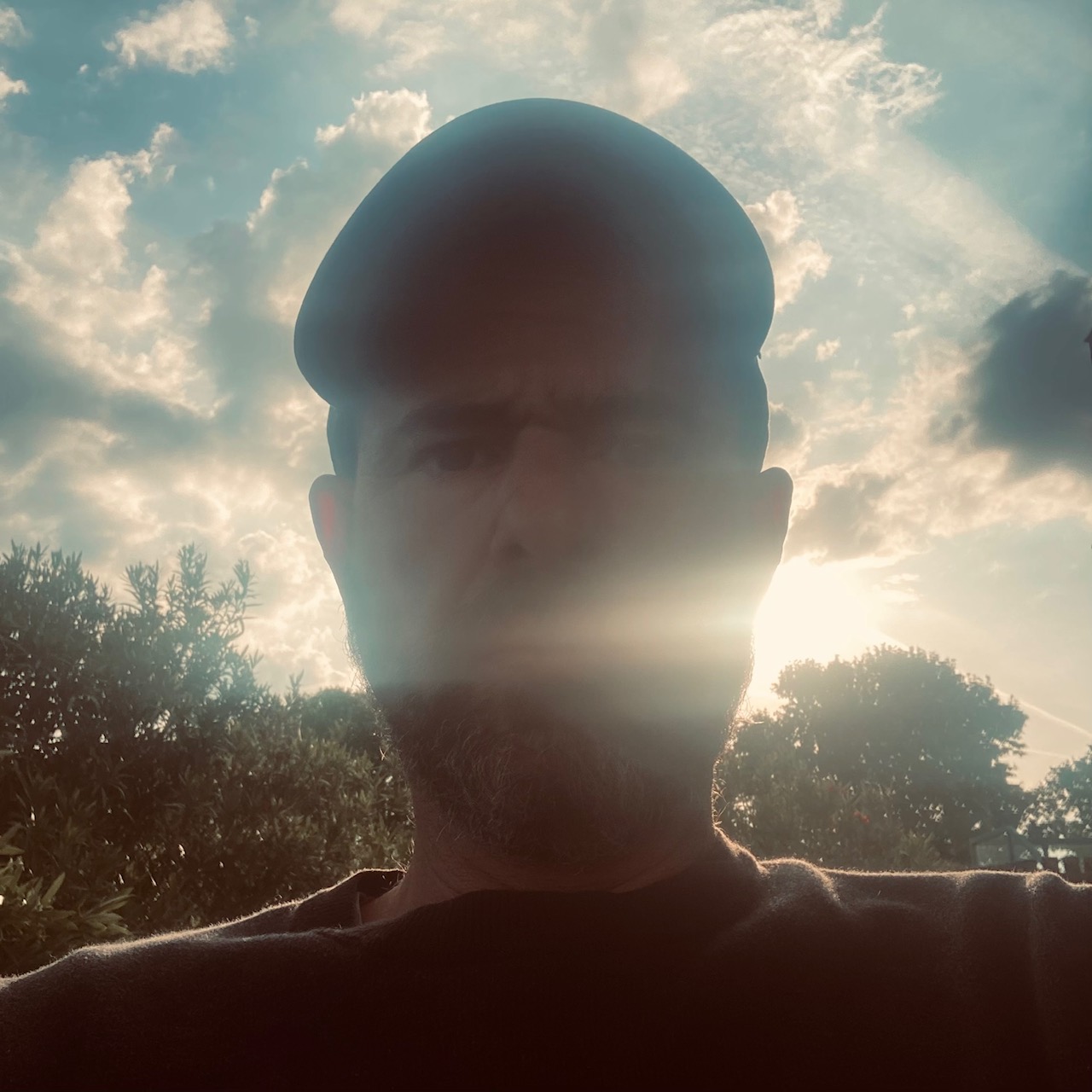
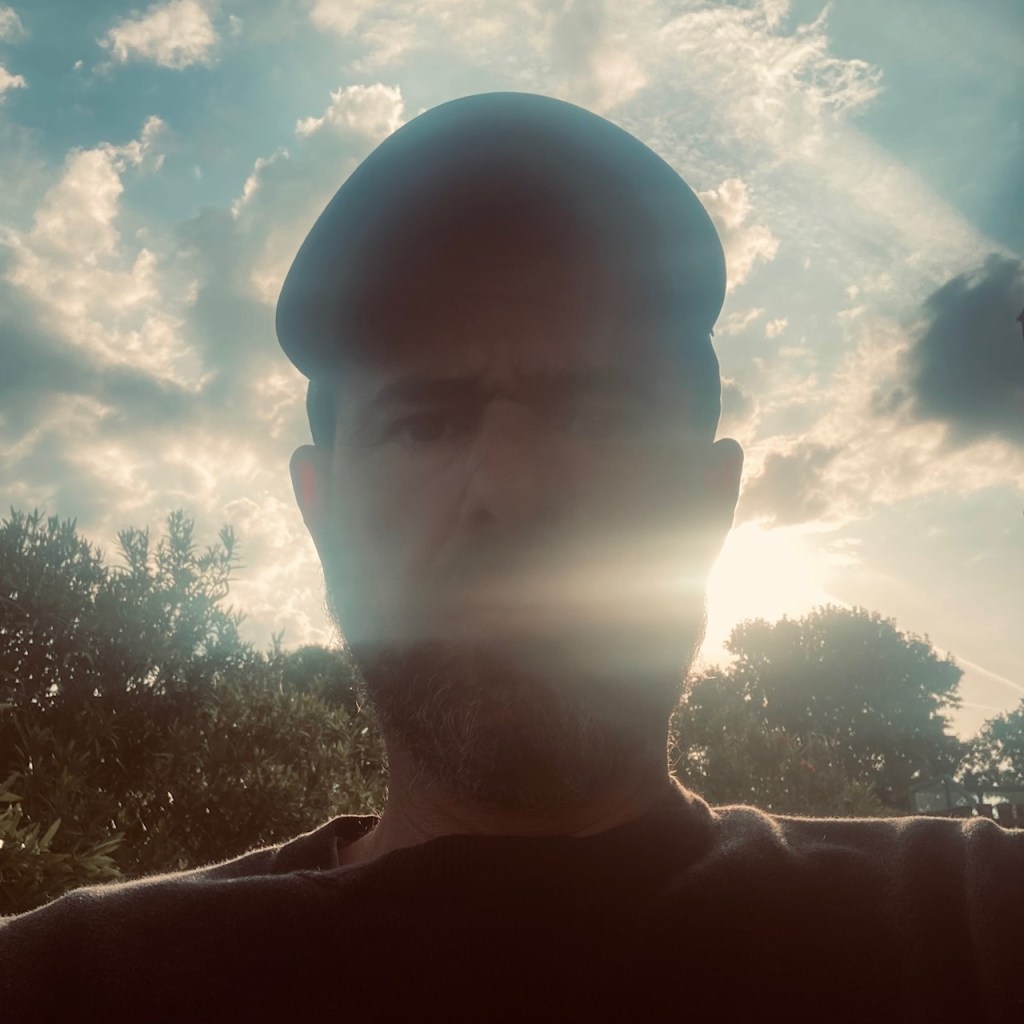
Federico Mazza (1976, Roma) è un pittore e grafico multimediale che vive e lavora in Italia centrale. Come pittore ha esposto in Italia e all’estero, in gallerie private e spazi pubblici come il Museo di Arte Contemporanea di Lissone (finalista del Premio Lissone 2010) e inserito nella Collezione permanente delle Arti del Fuoco a Villa Vertua Masolo di Nova Milanese.
Come graphic designer nel 2022 il poster realizzato per il film “No Bears” (Gli orsi non esistono) di Jafar Panahi, è stato selezionato nella “Best movie posters of the year list” di MUBI.
English text
Federico Mazza Artist interview
#paroladartista #intervistaartista #artistinterview #federicomazza
Parola d’Artista: For most artists, childhood represents the golden period
in which the first symptoms of a certain interest in
art. Was that the case for you too?
Tell us.
Federico Mazza: It was exactly like that for me too, I remember that I was only a few years old when
I was only a few years old when I was already drawing landscapes with a sort of bird’s eye perspective, as if
I was in mid-air in front of a hill. I imagined landscapes and
between valleys and streams, small houses scattered here and there.
there. A sort of vaguely man-made country idyll of low hills.Not
landscapes but also portraits, not of human figures but of machines: ships
ships, sailing ships, aeroplanes, spaceships and trucks dominated the scene. My
family played a crucial role (it always does, anyway I imagine) a
mother who dabbled in sculpture, a father who was deeply fond of
nature and two older brothers, so being the third and last child, I
absorbed the passions of at least four people older than me in addition to my own,
not to mention the great support of a distant cousin, an artist under
Vesuvius, and a psychologist aunt a little further down the coast, opposite
Capri, who would fill me with coloured pencils and Fabriano sheets every time
I went down in the summer to visit relatives in Torre del Greco. Smell of paper and
shavings, frinites and lava stone. It was the summer of indefinite time, that
of childhood and drawing, in which past, present and future were one.
Pd’A: Did you have a first artistic love?
F.M.: My first artistic love was suggested to me by a very dear
friend. My youthful works at the time reminded her of Edward Hopper so she
urged me to discover him. How not to fall in love with him! The second artistic love you didn’t
you asked but I’ll tell you anyway, his name is Gerhard Richter.
Pd’A: What studies did you do?
F.M.: After high school I graduated in advertising graphics.
Pd’A: Were there any encounters
important encounters during your training?
F.M.: If by training we mean the period of my studies, then I can say that
I was lucky enough to meet those who would later become great
friendships and that sharpened my outlook on the world.
Pd’A: How has your work developed over time?
your work?
F.M.: The edges were defined, now they are no longer, at least not in figurative works.
Pd’A: Do the images you paint have a photographic origin?
F.M.: Photography is that book through which I can study what I would like to paint (books are also machines, like cameras). Undoubtedly the painted images have all been processed from a photograph I almost always took earlier, with very random and hasty shots, without ever an in-depth study of perspective, or lighting, it is just used for a subsequent pictorial assemblage. Generally I am not so much looking for the reproduction of that specific photograph but only its atmosphere, its essence.
In recent years, I have started to collect photos taken from amateur weather cameras or weather stations (webcams) around the world. I find they have a great deal of power due to the fact that most of the time they are blurred either by low resolution or by the disturbance of the data transmission, as well as by the weather conditions I am looking for. I often select images to paint from the same webcam but at different times and share it on my Instagram page https://www.instagram.com/webcamserie , a bit like Monet in his Rouen Cathedrals series. I have also started to reproduce these images in paint, trying to limit as much variation as possible from what I could get from these little low-fi images taken from the web.
Pd’A: What importance and role does drawing play in your work?
F.M.: As far as I am concerned everything is drawn. Everything is drawn, and let me be clear that I am not claiming that anyone has drawn it. I am only saying that everything is drawn.
Pd’A: When you start a work, do you already have a clear idea of how it will develop or is there room for changes during the course of the work?
F.M.: My paintings go their own way, I don’t restrain them, I would never dare, I don’t like to have a clear idea in painting, perhaps because it frightens me: death and the end of everything already seem clear enough to me, why stay in this cage!
So I look for a chaotic, confused order that takes shape in the corner, visionary, that transforms in the course of the work, or rather at the end of the work.
An instant before the last brushstroke, there is almost nothing on the canvas.
It changes shape and colour so many times, the paint moves from one side to the other, in transit, I try to hold it still for a moment in the hope that it will satisfy me.
But it doesn’t always. With the Webcam series lately I am entering another path slightly stuck on something more faithful to the original idea, the starting photograph, always without ever fixing on the exact reproduction, I am not a hyperrealist.
Pd’A: Does chance, accident play a role in your work?
F.M.: As mentioned above, I leave a lot to chance, although I am very clear that – in the end – I leave nothing to chance.
Pd’A: Do you work in series, do you concentrate on one painting at a time or do you do several together?
F.M.: I work per series. Often with two or three works at the same time if they are small, whereas for large works, as I do not have a spacious studio, I can only work on one piece at a time.
Pd’A: I have seen that you prefer small formats for what reason?
F.M.: Because they are light and less demanding, they are almost pocket-sized.
Pd’A: Does the idea of staging the work in relation to your exhibition have any importance?
F.M.: I am not interested in the staging of the work, I am more interested in the work itself.
Pd’A: What kind of dialogue do you seek with the spectator who is in front of your work?
F.M.: I like to know that the viewer gets as excited as I did when I first saw that painted image.
Pd’A: What happens to the works when there is no one there to observe them, can the existence of a work of art be independent of the presence of an observer?
F.M.: There was once a farmer who, secretly and without anyone seeing him, ploughed the land for a whole day. At the end of the day, turning around on his way home satisfied, he found himself with a field full of brambles, as if no one had ever ploughed it before! This parable that I have set out to answer has two solutions: either the farmer is crazy and has made it all up, or it is simply a false story! The work is a work like that of the farmer: it exists from the moment it is put …in place.
Pd’A: Where do you think the artist stands in relation to his work?
F.M.: As far as I am concerned, I feel like a spectator, on a par with someone looking at it for the first time.
Federico Mazza (b.1976, Rome, Italy). Painter, movie poster designer, graphic and web designer living and working in Italy. As a painter he has exhibited in Italy and abroad, in private galleries and public spaces such as the Museum of Contemporary Art in Lissone (finalist of the 2010 Lissone Prize) and the Permanent Collection Arti del Fuoco of Villa Vertua Masolo in Nova Milanese.
As a graphic designer in 2022 his poster for “No Bears” by Jafar Panahi, was selected in the Best movie posters of the year list for MUBI
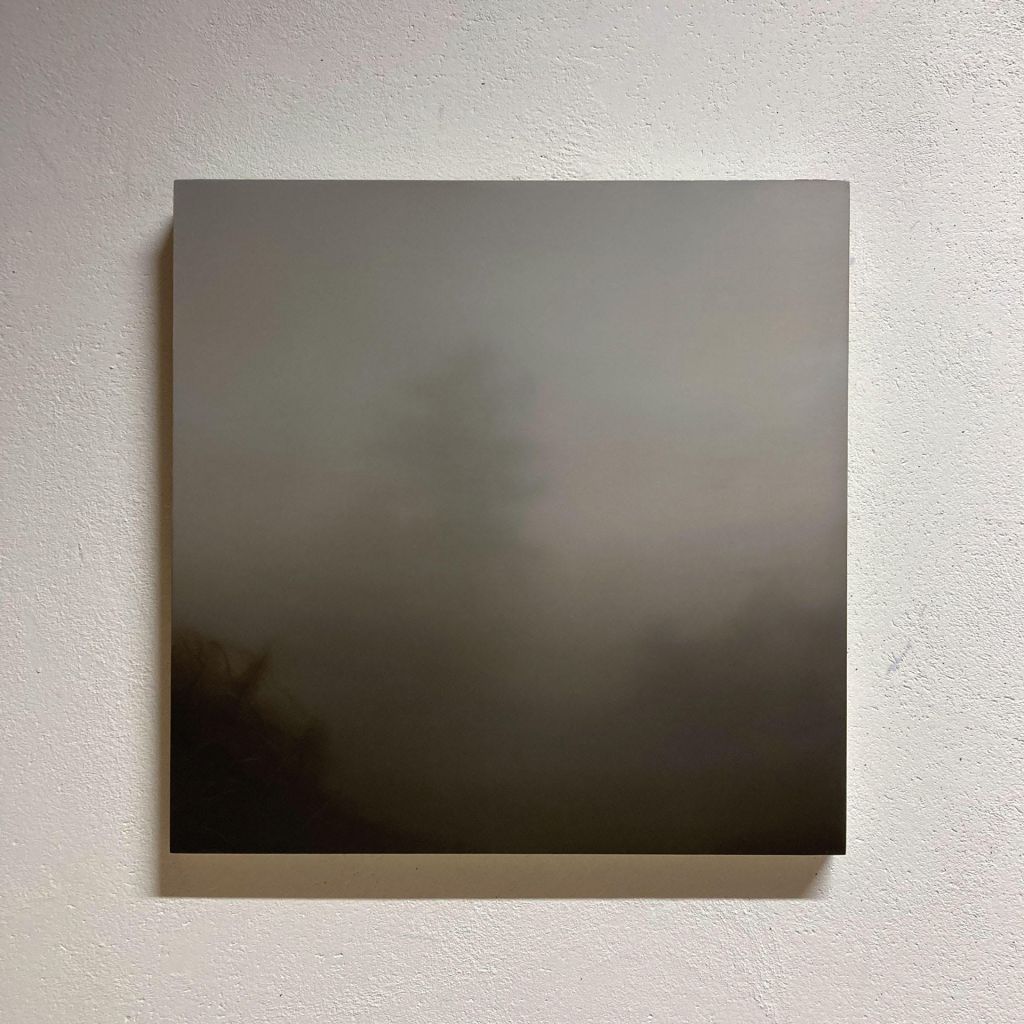
T#209-2024
(Transit Serie)
2024
38x38cm
Oil on mdf
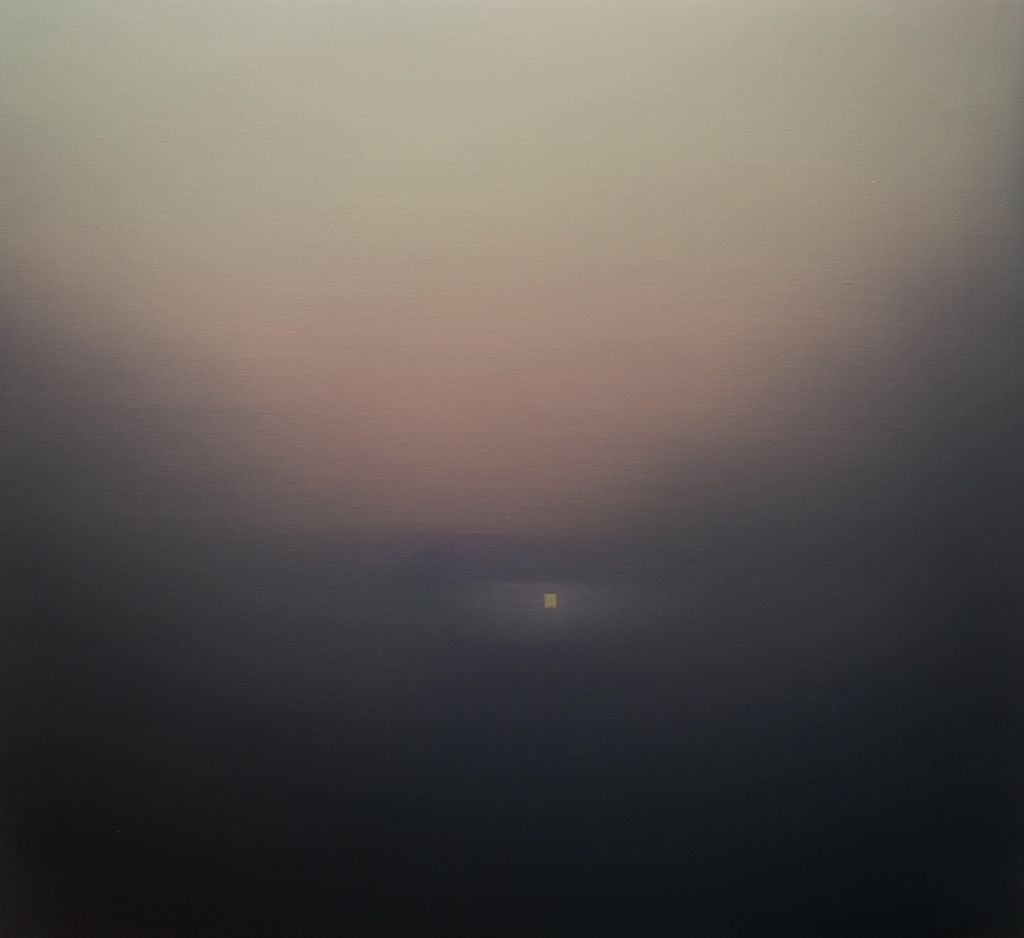
T212-2024 The vanishing house
(Transit Serie)
2024
Oil and silica dioxide on linen
70x80cm

G#165-2019
(Gradient Serie)
2019
55x60cm
Oil on canvas
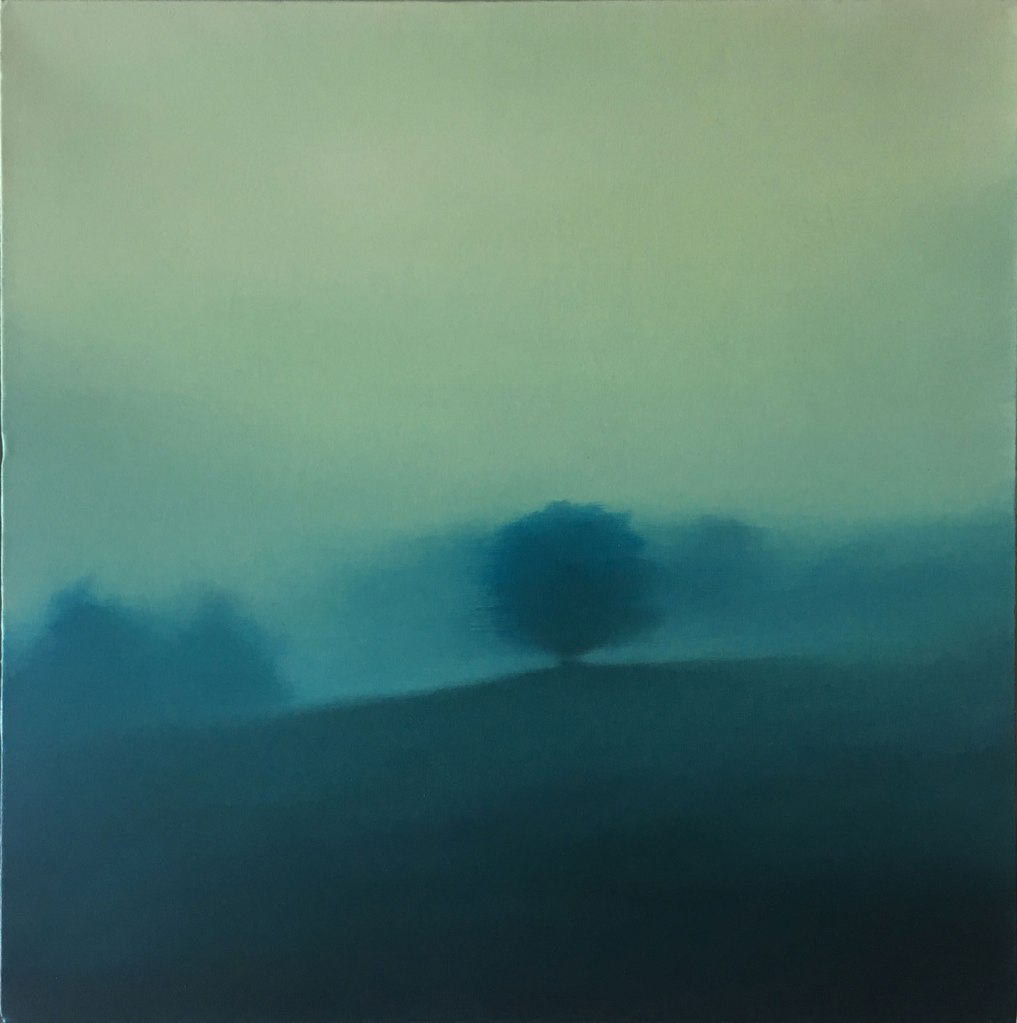
T#101-2016
(Transit Serie)
2024
45x45cm
Oil on canvas
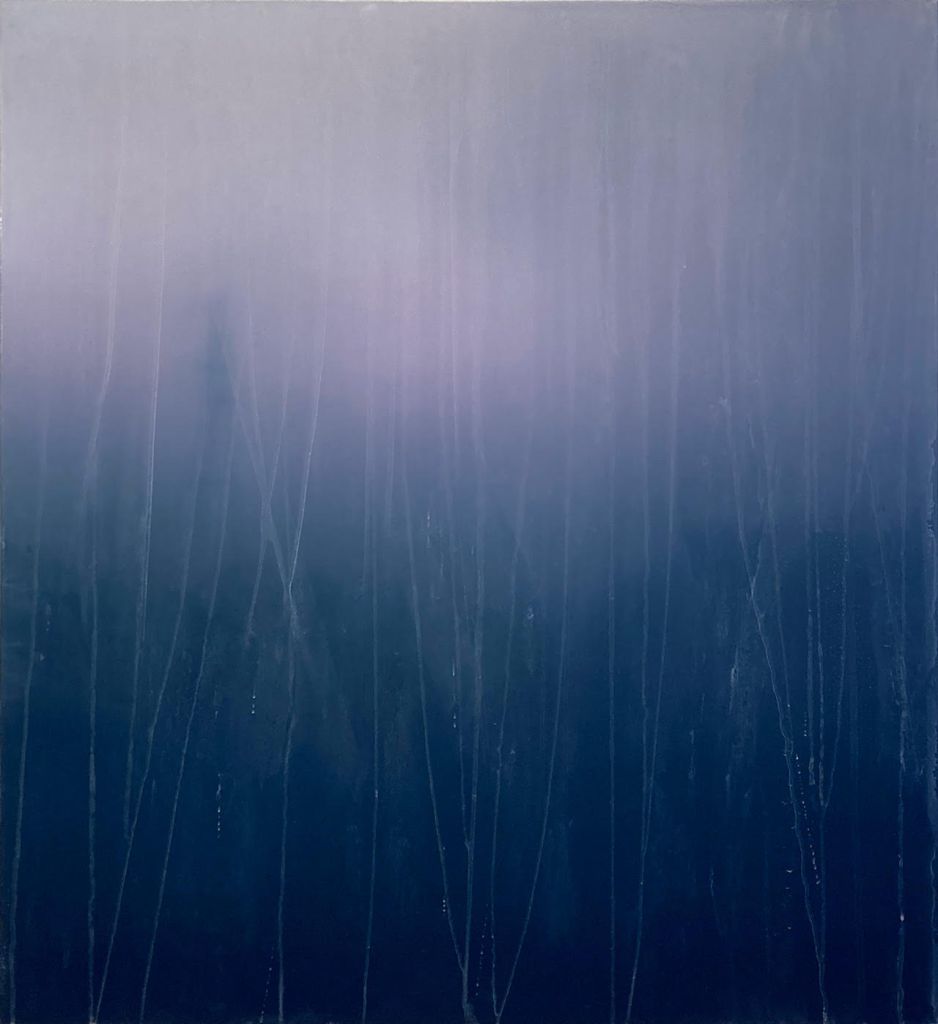
T#207-2024
(Transit Serie)
2024
60x55cm
Oil on mdf

T#208-2024
(Transit Serie)
2024
38x38cm
Oil on mdf
 paroladartista.com