
(▼scroll down for English text)
#paroladartista #intervistaartista #artistinterview #marcobettio
Parola d’Artista: Per la maggior parte degli artisti, l’infanzia rappresenta il periodo d’oro in cui iniziano a manifestarsi i primi sintomi di una certa propensione ad appartenere al mondo dell’arte. È stato così anche per te? Racconta.
Marco Bettio: Ritengo che la mia infanzia abbia “segnato” naturalmente tanto il mio guardare all’arte quanto il mio modo di farne parte in quanto sistema sociale, come daltronde sostenuto dalla psicoanalisi oltre un secolo fa e più recentemente dalle neuroscienze. Quei primi anni di vita, tra Padova e Barbarano vicentino, un paesino dei monti berici, sono per me un territorio in cui addentrarsi con le pinze, nonostante il grosso lavoro di analisi fatto in passato. Hic sunt leones, per così dire.
Sono cresciuto in una sorta di clan tutto al femminile, madre, sorelle, zie, ecc., dove mio padre era una figura presente solo tra un viaggio e l’altro, e dove ho avvertito da subito chiara e forte la problematicità della relazione maschile-femminile, e fatto mio in una sorta di inevitabile imprinting.
Maschio che era troppo (mio padre), o troppo poco (mio nonno o mio zio), mai il giusto. Despota o ignavo. Tutto ciò ha fatto sì che anche la mia identità maschile si sia formata per sottrazione, per assonanza e antitesi, sempre e comunque attraverso lo specchio del femminile.
Ho vissuto a lungo fuori dalla mia famiglia sin da bambino, abituandomi fin da subito all’assenza di riferimenti certi, a non considerare niente come definitivo, casa, radice.
É stato sicuramente un crescere complicato, che ha portato con sé (e porta tuttora) conseguenze importanti, spesso pesanti.
L’arte, così come la cultura, hanno sempre avuto un valore in famiglia. Nella libreria di casa tra i tanti libri il mio primo ricordo relativo alla pittura: io piccolissimo con mio padre che sfogliamo un libro e lì mi cattura il primo dualismo tra un paesaggio di Van Gogh e uno di Cezanne. Mio padre che mi spiega che questo è pazzo e questo no, quale preferisci? Io opto per lo splendido Cezanne, ignorando che di lì a qualche anno avrei imbrattato chili di carta copiando e interpretando i campi e gli alberi di Van Gogh con pastelli a olio appena arrivato al liceo scientifico di Vicenza.
Dico di essere di Padova ma in realtà ho vissuto più anni da adulto a Milano di quanti ne abbia vissuti consecutivamente a Padova da ragazzo.
Da quel libro al mio bisogno di disegnare nella mia memoria non c’è tempo né spazio. Allora vivevamo in una casa in mezzo ai boschi, in provincia di Vicenza, distanti un po’ da tutto e certamente per me da tutti. Lì si è formato il mio sguardo sul naturale, sul silenzio, su una ancora inconsapevole e laica idea di sacro, legata allo stupore della ierofania, all’incontro con l’animale, il fungo, la luce che filtra dentro un bosco. Spesso, gironzolando, l’idea che avevo era quella di segnare la carta con il carbone o la matita, ma il più delle volte finiva per essere la mia retina e il mio sentire a essere segnati. Lì ritengo nasca anche l’assenza dell’essere umano dal mio lavoro, che ne rappresenta sempre e solo una presenza, una traccia o una conseguenza o un desiderio.
La mia infanzia, in sostanza, è cominciata in una città, con la socialità e quel riconoscimento sociale positivo che produce la nostra identità, e passata per un isolamento quasi monastico tra i monti Berici e terminata con la mia richiesta di trasferirmi in un collegio. Quando mi sono svegliato ero al primo anno del liceo artistico di Padova e avevo alle spalle un disastroso anno di liceo scientifico.
P.d’A.: Quali studi hai fatto?
M.B.: Ho frequentato il liceo artistico di Padova e l’accademia di belle arti di Venezia. Durante il terzo anno ho lasciato definitivamente il veneto trasferendomi in Toscana e alla fine ho rinunciato stupidamente al diploma. Cosa che rimpiango principalmente per l’insegnamento, che ho sempre amato molto. Ritengo però che, al di là delle lezioni della Vettese, o di un paio di professori del liceo, la componente più importante della mia formazione sia venuta dai “fratelli maggiori”, cercati e trovati inizialmente solo nei libri e poi nelle mostre e negli studi. In sostanza ritengo che la mia formazione mi abbia dato modo di capire cosa avrei dovuto cercare una volta liberatomene. Libri, musei, musica e cinema, e l’appetito necessario (tutt’ora presente) per nutrirmene.
P.d’A.: Ci sono statti degli incontri importanti durante la tua formazione?
M.B.: Prima dell’incontro in carne e ossa, ritengo che la carta (la mia formazione è avvenuta e si è strutturata sul libro, l’enciclopedia, la rivista di settore, non sulla rete) abbia aperto allora agli incontri più straordinari, generativi di pensiero e immagini andando a creare una mia personale cosmogonia. Allora Velazquez dialogava con Carver, Schiele e Burroughs leggevano American Psyco, o dove l’arte povera di Celant (il libro) si fondeva con le feste che si organizzavano in cantieri tra musica azioni e pittura condivisa. Ogni cosa al suo posto. E poi Manet, il disegno, Pazienza e Manara e l’arrivo di artisti, di pittori che dalla macchia arrivavano alla quasi contemporanea transavanguardia (era il ‘90 circa) e da lì alla “cronaca” tra Bill Viola e la Dumas, il lavoro dei tedeschi e la scoperta traumatica di Richter.
Tra le persone in carne e ossa il mio professore di modellato al liceo è stato importante, un personaggio particolare al quale devo le mie basi tecniche di pittura, apprese in lunghi pomeriggi nel suo studio a guardare, preparare e provare a fare. Imprimiture, oli, tempere all’uovo, le velature. Un piccolo alchimista.
A Venezia sicuramente Angela Vettese, capace di illuminare di senso ed eros artisti e opere che non avrei considerato (su tutti devo a lei il mio amore per Robert Gober e per i truisms di Jenny Holzer, che attraverso uno specchio di appropriazione, fanno parte della presentazione social dei miei lavori con interazioni tra immagini e parole, titoli doppi che moltiplicano sensi possibili). Poi figure legate all’accademia di allora senza farne parte come Mario Perniola e Massimo Cacciari oppure lo studio di Plessi, i consigli sull’osservare la luce sull’acqua tra le calli, oltre ai bellissimi ricordi di Vedova di Fabrizio Gazzarri, allora assistente di pittura di Luigi Viola e storico assistente di Emilio Vedova che aveva lasciato poco prima la sua aula nera.
P.d’A.: Che ruolo hanno ha la fotografia in quello che fai? Sei tu stesso ha scattare le immagini che usi per dipingere i tuoi quadri? Prima di metterti al cavalletto come progetti i tuoi lavori?
M.B.: Il primo grande maestro che al contrario di Velazquez, Ribera, Tiziano, Manet, o Schiele o Picasso mi viveva accanto (così mi pareva) vivendo il mio tempo è stato Gerhard Richter. Ho capito allora l’amore-odio che le generazioni precedenti hanno provato per Picasso: Quel figlio di puttana ha già fatto tutto!
Devo a lui il superamento di quell’atteggiamento tutto novecentesco e avanguardista della contrapposizione e del contrappasso, della rivoluzione. A lui la scoperta dell’interstiziale, della bellezza nello scarto minimo, in sostanza lo spirito della nostra contemporaneità.
Dopo Richter, ci sono stati gli studi sulla fotografia di un grande pittore e teorico dell’arte come Hockney, studi che sono per me tutt’ora un punto di riferimento fondamentale.
Tutto questo si è manifestato attraverso la comprensione del mio bisogno di misurare la mia pittura partendo non dal reale ma dalla bidimensionalità della fonte, in sostanza quindi dalla fotografia, osservandone così lo scarto. Il nostro è un tempo caratterizzato dalla incommensurabile quantità di immagini con le quali ci confrontiamo tutti quanti, spesso in modo totalmente passivo. La prima riflessione di conseguenza muove attorno al senso: quale senso dare (per un pittore) alla creazione di una immagine quando quotidianamente ti scontri col problema dell’eccesso di immagini che ci bombardano letteralmente in ogni momento di veglia?
Ho sempre pensato e sentito fortemente che la pittura abbia il dono e il potere di fare rallentare il passo, di fermarlo. Così come di modificare i tempi del pensiero, sciogliendolo, fluidificandolo, di creare una sorta di “vuoto abitato” consentendo connessioni che sono intuizione, memoria, sogno, tempo e pensiero altri.
Questa premessa serve a dare un senso a una ricerca di immagini quasi random nella quale spesso prediligo qualità tecniche come messa a fuoco e soprattutto risoluzione. Quando i soggetti non sono stati fotografati da me o le immagini mi arrivano da persone che seguono e conoscono il mio lavoro, la ricerca avviene attraverso la rete. Non do nessun valore particolare alla immagine di partenza, anzi, spesso mi capita di imbattermi in belle fotografie e solo l’esperienza mi ha fatto capire come difficilmente una gran foto possa diventare un buon quadro. Quello che mi interessa degli animali, ad esempio, è una postura o un espressione particolari, o qualcosa che riporti all’uomo, a me. Elementi che capita di trovare in comprimari come nel soggetto principale. Ciò che conta davvero è che il file mi permetta di lavorarci, di darmi la possibilità di “vedere” il quadro che sarà.
Questo innesca due problemi che vanno risolti attraverso la relazione tra schermo e tela, tra fotografia e pittura: composizione e scala. Il mio lavoro è una sorta di estrazione, quasi un “…e quello? L’hai visto?” e questo fa sì che diventino fondamentali tanto la composizione, o meglio, la disposizione dell’elemento o degli elementi nello spazio, quanto la scala. Un elefante può funzionare su un 15×18 ma non è detto che un macaco possa funzionare su un 180×240. Tutto questo rende il lavoro che precede la pittura vera e propria qualcosa di estremamente delicato e fondamentale: ho distrutto (spesso già in fase di abbozzo) diverse tele proprio per una scala sbagliata o per una composizione che con quella scala non funzionava.
In sostanza la fotografia è per me sì fondamentale, ma ritengo che l’aspetto più importante della fotografia sia ciò che ne faccio, da quando l’ho selezionata al momento in cui si preparano i colori.
P.d’A.: Che cosa vuol dire dipingere per te?
M.B.: É molto difficile rispondere. Indubbiamente è qualcosa con radici molto profonde e perennemente in fieri. Penso che, come per tanti di noi, la pittura, e soprattutto il disegno, abbia rappresentato inizialmente per me un “buen retiro”, un modo per sottrarmi a quanto generava disagio, sofferenza, ovvero la relazione. Il disegno, in particolar modo, credo sia stato inizialmente uno strumento per isolare e solo attraverso la sua frequentazione questo è diventato uno strumento di conoscenza. Conoscenza di me e conoscenza. Spesso, tornando all’Hockney teorico, penso alla sua riflessione sul disegno come modo pressochè unico per poter comprendere la struttura di un cespuglio, una cosa preclusa alla fotografia. La pittura, rispetto al disegno, per me è l’esplosione della polifonia, tanto da un punto di vista percettivo quanto da quello realizzativo. Nel tempo la pratica della pittura è diventato il perno attorno al quale si muove la mia vita, e l’unico elemento di quest’ultima a rimanere sempre lì, fisso e sicuro. Parlo della pratica perché sono giunto alla conclusione che la pratica del dipingere e l’opera siano due cose distinte che non necessariamente convivano sullo stesso livello. Ho trascorso diversi anni in cui aspetti della mia vita hanno reso estremamente difficile mantenere una lucidità e determinazione sufficienti per realizzare dipinti per me soddisfacenti, ciò nonostante non ho mai interrotto la pratica della pittura. Al contrario, non ho mai avuto una relazione così stetta con il cavalletto come in quel periodo, del quale ho salvato pochissimi lavori.
La pittura inoltre ritengo sia uno strumento prezioso per mantenere un ordine e una regolarità in una vita che altrimenti tende a sfuggire da tutte le parti mangiandosi il tempo deragliando.
Altra cosa importante che ho scoperto è come spesso la qualità del lavoro viene dalla pressione che accompagna quel momento. Spesso tempi stretti per mostre o commissioni fanno sì che si crei una compattezza che altrimenti non avverto così significativa, inoltre l’urgenza ha portato spesso dipinti sorprendenti. In sostanza, come in molti altri ambiti, anche nella pittura il limite, spaziale o temporale, genera una tensione quantomeno differente, se non superiore.
Per concludere, partendo dal vuoto anziché dal pieno, se penso alla mia vita senza la pittura questa mi appare priva di quel valore che le attribuisco e se penso al vivere senza il dipingere, che è moltiplicatore spesso di intenzioni, d’incontro e del fare, ho l’impressione che mi sarebbe davvero difficile trovare un motivo per alzarmi dal letto.
P.d’A.: Molte delle immagini che dipingi vengono dal mondo naturale (animali, paesaggi) perché?
M.B.: Come spesso accade nella pittura, quantomeno a me, quella che si viene a creare tra artista e opera è una relazione di tipo dialettico. Lo sviluppo della poetica, proprio come la formazione dell’identita, è il risultato di una relazione sociale e, per quanto mi riguarda, la creazione dei quadri e l’inserimento nella mia pittura di altri viventi come gli animali, ha portato con sé la nascita di un vero e proprio scambio dialettico con le tele. Ho sempre considerato il passaggio qualcosa di profondamente legato alla mia formazione, oltre che senza dubbio un soggetto molto interessante tanto per il pittore quanto per l’uomo: da intuizione a riflessione, da pulsione ad azione consapevole.
Il paesaggio è stato il mio primo forte richiamo, contenitore di pittura, per quanto non lo consideri il mio primo “soggetto”. Per la mia storia personale il paesaggio ha rappresentato, ormai molto tempo fa, il bisogno di creare quei “pezzi di mondo” che desideravo avere come tana, giaciglio, orizzonte. Un desiderio che dall’infanzia all’adolescenza inoltrata si è manifestato come appuntamento molto ricorrente nel sogno.
Sicuramente l’aver vissuto forzatamente (e traumaticamente) la mia Wolden dai sette ai quattordici anni (fosse durata i due anni due mesi e due giorni di Thoreau avrebbe limitato un po’ i danni…) ha influito moltissimo nella mia visione della natura, del Creato, per quanto allora fosse tutto più sentito che compreso.
Inizialmente ciò che ho trovato interessante nel ritrarre un animale è stata tutta una faccenda interna al dipingere. Una faccenda legata al pigmento, alle tinte. Le textures, il brillio di un’iride che rimanda all’acqua, il pelo al vapore, alle nubi o all’erba, certe pelli, o gli zoccoli, o certe parti del muso alla pietra, roccia, ghiacci, corteccia e tronchi. Insomma, quasi ad anticipare riflessioni successive, dipingere un animale, un macaco o un bonobo che gioca, o un asino che ci osserva, pittoricamente è stato combinare in modi diversi gli stessi elementi costitutivi del paesaggio trasformandolo nel ritratto di uno scimpanzè. Stessi elementi chimici da un lato, stessi pigmenti dall’altro, DNA simili da una parte, texture,tinte e gesti dall’altra.
P.d’A.: Quando prepari una mostra mettendo insieme più lavori come procedi e quali aspetti cerchi di mettere in luce accostando fra loro i lavori?
M.B.: Credo che un po’ per tutti esistano sostanzialmente due tipi di mostre: la presentazione del lavoro recente e l’esposizione di un progetto preciso. Io amo molto la relazione che viene a generarsi tra alcune tele, anche al di là di una mia progettazione a priori. Questa relazione, priva di sovrastrutture speciste, rappresenta anche una possibilità di giocare con le singole immagini generandone altre. Nel caso di una personale preferisco presentare un progetto di mostra già “concluso” in termini di opere da esporre e di allestimento. Il confronto con il curatore può (anche se non necessariamente) modificare o ricodificare il progetto, ma in sostanza rappresenta appunto un confronto dialettico. Altra cosa, per me quasi in antitesi, è la partecipazione a una collettiva, nella quale il curatore presenta la sua opera selezionando lavori di vari artisti in relazione a una sua visione. Questa per me è sempre una esperienza straordinaria, quando certamente l’integrità dell’opera risulta “rispettata”. Sono due momenti molto diversi, con ruoli e compiti molto diversi ma che concorrono entrambi a una conoscenza più complessa e composita del proprio lavoroe di se stessi.
Per me esporre, pensare una mostra, ha una doppia valenza. Si rivolge naturalmente al fruitore, al visitatore, com’è ovvio che sia, ma non è l’unica finalità. Un po’ come dicevo per quanto riguarda le tele dipinte che finiscono per fare gruppo in studio e ti guardano accatastate o appese generando riflessioni e
intuizioni, una mostra per me è anche questo: formalizzare equilibri, pesi, temi, ecc., nel modo più “pulito” e semplice, in modo da valorizzare in quel delicatissimo equilibrio il singolo pezzo, il nucleo di lavori e l’insieme-mostra, rappresenta anche una possibilità importante di comprensione. Mi rimanda all’immagine della cima che veniva lasciata sulla scia delle imbarcazioni vichinghe in modo che, guardando la direzione da cui si proveniva, si capisse se la direzione era corretta. Fare una mostra per me è gettare a mare quella cima, cercando di capire attraverso il già realizzato, il realizzabile.
P.d’A.: Ti interessa l’idea di messa in scena in quello che fai?
M.B.: Ritengo che, per quanto la tela dipinta resti un ipotetico mondo, e dunque la cui sola esistenza e presenza dovrebbe essere sufficiente a generare sguardo, comprensione e vita, è pur vero che la pittura, nella modernità, e ancor più nella contemporaneità, si è caricata di complessità tali da rendere necessario un filtro tra opera e fruitore. Questo certamente passa attraverso le parole della critica o quelle della stampa, così come dallo statement dell’artista, ma anche, in modo decisamente più immediato, dall’idea di messa in scena, un aspetto della presentazione del lavoro che per me è andato crescendo negli anni. Rappresenta certamente anche un equilibrio complesso da mantenere, nonché assolutamente necessario, tra le necessità della singola opera e quelle dell’insieme. In ogni caso trovo che la cosa sia molto affascinante.
P.d’A.: Che tipo di dialogo cerchi con lo spettatore che si trova davanti al tuo lavoro?
M.B.: E’ una faccenda talmente individuale che è complicato rispondere in un modo che non sia mero desiderio. Penso comunque che oggi ci sia davvero un estremo bisogno di arte da parte delle persone. Bisogno di una fruizione che porti con sé una traccia residua, emotiva quanto razionale, che sia però antitetica alle file chilometriche, alla ressa, al nulla di una visita guidata da tempi e itinerari predeterminati, a una concezione dell’arte come di qualcosa che tende a diventare sterile in virtù dello stress che genera. Una cosa che dico spesso è quanto vorrei che osservando una mia mostra, i dipinti facessero rallentare il passo, il respiro quanto il pensiero a chi osserva. Vorrei che questa rappresentasse qualcosa di simile a quei brevi momenti prima del sonno, o appena aperti gli occhi, quando tutto appartiene all’intuizione, al sogno, al desiderio, al potenziale. Poi si torna a correre le nostre vite, fingendo di non accorgerci che stiamo tutti rotolando.
P.d’A.: Che cosa succede alle opere quando non c’è nessuno che le osserva, l’esistenza di un opera d’arte può prescindere dalla presenza di un osservatore?
M.B.: Immagino per l’opera la stessa esistenza del televisore spento che osserva il o i padroni di casa. Probabilmente la cosa ha a che fare con le mie riflessioni sulle conseguenze della cultura giudaico-cristiana (…dominate sui pesci del mare, sugli uccelli del cielo e su tutti gli animali che si muovono sulla terra –Genesi 1:26-28) e sul concetto di antropocene, ma l’idea che tutto debba ruotare attorno a noi lo trovo sempre più qualcosa di insensato. Spesso mi capita di estendere poeticamente certe riflessioni relative al mondo animale o alle capacità cognitive dei vegetali anche ad aria e acqua, e non posso quindi chiedermi cosa accada ai quadri quando non ci sono. L’opera è certamente un nostro artefatto, ed è destinato ad altri umani, ciononostante sono convinto che sia rimasto, soprattutto nella pratica pittorica, qualche retaggio inconsapevole di quelle pratiche sciamaniche, magiche, che facevano dell’immagine segnata o dipinta, un oggetto apotropaico, un’antenna in grado di creare un ponte con il divino, col mistero.
Si dice che una delle più grandi trovate del diavolo sia stata il convincerci di non esistere, così penso che i dipinti ci abbiano convinti di essere solo estetica e semiotica per poter fare e disfare quando ci si volta.
P.d’A.: Secondo te l’artista dove si pone nei confronti della sua opera?
M.B.: Questa è un’altra faccenda piuttosto complicata. Spesso tendo a chiedermi non solo dove io mi ponga nei confronti dell’opera ma soprattutto da chi sia in realtà costituito questo “io”. Questo perché anche la mia compagna è una artista (Sarah Ledda) e il nostro rapporto entra quotidianamente nel rispettivo lavoro in modo estremamente denso e continuo, creando un
flusso ininterrotto dove non sempre è così chiaro cosa sia l’oggetto reale e cosa la sua immagine specchiata. La cosa per me più affascinante è che, nonostante questo continuo dialogo, il lavoro di ciascuno rimane qualcosa di assolutamente a sé rispetto all’altro. Forse l’unica risposta che mi sento di dare torna all’idea di antenna, di medium. Ognuno di noi è il risultato, perennemente in fieri, finché in vita, di una quantità di segnali provenienti da passato presente e futuro, dalla biologia, dall’esperienza, dalla società e da un’infinità di altre cose, e forse è proprio nel risultato di questa equazione, che va ricercato il dove ci si pone nei confronti di un’opera.
Dove ci si è posti, anzi.
Marco Bettio, Padova, 1974. Si forma al liceo artistico di Padova e poi nella sezione di Pittura dell'Accademia di Belle Arti di Venezia lasciata poco prima da Emilio Vedova. Dal 2002 al 2014 vive e lavora a Milano, iniziando una collaborazione professionale con diverse gallerie e spazi indipendenti, iniziando a fare circolare il proprio lavoro attraverso mostre e fiere. Dal 2014 vive tra Torino ed Aosta. Attualmente collabora con alcune gallerie d’arte contemporanea tra cui Gilda Contemporary Art di Milano, Zaion Gallery di Biella, Veniero Project di Palermo e Arionte Arte Contemporanea di Catania. Opere di Marco Bettio sono presenti in collezioni pubbliche (Museo Luigi Varoli di Cotignola, RA, Museo dei Profughi di Salonicco, Castello Gamba, Chatillon) e private (tra le quali The Bank Contemporary Art Collection Bassano del Grappa, Elenk’Art Palermo sono aperte al pubblico). Del suo lavoro hanno scritto Angelo Rendo, Gianluca Marziani, Paolo Zanatta, Francesco Piazza, Rebecca Delmenico, Davide Dall’Ombra e altri.
English text
Interview with Marco Bettio
#paroladartista #intervistaartista #artistinterview #marcobettio
Parola d’Artista: For most artists, childhood represents the golden period when the first signs of a certain inclination toward the world of art begin to appear. Was this the case for you as well? Tell us about it.
Marco Bettio: I believe that my childhood naturally shaped both my view of art and my way of participating in it as a social system, as psychoanalysis suggested over a century ago and more recently confirmed by neuroscience. Those early years, spent between Padua and Barbarano Vicentino, a small village in the Berici Hills, are a territory I tread lightly, despite the extensive analysis I’ve done in the past. Hic sunt leones, so to speak.
I grew up in a sort of all-female clan — mother, sisters, aunts, etc. — where my father was a figure present only between trips. I immediately felt the clear and intense complexity of the male-female relationship, which I internalized as an inevitable form of imprinting.
Men were either too much (my father) or too little (my grandfather or uncle), never just right. Despots or indifferent. As a result, my masculine identity developed by subtraction, through resonance and opposition, always viewed through the mirror of the feminine.
From a young age, I spent a long time away from my family, becoming accustomed to the absence of fixed references, and I learned not to consider anything as definitive — home, roots. It was undoubtedly a complicated upbringing that brought, and still brings, significant and often burdensome consequences.
Art, along with culture, always held value in my family. Among the many books in the home library, my first memory related to painting stands out: I was very young, looking through a book with my father, and I was struck by the contrast between a landscape by Van Gogh and one by Cézanne. My father explained to me, “This one is crazy, and this one isn’t. Which do you prefer?” I chose the beautiful Cézanne, unaware that a few years later, I would spend hours replicating and interpreting Van Gogh’s fields and trees with oil pastels after starting at the scientific high school in Vicenza.
I say I’m from Padua, but in truth, I’ve lived more adult years in Milan than I did consecutively in Padua as a youth.
From that book to my need to draw, there’s no clear timeline in my memory. At the time, we lived in a house in the woods, in the province of Vicenza, far from everything and certainly, for me, everyone. It was there that my gaze on nature, silence, and an unconscious, secular sense of the sacred — tied to the wonder of hierophany, the encounter with animals, mushrooms, and light filtering through the forest — began to form. Often, wandering around, I had the idea of marking paper with charcoal or pencil, but more often than not, it was my retina and feelings that ended up marked. I believe this is also where the absence of the human figure in my work originated, representing always just a presence, a trace, or a consequence, or a desire.
In essence, my childhood began in a city, with social interactions and the positive social recognition that builds our identity, passed through a nearly monastic isolation in the Berici hills, and ended with my request to move into a boarding school. When I woke up, I was in my first year of art school in Padua, following a disastrous year at a scientific high school.
P.d’A.: What studies did you pursue?
M.B.: I attended the art school in Padua and the Academy of Fine Arts in Venice. During my third year, I left Veneto for good and moved to Tuscany, ultimately foolishly abandoning my diploma — something I regret primarily because of my love for teaching. However, I believe that beyond Vettese’s lessons and a couple of high school teachers, the most significant aspect of my education came from “older brothers,” whom I initially sought out and found only in books, and later in exhibitions and studios. Essentially, I believe my education allowed me to understand what I needed to seek once I was freed from it. Books, museums, music, cinema, and the ongoing hunger to nourish myself with them remain present.
P.d’A.: Were there any important encounters during your education?
M.B.: Before meeting people in the flesh, I believe paper (my education took place and was structured around books, encyclopedias, and specialized magazines, not the internet) opened me up to extraordinary encounters, generating thoughts and images that formed my personal cosmogony. At that time, Velázquez conversed with Carver, Schiele and Burroughs read American Psycho, or Celant’s Arte Povera (the book) blended with parties organized in construction sites involving music, actions, and shared painting. Everything in its place. Then there was Manet, drawing, Pazienza and Manara, and the arrival of artists — painters who moved from impressionism to the near-contemporary Transavantgarde (this was around the 1990s), and from there to “news” between Bill Viola and Marlene Dumas, the work of the Germans, and the traumatic discovery of Richter.
Among the people in the flesh, my sculpture teacher in high school was important — a peculiar character to whom I owe my technical painting foundations, learned during long afternoons in his studio watching, preparing, and attempting. Priming, oils, egg tempera, glazes — a little alchemist.
In Venice, Angela Vettese was undoubtedly a key figure, illuminating artists and works with sense and artistic eros that I would not have otherwise considered (most notably, I owe her my love for Robert Gober and Jenny Holzer’s truisms, which, through a mirror of appropriation, are part of the social presentation of my work, with interactions between images and words, and double titles that multiply possible meanings). Then there were figures connected to the Academy, like Mario Perniola and Massimo Cacciari, or the studio of Fabrizio Plessi. He gave advice on observing the light on water through the Venetian canals. I also have beautiful memories of Fabrizio Gazzarri, then an assistant to painting professor Luigi Viola and a long-time assistant to Emilio Vedova who had just left his black classroom.
P.d’A.: What role does photography play in what you do? Do you take the images you use to paint your works yourself? How do you plan your work before starting at the easel?
M.B.: The first great master who, unlike Velazquez, Ribera, Titian, Manet, or Schiele or Picasso, lived alongside me (or so it seemed), living in my time, was Gerhard Richter. It was then that I understood the love-hate relationship previous generations had with Picasso: *That son of a bitch has already done everything!
I owe to him the ability to move beyond that entirely 20th-century avant-garde attitude of opposition and revolution. From him, I discovered the interstitial, the beauty in the smallest detail—essentially, the spirit of our contemporary age.
After Richter, I studied the photography of a great painter and art theorist like Hockney, studies that are still a fundamental reference for me. All of this manifested through the understanding of my need to measure my painting, not starting from reality but from the two-dimensionality of the source—in essence, from photography, observing its nuances. Our time is characterized by the immeasurable quantity of images with which we all engage, often in a completely passive way. Consequently, the first reflection revolves around meaning: What meaning can (for a painter) the creation of an image have when you face the problem of the excess of images that bombard us every waking moment?
I’ve always believed and strongly felt that painting has the gift and power to slow down the pace, to stop it. It can also alter the timing of thought, loosening and fluidifying it, creating a sort of “inhabited void” that allows for connections of intuition, memory, dreams, time, and different ways of thinking.
This premise is essential to give sense to a somewhat random search for images, where I often prefer technical qualities like focus and especially resolution. When the subjects were not photographed by me or the images come from people who follow and know my work, the search happens online. I give no particular value to the starting image; in fact, I often come across beautiful photographs, and only experience has taught me how difficult it is for a great photo to become a good painting. What interests me about animals, for example, is a particular posture or expression, or something that relates to humans, to me. These elements can be found in supporting figures as well as in the main subject. What really matters is that the file allows me to work on it, to give me the chance to “see” the painting that will emerge.
This triggers two issues that need to be resolved in the relationship between screen and canvas, between photography and painting: composition and scale. My work is a kind of extraction, almost a “…and that? Did you see that?” and this makes both composition or rather, the arrangement of the element or elements in space and scale essential. An elephant might work on a 15×18 canvas, but that doesn’t mean a macaque will work on a 180×240 one. All this makes the work preceding the actual painting something extremely delicate and fundamental: I’ve destroyed several canvases (often during the sketching phase) precisely because of a wrong scale or a composition that didn’t work at that scale.
Essentially, photography is indeed fundamental for me, but I believe the most important aspect of photography is what I do with it, from the moment I select it to the time I prepare the paints.
P.d’A.: What does painting mean to you?
M.B.: It’s very difficult to answer. Undoubtedly, it is something with very deep and constantly evolving roots. I think, like for many of us, painting, and especially drawing, initially represented a “buen retiro” for me—a way to withdraw from what caused discomfort and suffering, namely relationships. Drawing, in particular, I believe was initially a tool for isolation, and only through frequent practice did it become a tool of knowledge. Knowledge of myself and knowledge in general. Often, going back to Hockney the theorist, I think of his reflection on drawing as the only way to truly understand the structure of a bush, something photography cannot do. Painting, compared to drawing, is for me the explosion of polyphony, both perceptually and in terms of execution. Over time, the practice of painting has become the axis around which my life revolves, and the only element of it that remains fixed and secure. I talk about practice because I’ve come to the conclusion that the practice of painting and the finished work are two distinct things that do not necessarily coexist on the same level. I’ve spent several years during which aspects of my life made it extremely difficult to maintain enough clarity and determination to create paintings I was satisfied with, yet I never stopped the practice of painting. On the contrary, I never had such a close relationship with the easel as I did during that period, though I saved very few works from that time.
Additionally, I believe painting is a valuable tool for maintaining order and regularity in a life that would otherwise spiral out of control, consuming time and going off the rails.
Another important thing I’ve discovered is that the quality of the work often comes from the pressure that accompanies that moment. Often, tight deadlines for exhibitions or commissions create a compactness that I otherwise don’t find as significant, and urgency has often led to surprising paintings. Essentially, as in many other areas, in painting, too, limitations, whether spatial or temporal, generate a tension that is at least different, if not superior.
In conclusion, starting from the void rather than the fullness, when I think of my life without painting, it appears devoid of the value I attribute to it. If I think about living without painting, which often multiplies intentions, encounters, and actions, I feel it would be very difficult to find a reason to get out of bed.
P.d’A.: Many of the images you paint come from the natural world (animals, landscapes). Why?
M.B.: As often happens in painting, at least for me, the relationship that develops between the artist and the work is dialectical. The development of poetics, just like the formation of identity, is the result of a social relationship. And for me, creating paintings and incorporating other living beings like animals into my work has led to the birth of a true dialectical exchange with the canvases. I’ve always considered this transition something deeply tied to my formation, as well as an undoubtedly fascinating subject for both the painter and the person: from intuition to reflection, from impulse to conscious action.
The landscape was my first strong call, a container for painting, though I don’t consider it my first “subject.” Due to my personal history, the landscape represented, long ago, the need to create those “pieces of the world” that I wanted to have as a den, a resting place, a horizon. A desire that, from childhood to late adolescence, manifested as a recurring theme in dreams. Certainly, being forced (and traumatically so) to live my own *Walden* from age seven to fourteen (if it had lasted the two years, two months, and two days of Thoreau, it might have mitigated the damage somewhat…) greatly influenced my vision of nature and Creation, though at the time, it was more felt than understood.
Initially, what I found interesting in portraying an animal was entirely an internal matter related to painting. It was about pigment, colors. The textures, the shine of an iris that recalls water, fur resembling steam, clouds, or grass, certain skins or hooves or parts of the muzzle like stone, rock, ice, bark, and trunks. In short, almost foreshadowing later reflections, painting an animal—a macaque or a bonobo playing, or a donkey observing us—was about combining the same constitutive elements of the landscape in different ways, transforming them into the portrait of a chimpanzee. The same chemical elements on one side, the same pigments on the other, similar DNA on one side, textures, colors, and gestures on the other.
P.d’A.: When preparing an exhibition with multiple works, how do you proceed, and what aspects do you try to highlight by juxtaposing the works?
M.B.: I believe that for almost everyone, there are essentially two types of exhibitions: the presentation of recent work and the display of a specific project. I really love the relationship that develops between some paintings, even beyond any prior planning on my part. This relationship, free from specious superstructures, also represents a chance to play with individual images, generating new ones. In the case of a solo exhibition, I prefer to present a project that is already “complete” in terms of the works to be exhibited and the arrangement. The dialogue with the curator can (although not necessarily) modify or re-code the project, but essentially, it represents a dialectical exchange. Another thing, almost in opposition for me, is participating in a group exhibition, where the curator presents his or her own work by selecting pieces from various artists according to a personal vision. This is always an extraordinary experience for me, provided that the integrity of the work is “respected.” These are two very different moments, with very different roles and tasks, but both contribute to a more complex and composite understanding of one’s work and oneself.
For me, exhibiting, thinking about a show, has a dual significance. Naturally, it is directed towards the viewer, the visitor, as it obviously should be, but it is not the only purpose. Just as I said about painted canvases that end up forming a group in the studio, looking at you, piled up or hanging, generating reflections and insights, for me, a show is also this: formalizing balances, weights, themes, etc., in the most “clean” and simple way, so as to enhance the individual piece, the core of works, and the overall exhibition in that very delicate balance. This also represents an important opportunity for understanding. It reminds me of the image of the rope that was let out in the wake of Viking ships so that, by looking at the direction from which one had come, they could tell if the course was correct. For me, staging an exhibition is like casting that rope into the sea, trying to understand through what has already been realized, what can still be realized.
P.d’A.: Are you interested in the idea of staging in what you do?
M.B.: I believe that, while a painted canvas remains a hypothetical world and its mere existence and presence should be enough to generate observation, understanding, and life, it is true that in modernity, and even more so in contemporary times, painting has become so complex that a filter between the work and the viewer has become necessary. This filter certainly includes the words of critics or the press, as well as the artist’s statement, but also, in a much more immediate way, the idea of staging, an aspect of presenting the work that has grown in importance for me over the years. It certainly represents a complex balance to maintain, and it is absolutely necessary to balance the needs of the individual work with those of the whole. In any case, I find it fascinating.
P.d’A.: What kind of dialogue are you looking for with the viewer in front of your work?
M.B.: It’s such an individual matter that it’s hard to answer in a way that isn’t just a mere desire. However, I think that today people have a real need for art. A need for an experience that leaves an emotional as well as rational trace, but one that is antithetical to the long queues, the crowding, the emptiness of a visit dictated by predetermined times and itineraries, and a conception of art as something that tends to become sterile due to the stress it generates. One thing I often say is how much I would like that when looking at one of my exhibitions, the paintings would slow down the observer’s pace, breath, and thoughts. I would like it to represent something similar to those brief moments before sleep, or just after waking, when everything belongs to intuition, dream, desire, potential. Then we go back to running our lives, pretending not to notice that we are all tumbling along.
P.d’A.: What happens to artworks when no one is observing them? Can a work of art exist without the presence of a viewer?
M.B.: I imagine the artwork’s existence to be similar to that of a turned-off television watching its owners. It probably has to do with my reflections on the consequences of Judeo-Christian culture (…rule over the fish of the sea, the birds of the sky, and every creature that moves on the ground – Genesis 1:26-28) and on the concept of the Anthropocene, but the idea that everything must revolve around us seems more and more absurd to me. I often poetically extend certain reflections on the animal world or the cognitive abilities of plants to air and water, so I can’t help but wonder what happens to paintings when no one is there. A work of art is certainly a human artifact, destined for other humans, yet I’m convinced that, especially in painting, there remains some unconscious remnant of shamanic or magical practices, which made the marked or painted image an apotropaic object, an antenna capable of creating a bridge with the divine, with mystery. It is said that one of the greatest tricks of the devil was convincing us that he doesn’t exist. In the same way, I think paintings have convinced us they are only about aesthetics and semiotics, so they can do and undo things when we turn away.
P.d’A.: Where does the artist position himself in relation to his work?
M.B.: This is another rather complicated matter. I often find myself asking not only where I position myself in relation to the work but also who this “I” really consists of. This is because my partner is also an artist (Sarah Ledda), and our relationship constantly intertwines with our respective work in an extremely dense and continuous way, creating an uninterrupted flow where it’s not always clear what is the real object and what is its mirrored image. What fascinates me the most is that, despite this ongoing dialogue, each person’s work remains something entirely distinct from the other. Perhaps the only answer I feel like giving returns to the idea of the antenna, the medium. Each of us is the result, perpetually in the making as long as we live, of countless signals from the past, present, and future, from biology, experience, society, and an infinite number of other things. It is perhaps in the result of this equation that we can find where we stand in relation to a work of art.
Or rather, where we stood.
Marco Bettio, Padova (Italy), 1974. He studied at the Art High School in Padua and then in the Painting section of the Academy of Fine Arts in Venice, which had recently been left by Emilio Vedova. From 2002 to 2014, he lived and worked in Milan, beginning professional collaborations with various galleries and independent spaces, circulating his work through exhibitions and fairs. Since 2014, he has lived between Turin and Aosta. He currently collaborates with several contemporary art galleries, including Gilda Contemporary Art in Milan, Zaion Gallery in Biella, Veniero Project in Palermo, and Arionte Arte Contemporanea in Catania. Works by Marco Bettio are present in public collections (Luigi Varoli Museum in Cotignola, RA, Thessaloniki Refugee Museum, Castello Gamba in Chatillon) and private collections (including The Bank Contemporary Art Collection in Bassano del Grappa, Elenk’Art in Palermo, open to the public). His work has been written about by Angelo Rendo, Gianluca Marziani, Paolo Zanatta, Francesco Piazza, Rebecca Delmenico, Davide Dall’Ombra, and others.

You don’t know what love is, 2018, olio su lino, 35×50, collezione privata Palermo
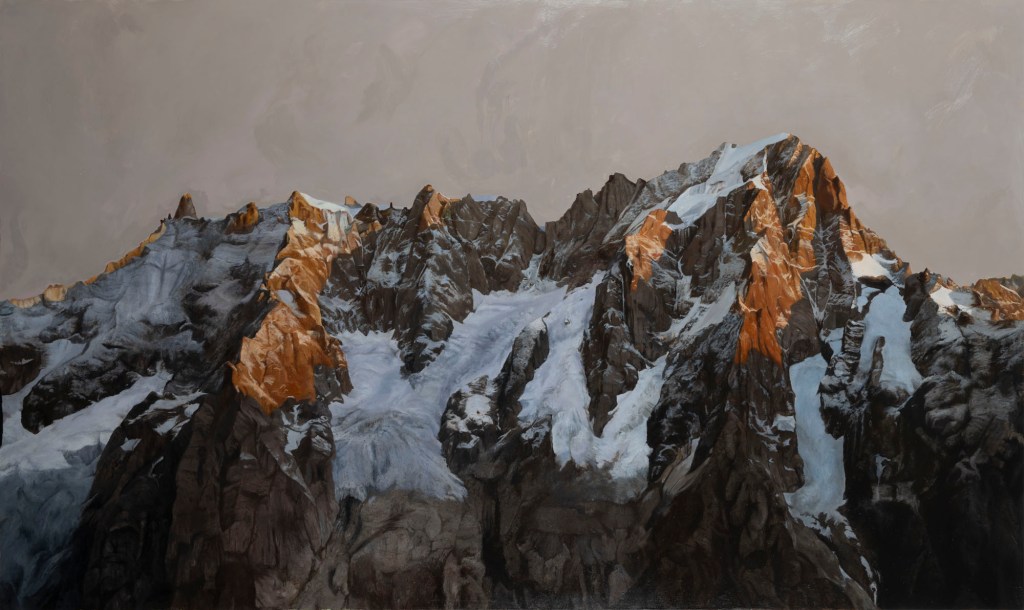
Accadono grandi cose quando uomini e montagne si incontrano cm 120×200 , olio su tavola, 2023, foto Studio Venturini Aosta, colllezione privata Courmayeur

Desiderio #63 cm 24×26, olio su lino, 2020, foto Studio Venturini Aosta, collezione privata Roma

L’angelo necessario, cm 150×160, olio su juta, 2023, foto Studio Venturini Aosta, proprietà dell’artista
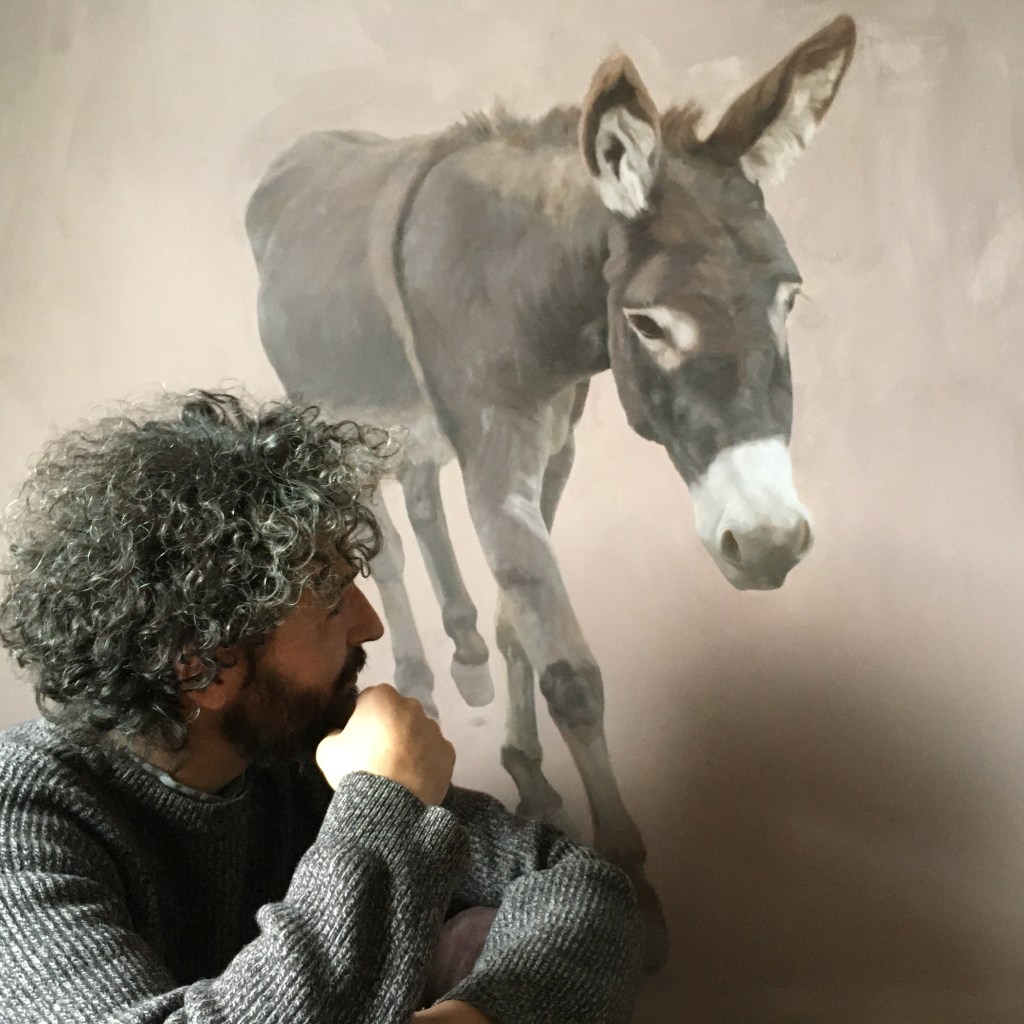
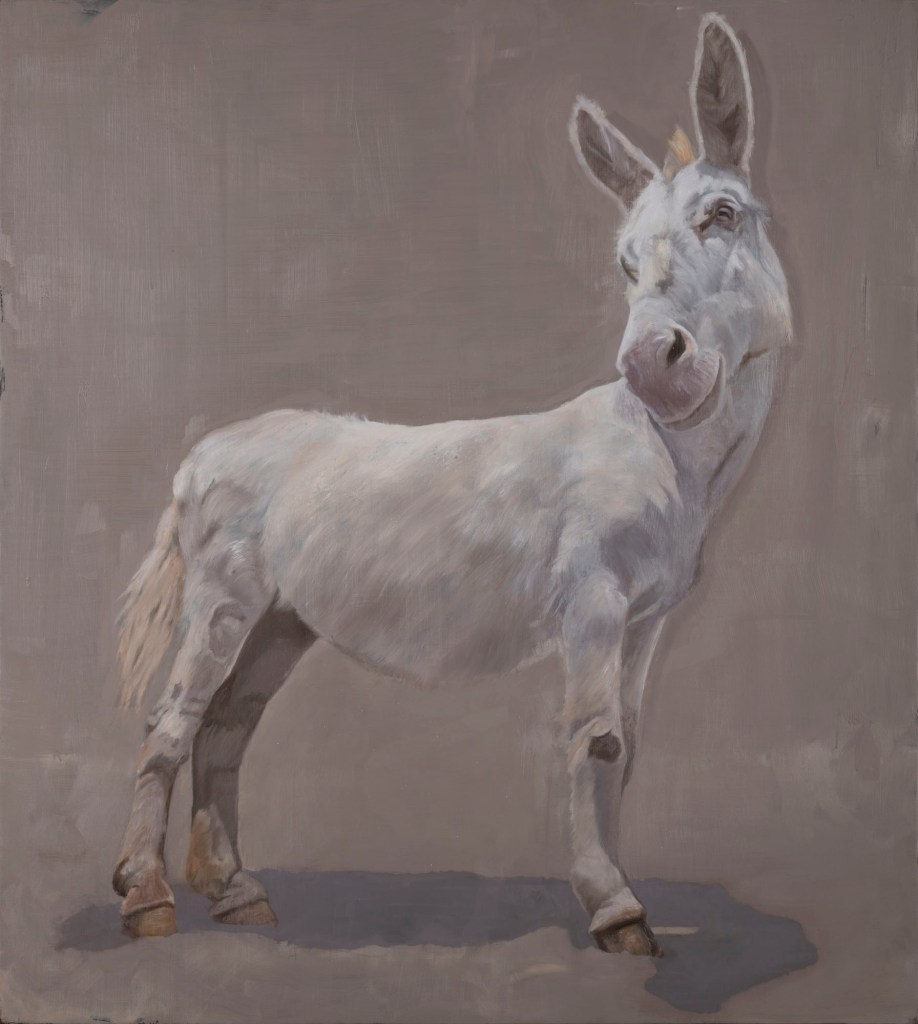
Una forma di inquietante tranquillità, cm 100×90, olio su lino, 2023, foto Studio Venturini Aosta, collezione privata, Roma

Una piccola cosa politica, cm 40×48, olio su lino, 2018, collezione privata, Bassano del Grappa (VI)
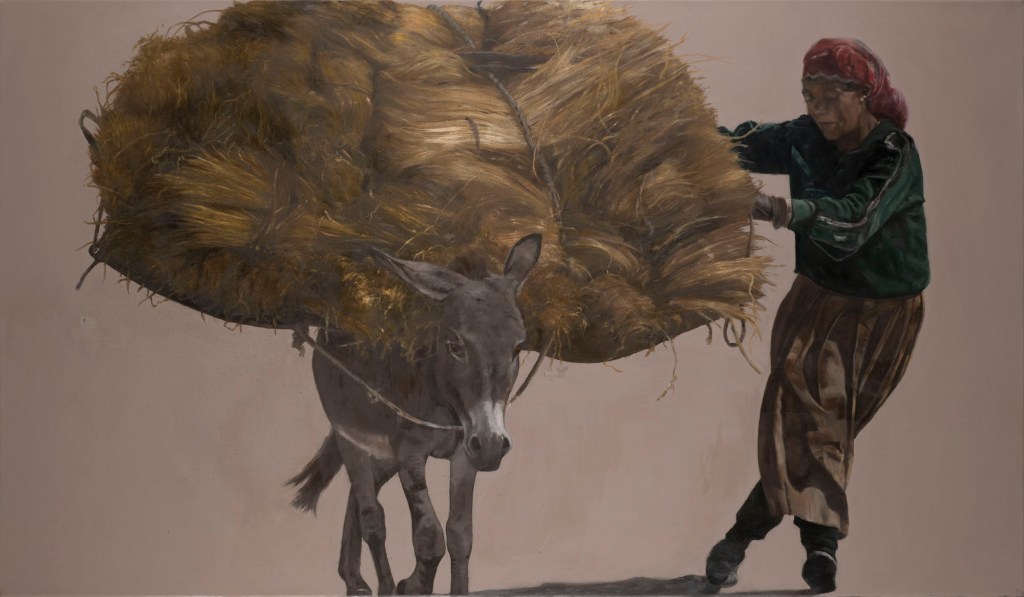
wedding day -Il dono della sposa-, cm 94×160, olio su mistolino, 2023, foto Studio Venturini Aosta, proprietà dell’artista
 paroladartista.com