
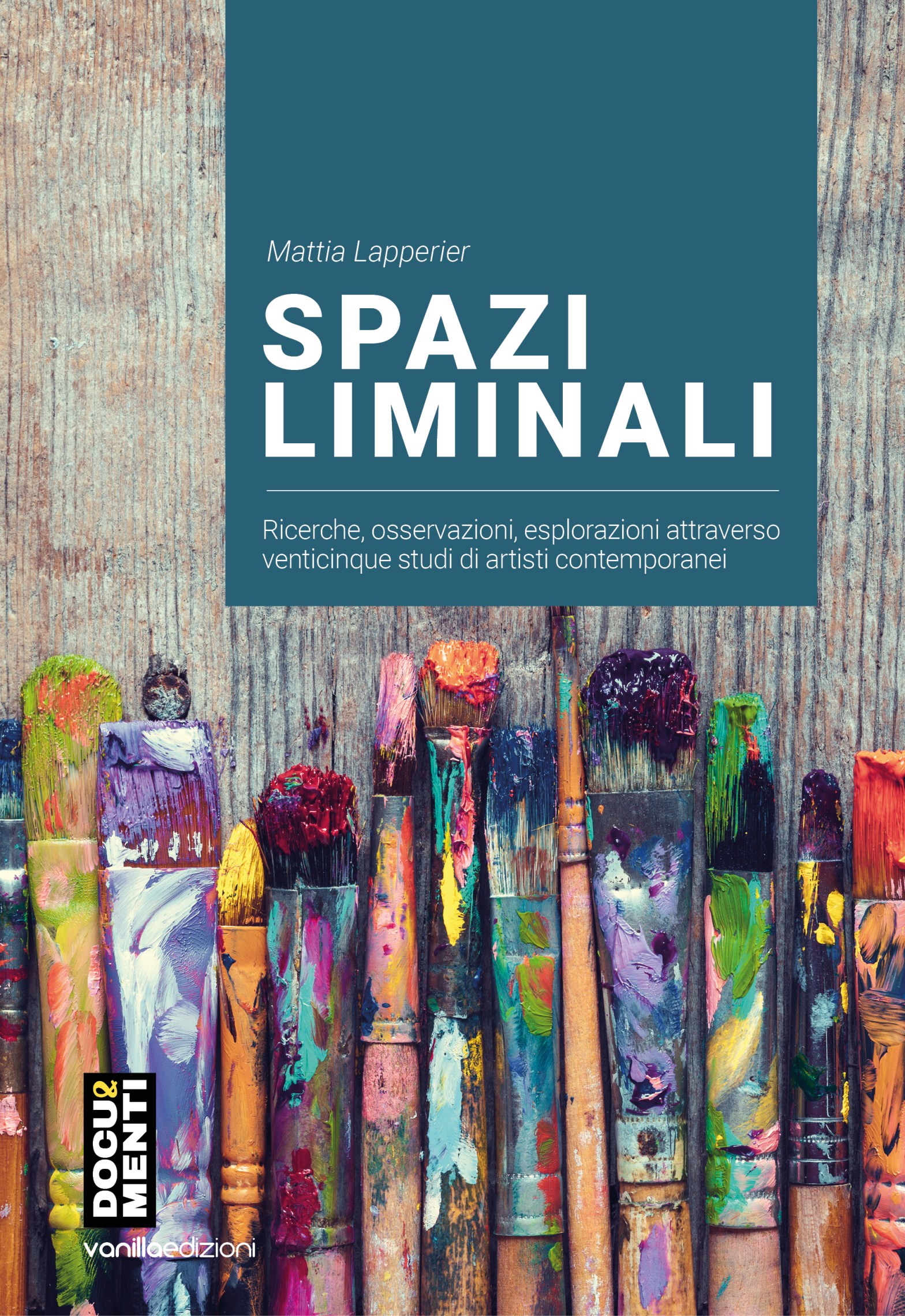
(▼scroll down for English text)
#paroladatista #intervistacuratore #mattialapperier
Parola d’Artista: Ciao Mattia, come nasce questo libro?
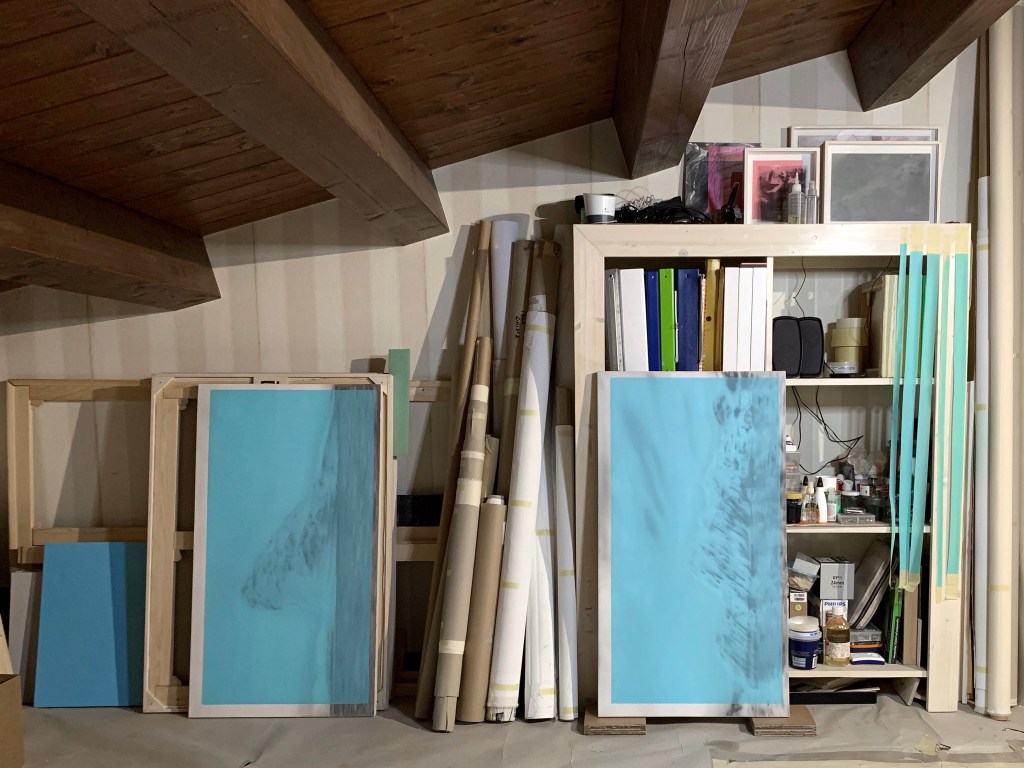
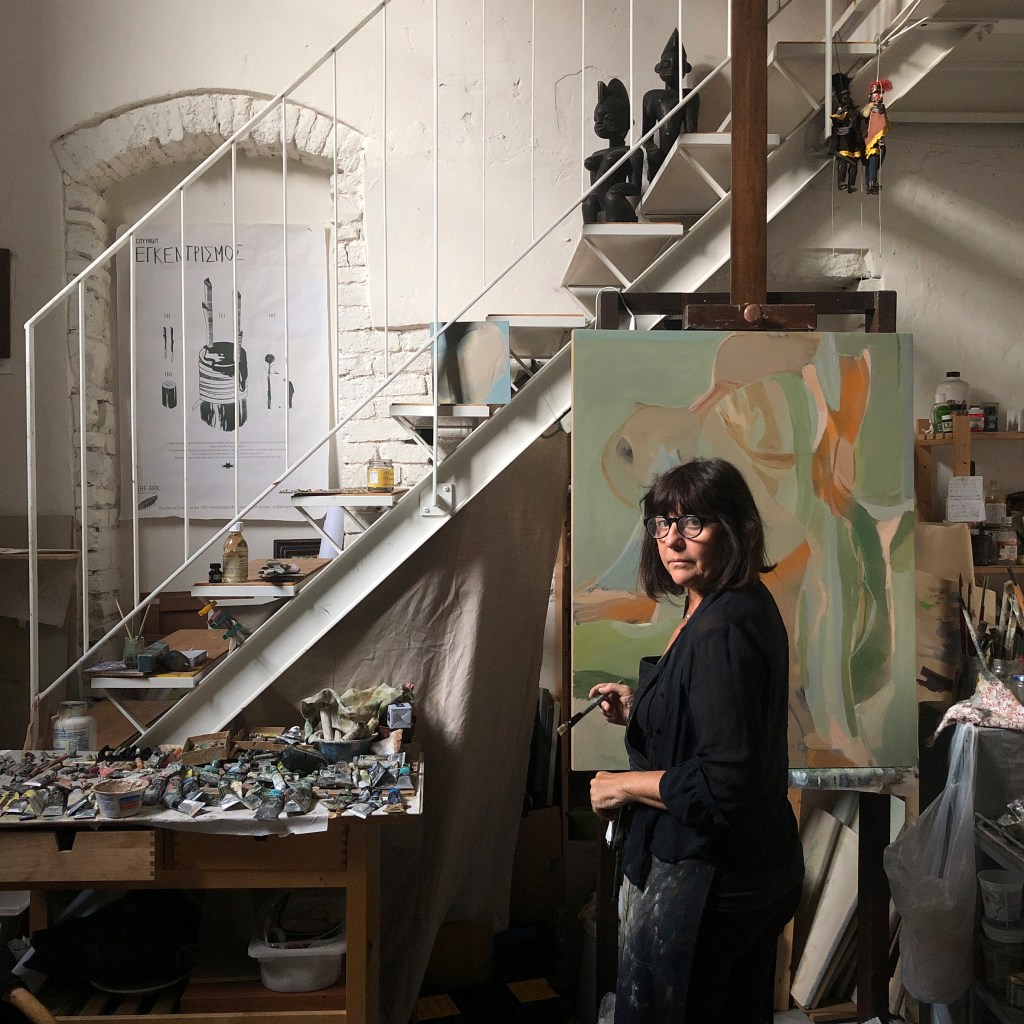
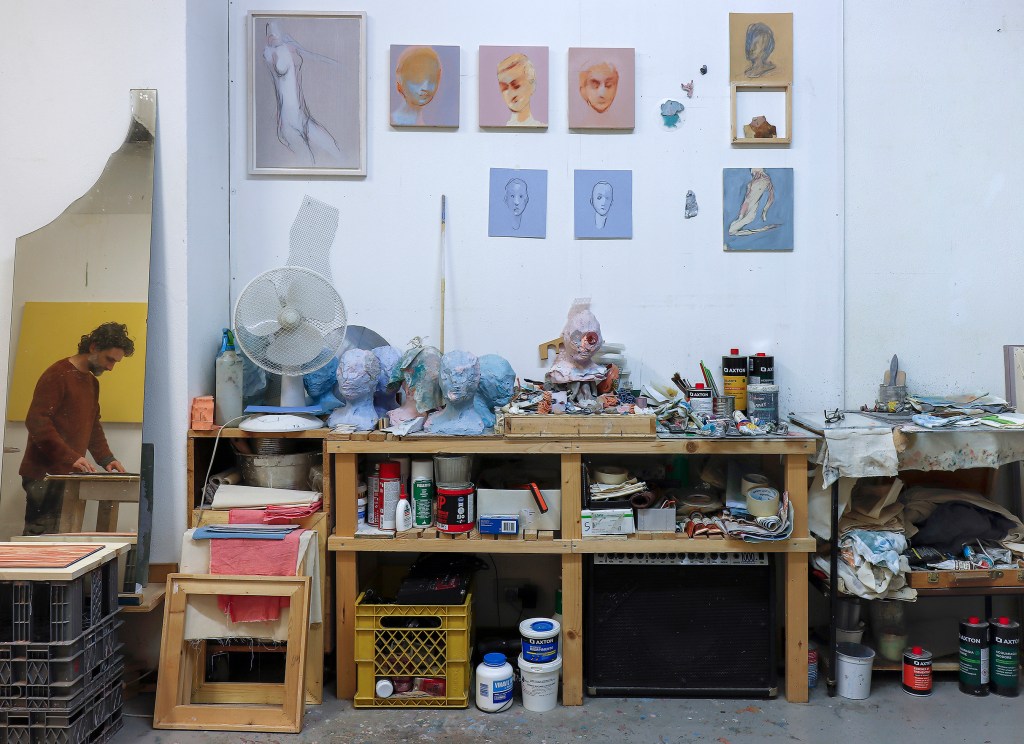
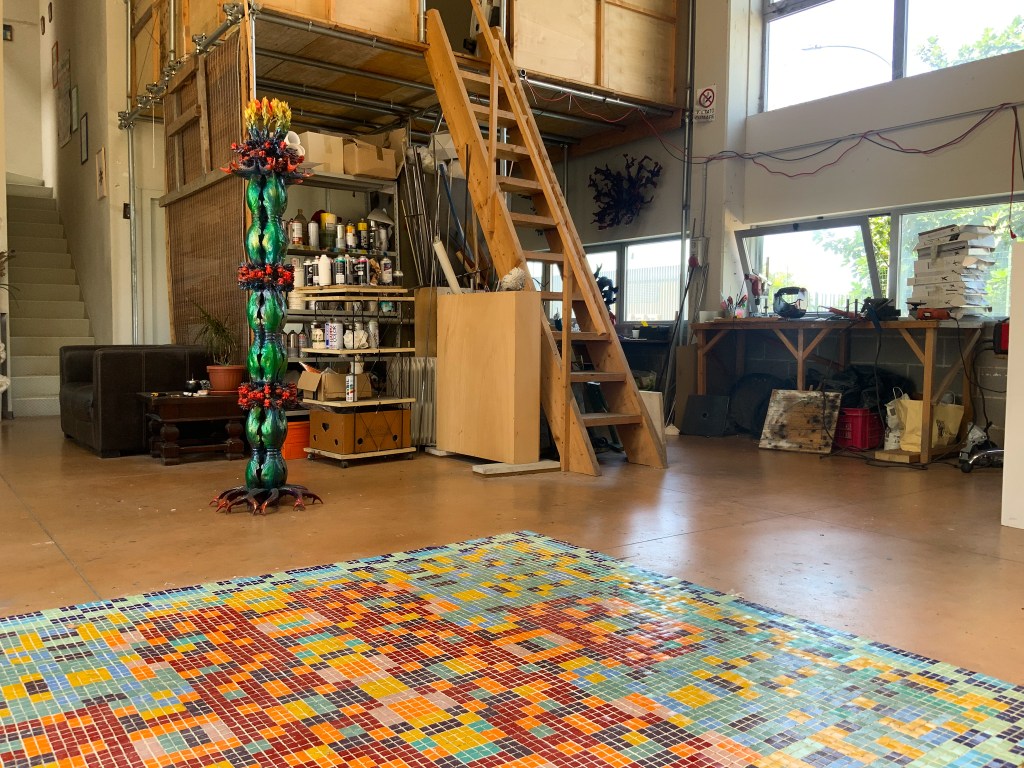
Mattia Lapperier: Il libro, edito da Vanillaedizioni, nasce da una costola di #TheVisit, rubrica sugli studi d’artista che curo dal 2021 per Espoarte.net. Nel corso di questi ultimi anni ho avuto modo di visitare molti studi, di conoscere altrettanti artisti e di approfondire soprattutto il loro rapporto con lo spazio di creazione artistica. In molti casi viene a consolidarsi – quasi inconsapevolmente – un legame stretto, viscerale, quasi simbiotico tra l’artista e lo studio. Quest’ultimo nasce, cresce e si sviluppa di pari passo con l’artista. Ne riflette la personalità nel modo più autentico. È testimone silenzioso delle sperimentazioni più ardite, della messa a punto di tecniche affinate negli anni e custodite gelosamente. È anche il luogo delle infinite prove, delle notti insonni, delle cocenti insoddisfazioni, che tuttavia possono talvolta sfociare in successi inaspettati. Proprio a partire da tali premesse, ho avvertito la necessità di approfondire i miei studi sull’argomento, così da offrire ai lettori di Spazi liminali una panoramica sugli studi d’artista in Italia oggi, settore di ricerca quest’ultimo decisamente ancora poco battuto, in particolar modo per quanto concerne il contemporaneo.
P.d’A.: Perché si intitola Spazi liminali?
M.L.: Si intitola così perché penso che gli studi d’artista siano autentici spazi di confine. Dal latino, la parola “limen” significa appunto “soglia”, “confine”. Ho mutuato il termine dal linguaggio psicologico (in tale contesto infatti per spazi liminali si intendono spazi fisici o stati mentali di confine o di transizione). Gli studi d’artista sono anch’essi spazi liminali poiché si collocano tra il pubblico e il privato; sono spazi vissuti per lo più in solitudine ma che, in molti casi, si concedono allo scambio e alla relazione; sono luoghi di lavoro a tutti gli effetti ma che si prestano altrettanto bene all’otium; sono spazi liminali perché essenzialmente sono territori di transizione e trasformazione.
P.d’A.: Chi sono gli artisti coinvolti e su che criterio ti sei basato per selezionarli?
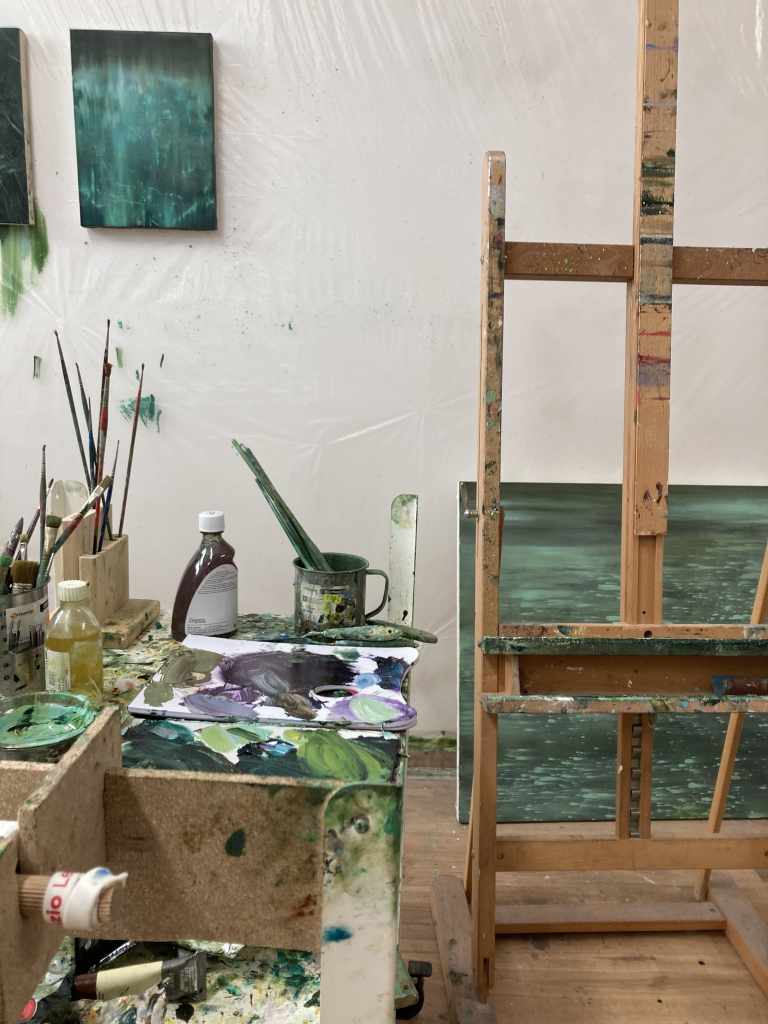
M.L.: Gli artisti scelti sono intenzionalmente molto diversi sia per questioni anagrafiche, che per linguaggio artistico di riferimento, che per formazione ed esperienze. Mi interessava volgere lo sguardo su di una realtà ancora poco nota, che eppure riveste una funzione centrale nel processo di ricerca in ambito storico-artistico, nel suo complesso. A tecniche diverse corrispondono esigenze diverse e, di conseguenza, spazi diversi. Lungi dal rappresentare qualcosa di esaustivo, questa pubblicazione tenta piuttosto di offrire una serie di suggestioni sulla conformazione degli studi, sul rapporto che gli artisti intrattengono con i loro spazi, persino su come talvolta lo spazio in sé concorra a definire le opere che vi vengono realizzate al suo interno.
P.d’A.: Lo studio di un artista può avere molteplici caratteristiche, presentarsi in diversi modi, come ti sei relazionato con questa costellazione di possibili approcci a questi luoghi?
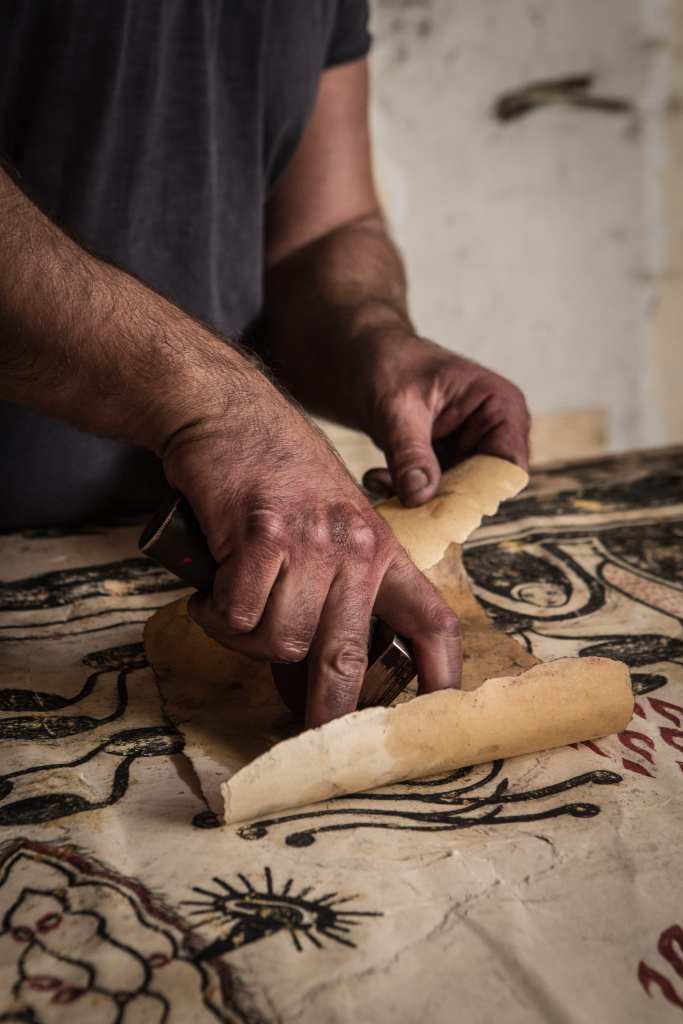
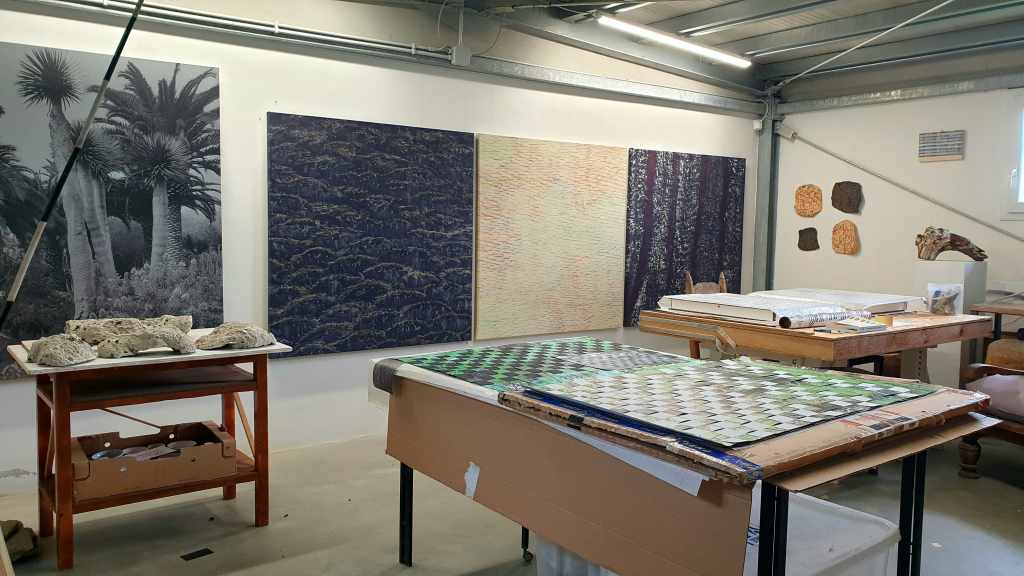
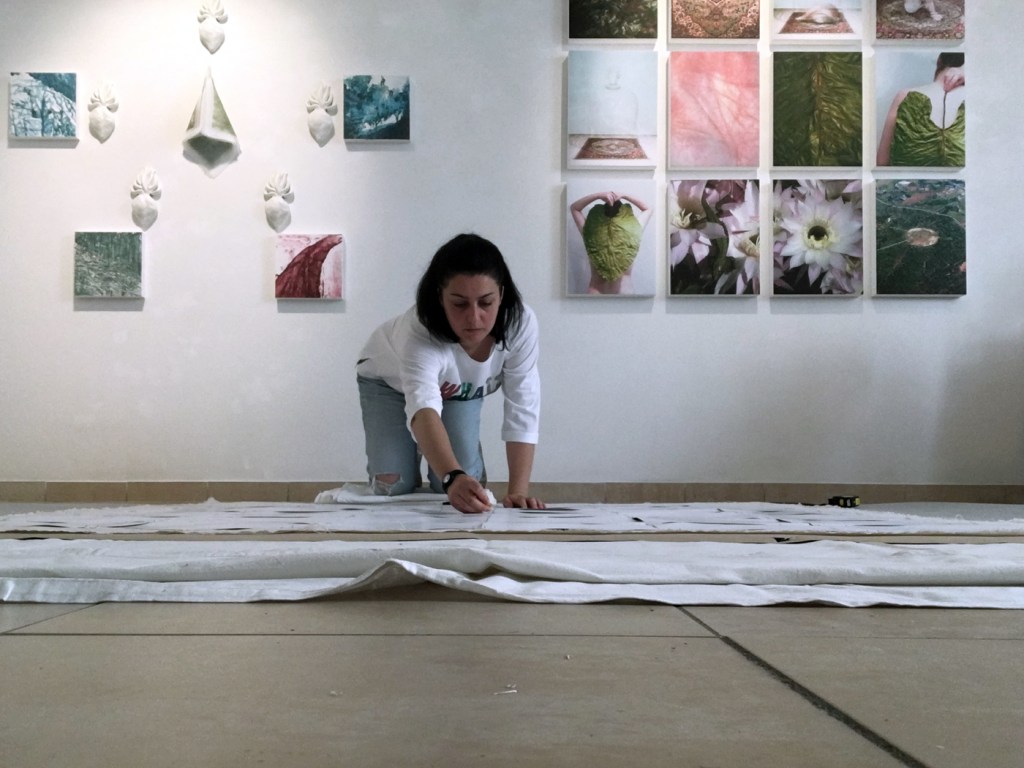
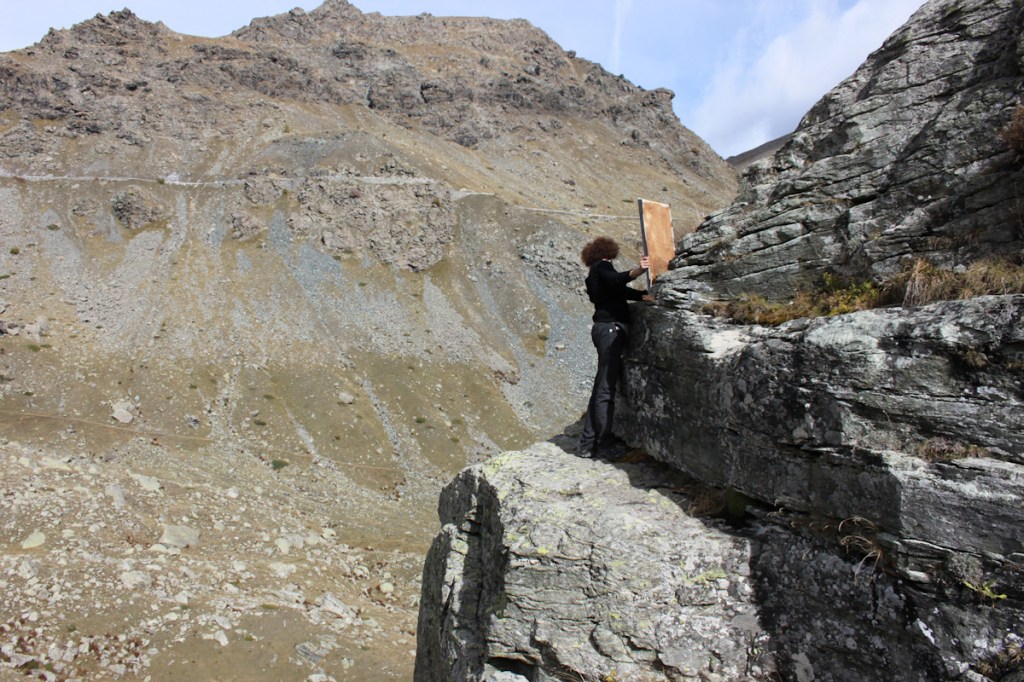
M.L.: Hai detto bene; è una vera e propria costellazione. Più approfondivo la conoscenza dei vari studi, più mi rendevo conto che non solo le caratteristiche di ogni singolo spazio sono uniche ma che era anche inutile ricondurle a delle mere etichette. Alcune assonanze tra uno studio e l’altro mi hanno però indotto a individuare alcune tipologie ricorrenti come la “casa-studio”, lo “studio nel paesaggio”, lo studio-laboratorio”, lo “studio ricavato da un ambiente di recupero”, lo “studio come luogo espositivo”, lo “studio-eremo” e persino lo “studio come prolungamento del sé”. Come dicevo, non si tratta di rigide categorie, è piuttosto un orizzonte all’interno del quale ascrivere molti degli studi d’artista che sono attualmente in piena attività.
P.d’A.: Gli studi che racconti in questa pubblicazione li hai tutti visitati di persona?
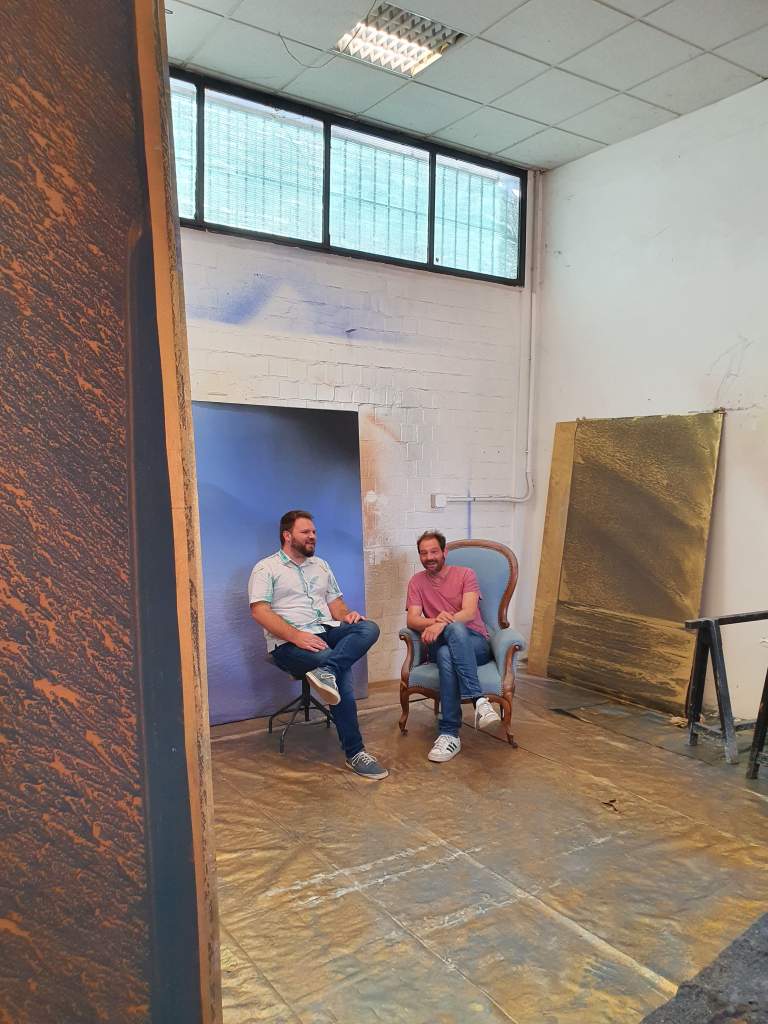
M.L.: Per la stragrande maggioranza dei casi sì. Solo in poche occasioni, anche a causa delle restrizioni da pandemia, io e gli artisti coinvolti abbiamo optato per tour virtuali, in videochiamata. In questo settore di ricerca credo tuttavia sia essenziale intrattenere un rapporto il più possibile diretto con lo spazio in questione. Per questo motivo il reperimento delle informazioni su ogni artista è avvenuto sotto forma di chiacchierata, all’interno dello studio, circondati da opere, progetti allo stato di bozza, materiali e supporti.
P.d’A.: Alla luce di questa serie di visite in studio, che racconti in questo libro, come è cambiato il tuo rapporto con il lavoro degli artisti?
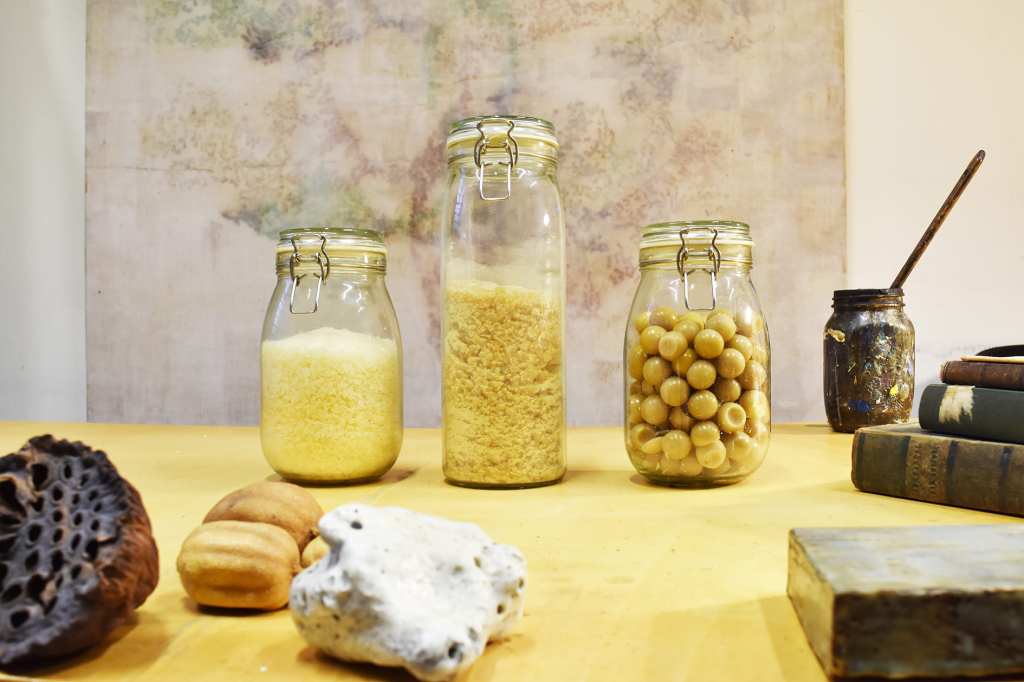
M.L.: Sicuramente ho avuto modo di apprezzare ancora di più tutto ciò che si cela dietro la realizzazione di un’opera: il tempo necessario alla sua nascita; la delicata fase della scelta di supporti e materiali; la grande attività di ricerca che presuppone la sua realizzazione materiale. Una delle motivazioni profonde che mi ha indotto a lavorare a questo progetto editoriale è proprio la volontà di raccontare questa complessità. Gli studi d’artista sono notoriamente luoghi poco accessibili; raccontarli sulla base di un’esperienza diretta credo possa aggiungere molto alla comprensione che abbiamo di un artista e della sua opera.
English text
Interview with Mattia Lapperier on the occasion of the publication of his book “Spazi Liminali” edited by Vanillaedizioni
#paroladartista #intervistacuratore #mattialapperier
Parola d’Artista: Hi Mattia, how did this book come about?
Mattia Lapperier: The book, published by Vanillaedizioni, originated from a section of #TheVisit, a column on artist studios that I’ve been curating since 2021 for Espoarte.net. Over the past few years, I’ve had the opportunity to visit many studios, meet numerous artists, and delve deeply into their relationship with their creative spaces. In many cases, an almost unconscious yet close, visceral, almost symbiotic bond develops between the artist and the studio. The studio is born, grows, and evolves in tandem with the artist, reflecting their personality in the most authentic way. It silently witnesses the boldest experiments, the refinement of techniques honed over the years and jealously guarded. It is also the place of endless trials, sleepless nights, and bitter disappointments, which can, however, sometimes lead to unexpected successes. It was from these premises that I felt the need to deepen my studies on the subject, so I could offer readers of *Spazi liminali* an overview of artist studios in Italy today—a research area that is still significantly underexplored, especially regarding the contemporary scene.
P.d’A.: Why is it titled *Spazi liminali*?
M.L.: It’s titled this way because I believe that artist studios are authentic border spaces. From Latin, the word “limen” means “threshold” or “boundary.” I borrowed the term from psychological language (where liminal spaces refer to physical or mental states of boundary or transition). Artist studios are also liminal spaces because they exist between public and private realms; they are spaces mostly lived in solitude but, in many cases, open to exchange and interaction; they are workspaces in every sense but also lend themselves to leisure; they are liminal spaces because they are essentially territories of transition and transformation.
P.d’A.: Who are the artists involved, and what criteria did you use to select them?
M.L.: The chosen artists are intentionally very different, both in terms of age, artistic language, and their education and experiences. I was interested in focusing on a reality that is still little known yet plays a central role in the research process within art history as a whole. Different techniques correspond to different needs and, consequently, different spaces. Far from being exhaustive, this publication instead attempts to offer a series of suggestions on the configuration of studios, the relationship that artists have with their spaces, and even how the space itself sometimes contributes to defining the works created within it.
P.d’A.: An artist’s studio can have many characteristics and present itself in different ways. How did you engage with this constellation of possible approaches to these spaces?
M.L.: You put it well; it is indeed a constellation. The more I deepened my knowledge of various studios, the more I realized that not only are the characteristics of each space unique, but it was also futile to reduce them to mere labels. However, some similarities between studios led me to identify recurring types such as the “home-studio,” the “studio in the landscape,” the “workshop-studio,” the “studio created from a reclaimed space,” the “studio as an exhibition space,” the “hermit-studio,” and even the “studio as an extension of the self.” As I mentioned, these are not rigid categories; rather, they represent a horizon within which many currently active artist studios can be placed.
P.d’A.: Did you visit all the studios featured in this publication in person?
M.L.: In the vast majority of cases, yes. Only on a few occasions, due to pandemic restrictions, did the artists and I opt for virtual tours via video call. However, in this research field, I believe it is essential to have as direct a relationship as possible with the space in question. For this reason, gathering information on each artist took the form of a conversation within the studio, surrounded by works, drafts, materials, and supports.
P.d’A.: In light of these studio visits you describe in the book, how has your relationship with the artists’ work changed?
M.L.: I definitely came to appreciate even more everything that lies behind the creation of a work: the time needed for its inception, the delicate phase of choosing supports and materials, and the extensive research activity that its material realization entails. One of the deep motivations that led me to work on this editorial project is precisely the desire to convey this complexity. Artist studios are notoriously inaccessible places; I believe that telling their story based on direct experience can greatly enhance our understanding of an artist and their work.

Riccardo Angelini
Isabella Nazzarri

Massimo Angèi
Silvia Infranco
Ph Annalisa Patuelli

Ph Edi Solari

Ettore Pinelli
Antonio Barbieri
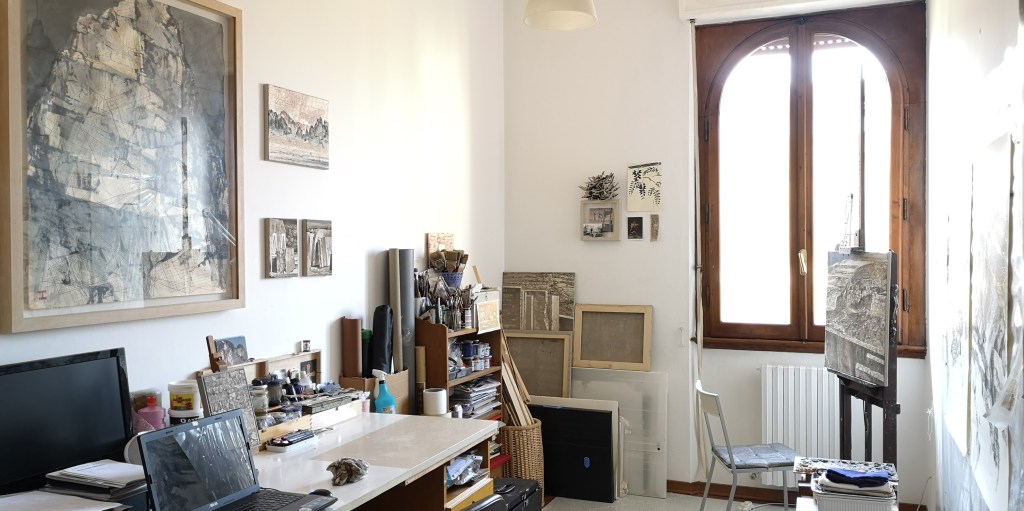
Giorgio Distefano
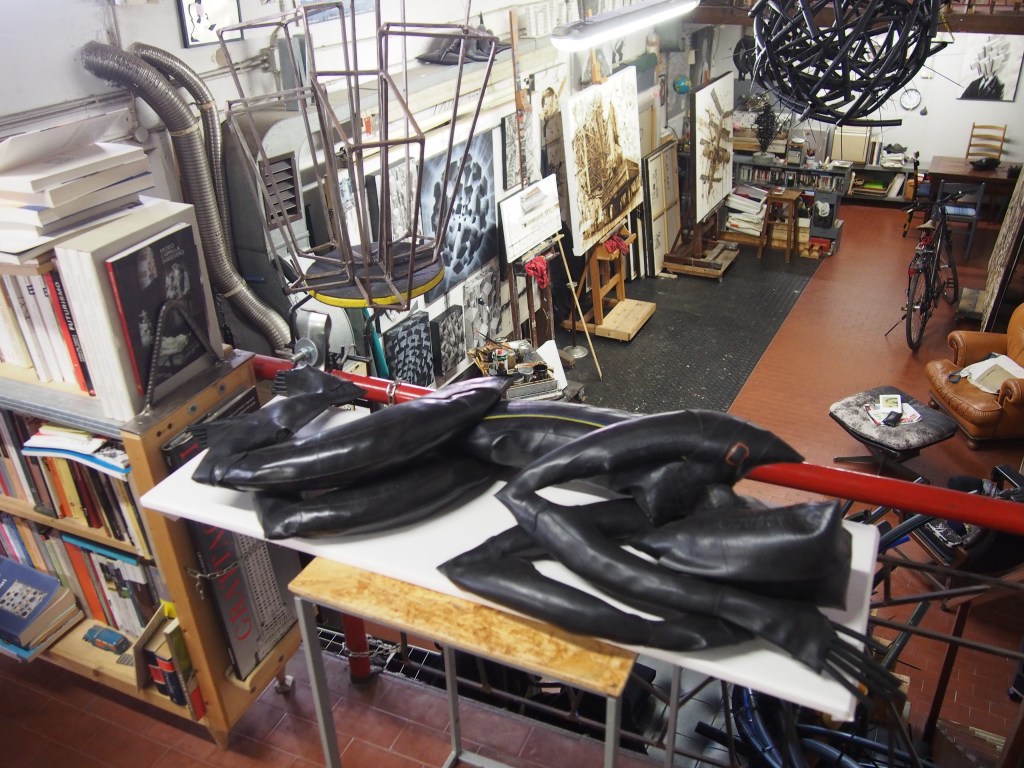
Luca Matti
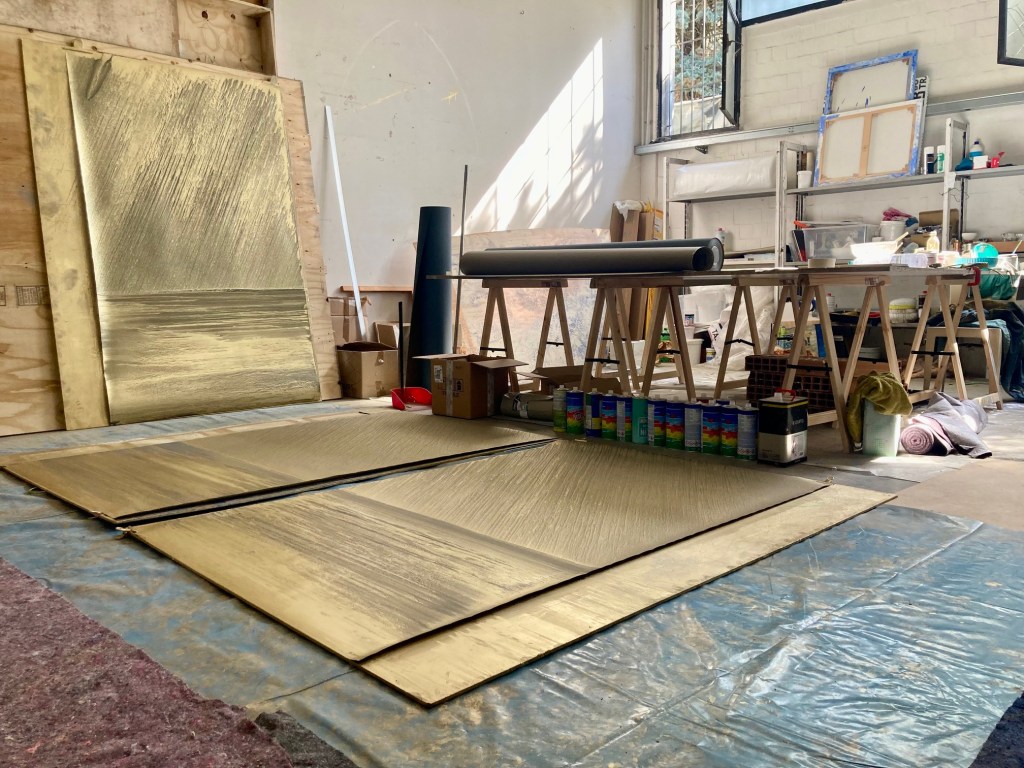
Matteo Montani

 paroladartista.com