
(▼Scroll down for English text)
#paroladartista #intervistaartista #artistinterview #carlottaamanzi
Parola d’Artista: Come ottieni la materia sfuggente ed evanescente di cui sono fatti i tuo dipinti?
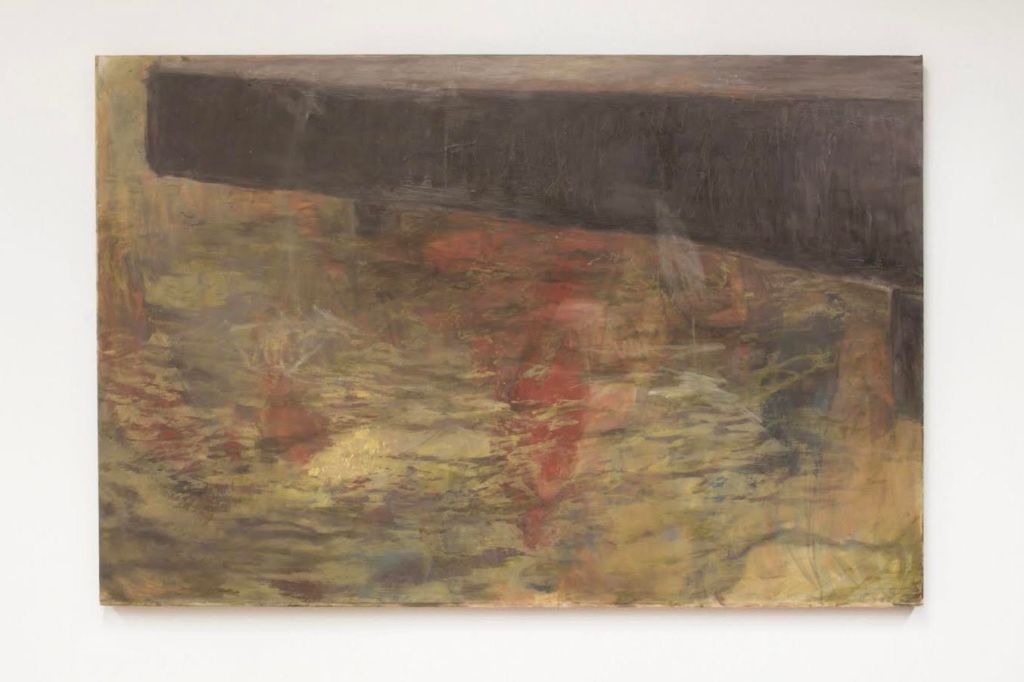
Caroltta Amanzi: Probabilmente la ottengo considerando tanto anche le caratteristiche tattili della pittura. Conto molto sulle consistenze e su come diventano visibili, tanto quanto conto sul colore ad esempio. È una cassetta degli attrezzi in più, cosicché le possibilità si moltiplichino.
Sono tante le cassette degli attrezzi che un pittore può “sbloccare” e poi può combinare, o ancor meglio utilizzarle per crearne di nuove.
Inoltre il campo su cui si sviluppano più variazioni delle consistenze è un campo soprattutto verticale, quello creato dagli strati. Non si tratta soltanto di velature, ma più che altro di armonici —intesi nel senso musicale del termine. La pittura parla di armonia più nelle forme e quindi in una maniera orizzontale, l’armonico in musica è invece verticale. Questo tenendo comunque a mente che la pittura rimane una cosa di superficie, una pelle.
Per quanto possa affascinarmi la sintesi e i lampi che porta a chi sa veramente cavalcarla; io credo di essere per le complessità e per tutti quei meccanismi della pittura e della materia che ramificano, dilatano, cambiano leggi, eccetera.
P.d’A,: la dimensione del ricordo e più precisamente della memoria di qualcosa che sfugge che importanza ha nel tuo lavoro?
C.M.: Ne ha tanta direi, pur non volendo. Non mi accende pensare di stare a lavorare per rivedere qualcosa che ho già visto, ma inevitabilmente quel che ci ha toccati torna. Qualcosa del quadro dà la stessa impressione di quella determinata impressione che già era esistita in un determinato momento — basta questo e non per forza linee e forme di quella memoria.
Per fortuna una memoria non si può riprodurre. Non si può esperire qualcosa due volte tramite un quadro — anche se una volta che si presenta quell’impressione mi dimentico di non aver speranza di farlo. E nel tentativo mi trovo più a “straparlare” a partire da quella memoria, o meglio “stravedere”. Da quel momento, c’è un irrispettoso surplus ed è esattamente qui che ho modo di vedere qualcosa che non ho già visto.
P.d’A.: Che tipo di relazione cerchi con chi si trova davanti ai tuoi dipinti?
C.M.: In un primo momento certamente cercavo di portare chi si trovava davanti al quadro nella condizione di dover decidere cosa stesse vedendo, esattamente la posizione in cui mi trovavo io nel momento dell’apparire di una forma — forma che nella maggior parte delle volte rimaneva così sospesa. Non mi interessa più questo tipo di ambiguità; certo portava chi guardava a prendere una posizione rispetto alle immagini, ma quasi timidamente e sempre con una buona quantità di alibi dovuti alla condizione così fraintendibile di ciò che mostra il quadro.
Oggi direi che seppur il quadro deve necessariamente rimanere aperto, poco mi interessa far decidere a chi guarda. Voglio far vedere ciò che decido di far vedere, così com’è in purezza. La presa di posizione dev’essere mia, con pudore o senza.
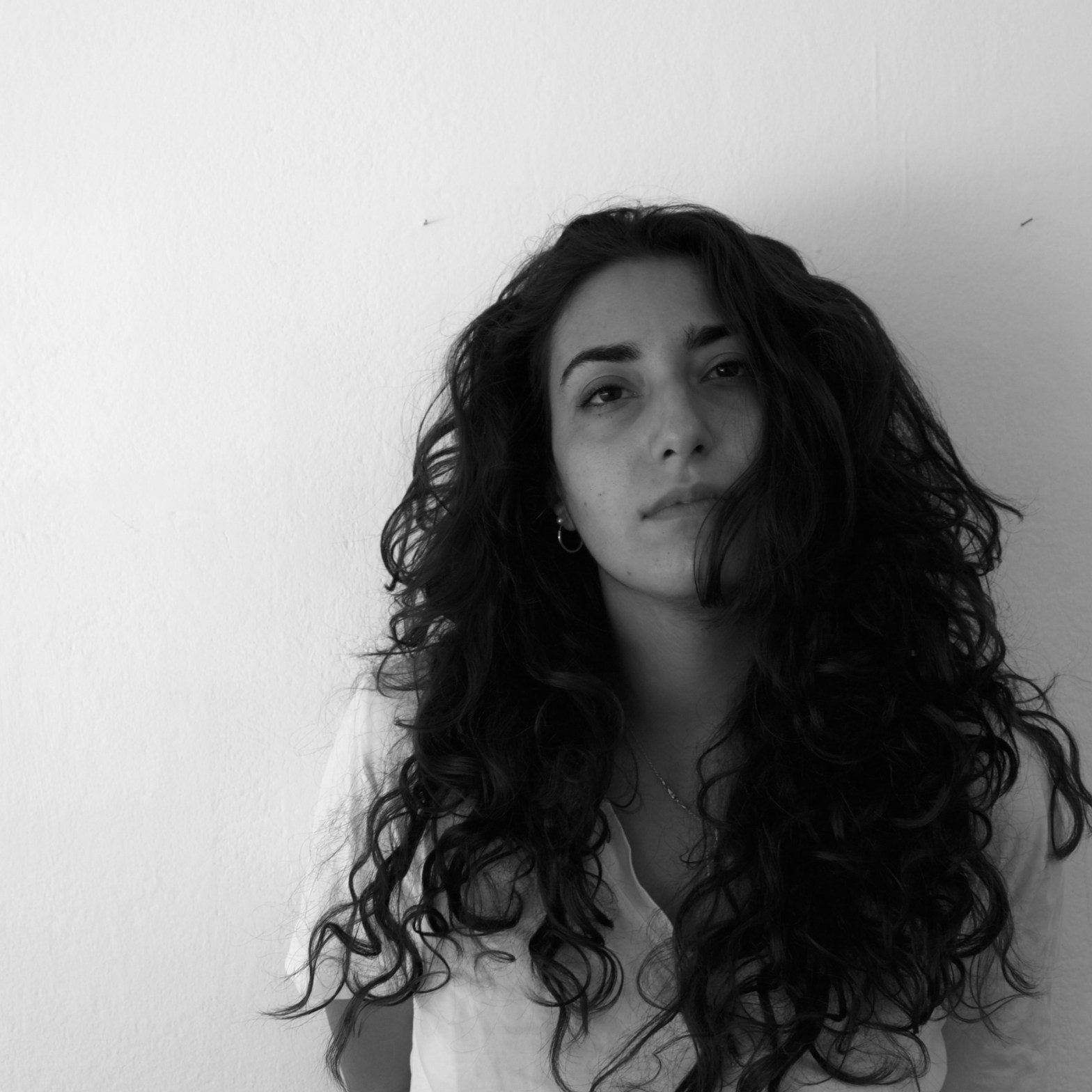
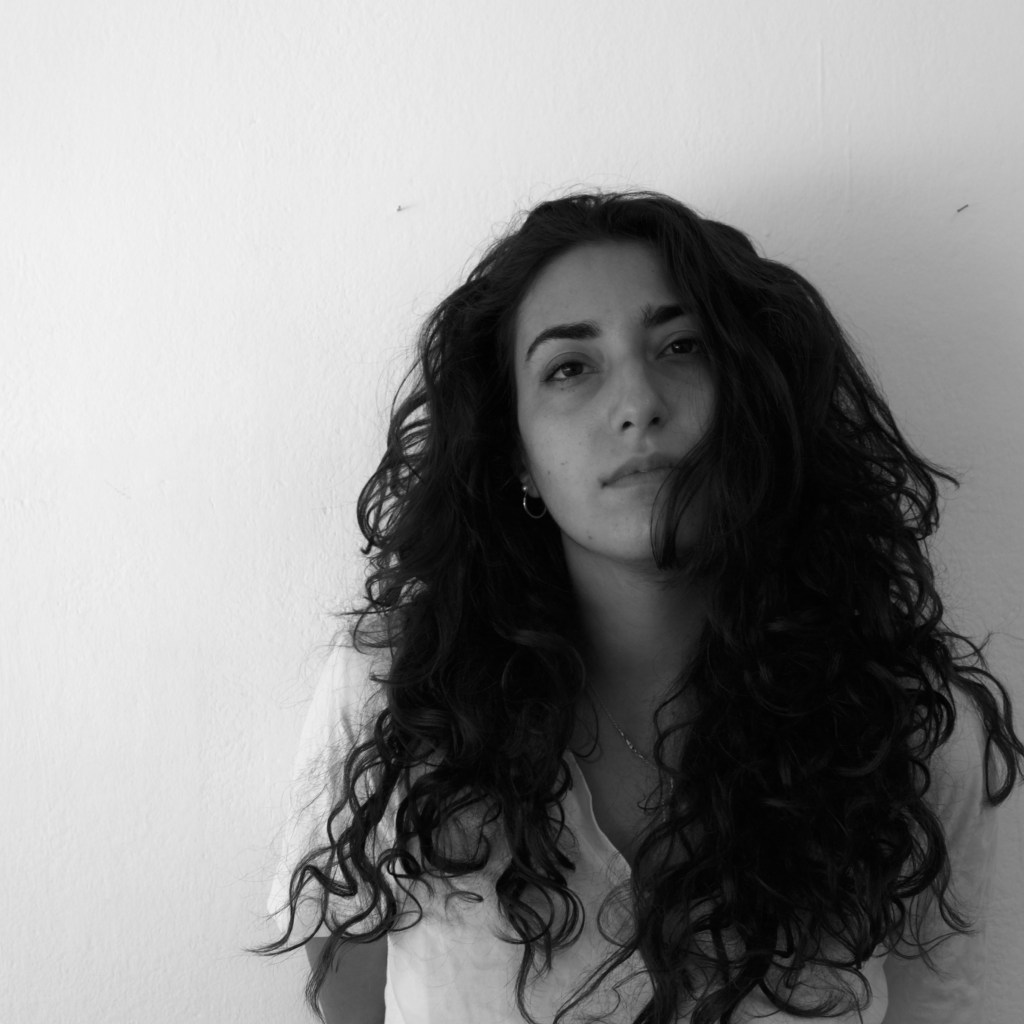
Carlotta Amanzi, nata nel 2000 a Sanremo. Vive e lavora a Bologna.
Il corpus che i suoi quadri vanno a formare non si tiene insieme per somiglianza, ma si attiva nella differenza — che è sempre costitutiva e mai comparativa. Pertanto questa pittura deve farsi elastica, versatile e viva tanto di meccanismi interni quanto di nude impressioni.
Sta attualmente completando la formazione con il biennio in Pittura all’Accademia di Belle Arti di Bologna.
“Missed Timing, Pilot” è l’ultima mostra personale alla Ann Mazzotti Gallery in Svizzera (Basel, 2024), preceduta da “Busillis” a Spazio Torrso (Pesaro, 2023). Ha partecipato a mostre collettive presso Sof:art (Bologna, 2022), ARTEFIERA (Bologna, 2024), Palazzo Saraceni (Bologna, 2023).
English text
Three dry questions to Carlotta Amanzi
#paroladartista #intervistaartista #artistinterview #carlottaamanzi
Parola d’Artista: How do you obtain the elusive and evanescent material your paintings are made of ?
Caroltta Amanzi: I probably achieve this by considering the tactile characteristics of the paint as much as I do. I rely a lot on textures and how they become visible, as much as I rely on colour for example. It is an extra toolbox, so that the possibilities multiply.
There are so many toolboxes that a painter can ‘unlock’ and then combine, or even better use to create new ones.
Moreover, the field on which the most variations of textures develop is a primarily vertical field, that created by the layers. It is not just a matter of glazes, but more of harmonics – understood in the musical sense of the term. Painting speaks of harmony more in forms and thus in a horizontal manner, the harmonic in music is instead vertical. This, however, bearing in mind that painting remains a surface thing, a skin.
As much as I am fascinated by synthesis and the flashes it brings to those who really know how to ride it, I believe I am for complexities and all those mechanisms of painting and matter that ramify, dilate, change laws, etc.
P.d’A,: the dimension of memory, and more precisely the memory of something that escapes, how important is it in your work?
C.A.: It has a lot, I would say, even if I don’t want to. It doesn’t turn me on to think I am working to see something I have already seen, but inevitably what has touched us returns. Something in the painting gives the same impression that already existed at a certain moment – that’s all it takes, not necessarily lines and shapes from that memory.
Fortunately, a memory cannot be reproduced. You cannot experience something twice through a painting – even if once that impression arises I forget that I have no hope of doing so. And in the attempt I find myself more ‘squinting’ from that memory, or rather ‘squinting’. From that moment, there is a disrespectful surplus and it is exactly here that I get to see something that I have not already seen.
P.d’A.: What kind of relationship do you seek with those who stand in front of your paintings?
C.A.: At first I certainly tried to bring those who were in front of the painting into the position of having to decide what they were seeing, exactly the position I was in at the moment of the appearance of a form – a form that most of the time remained so suspended. I am no longer interested in this kind of ambiguity; Certainly led the beholder to take a position in relation to the images, but almost timidly and always with a good deal of alibis due to the very misunderstood condition of what the picture shows.
Today, I would say that although the picture must necessarily remain open, I have little interest in letting the viewer decide. I want to show what I decide to show, as it is in purity. The stance must be mine, with modesty or without.
Carlotta Amanzi, born in 2000 in Sanremo. She lives and works in Bologna.
The corpus that her paintings form is not held together by similarity, but is activated by difference – which is always constitutive and never comparative. Therefore, this painting must become elastic, versatile and alive with both internal mechanisms and naked impressions.
He is currently completing a two-year course in painting at the Academy of Fine Arts in Bologna.
‘Missed Timing, Pilot’ is her latest solo exhibition at the Ann Mazzotti Gallery in Switzerland (Basel, 2024), preceded by ‘Busillis’ at Spazio Torrso (Pesaro, 2023). He participated in group exhibitions at Sof:art (Bologna, 2022), ARTEFIERA (Bologna, 2024), Palazzo Saraceni (Bologna, 2023).
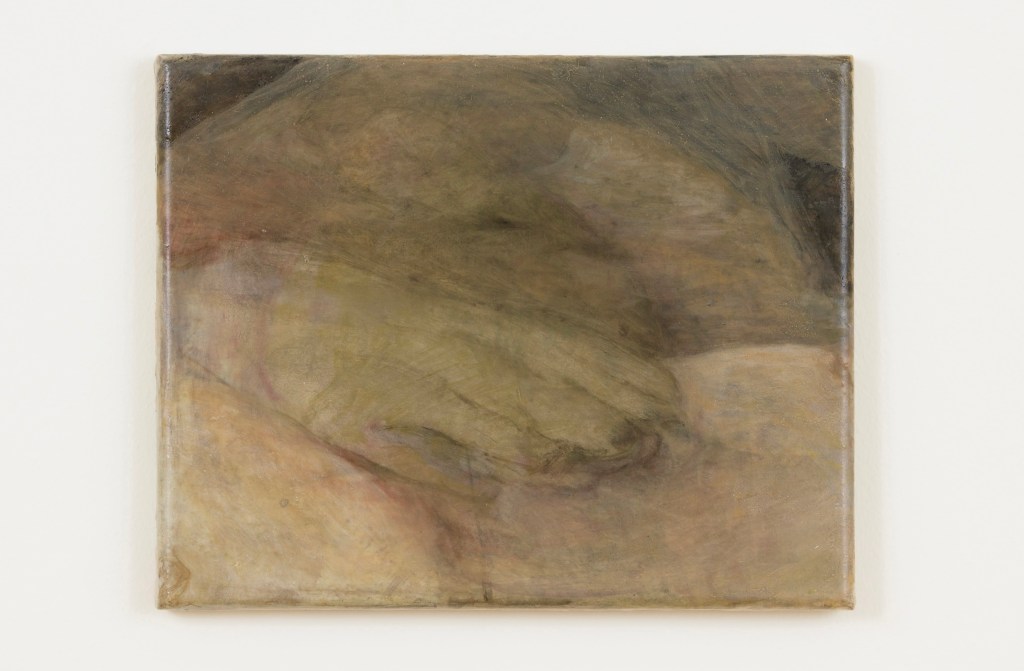
Volpi – Olio e metallkeramik su tela – 24×30 cm – 2024
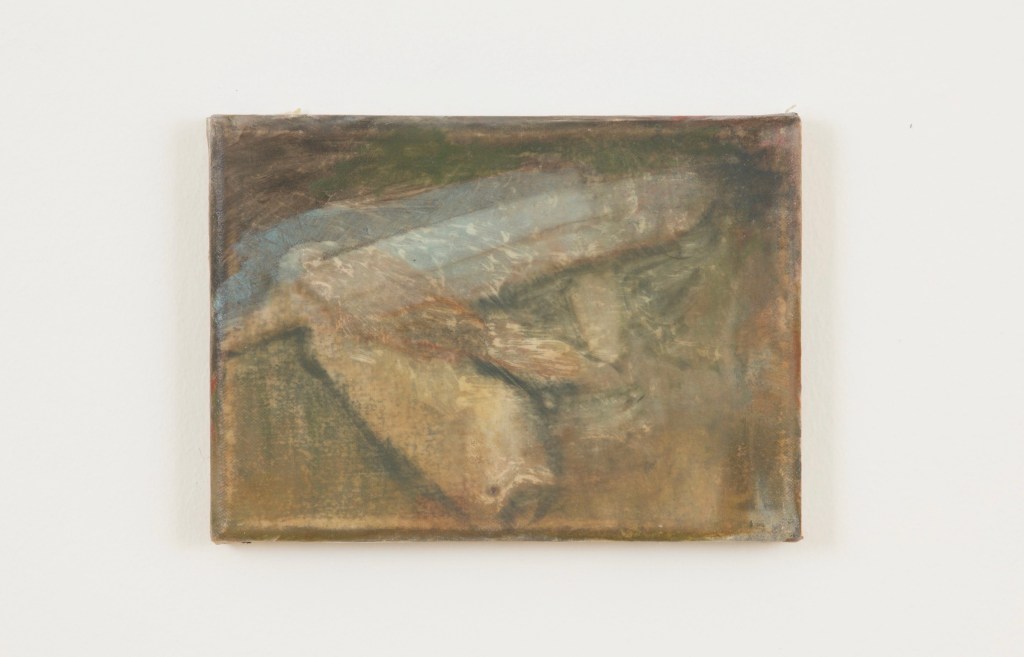
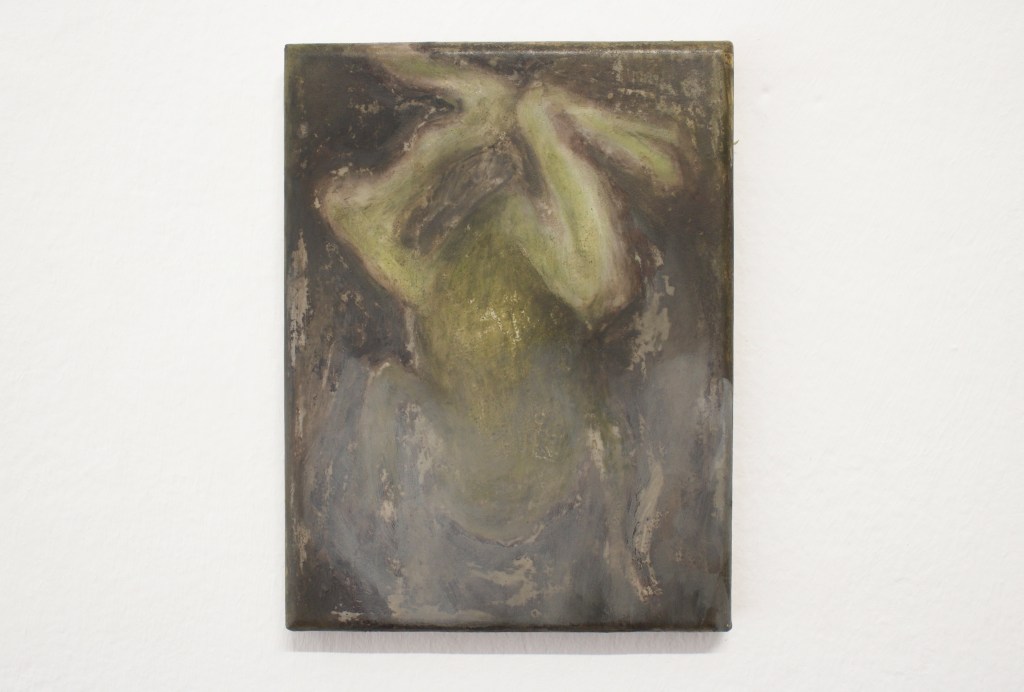
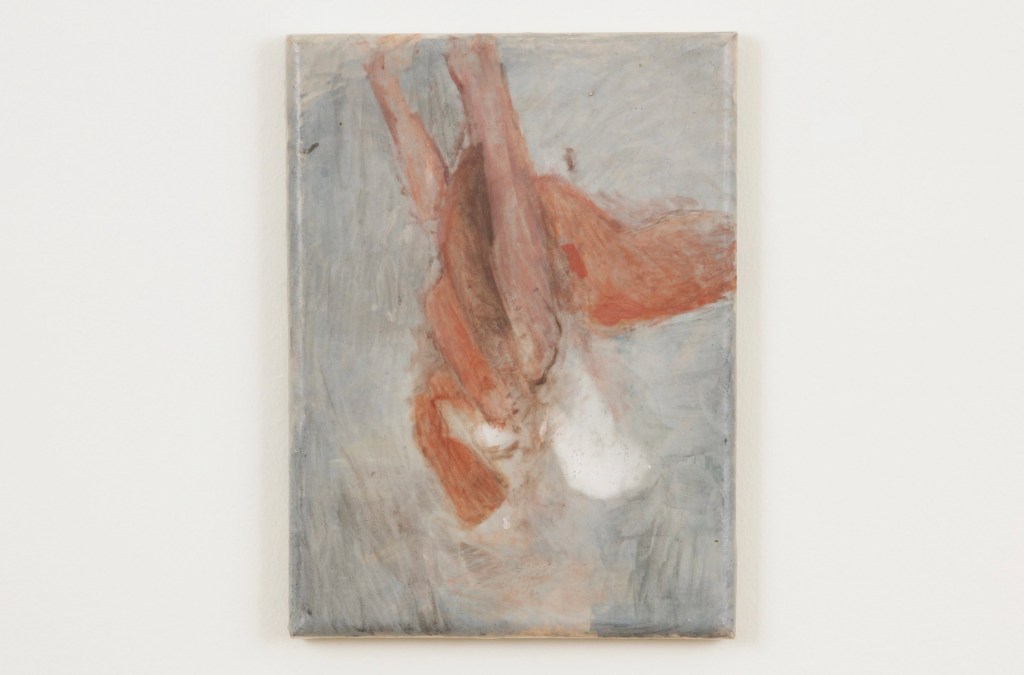
Alfredino Rampi – Olio e metallkeramik su tela – 24×18 cm – 2023

 paroladartista.com