
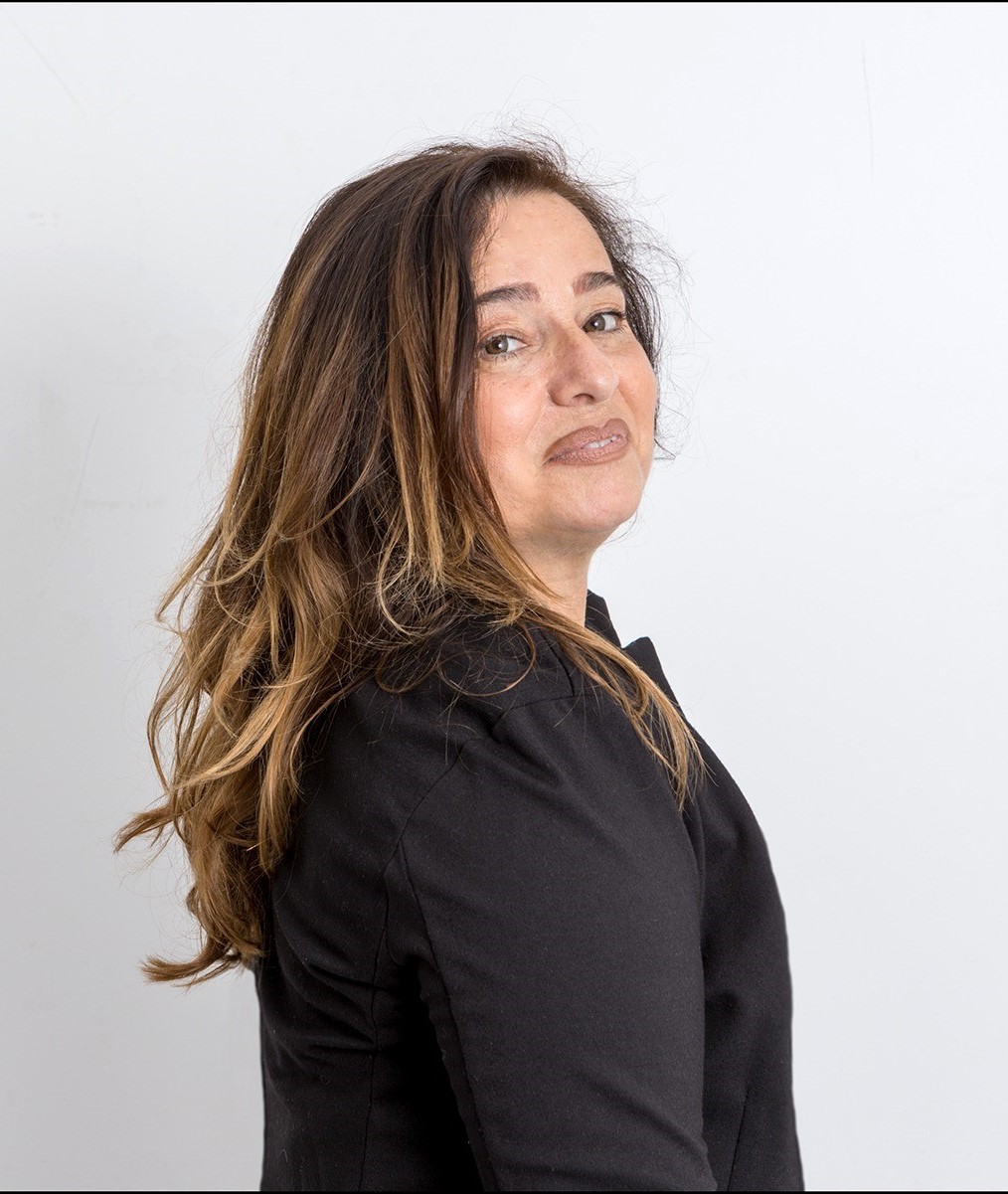
(▼Scroll down for English text)
#paroladartista #intervistacuratrice #artcritics #artcurator #barbaramartusciello
Parola d’Artista: Ciao Barbara, cominciamo dal principio. Quando hai iniziato ad interessarti d’arte?
Barbara Martusciello: Sin da bambina: non vengo da una famiglia di storici, di giornalisti o artisti, ma a casa lo studio era importante e la cultura e l’Arte erano argomenti che riempivano le librerie dei miei genitori: per me e mio fratello sembravano uno scrigno delle meraviglie. Poi ci portavano ogni domenica nei musei, nelle ville storiche, nei siti archeologici come occasioni di avventurose scoperte. Eravamo habitué dei Musei Capitolini, di Ostia Antica, dei Musei Vaticani dove la fila era pochissima e potevamo correre tra le mummie della sezione egizia, sdraiarci per goderci ogni particolare del Giudizio Universale e della Sistina o sederci davanti alle raffigurazioni nelle La Stanza di Raffaello. Oggi sarebbe impensabile: l’overTurismo rende impossibile una fruizione tranquilla e senza folla della gran parte del nostro Patrimonio Artistico-Culturale. Al Colosseo ci andavamo normalmente a disegnare, quando frequentavo il Liceo Artistico: ti immagini come si potrebbe fare attualmente, con le ressa che c’è e la catena umana in attesa di entrare?
Poi ci fu la prima rivelazione: l’allora Galleria Nazionale d’Arte Moderna, dove l’arte contemporanea mi folgorò, così strana, diversa da tutto quello che d’antico mi era già familiare… La seconda rivelazione fu l’incontro – in carne ed ossa – con Keith Haring a Roma, in Via Nazionale, al Palazzo delle Esposizioni, sia dentro che fuori: un folletto assorto e divertito che mi spalancò un mondo fatto di segni e disegni per me pazzesco, un trip… Stiamo parlando dell’84…
Un altro legame con l’arte lo devo alla mia maestra delle scuole Medie, la prof.ssa Marchesi, dolcissima e ottima docente di Educazione Artistica, che mi ha sempre stimolata nella creatività e nello studio della Storia dell’Arte, argomento anche di tanti racconti che ci faceva mio padre, che amava anche dipingere. La mia insegnate mi aiutò a convincere i miei genitori a lasciarmi iscrivere al Liceo Artistico (in quegli anni a Roma erano Licei interessati da sussulti rivoltosi) piuttosto che al Classico… Mi si aprì un mondo. A scuola ho conosciuto il tardo-Futurista Mino Delle Site, prof. di una sezione accanto alla mia classe, che non si risparmiava nei racconti sull’Avanguardia in cui aveva militato; ho avuto un supplente eccezionale come il fumettista Paolo Eleuteri Serpieri che in pochi mesi riuscì a farmi capire l’importanza e la pari dignità del fumetto accanto l’arte; e Gaspare Migliore, prof. di Ornato e Figura che un giorno mi disse che avrei dovuto raccontarla l’arte, perché quando lo facevo incantavo anche lui… Ebbi anche il privilegio di frequentare Massimo Coen, il papà della mia amica Eva, che era nella mia stessa classe: Massimo mi invitava a tutti i suoi meravigliosi concerti d’avanguardia…, Mirella, la moglie, sopportava a casa loro le mega-feste che organizzavamo, dove veniva tutta la Roma più divertente e vivace che potevamo intercettare… Sono stati tutti input significativi e, in modo diverso, formativi.
P.d’A.: Quale è stato il tuo iter di studio?
B.M.: Dopo il Liceo Artistico ho fatto Storia dell’Arte all’Università La Sapienza di Roma. Ne sono uscita con il massimo dei voti. Mi piaceva enormemente studiare; e seguire e partecipare a quello che succedeva…
P.d’A.: Quali sono stati gli incontri importanti negli anni della formazione?
B.M.: A parte quell’insegnante di cui ho raccontato, sicuramente Federica Di Castro: all’epoca della mia frequentazione all’Università, lei era curatrice e conservatrice dell’arte contemporanea per l’Istituto Centrale della Grafica (dal 1977 al 1997); ero amica della figlia Nora Iosia, stessa comitiva. Federica mi ha fatto conoscere tanti artisti e personalità forti negli anni Sessanta e Settanta a Roma: Cesare Tacchi, Mario Schifano, Plinio De Martiis; Dorazio, Perilli; Nanni Balestrini; Tomaso Binga (Bianca Pucciarelli Menna), Isabelle Ducrot, Carla Accardi; Cloti Ricciardi, che mi ha fatto conoscere meglio la storia del Femminismo degli anni rivoluzionari… Con Federica ho iniziato a curare alcune tra le mie prime mostre più… ufficiali, in Musei e gallerie. Ad esempio, a Parigi, l’affiancai in un progetto che a Passage de Retz coinvolgeva artisti che usavano il Jeans come tema o materia delle loro opere. In quell’occasione conobbi o ritrovai Fabio Mauri, Luca Maria Patella, Alighiero Boetti e i collezionisti Wicky Hassan e il suo compagno (Wicky era cofondatore e creativo del Sixty Group e titolare dei marchi di abbigliamento Miss Sixty ed Energie: allora andavano fortissimi). Soprattutto, ho conosciuto Renato Mambor con cui ho poi lavorato a lungo, fino a che non ci ha lasciati, e con cui è nata un’amicizia profonda, con lui e con Patrizia Speciale, moglie e sodale.
P.d’A.: Terminati gli studi come ti sei mossa?
B.M.: Random. Forse anche “come un carrarmato in una cristalleria” come mi disse bonariamente un grande gallerista…
Allora non era facile – ed era quasi un azzardo – per una giovane laureata capire come muoversi; l’informazione non era capillare come oggi, gli accademici e i critici senjor erano sospettosi verso i più giovani… Mi aveva aperto la strada l’occupazione, la cosiddetta Pantera dell’anno ’89 e ’90 (“L’università privatizzata? La pantera s’è incazzata”) che portò dentro le Facoltà intellettuali e, a Lettere e a Storia dell’Arte, un certo mondo della cultura e dell’arte. Feci un intervento durante un incontro autogestito che piacque ad alcuni responsabili di una rivista che allora andava per la maggiore, “Arti Visive”, del Sindacato Nazionale Artisti (allora aveva un certo peso): iniziai intervistando Mario Ceroli, Gino Marotta, Achille Bonito Oliva, Mimmo Rotella; poi mi chiamarono a “Paese Sera”, un quotidiano che era stato importante ma in quegli anni già in declino: non pagavano mai, ma mi feci le prime ossa… Ho iniziato così, per merito, una certa casualità e non poca incoscienza: e scrivendo.
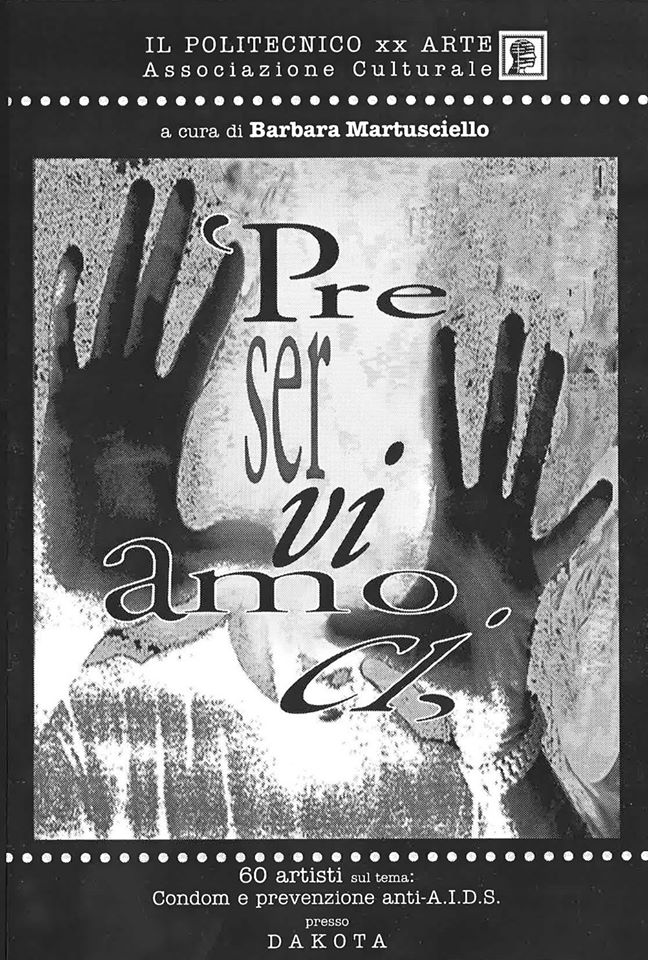
Poi, da cosa è nata cosa… Organizzai le prime mostre, portai i fumettisti Disegni & Caviglia in una galleria elegantissima in Via Gregoriana; una collettiva etica e politica sul tema dell’AIDS con il… preservativo come oggetto di molte opere (eravamo nel ’94 o ’96: con tentativi di censura, questa sarebbe una storia a parte!); mi ero anche impegnata anima e corpo in una rassegna, in un noto caffè del jazz e del blues romano – 1992 – 93 – dove affiancai emergenti ad artistar e dove ogni lunedì per due anni arrivavano tutti: in quel periodo non era per nulla usuale questa commistione tra generazioni e… curriculume nemmeno usare un linguaggio non critichese, più semplice e diretto, nelle Critica d’Arte, altra attitudine che mi contraddistinse in quegli anni Novanta… Fu una novità, tutto sommato lo ero anche io, decisamente poco avvezza alle regole del Sistema dell’Arte che mi interessava quasi nulla… il che – con il senno di poi – non fu proprio strategico… Ma tant’è: mi affermai.
P.d’A.: Che anni erano e che cosa si vedeva nel mondo dell’arte?
B.M.: Erano anni vivaci, anche se c’era una cesura, come ho detto, tra la generazione dei maestri, di quelli famosi, diciamo… arrivati, e le più giovani generazioni. Dimenticandoci della coda dell’AIDS, delle guerre Jugoslave, e considerando anchela caduta del Muro di Berlino, negli anni Novanta c’è stato un bel ribollire culturale, creativo e dell’attivismo.Soprattutto a Roma, ci sono stati fermenti d’intercodice: questa fu la grande novità di quegli anni, insieme, ovviamente, a Internet e a tutta una reticolare produzione online che stava prendendo il sopravvento…
C’era ad esempio il fenomeno letterario dei Cannibali, verso la metà degli anni Novanta, e una casa editrice allora capitanata da Alberto Castelvecchi che ne pubblicò molti e che rappresentava una scena generazionale facile da frequentare, che si mescolava a quella delle Arti Visive…
E si potevano organizzare o fruire di una miriade di iniziative off e giovani: non una scuola ma gruppi di amici che lavoravano spesso insieme.
Ludovico Pratesi aprì Futuro, in cui si organizzavano incontri, mostre di emergenti, performance; qui creammo “Artel” (il primo numero usciva il 1° maggio nel 1995, c’erano anche un giovane Costantino D’Orazio, la compianta Paola Magni, Claudia Colasanti che allora faceva da ponte tra Roma e Bologna…) e“Architel” (un team eccezionale: Massimo Catalani, Paolo Di Pasquale che diventerà mio marito; il grande Giorgio Muratore etc.): due riviste su fogli che arrivavano… via fax: oggi sembra preistoria ma eravamo all’avanguardia!
Tutto, in quella manciata di anni, accelerò, con interessanti mescolamenti.
Ad esempio, Matteo Boetti aveva un suo spazio capitolino, Autori Messa che, sempre negli anni ’90, è stata una fucina di giovani talenti e in quegli anni radunava un po’ tutti noi e metteva anche in comunicazione arte, musica, poesia e altre discipline. Ecco: la Musica; si poteva vivere una movida, una Night Culture stimolante anche nei club: ricordo Il Locale (di via del Fico, tra piazza Navona e Campo dei Fiori), per un periodo cogestito – o giù di lì – da un mio amico, dove entravo e bevevo gratis e avevo un mio posto quasi fisso con la mia comitiva; lì si esibivano Daniele Silvestri, Niccolò Fabi, Max Gazzè, ma anche Carmen Consoli; una volta mi ha offerto un Martini… Lucio Dalla, che era già un collezionista d’arte contemporanea, ma io ancora non lo sapevo; lì al Locale circolavano tutti, musicisti emergenti, artisti, fenomeni di belle speranze e anche giovani attori – un dinoccolato ragazzone che stava alla porta e chiamavano tutti Picchio, ed era Pierfrancesco Favino, ad es. – in un grande coacervo molto interessante che non poteva non influenzarci tutti…
C’era Radio Rock; c’era la scena nei Centri Sociali e il CyberPunk; c’era Milano, con il Leoncavallo okkupato; e Bologna con il Link, spazio strepitoso (fu allora che mi imbattei in un giovane, stralunato, un po’ triste e ancora misconosciuto Maurizio Cattelan), dove erano fissi gli artisti tra i quali Cuoghi & Corsello, dovepassava spesso l’artista e illustratorespezzino Prof. Bad Trip (Gianluca Lerici), potevi vedere spettacoli dei Motus, di Valdoca, performance e videoarte; potevi chiacchierare con Bifo o conl’editore della mitica Shake edizioni underground, Philopat (Marco Galliani) e con Roberto “Freak” Antoni…
Era il periodo delle posse, a Roma concentrate al Centro Sociale Forte Prenestino dove tra una mostra d’arte e una di sessione di tatuaggi, tra Fumetto underground e Street Art si esibivano e poi cenavano con noi da Onda Rossa Posse (li avevo conosciuti nel periodo della Pantera), poi diventati Assalti Frontali, ai tanti gruppi napoletani etc. che cantavano l’Hip Hop in italiano. La militanza politica passava dall’energia creativa pura. Anche questo ha caratterizzato quegli anni…
C’erano i locali della queerness come Lamuccassassina, inizialmente a Testaccio (nata nei primi anni ‘90 nella forma di serate per l’autofinanziamento del Circolo di Cultura Omosessuale Mario Mieli) dove potevi quasi entrare dentro performance davvero immaginifiche. L’Arte la potevi fruire anche lì, e lì già come forma di militanza politica e liberazione di genere.
Quindi arrivarono i rave, l’Acid, la scena elettronica e tra un concerto e una bevuta, nello stesso luogo non deputato all’arte questa entrava… dalla finestra e potevi vedere mostre retiniche e sperimentazioni non indifferenti.
Tutto era fluido e abbastanza collegato, eravamo tutti lì e questa contaminazione linguistica, con una certa vis militante e gruppettara, ha caratterizzato quegli anni e ha portato nuova linfa anche alle arti visive…
Come ha scritto in un PostSocial Mila Monaco, storico Ufficio Stampa e P.R.: “Noi non eravamo negli anni Novanta, noi ERAVAMO gli anni Novanta”.
Io mi sono fatta da me ma ho avuto la fortuna di incontrare chi lo ha saputo apprezzare e mi ha dato fiducia; ho vissuto almeno un decennio elettrizzante… Poi però tutta questa elettricità a Roma e in Italia si è smorzata parecchio…
P.d’A.: Collaboravi con qualche critico? Scrivevi per qualche rivista recensioni di mostre?
B.M.: Oltre a Federica, di cui ti ho parlato? Bonito Oliva mi ha dato fiducia: con alcuni artisti, soprattutto con Renato (n.d.R.: Mambor) ho collaborato ad alcuni progetti magnifici (2005: Fermata d’Autobus, ad es.); ero instancabile, siamo sempre intorno agli anni ’90 e 2000 e scrivevo testi e recensioni, articoli su tante riviste di settore e non (ricordo “Time Out”; l’effervescente e indipendente “Opening”) e altre ho contribuito a farle nascere, o ero lì mentre ne vagivano, alcune durate solo lo spazio di qualche mese: ma che… figata!
Poi ci fu la collaborazione con la testata “Liberazione”, anni Duemila, in particolare con il bellissimo inserto culturale della domenica che confermò una mia ufficialità a livello più… mainstream, diciamo, ma parliamo già qualche tempo dopo…
P.d’A.: Quali artisti frequentavi? Andavi nei loro studi?
B.M.: Certo, ci andavo allora come ci vado oggi.. Te ne ho citati già un po’ ma sicuramente poi ci sono stati i cosiddetti artisti digitali, i creativi della Street Art (tipo la crew romana TRV),che portai alla galleria Mascherino con Alessandro Gianvenuti: scelta dirompente, quella e qualche altra dopo, perché furono tra le prime mostre che condussero in un tempio dell’Arte un fenomeno in Italia decisamente off e poco conosciuto dal Sistema dell’Arte dominante… E c’erano i ragazzi degli anni Sessanta, che ho avuto il privilegio di conoscere, frequentare e con molti dei quali ho potuto lavorare spesso (Mambor, Frascà, Balestrini, Patella, Schifano…).
P.d’A.: In seguito come sono andate avanti le cose?
B.M.: Dopo aver conosciuto un originale gallerista-collezionista, Stefano Dello Schiavo e, frequentando la sua galleria – te l’ho citata prima, era il Mascherino (allora in zona Borgo Pio) – e scrivendone su quotidiani e riviste, ho poi quindi lavorato lì – e per circa una decina d’anni! – e proprio lì ho finalmente smesso i panni dell’outsider per capire bene come funzionava davvero il Sistema dell’Arte e lo specifico Mercato connesso.
Ormai ero avviata; ho curato mostre importanti, conosciuto tantissimi altri artisti in anni in cui sembrava che Roma fosse un po’ di nuovo un centro propulsivo…
P.d’A.: Come e quando è iniziata l’avventura di art a part of cult(ure)?
B.M.: La mia rivista – mia e delle amiche e socie Isabella Moroni e Giampaola Marongiu – nasce dall’esigenza di sperimentare e cavalcare l’ondata nascente del Web, ma anchedalla volontà di scrivere ed esercitare la nobile arte della critica in totale autonomia, cosa che non era per nulla agile altrove, te lo assicuro. Quella libertà che non avevamo completamente in altri contesti e Media ce la siamo presa costruendo qualcosa di nostro, che ce la permettesse.
Ci siamo buttate nella mischia e, in quello che è diventato un Mare Magnum online, nuotiamo ancora oggi mantenendo fiato e stile…
P.d’A.: Come è organizzata la rivista e quali obiettivi si propone?
B.M.: E’ completamente indipendente, è autofinanziata, no budget, predilige l’analisi e la coesistenza di tante discipline diverse; coinvolge collaboratori di tutte le età, alcuni li ha anche formati, altri erano già e sono super affermati, tutti hanno prestato e prestano la loro opera come se si trattasse un po’ di una… casa comune di tutti, e questo è lo spirito con cui è organizzata, in fondo, la rivista. Gli obiettivi? Quella libertà della scrittura che ce la fece aprire, e l’articolazione degli argomenti da trattare, dimenticandoci di essere online, quindi senza limiti nella lunghezza degli articoli né dell’approfondimento, con l’uso di un linguaggio dotto ma comprensibile a tutti. A quanto pare queste scelte funzionano: da più di 10 anni!
P.d’A.: Che ruolo secondo te hanno oggi i Social e le riviste on line nella diffusione dell’arte e della cultura?
B.M.: Hanno un grande ruolo perché chiunque può dire, scrivere e mostrare tutto più liberamente, senza troppi paletti o verticismo; ma hanno anche tanta responsabilità, e questo chi è presente e agisce attraverso i Social dovrebbe tenerlo bene a mente così come dovrebbe arrivare a divulgare certi argomenti con una preparazione quanto meno indiscutibile, per non banalizzare tutto o peggio… Perché il “questa non è arte” o il “questo potevo farlo anche io” è sempre e ancora dietro l’angolo…
P.d’A.: Ti volevo chiedere di parlare del tuo interesse per la fotografia come e quando è nato e quali sono i fotografi che oggi attirano la tua attenzione?
B.M.: Nasce sin da subito: mio papà e mio zio erano appassionati fotografi amatoriali, io amavo già allora tutto quel materiale prodotto, gli album di famiglia, dei viaggi. All’Università se ne studiava pochissima, come se la Fotografia fosse un corpo estraneo nella Storia dell’Arte, eccezion fatta per le Avanguardie, per fortuna, ma senza pagine adeguate sui manuali tipo l’Argan (a parte qualche Corso monografico, eccezione che confermava la regola). All’estero era diverso ma in Italia… Nei primi anni Novanta mi inventai alcune mostre fotografiche a tema e scoprii o apprezzai meglio una moltitudine di autori interessanti, anche non afferenti esclusivamente alla fotografia ma che con essa si esprimevano anche, usando il corpo proprio e altrui come materia e campo d’indagine (Francesco Impellizzeri); conobbi, quando frequentava Roma, Serrano;mi appassionai delle foto di Nan Goldin, Diane Arbus, Cindy Sherman etc. Ho amato tutta la produzione dei fotografi di Viaggio in Italia, Ghirri in primis… scoprii il Barone von Gloeden e una certa produzione Queer (che allora non chiamavamo così!), i grandi classici, la fotografia italiana anni Sessanta e Settanta di tanti artisti visivi – Mambor, Schifano, Patella, Ketty La Rocca –, Mario Cresci; ma anche autori che hanno documentato momenti favolosi della nostra Storia dell’Arte e non solo, e che ho conosciuto e in più casi frequentato, come Claudio Abate, Agnese Di Donato o Elisabetta Catalano; alcuni autori attenti a tematiche quali l’identità di genere – Lisetta Carmi e i travestiti; Luciano Ferrara e i femminielli napoletani; il lavoro di Lina Pallotta su Porpora; o green, sull’emergenza climatica (Claudio Orlandi) e sui disastri (annunciati) ecologici (Silvia Camporesi); e tanti giovani e contemporanei. Ricordo che, sempre in quegli anni, o poco dopo, in Italia si portava avanti una ricerca fotografica piuttosto interessante sulla banalità del quotidiano, sulla micro-realtà e sugli spazi assenti che seguiva le ricerche di Marc Augè sui non Luoghi (1992). Ma ce ne sono davvero tanti che apprezzo, sai?
Ci siamo evoluti, in Italia: oggi non esiste più cesura nello studio tra Arte e Fotografia e sono lontani i tempi della miopia storico-critica che permise finisse essenzialmente all’estero tutta la strepitosa fotografia Futurista italiana, per dirne una…
Intervista a Barbara Martusciello
(▼Scroll down for English text)
#paroladartista #intervistacuratrice #artcritics #artcurator #barbaramartusciello
Parola d’Artista: Hi Barbara, let’s start at the beginning. When did you first become interested in art?
Barbara Martusciello: Since I was a little girl: I don’t come from a family of historians, journalists or artists, but at home study was important and culture and Art were topics that filled my parents’ bookshelves: for me and my brother it seemed like a treasure chest of wonders. Then they took us every Sunday to museums, historic villas, and archaeological sites as opportunities for adventurous discoveries. We were regulars at the Capitoline Museums, Ostia Antica, and the Vatican Museums where there was very little line and we could run among the mummies in the Egyptian section, lie down to enjoy every detail of the Last Judgment and the Sistine Chapel, or sit in front of the depictions in Raphael’s La Stanza. Today this would be unthinkable: overTourism makes it impossible to enjoy the vast majority of our Artistic-Cultural Heritage quietly and without crowds. We used to go to the Colosseum normally to draw, when I was in art school: can you imagine how it could be done currently, with the crowds there and the human chain waiting to enter? Then there was the first revelation: the then National Gallery of Modern Art, where contemporary art thunderstruck me, so strange, so different from everything ancient that was already familiar to me… The second revelation was the encounter – in the flesh – with Keith Haring in Rome, in Via Nazionale, at the Palazzo delle Esposizioni, both inside and out: an absorbed and amused elf who opened wide to me a world made of signs and drawings that was crazy for me, a trip… We are talking about ’84…
Another connection with art I owe to my middle school teacher, Prof. Marchesi, a very sweet and excellent Art Education teacher, who always stimulated me in creativity and the study of Art History, the subject also of many stories my father, who also loved to paint, used to tell us. My teacher helped me convince my parents to let me enroll in the Liceo Artistico (in those years in Rome they were Licei affected by insurgent jitters) rather than the Classico… A world opened up to me. At school I got to know the late Futurist Mino Delle Site, prof. of a section next to my class, who did not spare himself in stories about the Avant-garde in which he had been militant; I had an exceptional substitute teacher such as the cartoonist Paolo Eleuteri Serpieri who in a few months managed to make me understand the importance and equal dignity of comics next to art; and Gaspare Migliore, prof. of Ornato e Figura who one day told me that I should tell the story of art, because when I did so I enchanted him as well… I also had the privilege of hanging out with Massimo Coen, my friend Eva’s dad, who was in the same class as me: Massimo used to invite me to all his wonderful avant-garde concerts…, Mirella, his wife, used to put up with the mega parties we organized at their house, where all the funniest and liveliest Rome we could intercept came… They were all significant and, in different ways, formative inputs.
P.d’A.: What was your course of study?
B.M.: After high school art school, I took Art History at La Sapienza University in Rome. I came out with top marks. I enjoyed studying enormously; and following and participating in what was going on….
P.d’A.: What were the important encounters in your formative years?
B.M.: Aside from that teacher I mentioned, definitely Federica Di Castro: at the time of my attendance at the University, she was curator and conservator of contemporary art for the Central Institute of Graphics (from 1977 to 1997); I was friends with her daughter Nora Iosia, same group. Federica introduced me to many strong artists and personalities in the 1960s and 1970s in Rome: Cesare Tacchi, Mario Schifano, Plinio De Martiis; Dorazio, Perilli; Nanni Balestrini; Tomaso Binga (Bianca Pucciarelli Menna), Isabelle Ducrot, Carla Accardi; Cloti Ricciardi, who made me better acquainted with the history of Feminism of the revolutionary years… With Federica I started curating some of my first more… official exhibitions, in Museums and galleries. For example, in Paris, I joined her in a project that at Passage de Retz involved artists who used Jeans as the theme or material of their works. On that occasion I met or reconnected with Fabio Mauri, Luca Maria Patella, Alighiero Boetti, and the collectors Wicky Hassan and his partner (Wicky was co-founder and creative director of the Sixty Group and owner of the Miss Sixty and Energie clothing brands: they were going strong then). Above all, I got to know Renato Mambor with whom I then worked for a long time, until he left us, and with whom a deep friendship was born, with him and with Patrizia Speciale, his wife and companion.
P.d’A.: When you finished your studies, how did you move?
B.M.: Random. Maybe even “like a tank in a china shop” as a great gallerist good-naturedly told me…. At that time it was not easy – and it was almost a gamble – for a young graduate to figure out how to move; information was not as capillary as it is today, academics and senjor critics were suspicious of younger people… The occupation, the so-called Panther of the year ’89 and ’90 (“The privatized university? The panther got pissed off”), which brought in the intellectual faculties and, in Humanities and Art History, a certain world of culture and art, had opened the way for me. I made a speech at a self-managed meeting that appealed to some people in charge of a magazine that was then in vogue, “Visual Arts,” of the National Artists’ Union (it had some weight then): I started by interviewing Mario Ceroli, Gino Marotta, Achille Bonito Oliva, Mimmo Rotella; then they called me to “Paese Sera,” a daily newspaper that had been important but in those years already in decline: they never paid, but I made my first bones… I started this way, by merit, a certain randomness and no small amount of recklessness: and by writing.
Then, one thing led to another… I organized the first exhibitions, I brought the cartoonists Disegni & Caviglia to a very elegant gallery in Via Gregoriana; an ethical and political collective on the theme of AIDS of the Yugoslav wars, and also considering the fall of the Berlin Wall, there was quite a bubbling of culture, creativity and activism in the 1990s. Especially in Rome, there were intercode ferments: this was the big news of those years, along, of course, with the Internet and a whole reticular online production that was taking over…
There was, for example, the literary phenomenon of the Cannibals, in the mid-1990s, and a publishing house then headed by Alberto Castelvecchi that published many of them and represented a generational scene that was easy to hang out with, mixing with the Visual Arts…
And a myriad of off and young initiatives could be organized or enjoyed: not a school but groups of friends who often worked together.
Ludovico Pratesi opened Futuro, where meetings, exhibitions of up-and-comers, performances were organized; here we created “Artel” (the first issue came out on May 1 in 1995, there was also a young Costantino D’Orazio, the late Paola Magni, Claudia Colasanti who then acted as a bridge between Rome and Bologna…) and “Architel” (an exceptional team: Massimo Catalani, Paolo Di Pasquale who would become my husband; the great Giorgio Muratore etc. ): two magazines on sheets that arrived … by fax: today it seems like prehistory but we were on the cutting edge!
Everything, in that handful of years, accelerated, with interesting mixes.
For example, Matteo Boetti had his own Capitol space, Autori Messa, which, again in the 1990s, was a hotbed of young talent and in those years gathered all of us a little bit and also put art, music, poetry and other disciplines in communication. That’s it: the Music; you could experience a movida, a stimulating Night Culture even in the clubs: I remember Il Locale (on Via del Fico, between Piazza Navona and Campo dei Fiori), for a time co-managed – or thereabouts – by a friend of mine, where I used to get in and drink for free and had my own almost fixed place with my group; Daniele Silvestri, Niccolò Fabi, Max Gazzè, but also Carmen Consoli performed there; once he offered me a Martini… Lucio Dalla, who was already a collector of contemporary art, but I didn’t know that yet; everyone circulated there at the Locale, up-and-coming musicians, artists, up-and-coming phenomena, and even young actors – a lanky big guy who stood at the door and they all called Picchio, and he was Pierfrancesco Favino, e.g., and he was a very interesting person. – in a big, very interesting patchwork that couldn’t help but influence us all….
There was Radio Rock; there was the scene in the Centri Sociali and CyberPunk; there was Milan, with the okkupato Leoncavallo; and Bologna with the Link, a resounding space (it was then that I ran into a young, bewildered, somewhat sad and still unrecognized Maurizio Cattelan), where artists including Cuoghi & Corsello were fixed, where the artist and illustrator from La Spezia Prof. Bad Trip (Gianluca Lerici) often passed by, you could see shows by Motus, by Valdoca, performances and video art; you could chat with Bifo or with the editor of the mythical underground Shake editions, Philopat (Marco Galliani) and with Roberto “Freak” Antoni…
It was the period of the posse, in Rome concentrated at the Centro Sociale Forte Prenestino where between an art exhibition and a tattoo session, between underground Comics and Street Art they would perform and then dine with us from Onda Rossa Posse (I had known them in the Pantera period), later to become Assalti Frontali, to the many Neapolitan groups etc. who sang Hip Hop in Italian. Political militancy came through pure creative energy. This also characterized those years…
There were queerness venues like Lamuccassassina, initially in Testaccio (born in the early 1990s in the form of self-financing nights for the Mario Mieli Homosexual Culture Circle) where you could almost get inside really imaginative performances. You could enjoy Art there too, and there already as a form of political militancy and gender liberation. Then came the raves, the Acid, the electronic scene and between a concert and a drink, in the same place not deputed to art this came in … through the window and you could see retinal exhibitions and not indifferent experimentation.
Everything was fluid and quite connected, we were all there, and this linguistic contamination, with a certain militant and groupish vis, characterized those years and brought new life to the visual arts as well…
As Mila Monaco, Press Office historian and P.R. wrote in a Social Post, “We were not in the 1990s, we WERE the 1990s.
I was self-made but I was lucky enough to meet those who appreciated it and gave me confidence; I lived through at least one electrifying decade… But then all this electricity in Rome and in Italy dampened a lot…
P.d.A.: Were you collaborating with any critics? Did you write exhibition reviews for any magazines?
B.M.: Other than Federica, whom I mentioned? Bonito Oliva gave me confidence: with some artists, especially Renato (ed. note: Mambor) I collaborated on some magnificent projects (2005: Fermata d’Autobus, for example. ); I was indefatigable, we are always around the 1990s and 2000s and I was writing texts and reviews, articles in many magazines of the sector and not (I remember “Time Out”; the effervescent and independent “Opening”) and others I helped to give birth to, or I was there while they wandered, some lasted only the space of a few months: but that … cool!
Then there was the collaboration with the newspaper “Liberation,” 2000s, in particular with the beautiful Sunday cultural insert that confirmed my officialdom at a more… mainstream level, let’s say, but let’s talk already some time later…
P.d.A.: Which artists were you hanging out with? Did you go to their studios?
B.M.: Sure, I used to go then as I go nowadays…. I’ve mentioned some of them to you already but surely then there were the so-called digital artists, the street art creatives (like the Roman TRV crew), whom I took to the Mascherino gallery with Alessandro Gianvenuti: disruptive choice, that one and a few others after, because they were among the first exhibitions that led to a temple of Art a phenomenon in Italy definitely off and little known by the dominant Art System… And there were the guys from the Sixties, whom I had the privilege to know, hang out with and with many of whom I was able to work with often (Mambor, Frascà, Balestrini, Patella, Schifano…).
P.d’A.: How did things go on afterwards?
B.M.: After meeting an original gallerist-collector, Stefano Dello Schiavo, and frequenting his gallery – I mentioned it to you earlier, it was the Mascherino (then in the Borgo Pio area) – and writing about it in newspapers and magazines, I then worked there – and for about ten years! – and it was there that I finally shed the role of outsider to get a good understanding of how the Art System and the specific related Market really worked.
By then I was on my way; I curated important exhibitions, met a lot of other artists in years when it seemed that Rome was a bit of a powerhouse again…
P.d’A.: How and when did the adventure of art a part of cult(ure) begin?
B.M.: My magazine – mine and that of my friends and partners Isabella Moroni and Giampaola Marongiu – was born out of the need to experiment and ride the rising wave of the Web, but also out of the desire to write and exercise the noble art of criticism in total autonomy, something that was not at all agile elsewhere, I assure you. That freedom we didn’t have completely in other contexts and Media we took it by building something of our own that would allow us.
We jumped into the fray and, in what has become an online Mare Magnum, we still swim today while maintaining breath and style…
P.d’A.: How is the magazine organized and what goals does it have?
B.M.: It is completely independent, it is self-funded, no budget, it prefers the analysis and coexistence of many different disciplines; it involves contributors of all ages, some it has even trained them, some were already and are super established, all have lent and lend their work as if it were a bit of a… common house of all, and this is the spirit in which the magazine is organized, after all. The goals? That freedom of writing that made us open it, and the articulation of the topics to be covered, forgetting that we are online, thus with no limits in the length of articles nor of in-depth analysis, with the use of language that is learned but understandable to all. Apparently these choices work: for more than 10 years!
P.d’A.: What role do you think Social and online magazines play today in the dissemination of art and culture?
B.M.: They have a great role because anyone can say, write and show everything more freely, without too many stakes or verticism; but they also have a lot of responsibility, and this those who are present and act through Social should keep it well in mind as well as they should get to popularize certain topics with at least an unquestionable preparation, so as not to trivialize everything or worse… Because the “this is not art” or the “I could have done this too” is always and still around the corner….
P.d’A.: I was going to ask you to talk about your interest in photography-how and when did it come about and which photographers attract your attention today?
B.M.: It stems from early on: my dad and uncle were keen amateur photographers, I loved all that material produced even back then, family albums, travel albums. At University very little was studied, as if Photography was a foreign body in the History of Art, except for the Avant-Garde, fortunately, but without adequate pages in manuals like the Argan (apart from a few Monographic Courses, an exception that confirmed the rule). Abroad it was different but in Italy… In the early 1990s I invented some themed photographic exhibitions and discovered or better appreciated a multitude of interesting authors, even those not related exclusively to photography but who also expressed themselves with it, using their own and others’ bodies as matter and field of investigation (Francesco Impellizzeri); I knew, when attending Rome, Serrano; I became fond of the photos of Nan Goldin, Diane Arbus, Cindy Sherman etc. I loved all the production of Viaggio in Italia photographers, Ghirri in primis…I discovered Baron von Gloeden and a certain Queer production (which we didn’t call that back then! ), the great classics, the Italian photography of the 1960s and 1970s of so many visual artists – Mambor, Schifano, Patella, Ketty La Rocca -, Mario Cresci; but also authors who documented fabulous moments of our History of Art and not only, and whom I met and in several cases frequented, such as Claudio Abate, Agnese Di Donato or Elisabetta Catalano; some authors attentive to issues such as gender identity – Lisetta Carmi and transvestites; Luciano Ferrara and the Neapolitan femminielli; Lina Pallotta’s work on Porpora; or green, on the climate emergency (Claudio Orlandi) and (announced) ecological disasters (Silvia Camporesi); and many young and contemporary people. I remember that, also in those years, or shortly after, there was a rather interesting photographic research being carried out in Italy on the banality of the everyday, on micro-reality and absent spaces that followed Marc Augè’s research on non-places (1992). But there are really many that I appreciate, you know?
We have evolved, in Italy: today there is no longer a caesura in the study between Art and Photography, and long gone are the days of the historical-critical myopia that allowed all the amazing Italian Futurist photography to essentially end up abroad, to say the least…
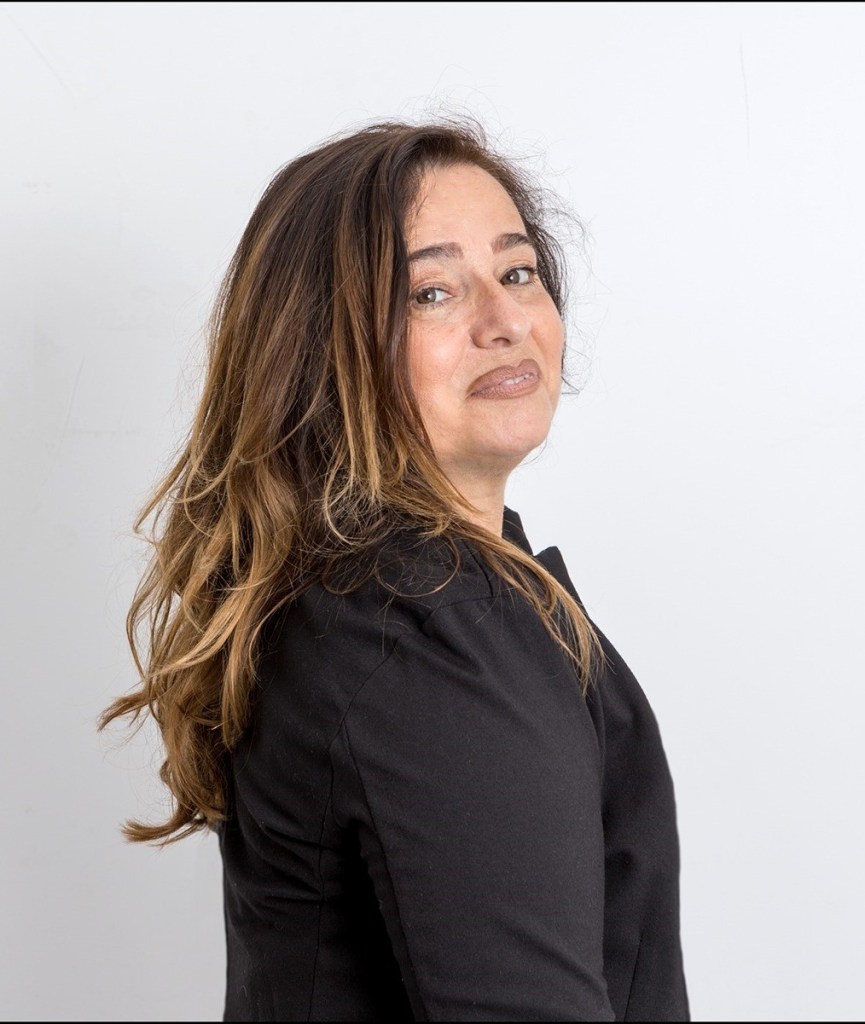
Ph. by Dino Ignani

 paroladartista.com