
(▼Scoll down for English text)
#paroladartista #disegni #drawing #filippolavaccara
Parola d’Artista: Che importanza e che ruolo ha i nel tuo lavoro il disegno?
Filippo La Vaccara: Il disegno è la più umile delle pratiche artistiche e per questo, per me, anche la più nobile. Il primo passaggio dall’idea all’immagine avviene spesso attraverso il disegno. Esso è primario, contiene il “dna” dell’idea.
Nella pratica della pittura e della scultura il disegno viene sia all’inizio (come forma di abbozzo o traccia), sia alla fine (come tocco finale).
Per esempio, la pittura di Botticelli è caratterizzata da una linea di contorno delle figure che rende i suoi quadri leggibili e comunicativi, anche se ricchi di dettagli. De Chirico finiva i dipinti con tocchi di colore diluito a olio e un pennello a punta, come disegno finale sovrapposto al quadro.
In pittura ricorro spesso al disegno per definire, per ultimare l’opera, oltre che per cominciare.
Anche nella scultura e nel modellato, sono spesso gli ultimi segni incisi sulla superficie che completano il lavoro, tracce dello strumento o delle dita impresse sulla materia che corrispondono a un disegno.
Il disegno è per me anche progetto: disegno sculture, dipinti, ma anche allestimenti di mostre e persino inquadrature video e fotografiche.
Questo mi permette di comunicare e illustrare le mie idee agli altri e di riflettere sui miei stessi bozzetti quando mi accingo a sviluppare un quadro o una scultura. È uno strumento alleato del pensiero, si sviluppa spesso sotto forma di appunti in piccoli fogli o a margine di una pagina di diario o di quaderno.
Si tratta di una pratica talmente versatile che si presta ad assumere molte funzioni.
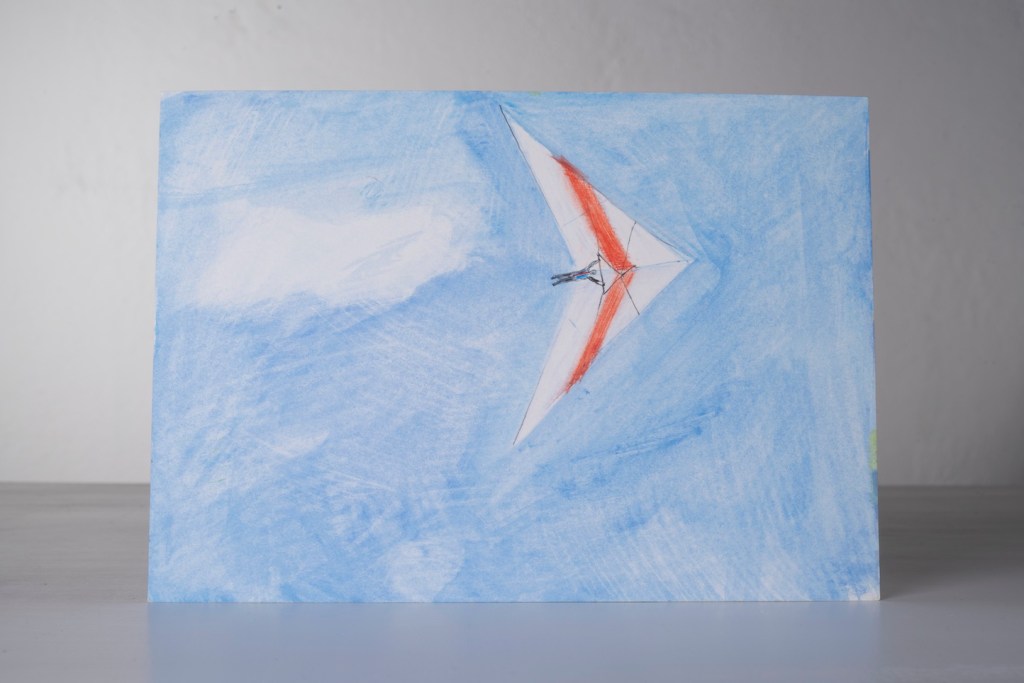
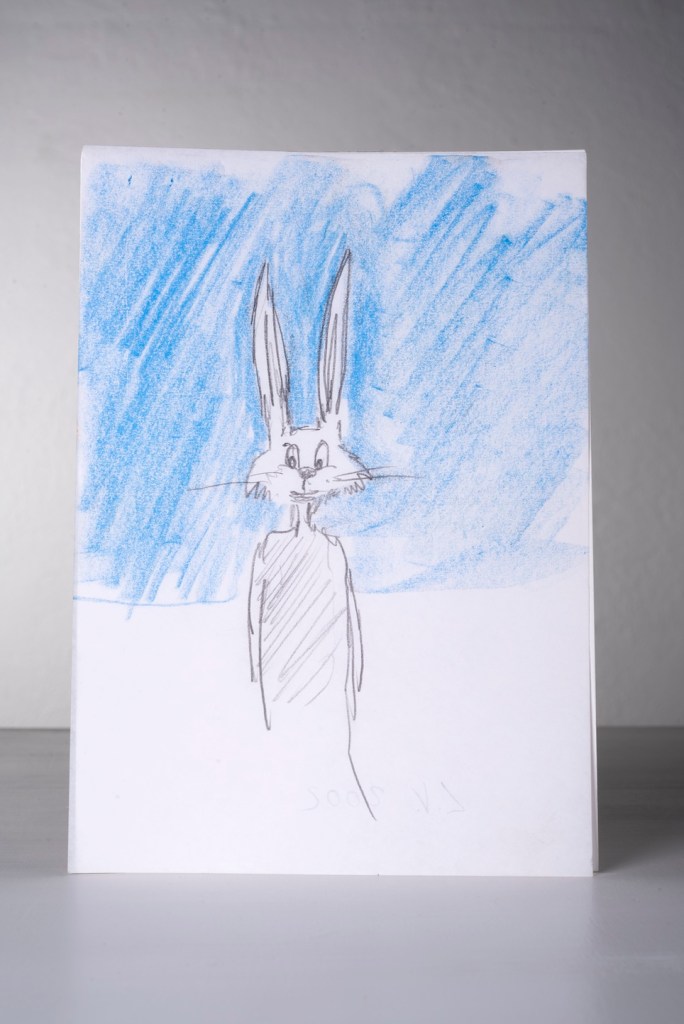
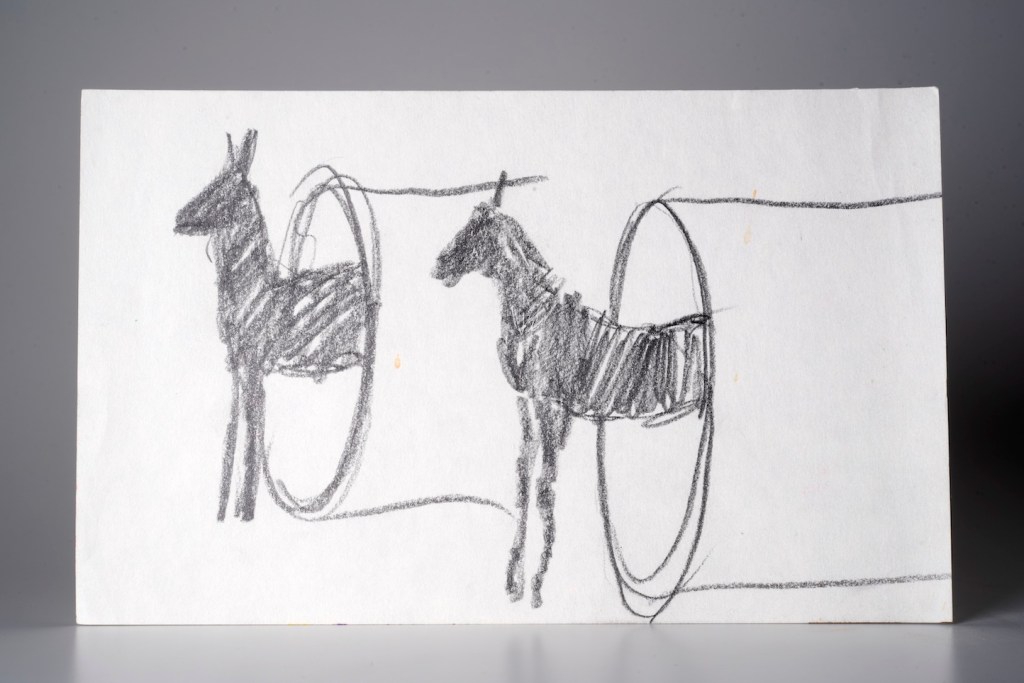
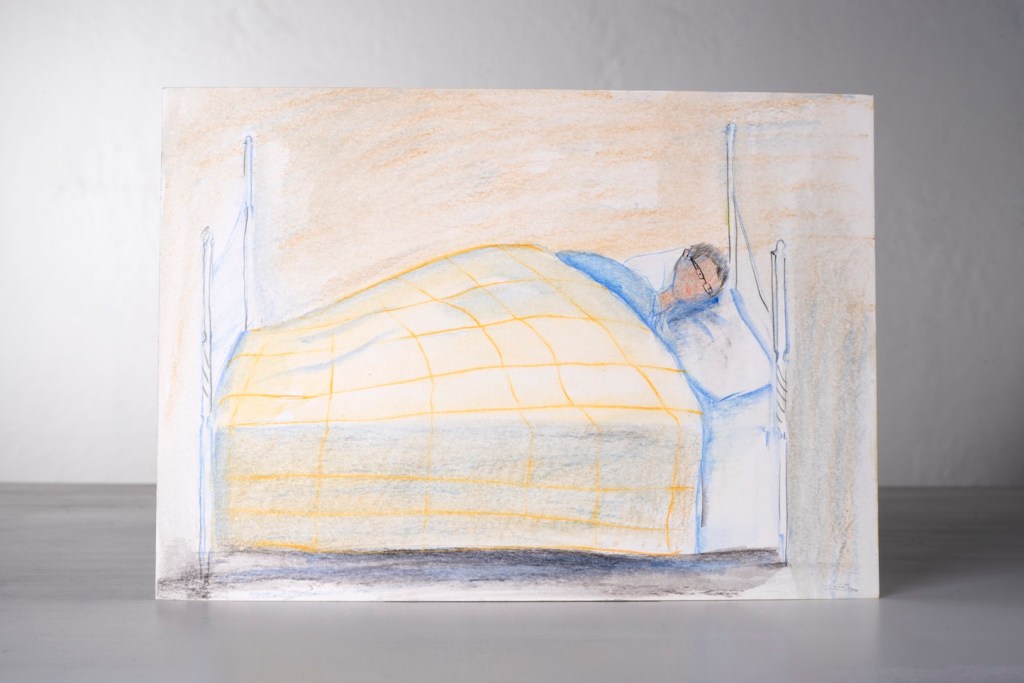
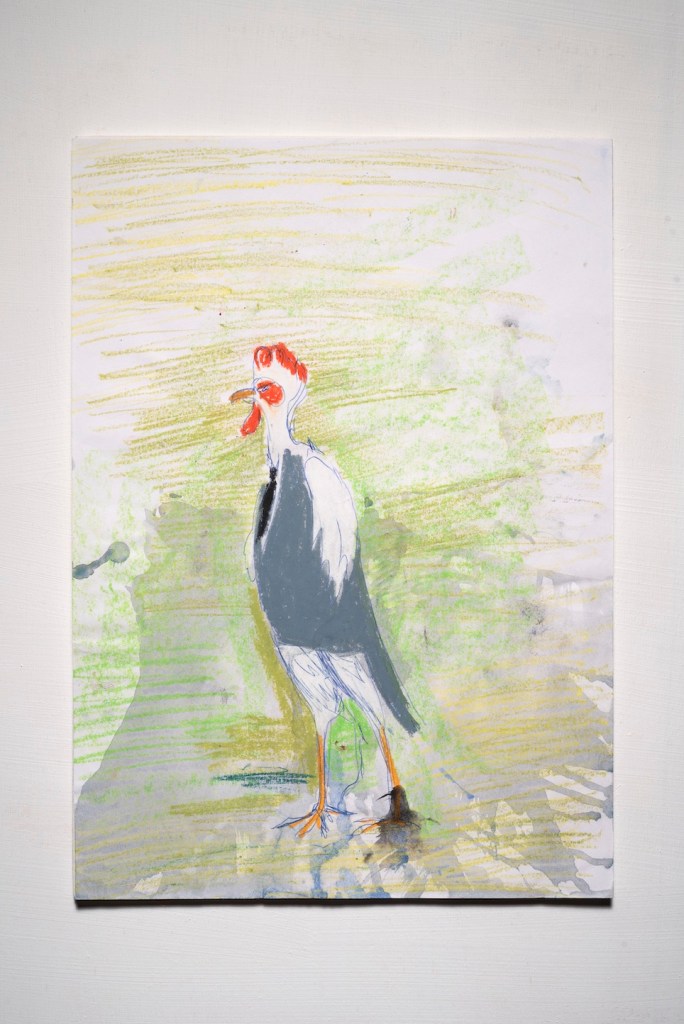
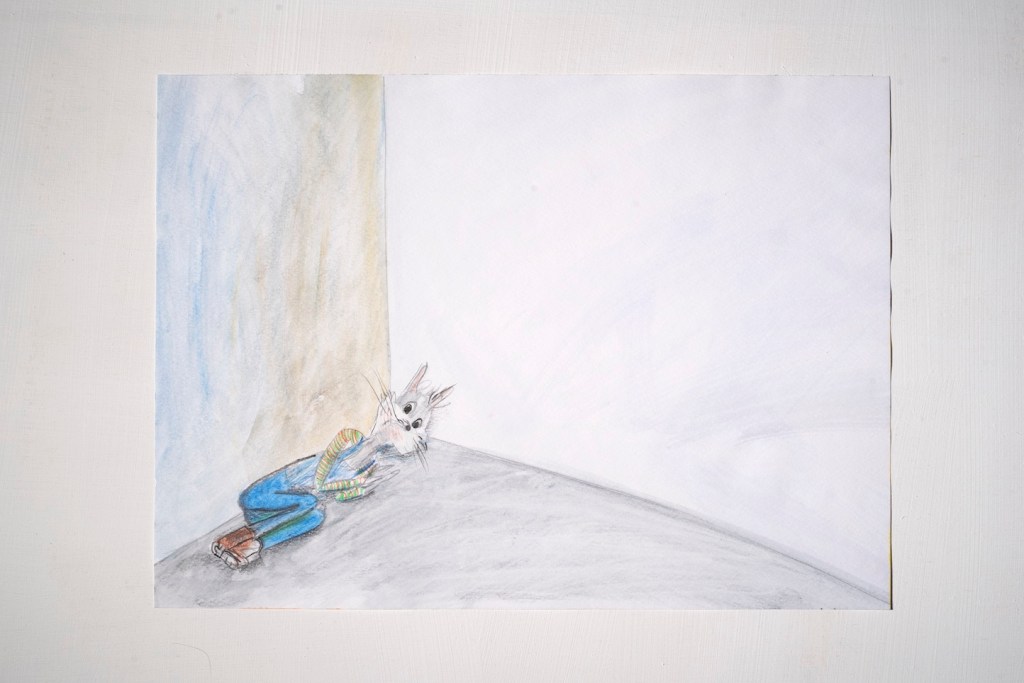
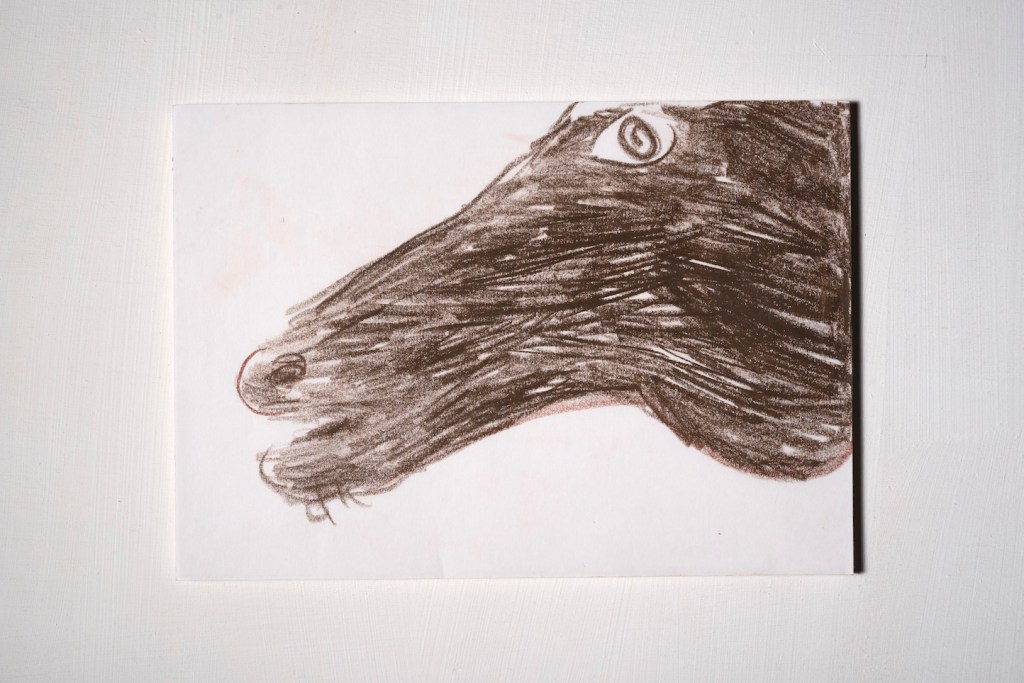
La parte del mio lavoro che può meglio rientrare nella categoria del disegno è quella che utilizza strumenti ad esso propri: pastelli, matite, inchiostri, biro, pennarello, ecc. Mi riferisco a dei piccoli lavori su carta che rispetto alle grandi tele hanno un carattere più intimo. Per loro natura non hanno l’impatto visivo di un’opera di grandi dimensioni ma conservano il loro principio visionario e la forza immaginativa.
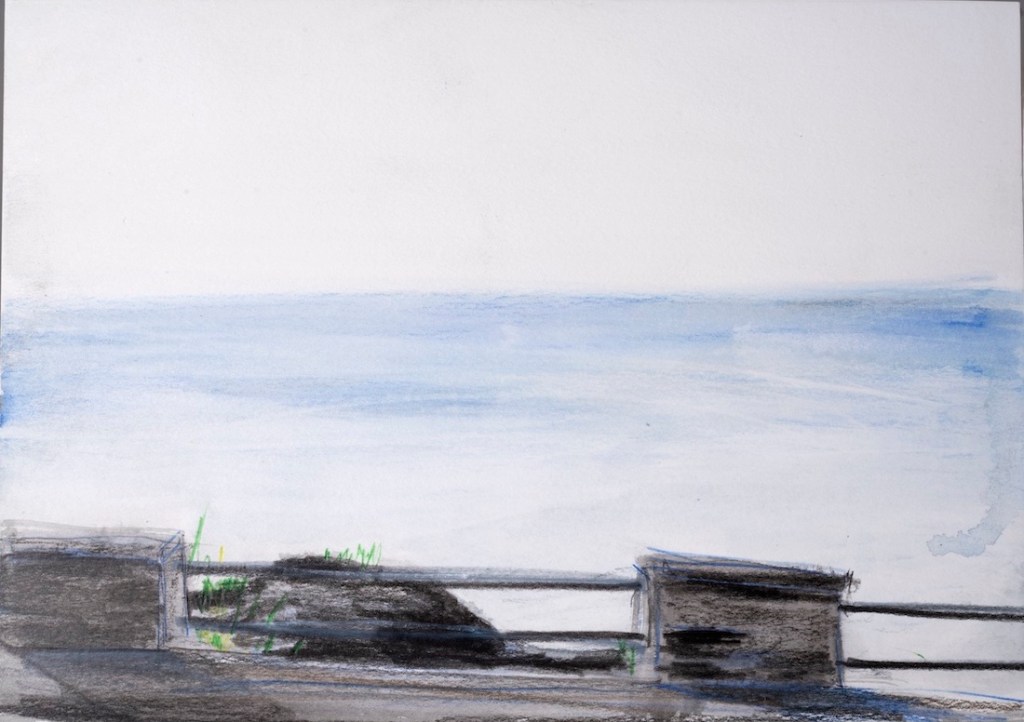
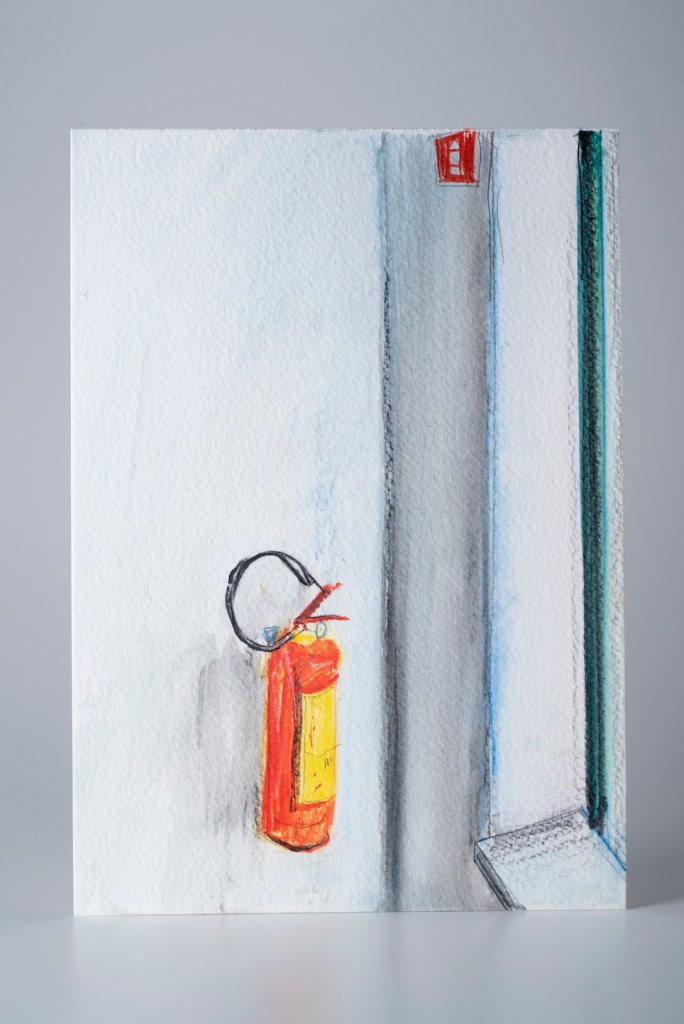
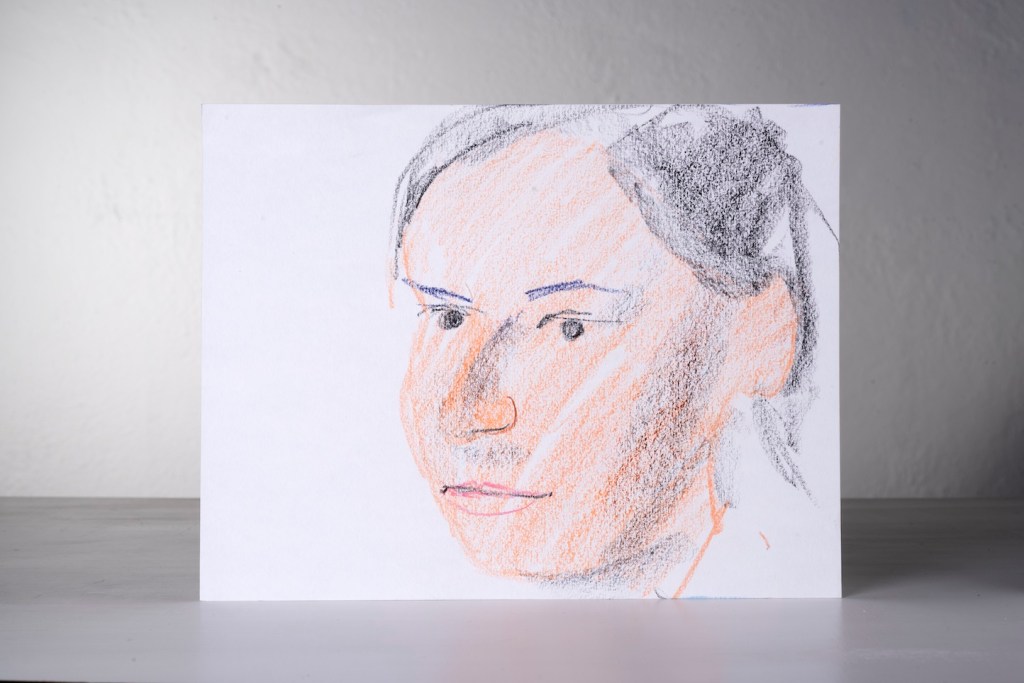
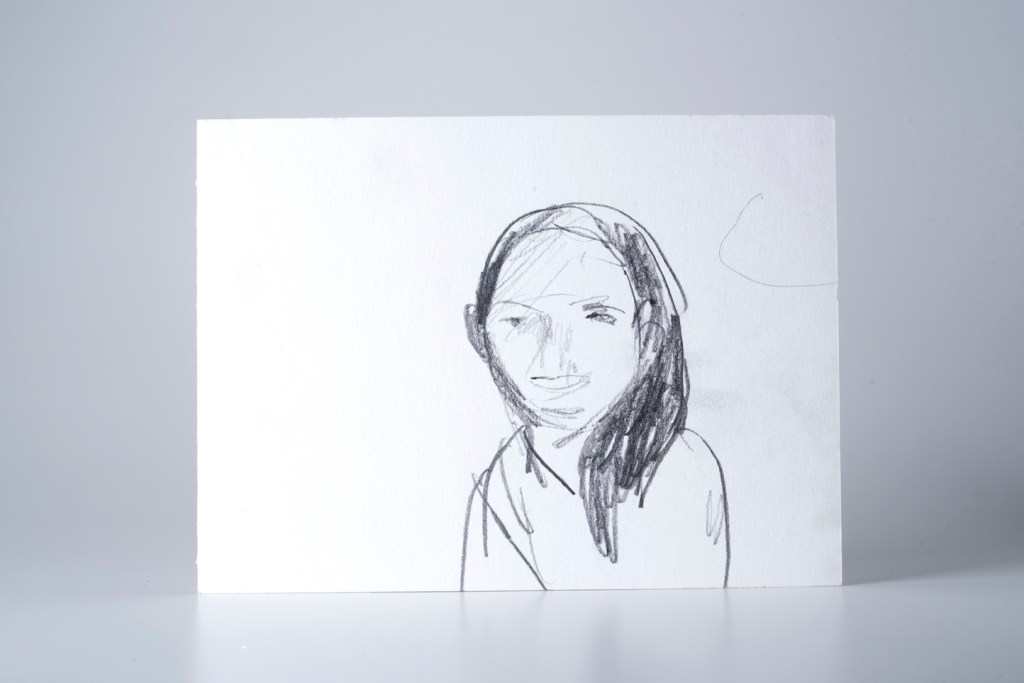
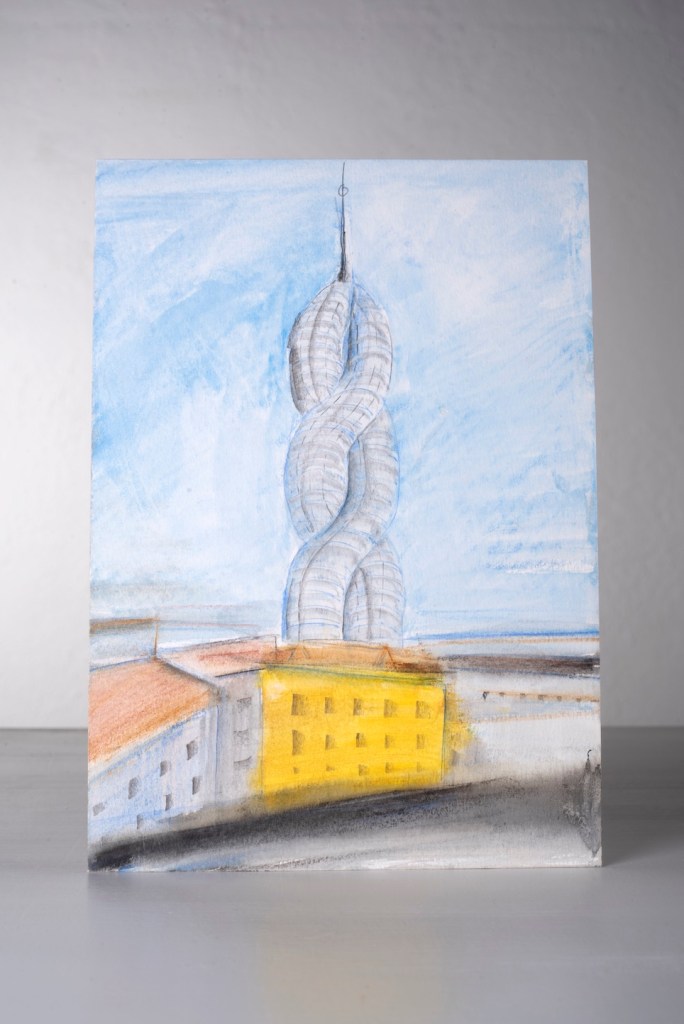
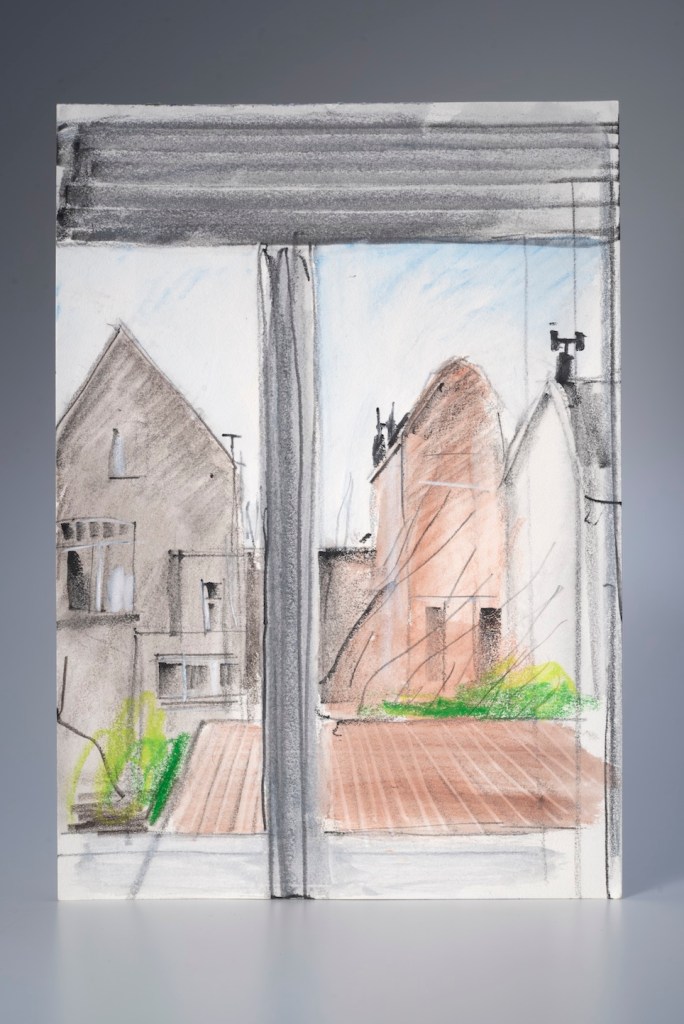
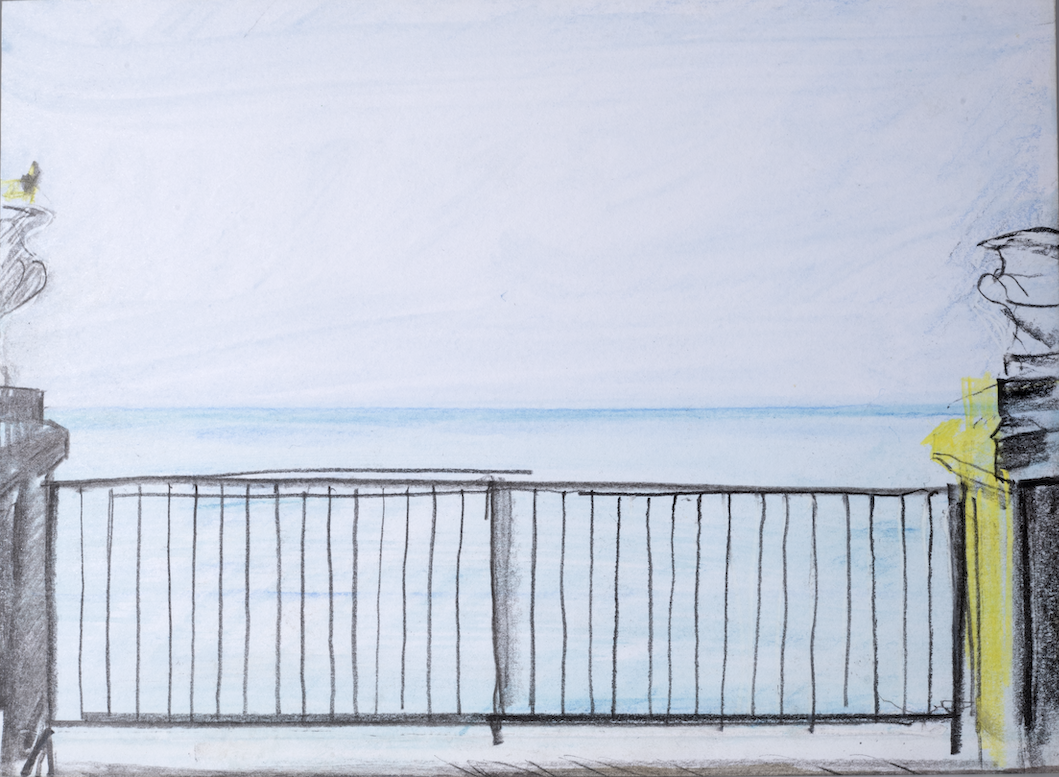
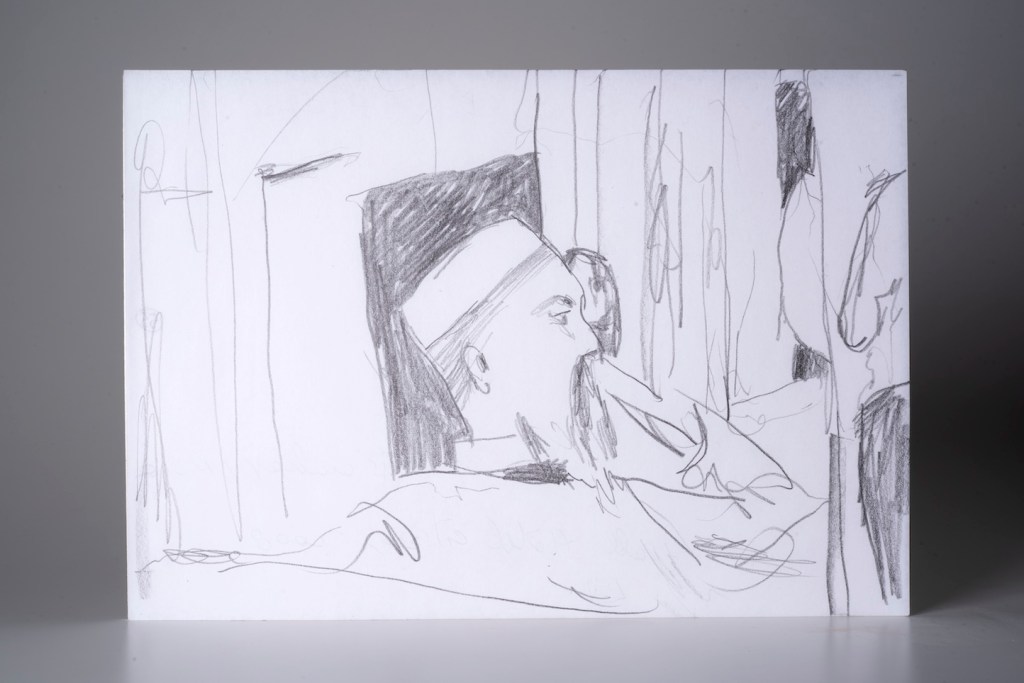
A volte nel mio lavoro il disegno assume un carattere autonomo, è il caso del disegno dal vero, immagini di paesaggi o ritratti basati sull’osservazione. Questi lavori nascono senza neanche la pretesa di essere delle opere d’arte ma piuttosto come un esercizio per lo sguardo e per la mano. E’ probabilmente per questo motivo, per la loro mancanza di pretese che
spesso i disegni dal vero trovano un riscontro persino maggiore rispetto alle immagini inventate o elaborate. Il disegno dal vero ha per me ha un rapporto stretto con la fotografia.
Condividono l’impossibilità di ottenere l’immagine senza che si stia di fronte a ciò che si ritrae, condividono l’inquadratura, se la scena è ampia o ristretta. Inoltre, il disegno dal vero riesce a catturare l’aura del luogo e conservarla, così come avviene in fotografia.
English text
On drawing Filippo La Vaccara
#paroladartista #disegni #drawing #filippolavaccara
Parola d’Artista: What importance and role does drawing play in your work?
Filippo La Vaccara: Drawing is the most humble of artistic practices and therefore, for me, also the most noble.
The first step from idea to image often occurs through drawing. It is primary, it contains the ‘DNA’ of the idea.
In the practice of painting and sculpture, drawing comes both at the beginning (as a form of sketch or trace) and at the end (as a final touch).
For example, Botticelli’s painting is characterised by the outline of the figures that makes his paintings readable and communicative, even if rich in detail. De Chirico finished his paintings with touches of diluted oil paint and a pointed brush, as a final drawing overlaid on the painting. In painting, I often resort to drawing to define, to finish the work, as well as to beginning.
Even in sculpture and modelling, it is often the final marks engraved on the surface that complete the work, traces of the tool or fingers impressed on the material that correspond to a drawing. correspond to a drawing.
Drawing is also a project for me: I design sculptures, paintings, but also exhibition layouts and even video shots. Exhibitions and even video and photographic framings.
This allows me to communicate and illustrate my ideas to others and to reflect on my own sketches when I am about to draw. my own sketches when I am about to develop a painting or sculpture.
It is a tool ally of thought, often developed in the form of notes in small sheets or in the margins of a diary or notebook page.
It is such a versatile practice that it lends itself to many functions.
The part of my work that can best fall into the category of drawing is that which uses its own tools: crayons, pencils, inks, biro, felt-tip pen, etc. I refer to small works on paper that, compared to large canvases, have a more intimate character. By their very nature, they do not have the visual impact of a large work but retain their visionary principle and imaginative power.
Sometimes in my work, drawing takes on an autonomous character, this is the case with drawing from life, images of landscapes or portraits.
life, images of landscapes or portraits based on observation. These works are created without pretence of being works of art, but rather as an exercise for the eye and the hand, and for the hand, It is probably for this reason, their lack of pretence, that drawings from life are often even more successful than invented or elaborate images.
invented or elaborated images. For me, life drawing has a close relationship with photography.
They share the impossibility of obtaining the image without standing in front of what is being portrayed, they share the framing, whether the scene is wide or narrow. Furthermore, drawing from life manages to capture the aura of the place and preserve it, just as it does in photography.












 paroladartista.com