
(▼Scroll down for English text)
#paroladartista #intervistaartista #aureliasud #artistinterview #gianniasdrubali
Parola d’Artista: Gianni, che lavoro hai fatto per Aurelia SUD? Raccontandomi quello che hai fatto per questo progetto: hai detto “La retta si è sfericizzata e sbalestrata” puoi approfondire questo concetto?
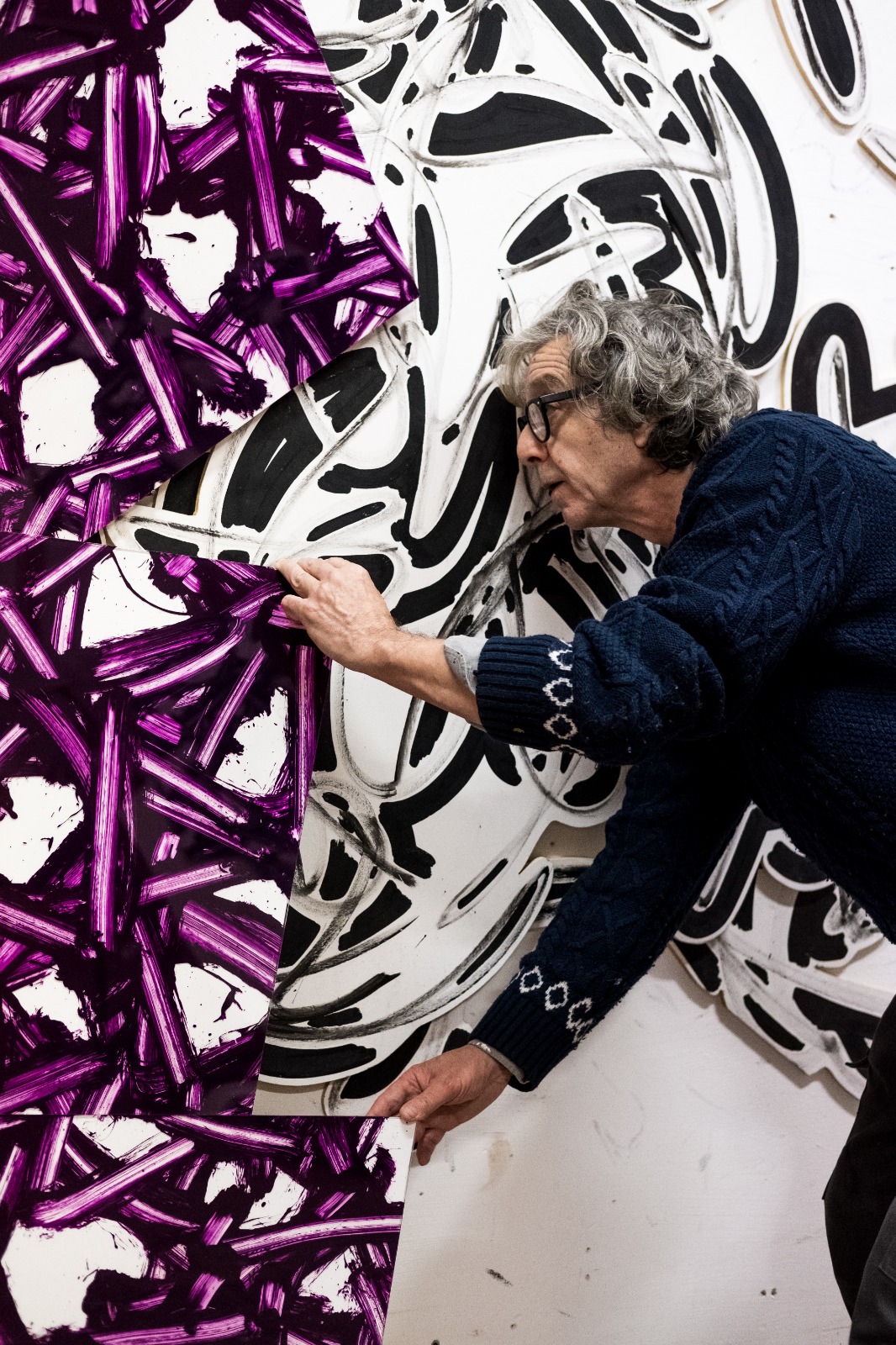
Gianni Asdrubali: All’inizio non avevo idea di cosa fare, poi ho srotolato il rotolo che mi è stato fornito e ho visto questa linea, questa retta così lunga e, immediatamente, ho pensato di andarle contro, di romperla, di rompere e annullare quella linea e farla diventare ” immagine”. E’ sempre stato così nel mio lavoro, sia si tratti di una tela, un muro, una carta, una plastica etc. La pittura funziona quando diventa altro da sè stessa, quando annulla il supporto, qualsiasi supporto, come questa superficie lunga e stretta che mi avete dato. In sostanza, la pittura funziona, nel mio caso, quando fa diventare “corpo” la parte non dipinta. Non a caso tanti anni fa dissi che “la pittura inizia là dove io non dipingo”, cioè il supporto non è più un contenitore ma diventa protagonista, nel senso che diventa altro da se proprio nell’istante del suo annullamento, perché lì forma e antiforma si unificano in un’immagine di senso contraddetta. L’immagine è contraddetta perché non c’è solo la forma, frutto dell’azione, ma c’è pure la sua negazione. Voglio dire che il detto ed il non detto (quello che non si può dipingere) diventano una cosa sola e indivisibile. Il detto, che nel mio caso ha origine in ciò che manca, fa sentire la potenza del non detto (dell’assenza) e allo stesso tempo il non detto si avvale del detto, cioè si avvale dell’azione, dello strumento, della pittura per manifestarsi come negazione dell’immagine: un’immagine quindi che si dà e si nega nel momento stesso del suo apparire. Di qui il paradosso, l’ambiguità, l’irrazionalità, la magia e, infine, la bellezza come risultato ultimo di questo paradosso. Per questo la retta non è più una retta. È qualcosa che tende alla sfera, è sbalestrata.
P.d’A.: Ti è mai successo in precedenza di lavorare in una situazione come quella di Aurelia SUD, dove il lavoro viene esposto alla mercè di inconsapevoli passanti che lo vedono dalla loro vettura per pochi istanti? Credi che l’arte, presentata in contesti del genere, riesca a mantenere la sua forza di segno e ad essere letta nella sua complessità?
G.A: Anni fa ho realizzato un lavoro in una carrozzeria, alcuni giorni fa ho fatto un’azione dimostrativa nello specchio di una barbieria. Il mio primo lavoro, il “muro magico” del 1979, lo realizzai in una baraccopoli abbandonata del terremoto del 1971 a Tuscania. Altre volte ho realizzato opere in siti non legali, come all’ex Mattatoio di Roma, ora diventato legale: Macro Testaccio.. e così via. Ho sempre pensato che è l’opera che fa il museo e non il contrario. Ti possono anche invitare a esporre in un museo, ma se quell’opera è solo comunicazione, non regge per molto, dopo un pò il “Peso” è insopportabile. Invece, se si tratta di “bellezza”, qualsiasi luogo diventa “sacro” e quindi anche un bagno pubblico può diventare un museo, sempre se di arte si tratta. Sono il contrario di Duchamp. Poi non ho preferenze, nel senso che se decido di esporre o eseguire un lavoro, quello che conta è se decido di farlo, se mi è necessario farlo, sia se si tratta di un luogo istituzionale come un museo, sia di un qualsiasi altro luogo anonimo. Non lo dico tanto per dire, per me è proprio così, ci devo provare piacere e basta.
English text
Intervista a Gianni Asdrubali
#paroladartista #intervistaartista #aureliasud #artistinterview #gianniasdrubali
Parola d’Artista: Gianni, what work did you do for Aurelia SUD? Tell me about what you did for this project: you said “the line became spherical and out of focus” can you expand on this concept?
Gianni Asdrubali: At the beginning, I had no idea what to do, then I unrolled the roll I was given and I saw this line, this straight line so long and, immediately, I thought of going against it, of breaking it, of breaking and undoing that line and making it an “image”. It has always been like that in my work, whether it is a canvas, a wall, paper, plastic, etc. Painting works when it becomes something other than itself, when it cancels the support, any support, like this long, narrow surface that you have given me. In essence, painting works, in my case, when it makes the unpainted part become ‘body’. It is no coincidence that many years ago I said that ‘painting begins where I do not paint’, i.e. the support is no longer a container but becomes a protagonist, in the sense that it becomes other than itself precisely in the instant of its cancellation, because there form and anti-form are unified in a contradictory image of meaning.
The image is contradicted because there is not only the form, the result of the action, but there is also its negation. I mean that the said and the unsaid (what cannot be painted) become one and indivisible. The unspoken, which in my case originates in what is missing, makes one feel the power of the unspoken (of absence) and at the same time the unspoken makes use of the spoken, that is, it makes use of the action, of the instrument, of painting to manifest itself as negation of the image: an image therefore that is given and denied at the very moment of its appearance. Hence paradox, ambiguity, irrationality, magic and, finally, beauty as the ultimate result of this paradox. Hence the straight line is no longer a straight line. It is something that tends towards the sphere, it is cantilevered.
P.d’A.: Has it ever happened to you before to work in a situation like that of Aurelia SUD, where the work is exhibited at the mercy of unaware passers-by who see it from their car for a few moments? Do you believe that art, presented in such contexts, manages to retain its strength of sign and to be read in its complexity?
G.A: Years ago I did a work in a body shop, a few days ago I did a demonstration action in the mirror of a barber shop. My first work, the ‘magic wall’ of 1979, I did in an abandoned shantytown from the 1971 earthquake in Tuscania. Other times I made works in non-legal sites, such as at the former Mattatoio in Rome, which has now become legal: Macro Testaccio… and so on. I have always thought that it is the work that makes the museum and not the other way around. They may invite you to exhibit in a museum, but if that work is just communication, it doesn’t hold up for long, after a while the ‘weight’ is unbearable. On the other hand, if it is ‘beauty’, any place becomes ‘sacred’ and therefore even a public bathroom can become a museum, if it is art. I am the opposite of Duchamp. Then I have no preference, in the sense that if I decide to exhibit or perform a work, what counts is whether I decide to do it, whether I need to do it, whether it is an institutional place like a museum, or any other anonymous place. I’m not just saying that, for me it’s just the way it is, I have to enjoy it.
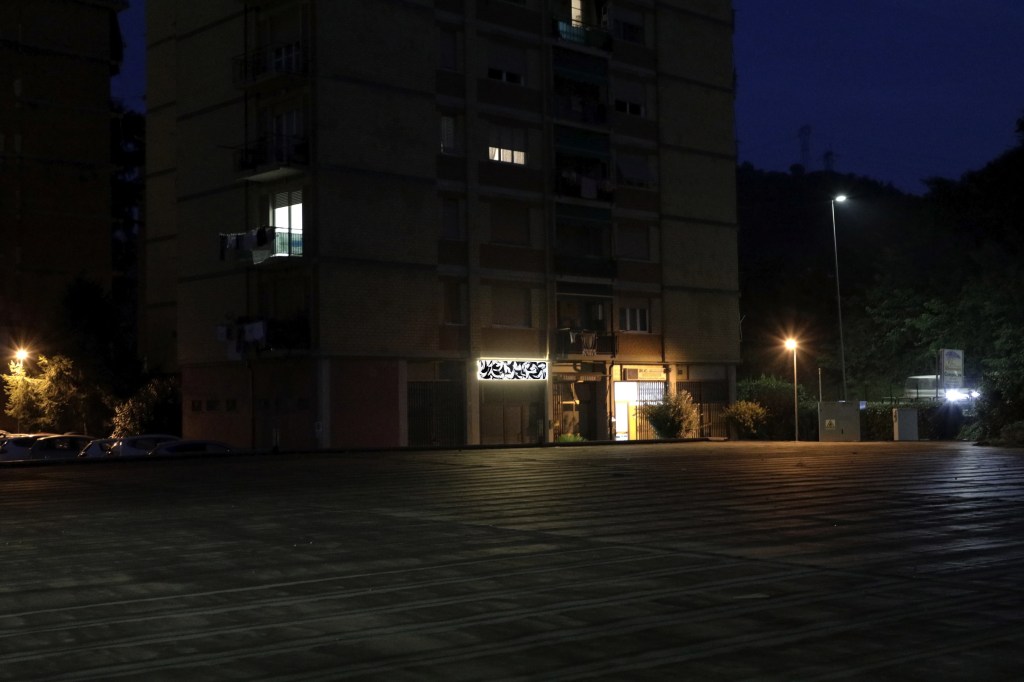
STROMBO 2024
Vernice industriale su Poliestere translucent 351,5×71 cm
Ph Andrea Luporini
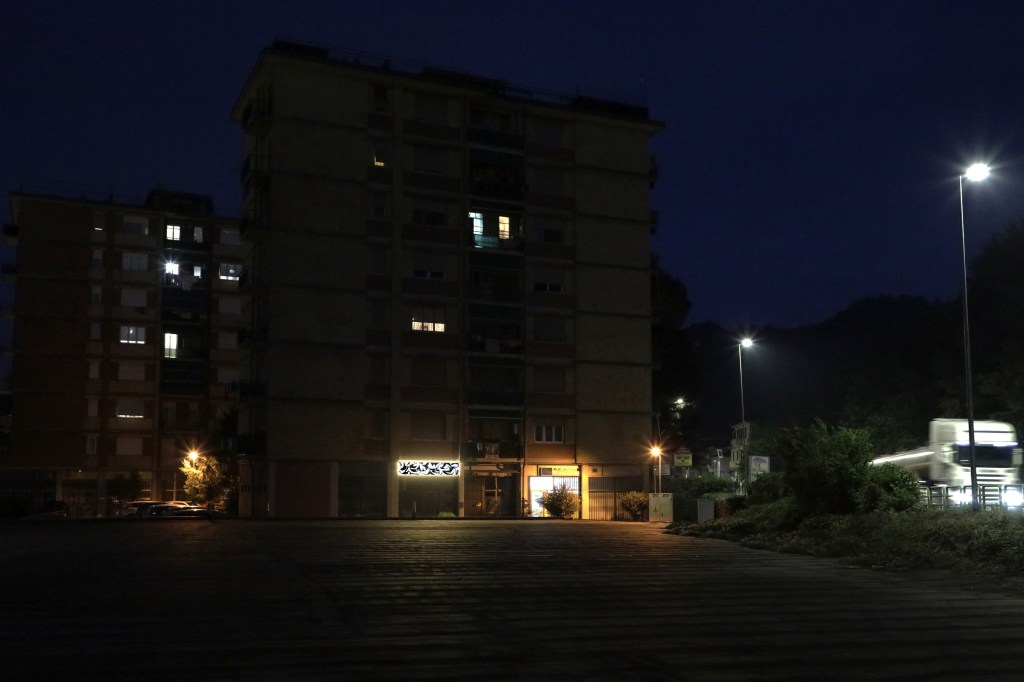
STROMBO 2024
Vernice industriale su Poliestere translucent 351,5×71 cm
Ph Andrea Luporini
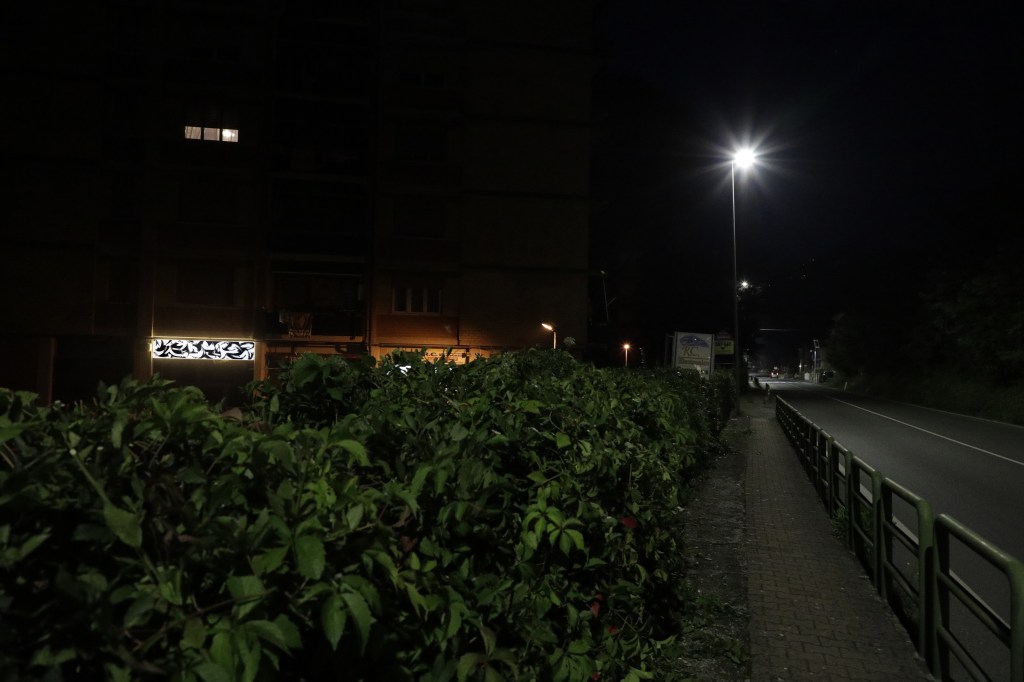
STROMBO 2024
Vernice industriale su Poliestere translucent 351,5×71 cm
Ph Andrea Luporini
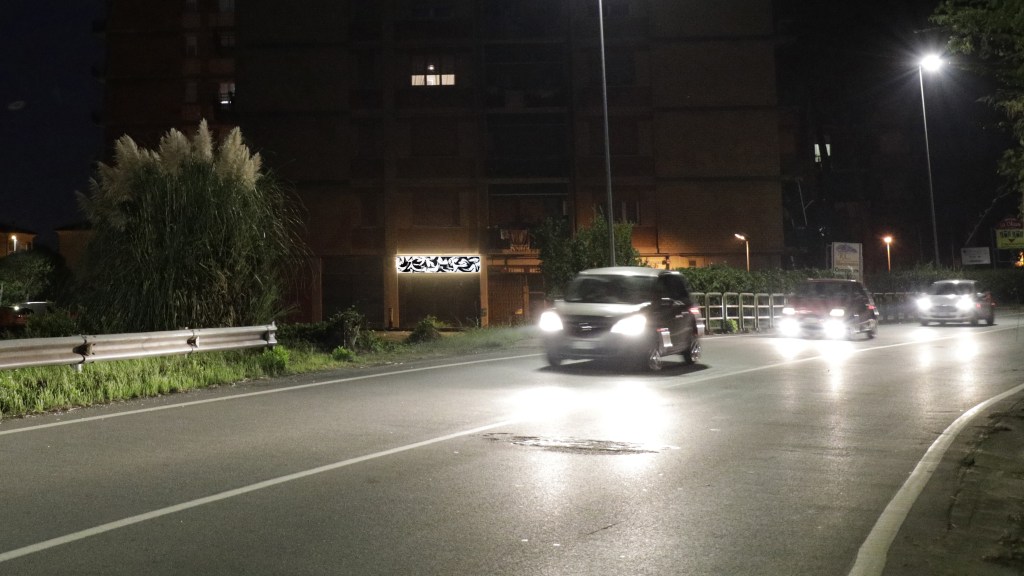
STROMBO 2024
Vernice industriale su Poliestere translucent 351,5×71 cm
Ph Andrea Luporini
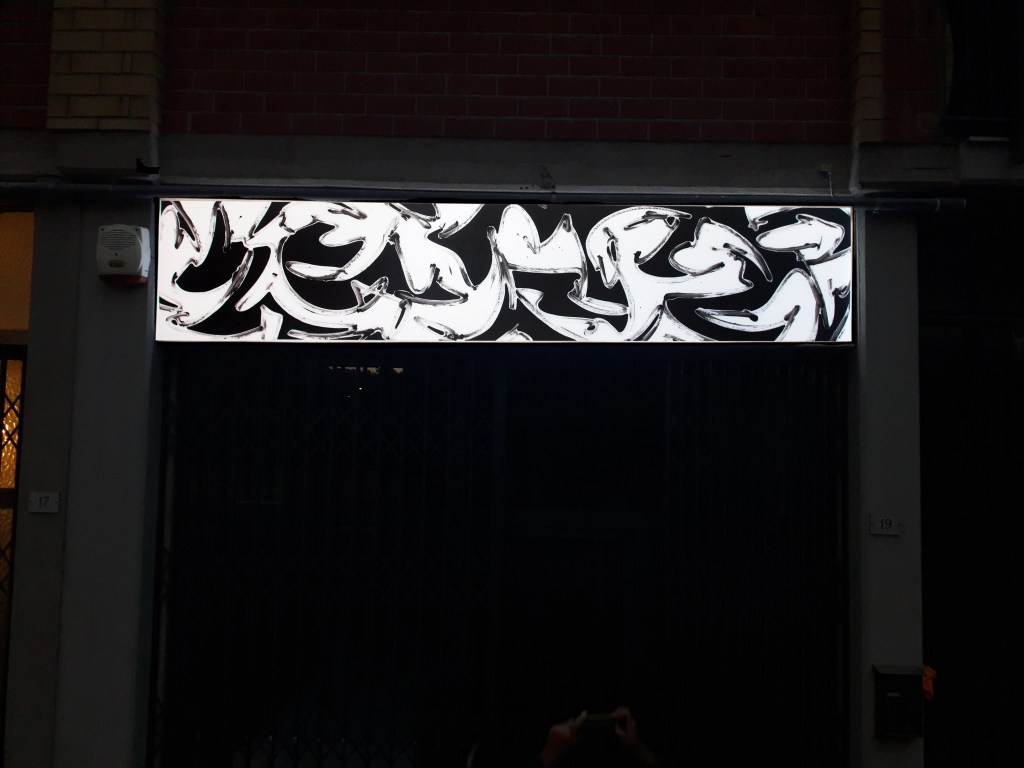
STROMBO 2024
Vernice industriale su Poliestere translucent 351,5×71 cm
Ph Gabriele Landi

STROMBO 2024
Vernice industriale su Poliestere translucent 351,5×71 cm
Ph Gabriele Landi
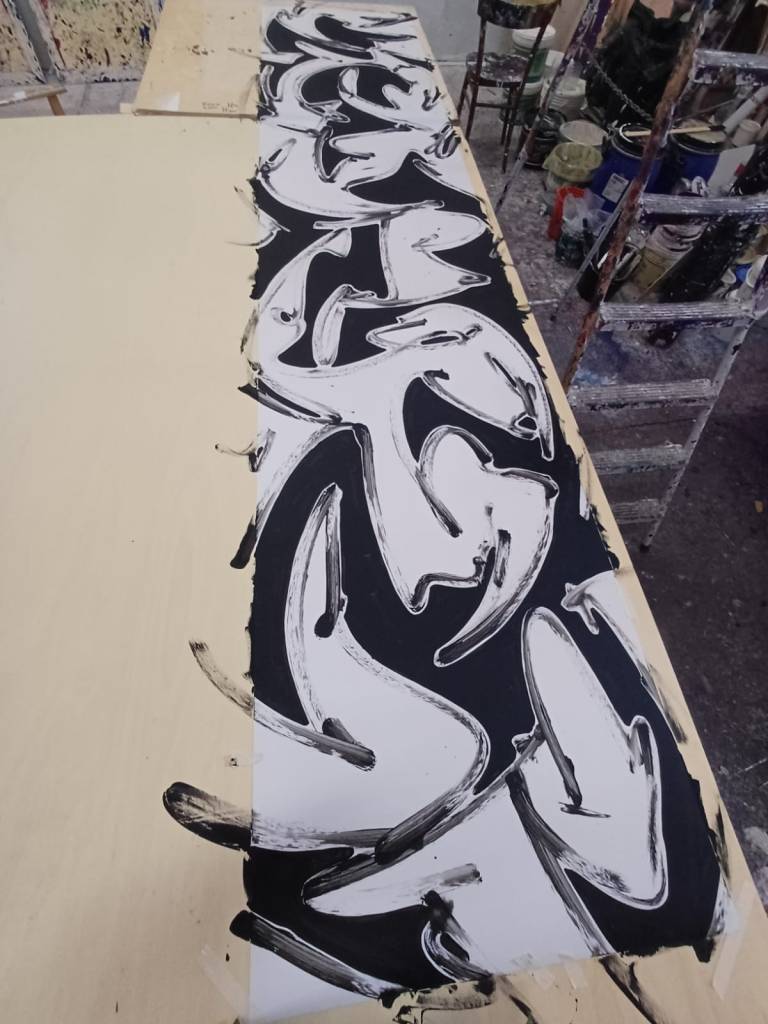
STROMBO 2024
Vernice industriale su Poliestere translucent 351,5×71 cm
Ph Gianni Asdrubali

STROMBO 2024
Vernice industriale su Poliestere translucent 351,5×71 cm
Ph Gianni Asdrubali

STROMBO 2024
Vernice industriale su Poliestere translucent 351,5×71 cm
Ph Gianni Asdrubali

STROMBO 2024
Vernice industriale su Poliestere translucent 351,5×71 cm
Ph Gianni Asdrubali

 paroladartista.com