

(▼Scroll down for English version)
#paroladartista #disegno #drawing #deborafella
Il disegno: un segno lasciato sulla superficie come forma immediata di espressione vitale, mezzo essenziale per la comunicazione di idee, sentimenti, immagini, memorie, fantasie…
Il disegno per me rappresenta un momento di maggior intimità, riflessione e concentrazione rispetto all’impegno della pittura o dell’opera ‘finita’. Un luogo del pensiero e della ricerca, un tracciato parallelo rispetto a quello della pittura, non ‘preparatorio’ ma autonomo e indipendente che mi permette di studiare, filtrare, affinare le idee.
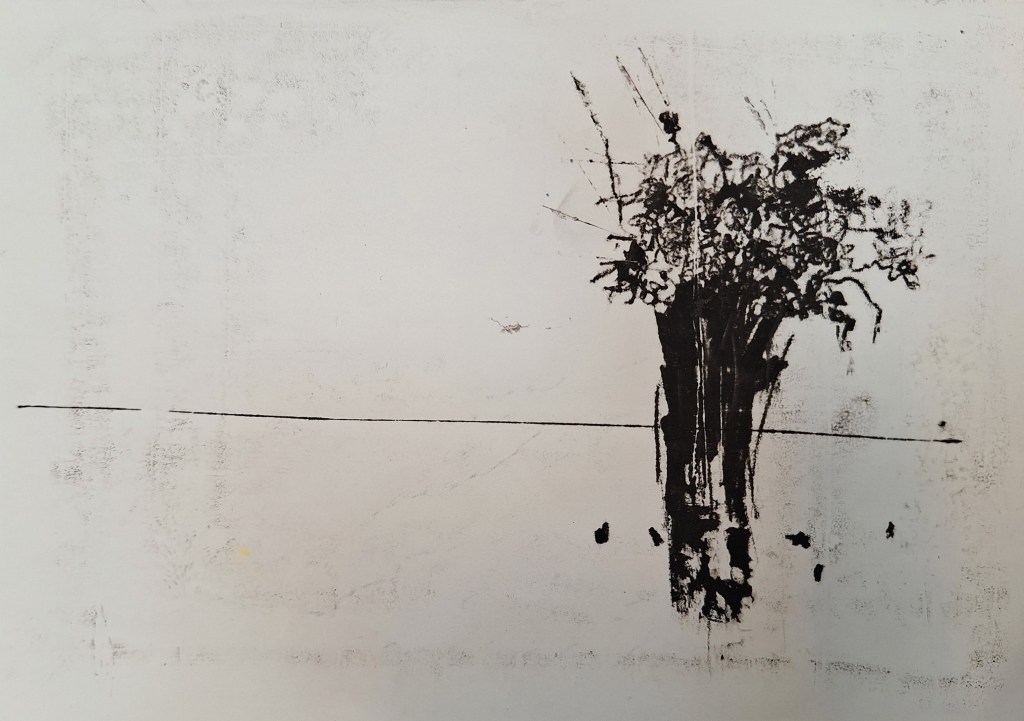
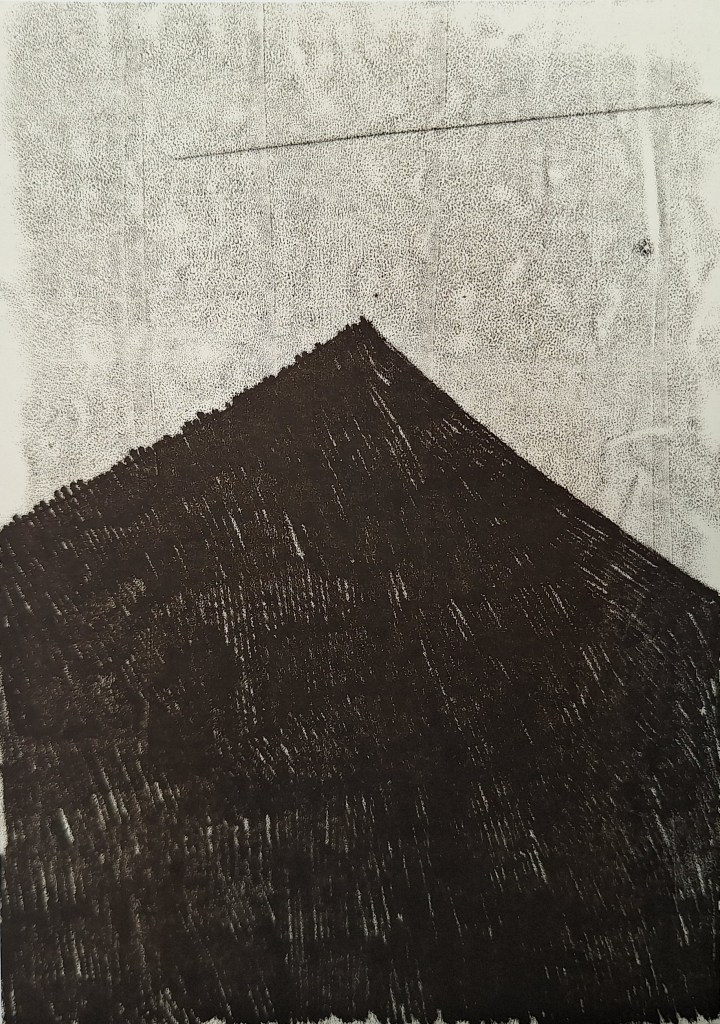
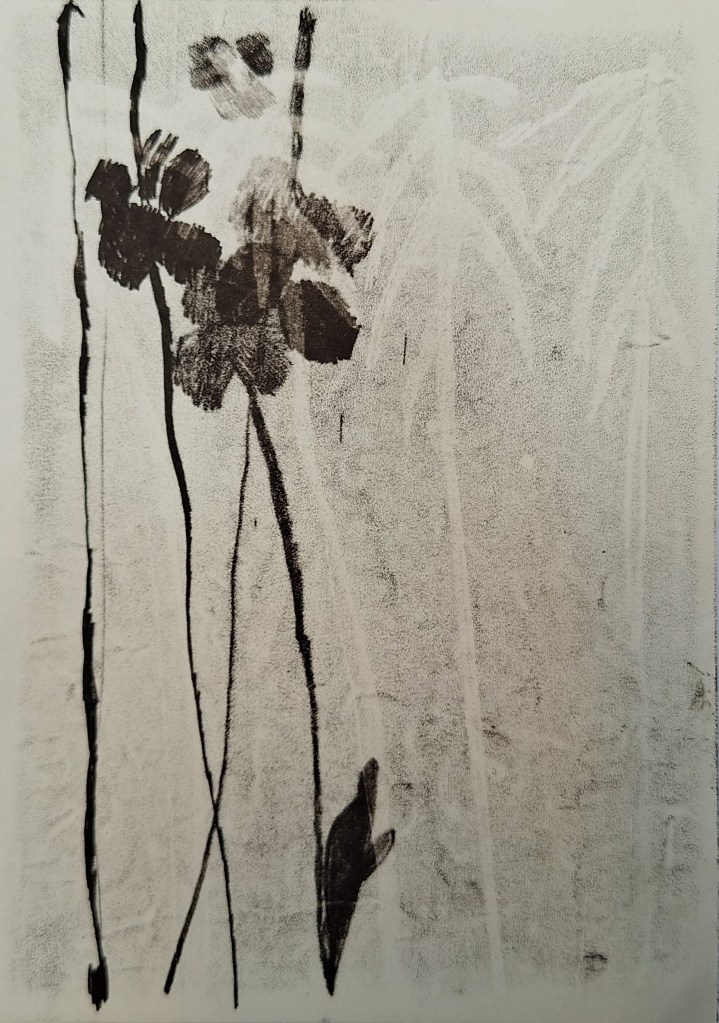
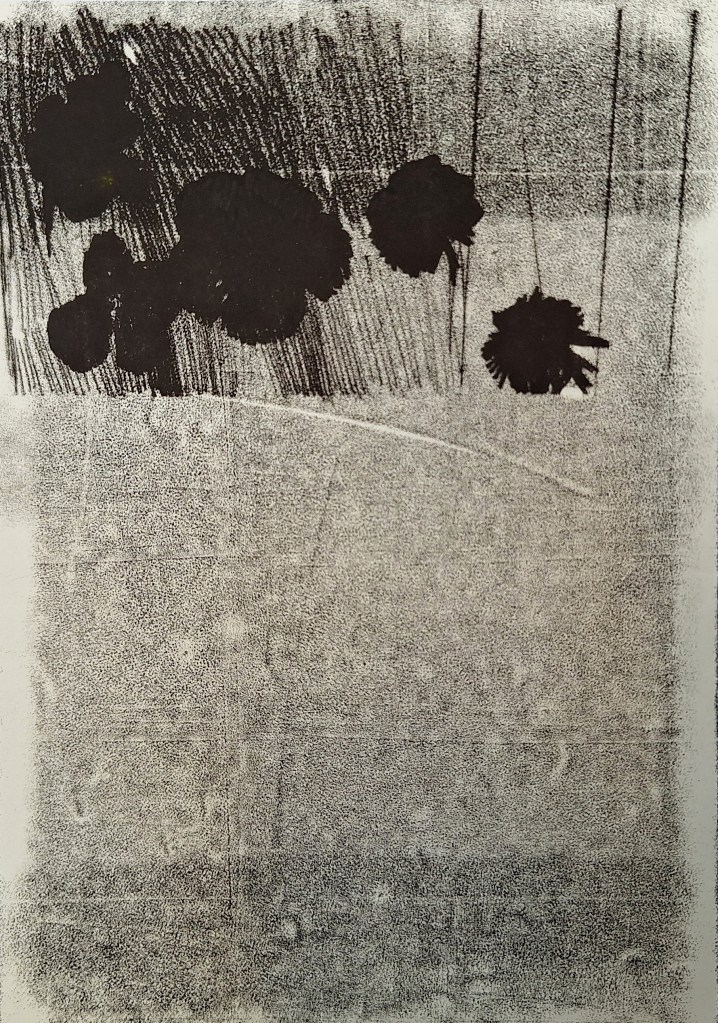
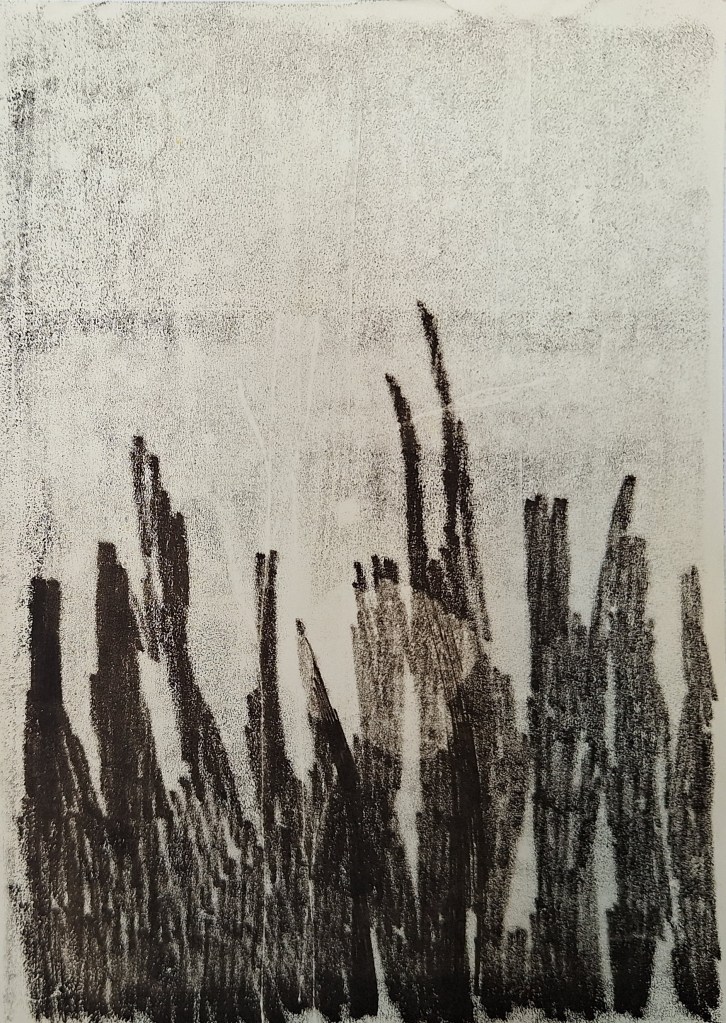
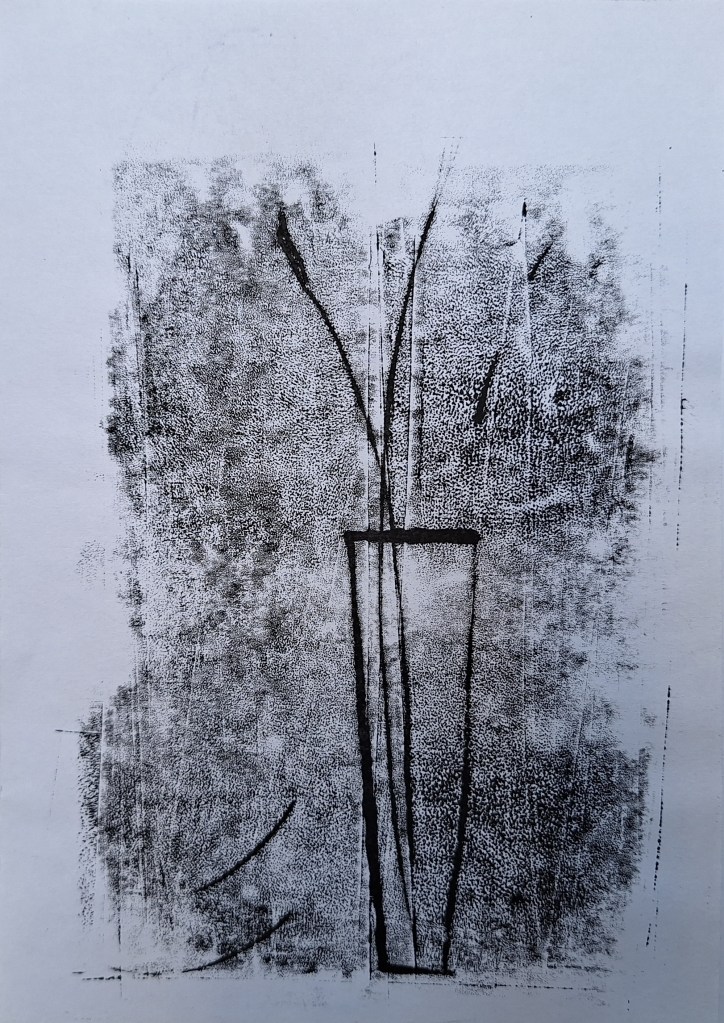
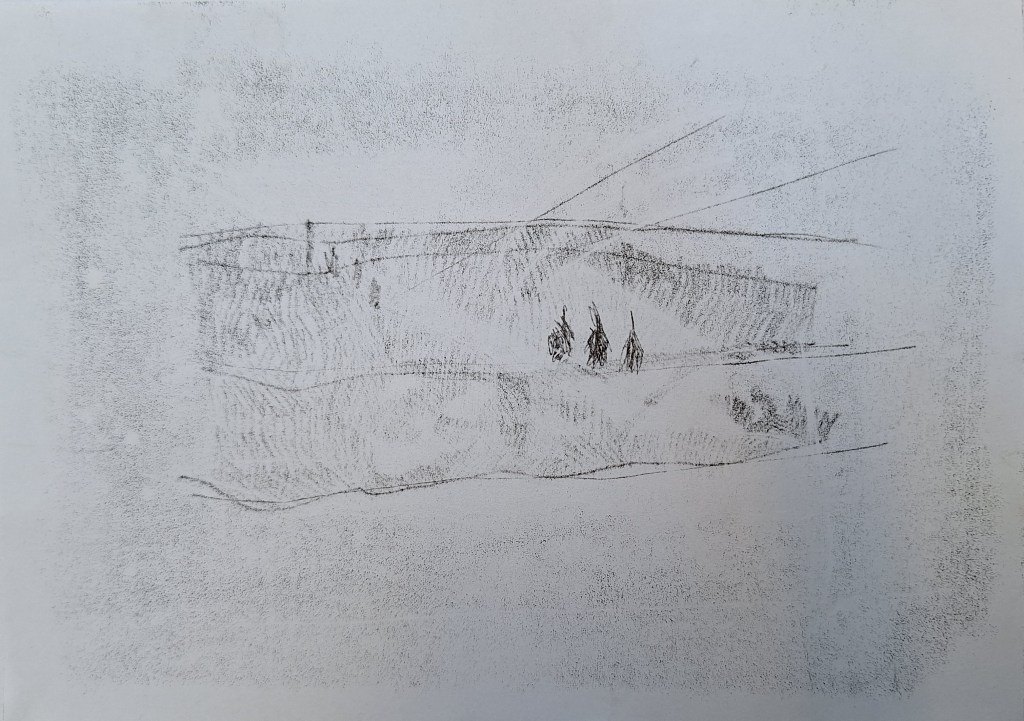
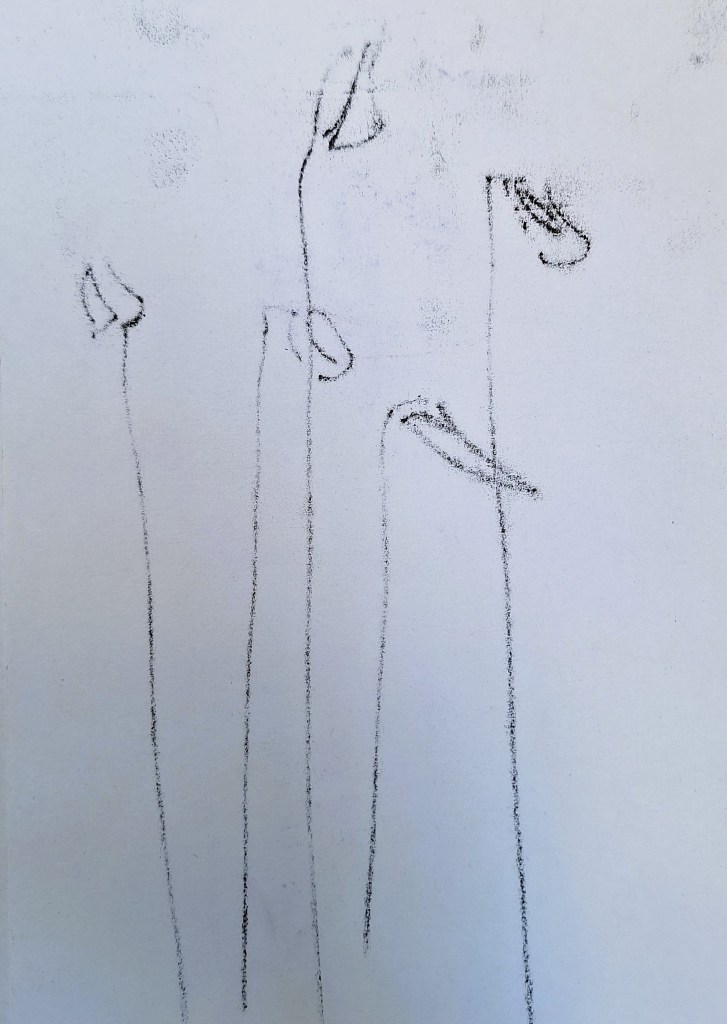
Il mio modo di procedere vede due momenti fondamentali che si alternano: da una parte il disegno e dall’altro la pittura. Entrambi sono sviluppati a partire dagli stessi strumenti, ovvero inchiostro e pigmenti di ardesia e carbone, ma con una differenza sostanziale: i disegni sono realizzati su carta, solitamente di piccolo formato e si presentano come linee, segni, forme dal forte impatto visivo che animano la superficie con l’intento di comprendere e fare esperienza dello spazio, della sua struttura, dell’equilibrio tra presenza e assenza, pieno e vuoto nei suoi più severi contrasti.
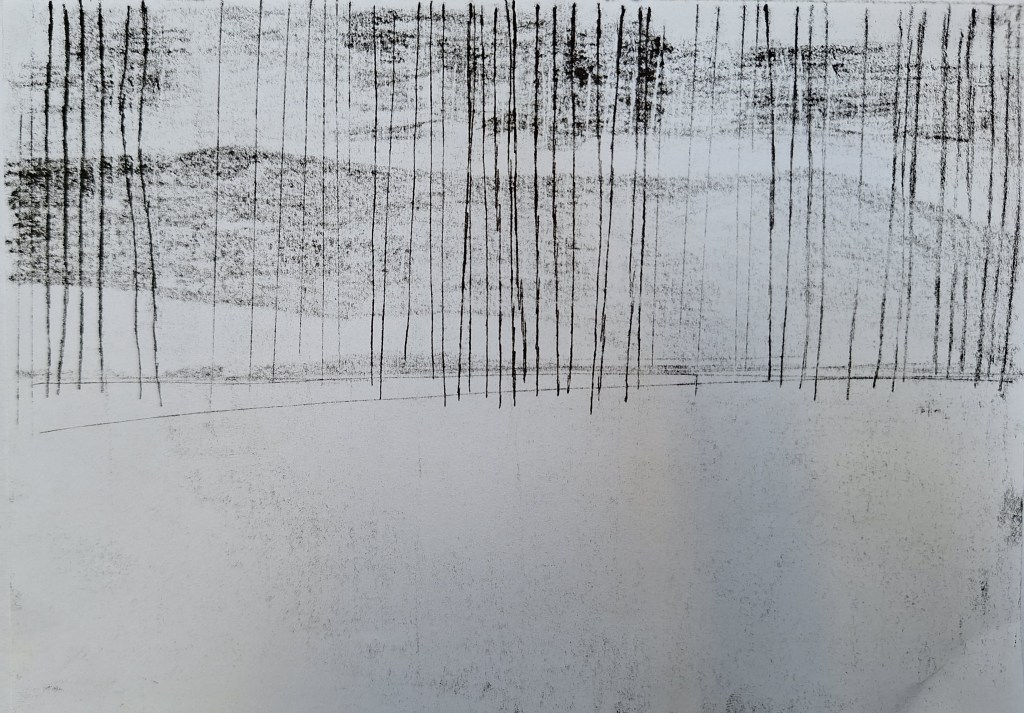
Un consistente repertorio di disegni precede le opere pittoriche e in essi le forme si ripetono insistentemente con leggeri cambiamenti compositivi e con rigore tra il bianco, il nero e il grigio. Qui la linea e le forme diventano elementi costruttivi.
Quando disegno lavoro anche sul retro del foglio di carta, appoggiato su una base precedentemente inchiostrata, così che regolando le punte con cui traccio i segni e la pressione del gesto, possa ottenere una scrittura sempre nuova, talvolta imprevedibile persino al mio sguardo.
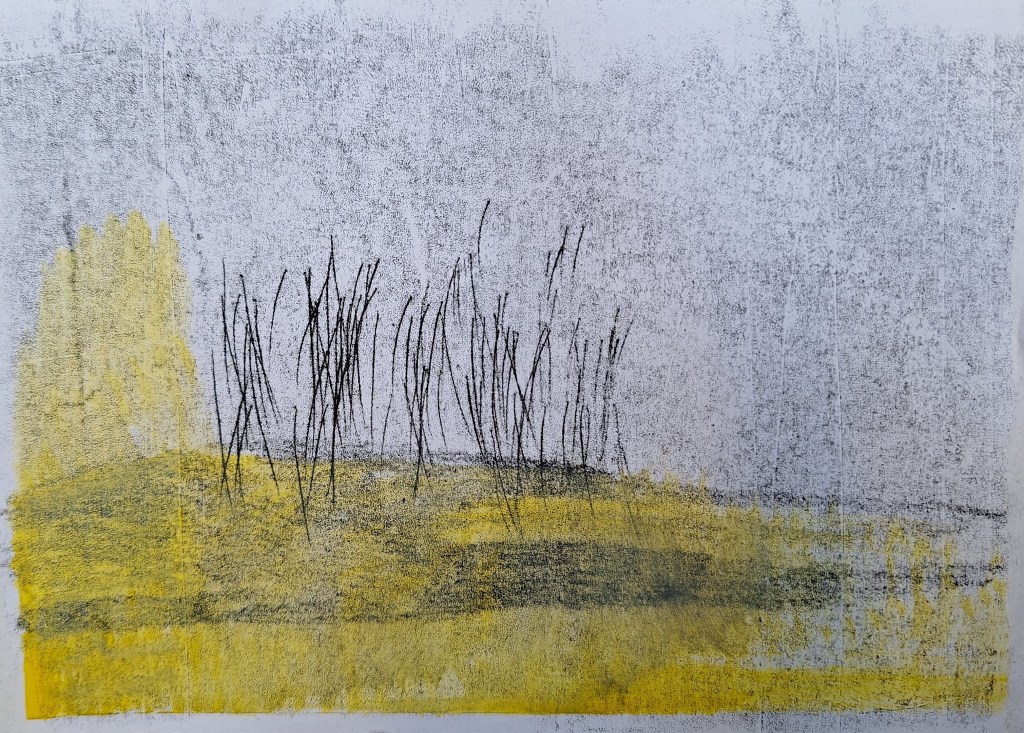
La pittura, sia essa eseguita su carta o su tela, mantiene una severa scansione cromatica dal bianco al nero, ma si arricchisce di tonalità di grigi, talvolta colorati, che campiscono la superficie in modo più libero, in cui il segno e le forme ad inchiostro o a graffite e carbone, si espandono con passaggi di grigi più modulati e trasparenze tonali, facendo da contrappunto al carattere più incisivo e controllato del disegno.
English text
On drawing Debora Fella
#paroladartista #disegno #drawing #deborafella
Drawing: a mark left on the surface as an immediate form of vital expression, an essential medium for communicating ideas, feelings, images, memories, fantasies…
Drawing for me represents a moment of greater intimacy, reflection and concentration than the commitment of painting or the ‘finished’ work. It is a place of thought and research, a parallel path to that of painting, not ‘preparatory’ but autonomous and independent that allows me to study, filter and refine ideas.
My way of proceeding sees two fundamental moments that alternate: drawing on the one hand and painting on the other. Both are developed from the same tools, i.e. ink and slate and charcoal pigments, but with a substantial difference: the drawings are made on paper, usually in a small format, and are presented as lines, signs, shapes with a strong visual impact that animate the surface with the intention of understanding and experiencing space, its structure, the balance between presence and absence, fullness and emptiness in its most severe contrasts.
A substantial repertoire of drawings precedes the paintings and in them the forms are repeated insistently with slight compositional changes and with rigour between white, black and grey. Here, line and form become constructive elements.
When I draw, I also work on the back of the sheet of paper, resting on a previously inked base, so that by adjusting the points with which I draw the marks and the pressure of the gesture, I can obtain an ever new writing, sometimes unpredictable even to my eye.
The painting, whether executed on paper or canvas, maintains a strict chromatic scansion from white to black, but is enriched with tones of grey, sometimes coloured, that field the surface in a freer manner, in which the sign and ink or graffiti and charcoal forms expand with more modulated grey passages and tonal transparencies, acting as a counterpoint to the more incisive and controlled character of the drawing.



 paroladartista.com