
(scroll down for English version)
#paroladartista #primoamore #firstlove #manlioonorato
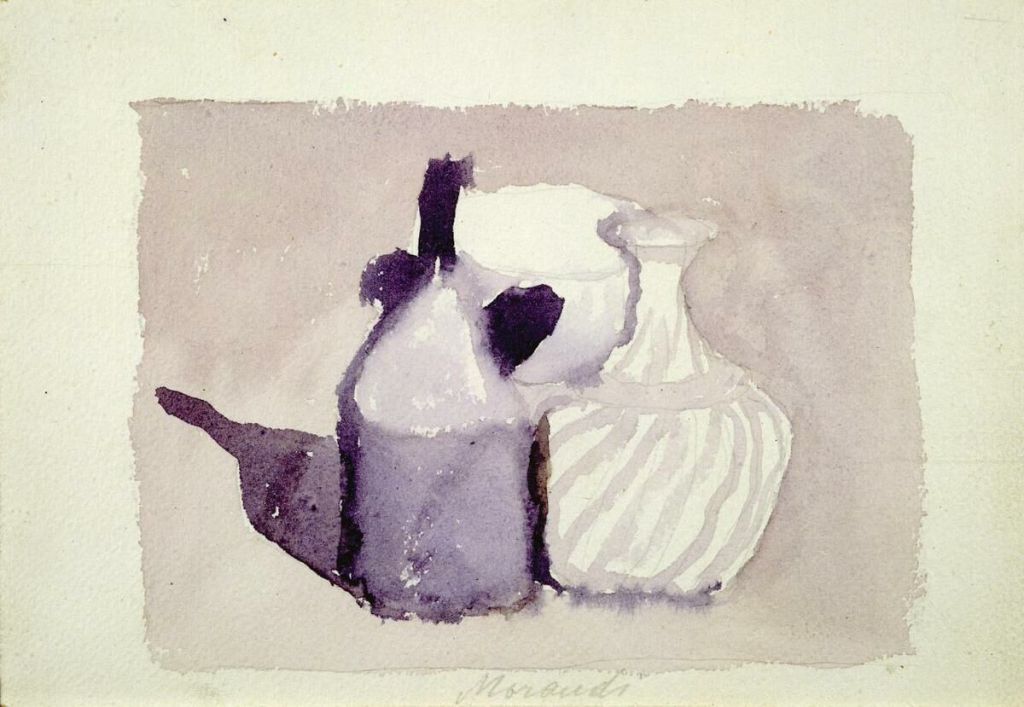
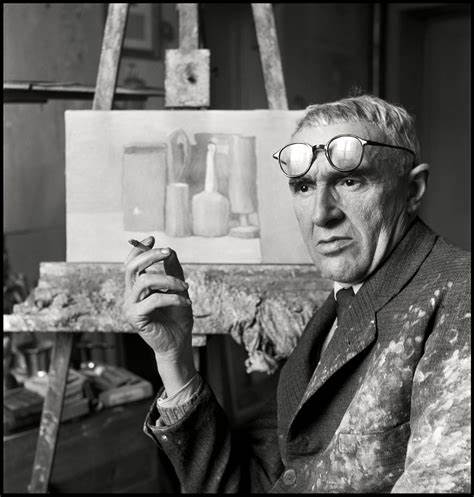
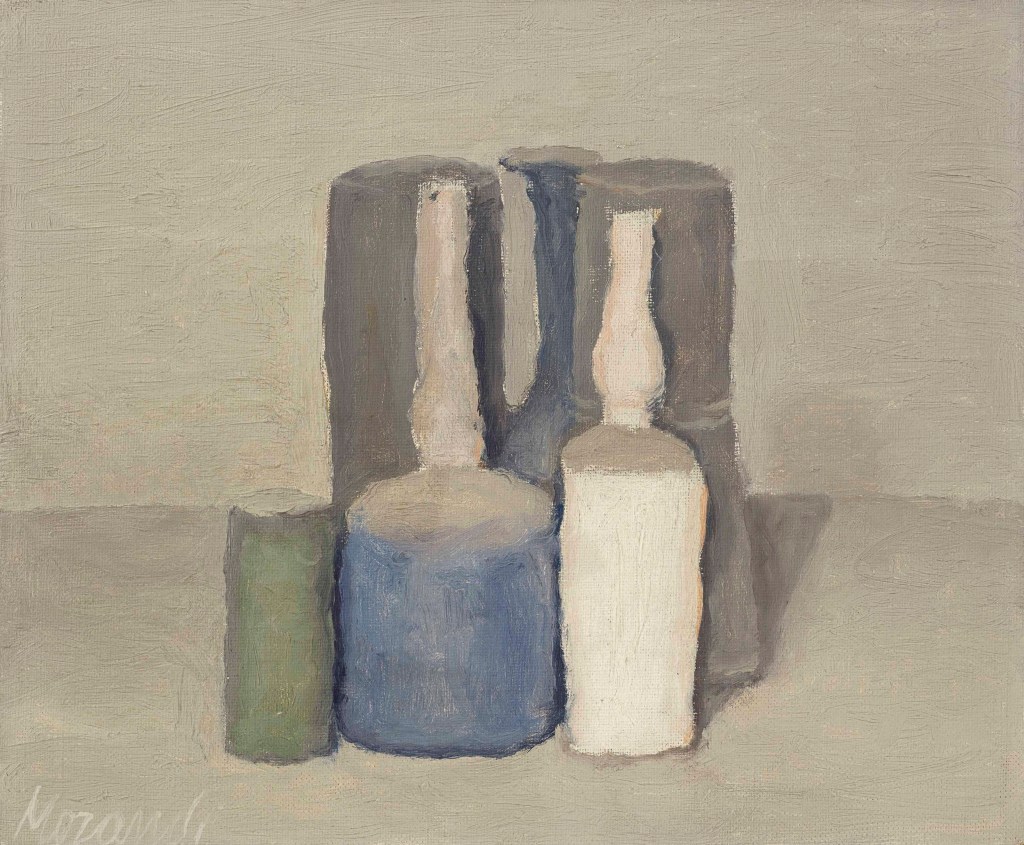
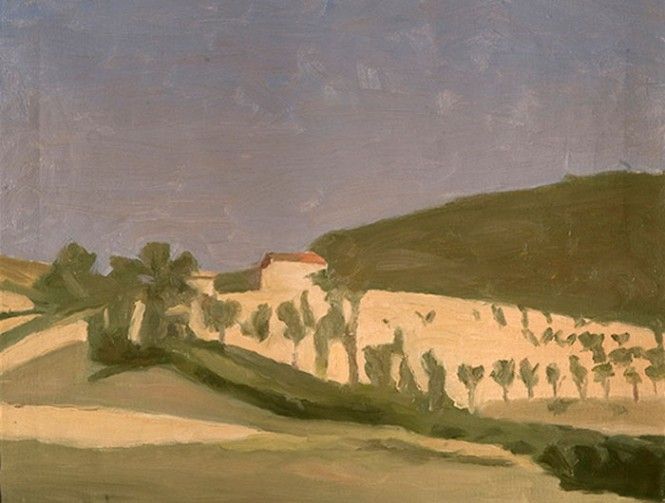
Dipingo da molti anni ma non ho nessun ricordo che possa realmente spiegare cosa mi abbia spinto a dedicarmi a tale attività. Da ragazzino sfogliavo spesso i libri d’arte che c’erano in casa, certamente, ma mi affascinava -più che un artista in particolare- il fatto stesso che si potessero creare delle immagini che già allora -anche quando imitavano la realtà – mi apparivano molto più che mere riproduzioni. Ricordo però che quando cominciai a pasticciare con i colori ad olio (avevo dodici, tredici anni) mi piaceva molto Giorgio Morandi, per l’equilibrio delle composizioni con la loro luce inconfondibile ma in realtà non ne capivo la complessità. Poi per vari anni mi dedicai soprattutto al disegno e da disegni era prevalentemente composta la mia prima personale nel 1973 (avrei compiuto di lì a poco i ventitre anni), ma progressivamente la mia attività si diradò sempre più e smisi quasi del tutto, convinto ormai che la pittura sarebbe rimasta al più un passatempo senza pretese. Ripresi a dipingere nell’autunno dell’83, dopo un periodo doloroso segnato da un grave lutto familiare e da allora non ho più smesso. I miei interessi artistici si erano nel frattempo fatti più ampi ed amavo ed amo tuttora molto anche artisti lontani dalla mia sensibilità, che forse mi affascinano proprio perché rappresentano “l’altra faccia della luna”, che non vedi ma c’è; osservando la mia pittura di oggi forse per qualcuno è diffcile immaginare che uno dei miei artisti preferiti sia Alberto Giacometti con le sue tormentate figure emaciate che sembrano divorate dall’interno e quasi schiacciate dal mondo esterno, ma i miei quadri sono costantemente alla ricerca di un equilibrio e di una luce che mi allontanino dalle mie inquietudini senza però negarle, perché fanno parte della complessità stessa della vita. Osservando quelle mie superfici dipinte è facile pensare alle suggestioni derivanti ad esempio da Mark Rothko o dalla pittura analitica, riferimenti certamente pertinenti e anzi imprescindibili, ma -indubbiamente meno evidente in termini visivi ma non meno profondo nella sostanza- è il richiamo a Morandi ed in effetti è col tempo che ho cominciato a capire sempre più a fondo la magia delle sue composizioni; è sempre lì a ricordarmi, ad ogni svolta del percorso artistico, quanto sia e debba rimanere ininterrotto il dialogo con la pittura. A ricordarmi che le masse cromatiche si possono continuamente spostare come le bottiglie e gli altri oggetti delle sue nature morte o il punto di vista dei suoi paesaggi, visti magari attraverso un cartone nel quale ritagliava una finestra per studiare l’inquadratura (poco importa se si tratti di un processo almeno in parte anteriore all’esecuzione del dipinto o nel mio caso di continue scelte e aggiustamenti in corso d’opera, pagando lo scotto di incertezze, errori e talora purtroppo frustrazioni). A ricordarmi che ci si debba al tempo stesso continuamente ed instancabilmente interrcogare sul senso profondo del “fare pittura”. Per sapere dove stiamo andando dobbiamo sapere da dove siamo partiti; o forse no, perché si avanza giorno dopo giorno in una terra incognita, ma credo comunque sia meglio saperlo, perché pur sempre lì sono le nostre radici.
English text
First love Manlio Onorato
#paroladartista #primoamore #firstlove #manlioonorato
I have been painting for many years, but I have no memory that can really explain what drove me to devote myself to it. As a young boy I often leafed through the art books in the house, of course, but I was fascinated – more than by any particular artist – by the very fact that one could create images that even then – even when they imitated reality – seemed to me much more than mere reproductions. However, I remember that when I started messing around with oil paints (I was twelve, thirteen years old) I liked Giorgio Morandi a lot, for the balance of the compositions with their unmistakable light, but I didn’t really understand the complexity. Then, for several years, I devoted myself mainly to drawing, and my first solo exhibition in 1973 (I would soon be twenty-three years old) consisted mainly of drawings, but gradually my activity became more and more sparse and I stopped almost completely, now convinced that painting would remain an unpretentious pastime at most. I started painting again in the autumn of 1983, after a painful period marked by a serious family bereavement, and have not stopped since. In the meantime, my artistic interests had become broader and I also loved and still love artists who are far removed from my sensibilities and who perhaps fascinate me precisely because they represent the ‘other side of the moon’, which you cannot see but which is there; Looking at my painting today, it may be difficult for someone to imagine that one of my favourite artists is Alberto Giacometti with his tormented, emaciated figures that seem to be devoured from within and almost crushed by the outside world, but my paintings are constantly searching for a balance and a light that distances me from my anxieties without denying them, because they are part of the very complexity of life. Observing those painted surfaces of mine, it is easy to think of the suggestions deriving from, for example, Mark Rothko or analytical painting, references that are certainly pertinent and indeed inescapable, but – undoubtedly less evident in visual terms but no less profound in substance – is the reference to Morandi, and indeed it is with time that I have begun to understand the magic of his compositions more and more profoundly; it is always there to remind me, at every turning point in my artistic career, how uninterrupted the dialogue with painting is and must remain. To remind me that the chromatic masses can be continually shifted like the bottles and other objects in his still lifes or the point of view of his landscapes, seen perhaps through a cardboard box in which he cut out a window to study the framing (it matters little whether it is a process at least partly prior to the execution of the painting or in my case of continual choices and adjustments in the course of work, paying the price for uncertainties, errors and sometimes unfortunately frustrations). A reminder to me that we must at the same time continually and tirelessly question the deeper meaning of ‘doing painting’. To know where we are going, we must know where we started from; or perhaps not, because we are advancing day after day in an unknown land, but I believe it is better to know, because our roots are still there.
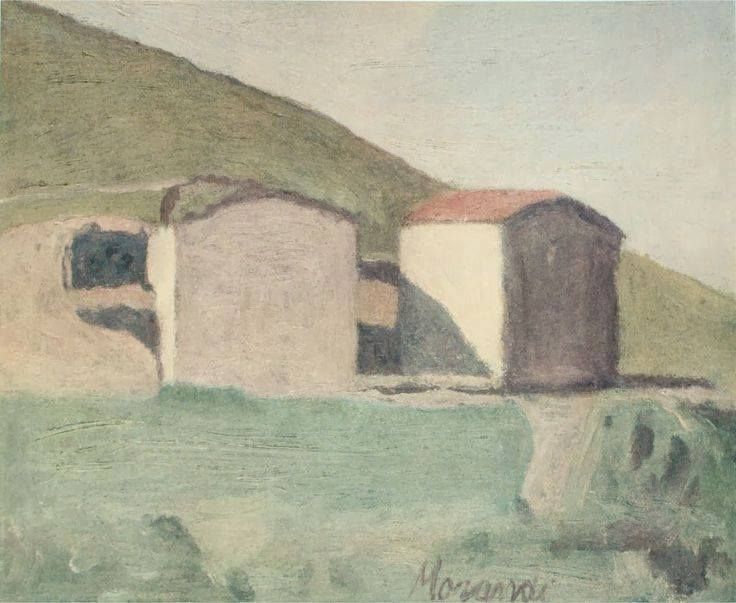

16×24 cm


 paroladartista.com