
(▼Scroll down for English version)
#paroladartista #intervistaartista #bertozziecasoni #artistinterview
Parola d’Artista: Per la maggior parte degli artisti, l’infanzia rappresenta il periodo d’oro in cui iniziano a manifestarsi i primi sintomi di una certa propensione ad appartenere al mondo dell’arte. È stato così anche per lei?
Giampaolo Bertozzi: Sì, è stato proprio così. Fin dalla prima infanzia ho sentito un particolare legame con il bello e con la ricerca del bello, avevo probabilmente una particolare propensione ad intercettarlo. Il bello, per me bambino, erano architetture, giardini che si presentavano come forme estetiche affascinanti, alcune immagini mi colpivano e mi rassicuravano, come se in esse potessi trovare la pace. Questo modo di sentire quello che mi circonda mi ha sempre fatto compagnia, fin dall’infanzia, e ancora oggi è così.
Ho desiderato fin da bambino di appartenere al mondo dell’arte, dicevo di voler fare l’artista, anche se certamente ancora non capivo cosa significasse. La rivelazione ufficiale avvenne un giorno in cui avevo preparato un piccolo telaio improvvisato, ricoprendolo con la tela che mia madre usava per asciugare i piatti, trovavo magico e potente accostare i colori al disegno, rifare il vero per me era un miracolo. In quell’occasione avevo cercato di riprodurre una Madonna, quella che guardavo tutti i giorni in chiesa e che ancora oggi ritrovo nello stesso luogo, la Madonna in questione era stata dipinta da Giacomo Zampa, un pittore attivo tra Tossignano e Imola intorno al 1700 circa, quando la riguardo i ricordi e le emozioni dell’infanzia riemergono e tornano vividi.
P.d’A.: Quando è avvenuto l’incontro con Stefano Dal Monte Casoni?
G.B.: All’età di 12 anni abitavo in campagna nelle vicinanze di Bubano, un piccolo paese vicino a Imola, e vivevo con la mia famiglia all’interno di una storica azienda agricola composta da una villa padronale circondata da un bel parco antico in cui era presente una costruzione in ferro, una torre che serviva come carico dell’acqua. Quell’architettura mi aveva colpito per la sua bellezza, era stata costruita tra la fine dell’800 e l’inizio del 900, in quello stile eclettico con sfumature gotiche che tanto mi piaceva, tutto intorno sorgevano le case degli operai agricoli dove anche io abitavo. All’interno dell’azienda erano presenti tanti animali, tra cui bellissimi cavalli.
Io e Stefano ci incontrammo da bambini proprio in quel luogo, lui aveva 8 anni circa e io 12. L’occasione fu la visita che la sua famiglia faceva agli amici, visita che era consuetudine fare per vedere il presepe che la famiglia faceva ogni anno, e che composi personalmente io, in occasione di quel Natale. Io non registrai l’incontro, solo anni più tardi Stefano mi ricordò di quella occasione. Mi disse: “Ti ricordi della prima volta in cui ci siamo visti?”, io gli risposi: “Sicuro! Sui binari della stazione di Imola in direzione del tragitto Imola-Faenza.” Lui rise e mi parlò di un ricordo della sua infanzia, dicendomi: “Ricordo un bambino che aveva costruito un presepe con ciò che si poteva trovare in una fattoria”, aggiunse che quel presepe gli era piaciuto molto e che quel bambino ero io. Si ricordava di me e di come ero vestito. Incredibile!
P.d’A.: Quali studi avete fatto?
G.B.: Abbiamo studiato entrambi presso l’Istituto d’Arte per la Ceramica di Faenza, naturalmente Stefano ed io non frequentavamo la stessa classe, Stefano era più giovane di me, ma fin da subito abbiamo capito che avremmo costruito qualcosa insieme. Dopo la scuola faentina abbiamo frequentato l’Accademia di Belle Arti di Bologna. Sono stati anni di vivace ricerca, anche se sia io sia Stefano non abbiamo finito il ciclo di studi, pur frequentando assiduamente e pur completando i quattro anni di formazione. Le nostre energie, a fine percorso accademico, erano già tutte concentrate nel lavoro, il nostro sodalizio artistico, seppur giovanissimo, aveva già un suo moto intrinseco ben definito. La nostra formazione è quindi proseguita mettendo quotidianamente le mani nella terra, talvolta in collaborazione e mutuo scambio con altri giovani artisti e designer, talvolta prestando le mani ad artisti all’epoca più affermati di noi, infine è stato certamente significativo per la nostra formazione anche il lavoro alla Cooperativa Ceramica di Imola all’interno del Centro Internazionale di Studi e Sperimentazione sulla Ceramica.
P.d’A.: Ci sono stati degli incontri importanti durante la vostra formazione?
G.B.: Certo, ci sono stati incontri importanti. Sicuramente, personalmente, riesco ad individuare almeno cinque incontri che reputo fondamentali per la mia formazione come artista e come persona. Forse l’ordine cronologico può essere particolarmente adatto a raccontarli.
La prima persona che sento di voler nominare è la mia insegnante di arte e disegno delle scuole medie, importante per me sia a livello formativo ma in particolare a livello umano, perché è stata capace di vedere e valorizzare la mia predisposizione per l’arte indirizzandomi esattamente verso un mio interesse. Come tanti ragazzi, infatti, di fronte alla scelta della scuola superiore, mi ritrovai a seguire i miei amici che avevano scelto l’Istituto tecnico di Imola. Frequentavo già l’Istituto Tecnico quando, passeggiando sotto i portici di Firenzuola, mi ritrovai davanti la mia insegnante di arte delle scuole medie: lei mi chiese quale scuola avessi scelto e, certamente mossa dalla stima nei confronti delle mie giovani capacità artistiche, si mise subito all’opera per farmi cambiare scuola e mi iscrisse all’Istituto d’Arte. I miei genitori acconsentirono e io mi trovai immerso tra i banchi di una scuola che cambiò la mia vita: da quel giorno cambiò tutto in meglio, avevo trovato il mio tassello, il mio inquadramento.
Alla scuola d’arte incontrai poi Angelo Biancini, eccellente maestro e artista, mio insegnante di plastica e scultura, il quale mi diede l’opportunità, al di fuori degli orari scolastici, di frequentare il suo studio per un paio di anni. Nel suo studio ebbi la possibilità di entrare a contatto con un lavoro e una prassi, e indubbiamente ebbi anche l’occasione di conoscere procedimenti e tecniche scultoree legate alla produzione di opere di grandi dimensioni.
Arriviamo poi ai tempi dell’Accademia di Belle Arti di Bologna, in cui ebbi l’onore di essere allievo di Concetto Pozzati, il quale mi diede modo di capire l’importanza del confronto con gli altri, della comunicazione e della condivisione, tutti elementi fondamentali per arrivare a costruire un lavoro solido e condivisibile con il sistema dell’arte.
L’incontro più importante di tutti, è stato quello con Stefano durante il periodo scolastico, dai tempi della formazione faentina fino a quella bolognese, e poi ancora oltre, lungo tutto il nostro percorso insieme. Fin dalle origini abbiamo trovato questa comunità di intenti, e da subito è emersa l’esigenza e l’evidenza di volere e dovere lavorare insieme, così è nato un sodalizio artistico, professionale ed umano, in cui la passione per l’arte ha fatto da propulsore e legante al contempo.
Infine, un altro incontro fondamentale è stato negli anni 90 con Gian Enzo Sperone, eccellente ed eccentrico gallerista che ha portato le nostre opere sotto i riflettori del mondo dell’arte e del mercato dell’arte.
P.d’A.: Che importanza ha nel vostro lavoro il legame con la tradizione della ceramica tipica del vostro luogo d’origine?
G.B.: Ci siamo formati all’Istituto di Faenza, città votata alla tradizione ceramica. Qui abbiamo studiato storia della ceramica e abbiamo conosciuto artisti del passato che hanno lavorato la ceramica in maniera eccellente. Tra le sale del MIC abbiamo scoperto Bernard Palissy, per fare un esempio, la sua arte è certamente stata fondamentale fonte di ispirazione per il nostro lavoro. In un certo senso, la tradizione ceramica del nostro territorio, è entrata nel nostro lavoro in modo fluido e naturale, quasi inconsapevolmente, forse, come ossigeno che entra nei polmoni durante il respiro.
P.d’A.: In che modo siete riusciti a staccarvi da questa tradizione?
G.B.: Non ci siamo mai staccati da questa tradizione, che continua a presentarsi nelle nostre opere sia dal punto di vista tecnico sia formale. Continuiamo a guardarla con attenzione e cerchiamo di rinnovarci nel segno della tradizione dell’arte ceramica, ma non solo.
P.d’A.: Il disegno ha una qualche importanza nel processo di lavoro?
G.B.: No, il disegno ha una sua dimensione, un suo carattere, nel nostro processo creativo non è mai al servizio della progettazione. Alle volte disegniamo per memorizzare alcune idee, altre volte invece prendiamo appunti anche solo con le parole, talvolta disegno e parola convivono insieme sul foglio, come semplice promemoria velocemente abbozzato. Il disegno è piuttosto una pratica che mi interessa e che seguo più per mio conto, come una sorta di arte-terapia.
P.d’A.: Quando inizia un lavoro ha già un’idea chiara di come si svilupperà o c’è spazio per delle modifiche in corso d’opera?
G.B.: In genere inizio un lavoro dopo aver incontrato, più che un’idea, un interesse verso un soggetto, un’immagine, una composizione, sia di colore sia di forma. Successivamente questo interesse si sviluppa nella mia mente studiando il soggetto che mi si è presentato. Poi si iniziano a mettere le mani nel lavoro, modellando la terra per fare emergere forme e volumi, si curano i colori e si soppesano gli elementi tra loro. Durante le fasi del lavoro c’è sempre spazio per modifiche, fino alla fine, ma non solo. Anche a fine lavoro, se tecnicamente potessi interagire ancora con l’opera, lo farei ancora, probabilmente lo farei per sempre.
P.d’A.: Le interessa la dimensione della memoria?
G.B.: Sì, mi interessa la dimensione della memoria, senza non c’è futuro, ma sono tendenzialmente per alcuni aspetti uno smemorato. Fortunatamente, per quanto riguarda il lavoro, ho una memoria molto buona che mi consente di avanzare e far progredire un lavoro. Quando inizio un nuovo progetto, ricordo a memoria tutte le fasi del lavoro, ho tutti i passaggi in testa, la mia mente è autonoma nel lavoro, le mie mani hanno una memoria che si è formata nel fare e procedono senza interrogarsi troppo, rispondono alla materia e portano avanti un processo sotterraneo, profondamente interiorizzato.
P.d’A.: L’idea di messa in scena del lavoro ha una qualche importanza?
G.B.: Sì, credo sia molto importante. Molte nostre opere possono convivere con identità spaziali e architettoniche diversificate, dal white cube all’abitazione privata, dall’architettura moderna al palazzo storico. Alcune opere, invece, necessitano di una particolare cura nella messa in scena. Ad esempio, l’ultima opera realizzata in memoria di Stefano, La morte dell’eros, secondo me ha bisogno di luoghi precisi in cui stare, non si può allestire ovunque, ha bisogno di luoghi romantici e decadenti, non può stare in una galleria. Ad esempio, un luogo in cui vorrei vedere il fauno è un Palazzo decadente veneziano classico.
P.d’A.: Spesso i vostri lavori rimandano al tema della Vanitas della decadenza dei corpi dell’accumulo di spazzatura che nella storia dell’arte ha degli illustri predecessori come si rapporta a questo illustre passato?
G.B.: Se si fa rifermento alle vanitas del 600, il rapporto è certamente di conoscenza. So che esistono, Stefano ed io abbiamo avuto occasione di guardarle e studiarle, e certamente, in parte, abbiamo attinto a livello compositivo e formale da quelle rappresentazioni pittoriche. Nel nostro lavoro il discorso è diverso: permane l’idea di transitorietà però c’è anche l’idea di speranza, di transitorio e speranza al contempo. Al di là dell’adozione di questo tema, il nostro intento è quello di dare una seconda vita agli oggetti quotidiani, a ciò che è caduco, al residuo che l’uomo contemporaneo lascia nel mondo ogni giorno, ma con un’idea di rinascita. I nostri lavori si possono quindi legare alle vanitas della storia dell’arte, certamente, ma si possono anche intendere come segno di speranza e rinnovo, per noi il messaggio è più quello.
P.d’A.: Che tipo di dialogo cerca con lo spettatore che si trova davanti al suo lavoro?
G.B.: Come recita un titolo di una nostra opera, “Nulla è come appare”: questo è il dialogo che abbiamo sempre cercato con lo spettatore. Con questa affermazione in forma di aforisma, chiediamo idealmente allo spettatore di non fermarsi alla superficie della ceramica. La ceramica che mettiamo in mostra certamente, con la sua superficie così morbida e accogliente, tende ad ingannare amabilmente lo sguardo del visitatore. Davanti alle nostre opere le persone tendono a fermarsi alla superficie, ma noi abbiamo l’ambizione di dire anche altro. Andare oltre a quello che si vede, attraversare il primo fascinoso sguardo e iniziare un viaggio in un possibile altrove, è questa la nostra speranza.
P.d’A.: Che cosa succede alle opere quando non c’è nessuno che le osserva, l’esistenza di un’opera d’arte può prescindere dalla presenza di un osservatore?
G.B.: Le opere rimangono opere, se sono valide restano valide, anche senza osservatore. Naturalmente le opere hanno bisogno di un osservatore, hanno bisogno di interagire, confrontarsi, misurarsi con spettatori di ogni tempo e provenienza, l’esistenza di un’opera d’arte non avrebbe senso senza l’osservatore. L’opera d’arte ha bisogno di confronto. Come la gioia, che se non è condivisa perde valore, così anche la bellezza, senza la condivisione non ha ragione di essere, la condivisione è la parola chiave.
P.d’A.: Secondo lei l’artista dove si pone nei confronti della sua opera?
G.B.: Non capisco bene questa domanda… perché per me l’opera è sempre un’epifania, una rivelazione di qualcosa che ti sta davanti e tu non l’hai mai vista, se non fino al giorno in cui si presenta al tuo sguardo, e allora finalmente la vedi. Suggerirei quindi la questione inversa: “Come si pone l’opera nei confronti dell’artista’”, perché è l’opera che ti sceglie, secondo me.
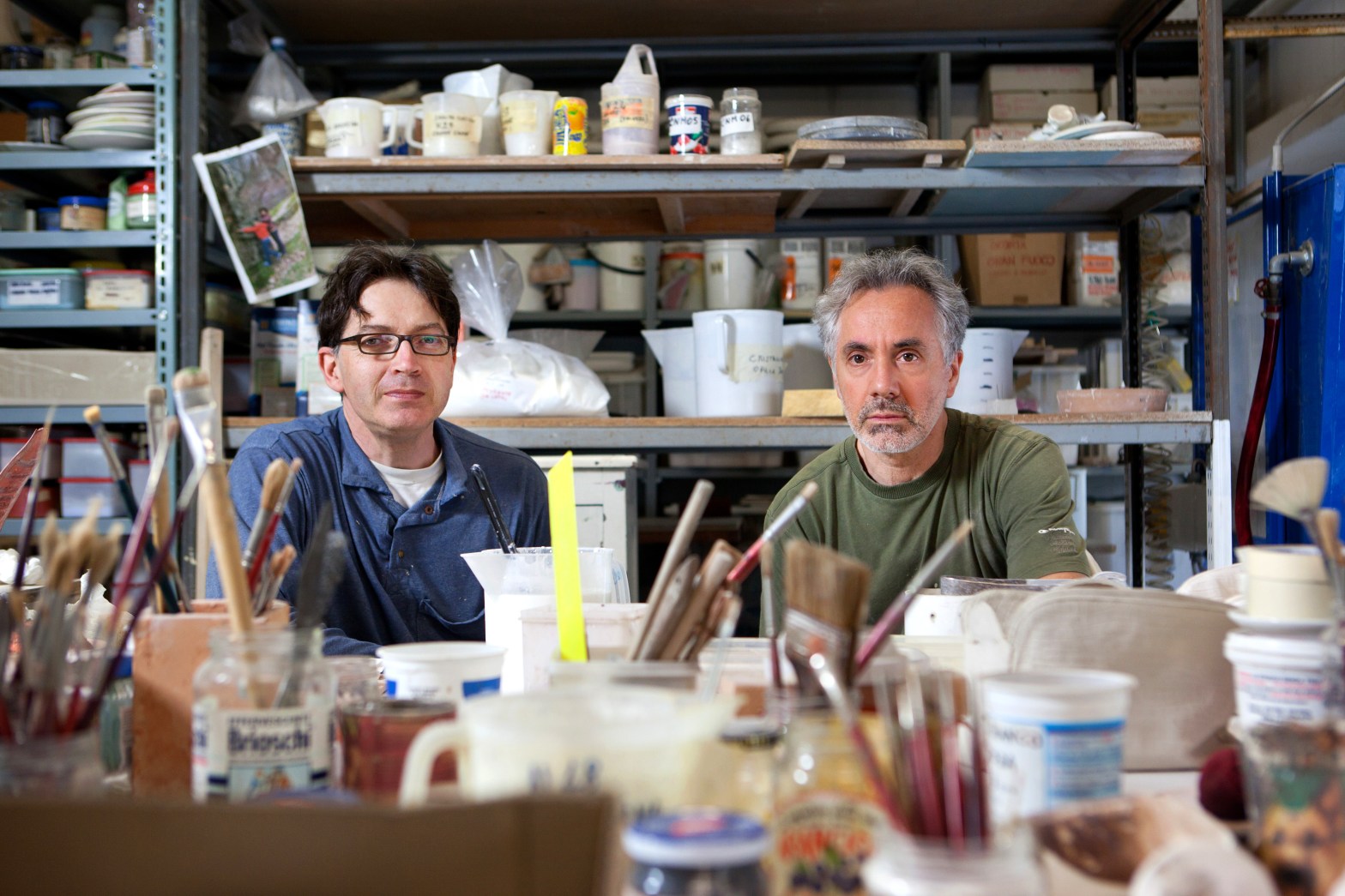
Bertozzi & Casoni è una società fondata nel 1980 a Imola da Giampaolo Bertozzi (1957) e da Stefano Dal Monte Casoni (1961-2023).
Le loro opere si muovono nel solco della tradizione dell’arte, facendo emergere rinnovate forme significanti, tra ancestrali simbologie e nuovi idoli contemporanei. Tra insolite composizioni e sorprendente capacità di mimesi, la sapienza tecnica sfida incessantemente la materia ceramica, indagando tutto ciò che appare caduco, transitorio e impermanente.
Rifiuti e scarti si stratificano e si alternano alla grazia e alla potenza di forme vegetali e animali, continuando a rinnovare la grande categoria artistica della vanitas e interrogando silenziosamente la natura della condizione umana.
La critica, i musei e le più importanti gallerie d’arte nazionali e internazionali si interessano al loro lavoro.
Tra le occasioni espositive si ricordano: Tate Liverpool, Quadriennale di Roma (2004), Sperone Westwater, New York (2005, 2010, 2015), Ca’ Pesaro, Venezia (2007), Castello Sforzesco, Milano (2008), Biennale di Venezia (2009, 2011), All Visual Arts, Londra (2012), Museum Beelden aan Zee, l’Aia e Beck & Eggeling, Düsseldorf (2013), Palazzo Te, Mantova (2014), Expo, Milano e Mambo, Bologna (2015), GAM, Palermo e Macist, Biella (2016), Museo di Palazzo Poggi, Bologna e Pinacoteca Civica, Ascoli Piceno (2017), Rossi & Rossi Gallery, Hong Kong (2018), Marca, Catanzaro e Museo Morandi, Bologna (2019), Complesso di Sant’Agostino, Pietrasanta (2020), Mart Museo di arte moderna e contemporanea di Trento e Rovereto (2022), Imola Musei (2023).
English text
Interview to Gianpaolo Bertozzi (Bertozzi & Casoni)
#paroladartista #intervistaartista #bertozziecasoni #artistinterview
Parola d’Artista: For most artists, childhood is the golden age when the first symptoms of a certain propensity to belong to the art world begin to appear. Was that the case for you too? Tell us.
Gianpaolo Bertozzi: Yes, it was like that. From early childhood, I felt a particular connection with beauty and with the search for beauty, I probably had a particular propensity to intercept it. Beauty, for me as a child, was architecture, gardens that presented themselves as fascinating aesthetic forms, certain images struck me and reassured me, as if I could find peace in them. This way of feeling my surroundings has always kept me company, since childhood, and still does today.
Ever since I was a child I wanted to belong to the art world, I said I wanted to be an artist, although I certainly did not yet understand what that meant. The official revelation came one day when I had prepared a small improvised loom, covering it with the cloth my mother used to dry the dishes, I found it magical and powerful to combine colours with drawing, redoing the real thing for me was a miracle. On that occasion I had tried to reproduce a Madonna, the one I used to look at every day in church and which I still find in the same place today; the Madonna in question had been painted by Giacomo Zampa, a painter active between Tossignano and Imola around 1700, when I look at it, the memories and emotions of childhood flood back to me.
P.d.A.: When did you meet Stefano Dal Monte Casoni?
G.B.: When I was 12 years old, I lived in the countryside near Bubano, a small town near Imola, and I lived with my family on a historic farm consisting of a manor house surrounded by a beautiful old park in which there was an iron construction, a tower that served as a water tower. That architecture had struck me for its beauty, it had been built between the end of the 19th and the beginning of the 20th century, in that eclectic style with Gothic overtones that I liked so much, all around stood the houses of the farm workers where I also lived. There were many animals on the farm, including beautiful horses. Stefano and I met as children in that very place, he was about 8 years old and I was 12. The occasion was a visit that his family made to friends, a visit that it was customary to make to see the nativity scene that the family made every year, and which I personally composed, on the occasion of that Christmas. I did not record the meeting, it was only years later that Stefano reminded me of that occasion. He told me: ‘Do you remember the first time we saw each other?’ I replied: ‘Sure! On the Imola station platform on the Imola-Faenza route.” He laughed and told me about a memory from his childhood, saying: “I remember a child who had built a nativity scene with what could be found on a farm”, he added that he had loved that nativity scene and that that child was me. He remembered me and how I was dressed. Incredible!
P.d’A.: What studies did you do?
G.B.: We both studied at the Art Institute for Ceramics in Faenza, of course Stefano and I did not attend the same class, Stefano was younger than me, but right from the start we realised that we would build something together. After the Faenza school, we attended the Academy of Fine Arts in Bologna. These were years of lively research, even though both Stefano and I did not finish the course, although we attended assiduously and completed the four years of training. Our energies, at the end of the academic course, were already all concentrated on work, our artistic partnership, although very young, already had its own well-defined intrinsic motion. Our training therefore continued by putting our hands in the earth on a daily basis, sometimes in collaboration and mutual exchange with other young artists and designers, sometimes lending our hands to artists who were more established than us at the time. Finally, working at the Cooperativa Ceramica di Imola within the Centro Internazionale di Studi e Sperimentazione sulla Ceramica was certainly significant for our training.
P.d’A.: Were there any important meetings during your training?
G.B.: Sure, there were important encounters. Certainly, personally, I can identify at least five encounters that I consider fundamental for my formation as an artist and as a person. Perhaps the chronological order is particularly apt to recount them.
The first person I feel I would like to mention is my middle school art and drawing teacher, who was important to me both on a formative level but particularly on a human level, because she was able to see and value my predisposition for art, directing me precisely towards an interest of mine. Like many young people, in fact, when faced with the choice of high school, I found myself following my friends who had chosen the Technical Institute in Imola. I was already attending the Technical Institute when, walking under the porticoes of Firenzuola, I found myself in front of my middle school art teacher: she asked me which school I had chosen and, certainly moved by her esteem for my young artistic abilities, she immediately set to work to get me to change schools and enrol me in the Art Institute. My parents agreed and I found myself immersed among the desks of a school that changed my life: from that day on, everything changed for the better, I had found my niche, my frame.
At art school I then met Angelo Biancini, an excellent teacher and artist, my plastic arts and sculpture teacher, who gave me the opportunity, outside of school hours, to attend his studio for a couple of years. In his studio, I had the opportunity to come into contact with a work and a practice, and I undoubtedly also had the opportunity to learn about sculptural procedures and techniques related to the production of large works.
Then we come to the time of the Academy of Fine Arts in Bologna, where I had the honour of being a student of Concetto Pozzati, who gave me the opportunity to understand the importance of confrontation with others, of communication and sharing, all fundamental elements to be able to build a solid work that can be shared with the art system.
The most important meeting of all, was the one with Stefano during his school days, from the time of his training in Faenza to that in Bologna, and then beyond, throughout our journey together. From the very beginning, we found this community of intentions, and the need and evidence of wanting and having to work together immediately emerged, thus an artistic, professional and human partnership was born, in which the passion for art acted as both propeller and binder at the same time.
Finally, another fundamental meeting was in the 1990s with Gian Enzo Sperone, an excellent and eccentric art dealer who brought our works into the spotlight of the art world and the art market.
P.d’A.: How important is the link with the ceramic tradition typical of your place of origin in your work?
G.B.: We trained at the Institute of Faenza, a city devoted to the ceramic tradition. Here we studied the history of ceramics and got to know artists of the past who worked ceramics in an excellent manner. Among the rooms of the MIC, we discovered Bernard Palissy, to give an example, his art was certainly a fundamental source of inspiration for our work. In a way, the ceramic tradition of our area entered our work in a fluid and natural way, almost unconsciously, perhaps, like oxygen that enters the lungs while breathing.
P.d’A.: How did you manage to break away from this tradition?
G.B.: We have never broken away from this tradition, which continues to present itself in our works both technically and formally. We continue to look at it carefully and try to renew ourselves within the tradition of ceramic art, but not only.
P.d’A.: Does drawing have any importance in the working process?
G.B.: No, drawing has its own dimension, its own character, in our creative process it is never at the service of design. Sometimes we draw in order to memorise certain ideas, other times we even take notes with words, sometimes drawing and words coexist together on the sheet, as a simple reminder quickly sketched out. Drawing is rather a practice that interests me and that I follow more on my own, as a kind of art therapy.
P.d’A.: When you start a work, do you already have a clear idea of how it will develop, or is there room for changes as you go along?
G.B.: I usually start a work after I have encountered, rather than an idea, an interest in a subject, an image, a composition, whether of colour or form. Then this interest develops in my mind by studying the subject presented to me. Then one starts to put one’s hands into the work, shaping the earth to bring out shapes and volumes, the colours are taken care of and the elements are weighed against each other. During the stages of the work there is always room for modification, right up to the end. Even at the end of the work, if I could technically still interact with the work, I would probably still do it.
P.d.A.: Are you interested in the dimension of memory?
G.B.: Yes, I am interested in the dimension of memory, without it there is no future, but I tend to be forgetful in some respects. Fortunately, as far as work is concerned, I have a very good memory that allows me to advance and progress a work. When I start a new project, I remember all the stages of the work by heart, I have all the steps in my head, my mind is autonomous in the work, my hands have a memory that has been formed in doing and they proceed without questioning too much, they respond to the material and carry on an underground, deeply internalised process.
P.d’A.: Does the idea of staging the work have any importance?
G.B.: Yes, I think it is very important. Many of our works can coexist with different spatial and architectural identities, from the white cube to the private home, from modern architecture to the historic building. Some works, on the other hand, require special care in staging. For example, the last work realised in memory of Stefano, The Death of Eros, in my opinion needs specific places to stand, it cannot be set up everywhere, it needs romantic and decadent places, it cannot stand in a gallery. For example, a place I would like to see the faun in is a classic Venetian decadent palace.
P.d’A.: Your works often refer to the Vanitas theme of the decadence of bodies of the accumulation of rubbish that has illustrious predecessors in the history of art, how does it relate to this illustrious past?
G.B.: If you refer to the vanitas of the 17th century, the relationship is certainly one of knowledge. I know they exist, Stefano and I have had the opportunity to look at them and study them, and we have certainly, in part, drawn on a compositional and formal level from those pictorial representations. In our work, the discourse is different: the idea of transience remains, but there is also the idea of hope, of transience and hope at the same time. Beyond the adoption of this theme, our intention is to give a second life to everyday objects, to what is transient, to the residue that contemporary man leaves in the world every day, but with an idea of rebirth. Our works can therefore be linked to the vanitas of art history, certainly, but they can also be understood as a sign of hope and renewal, for us the message is more that.
P.d’A.: What kind of dialogue do you seek with the viewer who is in front of your work?
G.B.: As the title of one of our works states, ‘Nothing is as it appears’: this is the dialogue we have always sought with the spectator. With this statement in the form of an aphorism, we ideally ask the spectator not to stop at the surface of the ceramic.
The ceramics we put on display certainly, with its surface so soft and welcoming, tend to amiably deceive the visitor’s gaze. In front of our works, people tend to stop at the surface, but we have the ambition to say more. To go beyond what is seen, to cross the first fascinating glance and begin a journey to a possible elsewhere, that is our hope.
P.d’A.: What happens to works of art when there is no one there to observe them, can the existence of a work of art be separated from the presence of an observer?
G.B.: Works remain works, if they are valid they remain valid, even without an observer. Of course works need an observer, they need to interact, confront and measure themselves with spectators of all ages and backgrounds, the existence of a work of art would not make sense without the observer. The work of art needs confrontation. Just like joy, which if not shared loses its value, so too beauty, without sharing it has no reason to be, sharing is the key word.
P.d.A.: Where do you think the artist stands in relation to his work?
G.B.: I don’t quite understand this question… because for me the work is always an epiphany, a revelation of something that is in front of you and you have never seen it, except for the day when it presents itself to your gaze, and then you finally see it. So I would suggest the reverse question: ‘How does the work stand in relation to the artist’, because it is the work that chooses you, in my opinion.
Bertozzi & Casoni is a company founded in 1980 in Imola by Giampaolo Bertozzi (1957) and Stefano Dal Monte Casoni (1961-2023).
Their works move in the tradition of art, bringing out renewed forms of meaning, between ancestral symbologies and new contemporary idols. Between unusual compositions and astonishing capacity for mimesis, their technical expertise relentlessly challenges ceramic material, investigating everything that appears transient, transitory and impermanent.
Waste and discards are layered and alternated with the grace and power of vegetable and animal forms, continuing to renew the great artistic category of vanitas and silently interrogating the nature of the human condition.
Critics, museums and leading national and international art galleries are interested in their work.
Exhibitions include: Tate Liverpool, Quadriennale di Roma (2004), Sperone Westwater, New York (2005, 2010, 2015), Ca’ Pesaro, Venice (2007), Castello Sforzesco, Milan (2008), Venice Biennale (2009, 2011), All Visual Arts, London (2012), Museum Beelden aan Zee, l’The Hague and Beck & Eggeling, Düsseldorf (2013), Palazzo Te, Mantova (2014), Expo, Milan and Mambo, Bologna (2015), GAM, Palermo and Macist, Biella (2016), Museo di Palazzo Poggi, Bologna and Pinacoteca Civica, Ascoli Piceno (2017), Rossi & Rossi Gallery, Hong Kong (2018), Marca, Catanzaro and Museo Morandi, Bologna (2019), Complesso di Sant’Agostino, Pietrasanta (2020), Mart Museum of Modern and Contemporary Art of Trento and Rovereto (2022), Imola Musei (2023).
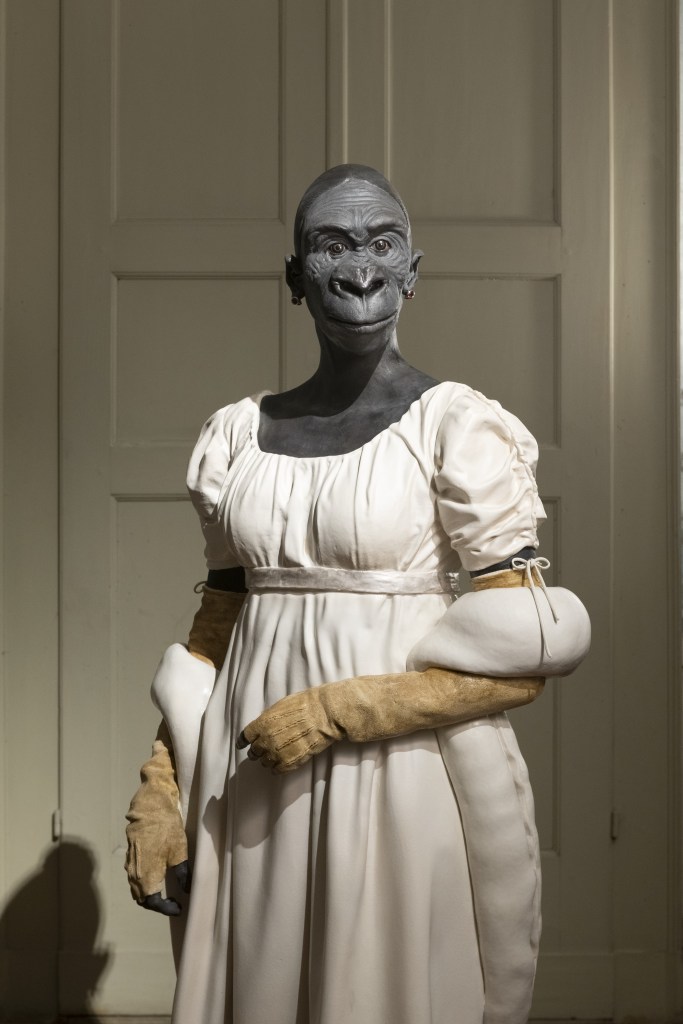
Photo credit : Nazario Spadoni

foto: Bernardo Ricci
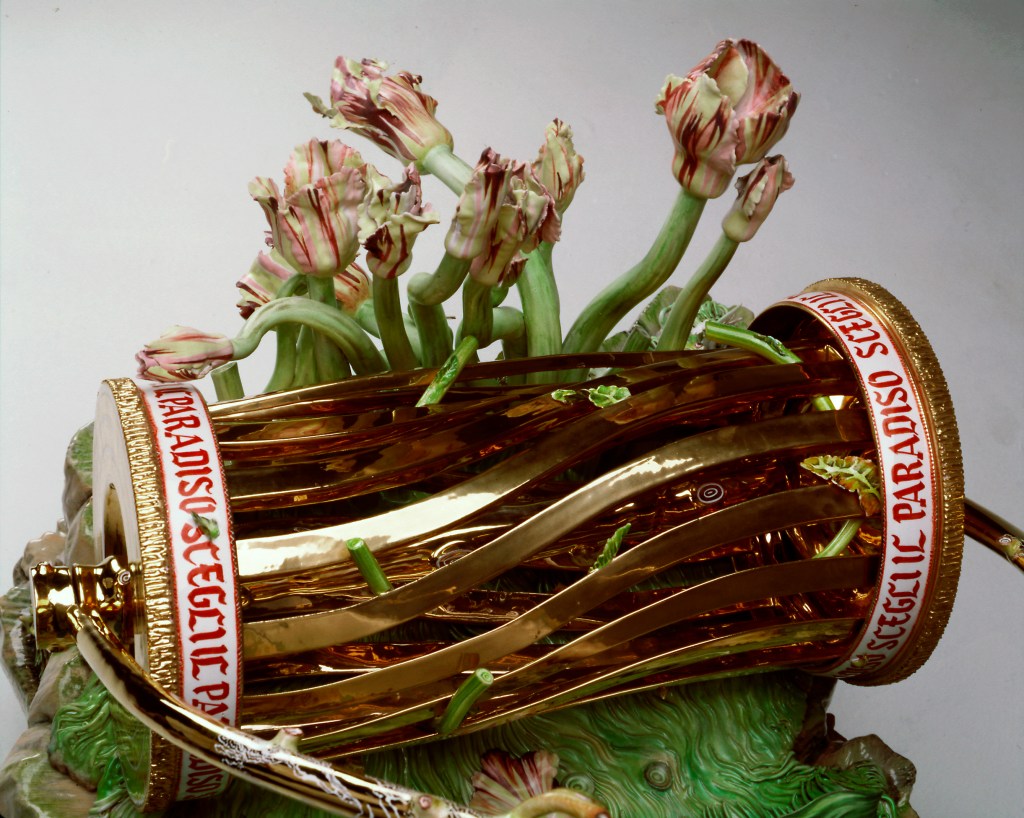
foto: Bernardo Ricci
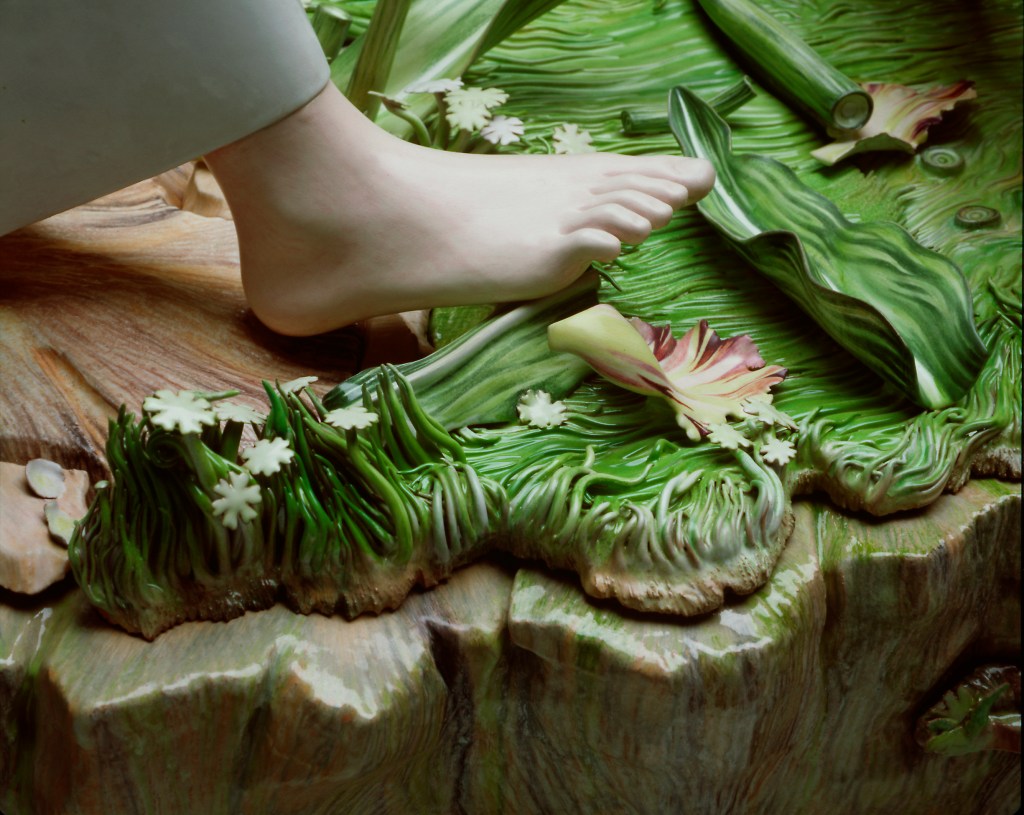
foto: Bernardo Ricci
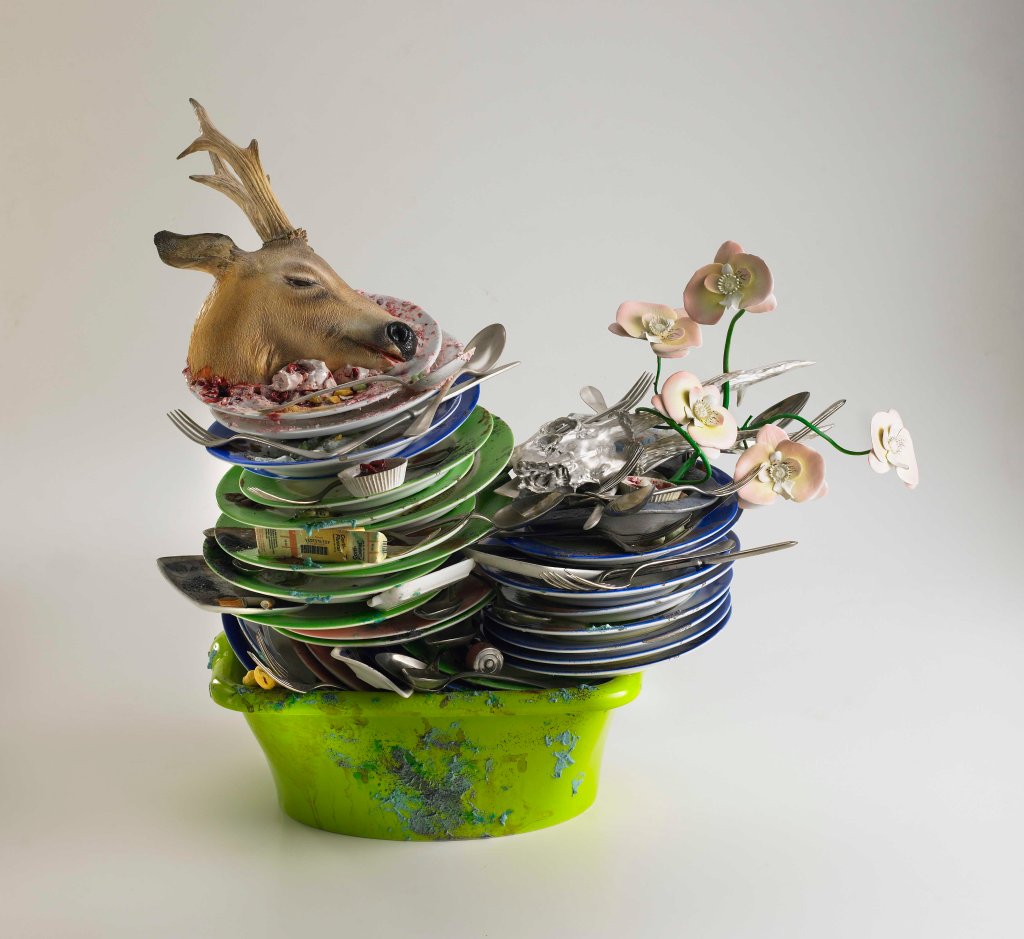
Intervallo “Oggi”, 2008, ceramica policroma, cm h 70x77x50
Photo credit: Bernardo Ricci
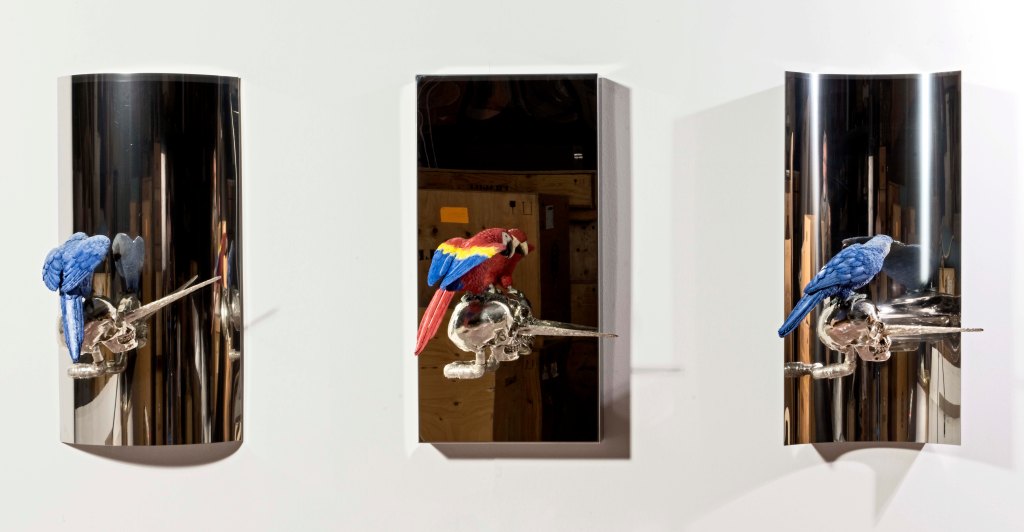
Nulla è come appare, 2018, ceramica policroma, bronzo argentato, acciaio, cm h 100 x 50×50
Photo credit: Elena Bandini
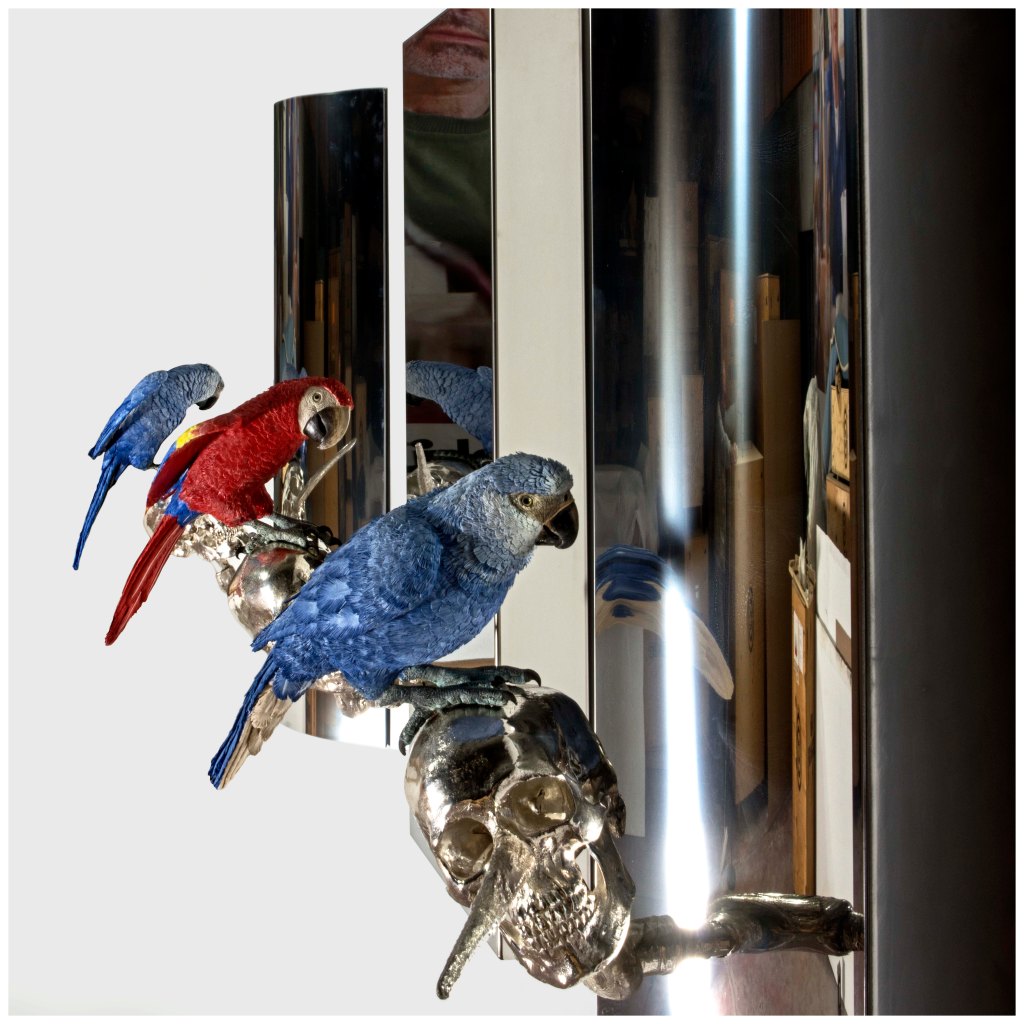
Nulla è come appare, 2018, ceramica policroma, bronzo argentato, acciaio, cm h 100 x 50×50
Photo credit: Elena Bandini
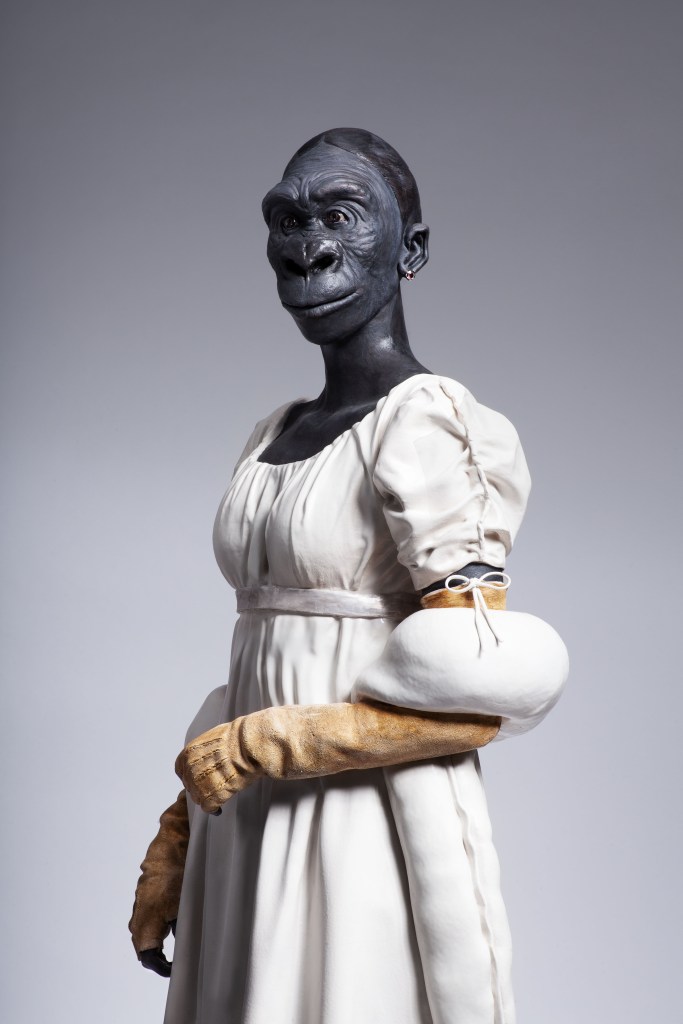
Ritratto, 2019, ceramica policroma, cm h 165x64x53
Photo credit : Marco Negri
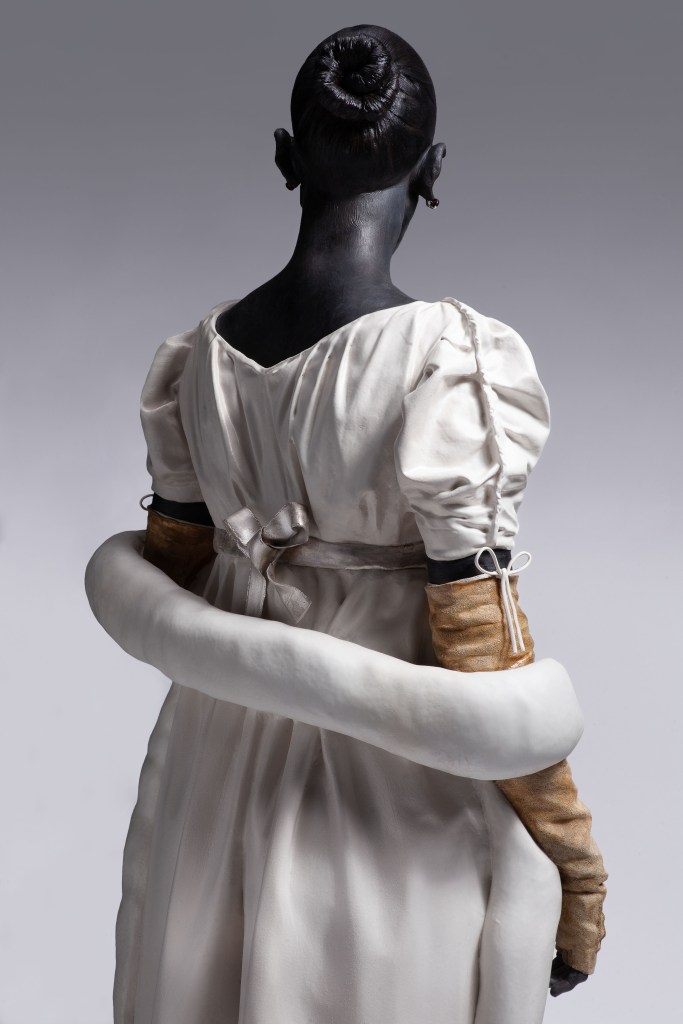
Ritratto, 2019, ceramica policroma, cm h 165x64x53
Photo credit : Marco Negri

Photo credit: Nazario Spadoni
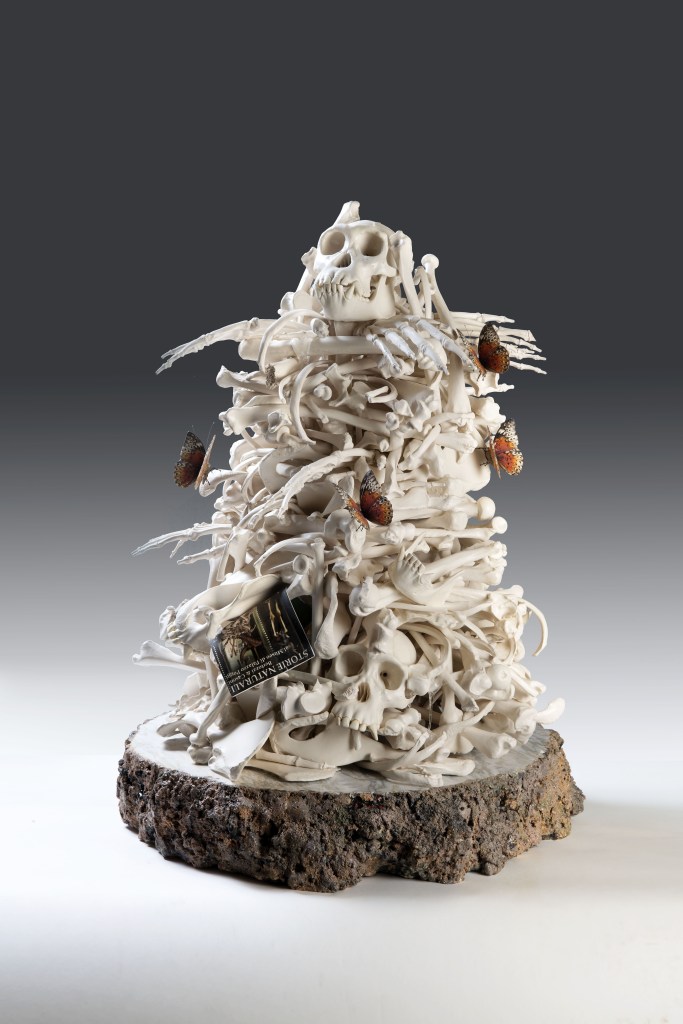
Chimpanzéé, 2023, ceramica policroma, cm 84x62x62
Photo credit: Nazario Spadoni
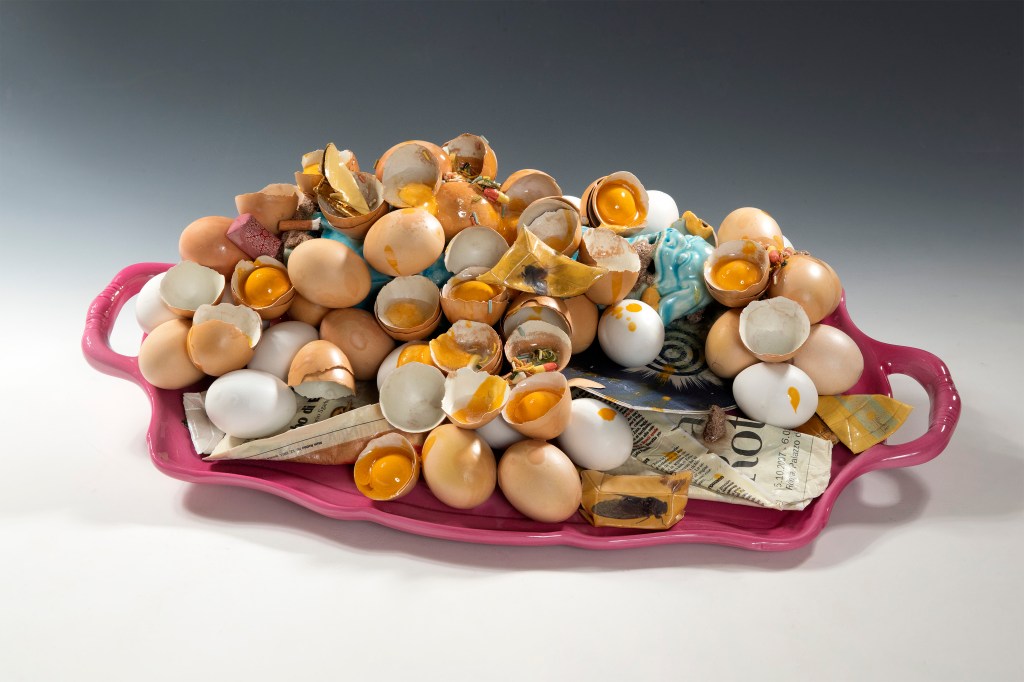
Vassoio con drago cinese, 2023, ceramica policroma, cm h 16 x 35 x 60,5
Photo credit: Nazario Spadoni
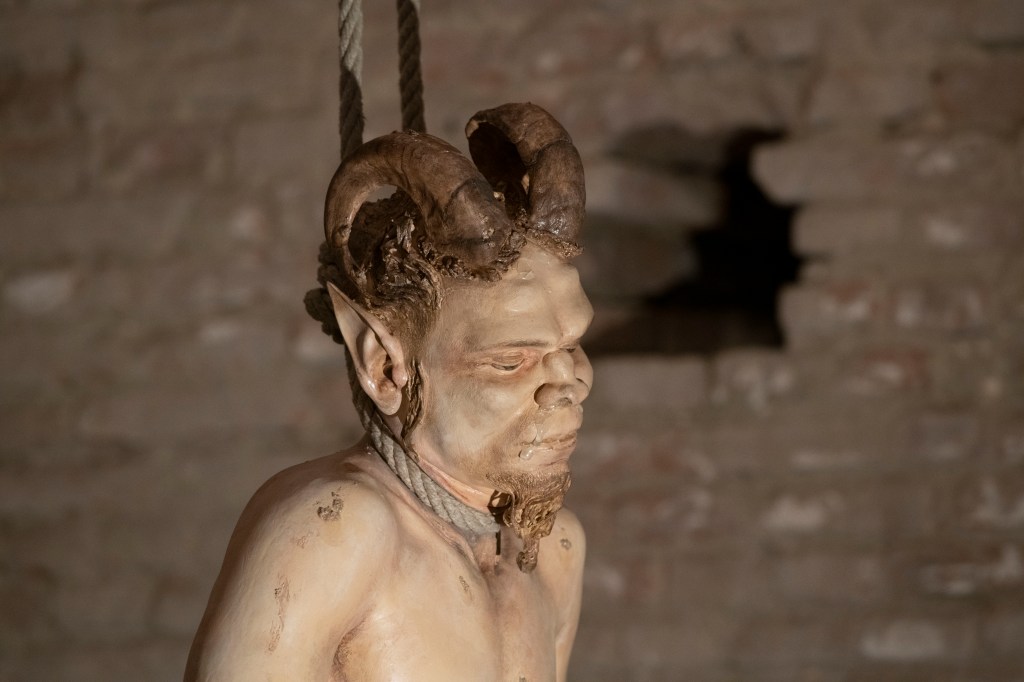
La morte dell’eros, 2023, ceramica policroma, cm h 350
Photo credit: Nazario Spadoni

La morte dell’eros, 2023, ceramica policroma, cm h 350
Photo credit: Nazario Spadoni
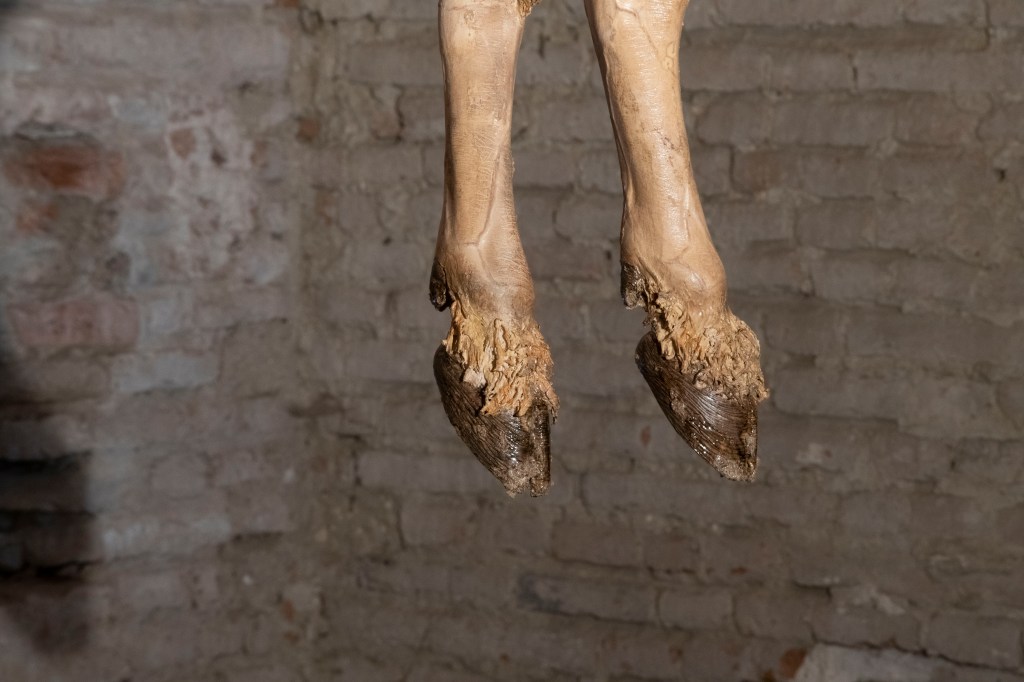
La morte dell’eros, 2023, ceramica policroma, cm h 350
Photo credit: Nazario Spadoni
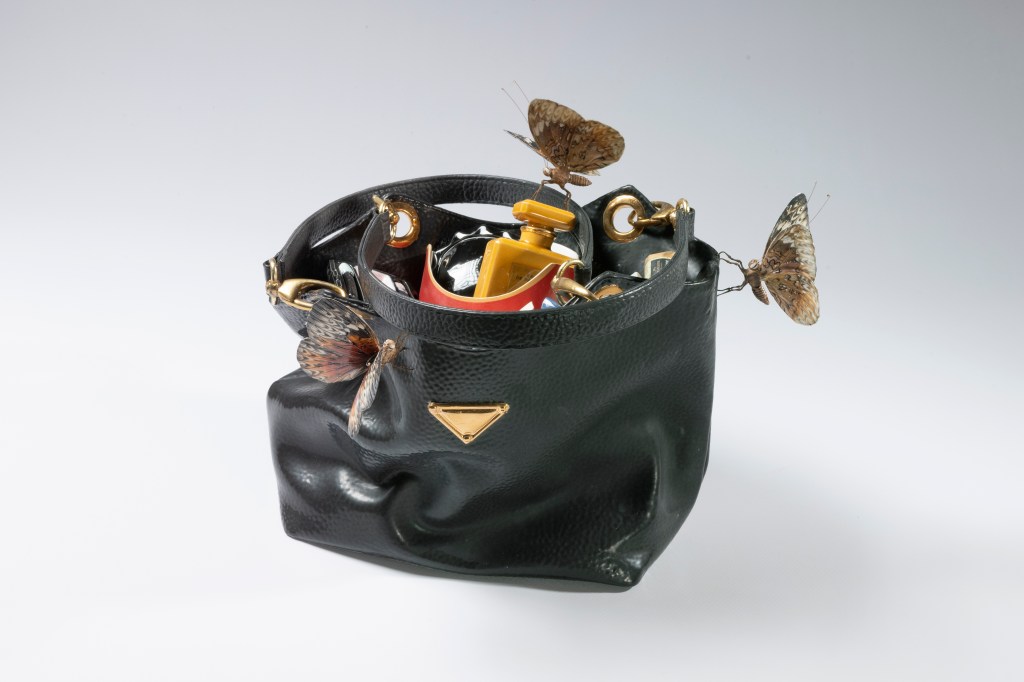
Tracey, 2023, ceramica policroma, cm h 24,5x29x31
Photo credit: Nazario Spadoni

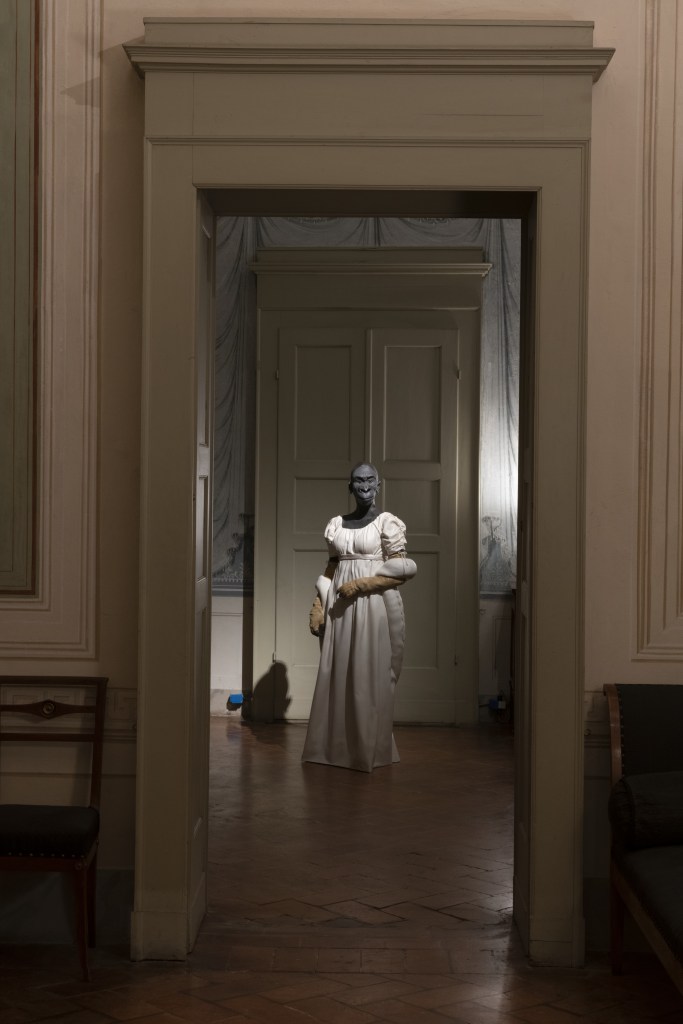
Photo credit : Nazario Spadoni
 paroladartista.com