
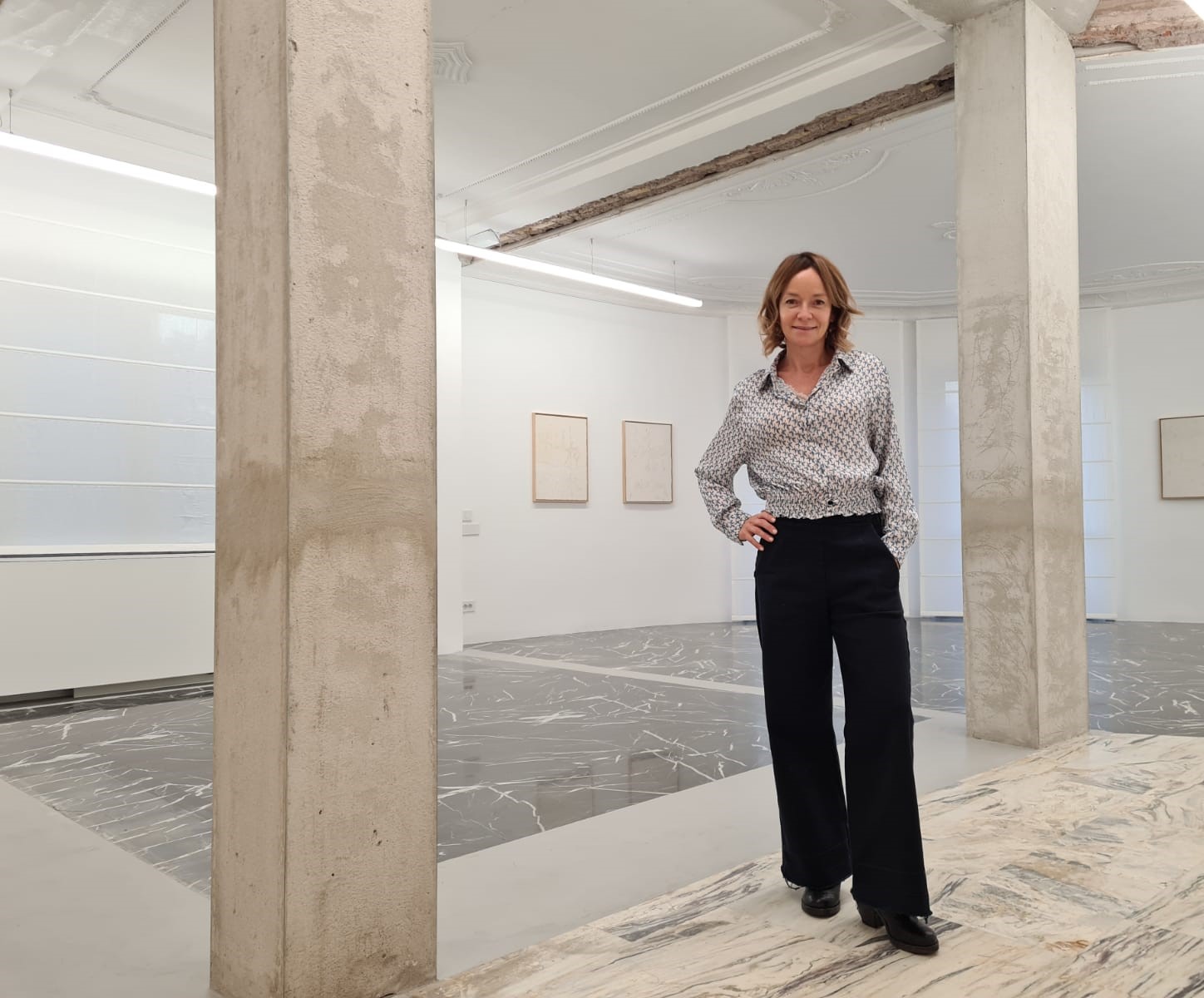
(Scroll down for English version)
#paroladartista #intervistagallerista #artgallerystinterview #sarazanin
Parola d’Artista: Quando ha iniziato ad interessarsi all’arte?
Sara Zanin: E’ una passione nata fin da piccola. Per fortuna il lavoro di mio padre mi ha permesso di viaggiare in tutto il mondo e scoprire i capolavori delle più diverse civiltà ed etnie culturali.
P.d’A.: Che studi ha fatto?
S.Z.: All’università ho scelto lettere con indirizzo storia dell’arte, convinta di volermi laureare in storia dell’arte medievale.
Poi frequentando l’università mi sono appassionata sempre di più all’arte contemporanea, soprattutto seguendo la professoressa Simonetta Lux con la quale mi sono laureata. Mentre studiavo all’università inoltre ho vinto una borsa di studio e ho lavorato per un anno al Museo Laboratorio dell’Università La Sapienza.
In quel periodo ho iniziato a confrontarmi con gli artisti, conoscere curatori e frequentare il mondo dell’arte. Dopo la laurea ho deciso di proseguire gli studi e quindi sono entrata nella Scuola di Specializzazione di Siena che all’epoca era diretta dal professore Enrico Crispolti.
P.d’A.: Ci sono stati incontri importanti durante gli anni della sua formazione quali e perché?
S.Z.: Un incontro importante è stato quello con Annina Nosei una donna di grande spessore, famosa per aver scoperto precocemente Jean-Michel Basquiat e per aver ospitato la prima mostra personale dell’artista, nel 1981, nella sua galleria di New York; Annina mi è stata molto vicina quando nel 2006 ho deciso di aprire la mia prima galleria a Roma.
P.d’A.: Dopo e durante gli studi ci sono state delle esperienze lavorative che hanno in qualche modo orientato le sue scelte professionali?
S.Z.: Mentre studiavo per la specializzazione ho iniziato a lavorare come assistente nella comunicazione all’interno del Museo Macro di Roma all’epoca diretto da Danilo Eccher, mi ricordo nel 2003 la mostra straordinaria di Tony Craig, Cecily Brown e Domenico Bianchi. Poi ho conosciuto un importante collezionista romano che mi ha chiesto di lavorare al suo archivio. Con lui viaggiavo in Europa e in America per seguire le più importanti fiere e gallerie internazionali. Questo mi ha permesso di addentrarmi nel mondo del mercato dell’arte e a restarne affascinata.
P.d’A.: Come mai ha deciso di aprire una galleria?
S.Z.: Ero consapevole di avere un talento nello scoprire giovani artisti che poi in breve tempo si affermavano nel mondo dell’arte e avevo capito che l’unica cosa che avrei voluto fare nella mia vita era lavorare nell’arte e aiutare i talenti che vedevo a potersi esprimere.
P.d’A.: Che cosa la colpisce del lavoro di un artista?
S.Z.: Sono colpita dal lavoro di un artista quando mette in discussione le mie certezze e contemporaneamente rinnova il mio modo di vedere arricchendolo con nuove visioni e facendomi percepire la realtà in un modo nuovo
P.d’A.: Come si sviluppa il lavoro con gli artisti che segue?
S.Z.: Il lavoro è un lavoro di squadra; ci si confronta quotidianamente, si condividono le scelte e i dubbi, ci si mette in continua discussione sulle strategie migliori per presentare il lavoro dell’artista nel modo migliore al pubblico e posizionarlo sul mercato.
P.d’A.: Quale è la differenza, secondo lei, fra un gallerista ed un mercante d’arte?
S.Z.: Sono due mondi diversi, il gallerista ha un rapporto diretto con gli artisti, produce e supporta il lavoro degli artisti e pensa per prima cosa alla valorizzazione del loro lavoro a livello museale e curatoriale e poi di conseguenza
anche alla commercializzazione. Il mercante ovviamente punta solo sull’aspetto economico e non fa alcuna azione di tipo culturale
P.d’A.: Che ruolo ha oggi una galleria e quali sono le sfide che bisogna affrontare per fare seriamente questo mestiere?
S.Z.: Il gallerista ha un ruolo culturalmente fondamentale perché permette attraverso le mostre di far esporre artisti che altrimenti non avrebbero modo di far conoscere il proprio lavoro e ovviamente li sostiene nelle produzioni artistiche e nelle pubblicazioni di cataloghi per permettere loro di continuare a produrre nuovi lavori e sperimentare nuove ricerche. La galleria ha inoltre un ruolo di presidio culturale, attraverso il suo lavoro diviene punto di incontro e di discussione sull’arte e di conseguenza stimolo per la crescita di una coscienza critica che passa dal mondo dell’arte alla società.
P.d’A.: È possibile creare delle efficaci sinergie fra pubblico e privato nell’arte contemporanea?
S.Z.: Le sinergie tra pubblico e privato sono fondamentali perché anche se il pubblico ha la volontà di promuovere l’arte contemporanea spesso non ha i fondi per poterlo fare. Nella mia esperienza un importante sinergia si è creata tra l’ambasciata finlandese a Roma, il museo Maxxi di Roma e la Collezione Maramotti di Reggio Emilia per promuovere l’artista finlandese Kaarina Kaikkonen in Italia. Questa sinergia ha permesso all’artista di realizzare nello stesso anno contemporaneamente un progetto site specific al Museo Maxxi e alla Collezione Maramotti.
P.d’A.: Molti artisti a volte in modo indipendente, altre volte coinvolgendo dei curatori, stano cercando delle vie alternative al sistema istituzionalizzato proponendo il loro lavoro in contesti inusuali, come vede questi movimenti dal suo punto di vista?
S.Z.: I musei purtroppo per cronica carenza di fondi non riescono a supportare o promuovere in maniera adeguata il lavoro dei giovani artisti italiani; le gallerie private che fanno ricerca sono troppo poche per poter dar voce al lavoro di molti artisti anche se di grande talento. La nascita di questi spazi indipendenti è quindi necessaria per permettere di esporre e far conoscere il lavoro di molti giovani artisti che altrimenti spesso rimangono isolati e difficilmente riescono ad emergere. Uno degli ultimi artisti entrati a far parte della scuderia degli artisti della galleria, ad esempio, è Guglielmo Maggini, da me conosciuto nello spazio indipendente Post Ex durante una visita.
P.d’A.: Secondo lei ha ancora senso oggi parlare di sistema dell’arte?
S.Z.: Purtroppo sì, se non se ne fa parte si è emarginati.
Per chiudere questa conversazione ho chiesto a 4 artisti che collaborano con la sua galleria di rivolgerle una domanda a testa.
Fabrizio Prevedello: Che cosa ti sembra di imparare dagli artisti?
S.Z.: Gli artisti sono dei veggenti attraverso il loro lavoro riesco a capire e imparare come affrontare il mondo.
Alfredo Pirri: Che tipo di relazione pensi debba intercorrere fra artisti di diverse generazioni?
S.Z.: L’arte è senza tempo, un’opera d’arte è tale perché è al di sopra di qualsiasi etichetta, non legata necessariamente a un singolo movimento, è qualcosa di eterno e per questo va al di là delle singole generazioni.
Mariella Bettineschi: Cosa aggiunge alla tua vita la relazione con uno/a artista?
S.Z.: Ho scelto di dedicare la mia vita all’arte, quindi gli artisti sono parte della mia vita. Per me è fondamentale avere un continuo confronto con tutti gli artisti, e lavorare assieme come un team con l’obbiettivo comune di crescita sia come artista che come galleria. La galleria sono gli artisti senza di voi non esisterebbe l’arte.
Beatrice Pediconi: Quale è la tua ambizione come gallerista?
S.Z.: Far entrare tutti gli artisti con cui lavoro nei più importanti musei internazionali e far conoscere il loro lavoro non solo in Italia ma anche all’estero, e devo dire con orgoglio che per molti dei miei artisti ci sono riuscita.
Michele Guido: Hai avuto tre spazi diversi nel corso della tua carriera, in questo momento è attiva la Project Room e a breve inauguri un nuovo spazio in zona Testaccio: c’è un filo conduttore che lega gli spazi? Il rapporto tra gli artisti e i diversi spazi ha modificato il modo di vedere il loro lavoro?”
S.Z.: Direi che non c’è un filo conduttore se non quello che ho sentito ad un certo punto l’esigenza di cambiare nel momento in cui lo spazio mi risultava troppo piccolo, non solo dal punto di vista fisico, e non più adatto per ospitare le installazioni site specific degli artisti.
Lo “spazio project” di San Saba aperto nel 2020 con una mostra dal titolo Scritture di Pier Paolo Calzolari, è uno spazio satellite che lavora in sinergia con lo spazio principale, e nel quale si mira maggiormente alla sperimentazione di nuovi artisti e alla collaborazione con altre gallerie.
Il nuovo spazio è nel quartiere Testaccio uno dei più storici di Roma, vivace e culturalmente ricco, con una lunga storia legata all’arte, è il frutto di una lunga ricerca mirata a trovare un luogo che avesse delle peculiarità molto forti e che non fosse una semplice show room ma uno spazio che fosse adatto a presentare progetti di ricerca e valorizzare e presentare al meglio il lavoro degli artisti.
Ovviamente ogni spazio nuovo è una nuova sfida per gli artisti, perché si devono relazionare con esso prima di presentare ed esporre un nuovo progetto e mi auguro che questo nuovo spazio dia l’opportunità a molti artisti di esprimere e valorizzare al meglio il loro lavoro.
English text
Interview to Sara Zanin
#paroladartista #intervistagallerista #artgallerystinterview #sarazanin
Parola d’Artista: When did you first become interested in art?
Sara Zanin: It is a passion born from childhood. Fortunately, my father’s work has allowed me to travel the world and discover the masterpieces of the most diverse civilisations and cultural ethnicities.
P.d’A.: What studies did you do?
S.Z.: At university, I chose literature with a major in art history, convinced that I wanted to study medieval art history.
Then while attending university, I became more and more passionate about contemporary art, especially following Professor Simonetta Lux with whom I graduated. While studying at university I also won a scholarship and worked for a year at the Museo Laboratorio at La Sapienza University.
During that time, I started to meet artists, get to know curators and hang out in the art world. After graduation, I decided to continue my studies, so I entered the Specialisation School in Siena, which at the time was directed by Professor Enrico Crispolti.
P.d’A.: There were important encounters during your formative years which ones and why?
S.Z.: One important meeting was with Annina Nosei a woman of great depth, famous for having discovered Jean-Michel Basquiat at an early age and for having hosted the artist’s first solo exhibition in 1981 in her New York gallery; Annina was very close to me when I decided to open my first gallery in Rome in 2006.
P.d’A.: After and during your studies, were there any work experiences that in some way guided your professional choices?
S.Z.: While I was studying for my specialisation, I started working as a communications assistant at the Macro Museum in Rome, which was directed at the time by Danilo Eccher; I remember the extraordinary exhibition of Tony Craig, Cecily Brown and Domenico Bianchi in 2003. Then I met an important Roman collector who asked me to work on his archive. With him I travelled to Europe and America to follow the most important international fairs and galleries. This allowed me to delve into the world of the art market and to be fascinated by it.
P.d.A.: Why did you decide to open a gallery?
S.Z.: I was aware that I had a talent for discovering young artists who then quickly established themselves in the art world, and I realised that the only thing I wanted to do with my life was to work in art and help the talents I saw to be able to express themselves.
P.d’A.: What impresses you about an artist’s work?
S.Z.: I am impressed by an artist’s work when it challenges my certainties and at the same time renews my way of seeing by enriching it with new visions and making me perceive reality in a new way
P.d’A.: How do you develop your work with the artists you follow?
S.Z.: The work is a team effort; we confront each other on a daily basis, we share choices and doubts, we constantly discuss the best strategies to present the artist’s work in the best way to the public and position it on the market.
P.d’A.: What is the difference, in your opinion, between a gallery owner and an art dealer?
S.Z.: They are two different worlds, the art dealer has a direct relationship with the artists, produces and supports the artists’ work and thinks first of all about the valorisation of their work at museum and curatorial level and then
marketing as well. The dealer obviously only focuses on the economic aspect and does not do anything cultural.
P.d’A.: What role does a gallery play today and what are the challenges you have to face in order to do this job seriously?
S.Z.: The gallery owner has a culturally fundamental role because through exhibitions he allows artists who would otherwise have no way of making their work known to exhibit, and of course he supports them in their artistic productions and the publication of catalogues so that they can continue to produce new works and experiment with new research. The gallery also has a role as a cultural presidium, through its work it becomes a point of encounter and discussion on art, and consequently a stimulus for the growth of a critical consciousness that moves from the art world to society.
P.d’A.: Is it possible to create effective synergies between public and private in contemporary art?
S.Z.: Public-private synergies are fundamental because even if the public has the will to promote contemporary art, it often does not have the funds to do so. In my experience, an important synergy was created between the Finnish Embassy in Rome, the Maxxi Museum in Rome and the Collezione Maramotti in Reggio Emilia to promote the Finnish artist Kaarina Kaikkonen in Italy. This synergy enabled the artist to realise a site-specific project at the Maxxi Museum and the Collezione Maramotti in the same year.
P.d.A.: Many artists, sometimes independently, sometimes involving curators, are looking for alternatives to the institutionalised system by presenting their work in unusual contexts, how do you see these movements from your point of view?
S.Z.: Unfortunately, due to a chronic lack of funds, museums are unable to adequately support or promote the work of young Italian artists; private galleries that do research are too few to be able to give voice to the work of many artists, even if they are very talented. The emergence of these independent spaces is therefore necessary to enable the work of many young artists to be exhibited and made known, who otherwise often remain isolated and find it difficult to emerge. One of the latest artists to join the stable of gallery artists, for example, is Guglielmo Maggini, whom I met in the independent space Post Ex during a visit.
P.d’A.: In your opinion, does it still make sense today to talk about the art system?
S.Z.: Unfortunately yes, if you are not part of it, you are marginalised.
To close this conversation, I asked five artists who collaborate with your gallery to ask you one question each.
Fabrizio Prevedello: What do you feel you learn from artists?
S.Z.: Artists are visionaries through their work I can understand and learn how to deal with the world.
Alfredo Pirri: What kind of relationship do you think should exist between artists of different generations?
S.Z.: Art is timeless, a work of art is such because it is above any label, not necessarily linked to a single movement, it is something eternal and therefore goes beyond individual generations.
Mariella Bettineschi: What does a relationship with an artist add to your life?
S.Z.: I have chosen to dedicate my life to art, so artists are part of my life. For me it is essential to have a continuous dialogue with all artists, and to work together as a team with the common goal of growth both as an artist and as a gallery. The gallery is the artists without you there would be no art.
Beatrice Pediconi: What is your ambition as a gallery owner?
S.Z.: To get all the artists I work with into the most important international museums and to make their work known not only in Italy but also abroad, and I must say with pride that for many of my artists I have succeeded.
Michele Guido: You have had three different spaces in the course of your career, right now the Project Room is active and soon you will open a new space in the Testaccio area: is there a common thread linking the spaces? Has the relationship between the artists and the different spaces changed the way they see their work?”
S.Z.: I would say there is no common thread except that I felt at a certain point the need to change when the space seemed too small, not only from a physical point of view, and no longer suitable for hosting the artists’ site-specific installations.
The San Saba ‘project space’, which opened in 2020 with an exhibition entitled Scritture di Pier Paolo Calzolari, is a satellite space that works in synergy with the main space, and in which the focus is more on experimentation with new artists and collaboration with other galleries.
The new space is in the Testaccio district, one of the most historic in Rome, lively and culturally rich, with a long history linked to art. It is the result of a long search aimed at finding a place that had very strong peculiarities and that was not a simple show room but a space that was suitable for presenting research projects and enhancing and presenting the artists’ work in the best possible way.
Obviously, every new space is a new challenge for artists, because they have to relate to it before presenting and exhibiting a new project, and I hope that this new space will give many artists the opportunity to express and make the most of their work.

z2oProject
ph.GiorgioBenni
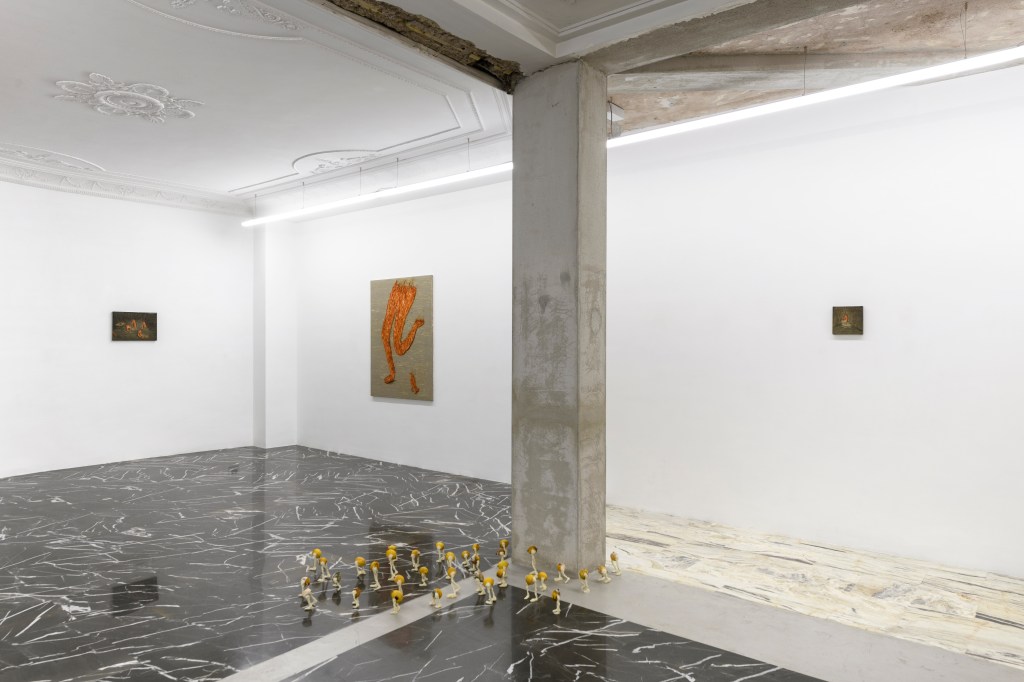
Andreas Zampella 2023 2024 z2oProject
ph.GiorgioBenni

ph.GiorgioBenni

Guglielmo Maggini
Come Il Vento Nelle Case 2023 z2oProject
ph.GiorgioBenni

2021 z2oProjet
ph.MasiarPasquali
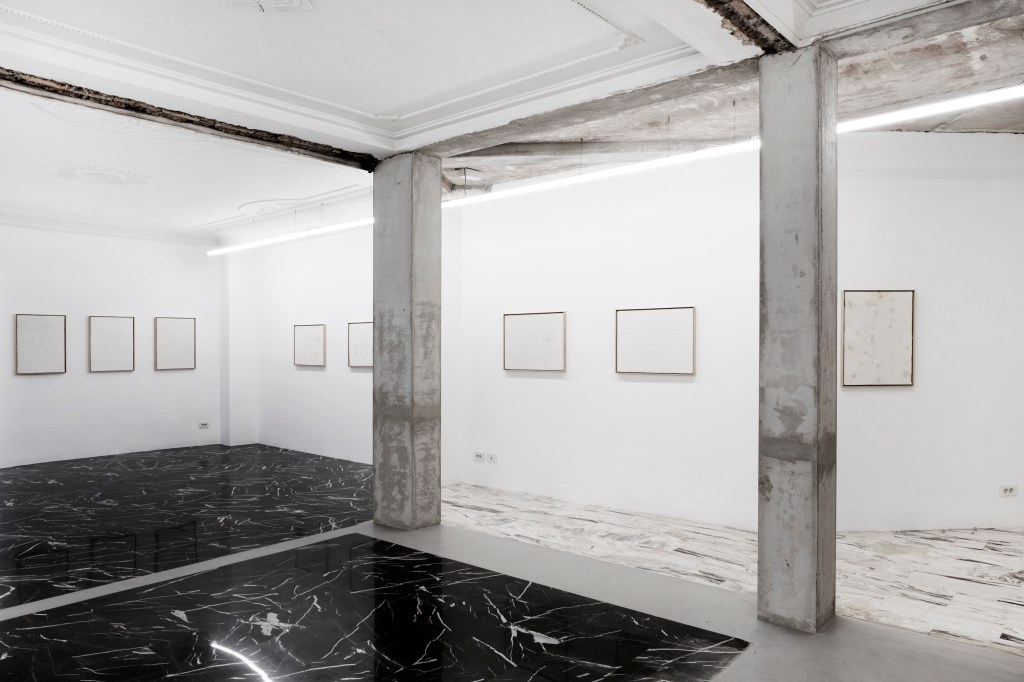
Pier Paolo Calzolari Scritture 2020-2021 z2oProject
ph.Fabio DeBenedettis
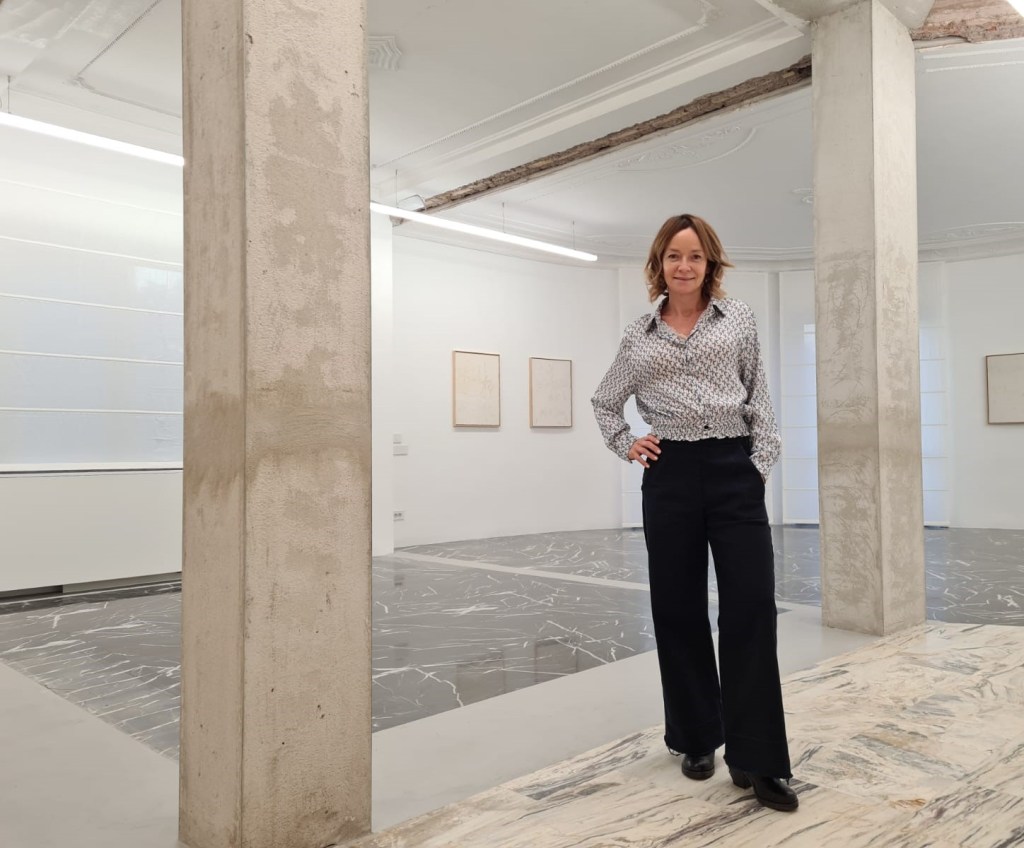
 paroladartista.com