
(▼Scroll down for English version)
#paroladartista #primoamore #firstlove #dilettaboni
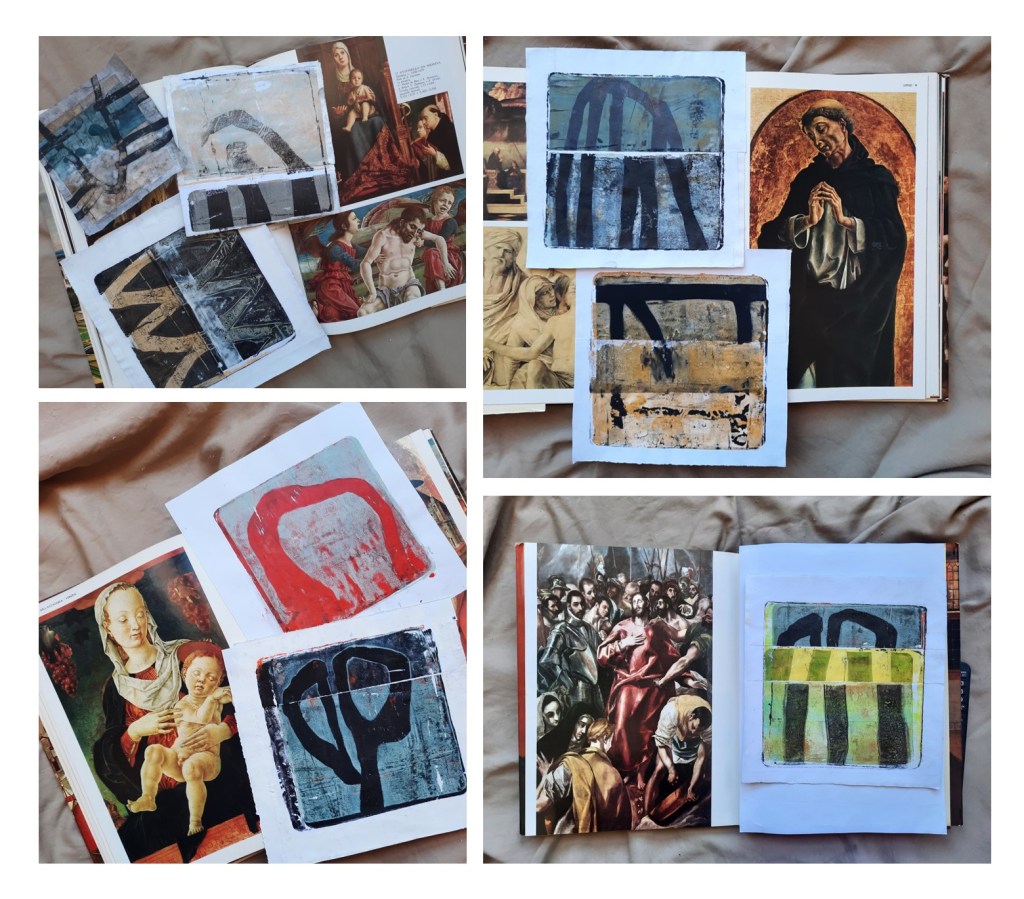
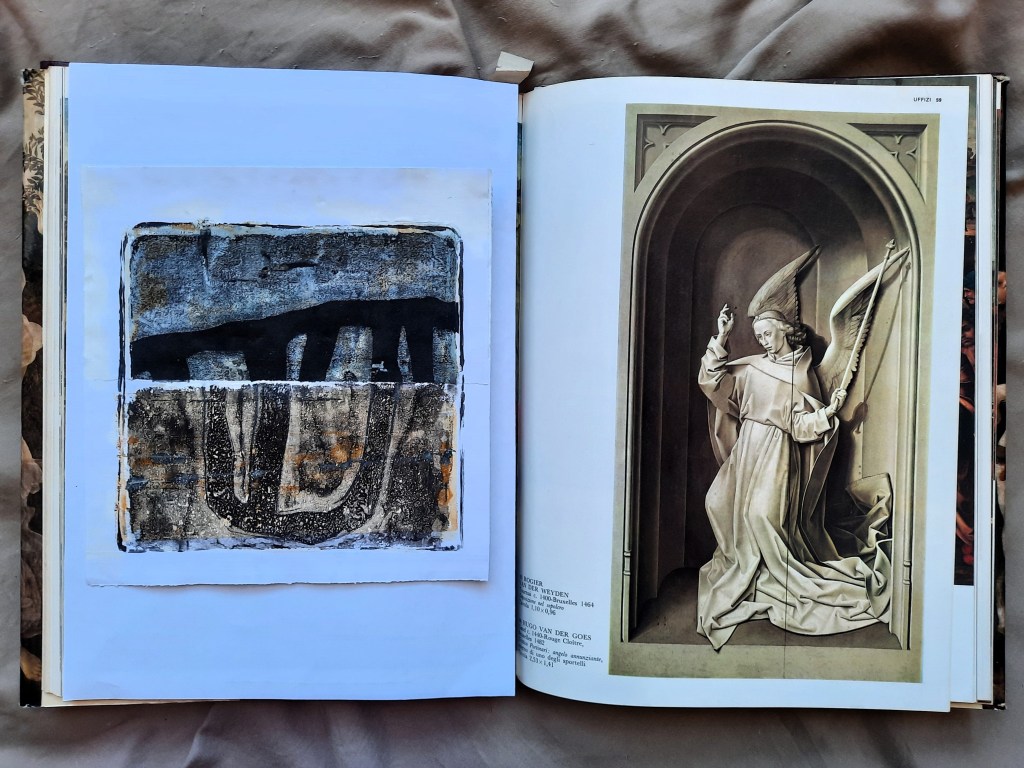
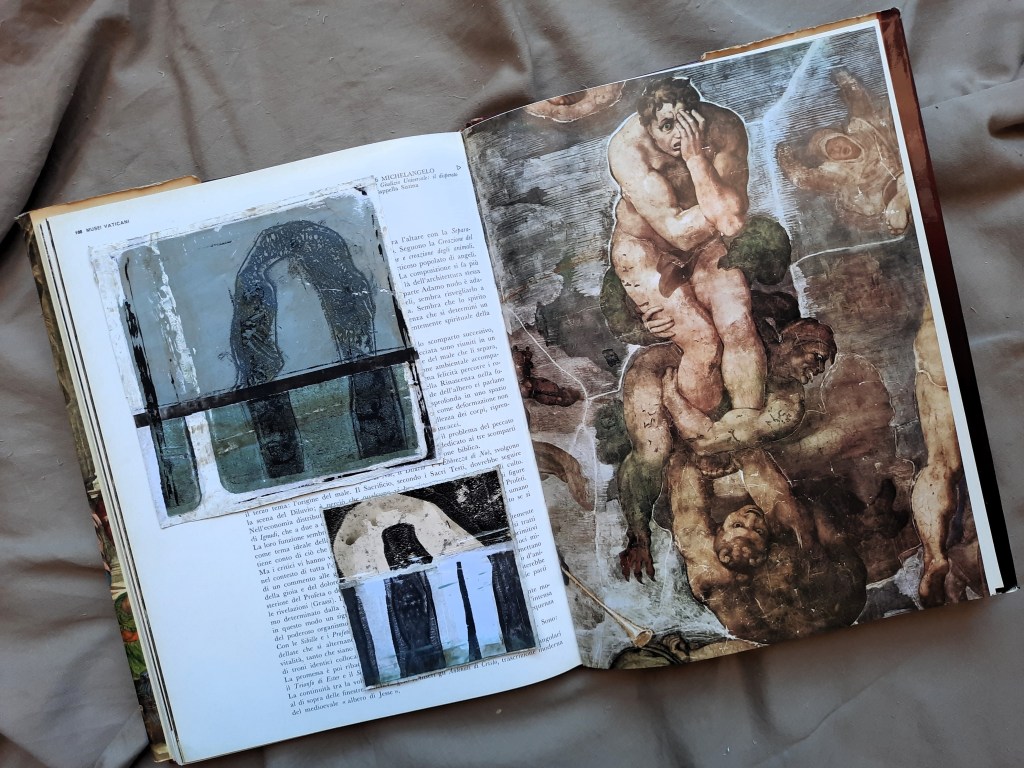
Senza mai trascurare i compiti assegnati dalla maestra, ho passato pomeriggi interi ad imparare a memoria le opere contenute in una favolosa enciclopedia dei musei d’arte. A guardarli oggi, i volumi più consumati sono quelli del Prado, dei Musei Vaticani e degli Uffizi. Tra quelle pagine ho vissuto un potente incantamento per l’arte del Quattrocento e del Cinquecento in generale e, più in particolare, per quella di Michelangelo. Il disegno era il mio media preferito e far scorrere lo sguardo su quei corpi era una gioia: il chiaroscuro poi era accentuato da riproduzioni che non lasciavano presagire la meraviglia cromatica rivelata dai restauri successivi. Mi ero costruita un’idea di bello brunita e stucchevolmente classica.
Tuttavia, e il pensiero mi diverte ancora oggi, ricordo nitidamente quanta attenzione dedicavo all’osservazione meticolosa di opere che trovavo “strane”. Mi riferisco ad artisti come Beccafumi, Dosso Dossi, El Greco ma soprattutto ai fiamminghi e ai ferraresi. Non mi capacitavo di quelle bizzarre anatomie, di quei volti antigraziosi; il mio sguardo si incastrava nelle pieghe rigide di quei panneggi e in quelle teste troppo grandi. Oggi comprendo i motivi di quel gioco a cercare piacere nel fastidio e so che, senza rendermene conto, avevo eletto a modello anche quelle rappresentazioni capricciose.
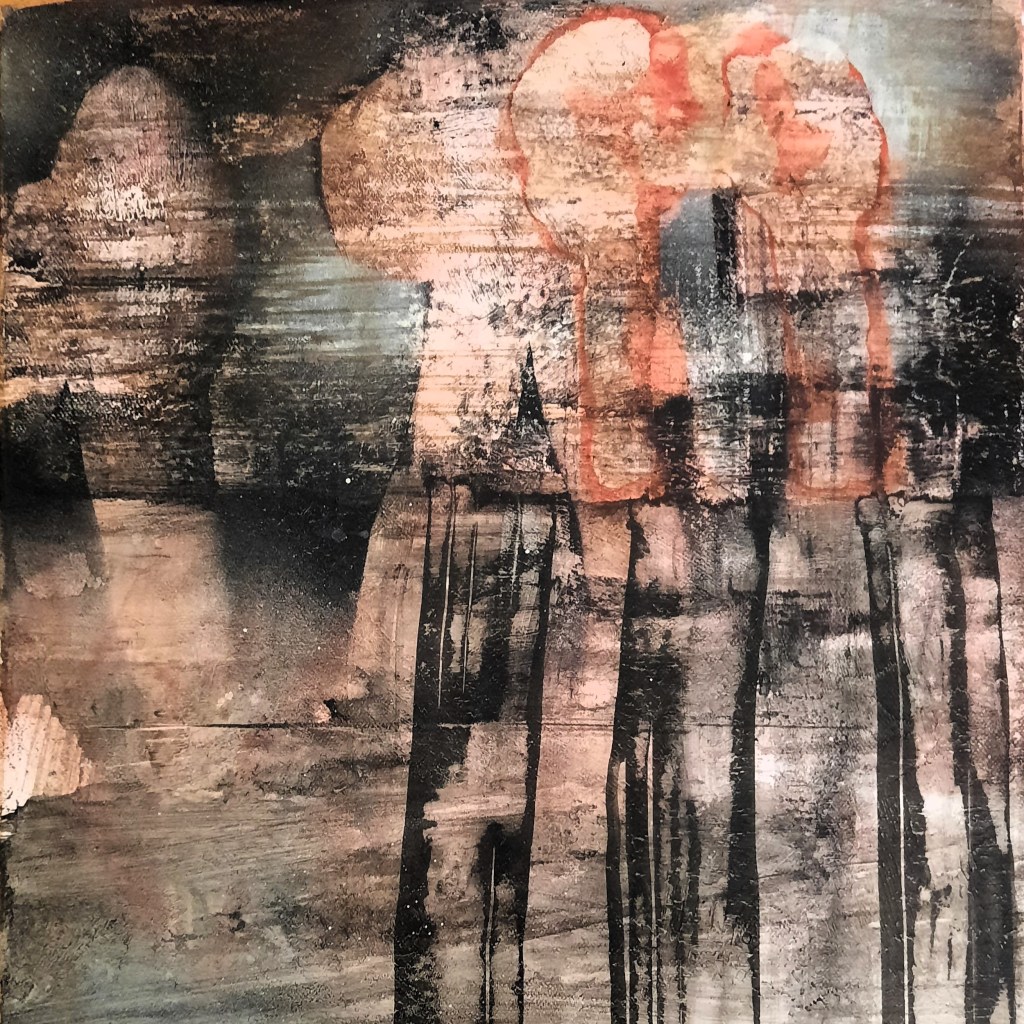
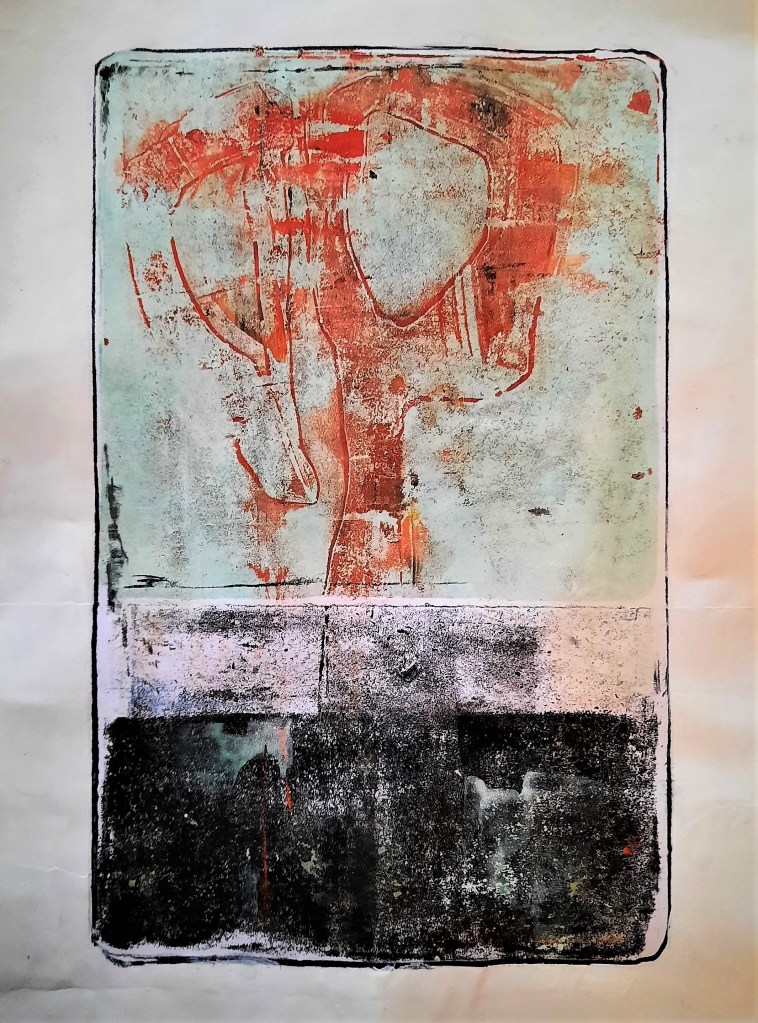
Difficile dire in che misura, certo l’amore-odio per quelle “bruttezze” (più che la passione per la canonica bellezza) ha fortemente determinato le mie scelte formali successive.
Primo Amore Diletta Boni
(▼Scroll down for English version)
#paroladartista #primoamore #firstlove #dilettaboni
Without ever neglecting the homework assigned by the teacher, I spent whole afternoons memorising the works contained in a fabulous encyclopaedia of art museums. Looking at them today, the most worn volumes are those of the Prado, the Vatican Museums and the Uffizi. Between those pages, I experienced a powerful enchantment for 15th and 16th century art in general and, more specifically, for that of Michelangelo. Drawing was my favourite medium and to run my gaze over those bodies was a joy: the chiaroscuro then was accentuated by reproductions that did not hint at the chromatic wonder revealed by later restorations. I had built up an idea of beauty that was burnished and cloyingly classical.
However, and the thought still amuses me today, I vividly remember how much attention I used to devote to meticulously observing works that I found ‘strange’. I am referring to artists such as Beccafumi, Dosso Dossi, El Greco, but especially the Flemish and Ferrara artists. I could not understand those bizarre anatomies, those ungraceful faces; my gaze would get stuck in the rigid folds of those draperies and those oversized heads. Today I understand the reasons for that game of seeking pleasure in annoyance and I know that, without realising it, I had also elected those whimsical representations as a model.
It is difficult to say to what extent, certainly the love-hatred for those ‘ugliness’ (rather than the passion for canonical beauty) strongly determined my form choices.
Accostamenti
Accostamenti

Accostamenti
Accostamenti

Accostamenti

 paroladartista.com