
(▼scorri vero il basso per la versione Italiana)
#paroladartista #artistinterview #intervistaartista #kaarinakaikkonen
Parola d’Artista: For most artists, childhood is the golden age when the first symptoms of a certain propensity to belong to the art world begin to appear. Was that the case for you too? Tell us.
Kaarina Kaikkonen: I do not remember any special artistic moment from my early childhood, the childhood was very creative as a hole, we children spent time outside and played in the forest and climbed in trees. But my father´s sudden death by heart attack in front of my eyes was very dramatic when I was 10 years old
P.d’A.: What studies did you do?
K.K.: In the beginning I wanted to be a scientist, and I studied medicine and physics for 6 years. I wanted to help people that they would not die. Then I changed to art studies in the Academy of Fine Art in Finland.
P.d’A.: Were there any important encounters during your training?
K.K.: Do you mean art studies? In the academy I was studing painting and all the teachers were encouraging for me, as I remember
P.d’A.: Have you always used materials in your work that have a history of their own before you used them to turn them into works of art? What role does drawing play in what you do?
K.K.: My main works are made of materials that had a history of their own. But every now and then I feel happy to make a free quick drawing that is coming from some unconseus primitive source inside me.
P.d’A.: How do you choose the materials you work with?
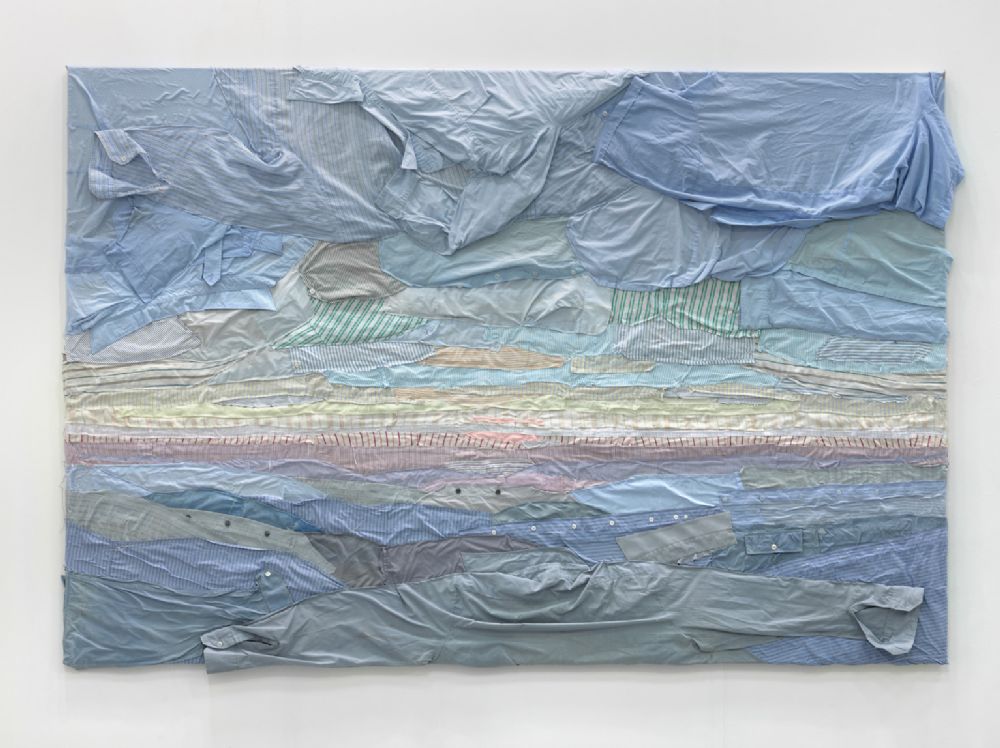
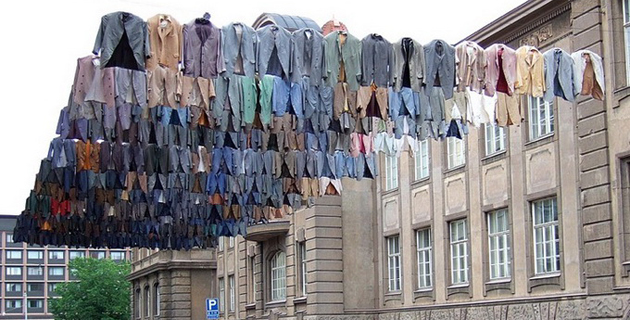
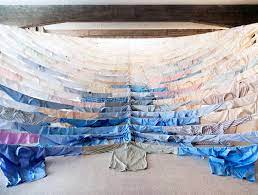
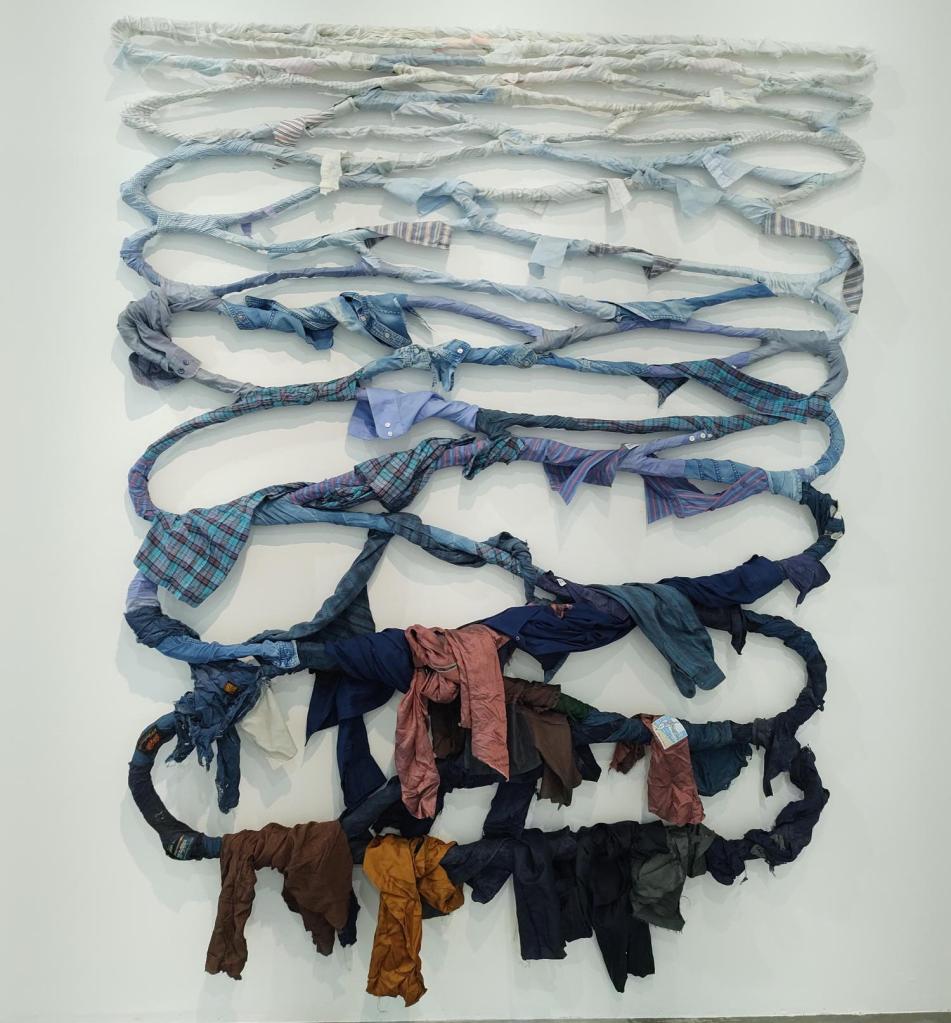
K.K.: In most of my works I use materials that I have some connection to my own history or backgrund. I must have some feelings to the materials that I use. I have used shirts of jackets similar to those that my father used to have, or shoes similar that my mother used to have, os skies similar that I used to have
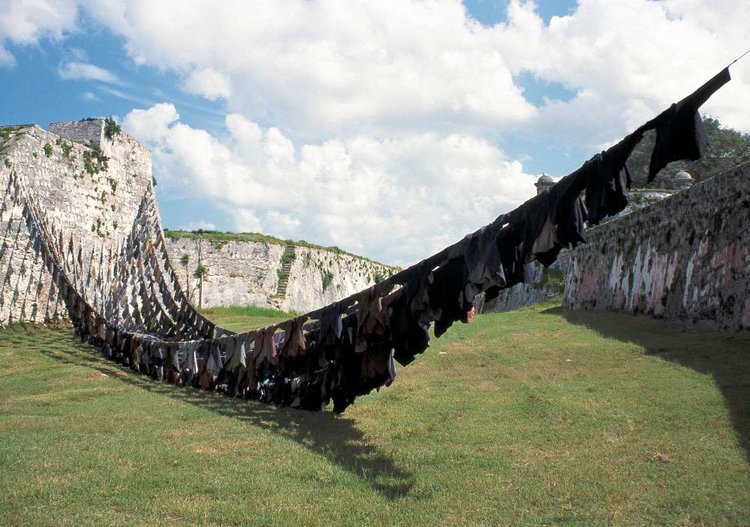
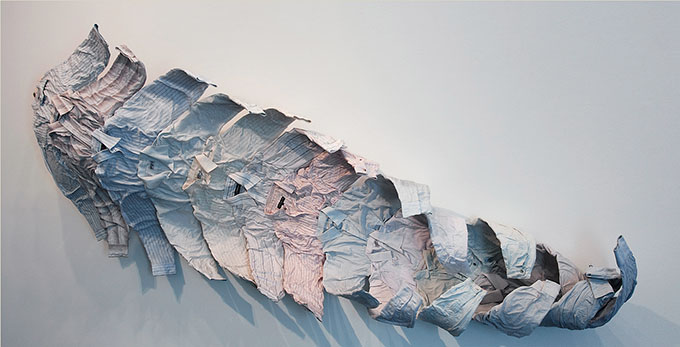
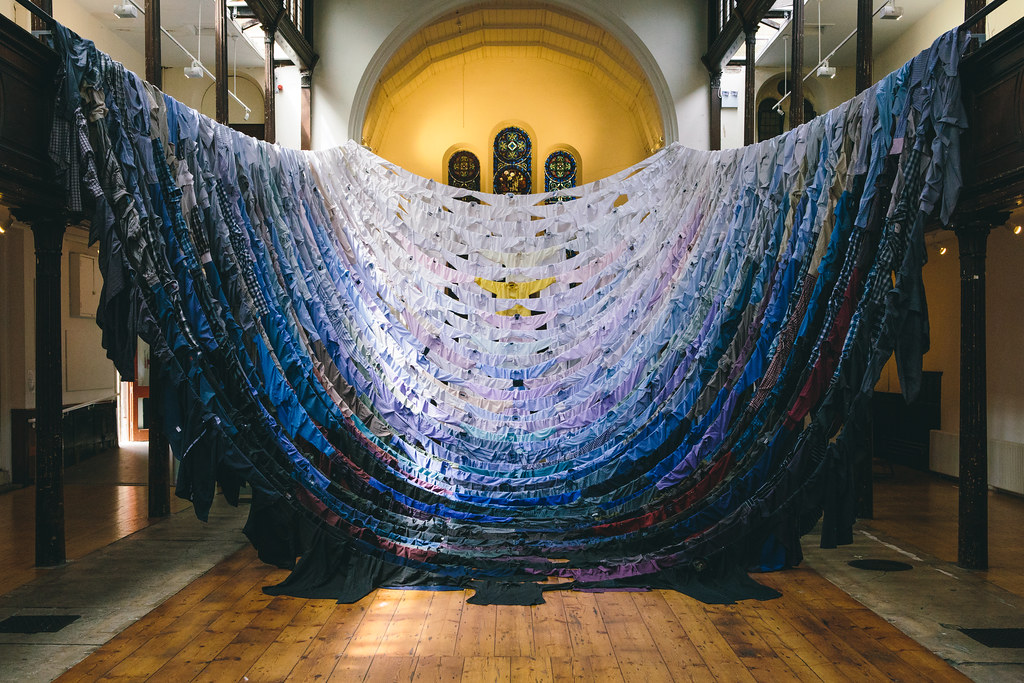
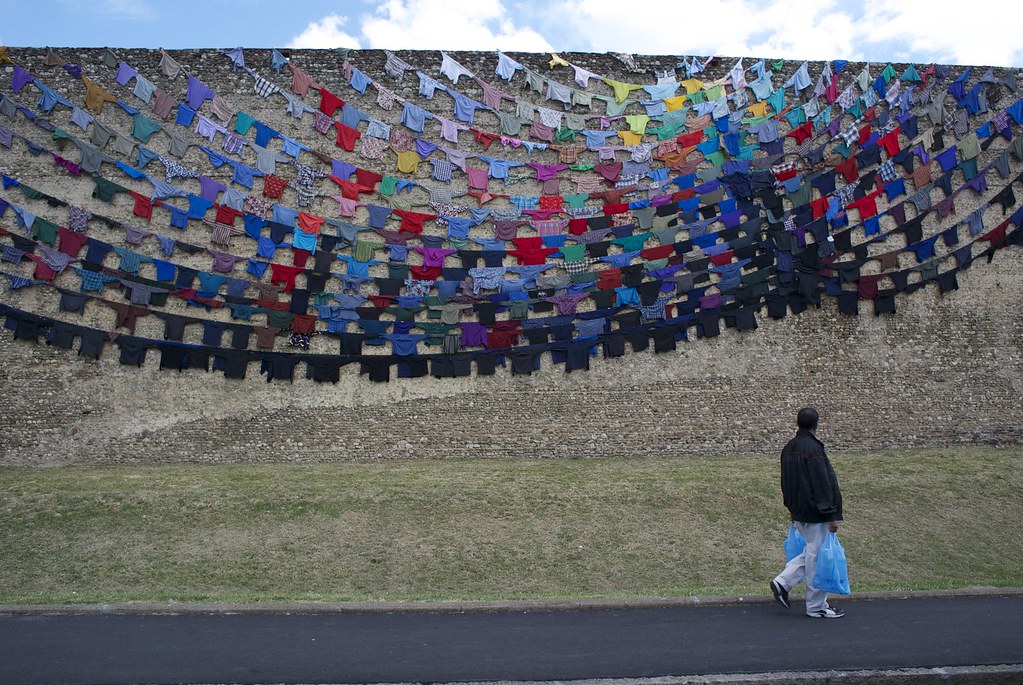
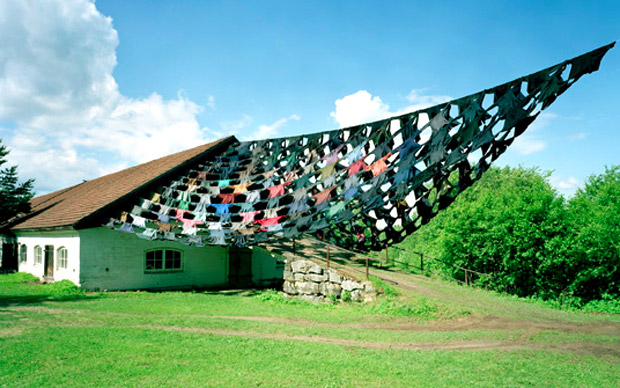
P.d’A.: In the large environmental sculptures made of shirts and other clothing, how important is the involvement of a large number of people who spontaneously donate their used clothes? Is it for you just a way of easily finding material locally, or does it have its own symbolic value?
K.K.: Symbolic values mean a lot to me. After my father´´s death whwn I was a child, I miised him a lot and I wanted to wear his shirts around me also at school because I really felt his loving energy around me coming through his shirts and jackets. I tried to make his jackets smaller to fit me.
So I believe that in every old shirt there has been a loving heart inside, and a little bit of this energy is still left in the donated shirt. So I belive this energy will give some energy to my art in a new shape that I give to my art.
P.d’A.: Your sculptures are often characterised by a strong verticalism what attracts you to this dimension?
K.K.: Yes this may be true, but I never thought about it. This may also have a value of symbolism, a kinf of struggle of life, trying to reach or find some deeper meanings of life.
P.d’A.: What importance does the spiritual dimension have in your work?
K.K.: There might be some spiritual dimension but I am not so very aware of it whwn I make the work. . I always notice it afterwards when viewers tell me about it.
P.d’A.: The chromatic aspect seems to me to play a central role in your work are you interested in the pictorial dimension of your installations?
K.K.: Ye I am always interested in colours, I was studing painting at the art school.
P.d’A.: Are you interested in the dimension of memory that the clothes you use inevitably carry with them?
K.K.: Yes I am. Like I said before, I believe that in every old shirt there has been a loving heart inside, for some time at least. I want to beleive – and it does not matter if it is not true in scientific way – I want to believe that this his energy is still left in the shirt.
P.d’A.: When you start a work do you already have a clear idea of how it will develop or is there room for the unexpected?
K.K.: For a site specific work I have to make an exact design beforehand, I need to study the site and my ideas carefully beforehand. But even if I try to control everything, there is always room for the unexpected. The final work is always a surprise also for me, it has some new kind of important message and teaching to me and I need to be humble to learn and listen to it.
P.d’A.: What kind of dialogue do you seek with the viewer who is in front of your work?
K.K.: I hope that the viewer is open to the artwork. Perceiving and interprating art is alway very unic personal moment, it is connected to the secret backround of the viewer
P.d’A.: Does the idea of staging in your work have any importance?
K.K.: I never thought of staging. Sometimes somebody asked to make some staging but I refused. For me my work is not a background.
P.d’A.: What happens to works of art when there is no one to observe them, can the existence of a work of art be independent of the presence of an observer?
K.K.: I think the final artwork is ready when somebody observes it, because the final interpration is made in the viewer´s brain. But for me, as an artist, even a skecth or a thought of a new art work is real and an kind of existing step for the next step. So in this way the existence of a work of art is independent of the presence of an observer.
P.d’A.: Where do you think the artist stands in relation to his work?
K.K.: An Interresting question. I think that I make a kind of proposal, tricker to the viewer , to think about life and him/herself in a new way, via my art. I think that the viewer is also a small artist, when making the interpration and thinkind what does this mean to him/her. So we make the final artwork together with the viewer. Every viewer is unic, and every interpretation is also unic.
My art can have difference meanings to me that the viewer. Sometimes I envy the viewers, because I do not know the thoughts they have in front of my work. They take the perceiving experience into their pocket with them. And they may think about it and see it in their own unic way that they need at the moment and that is important for them. They compare it with some experience of life that they had before.
I hope they can see the life with other people in a slightly new way. I hope my art can make a very small change to the world.
Versione Italiana
Intervista a Kaarina Kaikkonen
#paroladartista #artistinterview #intervistaartista #kaarinakaikkonen
Parola d’Artista: Per la maggior parte degli artisti, l’infanzia è l’età d’oro in cui iniziano a manifestarsi i primi sintomi di una certa propensione ad appartenere al mondo dell’arte. È stato così anche per lei?
Kaarina Kaikkonen: Non ricordo nessun momento artistico particolare della mia prima infanzia, l’infanzia era molto creativa, noi bambini passavamo il tempo all’aperto, giocavamo nella foresta e ci arrampicavamo sugli alberi. Ma la morte improvvisa di mio padre per infarto davanti ai miei occhi è stata molto drammatica quando avevo 10 anni.
P.d’A.: Quali studi ha fatto?
K.K.: All’inizio volevo diventare uno scienziato e ho studiato medicina e fisica per 6 anni. Volevo aiutare le persone a non morire. Poi sono passato agli studi artistici all’Accademia di Belle Arti in Finlandia.
P.d’A.: Ci sono stati incontri importanti durante la sua formazione?
K.K.: Intende gli studi d’arte? All’Accademia studiavo pittura e tutti gli insegnanti mi incoraggiavano, se non ricordo male.
P.d’A.: Nel suo lavoro ha sempre utilizzato materiali che hanno una loro storia prima di essere utilizzati per trasformarli in opere d’arte? Che ruolo ha il disegno nel suo lavoro?
K.K.: Le mie opere principali sono realizzate con materiali che hanno avuto una loro storia. Ma di tanto in tanto mi sento felice di fare un disegno veloce e libero che proviene da una fonte primitiva e inconscia dentro di me.
P.d’A.: Come sceglie i materiali con cui lavora?
K.K.: Nella maggior parte dei miei lavori utilizzo materiali che hanno un qualche legame con la mia storia o il mio backgrund. Devo avere un certo feeling con i materiali che uso. Ho usato camicie o giacche simili a quelle che aveva mio padre, o scarpe simili a quelle che aveva mia madre, o sci simili a quelle che avevo io…”.
P.d’A.: Nelle grandi sculture ambientali fatte di camicie e altri indumenti, quanto è importante il coinvolgimento di un gran numero di persone che donano spontaneamente i loro abiti usati? Per lei è solo un modo per reperire facilmente materiale a livello locale, oppure ha un suo valore simbolico?
K.K.: I valori simbolici sono molto importanti per me. Dopo la morte di mio padre, quando ero piccola, l’ho ricordato molto e ho voluto indossare le sue camicie anche a scuola, perché sentivo la sua energia amorevole intorno a me attraverso le sue camicie e le sue giacche. Ho cercato di rimpicciolire le sue giacche per adattarle a me.
Quindi credo che in ogni vecchia camicia ci sia stato un cuore amorevole e che un po’ di questa energia sia rimasta nella camicia donata. Quindi credo che questa energia darà un po’ di energia alla mia arte in una nuova forma che io darò alla mia arte.
P.d’A.: Le sue sculture sono spesso caratterizzate da un forte verticalismo, cosa la attrae in questa dimensione?
K.K.: Sì, forse è vero, ma non ci ho mai pensato. Questo può avere anche un valore simbolico, una sorta di lotta per la vita, cercando di raggiungere o trovare alcuni significati più profondi della vita.
P.d’A.: Che importanza ha la dimensione spirituale nel suo lavoro?
K.K.: Potrebbe esserci una dimensione spirituale, ma non ne sono molto consapevole quando realizzo l’opera. . Me ne accorgo sempre dopo, quando gli spettatori me ne parlano.
P.d’A.: L’aspetto cromatico mi sembra avere un ruolo centrale nel suo lavoro. È interessato alla dimensione pittorica delle sue installazioni?
K.K.: Sì, sono sempre stato interessato ai colori, ho studiato pittura alla scuola d’arte.
P.d’A.: Le interessa la dimensione della memoria che gli abiti che usa portano inevitabilmente con sé?
K.K.: Sì. Come ho detto prima, credo che in ogni vecchia camicia ci sia stato un cuore innamorato, almeno per qualche tempo. Voglio credere – e non importa se non è vero in modo scientifico – voglio credere che questa sua energia sia ancora rimasta nella camicia.
P.d’A.: Quando inizia un lavoro ha già un’idea chiara di come si svilupperà o c’è spazio per l’imprevisto?
K.K.: Per un lavoro site specific devo fare un progetto preciso in anticipo, devo studiare attentamente il sito e le mie idee prima. Ma anche se cerco di controllare tutto, c’è sempre spazio per l’imprevisto. L’opera finale è sempre una sorpresa anche per me, ha un nuovo tipo di messaggio e di insegnamento importante per me e devo essere umile per impararlo e ascoltarlo.
P.d’A.: Che tipo di dialogo cerca con lo spettatore che si trova davanti alle sue opere?
K.K.: Spero che lo spettatore sia aperto all’opera d’arte. Percepire e interpretare l’arte è sempre un momento molto personale, legato al retroterra segreto dello spettatore.
P.d’A.: L’idea della messa in scena nel suo lavoro ha qualche importanza?
K.K.: Non ho mai pensato alla messa in scena. A volte qualcuno mi ha chiesto di fare una messa in scena, ma ho rifiutato. Per me il mio lavoro non è uno sfondo.
P.d’A.: Cosa succede alle opere d’arte quando non c’è nessuno ad osservarle, l’esistenza di un’opera d’arte può essere indipendente dalla presenza di un osservatore?
K.K.: Penso che l’opera d’arte finale sia pronta quando qualcuno la osserva, perché l’interpretazione finale avviene nel cervello dello spettatore. Ma per me, come artista, anche uno schizzo o un pensiero di una nuova opera d’arte è reale e rappresenta una sorta di passo esistente per il passo successivo. In questo modo l’esistenza di un’opera d’arte è indipendente dalla presenza di un osservatore.
P.d’A.: Dove pensa che si trovi l’artista in relazione alla sua opera?
K.K.: Una domanda interessante. Credo di fare una sorta di proposta, di inganno allo spettatore, di pensare alla vita e a se stesso in un modo nuovo, attraverso la mia arte. Penso che lo spettatore sia anche un piccolo artista, quando fa l’interpretazione e pensa a cosa significhi per lui/lei. Così realizziamo l’opera d’arte finale insieme allo spettatore. Ogni spettatore è unico e anche ogni interpretazione è unica.
La mia arte può avere significati diversi per me e per lo spettatore. A volte invidio gli spettatori, perché non conosco i pensieri che hanno di fronte al mio lavoro. Loro si portano in tasca l’esperienza della percezione. Possono pensarci e vederla nel loro modo unico di cui hanno bisogno in quel momento e che è importante per loro. La confrontano con un’esperienza di vita che hanno avuto in precedenza.
Spero che possano vedere la vita con altre persone in un modo leggermente nuovo. Spero che la mia arte possa apportare un piccolo cambiamento al mondo.


 paroladartista.com