

(▼scroll down for English version)
#paroladartista #disegno #drawing #lucacoser
Parola d’Artista: che importanza e che ruolo ha il disegno nel tuo lavoro?
Luca Coser: Uno svelamento
In un suo libro del 2005, Berger on Drawing, John Berger scrive delle parole riguardo al disegno che da quando le ho lette mi dico che sono proprio belle e che è fortunato uno che sa scrivere sul disegno delle parole così.
“Il disegno nella sua più grande espressione non è un punto di arrivo ma un punto di partenza”, scrive Berger. “Non riporta ciò che si è visto ma ciò che si è portati a vedere, e questo perché ogni cosa della quale si scrive, se lo si fa con profonda attenzione, porta non tanto a una descrizione quanto a uno svelamento.”
Per me queste parole quando le ho lette sono state come qualcosa che non è un punto di arrivo ma è un punto di partenza, qualcosa che è scritto con profonda attenzione e che porta non tanto a una descrizione eccetera, e da quella volta lo dico ai ragazzi, in aula.
Ai ragazzi dico che queste parole di Berger sul disegno, se sono interessati al disegno, dovrebbero scriverle su un foglietto, anzi, disegnarle su un foglietto da attaccare sulla parete di fronte al letto, così che uno le legge prima di addormentarsi e poi quando si sveglia.
Ai ragazzi dico anche che se dovessi scrivere qualcosa riguardo alle mie lezioni sul disegno, come fanno molti dei miei colleghi che scrivono pensando alle loro lezioni, inizierei con queste parole di Berger, perché sono parole che rispetto al disegno possono anche finire li, fissare un punto di arrivo, oppure possono, allo stesso modo e con la stessa intensità, fissare un punto di partenza.
Lo dico sempre.
English version
Sul disegno Luca Coser on drawing
#paroladartista #disegno #drawing #lucacoser
Parola d’Artista: What importance and role does drawing play in your work?
Luca Coser: An unveiling
In one of his books from 2005, Berger on Drawing, John Berger writes some words about drawing that I have been telling myself ever since I read them that they are really beautiful and that he is lucky to be able to write such words about drawing.
“Drawing in its greatest expression is not a point of arrival but a point of departure,” Berger writes. “It does not report what one has seen but what one is led to see, and this is because everything one writes about, if one does so with deep attention, leads not so much to a description as to an unveiling.”
For me these words when I read them were like something that is not a point of arrival but is a point of departure, something that is written with deep attention and that leads not so much to a description and so on, and from that time on I say this to the boys, in the classroom.
I tell the boys that these words of Berger’s on drawing, if they are interested in drawing, they should write them down on a piece of paper, or rather, draw them on a piece of paper to stick on the wall in front of the bed, so that one reads them before falling asleep and then when one wakes up.
I also say to the children that if I were to write something about my lessons on drawing, as many of my colleagues who write with their lessons in mind do, I also say to the students that if I were to write something about my lessons on drawing, as many of my colleagues who write with their lessons in mind do, I would start with these words of Berger’s, because they are words that with respect to drawing can also end there, fix a point of arrival, or they can, in the same way and with the same intensity, fix a point of departure.
I always say that.
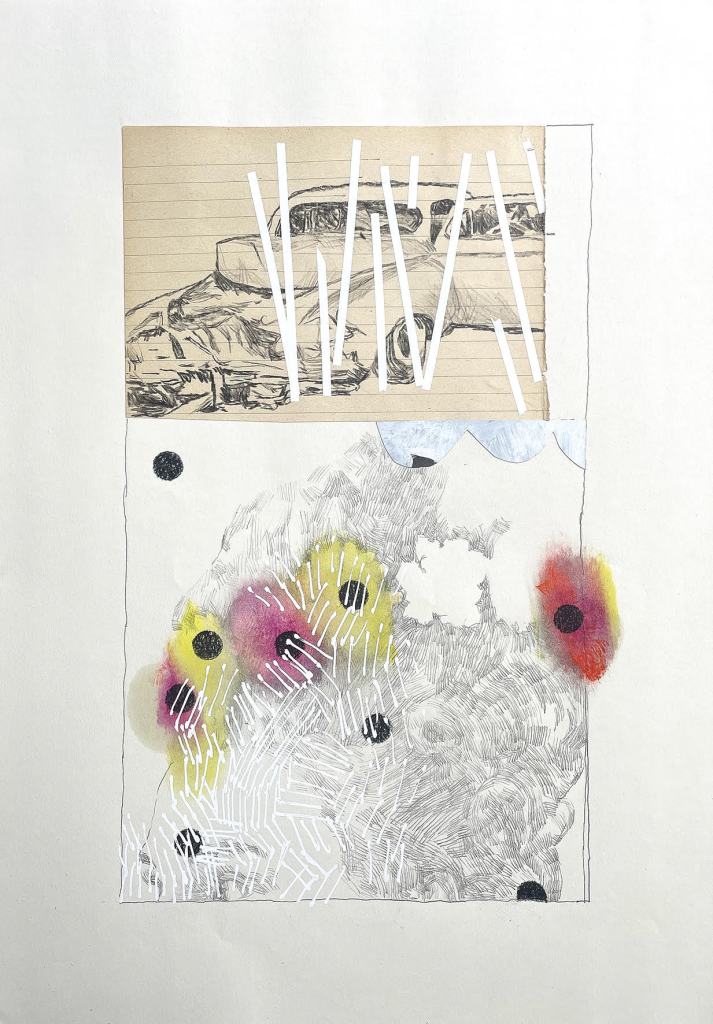
“Senza Titolo”
Tecnica mista su carta

“Senza Titolo”
Tecnica mista su carta

“Senza Titolo”
Tecnica mista su carta

“Senza Titolo”
Tecnica mista su carta

“Senza Titolo”
Tecnica mista su carta

“Senza Titolo”
Tecnica mista su carta
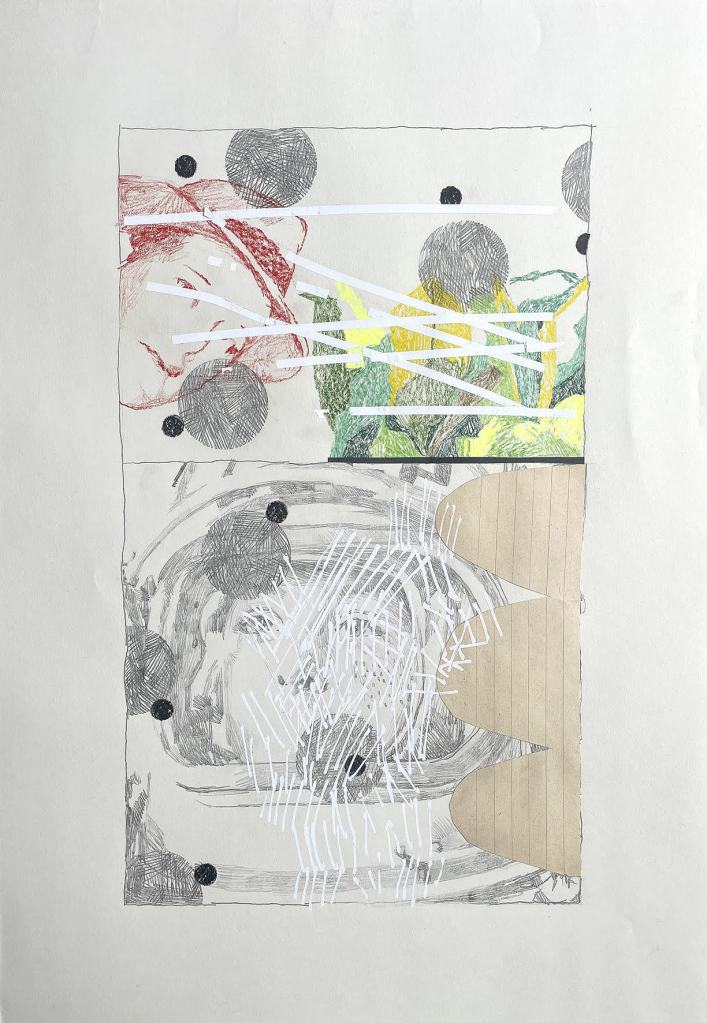
“Senza Titolo”
Tecnica mista su carta

 paroladartista.com