

#paroladatrista #nero #black #deborafella
Parola d’Artista: Prima o poi o almeno credo tutti gli artisti fanno i conti con il nero e tu?
Debora Fella: Il nero è a tutti gli effetti un colore (o non colore) dalla forte intensità ed espressività.
La sua storia è piuttosto lunga e articolata se si pensa che nell’antichità era considerato insieme al rosso e al bianco un colore primario e le sue prime testimonianze risalgono all’uso del carbone all’interno delle grotte paleolitiche. Il nero è innanzitutto un elemento linguistico fondamentale soprattutto se associato al disegno e alla costruzione delle forme. Oltre alla sua natura strutturale è dotato di un forte carattere evocativo che lo rende misterioso e ambiguo. La storia del nero si intreccia con quella dell’ombra e ha il suo contraltare nella luce del bianco. Il nero in quanto ombra del corpo che duplica è insieme presenza e assenza, indispensabili entrambe per determinare l’identità del soggetto. L’ombra è fonte di mistero e di enigma ed è in grado di trattenere la parte più oscura e profonda della personalità. L’ambiguità del nero lo rende affascinante per la sua natura duplice, possiamo infatti identificare un nero sinonimo di austerità, eleganza, rigore, giustizia e un nero che corrisponde agli aspetti rimossi, cupi e tenebrosi della realtà. Nell’antico Egitto era connesso all’idea di rigenerazione e fertilità ma anche al regno della notte e dell’Oltretomba. Questi accenni bastano a delineare la complessità della natura del nero e, forse, la ragione per cui molti artisti ne sono stati attratti, almeno per un periodo della loro attività e in ogni epoca storica. Tra gli autori che hanno reso il nero protagonista del loro lavoro nel secondo Novecento e ai quali ho guardato con stupore per l’aspetto muto e silenzioso delle loro opere, cito tra gli altri Man Ray, Rothko, Parmiggiani, Kentridge, Boltansky (…) Nel mio caso, l’abbandono di una tavolozza squillante in favore del nero e delle sue sfumature e intermezzi è scaturito dall’esigenza di una maggior essenzialità. Ho sentito la necessità di fare i conti con gli elementi fondanti del mio linguaggio pittorico. Credo infatti che, per la sua attitudine disegnativa, possa tradurre il pensiero in modo più diretto e immediato.
Ho cercato e trovato nella polvere di ardesia, carbone e grafite la materia che più si avvicina alla densità del nero e al suo carattere intimamente malinconico, testimone della fuggevolezza delle cose e dell’ineluttabilità del tempo. In questa materia pulviscolare ho riconosciuto l’aspetto leggiadro ma profondo del colore che si sostanzia di conseguenza nelle immagini, perché come sosteneva Henri Focillon in Vita delle forme «Le forme comportano un certo destino o, se si vuole, una certa vocazione formale».
English version
Debora Fella on black
#paroladatrista #nero #black #deborafella
Parola d’Artista: Sooner or later, or at least I think so, all artists come to terms with black, and you?Debora Fella: Black is to all intents and purposes a colour (or non-colour) with a strong intensity and expressiveness. Its history is rather long and articulated if you think that in antiquity it was considered, together with red and white, a primary colour and its first testimonies date back to the use of coal in Palaeolithic caves. Black is first and foremost a fundamental linguistic element, especially when associated with drawing and the construction of forms. In addition to its structural nature, it has a strong evocative character that makes it mysterious and ambiguous. The history of black is intertwined with that of shadow and has its counterpart in the light of white. Black as the shadow of the duplicating body is both presence and absence, both indispensable in determining the identity of the subject. The shadow is a source of mystery and enigma and is able to hold the darkest and deepest part of the personality. The ambiguity of black makes it fascinating because of its dual nature. In fact, we can identify a black that is synonymous with austerity, elegance, rigour, justice and a black that corresponds to the repressed, dark and gloomy aspects of reality. In ancient Egypt it was connected to the idea of regeneration and fertility, but also to the realm of night and the Underworld. These hints are enough to outline the complexity of the nature of black and, perhaps, the reason why many artists have been attracted to it, at least for a period of their activity and in every historical era. Among the artists who made black the protagonist of their work in the second half of the 20th century, and to whom I have looked with astonishment at the mute and silent aspect of their work, I would mention Man Ray, Rothko, Parmiggiani, Kentridge, Boltansky, among others (…) In my case, the abandonment of a bright palette in favour of black and its nuances and interludes stemmed from the need for greater essentiality. I felt the need to come to terms with the founding elements of my pictorial language. Indeed, I believe that, due to its drawing attitude, it can translate thought in a more direct and immediate manner.
I sought out and found in slate dust, charcoal and graphite the material that comes closest to the density of black and its intimately melancholic character, a witness to the fleetingness of things and the inevitability of time. In this pulviscular matter I recognised the graceful yet profound aspect of colour, which is consequently substantiated in the images, because as Henri Focillon argued in Life of Forms, ‘Forms entail a certain destiny or, if you like, a certain formal vocation’.

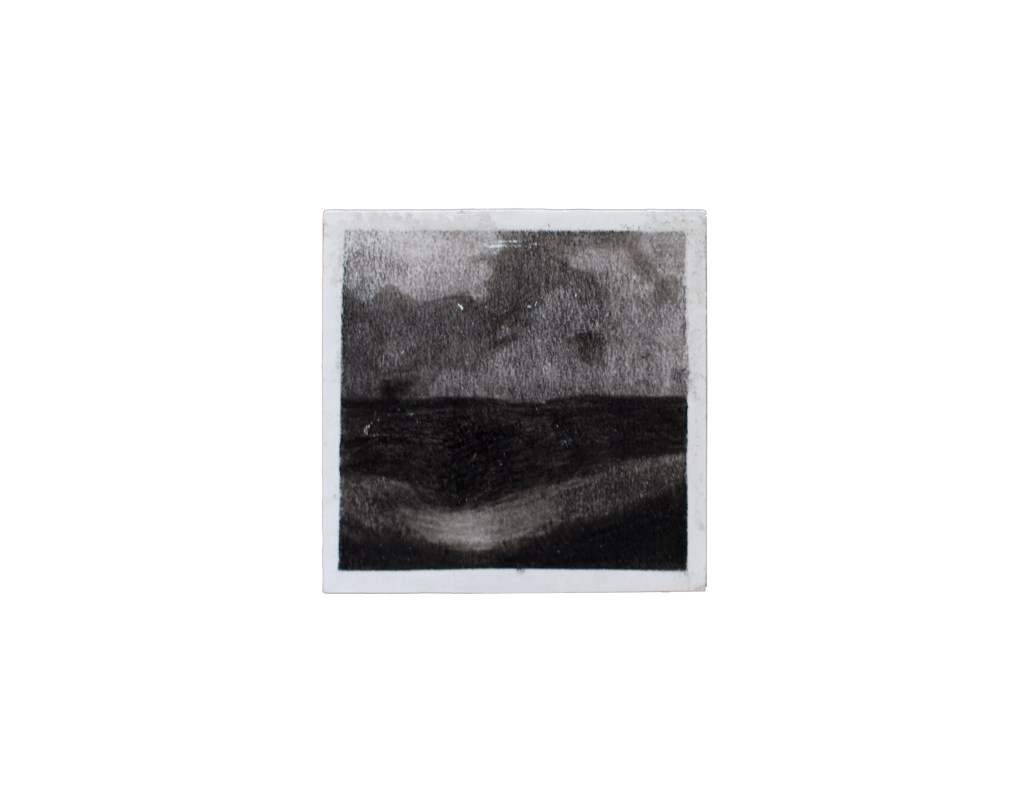
Carte d’ombra
9,5×9,5cm
grafite, carbone, ardesia e olio su carta e tavola
2019
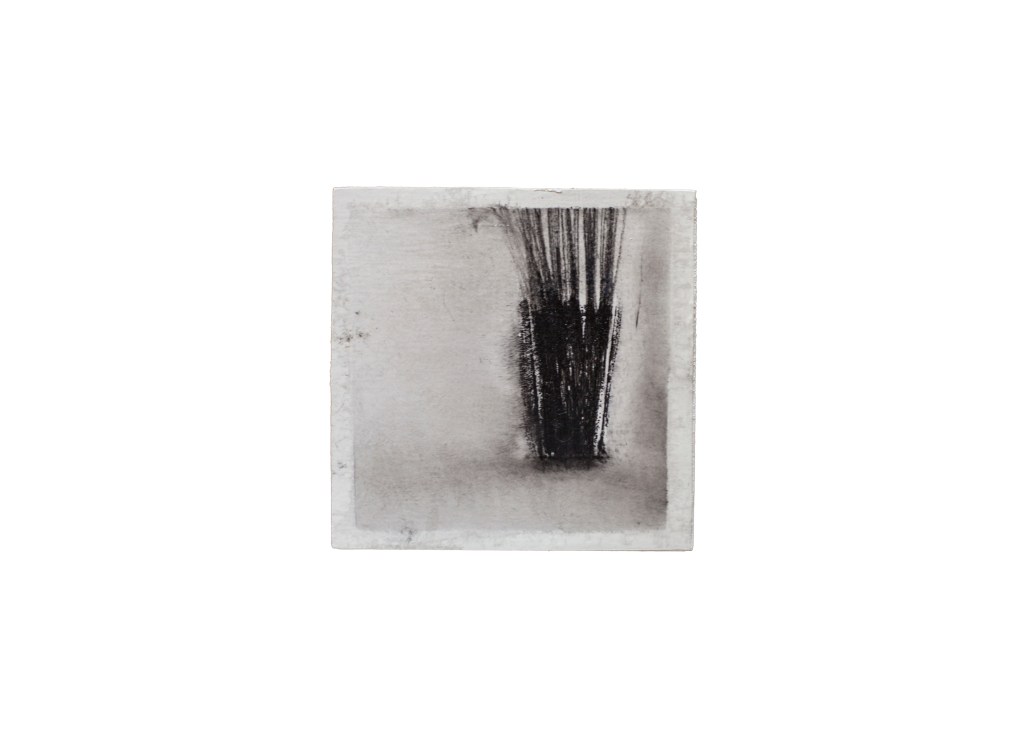
Carte d’ombra
9,5×9,5cm grafite, carbone, ardesia e olio su carta e tavola
2019
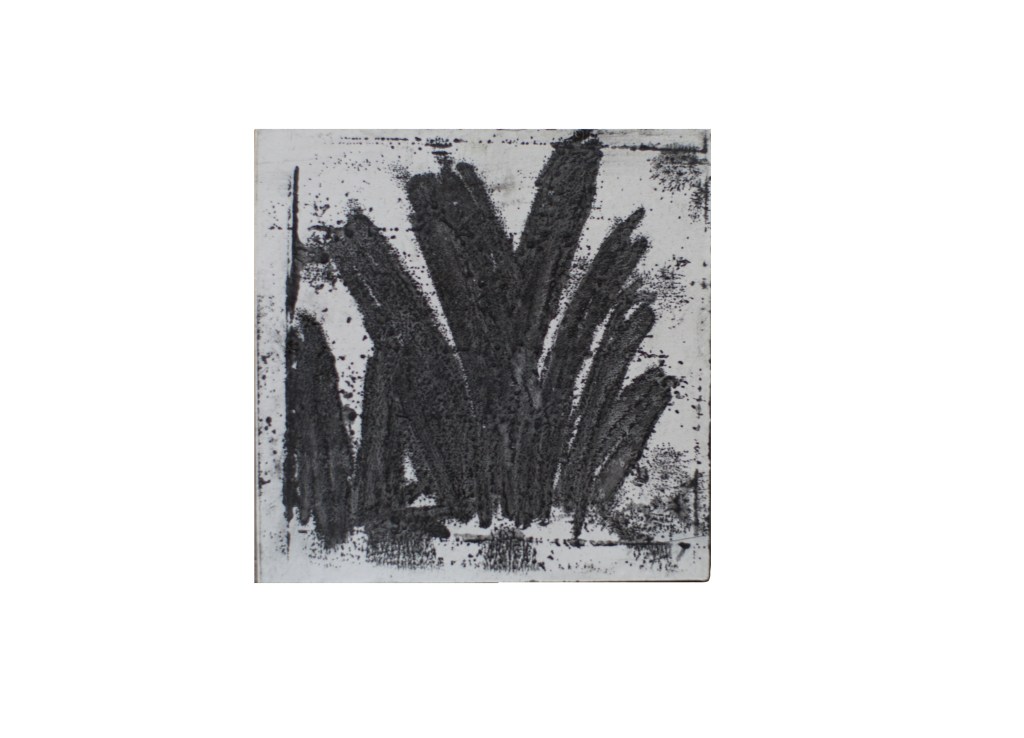
Carte d’ombra
9,5×9,5cm
grafite, carbone, ardesia e olio su carta e tavola
2019
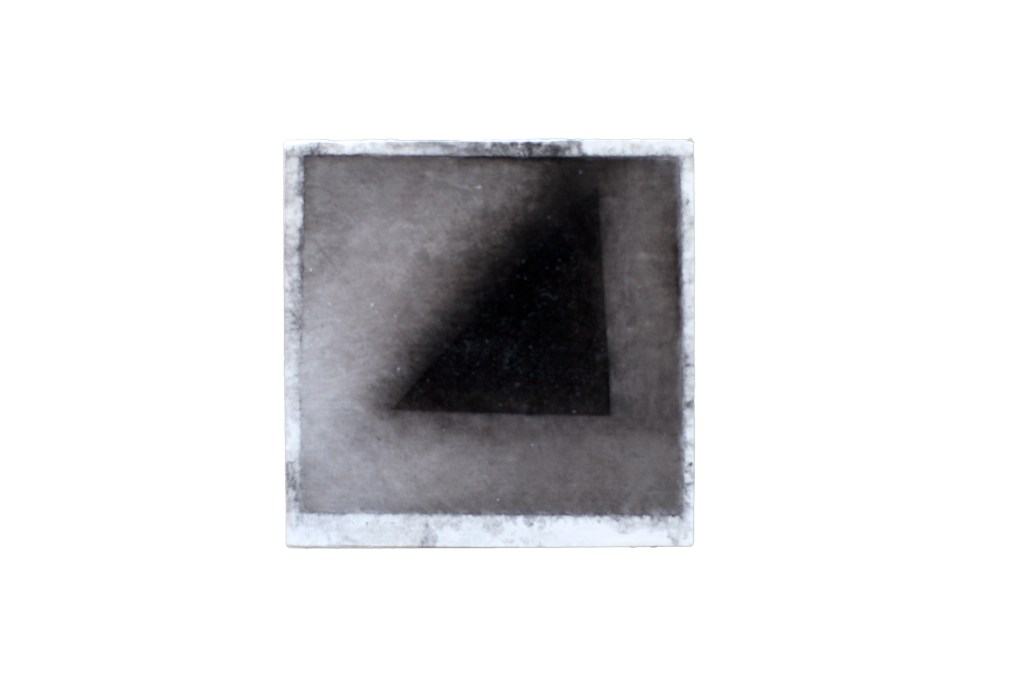
Carte d’ombra
9,5×9,5cm
grafite, carbone, ardesia e olio su carta e tavola
2019
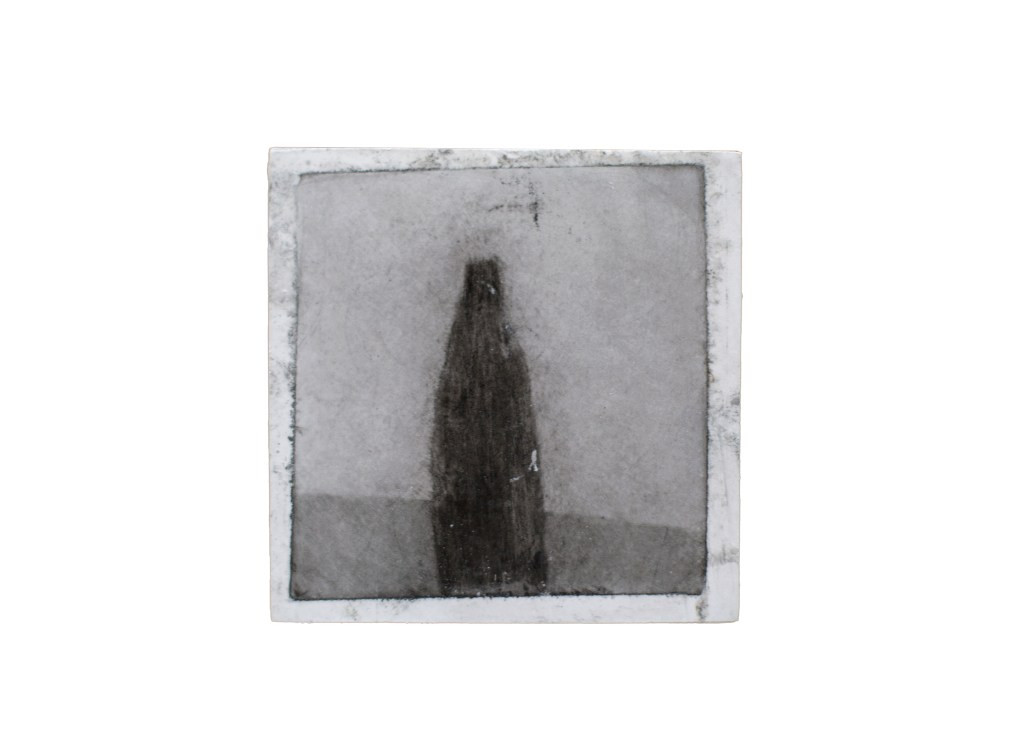
Carte d’ombra
9,5×9,5cm
grafite, carbone, ardesia e olio su carta e tavola
2019
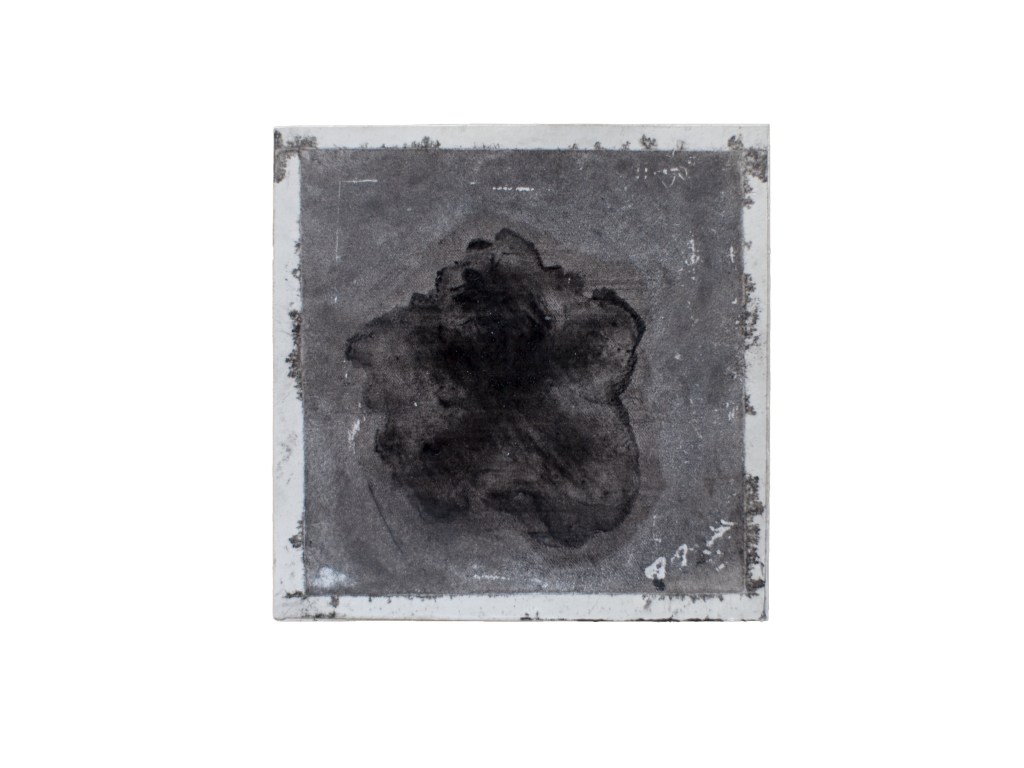
Carte d’ombra
9,5×9,5cm
grafite, carbone, ardesia e olio su carta e tavola
2019
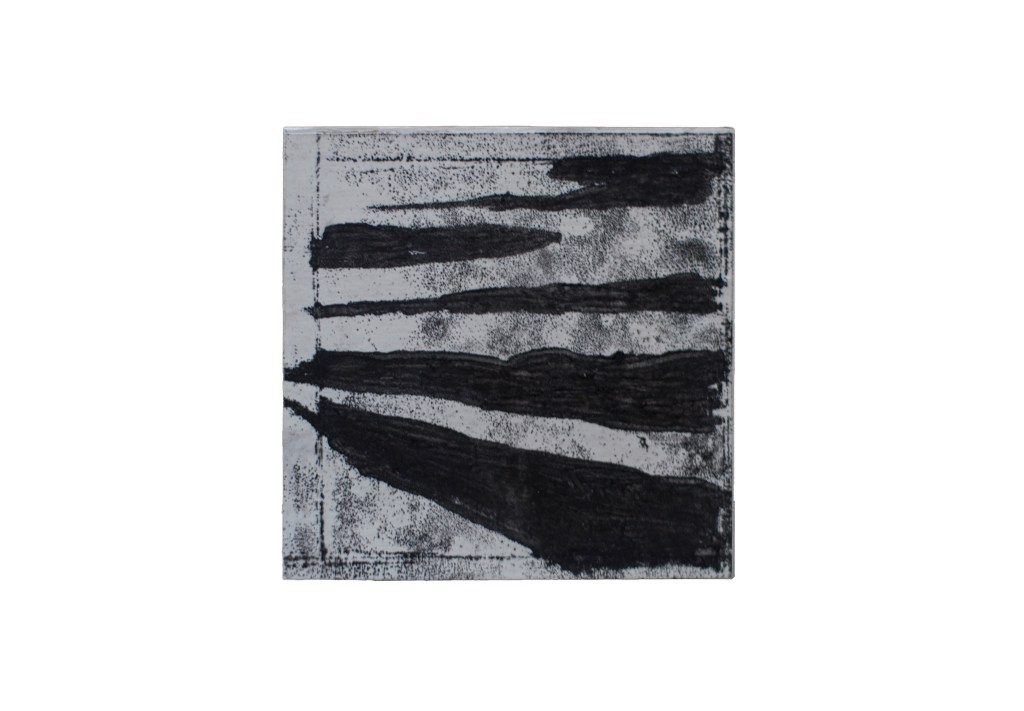
Carte d’ombra
9,5×9,5cm
grafite, carbone, ardesia e olio su carta e tavola
2019
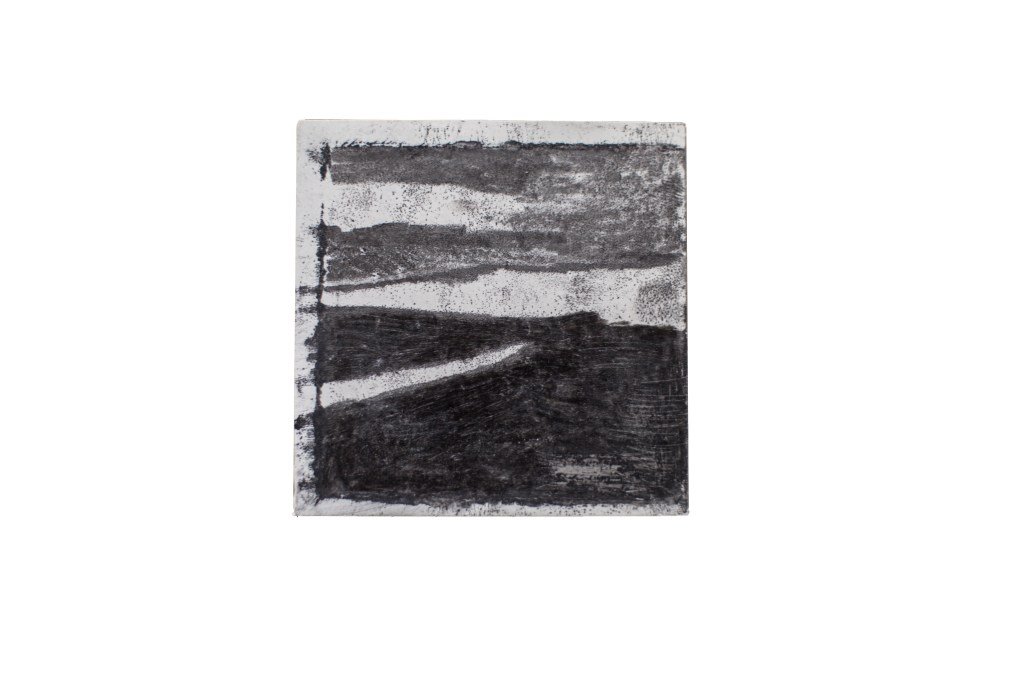
Carte d’ombra
9,5×9,5cm
grafite, carbone, ardesia e olio su carta e tavola
2019

Carte d’ombra
9,5×9,5cm
grafite, carbone, ardesia e olio su carta e tavola
2019
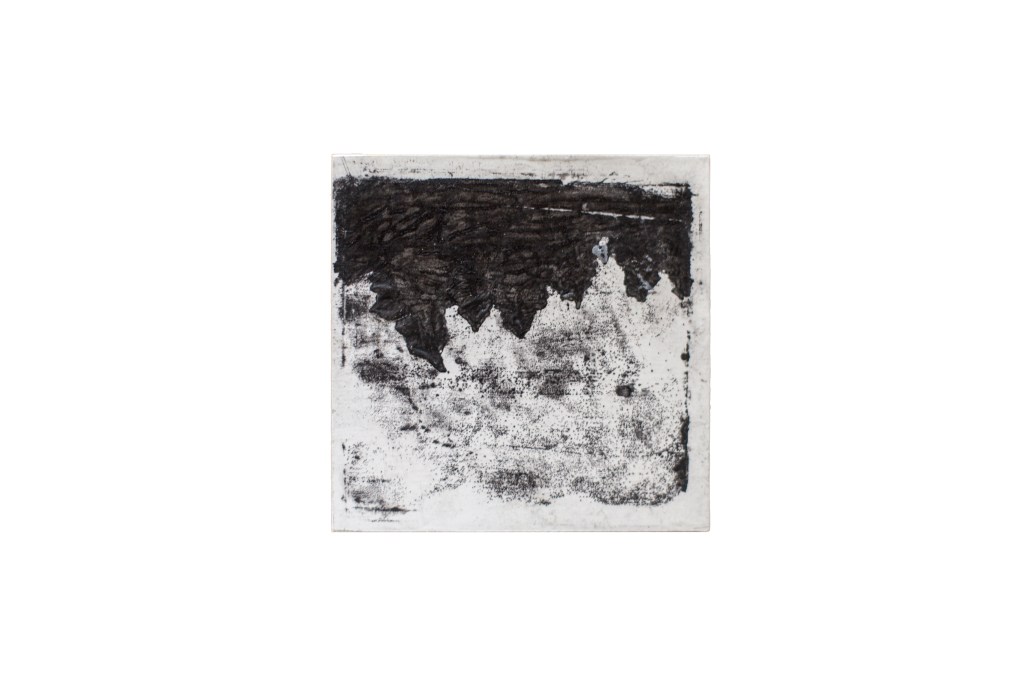
Carte d’ombra
9,5×9,5cm
grafite, carbone, ardesia e olio su carta e tavola
2019
 paroladartista.com