
#paroladartista #intervistaartista #interviewartist #adamtaylor
Parola d’Artista: Per la maggior parte degli artisti, l’infanzia rappresenta il periodo d’oro in cui iniziano a manifestarsi i primi sintomi di una certa propensione ad appartenere al mondo dell’arte. È stato così anche per lei? Mi dica.
Quali studi ha fatto?
Adam Taylor: Il mio interesse per l’arte è iniziato probabilmente intorno ai 10 anni. Copiavo i personaggi dei fumetti, disegnavo alieni e maghi e i miei amici a scuola pensavano che fosse bello, mi piaceva molto l’attenzione che ricevevo per i miei disegni! Mi piacciono ancora i disegni e i dipinti dei bambini, sono così puri. I disegni di mia figlia di cinque anni sono così belli nella loro semplicità e così pieni di immaginazione, senza alcuna influenza. Cerco, ma spesso non ci riesco, di catturare questa essenza nel mio lavoro. A volte le chiedo di disegnare sul mio lavoro con il pastello a olio, di cui poi lascio alcune parti nel dipinto finito.
Quando ero un po’ più grande, intorno ai 12 anni, mia nonna mi diede i suoi vecchi colori a olio degli anni ’60, molti dei quali erano ancora freschi, così ho giocato con quelli e da allora uso gli oli.
Dopo la scuola, ho studiato Belle Arti all’Università di Cardiff, ma ho formato una band con alcuni compagni di corso e l’ho fatto per dieci anni, girando l’Europa e l’America, prima che finisse. A quel punto ho ricominciato a dipingere.
Parola d’Artista: I suoi quadri hanno spesso come base una griglia di quadrati, a cosa è dovuta questa presenza ricorrente e che importanza ha la geometria nel suo lavoro?
Adam Taylor: Amo la griglia, è come la mia rete di sicurezza. È nata come un modo per aiutarmi nella composizione, una guida per posizionare i segni e le pennellate. Poi la strofinavo via una volta che ero soddisfatto, ma ho iniziato a rendermi conto che la griglia (nei pastelli a olio) era molto bella per me se rimaneva accesa.
I miei dipinti iniziano con uno strato di fondo, di solito rosa o blu, e poi strofino sopra uno strato di bitume (conservante per legno) per creare un aspetto afflitto. Questo ingiallisce leggermente, trasformando il blu in un verde/blu che adoro. Poi faccio una griglia di 9 rettangoli e lavoro su ogni sezione alla volta, dando l’impressione di una separazione che mi piace molto perché astrae ulteriormente l’immagine.
Parola d’Artista: Nei suoi quadri ritornano spesso gli stessi colori, la gamma dei grigi, degli azzurri e dei rosa. Le interessa la dimensione evocativa del suo lavoro?
Le interessano le qualità pittoriche del suo lavoro?
La fisicità dell’atto di dipingere la pennellata ha una qualche centralità nel suo lavoro?
Adam Taylor: È iniziato con il blu, adoro il colore del rame quando si bagna di verde/blu e dove sono cresciuto c’era una chiesa degli anni Sessanta con il tetto di metallo di quel colore e ne sono rimasto affascinato, mi sembrava così bello.
Sono diffidente nei confronti di un eccesso di colore senza una ragione particolare, quindi limito la mia tavolozza al blu chiaro e poi a un blu più scuro. Ho introdotto lentamente piccole quantità di colore attraverso le linee della griglia con il pastello a olio. Ho poi sperimentato il rosa e mi piace la sensazione di carne che si ottiene con questo colore.
C’è qualcosa in un dipinto astratto che può essere letto come un paesaggio, ma quando lavoro con i rosa c’è anche una qualità umana simile alla carne.
I miei dipinti hanno una texture piuttosto piatta con una finitura liscia e lucida, e sono nati dall’uso dello smalto (vernice a base di olio per la casa). Quando ho iniziato, amavo quella piattezza. Da allora l’ho emulata con i tradizionali colori a olio utilizzando varie resine e oli, quindi non li uso più.
Possiedo solo due costosi “pennelli da artista”, la maggior parte dei quali sono economici pennelli per la pittura domestica acquistati in un negozio di bricolage e vecchi stracci.
All’inizio faccio un dipinto molto più movimentato e poi strofino via la maggior parte dei segni che non mi piacciono per rendere il dipinto il più minimale possibile.
Strofinando molto si ottengono i fantasmi del punto in cui si trovava il segno e questo spesso può essere molto interessante.
Non entro mai in un dipinto con un’idea di come sarà. Un dipinto può richiedere da poche ore a qualche settimana.
Parola d’Artista: Che ruolo hanno il caso e l’accidentalità nel suo lavoro?
Lavora a diversi quadri insieme o si concentra su un quadro alla volta?
Adam Taylor: Mi concentro su un dipinto alla volta, vedendolo fino a quando non è finito. Spesso può essere una vera e propria battaglia, in cui elimino intere sezioni che non mi soddisfano. A volte, quando arrivo al risultato finale, non sono nemmeno sicura di come ci sono arrivata!
Se un dipinto viene realizzato con troppa facilità, ne sono sospettoso, come se il processo non fosse stato abbastanza duro o impegnativo.
Mi sembra di giocare una partita a scacchi: alcune volte si vince e altre no.
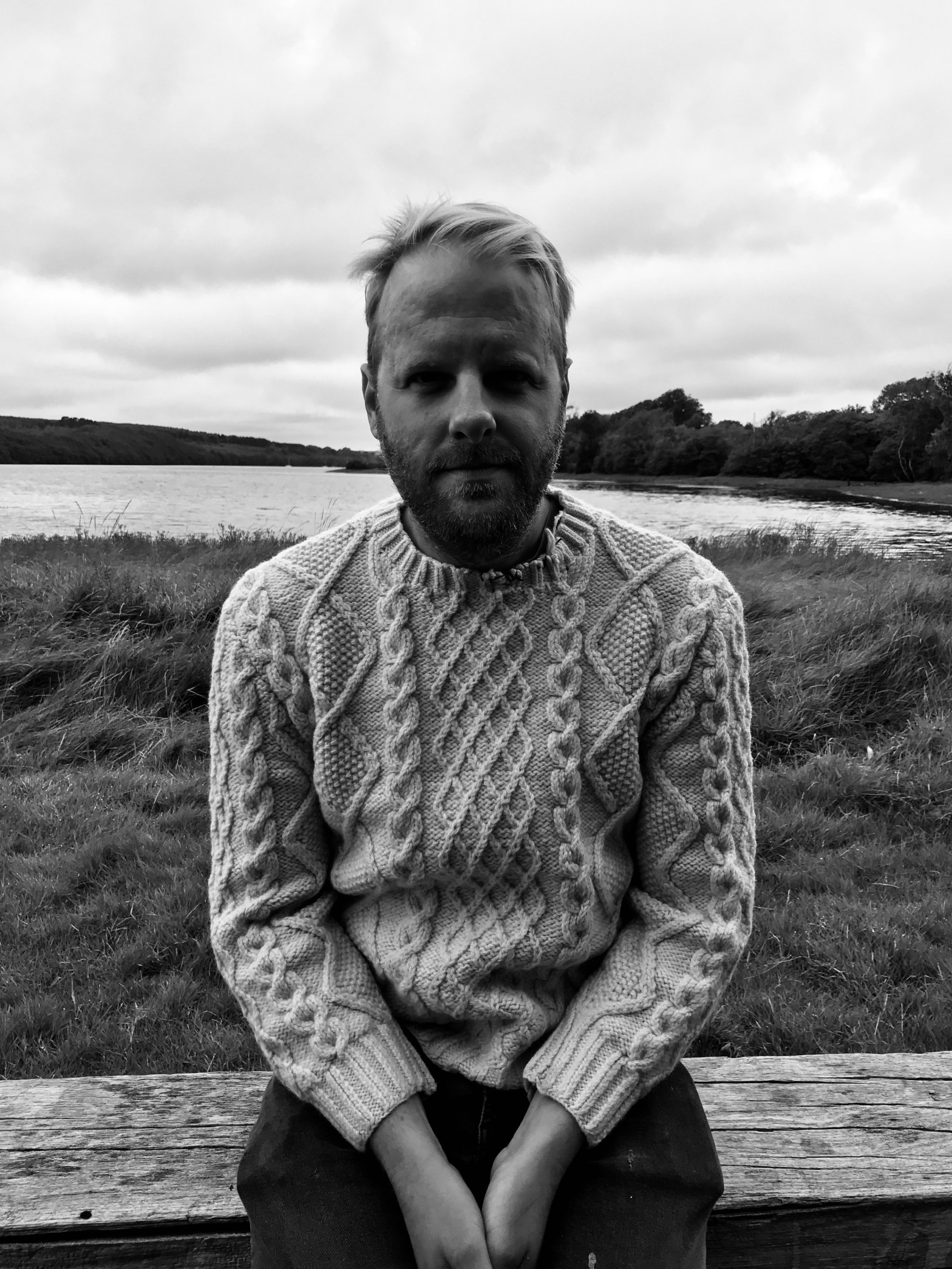
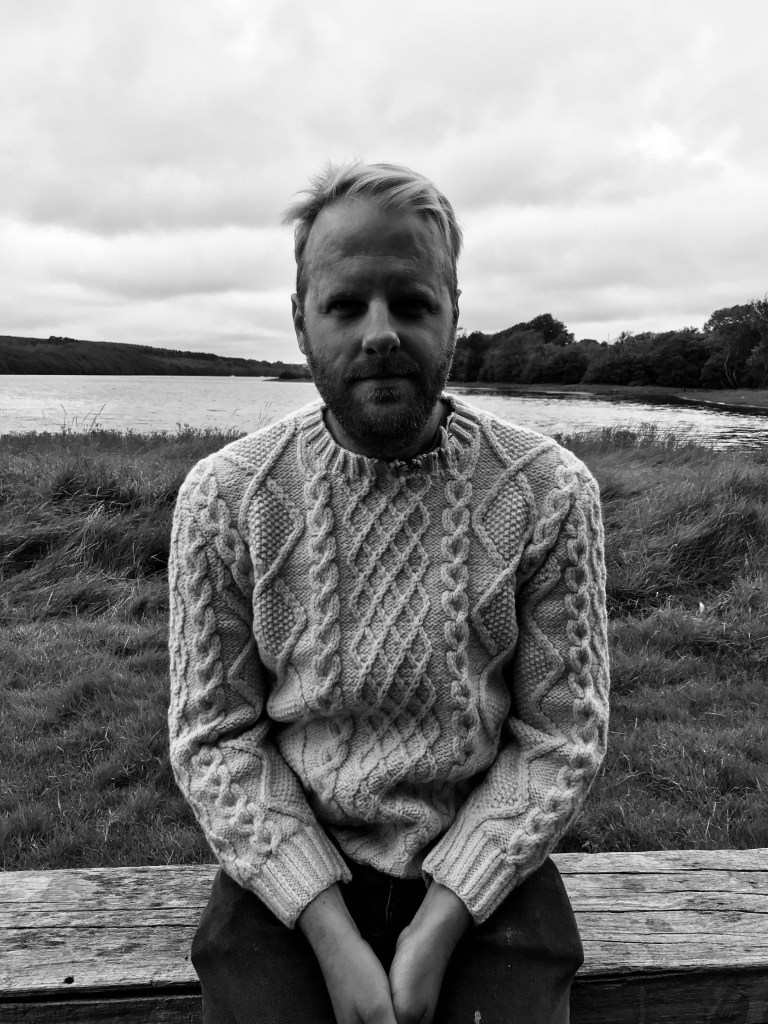
Adam Taylor è un artista contemporaneo britannico. I suoi dipinti possono essere descritti come composizioni astratte influenzate dal paesaggio costiero dei suoi dintorni nel Galles occidentale rurale. Si sforza di catturare lo stato d’animo della terra, distillando le forme di base in forme e colori piacevoli.
Lavora prevalentemente a olio, ma all’inizio del processo pittorico utilizza smalti e texture diverse, producendo un’opera finale grezza e stratificata.
Si è formato e laureato in Belle Arti nel 2004 presso la Cardiff School of Art. Nel 2022, Adam è stato selezionato dall’artista Sean Scully per esporre al suo fianco in una mostra collettiva a Londra.
English text
interview to Adam Taylor
#paroladartista #intervistaartista #interviewartist #adamtaylor
Parola d’Artista: For most artists, childhood represents the golden age when the first symptoms of a certain propensity to belong to the art world begin to appear. Was that the case for you too? Tell me?
What studies have you done?
Adam Taylor: My interest in art probably started around 10 years old. I would copy comic book characters and draw aliens and wizards and my friends at school thought it was cool, I really enjoyed the attention I got for my drawings! I still love the drawings and paintings children make, they’re so pure. My five year old daughter’s drawings are so beautiful in their simplicity and so full of imagination – without any influence. I try but often fail to capture that essence in my own work. I sometimes ask her to draw onto my work with oil pastel which I then leave parts of in the finished painting.
When I was a bit older, around 12 my gran gave me her old oil paints from the 60s and a lot were still fresh, so I played around with those and have been using oils ever since.
After school, I studied fine art at Cardiff University, but I formed a band with some fellow students and did that for ten years touring around Europe and America before it came to an end. I started painting again at this point.
Parola d’Artista: Your paintings often have a grid of squares as a base to what is this recurring presence due and what importance does geometry have in your work?
Adam Taylor : I love the grid, it’s like my safety net. It started as a way to help with composition, a guide to where to place marks and brush strokes. I’d then rub it away once I was happy but I started the realize that the grid (in oil pastels) was quite beautiful to me left on.
My paintings start with a ground layer, usually pink or blue and then I rub over a layer of bitumen (wood preserver) to create a distressed look. It yellows it slightly, turning the blue to a green/blue which I love. I then grid up into 9 rectangles and work on each section at a time, giving the appearance of separation which I really like as it further abstracts the image.
Parola d’Artista: The same colours often return in your paintings, the range of greys, blues and pinks What links you to these colours?
Are you interested in the evocative dimension in your work?
Are you interested in the painterly qualities of your work?
Does the physicality of the act of painting the brush stroke have any centrality in what you do?
Adam Taylor: It started with the blue, I love the colour copper goes when it wethers to that green/blue and where a grew up there was a 1960s church with a metal roof that had gone that colour and I became fascinated by it, it looked so beautiful to me.
I’m wary of too much colour for no particular reason so I limit my pallet to the light blue and then a darker blue. I slowly introduced small amounts of colour through the lines of the grid in oil pastel. I then experimented with pinks and love the flesh-like feel you get with it.
There something about an abstract painting that can be read as a landscape, but when I work with pinks there’s a flesh like human quality too.
My paintings are quite flat textured with a smooth gloss finish which started from using enamel (oil based house paint). When I started out and I loved that flatness. I’ve since emulated this in traditional oil paints using various resins and oils, so I no longer use them.
I only own two expensive “artist brushes” the majority are cheap house painting ones from a diy store and old rags.
I’ll make a much more busy painting at the beginning then rub away most marks that I don’t like to make the painting as minimal as it can be.
Through lots of rubbing off you get the ghosts of where the mark was and that often can be quite interesting.
I never go into a painting with an idea of what it will be it look like. One painting can take a few hours to a few weeks.
Parola d’Artista: What role does chance and accident play in what you do?
Do you work on several paintings together or do you concentrate on one painting at a time?
Adam Taylor: I just focus on one painting at a time – seeing it out until it’s finished. It can often be a real battle, where I’m rubbing out whole sections that I’m not happy with. Sometimes, when it comes to the end result I’m not even sure how I got there!
If a painting comes together too easily I’m suspicious of it – as though the process wasn’t hard or challenging enough.
It feels like playing a game of chess, some you win and some you don’t.
Adam Taylor is a British contemporary artist. His paintings can be described as abstract compositions influenced by the coastal landscape of his surroundings in rural West Wales. He strives to capture the mood of the land, distilling the basic forms into pleasing shapes and colour.
He works predominantly in oils, but will use enamel paint and different textures at the beginning of the painting process, producing a final piece which is raw and layered.
He trained and obtained his degree in Fine Art in 2004 at Cardiff School of Art. In 2022, Adam was selected by the artist Sean Scully to exhibit alongside him at a group show in London.
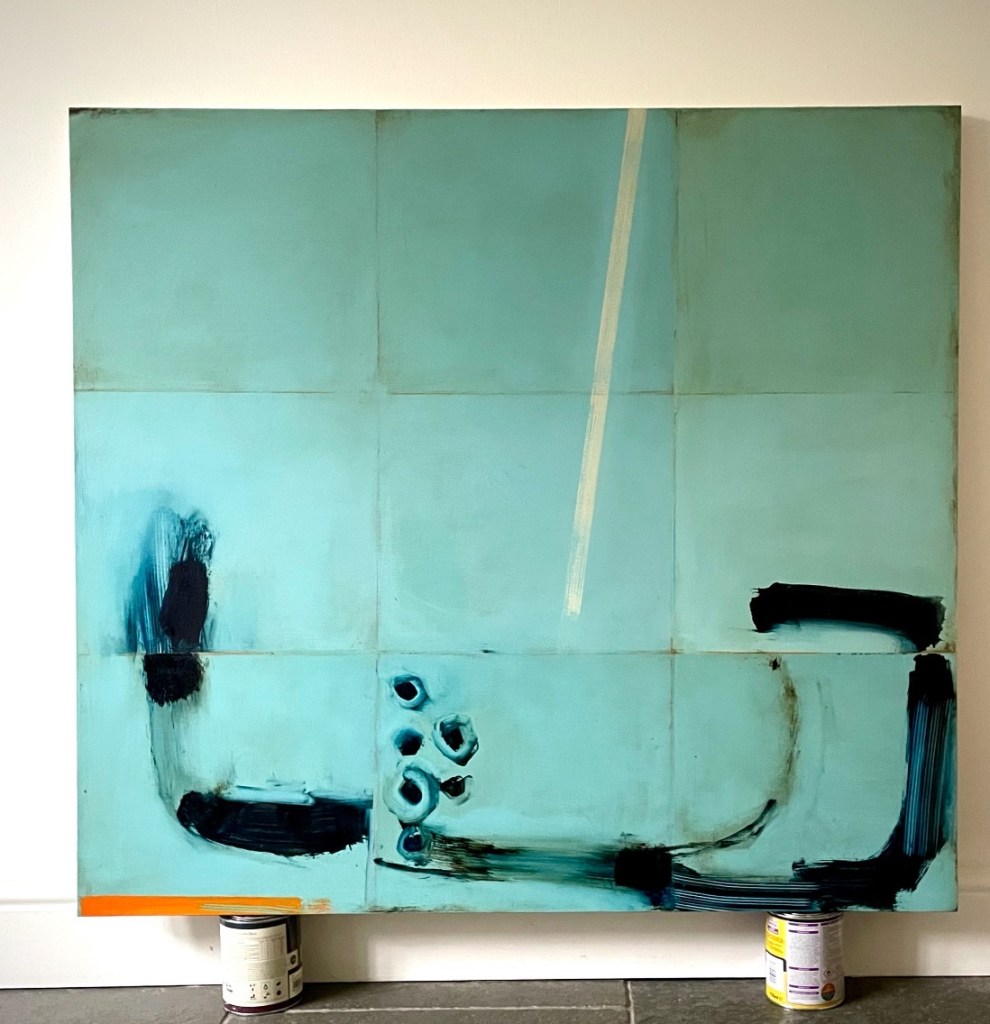
Boat 110x100cm
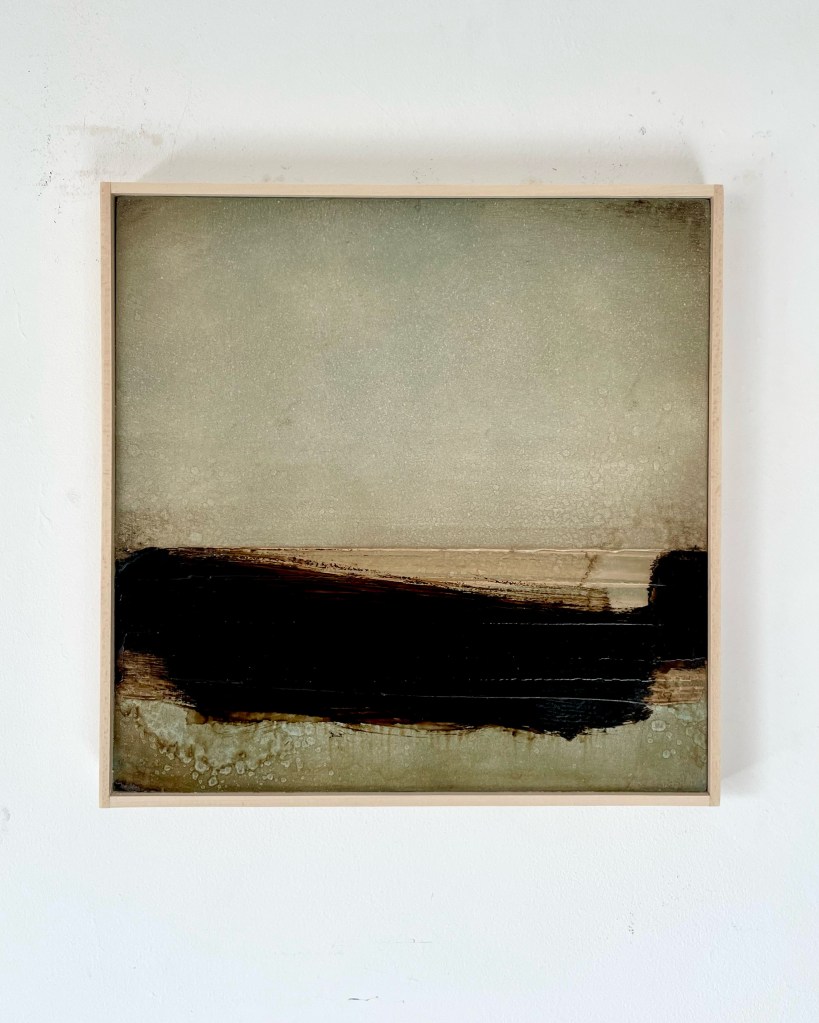
A shadow On The Land 30x30cm

The Roads 80x90cm
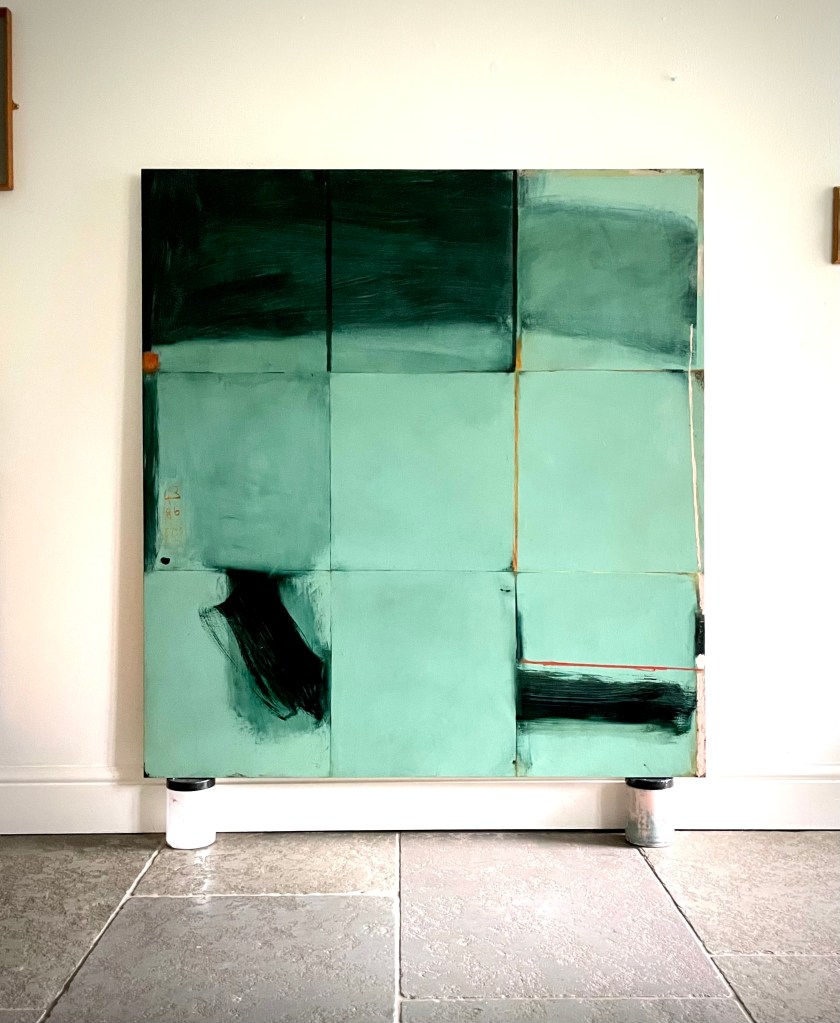
The Hunters 130x120cm
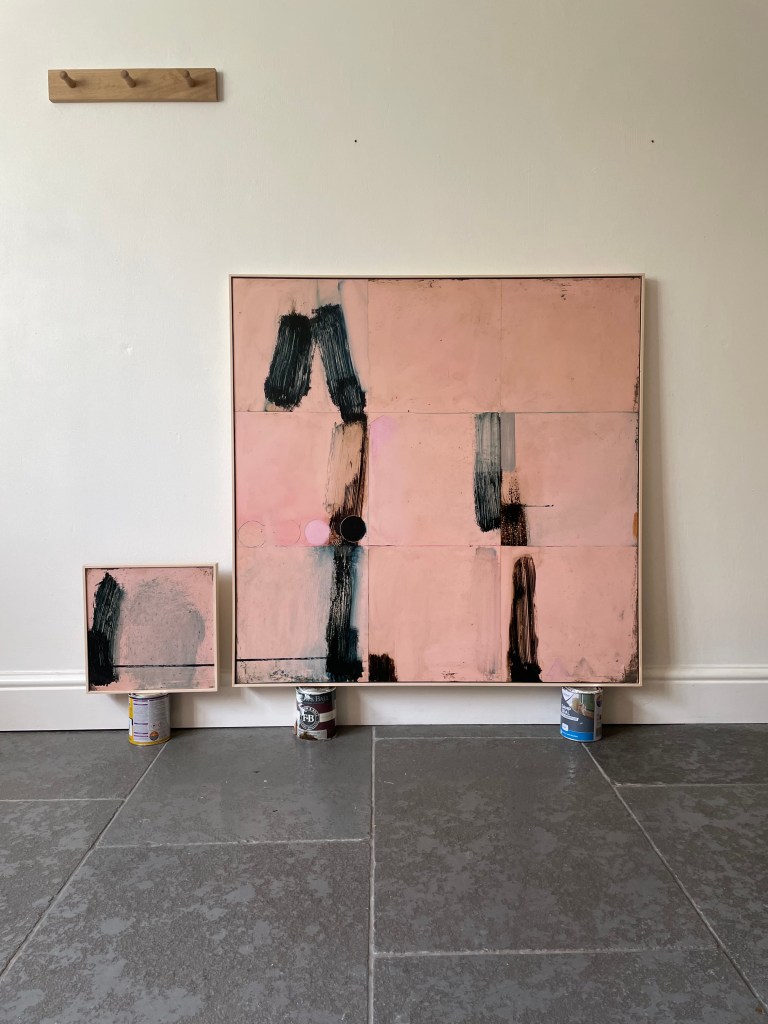
Horse /stagger 100x100cm
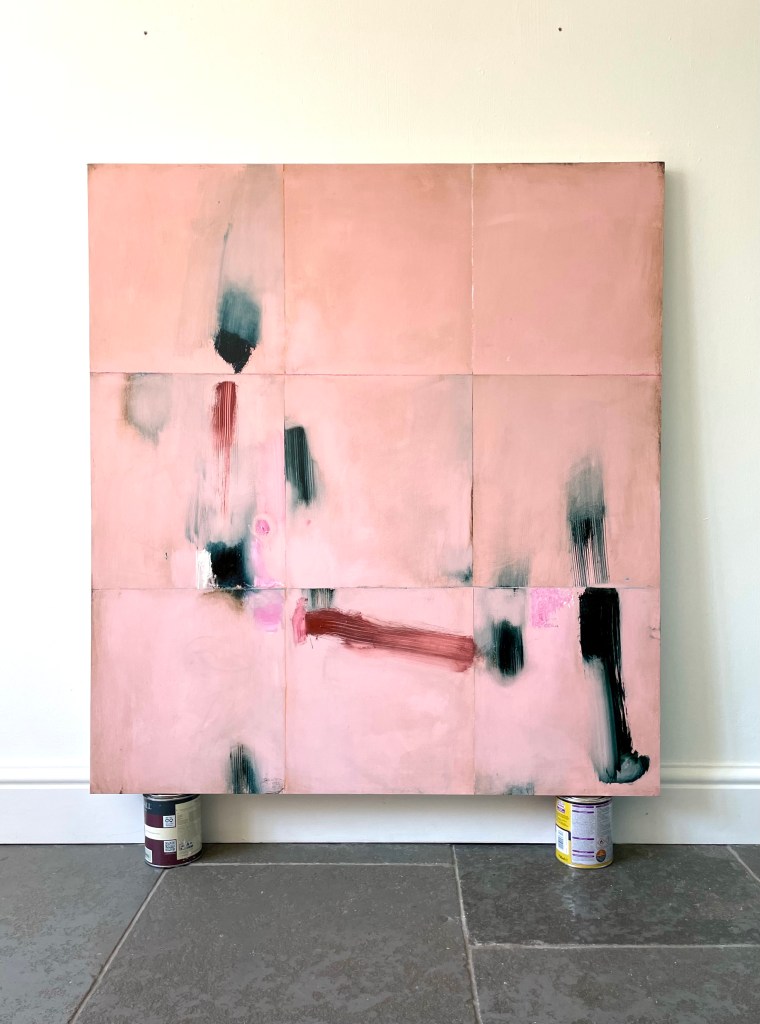
Reclining 110x100cm
 paroladartista.com