
#paroladartista #sacro #gregoriobotta
Parola d’Artista: secondo te il sacro ha ancora una sua importanza nell’arte e nel mondo in cui viviamo?
Gregorio Botta: “Che cosa sia la bellezza non so”, recitava il titolo di in vecchio libretto edito da Leonardo che raccoglieva le voci di artisti come Buren, Boetti, Paolini, Kounellis e altri. È tutta la vita che mi interrogo su che cosa sia l’arte, e neanche io trovo risposta. Nessuno può: ogni definizione è come un vestito troppo largo o troppo stretto, in ogni caso inutile. E allora, se proprio devo parlarne, meglio parlare dell’esperienza personale. Ho incontrato ciò che chiamiamo arte per la prima volta in una sala della Galleria Nazionale di Roma che ospitava tre grandi lavori di Burri: un cellotex, un cretto, un ferro. Ero un ragazzo e non sapevo nulla: tranne quel che poco che avevo studiato sull’Argan a scuola. Ma che cosa erano quelle tre materie appese alle pareti? Perché in quel luogo mi sentivo così bene? Sentivo che mi stava parlando, anzi sussurrando qualcosa, che non era traducibile in parole, eppure – anzi proprio per questo – era molto importante. Mi invitava ad abbandonare i miei soliti schemi di ragionamento e di percezione, mi chiamava ad uscire da me, per respirare un mistero che non ha nome, per incontrare una meraviglia sconosciuta. Ogni volta che provo questa sensazione – in una cella affrescata da Beato Angelico, o guardando una parete dipinta da Vermeer, lasciandomi inondare dalla luce che emana da un Rothko o da quella in ci immerge Turrell, che poi sono la stessa cosa, o davanti a un Kounellis, a uno Spalletti, a una Rovner, mi fermo e mi dico: ecco questa è arte.
È arte ciò che ci fa uscire dalla misera prigione del nostro io, ciò che ci apre al silenzio, alla contemplazione, a un diverso, inaccessibile, pensiero. È vero, siamo circondati anche da molta arte che si occupa di tutt’altro: di ludica piacevolezza (uno per tutti Jeff Koons), o – ed è molto meglio – di politica (uno per tutti Alfredo Jaar) o di altre, innumerevoli e spesso imperscrutabili poetiche.
Ma una corrente profonda e radicale attraversa come una linfa vitale le opere di molti grandi artisti contemporanei: Kiefer, per dirne uno solo. Ci parla dell’origine, dell’essenziale, dell’esserci senza aggettivi. Si può parlare di sacro? Anche questa parola è indefinibile. Ma Simone Weil scriveva : “Ciò che è sacro lungi dall’essere la persona, è quello che in un essere umano è impersonale». E allora sì: c’è un’arte che ci trasporta nella zona impersonale che custodiamo nel nostro essere. E così apre le porte al sacro.
English Text
Gregorio Botta on sacred
#paroladartista #sacred #greroriobotta
Parola d’Artista: In your opinion, does the sacred still have its importance in art and in the world we live in?
Gregorio Botta: “What beauty is, I do not know” was the title of an old booklet published by Leonardo that collected the voices of artists such as Buren, Boetti, Paolini, Kounellis and others. I have been asking myself all my life what art is, and even I cannot find an answer. No one can: every definition is like a dress that is too loose or too tight, in any case useless. So, if I really have to talk about it, better to talk about personal experience. I encountered what we call art for the first time in a room of the National Gallery in Rome that housed three large works by Burri: a cellotex, a cretto, an iron. I was a boy and knew nothing: except what little I had studied about Argan at school. But what were those three subjects hanging on the walls? Why did I feel so good in that place? I felt he was speaking to me, or rather whispering something, which was not translatable into words, and yet – indeed because of this – was very important. It was inviting me to abandon my usual patterns of reasoning and perception, it was calling me to step outside myself, to breathe in a mystery that has no name, to encounter an unknown wonder. Every time I experience this feeling – in a cell frescoed by Beato Angelico, or looking at a wall painted by Vermeer, letting myself be flooded by the light emanating from a Rothko or that in which we are bathed by Turrell, which are the same thing, or in front of a Kounellis, a Spalletti, a Rovner, I stop and say to myself: this is art.
Art is what brings us out of the miserable prison of our ego, what opens us to silence, to contemplation, to a different, inaccessible thought. True, we are also surrounded by a lot of art that deals with something else entirely: with playful pleasantness (one for all Jeff Koons), or – and this is much better – with politics (one for all Alfredo Jaar) or with other, innumerable and often inscrutable poetics.
But a deep and radical current runs through the works of many great contemporary artists like a lifeblood: Kiefer, to name but one. It speaks to us of the origin, of the essential, of being without adjectives. Can one speak of the sacred? Even this word is indefinable. But Simone Weil wrote: ‘What is sacred far from being the person, is what is impersonal in a human being’. So yes: there is an art that transports us into the impersonal zone that we keep in our being. And so it opens the door to the sacred.
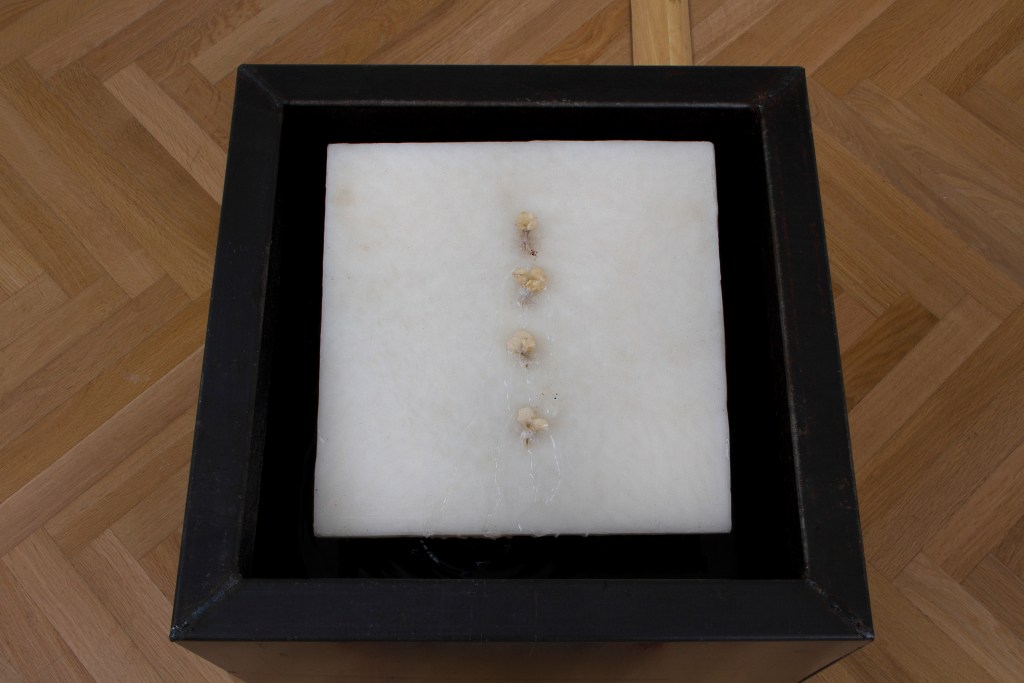
Adesso, probabilmente
Cera, ferro, terracotta, acqua,
60x45x45
2019
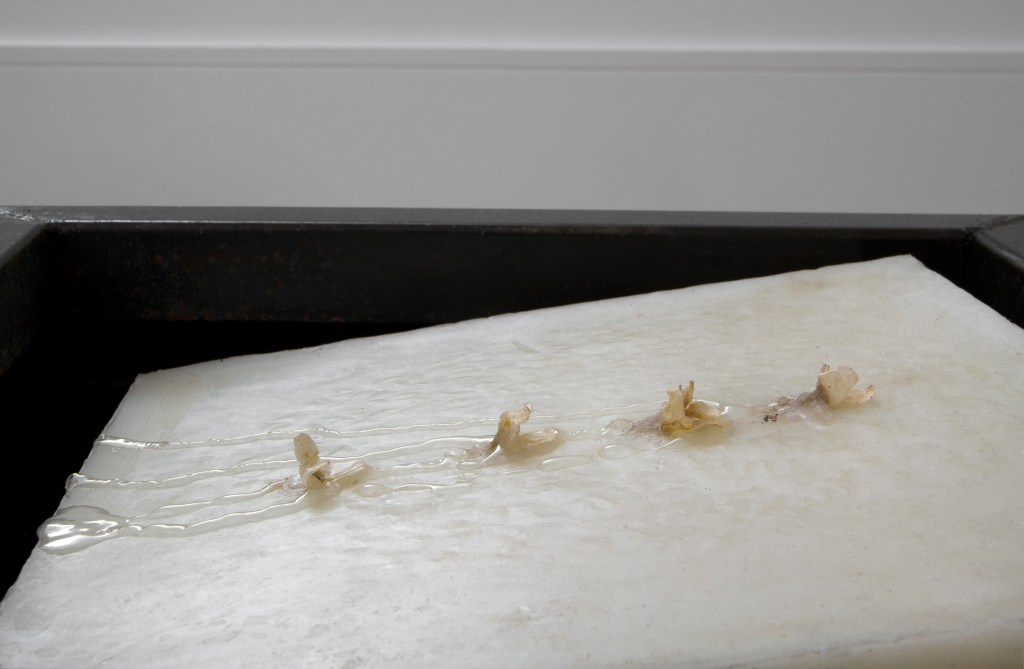
Adesso, probabilmente
Cera, ferro, terracotta, acqua,
60x45x45
2019 particolare
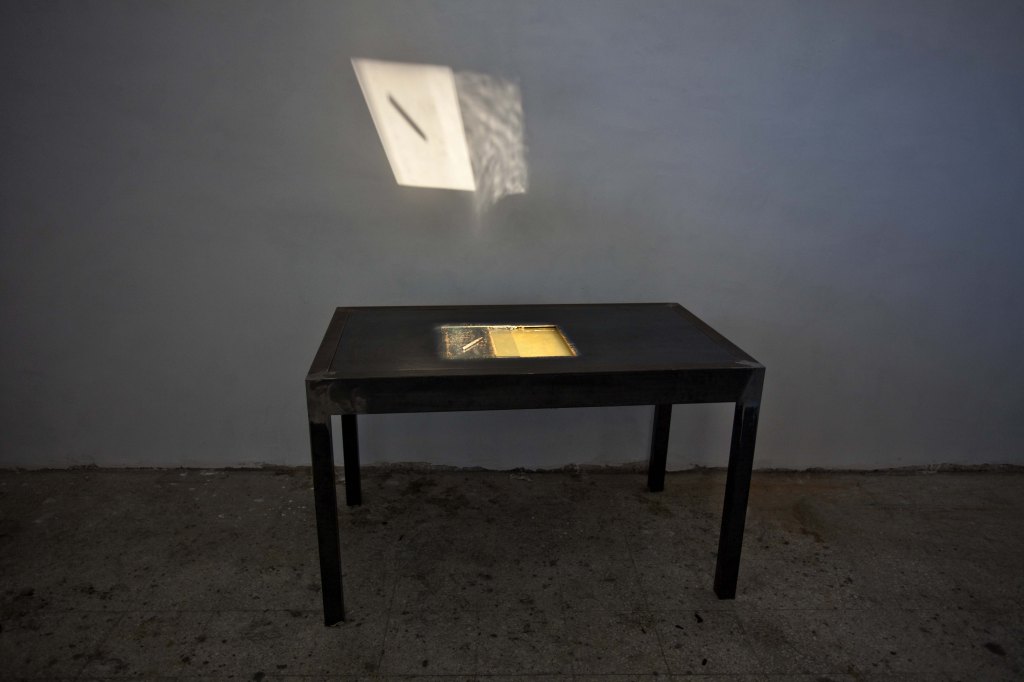
Keats,
ferro, acqua, vetro
70x90x60
2009

Senza titolo
100X100
vetro, cera, ferro, fuoco
2008
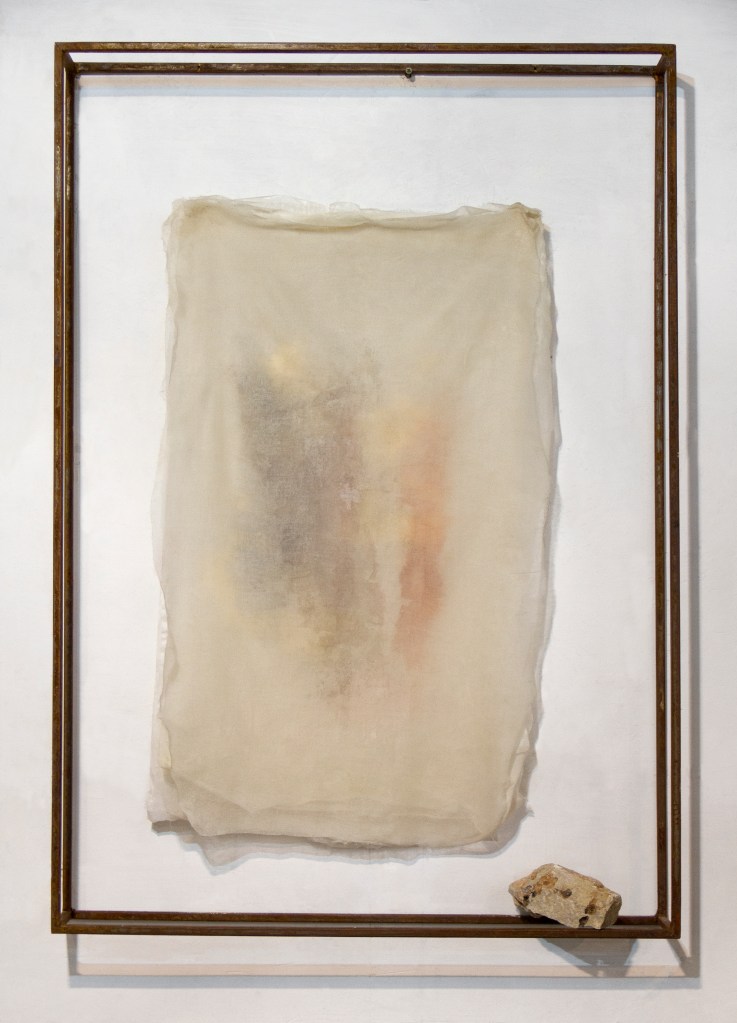
Velario
!00x70X10
Garza di lino, pigmenti, elementi naturali
2023
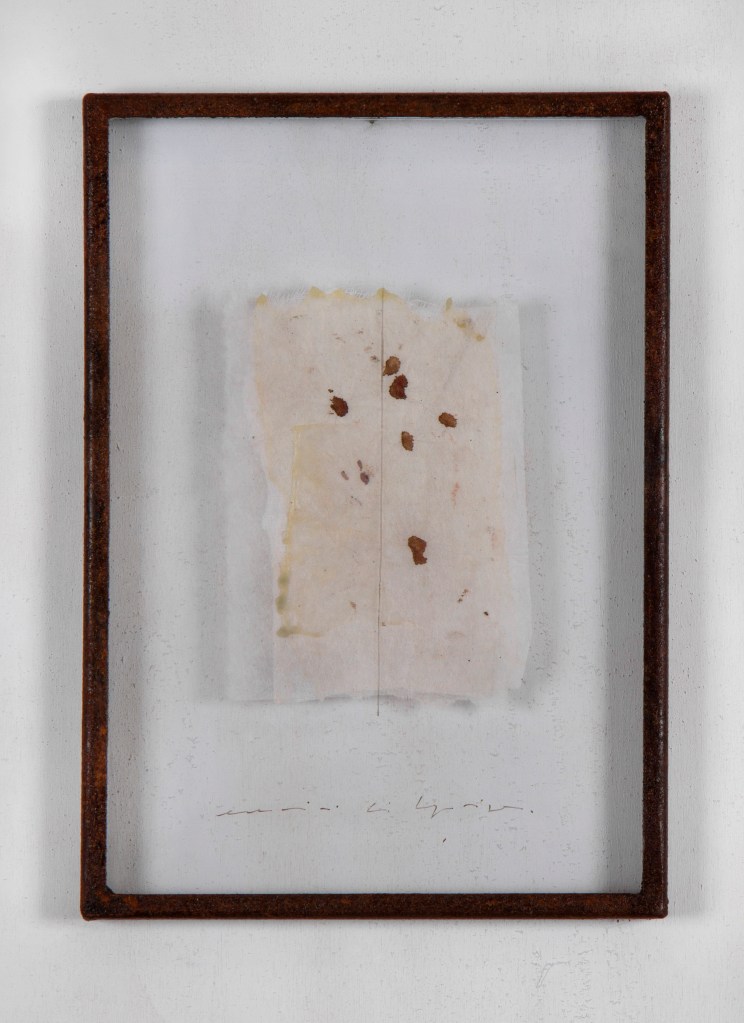
Esercizio di deposizione I
Carta di riso, grafite, sangue, vetro, ferro
35x24x3
2018
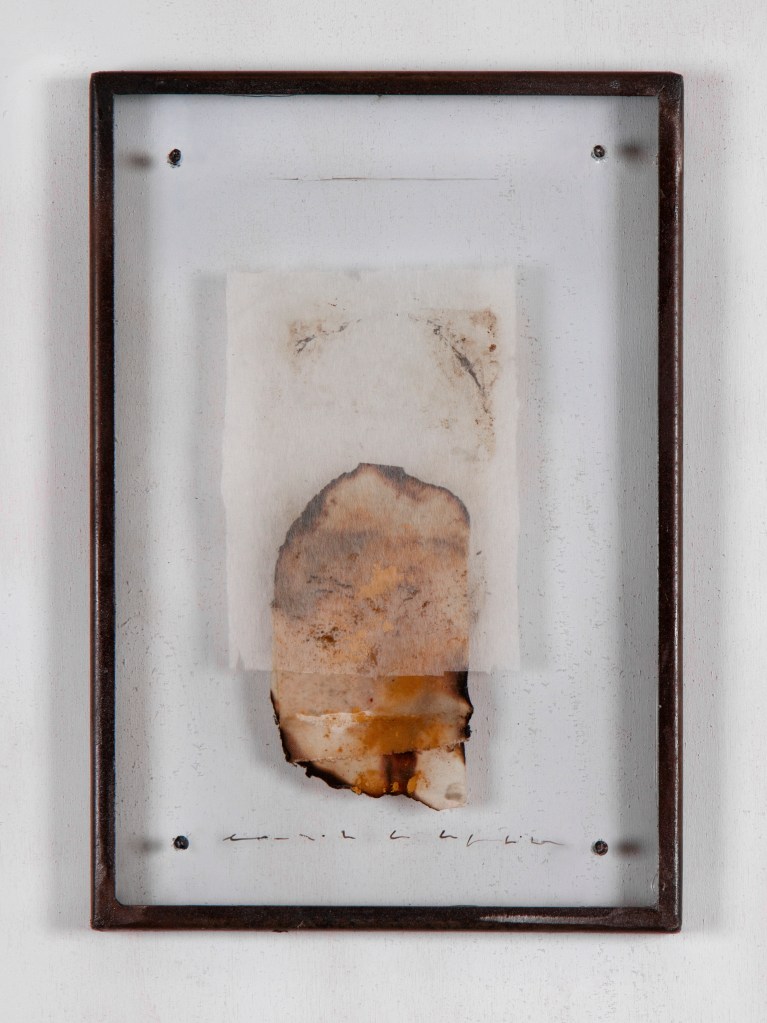
Esercizio di deposizione II
Carta di riso, grafite, pigmenti, vetro, ferro
35x24x3
2018
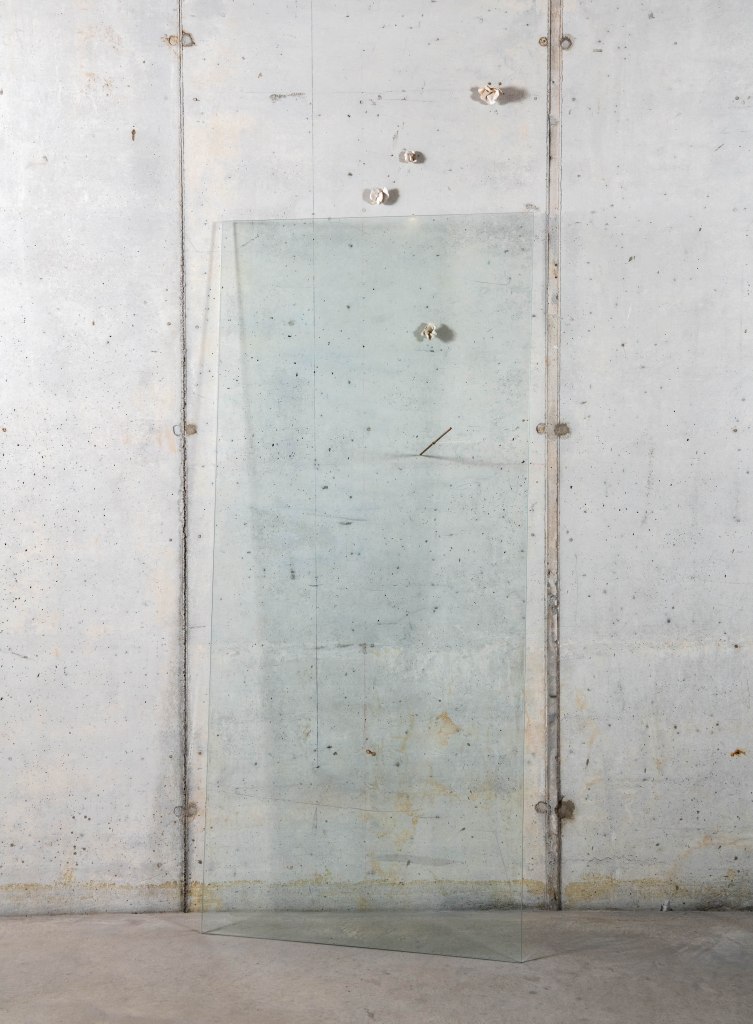
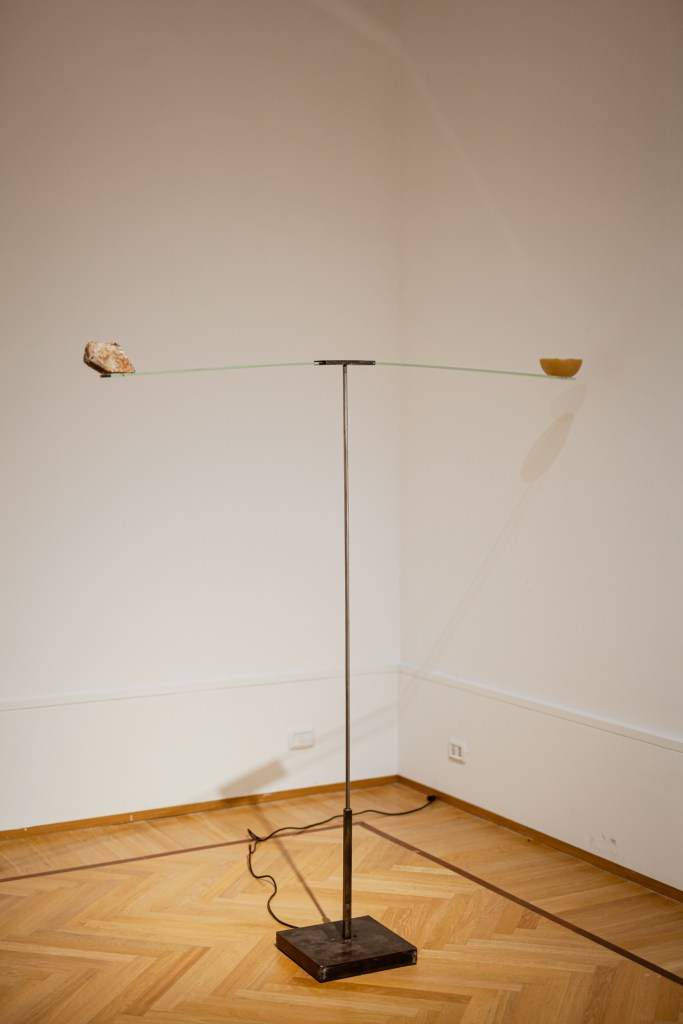
Sebastian
180x90x60
Vetro, ottone, terracotta
2022
Sisifo
180×170
ferro, vetro, cera, elementi naturali
2017
 paroladartista.com