
#paroladartista #nellostudiodi #filippolavaccara
▼Scroll for English text
Lo studio non è sempre lo stesso spazio, cambia ogni giorno assieme all’artista e ai suoi lavori. Eppure questo luogo così importante e a volte difficile da gestire rappresenta per me un punto fermo, un rifugio, una fabbrica, un caveau.
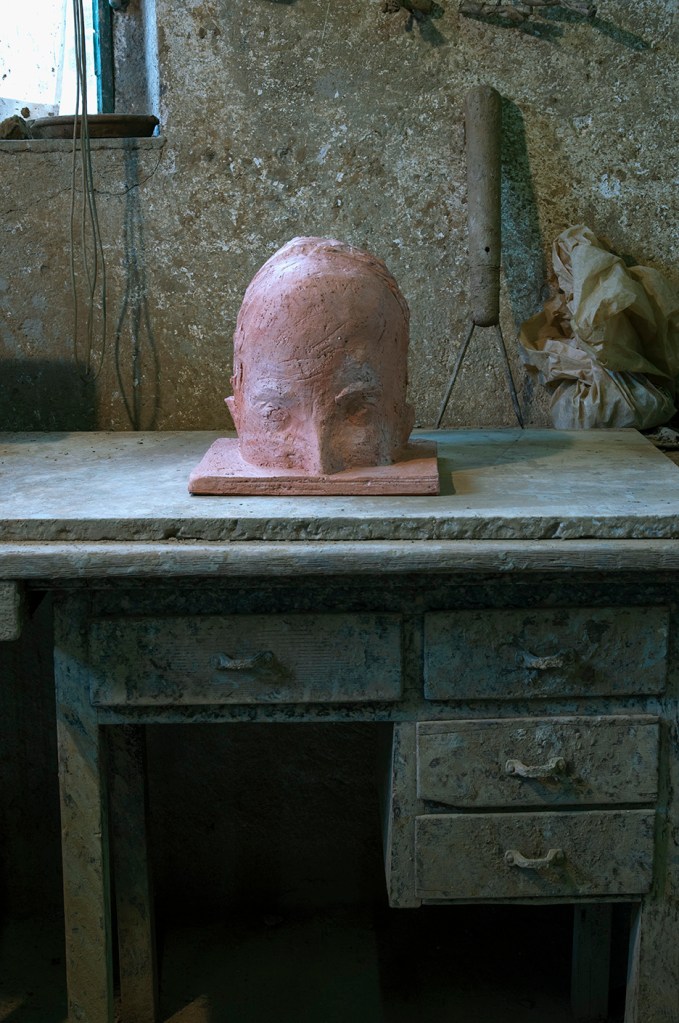
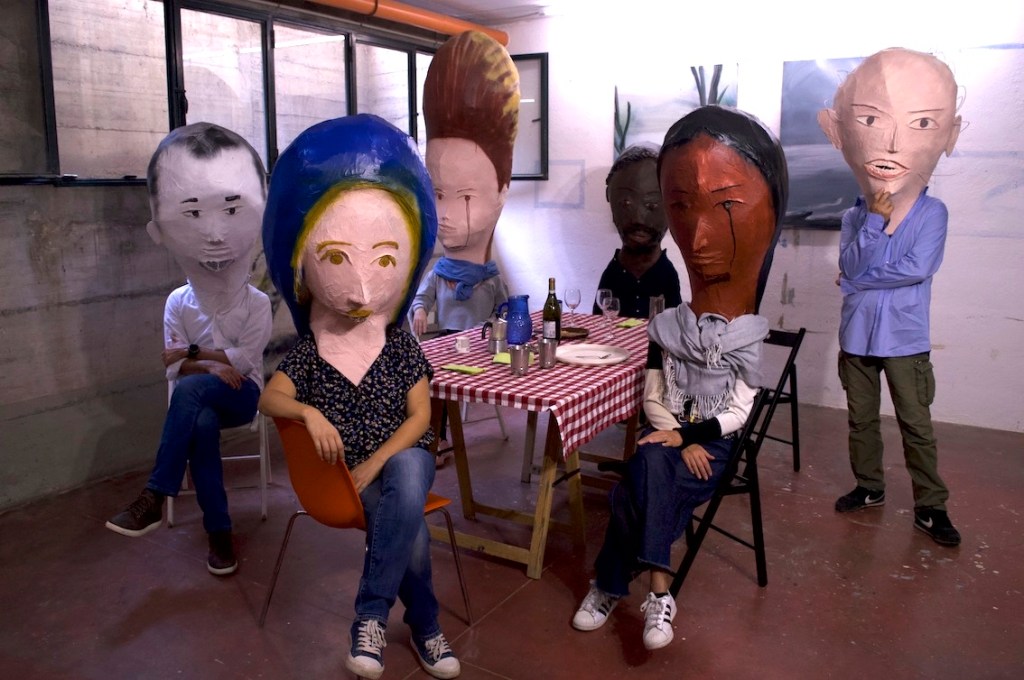
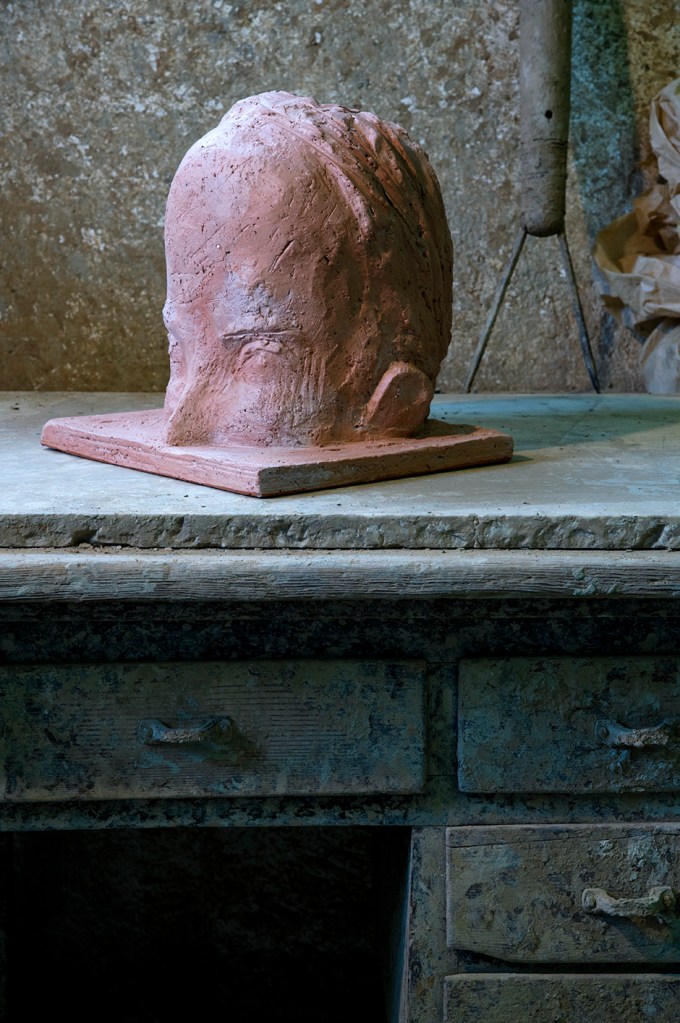
Il mio studio non è per me solo il laboratorio dove le opere stanno in cantiere e nascono, è spesso anche sala prove quando sperimento, sala di posa quando fotografo le opere o set per delle riprese video, sala di attesa quando non si produce e si pensa, si legge, si studia ma anche sala da pranzo per incontrare amici e, a volte, anche bere e mangiare insieme.
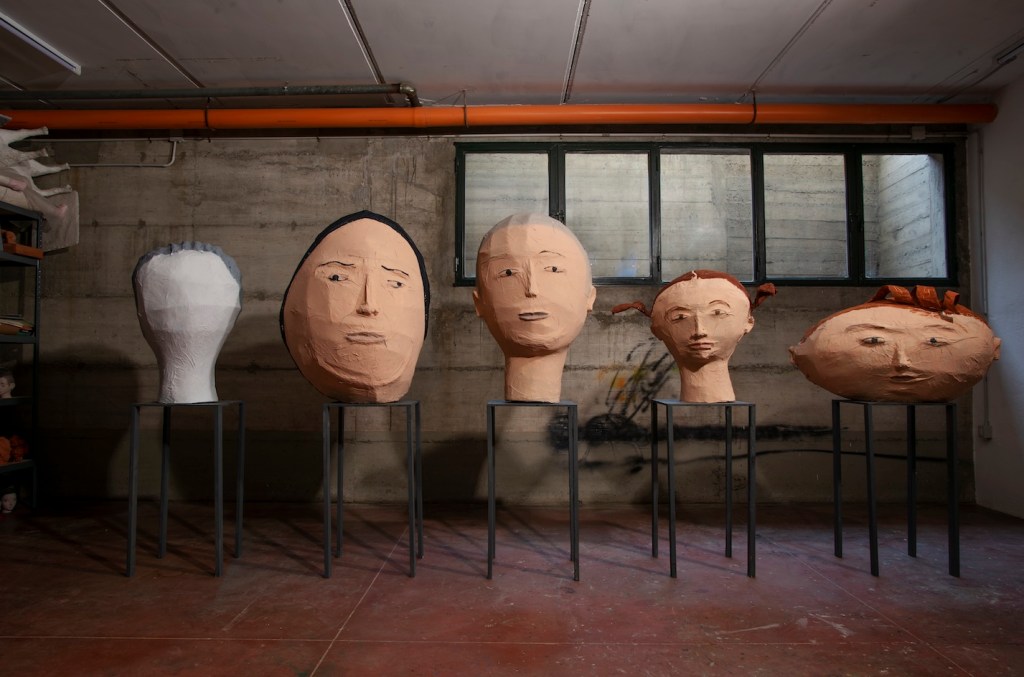
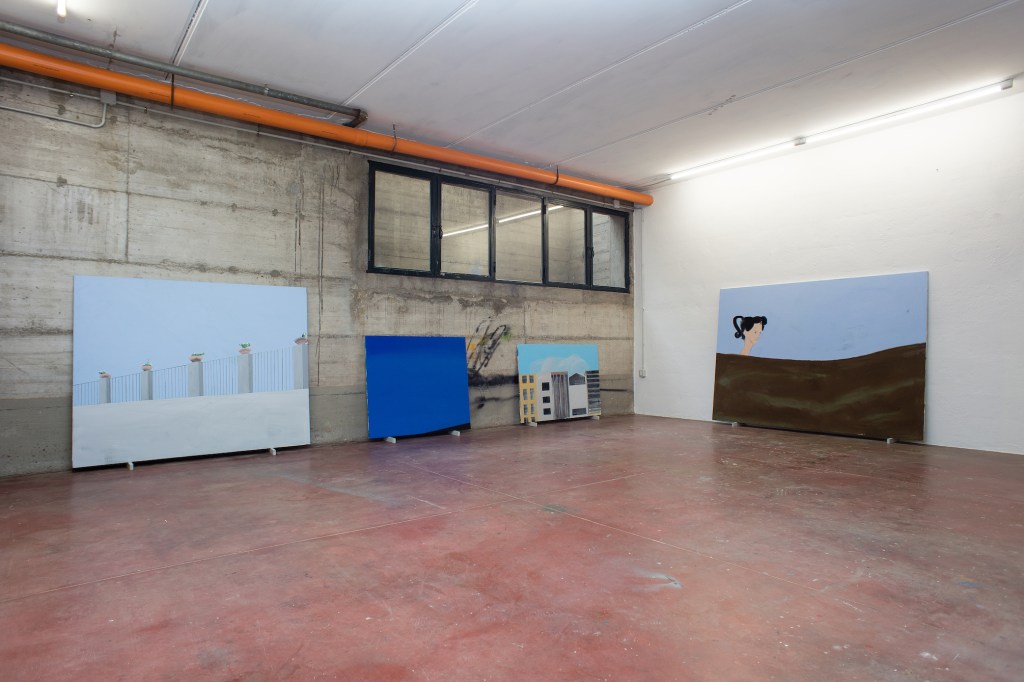
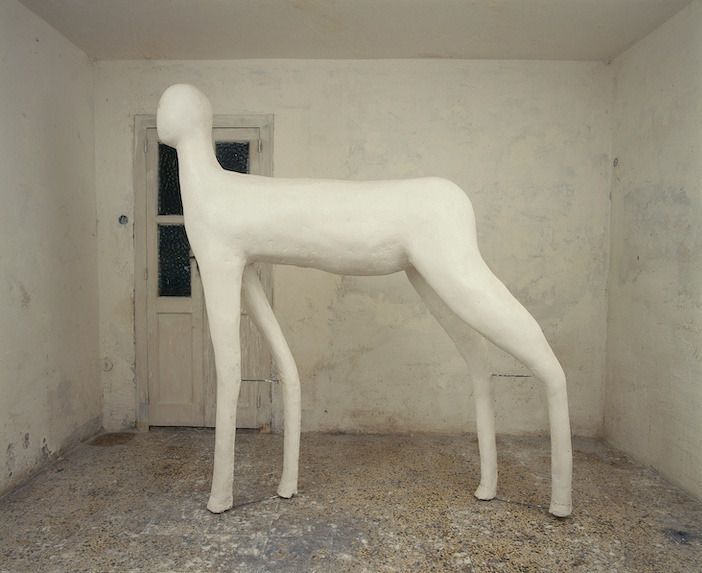
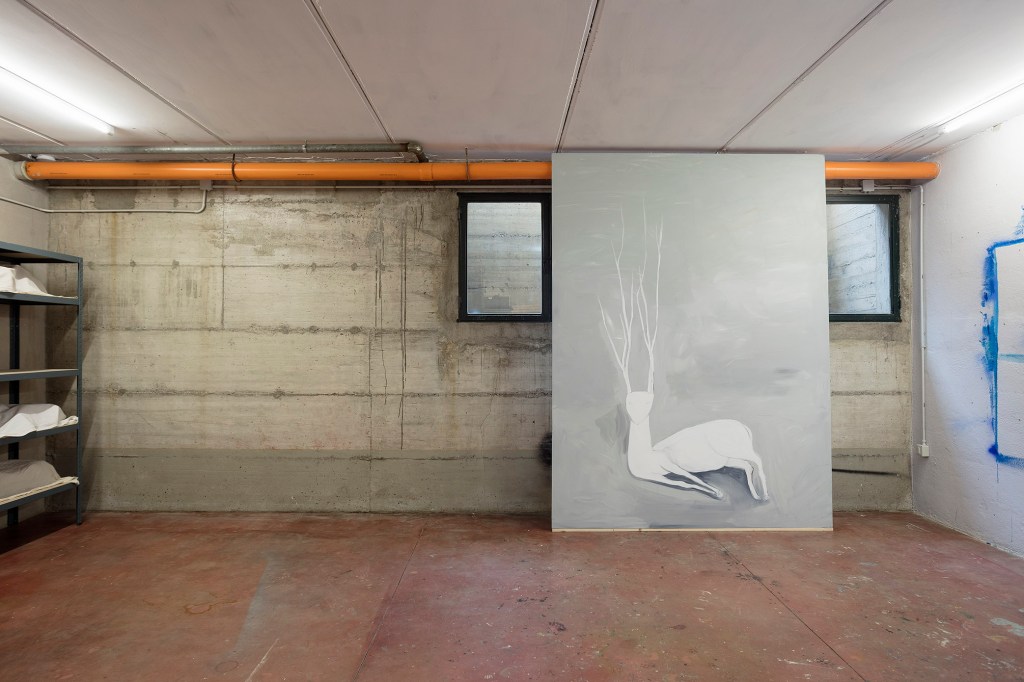
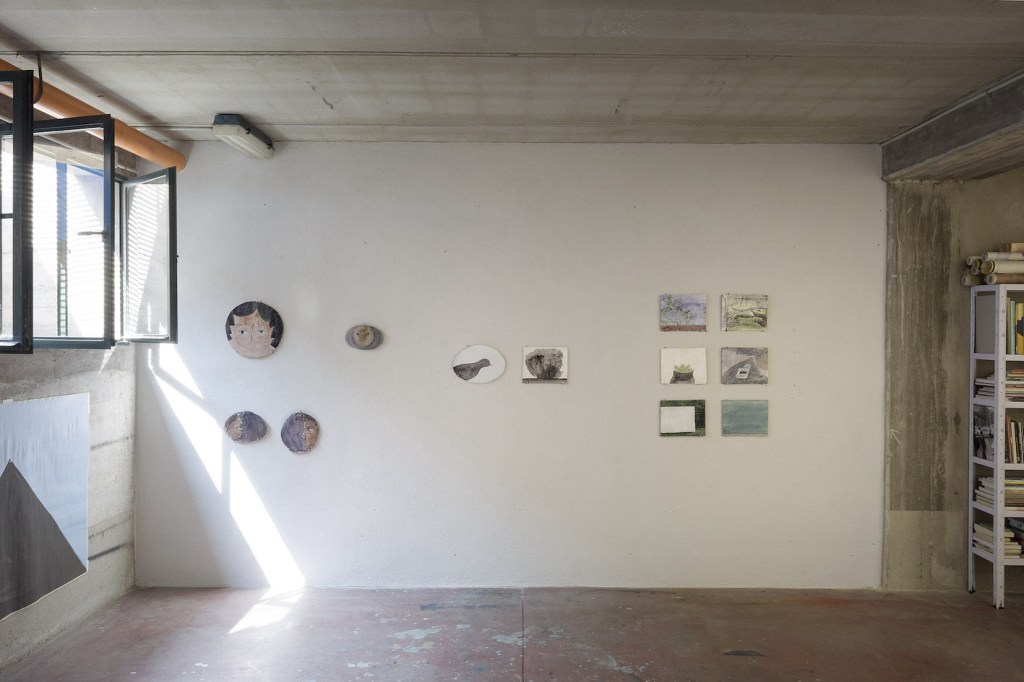
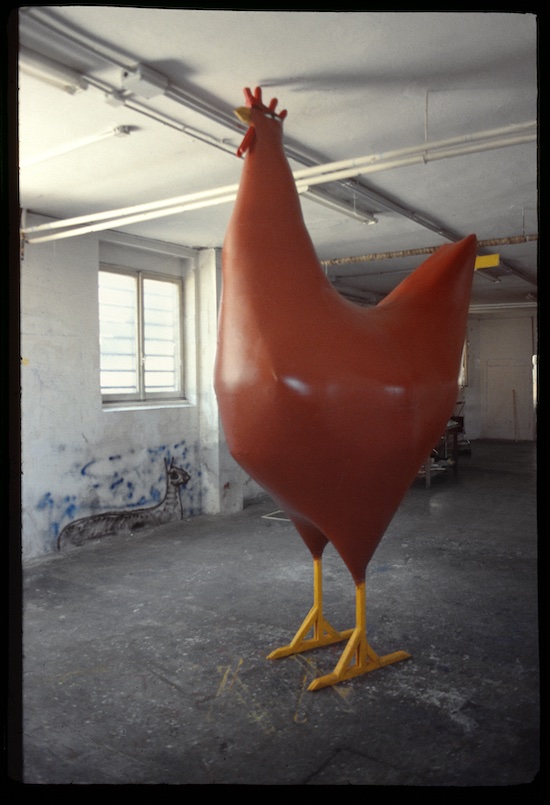
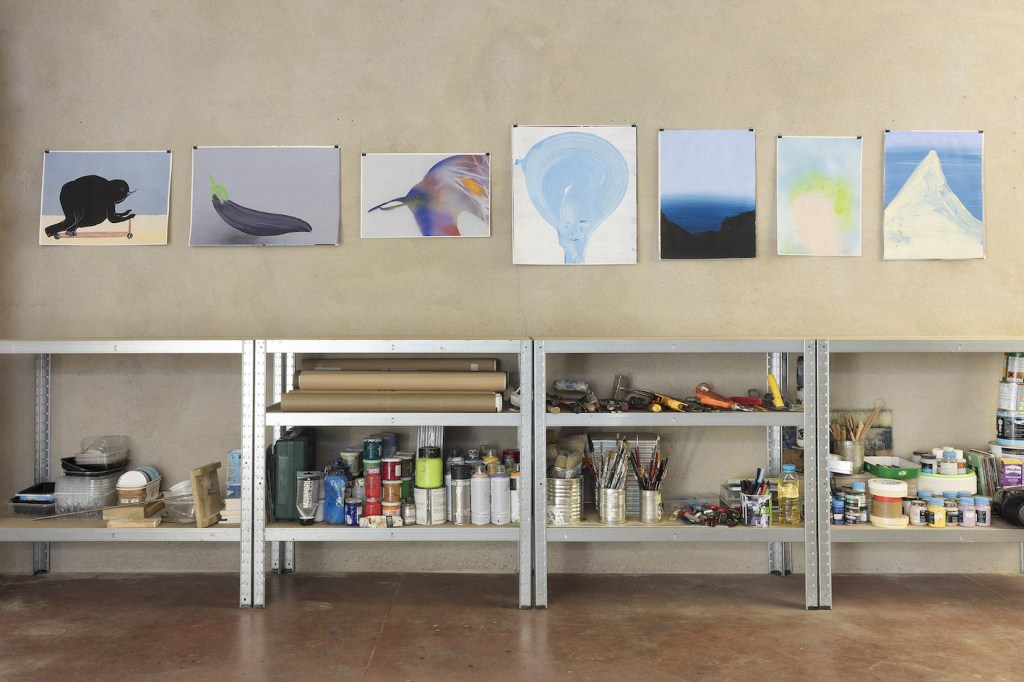
Rispetto alla quantità delle opere prodotte, il numero delle mostre o delle occasioni espositive non è mai sufficiente, non è proporzionato alla mia produzione. Si rende quindi necessario utilizzare lo studio come una forma di spazio espositivo, una sala di museo o galleria dove le opere vengono allestite, fotografate, per passare, poi ad una nuova sistemazione delle opere e organizzazione dello spazio stesso.
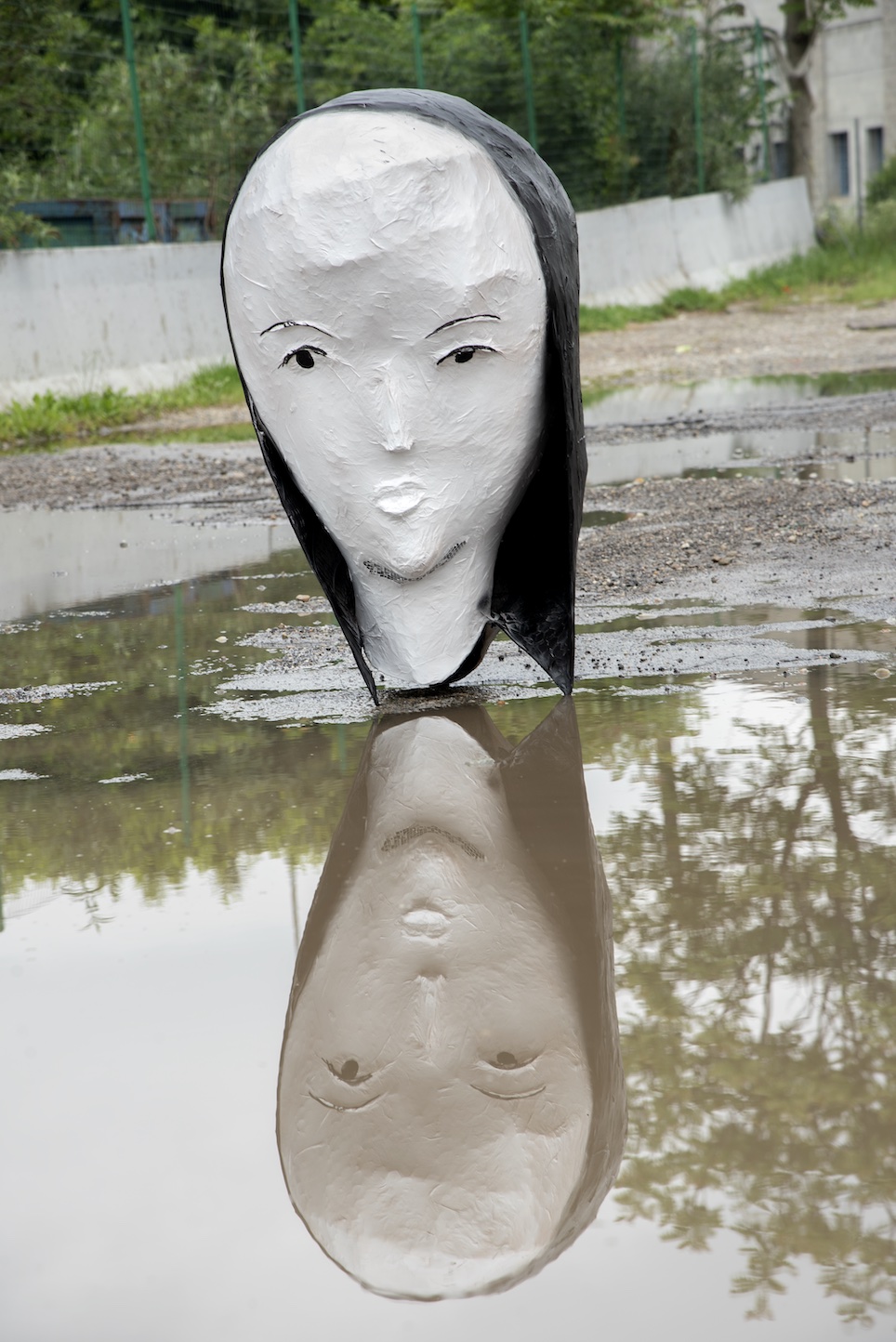
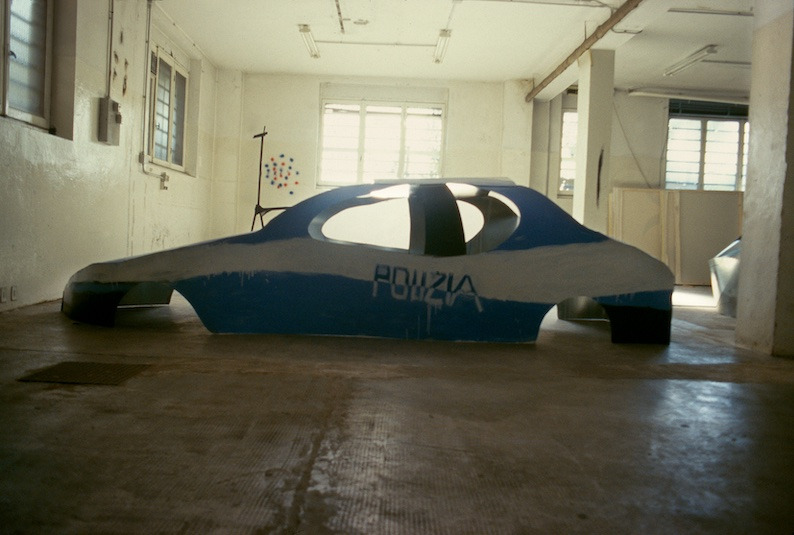
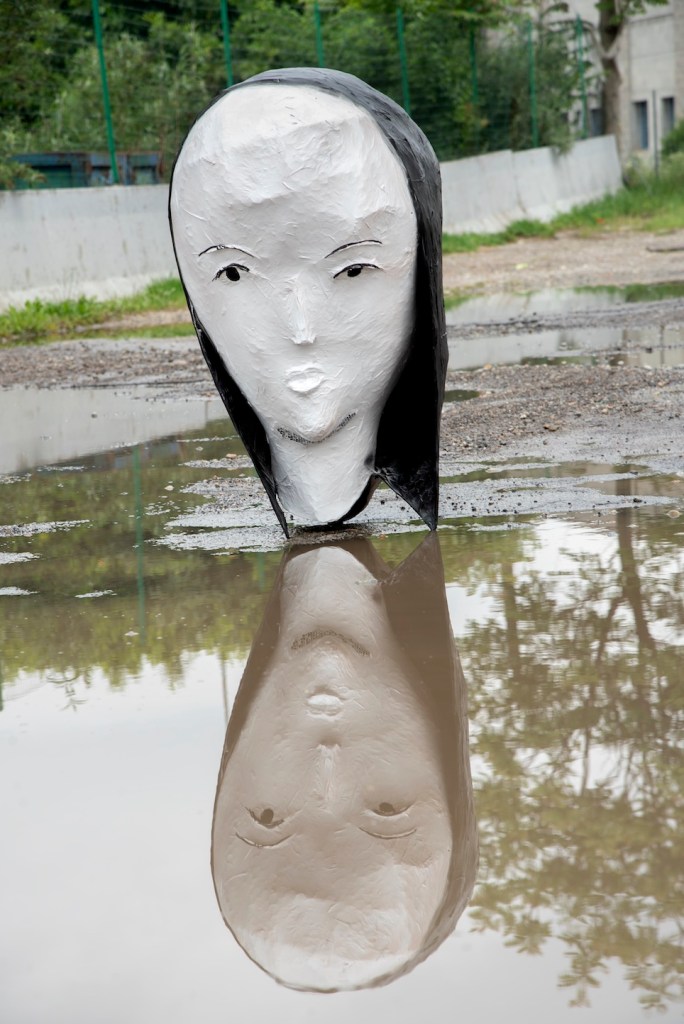
Il pubblico di queste mostre, di questi allestimenti è spesso il solo fotografo che viene a realizzare delle immagini per il mio archivio. Quando lo spazio del laboratorio non basta più, mi sposto prima nel cortile, poi nella strada, poi in giro per la città, una sorta di studio espanso, un’estensione, laboratorio/set dove allestire, fotografare. Nascono così (da una certa mancanza di spazio) le foto delle opere nello spazio urbano.
Per loro natura trovo i laboratori fascinosi, qualunque essi siano, dai falegnami ai fabbri, dai laboratori scientifici alle pasticcerie, dalle cucine alle sartorie. Mondi con oggetti e attrezzi sconosciuti che incuriosiscono a attirano. Così è per lo studio di uno scultore, di un fotografo, di chiunque abbia un spazio di lavoro.
Il laboratorio è parte integrante della vita di un artista 24 ore al giorno: quando sono lontano dall’atelier, penso più ad esso che alla casa, penso a cosa devo fare li dentro, ai materiali che devono confluirvi e, ovviamente, alla loro lavorazione.
Nel mio studio avviene un ciclo produttivo che nessuno ha ordinato o richiesto. Una produzione alla quale non corrisponde una distribuzione, lo studio è un luogo dove il prodotto può rimanere in magazzino a tempo indeterminato.
A volte passa a smuovere qualcosa un amico artista, un curatore o un collezionista. La parola studio visit mi fa pensare un po’ alla visita in ospedale. Quando viene qualcuno a trovarmi è come se venisse nella clinica nella quale sei ricoverato. Lo studio è infatti un luogo necessario per proseguire la terapia, indispensabile, della pratica.
Lo studio è anche il luogo delle “fissazioni”, idee fisse che mi assillano fino a quando non le realizzo, delle conquiste ma anche dei fallimenti.
L’artista spesso deve fare tutto da solo. Finita una mostra, un progetto, deve cominciare a inventarsi qualcosa, a promuoversi, a scrivere, fotografare, viaggiare, dare visibilità al lavoro. In fondo, lo studio è anche l’ufficio, il luogo della condivisione dei progetti ma anche della solitudine (necessaria, quando si lavora).
Insomma, lo studio non è una cosa sola, è il grembo, è il luogo dove mi nascondo per uscire allo scoperto e nascere con le opere.
English text
In the studio of Filippo La Vaccarra
#paroladartista #artiststudio #filippolavaccara
The studio is not always the same space, it changes every day together with the artist and his works. Yet this place, so important and sometimes difficult to manage, represents for me a fixed point, a refuge, a factory, a vault.
For me, my studio is not only the workshop where works are on site and born, it is often also a rehearsal room when I experiment, a studio when I photograph works or a set for video shoots, a waiting room when I am not producing and thinking, reading, studying, but also a dining room to meet friends and sometimes even drink and eat together.
Compared to the quantity of works produced, the number of exhibitions or exhibition occasions is never sufficient, it is not proportionate to my production. It is therefore necessary to use the studio as a form of exhibition space, a museum or gallery room where the works are set up, photographed, and then move on to a new arrangement of the works and organisation of the space itself.
The audience for these exhibitions, these set-ups, is often the only photographer who comes to make images for my archive. When the workshop space is no longer enough, I move first to the courtyard, then to the street, then around the city, a sort of expanded studio, an extension, workshop/set where I set up, photograph.
This is how (from a certain lack of space) photos of works in urban space came about.
By their very nature I find workshops fascinating, whatever they may be, from carpenters to blacksmiths, from science labs to bakeries, from kitchens to tailors. Worlds with unknown objects and tools that intrigue and attract. So it is with the studio of a sculptor, a photographer, anyone with a work space.
The workshop is an integral part of an artist’s life 24 hours a day: when I am away from the studio, I think more about it than the house, I think about what I have to do in there, the materials that have to flow into it and, of course, their processing.
A production cycle takes place in my studio that no one has ordered or requested. A production to which there is no corresponding distribution, the studio is a place where the product can remain in stock indefinitely.
Sometimes an artist friend, a curator or a collector comes by to stir something up. The word studio visit makes me think a bit of a hospital visit. When someone comes to visit, it is like coming to the clinic you are in. The studio is indeed a necessary place to continue the therapy, which is indispensable, of the practice.
The studio is also the place of ‘fixations’, fixed ideas that nag at me until I realise them, of achievements but also of failures.
The artist often has to do everything himself. After finishing an exhibition, a project, he has to start inventing something, promoting himself, writing, photographing, travelling, giving visibility to his work. After all, the studio is also the office, the place for sharing projects but also for solitude (necessary, when working).
In short, the studio is not just one thing, it is the womb, it is the place where I hide to come out into the open and be born with works.



 paroladartista.com