
#paroladartista #intervistacuratore #michelaeremita #raggioverde
▼scroll down for English text
Parola d’Artista: Che cos’è Raggioverde?
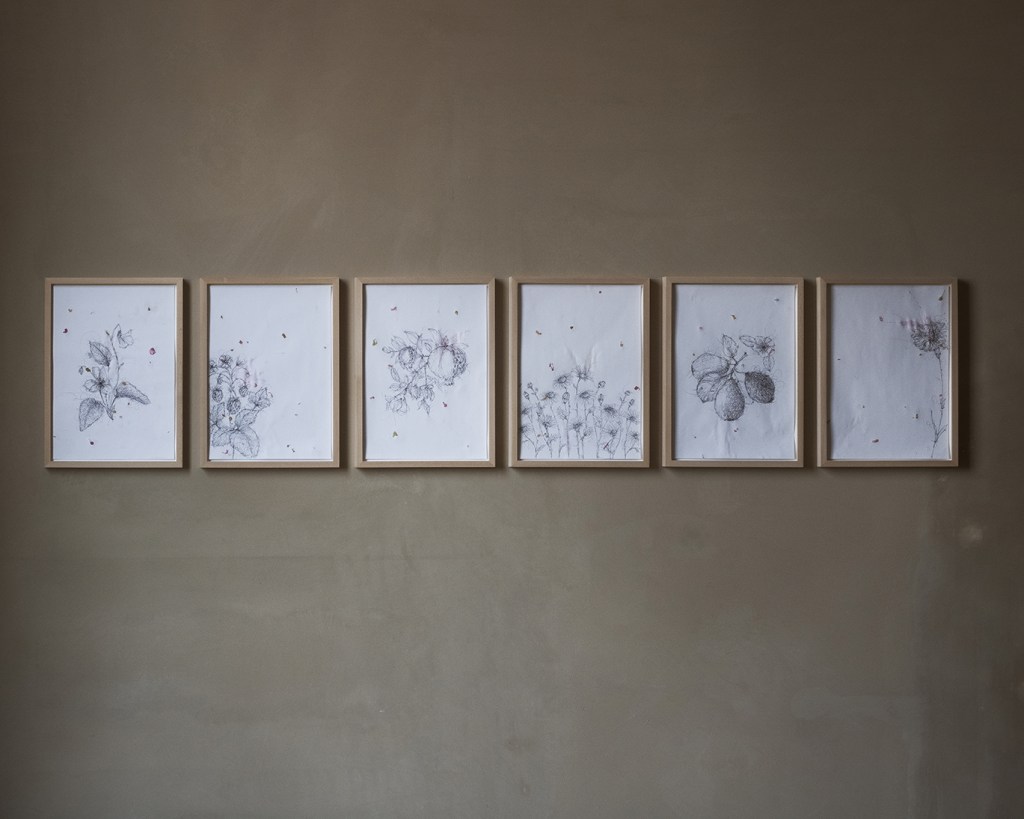
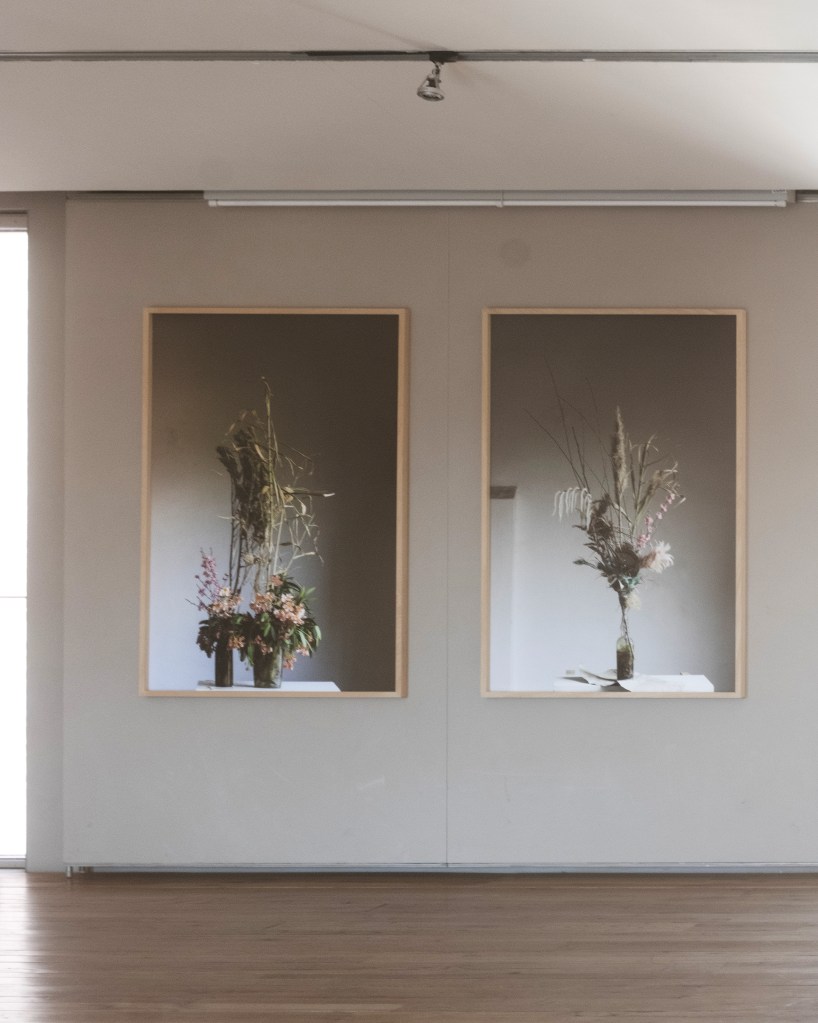
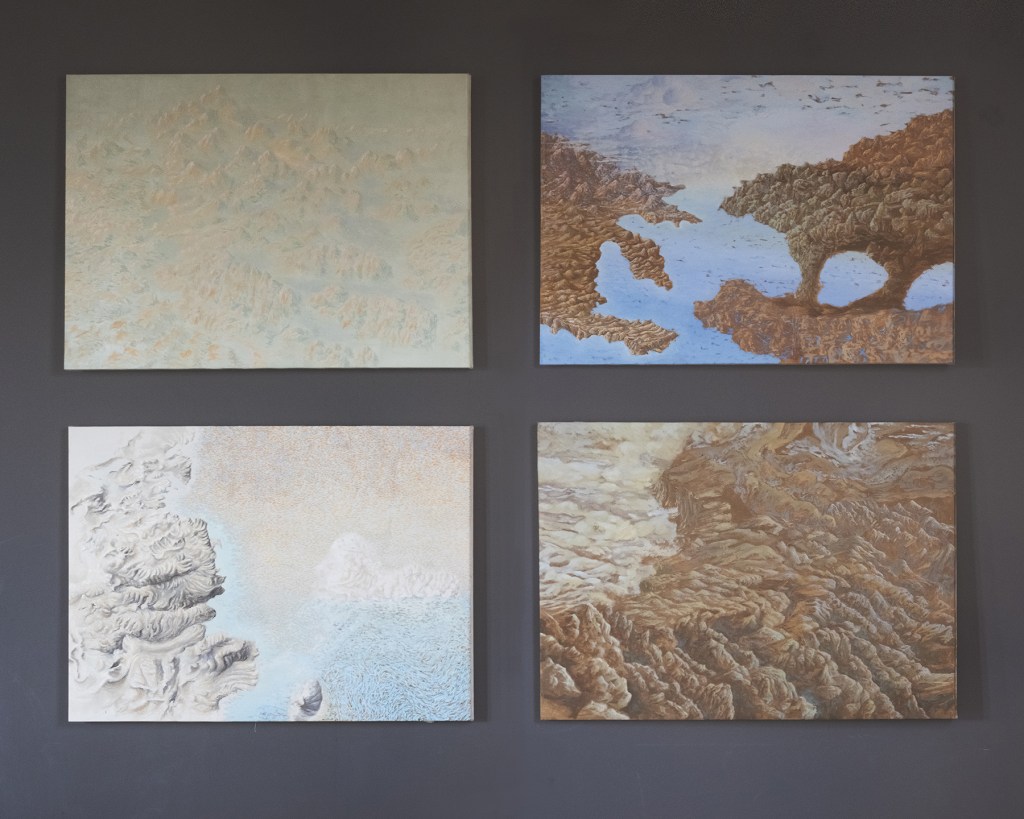
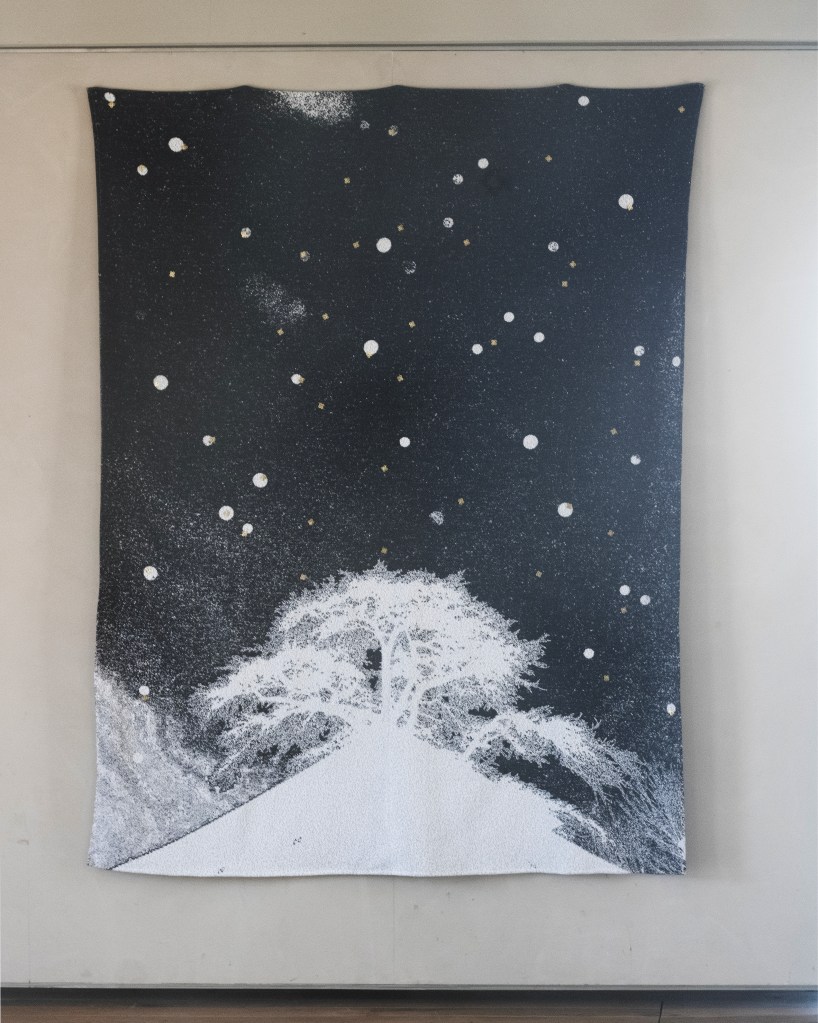
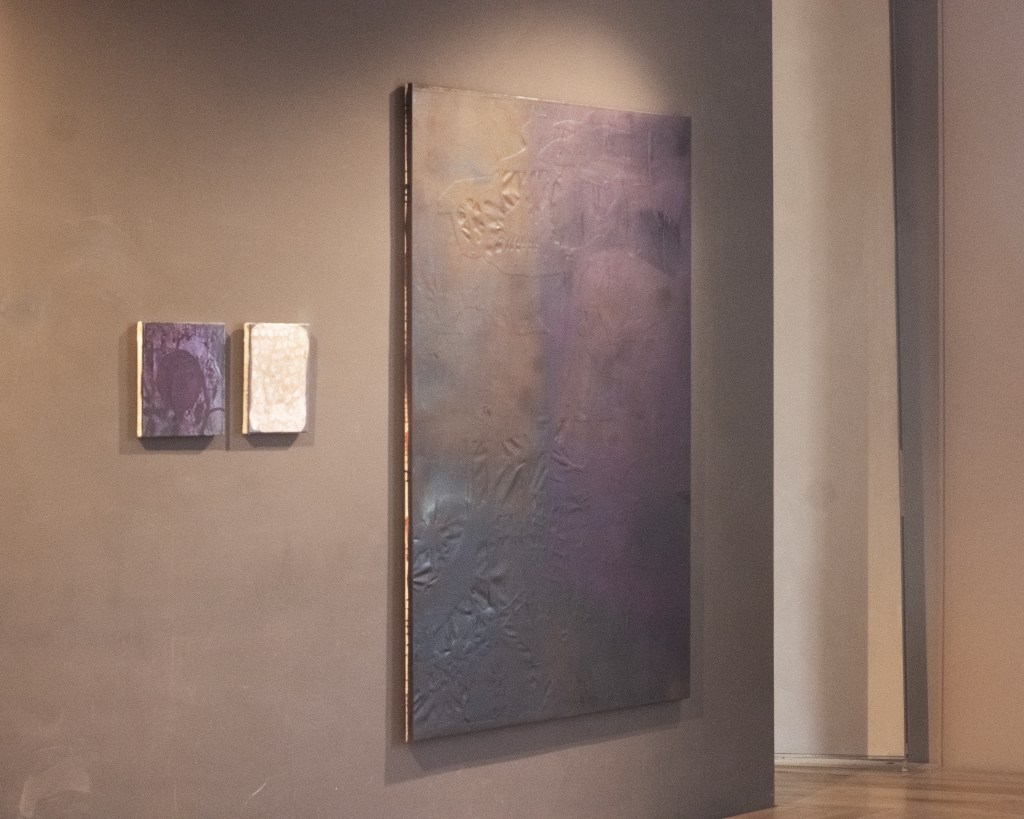
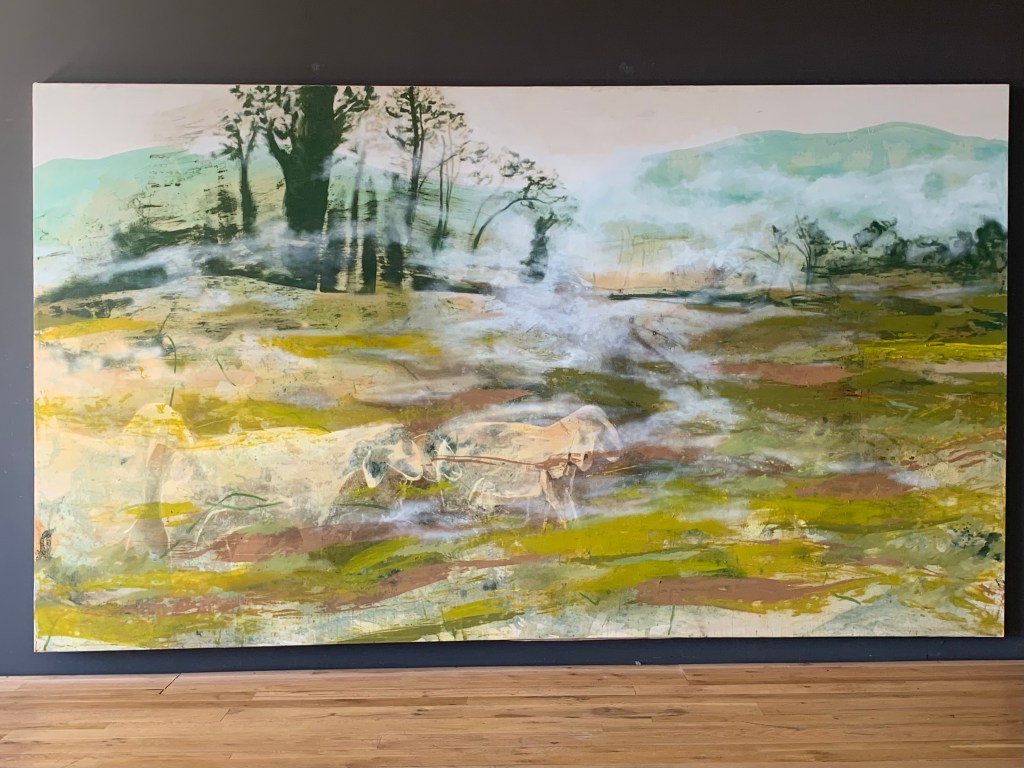
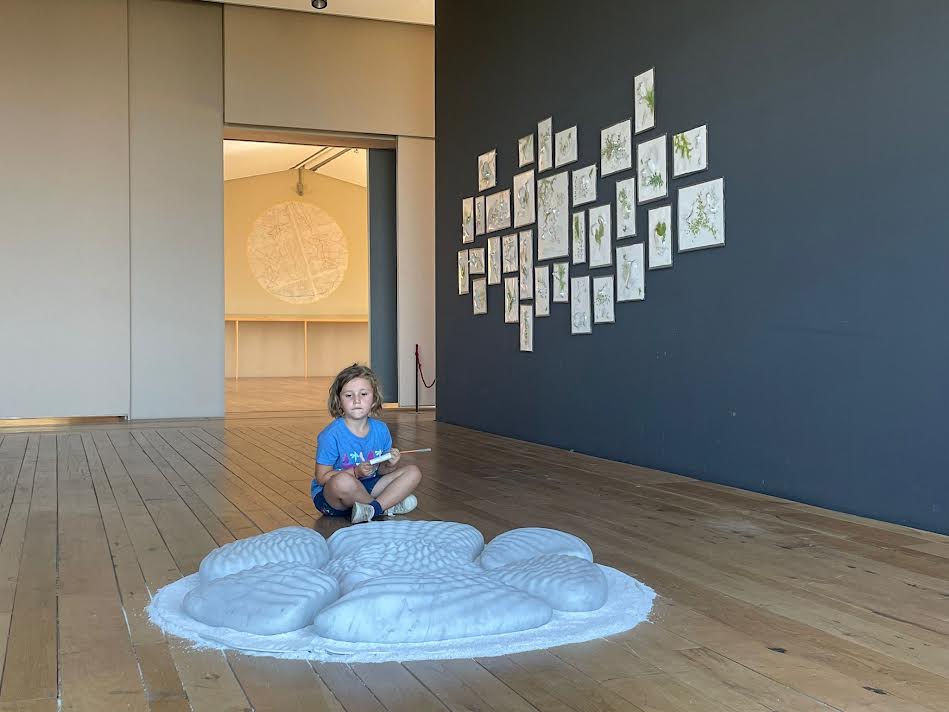
Michela Eremita: Raggioverde è una mostra che nasce come episodio di un percorso e di un processo con al centro la cura del paesaggio. Per questo obiettivo sono stati coinvolti 23 artisti ed alcuni ricercatori dell’Università di Siena che hanno partecipato alla discussione in vari modi e livelli di approfondimento.
Il titolo RAGGIOVERDE dato all’esposizione allude al fenomeno naturale (il balenìo verde ravvisabile all’orizzonte al tramontare del sole) e all’interpretazione emotiva del fenomeno stesso. Non a caso sul medesimo fenomeno si sono cimentati noti autori come il regista Éric Rohmer e lo scrittore di fantascienza Jules Verne.
Parola d’Artista: Come nasce e come si articola nel tempo e negli spazi RaggioVerde?
Michela Eremita:L’esposizione nasce dal 2022 dall’appuntamento Workshop sul paesaggio: idee, pratiche, esercizi dell’arte a cui hanno partecipato artisti di più generazioni e di varie parti d’Italia, per confrontarsi sulle tematiche del paesaggio, sulla diversità, sulla sostenibilità e sulle risorse dal punto di vista scientifico ed artistico. L’esperienza si è ripetuta anche a febbraio 2023 per poi giungere alla mostra.
L’esposizione non è un fenomeno concluso ma solo una tappa che vede i soggetti coinvolti a sviluppare un apporto concreto alla discussione. Oltre agli spazi dedicati all’iniziativa nel Complesso museale del Santa Maria della Scala il programma ha coinvolto altre sedi di ricerca di Siena: l’Orto Botanico, la Sala botanica dell’Accademia dei Fisiocritici e il Museo Nazionale dell’Antartide. Presso le sedi citate ci sono testimonianze ed interventi degli artisti.
Parola d’Artista: Che importanza ha la dimensione relazionale in questo progetto?
Michela Eremita:Un obiettivo individuato fin da subito, anche scontato, è stato quello di non pensare di risolvere con la propria relativa conoscenza la questione “cura del paesaggio” ma trovare nelle competenze degli altri, in questo caso soprattutto scientifiche, un arricchimento della discussione. Artisti ad esempio come Bernardo Giorgi, Luca Pancrazzi, Michele Guido, Marco Acquafredda, Debora Hirsch, Serena Fineschi hanno già individuato l’ambito di relazione e confronto con gli spazi diversi (coinvolti nella discussione) da quelli del museo Santa Maria della Scala. Elena El Asmar ha narrato il suo impatto con i luoghi in una narrazione che riporta la memoria emotiva e fisica… Altre artiste e artisti, anche se hanno individuato l’ambito, sono in fase attualmente in fase di studio. Si prevedono altri funzionali per le rispettive ricerche. Gli interventi sono e saranno diversi – per fortuna – perché i linguaggi e le ricerche degli artisti sono molteplici, di conseguenza anche le singole fasi di lavoro. L’idea è prendere tempo per la ricerca e la progettazione. Interventi che presuppongono la relazione hanno come presupposto il tempo, un tempo lungo. Questo aspetto colloca l’artista nella necessità di conoscere il luogo e le sue necessità. Diciamo che il tempo lungo è necessario per far nascere qualcosa che abbia un suo radicamento e successivo sviluppo. Non ci sono soluzioni già appurate, ma slancio verso le possibilità. Sappiamo che i progetti/programmi sono molto delicati e fragili, perché oltre alle idee (e quelle certo non mancano) necessitano di accudimento e sostegno (cura) da parte di tutti gli attori coinvolti, dalle istituzioni alle personalità artistiche, scientifiche e altro. Bisogna credere insomma nel programma e non risolversi con l’evento. Bisogna aver cura…
Artisti invitati: Marco Acquafredda, Luisa Badino, Chiara Bettazzi, Alessandro Bevilacqua, Loris Cecchini, Valentina Cima, Francesco De Grandi. Flavio de Marco, Elena El Asmar, Bernardo Giorgi, Michele Guido, Hetty Ann Laycock, Federico Lupo, Elisabetta Marino, Luca Pancrazzi. Pierluigi Pusole, Rob Van Den Berg, Riccardo Vicentini, Francesco Zanatta, Federica Zanlucchi, Serena Fineschi, Debora Hirsch, Sophie Ko
English text
Raggioverde conversation with project curator Michela Eremita.
#paroladartista #interviewcurator #michelaeremita #raggioverde
Parola d’Artista: What is Raggioverde?
Michela Eremita: Raggioverde is an exhibition that was created as an episode of a path and a process with the care of the landscape at its centre. To this end, 23 artists and some researchers from the University of Siena were involved in the discussion in various ways and at various levels.
The title RAGGIOVERDE (Green Ray) given to the exhibition alludes to the natural phenomenon (the green flashing that can be seen on the horizon at sunset) and the emotional interpretation of the phenomenon itself. It is no coincidence that well-known authors such as the film director Éric Rohmer and the science fiction writer Jules Verne have tackled the same phenomenon.
Parola d’Artista: How does RaggioVerde come into being and how is it articulated in time and space?
Michela Eremita: The exhibition stems from the 2022 Landscape Workshop: ideas, practices, art exercises in which artists of several generations and from various parts of Italy took part, to discuss landscape issues, diversity, sustainability and resources from a scientific and artistic point of view. The experience was repeated again in February 2023, leading up to the exhibition.
The exhibition is not a finished phenomenon, but only a stage in which those involved develop a concrete contribution to the discussion. In addition to the spaces dedicated to the initiative in the Santa Maria della Scala Museum Complex, the programme involved other research venues in Siena: the Botanical Garden, the Botanical Hall of the Accademia dei Fisiocritici and the National Museum of Antarctica. At the aforementioned venues there are testimonies and interventions by artists.
Parola d’Artista: How important is the relational dimension in this project?
Michela Eremita: An objective that was identified from the outset, even taken for granted, was not to think of solving the issue of “landscape care” with one’s own relative knowledge, but to find in the competences of others, in this case especially scientific ones, an enrichment of the discussion. Artists such as Bernardo Giorgi, Luca Pancrazzi, Michele Guido, Marco Acquafredda, Debora Hirsch, and Serena Fineschi, for example, have already identified the area of relationship and confrontation with spaces other (involved in the discussion) than those of the Santa Maria della Scala museum. Elena El Asmar has narrated her impact with the places in a narrative that brings back emotional and physical memory… Other artists, although they have identified the sphere, are currently in the study phase. Others are expected to be functional for their respective research. The interventions are and will be diverse – fortunately – because the languages and researches of the artists are multiple, consequently also the individual work phases. The idea is to take time for research and planning. Interventions that presuppose the relationship have time, a long time. This aspect places the artist in the need to know the place and its needs. Let us say that long time is necessary for something to take root and subsequently develop. There are no already established solutions, but momentum towards possibilities. We know that projects/programmes are very delicate and fragile, because in addition to ideas (and there is no shortage of those) they require care and support (care) from all those involved, from institutions to artistic, scientific and other personalities. In short, one must believe in the programme and not resolve with the event. One must take care…
Invited artists: Marco Acquafredda, Luisa Badino, Chiara Bettazzi, Alessandro Bevilacqua, Loris Cecchini, Valentina Cima, Francesco De Grandi. Flavio de Marco, Elena El Asmar, Bernardo Giorgi, Michele Guido, Hetty Ann Laycock, Federico Lupo, Elisabetta Marino, Luca Pancrazzi. Pierluigi Pusole, Rob Van Den Berg, Riccardo Vicentini, Francesco Zanatta, Federica Zanlucchi, Serena Fineschi, Debora Hirsch, Sophie Ko



 paroladartista.com