

▼Scroll for English version
#paroladartista #intervistaartista #tizianobellomi
Gabriele Landi: Per la maggior parte degli artisti l’infanzia rappresenta l’età dell’oro quella in cui cominciano a manifestarsi i primi sintomi di una certa propensione ad appartenere al mondo dell’arte. E’ stato così anche per te? Racconta?
Tiziano Bellomi: Si! Ero molto interessato alla pittura rinascimentale, che avevo scoperto grazie ad una raccolta di libri d’arte presente nella libreria di casa, ricordo che all’età di undici anni cercavo di copiare dei particolari da dei dipinti del Caravaggio.
G.L.: Hai continuato ad esercitarti con le copie a lungo?
T.B.: Il mio iter scolastico è stato diciamo un pò travagliato: gli anni dell’adolescenza li ho trascorsi in un collegio, dove c’era un insegnante che teneva anche dei corsi di pittura, fu in quell’aula, in quell’ambiente che ho imparato a dipingere usando l’olio e ho continuato il mio esercizio di copia spingendo i miei interessi fino agli impressionisti; i pomeriggi trascorsi a dipingere credo siano i ricordi più belli e vividi di quegli anni passati in collegio e sicuramente sono stati per me formativi.
G.L.: In seguito come sono andate avanti le cose?
T.B.: Dopo l’iscrizione al classico e l’anno dopo a geometra, alla fine arrivo al liceo artistico, poi al primo anno alla facoltà di architettura e infine all’accademia di belle arti con indirizzo pittura; nel mezzo di questo percorso scolastico, senza tralasciare mai il disegno e la pittura, ho anche fatto il servizio militare come volontario e inoltre mi sono sposato con la mia compagna Laura e assieme abbiamo fatto il nostro primo figlio: diciamo che ero giovane e pieno di iniziative.
G.L.: Ci sono stati degli incontri importanti che hanno lasciato il segno in questi anni?
T.B.: Ho avuto il piacere di incontrare molti artisti, geograficamente da tutta Italia, i quali hanno contribuito con la loro amicizia, con il loro sostegno e soprattutto attraverso il dialogo, a creare in me una maggiore fiducia nel mio lavoro, a volte anche creando dei rapporti conflittuali, specie nei confronti della ricerca in merito a temi inerenti alla contemporaneità.
Ho sempre cercato di creare dei rapporti con tutti gli artisti dei quali apprezzo il loro lavoro, credo che solo attraverso l’interazione con gli altri e il confronto si raggiunga una migliore comprensione della ricerca contemporanea.
G.L.: Lo credo anche io. Chi sono gli artisti con cui ti confronti attualmente?
T.B.: Da tempo ho un confronto e una collaborazione molto stretta con un artista e curatore di Torre del Greco, Piero Chiariello, ma anche con l’artista Vittorio Asteriti di Crotone che vive e lavora a Roma, o Marco Ferri di Tarquinia, mentre sono stato a far visita recentemente a Marco Colazzo a Roma che stimo molto, e da sempre guardo con interesse Mirco Marchelli di Ovada, Alessandria, un artista che ho anche avuto il piacere di incontrare nel suo studio, anche l’amico Giulio Zanet del quale stimo molto la sua pittura: in realtà sono molti gli artisti dei quali seguo il lavoro e tra i tanti non posso non citare Sean Scully e Brice Marden.
G.L.: La tua pittura come si è dispiegata nel tempo?
T.B.: Anche con la pittura come con il mio iter scolastico ho avuto un difficile rapporto: l’ho sempre praticata, ho convissuto con lei, ma è sempre stato un rapporto piuttosto conflittuale, tanto che per un periodo di circa tre o quattro anni ci eravamo separati, vedendoci solo raramente, poi ci siamo rivisti e adesso, da anni, è ritornata al centro del mio interesse e devo dire che mi trovo molto bene assieme a lei.
G.L.: Che importanza ha per te la dimensione verticale nel tuo lavoro?
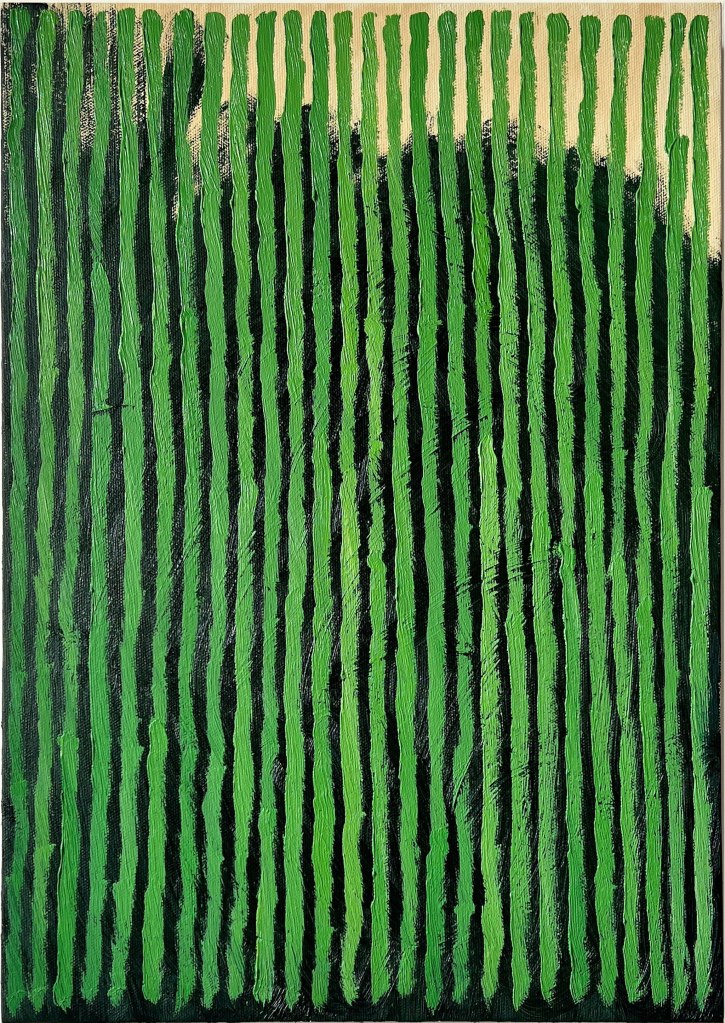
T.B.: Il nostro pianeta è diviso in linee verticali immaginarie denominate meridiani, che determinano anche il cambio dell’orario: se immaginiamo un obelisco lo intendiamo verticale, anche una colonna quando è verticale, la percepiamo come una forma consona, se invece la vediamo a terra, diciamo che è caduta; l’orizzonte ha a che fare con la natura con il paesaggio e quindi comunica un’idea del deperibile, il verticale a mio parere coincide con una idea di eternità, ecco forse mi piacciono questi concetti.
G.L.: Ti interessa anche l’idea di sublime?
T.B.: L’estetica del sublime è generalmente attribuita ai pittori romantici, alla pittura carica di mistero e di sensazioni forti di William Turner, credo che il sublime coincida con le sensazioni che invadono l’animo umano di fronte a fenomeni naturali grandiosi. Ecco, io casomai colloco il mio lavoro in un opposto, perché in merito alla pittura, credo che occorra una nuova espressione, una nuova pittura, leggera, piacevole, dove l’aspetto aulico contenuto nella parola opera d’arte venga considerato come sorpassato, obsoleto!
Una pittura capace di emozionare per la sua semplicità, riscoprendo anche l’aspetto decorativo, il colore, con dei contenuti leggeri, facili.
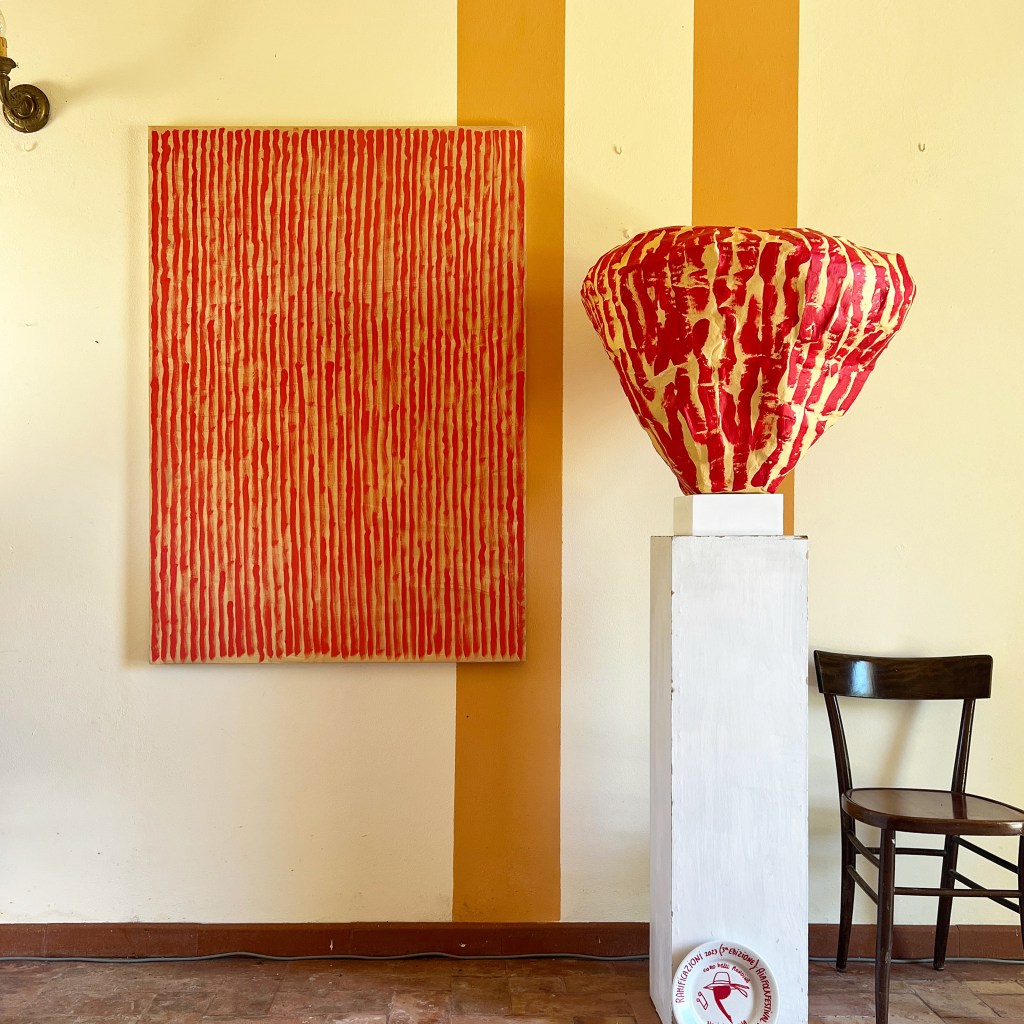
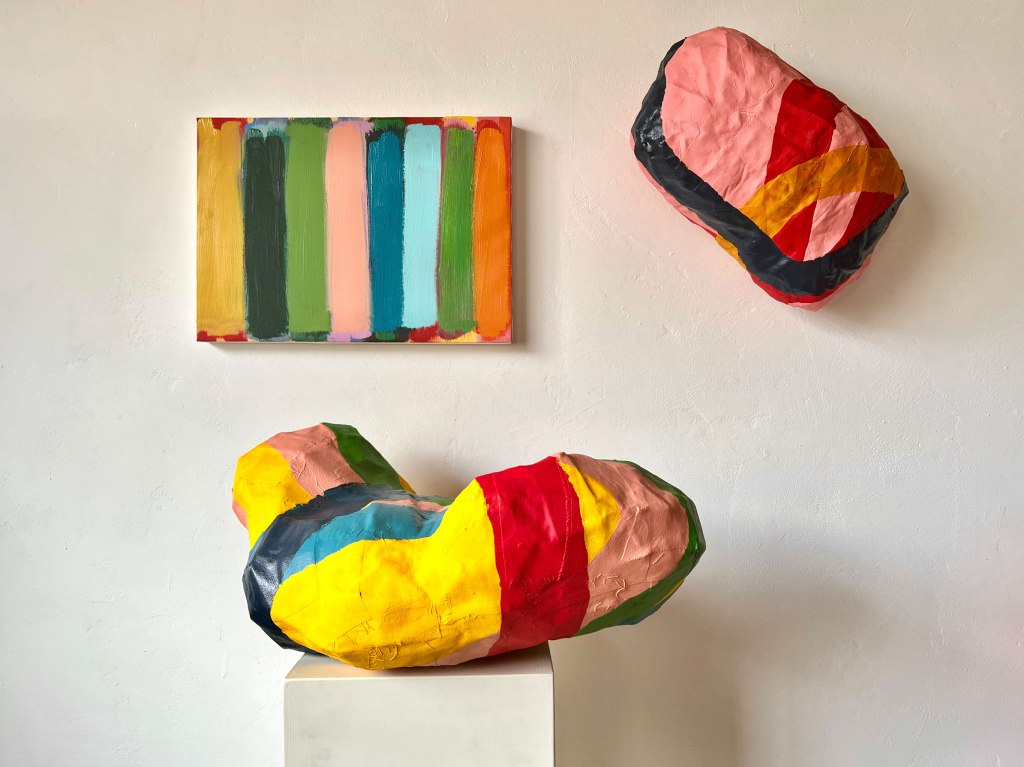
G.L.: Tuttavia il tuo lavoro mi sembra attraversato da delle tensioni. Le tue linee sono il risultato di diverse sovrapposizioni di cui lasci vedere gli strati sottostanti. Ci sono poi le sculture che sembrano cercare un rapporto con lo spazio e fra loro o con i dipinti, spesso avvitandosi su se stesse, come se fossero corpi che si presentano nello spazio con una prepotente fisicità. Tutto questo mi sembra sottendere a possibili altre letture. Tu che ne dici?
T.B.: La pittura esprime sempre il conflitto che si genera tra la tecnica stessa e il suo esecutore, la pittura sempre lascia intravedere la tensione che si genera durante il processo pittorico, la pittura è si finzione ma è estremamente sincera, non si può fingere di dipingere perché ciò risulta evidente; credo di essere pittore anche nelle mie sculture policrome, si tratta di pittura adattata a dei volumi; poi sicuramente ci sono spazi di lettura diversi, in realtà cosa il mio lavoro comunica con i fruitori visivi non lo conosco, è un dialogo che si instaura tra loro due e credo che sia differente come lo sono le identità personali.
G.L.: Sei interessato all’idea di messa in scena?
T.B.: L’arte come la religione è una invenzione dell’uomo e per essere tale ha bisogno di un atto di fede, cioè credere in essa ed essere rappresentata; Il complesso delle attività con cui l’opera dell’autore è portata a vivere sul palcoscenico, le fiere, le esposizioni, sono una parte importante del lavoro di un’artista. Personalmente non amo vivere di relazioni, mi trovo a mio agio nel comfort del mio studio, ma avverto l’importanza di far uscire il lavoro dalle mie stanze per presentarlo ad altri.
G.L.: Come procedi quando lavori, progetti o segui di più l’aspetto istintivo?
T.B.: Guardando il mio lavoro si potrebbe pensare ad una metodica molto progettuale, una ricerca minimalista, e pur essendo vero che sono giunto a questo modo di dipingere attraverso una continua sottrazione e quindi con l’uso della ragione, credo però che l’apporto del mio inconscio, dell’istinto sia molto presente, nel tipo di segno, nella scelta di un timbro di colore, nel gesto stesso; ma forse è proprio la pittura che non può essere solo il risultato di un progetto, ma che conserva la memoria del gesto e della persona.
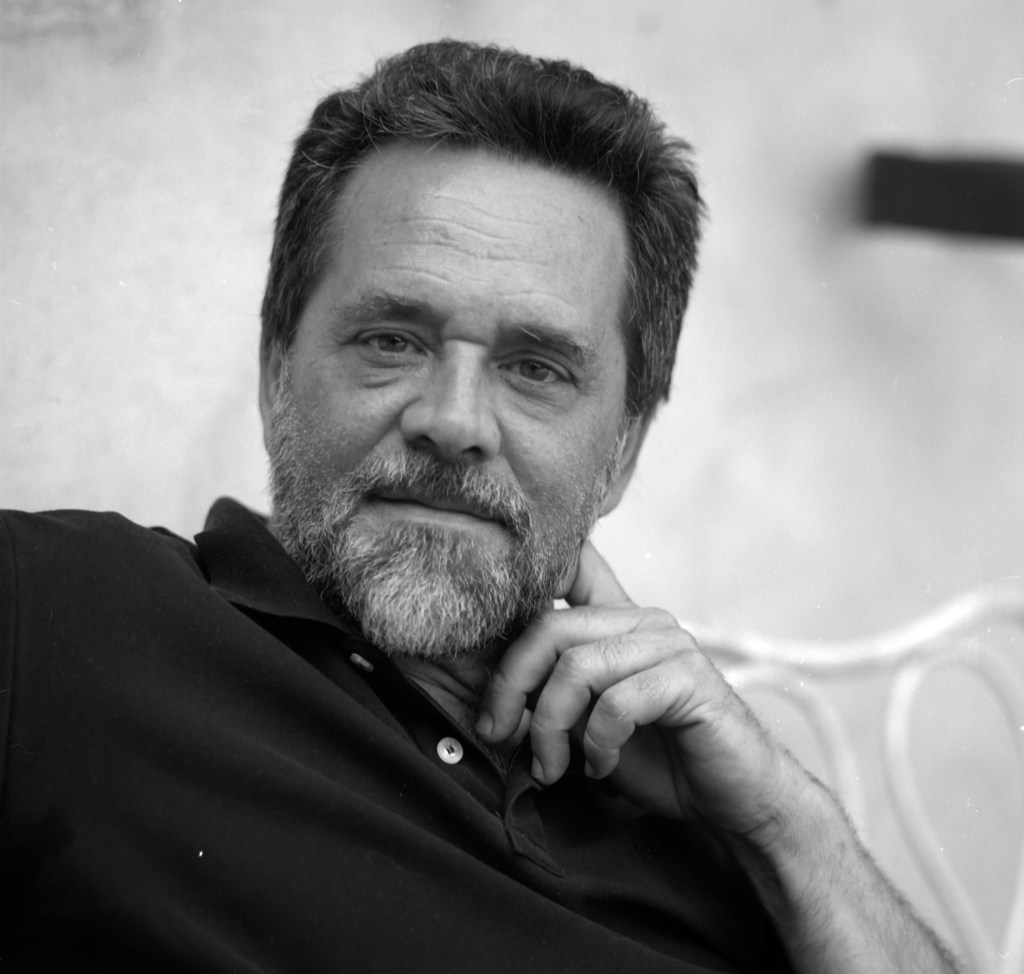
Tiziano Bellomi (Verona, 1960)
Vive e lavora a Verona.
Diplomato al Liceo Artistico Statale di Verona, alla Scuola Internazionale di Grafica di Venezia e in Discipline Pittoriche presso l’Accademia di Belle Arti “G.B. Cignaroli” di Verona, usa pittura, disegno, fotografia, video, incisione, scultura e installazioni per la sua ricerca artistica. Ha partecipato a esposizioni personali e collettive in musei e gallerie italiane e all’estero.
Il mio primo ricordo è di un’anatra che mi cercava e mi seguiva nel cortile di casa.
Le persone che mi hanno influenzato di più sono state un sarto che faceva anche il barbiere e aveva sempre delle storie molto interessanti e un amico Paolo.
Prima di dormire penso a forme simili a macchie colorate di giallo, come un tappeto dai contorni irregolari, che fluttuano e lentamente scompaiono all’orizzonte.
English version
Interview with Tiziano Bellomi
#wordartist #interviewartist #tizianobellomi
Gabriele Landi: For most artists, childhood represents the golden age when the first symptoms of a certain propensity to belong to the art world begin to appear. Was that the case for you too? Do tell?
Tiziano Bellomi: Yes! I was very interested in Renaissance painting, which I had discovered thanks to a collection of art books in my home library, I remember that at the age of eleven, I was trying to copy details from Caravaggio paintings.
G.L.: Did you continue to practise copying for a long time?
T.B.: My scholastic career was, let’s say, a bit troubled: I spent my adolescent years in a boarding school, where there was a teacher who also held painting courses; it was in that classroom, in that environment that I learnt to paint using oil and I continued my exercise of copying, pushing my interests as far as the Impressionists; the afternoons spent painting, I think, are the most beautiful and vivid memories of those years spent in boarding school and they were certainly formative for me.
G.L.: How did things go on after that?
T.B.: After enrolling in classical studies and the following year in geometry, I finally got to art school, then to the first year at the Faculty of Architecture and finally to the Academy of Fine Arts where I specialised in painting; in the middle of this schooling, without ever neglecting drawing and painting, I also did my military service as a volunteer and also got married to my partner Laura and together we had our first child: let’s say I was young and full of initiative.
G.L.: Were there any important encounters that left their mark during these years?
T.B.: I have had the pleasure of meeting many artists, geographically from all over Italy, who have contributed with their friendship, their support, and above all through dialogue, to create in me greater confidence in my work, sometimes even creating conflictual relationships, especially with regard to research on contemporary themes.
I have always tried to create relationships with all artists whose work I appreciate, I believe that it is only through interaction with others and confrontation that a better understanding of contemporary research can be achieved.
G.L.: I believe that too. Who are the artists you currently compare yourself with?
T.B.: G.L.: For some time now, I have had a very close comparison and collaboration with an artist and curator from Torre del Greco, Piero Chiariello, but also with the artist Vittorio Asteriti from Crotone who lives and works in Rome, or Marco Ferri from Tarquinia, while I recently visited Marco Colazzo in Rome whom I respect very much, and I have always been interested in Mirco Marchelli from Ovada, Alessandria, an artist I also had the pleasure of meeting in his studio, and my friend Giulio Zanet whose painting I also respect very much: actually there are many artists whose work I follow, and among the many I cannot fail to mention Sean Scully and Brice Marden.
G.L.: How has your painting unfolded over time?
T.B.: With painting, as with my schooling, I have had a difficult relationship: I have always practised it, I have cohabited with it, but it has always been a rather conflictual relationship, so much so that for a period of about three or four years we had separated, seeing each other only rarely, then we saw each other again and now, for years, it has returned to the centre of my interest and I must say that I get on very well with it.
G.L.: How important is the vertical dimension for you in your work?
T.B.: Our planet is divided into imaginary vertical lines called meridians, which also determine the change of time: if we imagine an obelisk, we think of it as vertical, even a column when it is vertical, we perceive it as a consonant form, but if we see it on the ground, we say it has fallen; the horizon has to do with nature and the landscape and therefore communicates an idea of the perishable, the vertical in my opinion coincides with an idea of eternity, so perhaps I like these concepts.
G.L.: Are you also interested in the idea of the sublime?
T.B.: The aesthetics of the sublime is generally attributed to the romantic painters, to William Turner’s painting full of mystery and strong sensations, I believe that the sublime coincides with the sensations that invade the human soul when faced with grandiose natural phenomena. If anything, I place my work in an opposite direction, because as far as painting is concerned, I believe that a new expression is needed, a new painting, light, pleasant, where the courtly aspect contained in the word ‘work of art’ is considered outdated, obsolete!
A painting that is able to excite by its simplicity, rediscovering also the decorative aspect, the colour, with light, easy content.
G.L.: However, your work seems to me to be crossed by tensions. Your lines are the result of several superimpositions of which you let the underlying layers show. Then there are the sculptures that seem to seek a relationship with the space and with each other or with the paintings, often twisting on themselves, as if they were bodies that present themselves in space with an overbearing physicality. All this seems to me to imply other possible readings. What do you think?
T.B.. : Painting always expresses the conflict that is generated between the technique itself and its performer, painting always allows a glimpse of the tension that is generated during the painting process, painting is fiction, but it is extremely sincere, you cannot pretend to paint because this is evident; I believe that I am also a painter in my polychrome sculptures, it is painting adapted to volumes; then there are certainly different reading spaces, in reality what my work communicates with the visual users I do not know, it is a dialogue that is established between the two of them and I believe it is as different as personal identities are.
G.L.: Are you interested in the idea of staging?
T.B.: Art, like religion, is an invention of man and to be such it needs an act of faith, that is, to believe in it and to be represented; the complex of activities by which the author’s work is brought to life on stage, the fairs, the exhibitions, are an important part of an artist’s work. Personally, I do not like living from relationships, I am comfortable in the comfort of my studio, but I feel the importance of bringing work out of my rooms to present it to others.
G.L.: How do you proceed when you work, do you design or do you follow the instinctive aspect more?
T.B.: Looking at my work, one might think of a very project-oriented method, a minimalist research, and although it is true that I have arrived at this way of painting through continuous subtraction and therefore with the use of reason, I believe however that the contribution of my unconscious, of instinct is very present, in the type of sign, in the choice of a colour timbre, in the gesture itself; but perhaps it is precisely painting that cannot be just the result of a project, but that preserves the memory of the gesture and the person.
Tiziano Bellomi (Verona, 1960)
He lives and works in Verona.
A graduate of the Liceo Artistico Statale in Verona, the Scuola Internazionale di Grafica in Venice and in Pictorial Disciplines at the Accademia di Belle Arti ‘G.B. Cignaroli’ in Verona, he uses painting, drawing, photography, video, engraving, sculpture and installations for his artistic research. He has participated in solo and group exhibitions in museums and galleries in Italy and abroad.
My first memory is of a duck looking for me and following me in the backyard.
The people who influenced me the most were a tailor who was also a barber and always had very interesting stories and a friend Paolo.
Before going to sleep, I think of shapes similar to yellow-coloured spots, like a carpet with irregular contours, floating and slowly disappearing over the horizon.
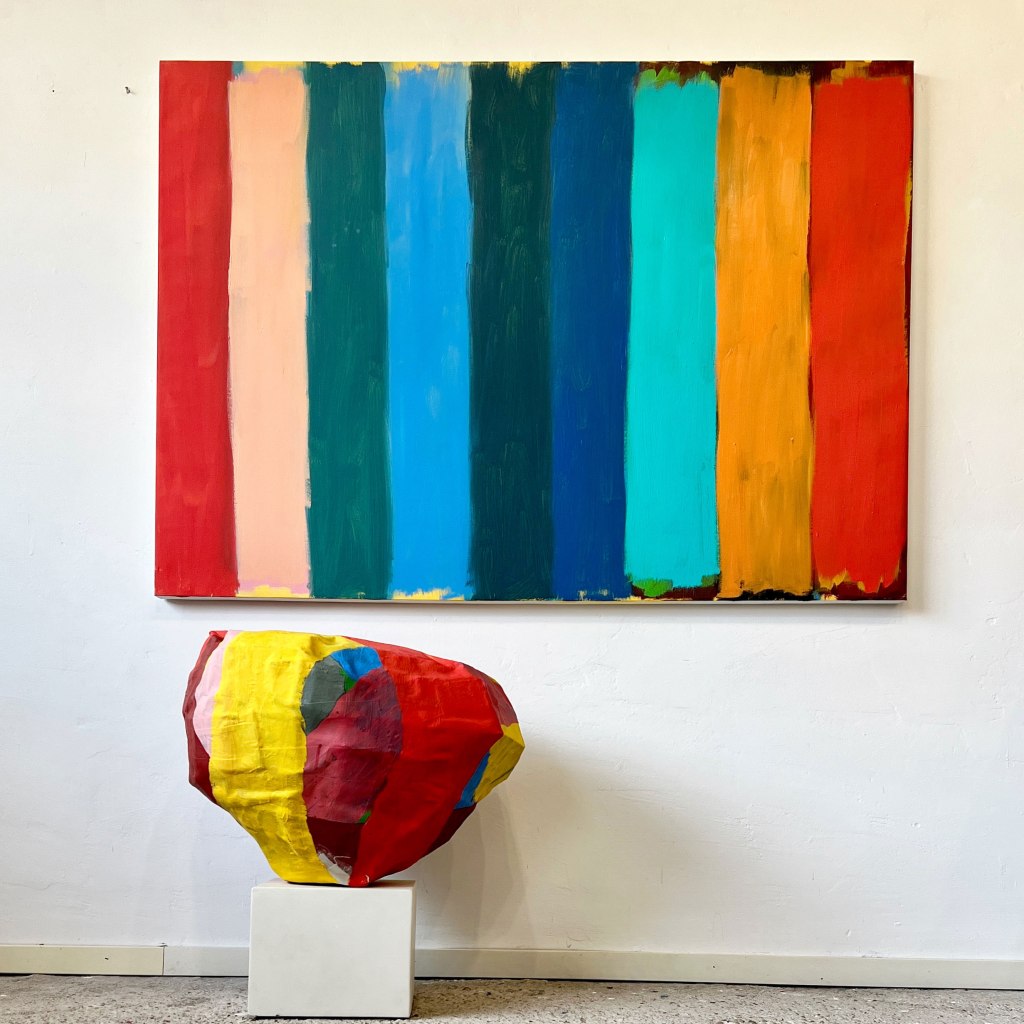
cartone telato, 2023.
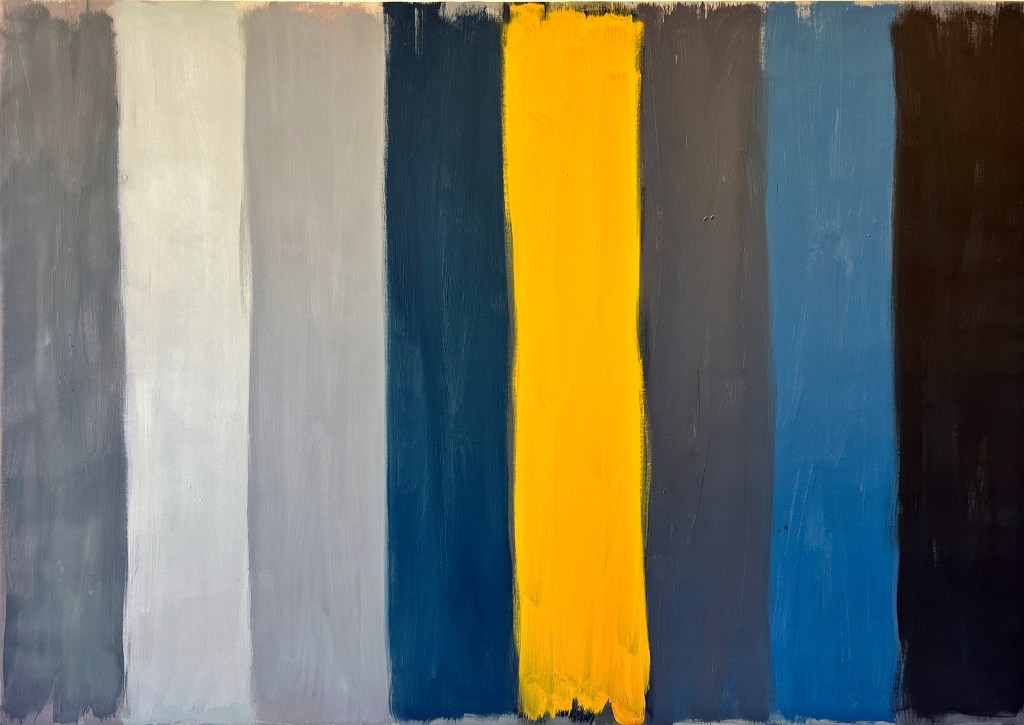
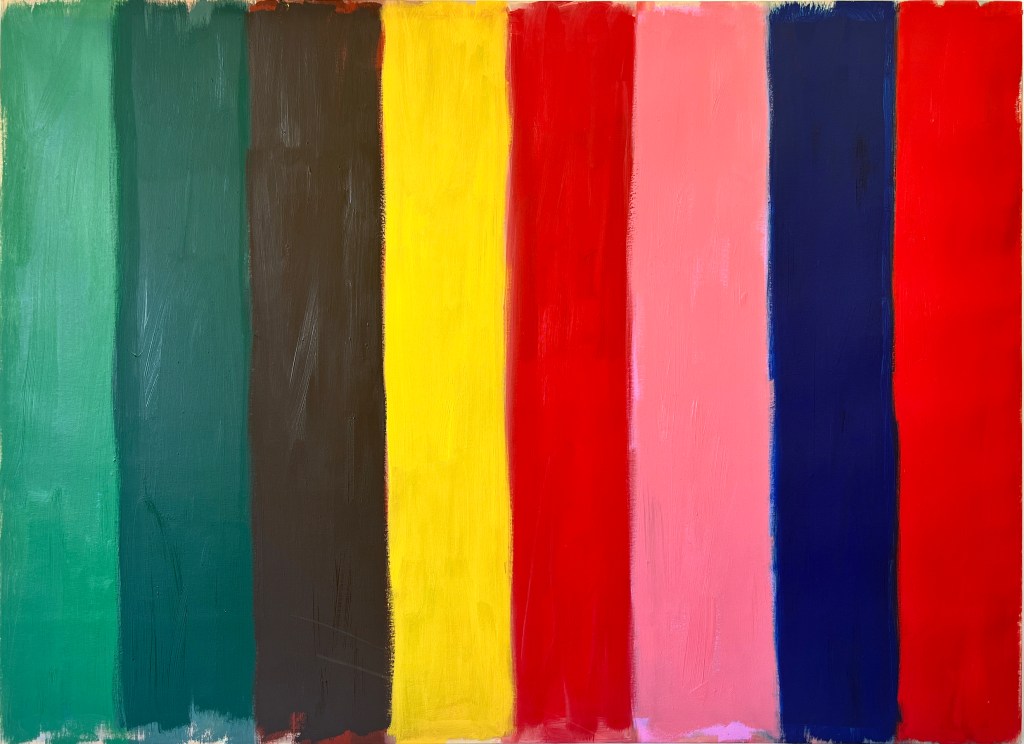
olio su tela, 140×100 cm, scultura policroma, olio su cartone telato 2023.
acrilico su cartone telato, 2023.
 paroladartista.com