
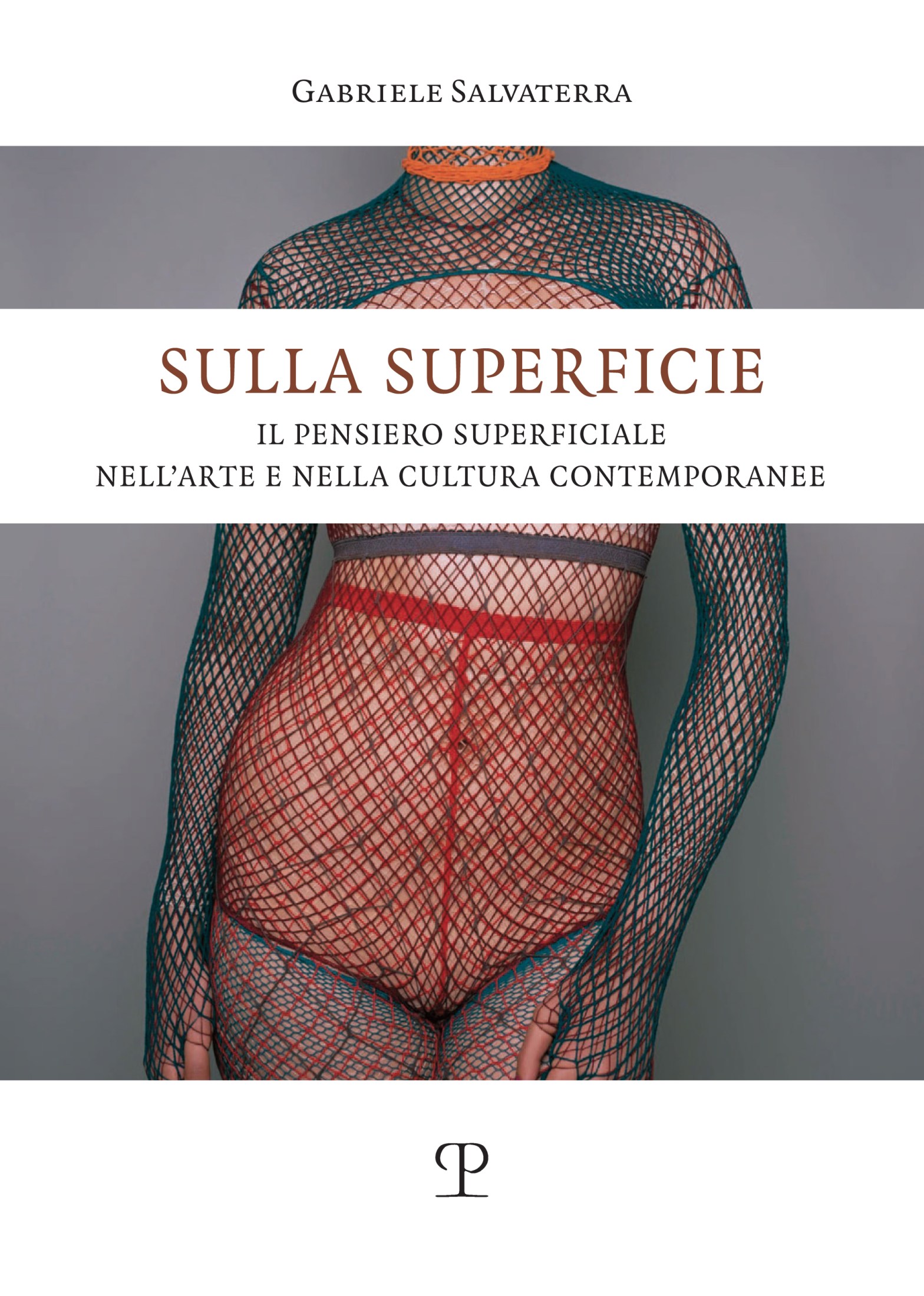
#paroladartista #sullasuperficie #gabrielesalvaterra
▼ scroll down for English version
Parola d’Artista: Come nasce l’idea di questo libro e che cosa ti ha spinto a scriverlo?
Gabriele Salvaterra: Bella domanda, ogni tanto me lo sono chiesto pure io. Credo che il tutto sia nato da un’ossessione molto simile, immagino, a quella che può colpire un artista nel momento in cui vuole dare forma a un’opera e ne sente l’urgenza senza capire bene per quale motivo debba farla. In un certo momento, ormai diversi anni fa, ragionando sulle caratteristiche dell’appiattimento semantico e del citazionismo anni Ottanta, ho realizzato come l’idea di superficie, sulla quale nutriamo tendenzialmente opinioni molto negative, aveva caratteristiche peculiari, nascondeva un mondo, si dimostrava molto più complessa di quello che faceva apparire. E d’altra parte si mostrava leggera, disimpegnata, non tentava (mi rendo conto che tendo a farla diventare quasi un personaggio) di porsi come necessariamente importante o al centro della scena, eppure lo era, schernendosi.
In questo senso hanno rappresentato una molla fondamentale a queste riflessioni le parole di Alessandro Mendini, un creativo che continuo a citare e che in effetti può essere considerato un nume tutelare per l’intero progetto di libro.
“La parola cosmesi in questo caso non è una parola negativa, indica l’accettazione che il rapporto con le cose e con la vita è molto spesso superficiale. Si traduce in un’attenzione orizzontale, non in una ricerca profonda, ma anche la superficialità ha la sua profondità se capita e accettata come difficoltà profonda della vita umana”.
Quindi tutto quello che ci appare minimale e transitorio, superficiale e banale, nasconde in verità un grande spessore. In definitiva mi sono convinto che questa dimensione superficiale – quella stessa che ci costringe ad ascoltare politici che sventolano slogan di poche parole, a leggere tweet limitati nel numero di battute o a dare veloci letture di wikipedia per farsi un’idea di un argomento – è l’unica in cui oggi, con difficoltà, possiamo cercare una nostra sofferta profondità, una nostra pregnanza e verità.
Parola d’Artista: Che approccio hai seguito nello scrivere il testo?
Gabriele Salvaterra: Ho raccolto molto, trascritto e rimeditato. Ogni volta che mi imbattevo in un saggio, un libro di narrativa, un catalogo o un film in cui si sfiorava questo tema che è realmente onnicomprensivo e inglobante, mi si accendeva una lampadina, un allarme, che diventava nuova occasione di riflessione e confronto. Anche in questo processo mi rendevo conto che un elemento che appare così banale e, tutto sommato, dato per assunto dimostrava nella storia dell’arte, nella cultura, nella letteratura e nel senso comune innumerevoli sfaccettature, andava a toccare angoli diversi della realtà e tornava periodicamente nei pensieri e nelle metafore di teorici e artisti del passato. Da tutto questo guazzabuglio di spunti, citazioni e riflessioni è stato poi importante dare un’organizzazione razionale per non perdere i vari fili attraverso cui snocciolare il pensiero superficiale. Qui ho cercato di essere metodico nella progettazione di libro e capitoli, per dare sì un andamento divagante, auspicabilmente enciclopedico e anche parziale se vogliamo, ma almeno chiaro negli intenti.
Parola d’Artista: Qual è o quali sono fra i molteplici punti di vista sulla vastità incommensurabile della superficie che racconti nel libro quello che più si avvicina al tuo?
Gabriele Salvaterra: Da un punto di vista distaccato ti direi sicuramente quello relativo alla superficie della pittura. Tutte le ricerche che sono riuscite a dipanarsi nella pura bidimensionalità senza finzioni e sprofondamenti spaziali o che hanno riflettuto concettualmente e consapevolmente su queste stesse finzioni le sento molto vicine e attuali. Tutto il lavoro di destrutturazione operato dalle avanguardie all’inizio del Novecento per scomporre la prospettiva e portarci delle forme entusiasmanti e leggere proprio davanti agli occhi ha un che di commovente per me, costituisce un patrimonio di azzardi che ci è stato consegnato dal secolo scorso e che ci racconta il nostro stare al mondo oggi.
Più personalmente, il mio punto di vista è quello dell’invidioso. Mi piacerebbe essere un superficiale profondo o un leggero interessante come ci insegnano precisamente le personalità di Alessandro Mendini e Italo Calvino, o come esemplificano i personaggi di Robert Musil, Italo Svevo e Thomas Mann. Invece probabilmente sono un “pesantone” rallentato dai miei stessi “scantinati del pensiero”. Forse il numero di pagine del libro è un segnale di tutto questo, anche se i capitoli possono essere letti singolarmente, la qual cosa è un bell’aiuto (sorrido).
English text
Gabriele Salvaterra Three Questions On the Surface
#artist word #on the surface #gabrielesalvaterra
Parola d’Artista: How did the idea for this book come about and what prompted you to write it?
Gabriele Salvaterra: A good question, I’ve asked myself that myself from time to time. I think it all stemmed from an obsession very similar, I imagine, to that which can strike an artist when he wants to give shape to a work and feels the urgency without really understanding why he has to do it. At a certain point, several years ago now, while reasoning about the characteristics of semantic flattening and citationism in the 1980s, I realised how the idea of the surface, about which we tend to have very negative opinions, had peculiar characteristics, it hid a world, it showed itself to be much more complex than it made it appear. And on the other hand it showed itself to be light, disengaged, it did not attempt (I realise I tend to make it almost a character) to pose as necessarily important or centre stage, yet it was, mocking.
In this sense, the words of Alessandro Mendini, a creative who I keep quoting and who in fact can be considered a tutelary deity for the entire book project, were a fundamental springboard to these reflections.
“The word cosmetics in this case is not a negative word, it indicates the acceptance that the relationship with things and with life is very often superficial. It translates into horizontal attention, not deep research, but even superficiality has its depth if understood and accepted as a profound difficulty of human life’.
So everything that appears to us minimal and transitory, superficial and trivial, hides in truth a great depth. Ultimately, I have convinced myself that this superficial dimension – the same one that compels us to listen to politicians waving slogans of just a few words, to read tweets limited in the number of keystrokes, or to give quick readings of Wikipedia to get an idea of a topic – is the only one in which today, with difficulty, we can search for our own painful depth, our own poignancy and truth.
Parola d’Artista: What approach did you take in writing the text?
Gabriele Salvaterra: I collected a lot, transcribed and reconsidered. Every time I came across an essay, a book of fiction, a catalogue or a film that touched on this theme, which is truly all-encompassing and encompassing, a light bulb lit up, an alarm, which became a new opportunity for reflection and confrontation. Even in this process, I realised that an element that appears so trivial and, all things considered, taken for granted showed innumerable facets in the history of art, culture, literature and common sense, touched different corners of reality and returned periodically in the thoughts and metaphors of theorists and artists of the past. From all this hodgepodge of cues, quotations and reflections, it was then important to give a rational organisation so as not to lose the various threads through which superficial thought was poured. Here, I have tried to be methodical in the design of the book and chapters, to give a rambling, hopefully encyclopaedic and even partial course if you like, but at least clear in intent.
Parola d’Artista: Which of the many points of view on the immeasurable vastness of the surface that you recount in the book comes closest to yours?
Gabriele Salvaterra: From a detached point of view, I would definitely say the one concerning the surface of painting. All the research that has succeeded in unravelling in pure two-dimensionality without fictions and spatial sinkings, or that has conceptually and consciously reflected on these same fictions, I feel is very close and topical. All the work of deconstruction carried out by the avant-gardes at the beginning of the 20th century to break down perspective and bring us exciting and light forms right before our eyes has something moving for me, it constitutes a heritage of daring that has been handed down to us from the last century and that tells us about our being in the world today.
More personally, my point of view is that of the envious. I would like to be a shallow profounder or an interesting lightweight as precisely the personalities of Alessandro Mendini and Italo Calvino teach us, or as exemplified by the characters of Robert Musil, Italo Svevo and Thomas Mann. Instead I am probably a ‘heavyweight’ slowed down by my own ‘basements of thought’. Perhaps the number of pages in the book is an indication of this, although the chapters can be read individually, which is a nice help (I smile).
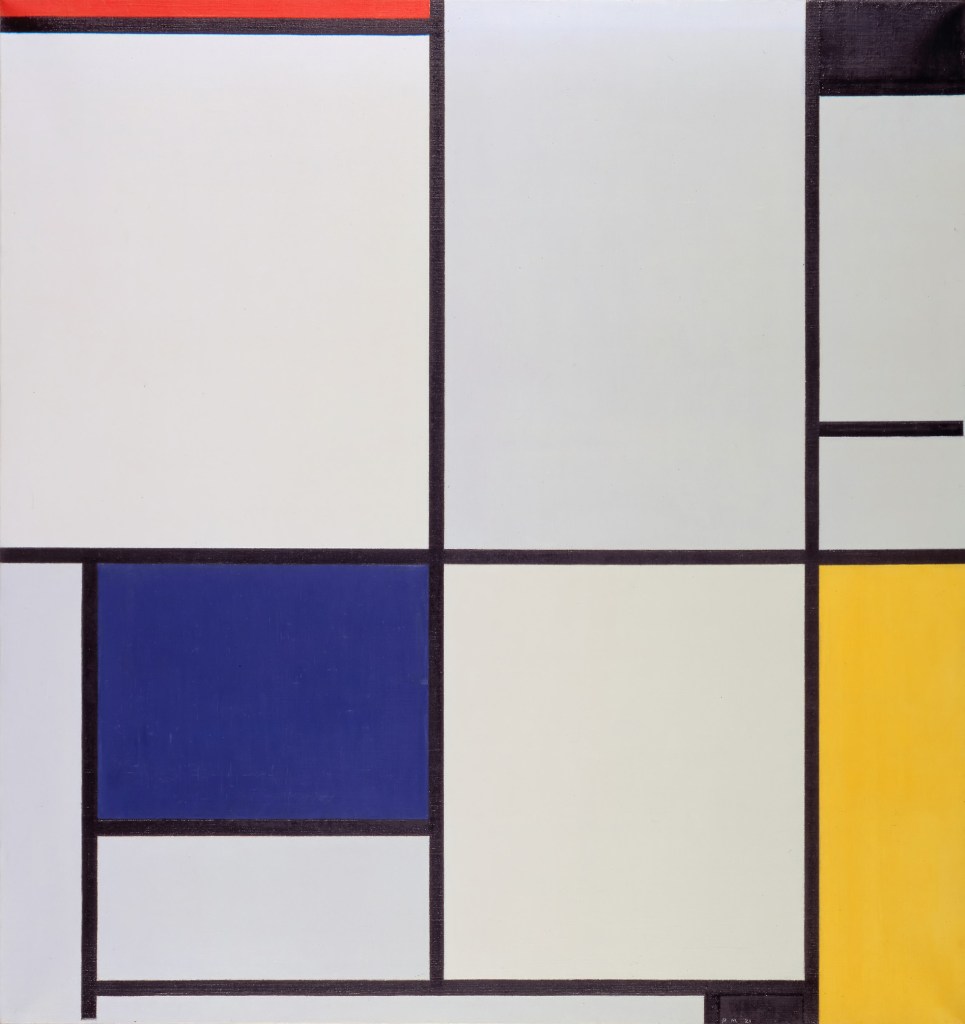
olio su tela, 103 x 100 cm
Gemeentemuseum Den Haag
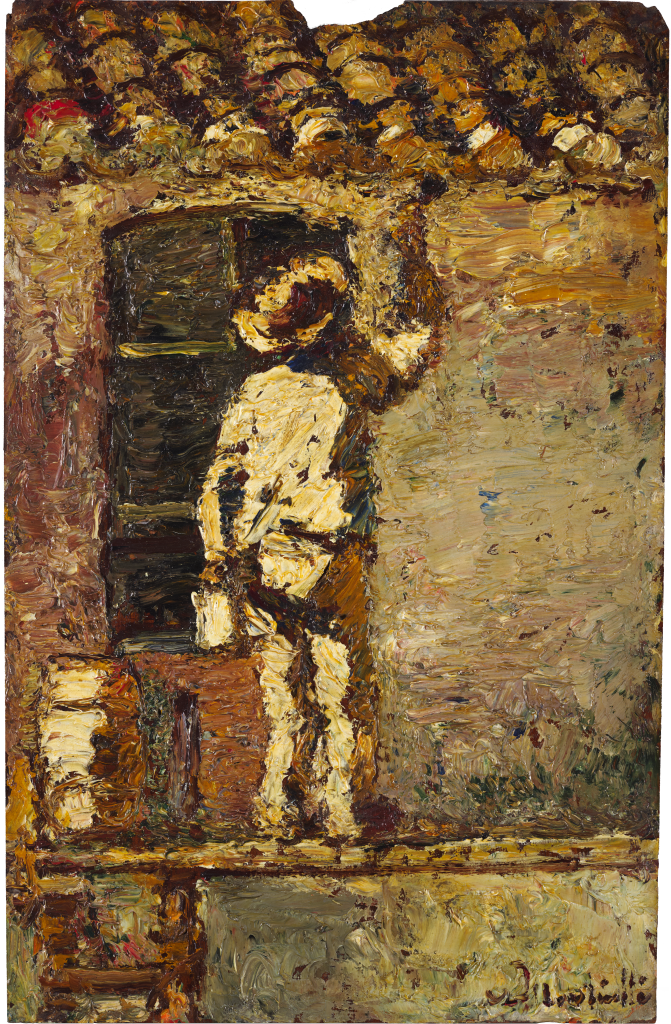
olio su tavola, 45,7 x 29,2 cm
Städelsches Kunstinstitut und Städtische Galerie, Francoforte

olio su tavola, 27 × 21,5 cm
Musée d’Orsay, Parigi
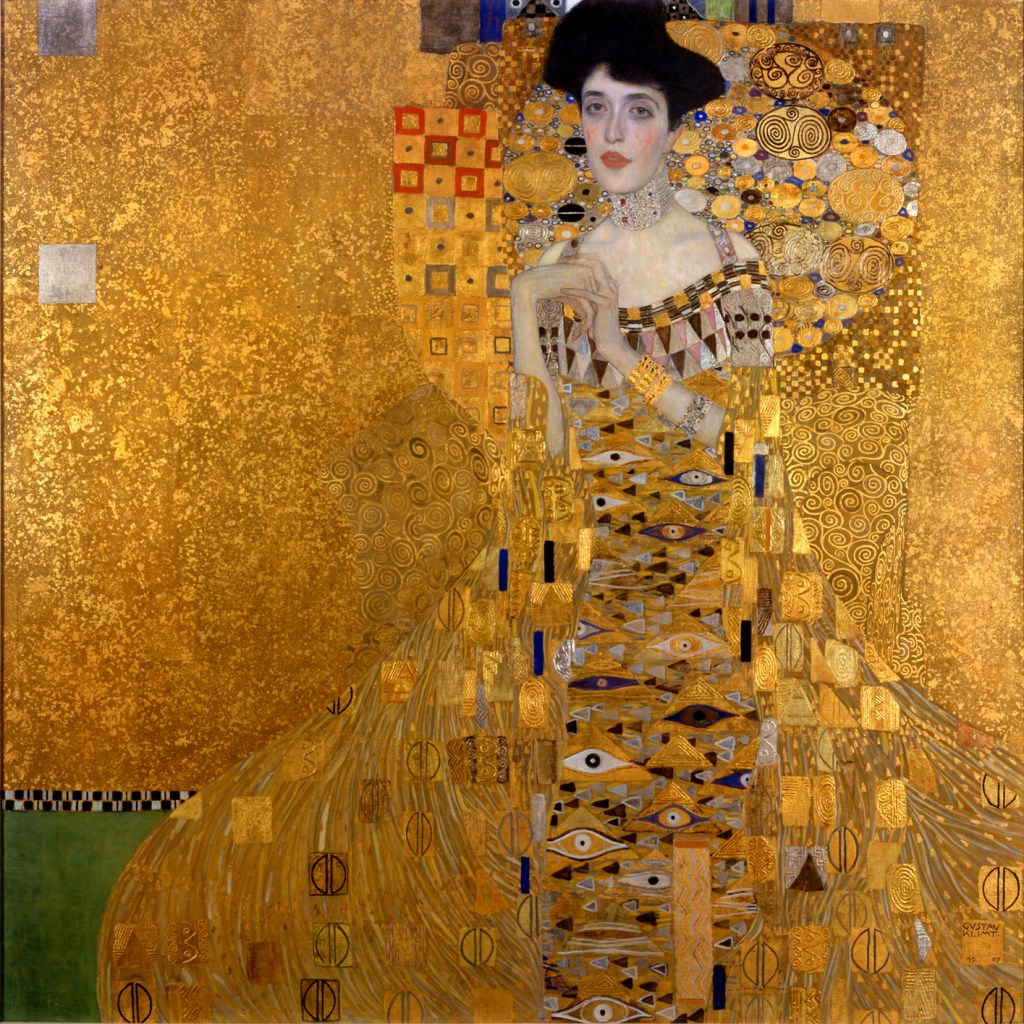
olio, argento e oro su tela, 140 x 140 cm
Neue Galerie New York. Acquired through the generosity of Ronald S. Lauder, the Heirs of the Estates of Ferdinand and Adele Bloch-Bauer, and the Estée Lauder Fund
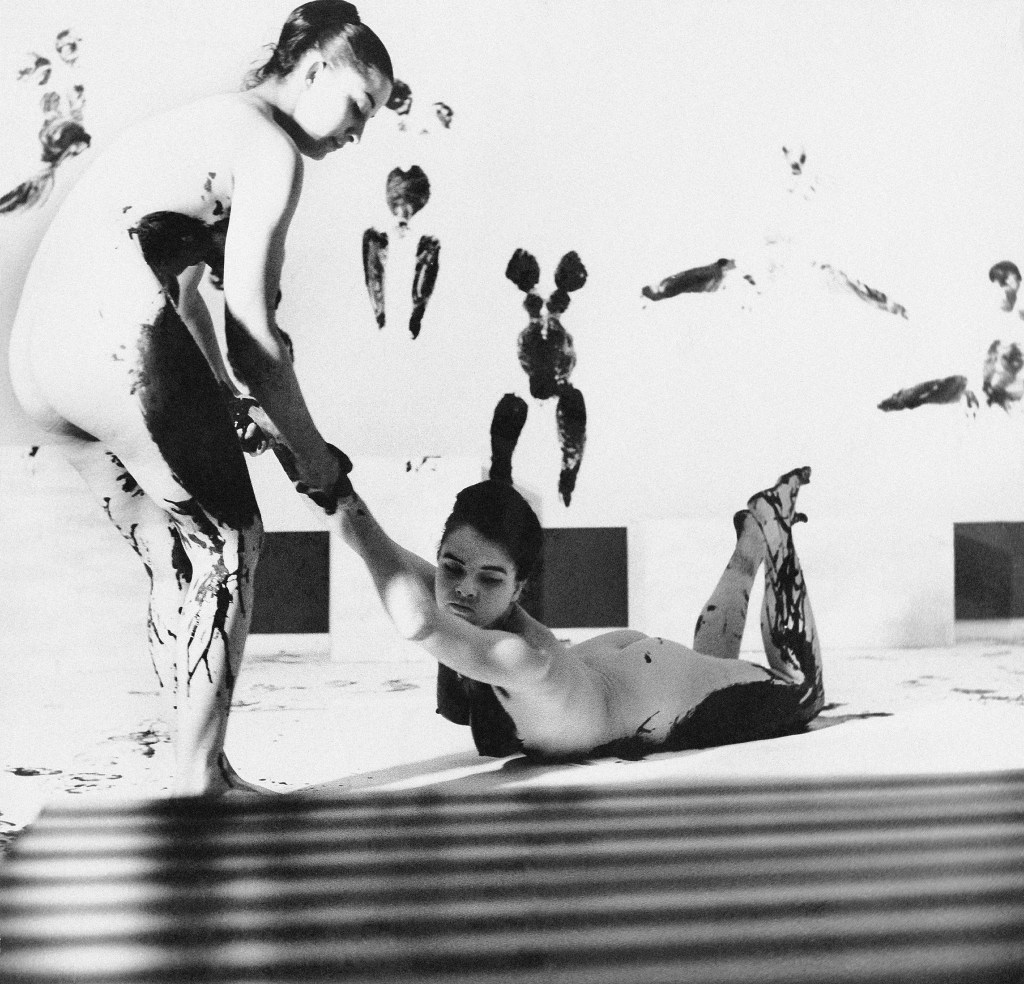
© Charles Wilp / BPK, Berlin
© The Estate of Yves Klein c/o ADAGP, Paris
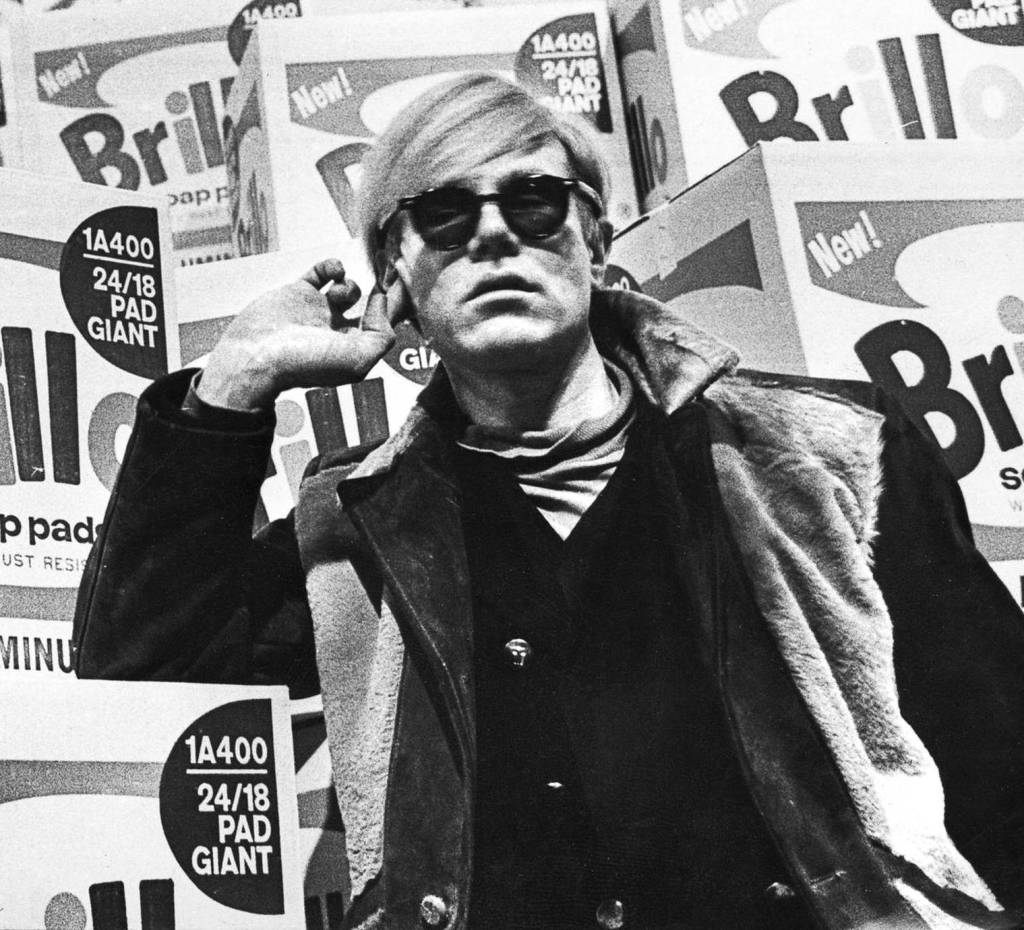
foto Lasse Olsson
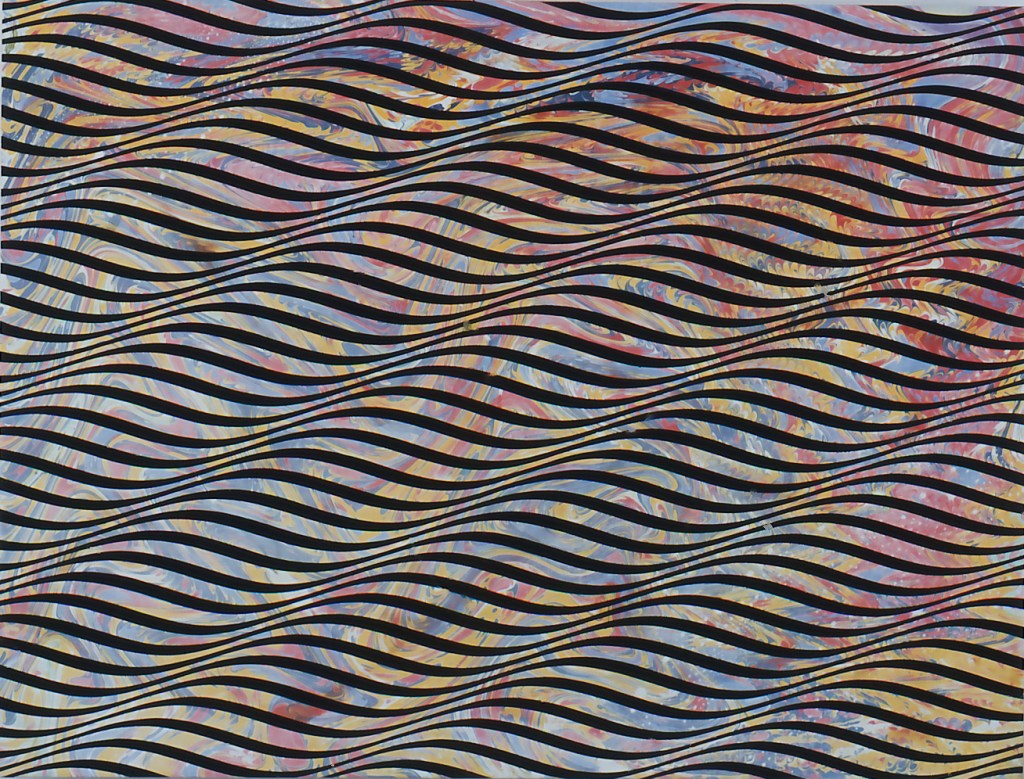
tecnica mista su lino, 76 x 102 cm
foto Studio d’Arte Raffaelli
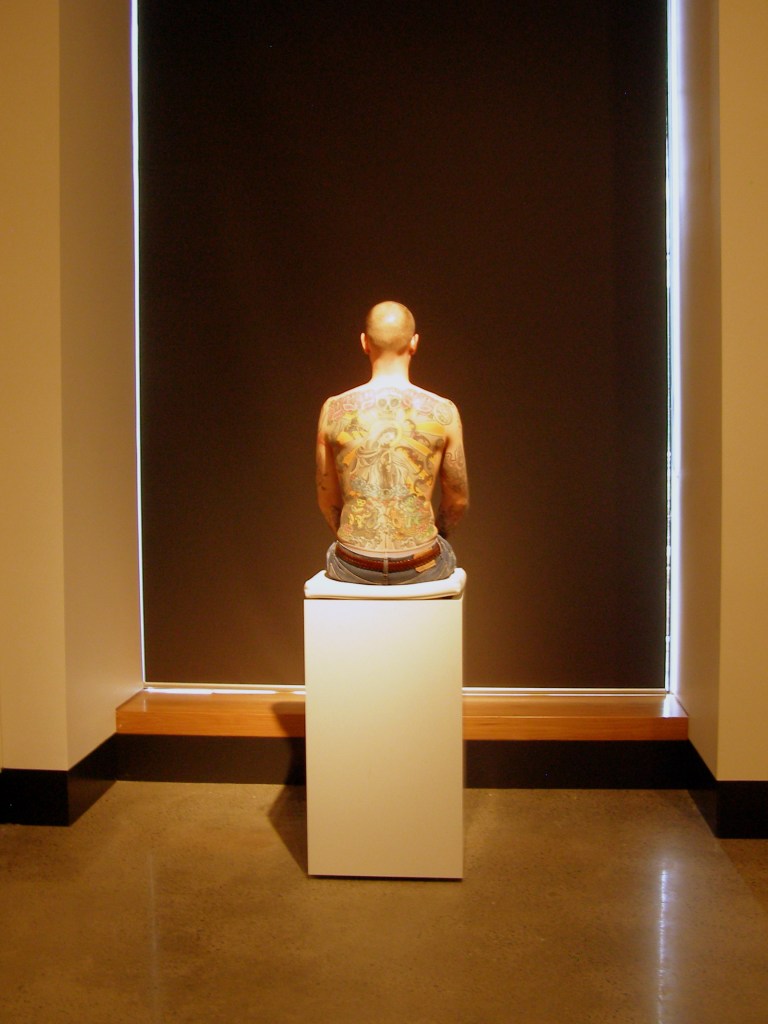
foto Lynette Woods
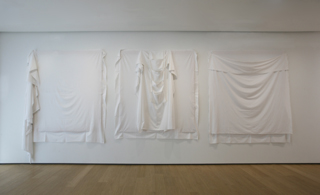
allestimento alla Galleria Building di Milano, 2018
© Archivio Carla e Luciano Fabro
foto Andrea Toniutti
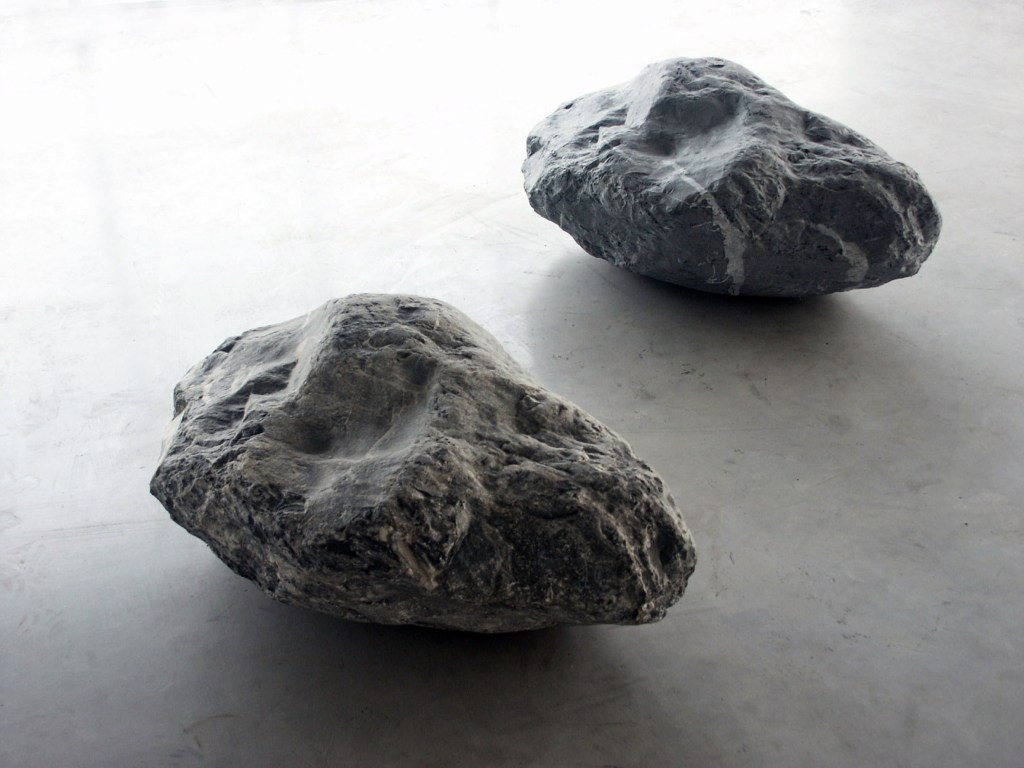
pietra di fiume, pietra di cava
2 elementi 40 × 80 × 50 cm ciascuno
foto © Archivio Penone

Courtesy l’artista e Bortolami, New York
foto Carlo Vannini, Lucio Rossi e Philippe De Gobert
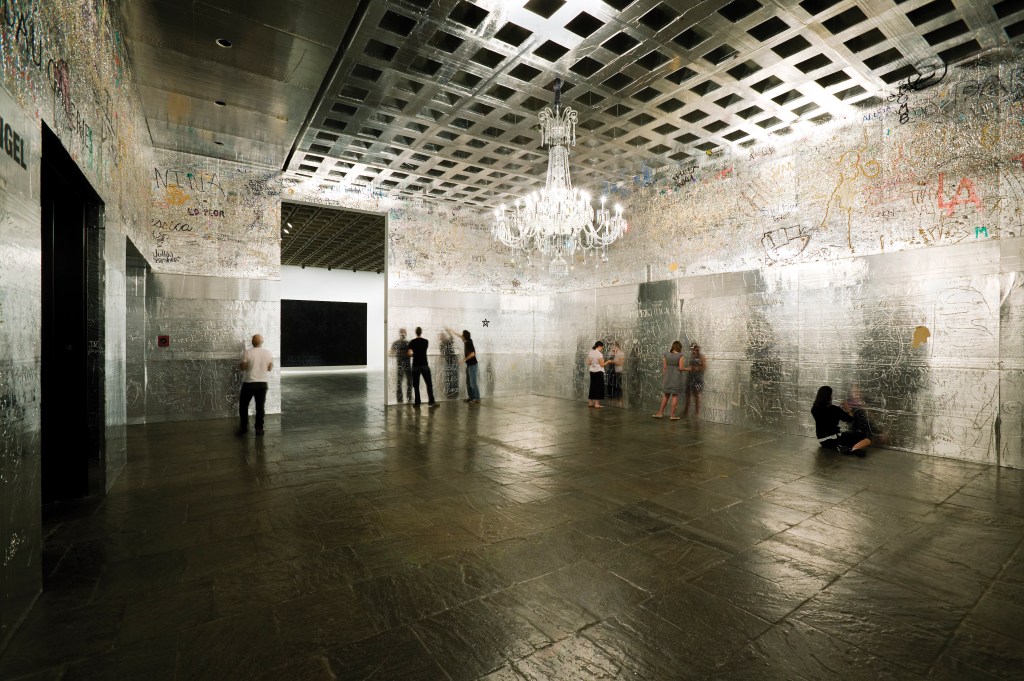
foto Sheldan C. Collins
Whitney Museum of American Art, New York, USA
Digital image Whitney Museum of American Art / Licensed by Scala
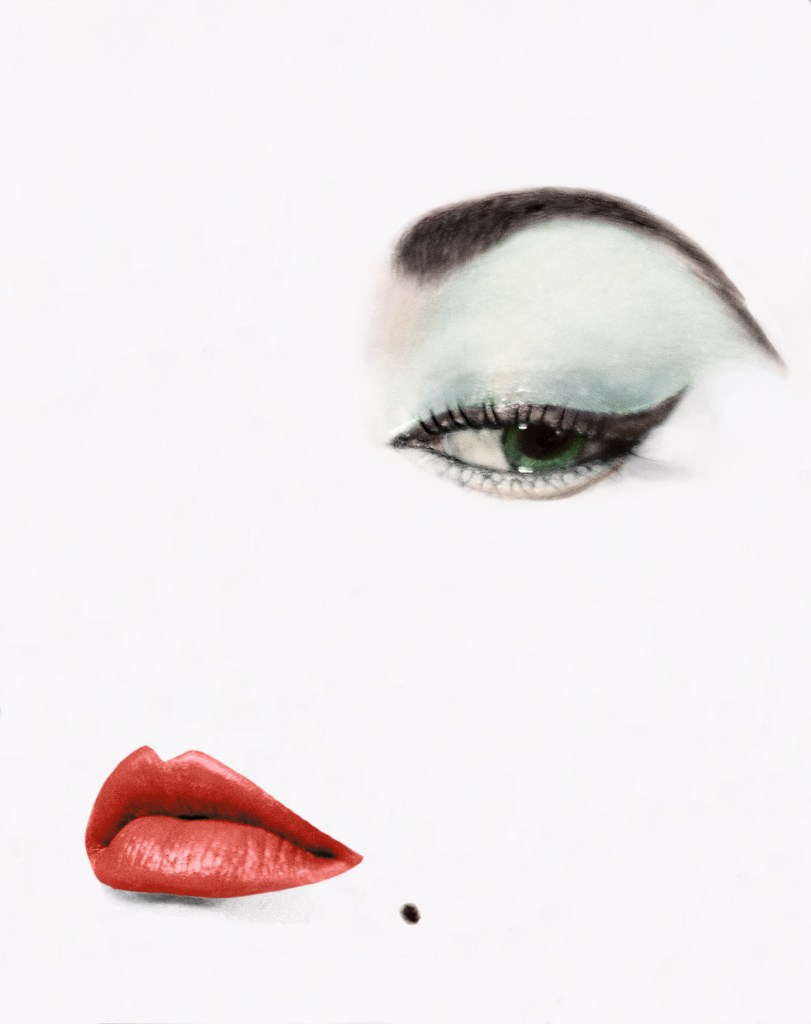
modella: Jean Patchett
© The Estate of Erwin Blumenfeld

Courtesy l’artista
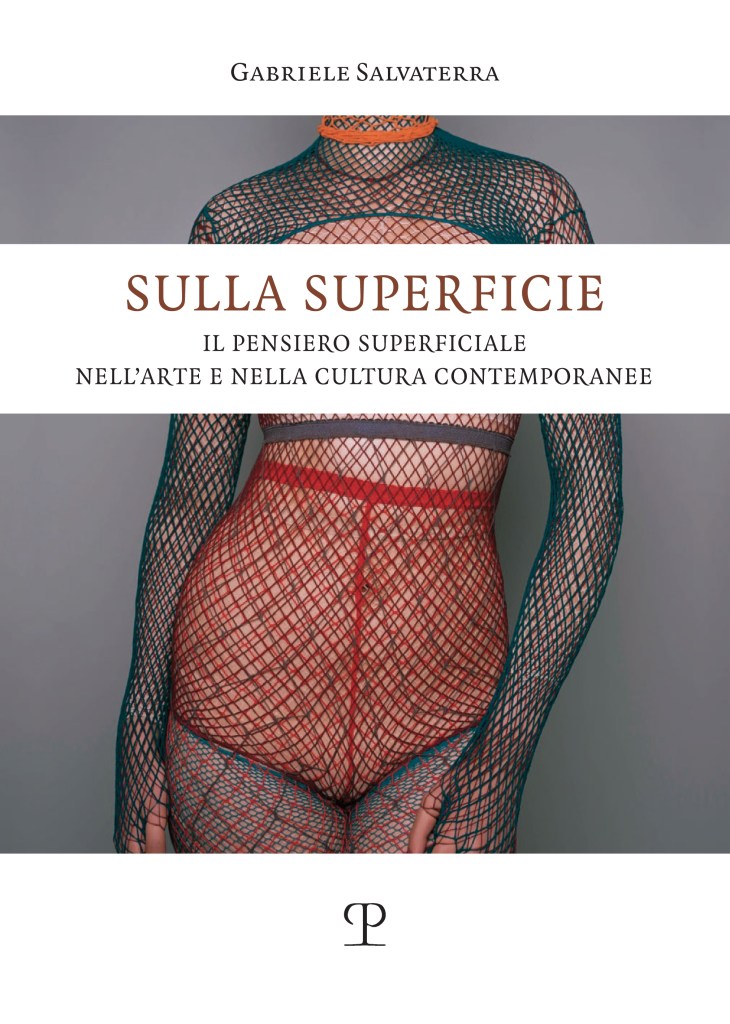
immagine di
Brigitte Niedermair, The Net – CR Fashionbook, 2014
Courtesy l’artista
 paroladartista.com