
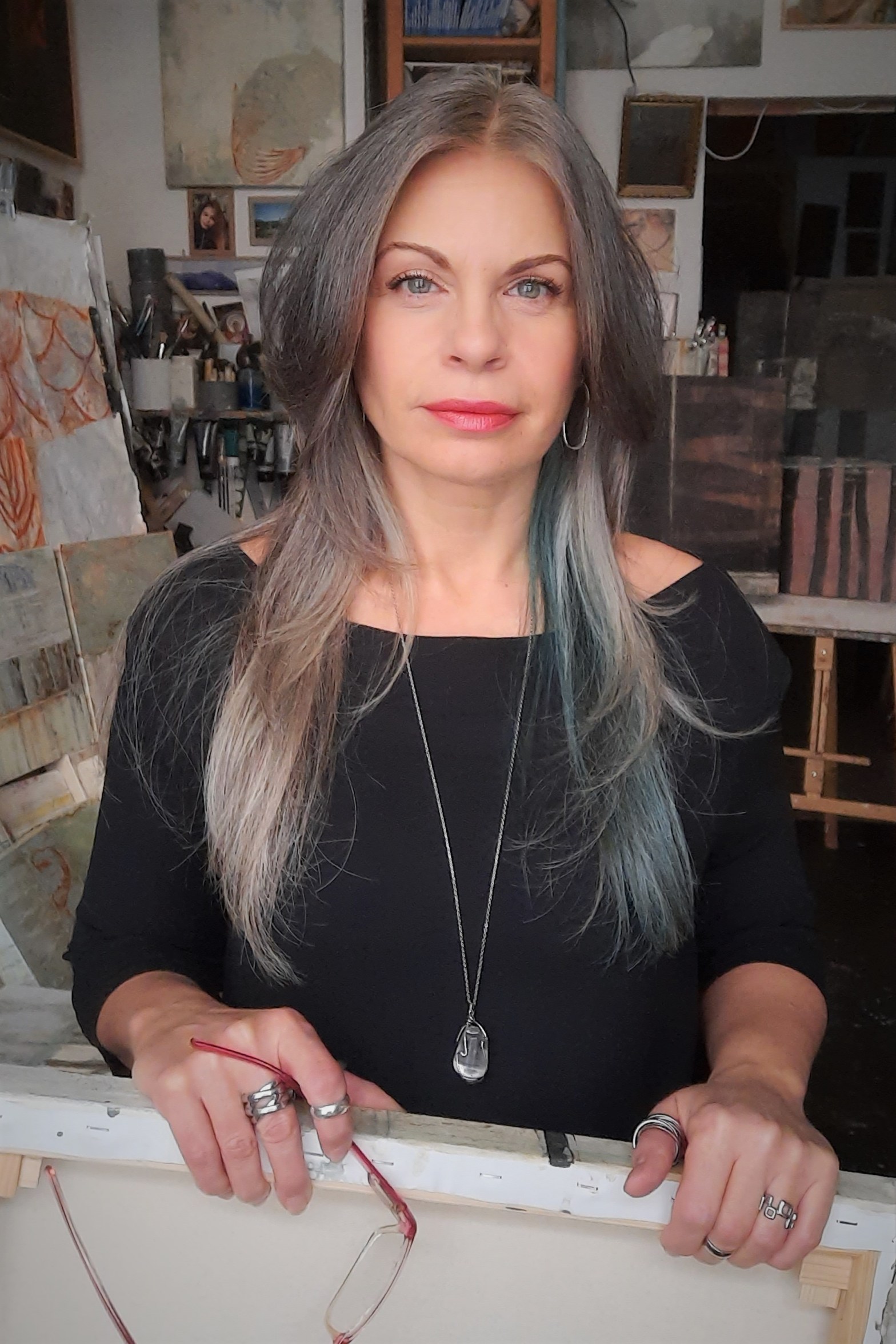
#paroladartista #dilettaboni #nero
▼Scroll down for English version
Parola d’Artista: Capita un po’ a tutti gli artisti, o almeno credo, di fare i conti con il nero e tu?
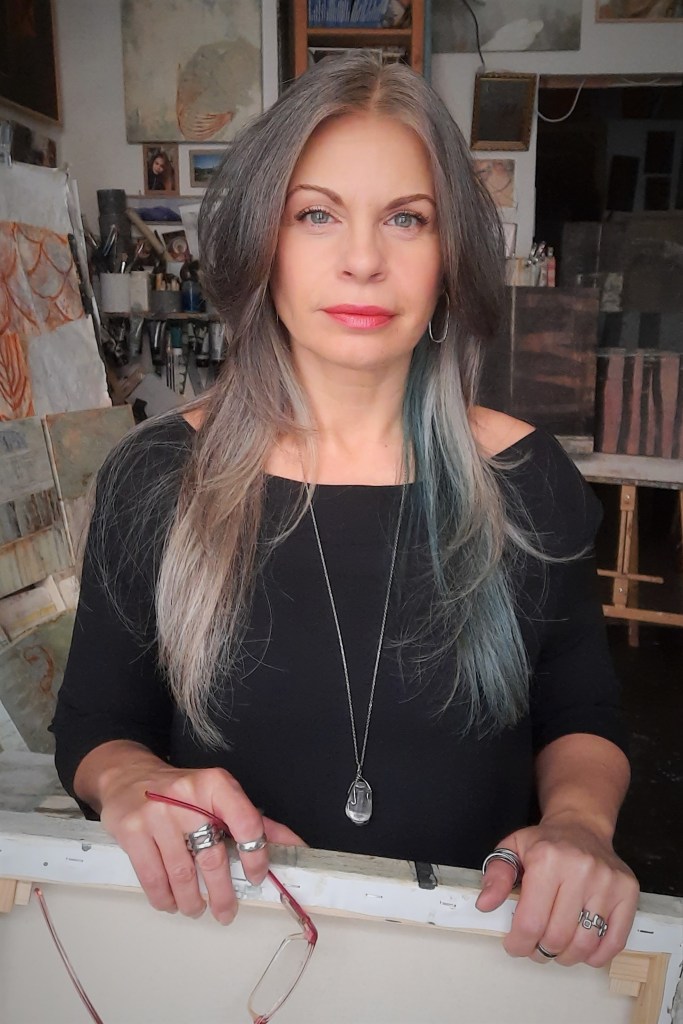
Diletta Boni: Arduo scansare i luoghi comuni discorrendo del nero. Potrei tracciare una lunghissima strada da Chauvet a Kapoor, tra riti religiosi, filosofie, superstizioni, miti, geologia, mineralogia, chimica, astronomia, fisiologia, psicoanalisi e molto altro ancora. Riporterei male, però, ciò che da altri è stato detto meglio e con maggior competenza.
Questo perché il nero è un simbolo e come tale è un contenitore molto capiente; e siccome esso è sempre e ovunque presente nelle nostre esistenze, ci si trova di tutto e, proverbialmente, anche il suo contrario. In effetti, la stessa esistenza del nero non può che definirsi dicotomica.
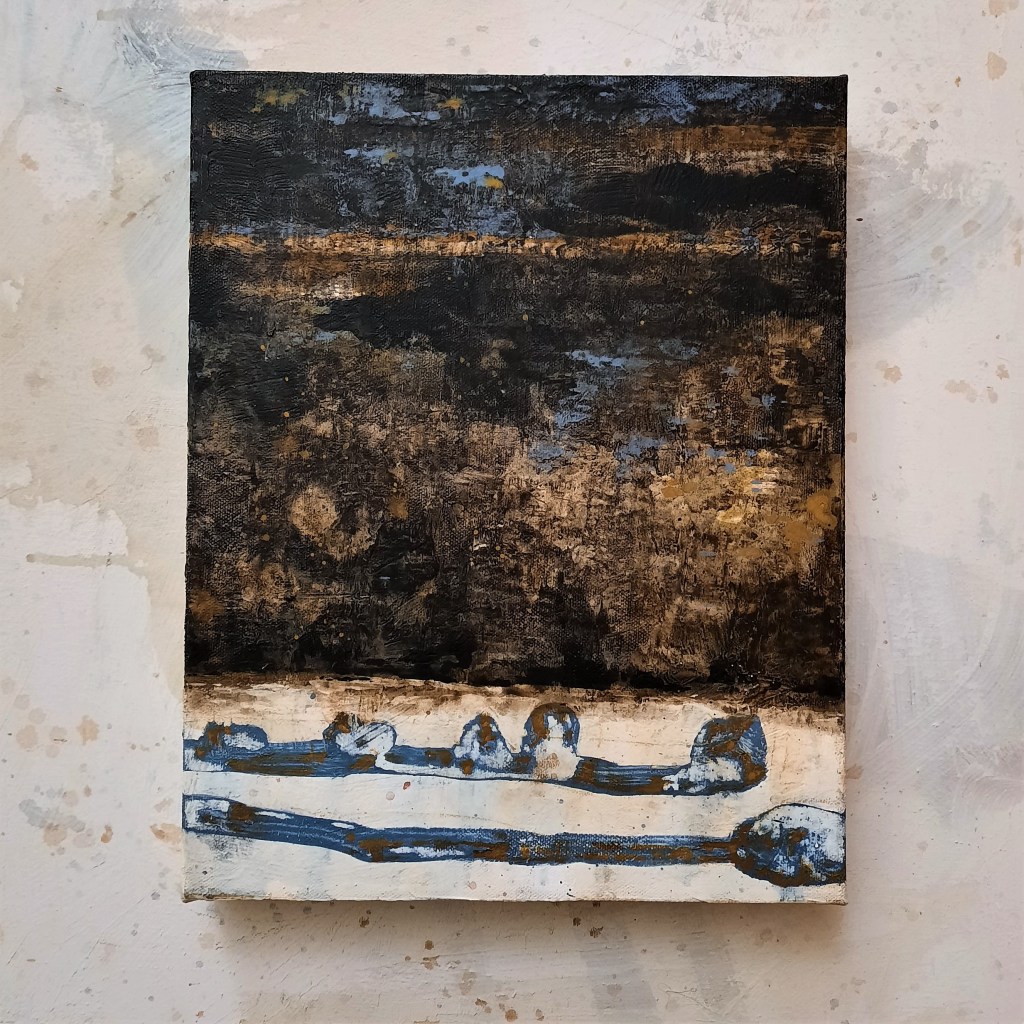
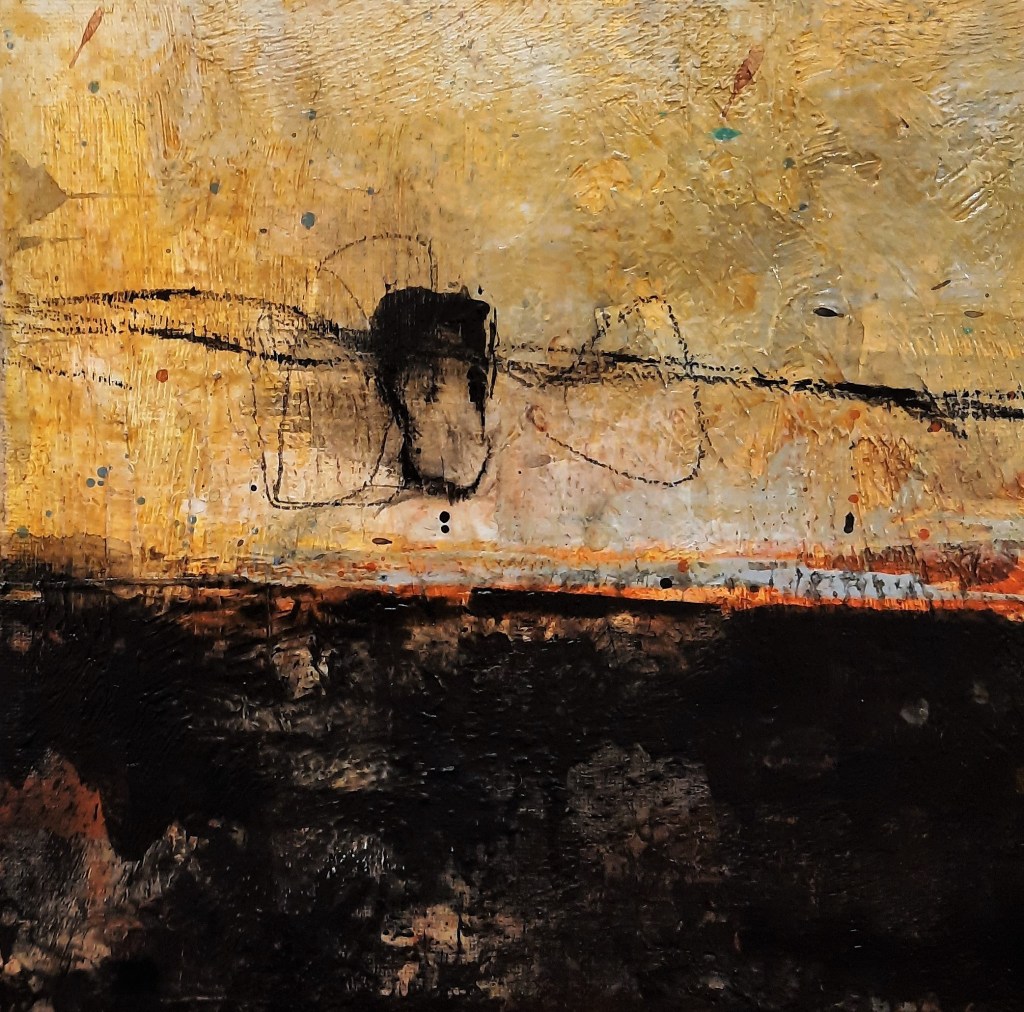
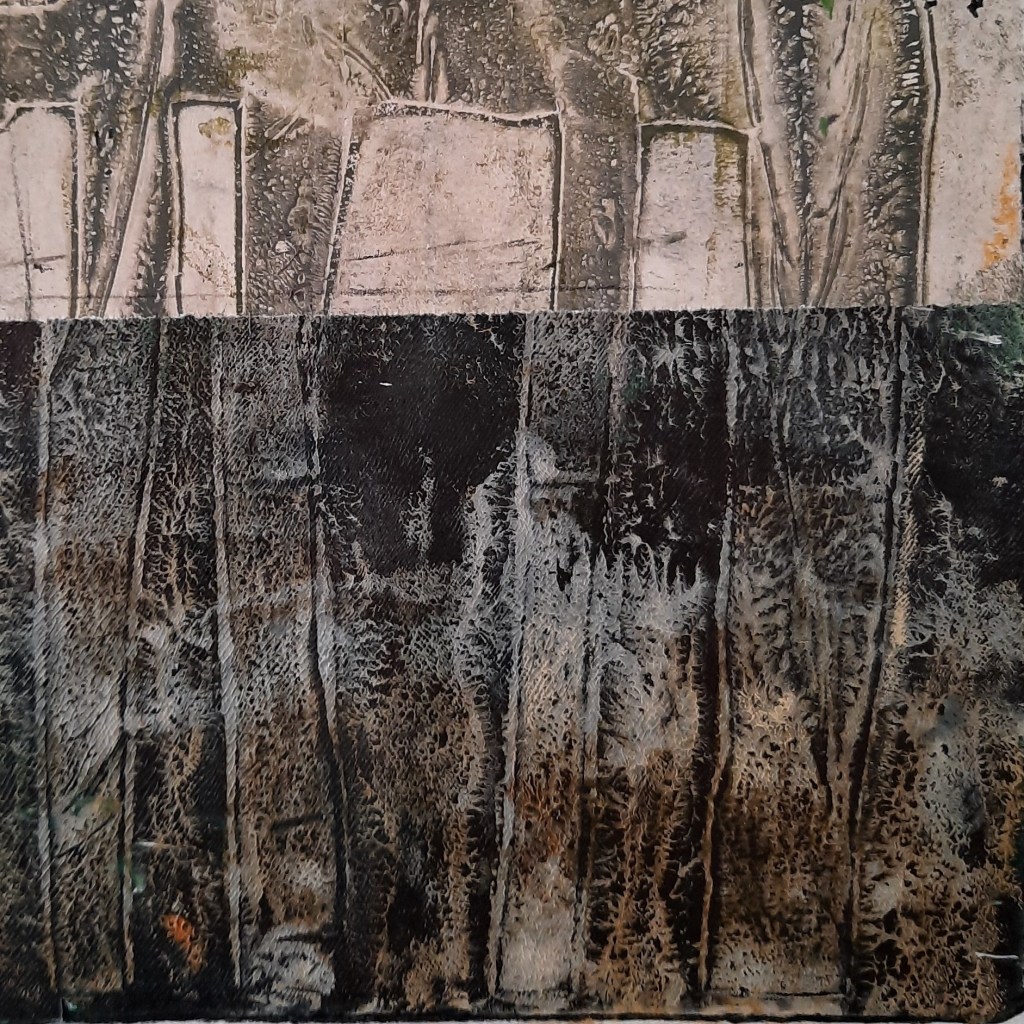
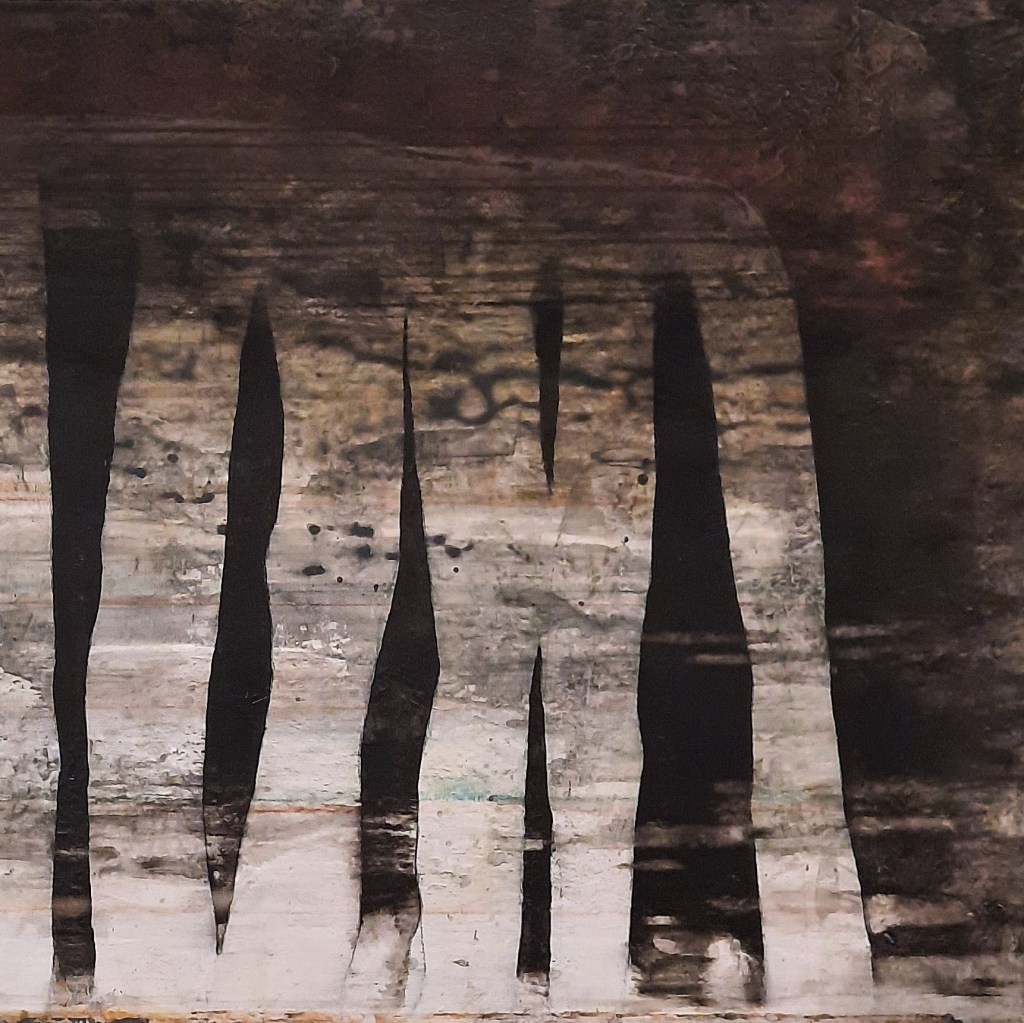
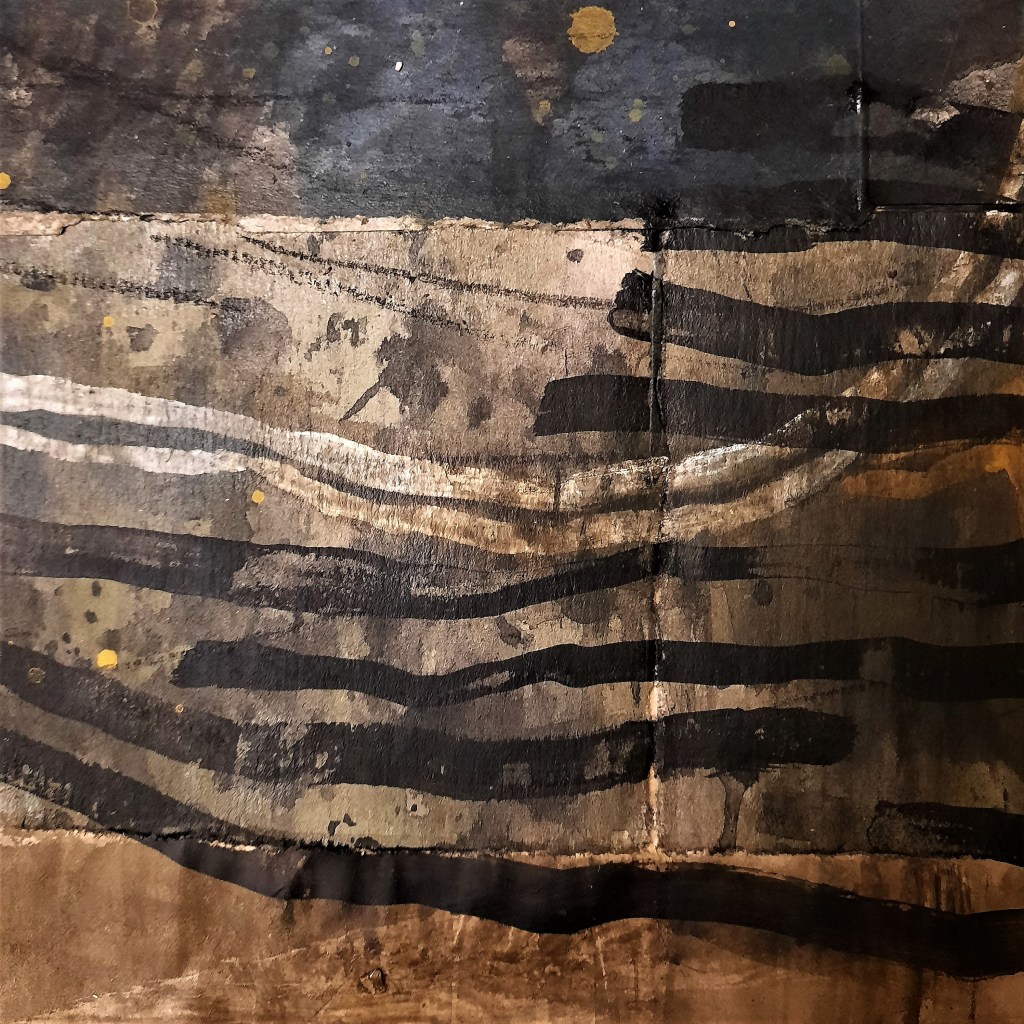
Sono nata e cresciuta nelle stesse terre di Burri, adoro l’Annunciata di Palermo, studio Manet, Velázquez e Malevič, anche per questo il nero è ricorrente nella semiotica dei miei lavori.
Dal punto di vista tecnico (“corticale” potrei azzardare), ricorderò solo lo stupore del passare da quello univoco e despota del pennarello allo sterminato numero di neri possibili grazie alle mescolanze dei pigmenti. Poi, come dimenticare la sensazione che dà il padroneggiare i leganti o le vernici, scegliendo tra ottenere un nero che diventi profondità o uno che resti superficie pura!
Nondimeno, nel dover scampare alla tentazione di poter rivelare alcunché di utile su un argomento tanto dibattuto, mi esprimerò su quale è stata per me, fino ad ora, l’esperienza interiore, “midollare”, del nero.
Nero è notte, il primo segno, tutti i segni.
Nero è paura, la lavagna, il bruciato.
Nero è buco, lo strato di imprimitura, l’utero divorante.
Nero è ombra, il ventre della balena, ogni possibilità.
Nero è speco, un hortus conclusus quadrato, la montagna di notte.
Nero è fitta foresta, nigredo, distogliere lo sguardo.
English version
Diletta Boni on Black
#paroladartista #dilettaboni #black
Parola d’Artista: It happens to all artists, or at least I think so, to come to terms with black, and you?
Diletta Boni: It is hard to avoid clichés when discussing blackness. I could trace a very long road from Chauvet to Kapoor, among religious rites, philosophies, superstitions, myths, geology, mineralogy, chemistry, astronomy, physiology, psychoanalysis and much more. I would misrepresent, however, what has been said better and more competently by others.
This is because black is a symbol and as such is a very capacious container; and since it is always and everywhere present in our existences, one finds everything in it and, proverbially, also its opposite. Indeed, the very existence of blackness cannot but be defined as dichotomous.
I was born and grew up in the same lands as Burri, I adore the Annunciata in Palermo, I study Manet, Velázquez and Malevič, which is also why black is recurrent in the semiotics of my works.
From a technical (‘cortical’ I might venture) point of view, I will only recall the amazement of going from the unambiguous and despotic blackness of the felt-tip pen to the endless number of blacks possible thanks to the mixing of pigments. Then, how can one forget the feeling of mastering binders or paints, choosing between obtaining a black that becomes depth or one that remains pure surface!
Nevertheless, in having to escape the temptation of revealing anything useful on such a debated subject, I will express myself on what has been for me, until now, the inner, ‘medullary’ experience of black.
Black is night, the first sign, all signs.
Black is fear, the blackboard, the burnt out.
Black is hole, the priming layer, the devouring womb.
Black is shadow, the belly of the whale, every possibility.
Black is speculum, a square hortus conclusus, the mountain at night.
Black is thick forest, nigredo, looking away.
 paroladartista.com