
con le domande supplementari di Vincenzo Cabiati, Concetta Modica, Loredana Longo
(English text /texte en Français/ Deutschsprachiger text)
#paroladatista #intervistacuratore #irenebilochini
Gabriele Landi: Ciao Irene, come e quando è avvenuto il tuo primo incontro con lei (l’arte), racconta?
Irene Biolchini: Caro Gabriele, grazie per questa domanda che mi riporta a quel momento “storicizzante” (per dirla all’Agamben) dell’infanzia.
Provenendo da due famiglie con storie e contesti socio-culturali molto diversi direi che ci sono stati sempre due “binari” o accessi all’arte.
Il primo è lo studio di mia nonna Elena, un luogo che conteneva una sconfinata libreria e moltissime edizioni d’artista, oltre che l’intera raccolta di Franco Maria Ricci. Ricordo che prima ancora delle immagini a colpirmi era la tattilità dei libri d’arte, con quella grammatura della carta molto più simile ai testi per l’infanzia che a quelli di saggistica e narrativa. Mi sono avvicinata ai libri d’arte per toccarli e ho guardato anche le immagini.
Il secondo avvicinamento è legato all’altro ramo della mia famiglia e all’appennino Modenese, da dove provengono i miei nonni paterni. Quando ero piccola ascoltavo i loro amici che in una lingua magica – un dialetto diverso da quello parlato in Romagna, ma vicino a sufficienza per comprenderlo – raccontavano di incantesimi e miracoli, i due piani non erano ritenuti poi così distanti. Camminando tra i boschi andavo a cercare quelle piccole edicole popolari. Quell’arte popolare, legata ad una devozione verso il luogo-bosco in cui l’edicola sorge (più che alla scultura stessa), è sicuramente uno dei miei primi ricordi. È difficile per me separare la forza di una sorgente che esce dalla roccia da quella della piccola scultura della Vergine, sembrano per me propagarsi dalla stessa montagna. Mi sono resa conto molto dopo che le due epifanie non erano separabili.
Ultimo ricordo e incontro fondamentale sono stati certamente i laboratori per l’infanzia organizzati dal Museo delle Ceramiche in Faenza: li ho seguiti tutti e con scarsissimi risultati. In particolare ho chiarissimo un ricordo, cioè quel momento in cui ho capito che avrei voluto frequentare chi era in grado di creare: la mia migliore amica dell’asilo, biondissima e talentuosa, riconobbe in una lastra di argilla fresca collassata a terra il profilo di un pastore dormiente e creò così una sculturina potentissima per il suo presepe. Ricordo perfettamente come è stato assistere a quell’atto di creazione pura, con la piena consapevolezza – arrivata in un istante, ma chiarissima – che io non avevo quel dono. Allo stesso modo però ricordo il piacere, il fascino e il privilegio che avevo sentito nell’essere presente. Ti direi che è da quel momento che in qualche modo ho saputo che avrei voluto frequentare artisti tutta la vita.
Gabriele Landi: Quale é stato il tuo iter formativo e quali sono stati gli incontri importanti che hai avuto durante questo tragitto?
Irene Biolchini: Un incontro su tutti è stato certamente fondamentale: Enrico Crispolti a Siena, dove ho studiato all’Università. Il clima che Crispolti ha saputo costruire negli anni a Siena, in un dialogo continuo con gli studenti e gli artisti invitati è stato certamente fondativo per la mia ricerca. Il rispetto dei luoghi, non solo nella loro dimensione sociale e produttiva, ma anche immaginativa, sono stati un faro e un modello da seguire.
Il suo amore sincero per la provincia italiana, vista come un campo d’azione per forze eversive rispetto al sistema dominante, è stato certamente il modello che ha accompagnato diverse scelte di vita, prima ancora che di pratica curatoriale o ricerca.
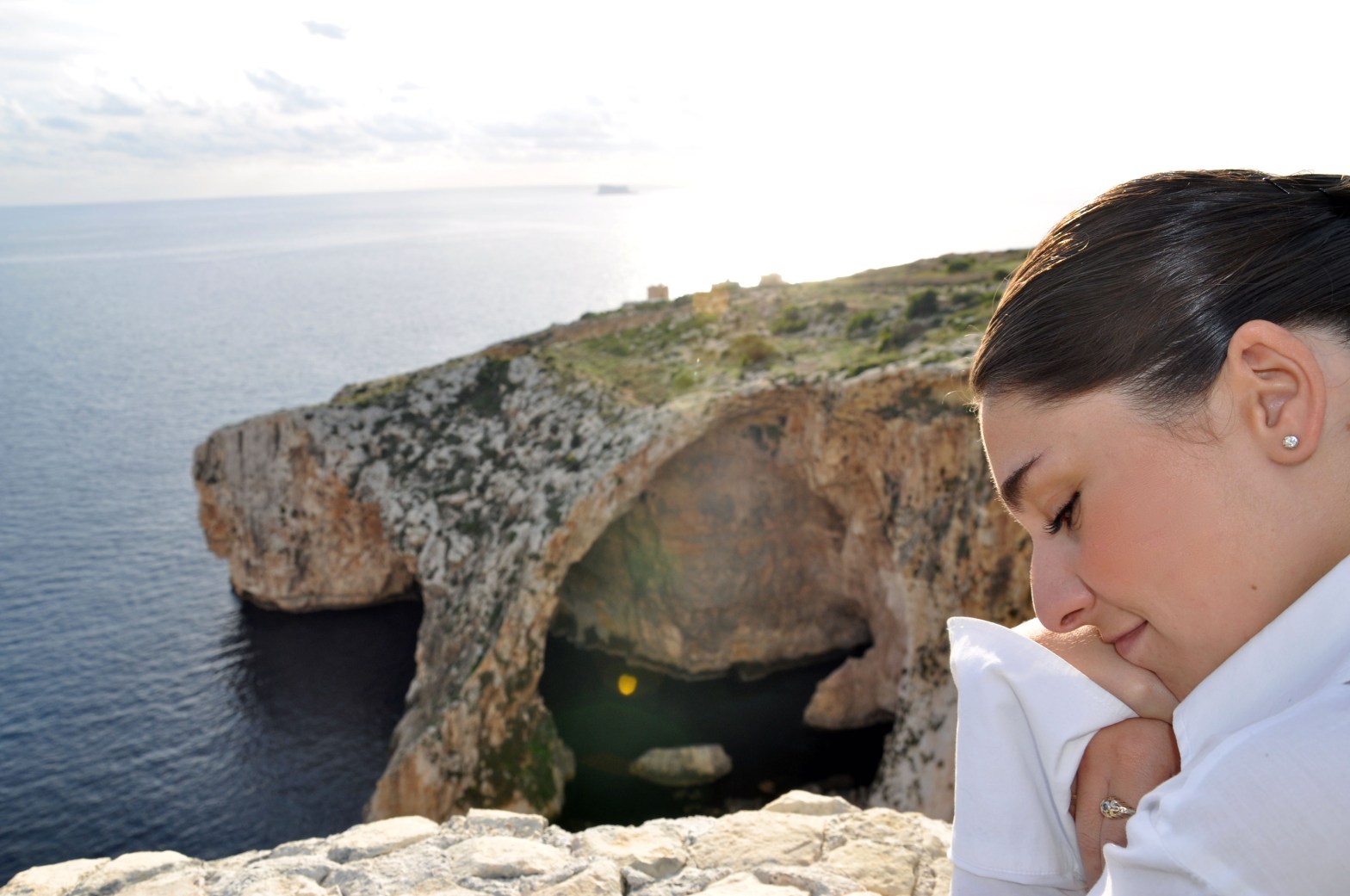
Dopo Siena, infatti, mi sono spostata a Malta, un luogo decisamente decentrato rispetto alle mappe del contemporaneo, perlomeno nel 2010 anno del mio trasferimento. Se l’Appennino è stato fondamentale per comprendere l’unità tra montagna, mito e opera, allo stesso modo l’isola è stata una lezione insuperata in termini di lateralità rispetto al dibattito. Lì ho capito il potere della libertà, perchè l’arte poteva sorgere fuori da maglie o aspettative. Miquel Barceló, un isolano che ho studiato a lungo (spostandomi anche per oltre un anno a Mallorca), ha affermato che ogni isola ti sottopone costantemente a due forze: una centripeta – che ti chiama all’interno, alla certezza e alla quiete dell’isolamento – e una centrifuga -. che ti ricorda costantemente che da quell’ambiente è necessario scappare. Dopo sette anni passati tra isole mediterranee mi sono spostata a Milano, che avevo sempre visto dalla distanza come il centro culturale rispetto al quale operare. In questi anni milanesi ho cercato di sviluppare con l’arte contemporanea lo stesso rapporto che si ha con le isole: ho assecondato i richiami interni al nostro mondo, le frequentazioni familiari che ci fanno sempre sentire a casa, ma ho anche cercato di richiamarmi alla “forza centrifuga” portando le mie ricerche “fuori” dal mondo del contemporaneo in senso stretto. Uscendo ho tentato di invadere altri spazi, di provocare con estetiche laterali luoghi centralissimi al commercio e alla produzione. Non si tratta di minare dall’interno un sistema, quanto piuttosto di provare a comprenderne punti di forza e debolezze tramite uscite in territori e in media che ne sono spesso rimasti ai margini.
Gabriele Landi: Come la ceramica?
Irene Biolchini: Per rispondere alla tua domanda credo sia necessaria una specifica. Nel ciclo di talk tenuti presso ICA Milano lo scorso anno, e recentemente pubblicati in Per un manifesto della nuova ceramica (a cura di I. Biolchini, MOUSSE, 2023) è stata Lorenza Boisi a dichiarare: «All’epoca, tra la fine degli anni Novanta e il Duemila, se eri un pittore e volevi lavorare con la materia eri uno stupido, un abbruttito». La situazione attuale è profondamente diversa dal quadro da lei descritto. La ceramica è tutto meno che marginale in questo momento, solo per citare alcuni esempi che possano restituire la centralità che ha assunto nella scena contemporanea: la recente documenta (nel caso del Terracotta workshoptenuto da Jatiwangi Art Factory); il Leone d’Oro a Simone Leigh alla Biennale di Venezia; la mostra personale dedicata a Simone Fattal da PS1; l’esplosione, specialmente nell’ultimo anno, di mostre collettive dedicate al materiale ceramico (come Strange Clay, Hayward Gallery, London, October 26, 2022–January 8, 2023; Against Nature: Ceramics, a test of fire, MO.CO. Montpellier Contemporain, Montpellier, May 21 – September 4, 2022; Les Flammes (The Flames): The Age of Ceramics at the Musée d’Art Moderne de la Ville de Paris, From 15 October 2021 to 06 February 2022).
Detto questo, sarebbe importante che la sua grande fortuna venisse associata alla storia della modernità e del materiale, che sono intimamente connesse.
Nicolas Bourriaud in L’invenzione del sè e in Altermodern ha messo in luce le connessioni tra modernità industriale e liberazione del sè attraverso percorsi non strettamente professionalizzanti e ritorno alle pratiche artigianali e condivise. Questa è la strada che mi ha sempre intimamente interessato, oltre ad essere parte dei miei studi che si sono sviluppati mettendo in dialogo percorsi noti del contemporaneo (come l’Arte Povera e la Transavanguardia) con altri eventi e ricerche (come ad esempio le biennali di Gubbio di Crispolti avvenute tra il 1976 e il 1979).
La ceramica è un materiale che permette di ripercorre le tensioni tra progresso, linea industriale, artigianato e liberazione artistica. In altri termini è un materiale che si può considerare minore solo se si pensa a certe narrazioni dominanti, ma è sempre esistito internamente alla ricerca estetica della modernità. Credo che sia questa la sfida che mi ha sempre interessato perchè partendo da una posizione considerata “laterale” si possono comprendere meglio le inquietudini della modernità (prima) e dell’ipermodernità (poi).
Gabriele Landi: E la tradizione i luoghi la tua storia personale hanno un ruolo in tutto questo?
Irene Biolchini: Faenza è sia il nome della città in cui sono nata che (per estensione) della sua terra, da qui ad esempio faïance in francese.
È quindi evidente che quello che studio ha una connessione con il luogo, sebbene io non sia una ceramologa; direi anzi che mi interessano le ricerche artistiche in ceramica anche (e soprattutto) quelle che possono apparire “sbagliate” tecnicamente: un po’ spesse, un po’ storte, un po’ crepate. Tutte cose inammissibili nella buona tradizione tecnica.
Per quanto riguarda la parola “tradizione”, poi, credo che il tempo non ci basterebbe. Cerco di riassumere in maniera molto stringata (correndo il rischio di semplificare): la tradizione mi interessa come bacino di saperi pre-moderni, mi terrorizza quando usata come arma di propaganda culturale o (peggio) ridotta a spot turistico. Stessa relazione con l’artigianato, un mondo che rispetto profondamente e che trovo violentato quando obbligato a piegarsi al gadget, a mercatino, a piccolo oggetto veloce. Qualsiasi oggetto in ceramica ha bisogno di una lavorazione in più fasi, di tempo, pazienza, attesa. Sono queste le cose che incantano moltissimi artisti, la possibilità di recuperare un tempo naturale con una materia viva. Mi piacerebbe che la tradizione artigianale fosse raccontata nella sua quotidianità, nella devozione verso la terra perché questa è la lezione che ho assimilato negli anni: il legame con la terra, in un senso proprio geologico. Sono insomma per una ceramica di ius soli e non ius sanguinis: non mi interessano le discendenze o le filiazioni, mi affascina l’idea che un lavoro, nascendo dall’uso di una particolare terra, a quella stessa terra appartenga.
Gabriele Landi: Quale è il modus operandi con cui ti avvicini al lavoro di un’artista?
Irene Biolchini: Vivendo dei pezzi di vita insieme, facendomi consigliare libri, film, serie.
Entrare in uno studio d’artista è un atto delicato e violento insieme. Ci si impone in uno spazio intimo e privatissimo. Parlare di cosa si ama è un modo per stabilire una connessione. Alcuni artisti mi hanno salvato la vita con la loro generosità e condivisione. Per questo sono grata a chi condivide un pezzo di strada con me, perché non conosco altro modo che parlare e scrivere. In questo modo si vedono nascere e mutare i lavori, che non sono separabili dalla vita.
Gabriele Landi: Su cosa stai lavorando in questo momento?
Irene Biolchini: Sto sviluppando progetti che ripartano dalla ricerca degli ultimi anni per allargare il campo a una serie di considerazioni sul nostro tempo presente. Il vero obiettivo per me è mettere a sistema le diverse occorrenze del lavoro quotidiano (lezioni, saggi, testi, etc) in una rete che mi permetta di chiedermi perché faccio quello che faccio. A volte il processo si muove in una certa direzione (dalla ricerca alla pratica curatoriale), altre volte è la pratica che stratificandosi genera la ricerca. L’obiettivo per me è quello di creare un flusso unico che dalle letture, dagli incontri casuali, a volte anche dalle bevute assieme possa generare consapevolezza e determinare un suo svolgersi. Come ti dicevo è per me molto difficile separare tutto questo dalla vita e quindi faccio fatica a vederlo da fuori, ma tutto sommato direi che è la sola risposta che riesco a darti.
Gabriele Landi ha chiesto a Irene Biolchini nel processo della intervista di coinvolgere tre artisti i quali: Concetta Modica, Loredana Longo, Vincenzo Cabiati.
Vincenzo Cabiati: Vorrei chiedere a Irene, considerato il rapporto personale, la conoscenza che riesce ad avere con gli artisti in che modo, in quale misura la loro vita può generare “ bellezza” nelle loro opere?
Irene Biolchini: Ho imparato, frequentando gli artisti, che la vita può generare meraviglia negli elementi più banali. Credo che la bellezza nasca da un atteggiamento interiore, dalla capacità di trasformare anche l’orrore e la pena quotidiana in qualcosa di potente. Sono stati gli artisti a insegnarmi che bellezza e leziosità sono cose molto diverse. Per questo credo che ogni piccola cura e atto d’amore verso chi li circonda riesca poi a entrare nel lavoro, spesso sorprendendoci. Avere artisti vicino significa poter vedere come ogni atto privato, a volte anche egoistico, riesca a entrare nel lavoro che poi si dona al mondo. Nella pratica degli artisti a cui voglio bene e che rispetto direi di poter riconoscere un binomio ricorrente: generosità e bellezza non sono separabili.
Concetta Modica: Volevo chiedere a Irene se è vero, come mi sembra, che abbia un rapporto “fisico” con l’arte, sia nel suo rapporto con gli studi che visita periodicamente e sembra voglia mettere le mani in pasta anche lei, (cosa abbastanza rara per curatori e curatrici) sia con la ceramica che riconosce dal tocco e dal suono. È vero? Che tipo di relazione cerca con la materia?
Irene Biolchini: La materia è tutto quello che mi manca. I tasti in plastica del computer sono la sola cosa che toccherei se non frequentassi gli studi degli artisti. Toccare le opere è il privilegio che mi è dato; toccarle quando sono in studio – non illuminate dalle luci di mostra – è un dono. È come accarezzare un gatto di strada e non un persiano di razza ad una gara felina. C’è qualcosa di autentico negli studi, un pieno che sa colmare ogni lacuna.
Loredana Longo: Cosa manca al mondo dell’arte secondo te? si parla sempre di crisi dell’arte, del sistema, ma le fiere aumentano, il pubblico pure, eppure rimane un circuito chiuso un sistema che si nutre di se stesso. Qualcosa è cambiato o cosa dovrebbe cambiare?
Irene Biolchini: Mi piace pensare che Il sistema dell’arte e il mondo dell’arte siano due cose diverse. Il sistema dell’arte continua a muoversi sul mito neoliberista ignorando qualsiasi segnale che indichi un’altra strada. Allo stesso tempo gli artisti più cari al (e per) il sistema sono degli sconosciuti completi per una fetta enorme della popolazione. E questo non significa che il mondo esterno sia composto da ignoranti perché il sistema dell’arte, come qualsiasi sistema di potere, non fa nulla per uscire da se stesso e mostrarsi accessibile. Eppure se non fai niente per rendere una cosa comprensibile, abbi almeno la decenza di non lamentarti se la “gente” non ti capisce. Diciamo che è molto comodo mantenere il sistema (qualsiasi cosa esso significhi) come dominato da meccanismi chiari solo agli esperti.
Il mondo dell’arte, anzi il MIO mondo dell’arte, è ancora più ristretto perché popolato solo dalle persone che scelgo di frequentare, ma è decisamente aperto a qualsiasi intrusione e condivisione (può essere il racconto di un libro, una storia senza senso di qualcosa successo in metro, una sbornia colossale).
Non sono certa di avere una ricetta per cosa e come cambiare il sistema e diffido di tutti coloro che pensano di risolverlo con un post o una battuta efficace. Sono però certa che da quando ho cambiato il mio mondo, scegliendo di contare i miei, vivo meglio e sono anche più aperta verso quello che non conosco. Il mio mondo dell’arte, per dirlo con una parola romagnola, meravigliosa e intraducibile, è una gran baracca!
Irene Biolchini (1984). È docente di Fenomenologia delle Arti Contemporanee presso l’Accademia Albertina di Torino e insegna corsi d’Arte Contemporanea al Department of Digital Arts, University of Malta. È Guest Curator per il Museo Internazionale delle Ceramiche in Faenza, per il quale dal 2012 cura mostre site specific. Ha curato per ICA il programma di incontri Per un manifesto della ceramica del XXI secolo (28 ottobre 2021- 3 marzo 2022), poi pubblicato in volume come Per un manifesto della nuova ceramica (MOUSSE, 2023). Scrive per Espoarte e cura la rubrica Gli artisti e la ceramica per Artribune. Tra i suoi progetti curatoriali si ricordano: Miquel Barceló (prima antologica della produzione ceramica dell’artista, co-curator con Cécile Pocheau Lesteven, 1 giugno- 6 ottobre 2019, MIC, Faenza); White Memory. Art, Memory and Identity in Malta and Poland (co-curator con Marinella Paderni, St James Kavalier, Malta), official event di Valletta2018, Capitale della Cultura Europea; Italian Guest Pavilion alla Korean International Ceramic Biennale (2017, Icheon, Corea del Sud ). Ha pubblicato Autoréférence Infinie: Individual, Community and History in Miquel Barceló’s works (Mimesis International, 2019) e Le faenze di Lucio Fontana (Edizioni MIC, 2015). A settembre 2021 è uscito per Gli Ori VIVA. Ceramica arte libera, dedicato alla ceramica d’arte italiana del XXI secolo.
English text
Interview with Irene Biolchini
(with additional questions by Vincenzo Cabiati, Concetta Modica, Loredana Longo)
#paroladartista #interviewcurator #irenebilochini
Gabriele Landi: Hello Irene, how and when did your first encounter with her (art) take place, tell us?
Irene Biolchini: Dear Gabriele, thank you for this question that takes me back to that ‘historicising’ moment (to quote Agamben) of childhood.
Coming from two families with very different histories and socio-cultural contexts, I would say that there have always been two ‘tracks’ or accesses to art.
The first was my grandmother Elena’s studio, a place that contained a boundless library and many artists’ editions, as well as the entire collection of Franco Maria Ricci. I remember that even before the images what struck me was the tactility of the art books, with that weight of paper much more similar to children’s books than non-fiction and fiction. I approached the art books to touch them and I also looked at the pictures.
The second approach is related to the other branch of my family and the Modenese Apennines, where my paternal grandparents come from. When I was little, I listened to their friends who, in a magical language – a dialect different from the one spoken in Romagna, but close enough to understand it – told of spells and miracles, the two planes were not considered so distant. Walking through the woods, I would go looking for those little folk shrines. That folk art, linked to a devotion to the place-forest where the shrine stands (rather than to the sculpture itself), is certainly one of my earliest memories. It is difficult for me to separate the force of a spring coming out of the rock from that of the small sculpture of the Virgin, they seem to propagate from the same mountain. I realised much later that the two epiphanies were not separable.
My last memory and fundamental encounter were certainly the children’s workshops organised by the Museum of Ceramics in Faenza: I followed them all and with very little success. In particular, I have a very clear memory, namely that moment when I realised that I wanted to attend those who were able to create: my best friend from kindergarten, very blond and talented, recognised in a slab of fresh clay collapsed on the ground the profile of a sleeping shepherd and thus created a very powerful sculpture for her nativity scene. I vividly remember what it was like to witness that act of pure creation, with the full knowledge – arrived at in an instant, but very clear – that I did not have that gift. Equally, however, I remember the pleasure, fascination and privilege I felt in being there. I would tell you that it was from that moment that I somehow knew that I wanted to be around artists all my life.
Gabriele Landi: What was your formative process and what were the important encounters you had during this journey?
Irene Biolchini: One encounter above all was certainly fundamental: Enrico Crispolti in Siena, where I studied at university. The climate that Crispolti was able to build over the years in Siena, in a continuous dialogue with students and invited artists, was certainly foundational for my research. Respect for places, not only in their social and productive dimension, but also in their imaginative dimension, was a beacon and a model to follow.
His sincere love for the Italian province, seen as a field of action for subversive forces with respect to the dominant system, has certainly been the model that has accompanied various life choices, even before curatorial practice or research.
After Siena, I moved to Malta, a place decidedly decentralised with respect to the maps of the contemporary, at least in 2010, the year of my move. If the Apennines was fundamental in understanding the unity between mountain, myth and work, similarly the island was an unsurpassed lesson in laterality with respect to the debate. There I understood the power of freedom, because art could arise outside of meshes or expectations. Miquel Barceló, an islander I studied for a long time (even moving to Mallorca for more than a year), said that every island constantly subjects you to two forces: a centripetal one – calling you inwards, to the certainty and stillness of isolation – and a centrifugal one -. constantly reminding you that you must escape from that environment. After seven years spent among the Mediterranean islands, I moved to Milan, which I had always seen from a distance as the cultural centre from which to operate. During these years in Milan, I tried to develop the same relationship with contemporary art that one has with islands: I went along with the internal calls of our world, the familiar acquaintances that always make us feel at home, but I also tried to appeal to the ‘centrifugal force’ by taking my research ‘outside’ the world of the contemporary in the strict sense. By going outside, I have attempted to invade other spaces, to provoke with lateral aesthetics places central to commerce and production. It is not a question of undermining a system from the inside, but rather of trying to understand its strengths and weaknesses through exits into territories and media that have often remained on the margins.
Gabriele Landi: Like ceramics?
Irene Biolchini: To answer your question I think a specification is necessary. In the series of talks held at ICA Milano last year, and recently published in Per un manifesto della nuova ceramica (edited by I. Biolchini, MOUSSE, 2023), it was Lorenza Boisi who said: “At the time, between the late 1990s and the year 2000, if you were a painter and wanted to work with matter, you were a fool, a brute”. The current situation is profoundly different from the picture you describe. Ceramics is anything but marginal at the moment, just to cite a few examples that can restore the centrality it has assumed in the contemporary scene: the recent documenta (in the case of Terracotta workshoptenuto by Jatiwangi Art Factory); the Golden Lion to Simone Leigh at the Venice Biennale; the solo exhibition dedicated to Simone Fattal by PS1; the explosion, especially in the last year, of group exhibitions dedicated to ceramic material (such as Strange Clay, Hayward Gallery, London, October 26, 2022-January 8, 2023; Against Nature: Ceramics, a test of fire, MO. CO. Montpellier Contemporain, Montpellier, May 21 – September 4, 2022; Les Flammes (The Flames): The Age of Ceramics at the Musée d’Art Moderne de la Ville de Paris, From 15 October 2021 to 06 February 2022).
Having said that, it would be important for its great fortune to be associated with the history of modernity and material, which are intimately connected.
Nicolas Bourriaud in The Invention of the Self and in Altermodern has highlighted the connections between industrial modernity and the liberation of the self through non-strictly professionalised paths and a return to craft and shared practices. This is the path that has always intimately interested me, as well as being part of my studies that have developed by bringing together well-known contemporary paths (such as Arte Povera and Transavantgarde) with other events and research (such as Crispolti’s Gubbio biennials between 1976 and 1979).
Ceramics is a material that allows us to retrace the tensions between progress, industrial line, craftsmanship and artistic liberation. In other words, it is a material that can only be considered minor if one thinks of certain dominant narratives, but it has always existed internally in the aesthetic research of modernity. I think this is the challenge that has always interested me, because starting from a position that is considered ‘lateral’ one can better understand the anxieties of modernity (first) and hypermodernity (later).
Gabriele Landi: And do tradition, places and your personal history play a role in all this?
Irene Biolchini: Faenza is both the name of the city where I was born and (by extension) of its land, hence faïance in French.
It is therefore evident that what I study has a connection with the place, even though I am not a ceramologist; on the contrary, I would say that I am interested in artistic research in ceramics, even (and especially) those that may appear technically ‘wrong’: a little thick, a little crooked, a little cracked. All unacceptable things in the good technical tradition.
As far as the word ‘tradition’ is concerned, then, I think time would not be enough. I try to summarise very briefly (at the risk of simplifying): tradition interests me as a reservoir of pre-modern knowledge, it terrifies me when used as a weapon of cultural propaganda or (worse) reduced to a tourist spot. I have the same relationship with craftsmanship, a world that I deeply respect and that I find violated when forced to bend to the gadget, the flea market, the small quick object. Any ceramic object needs a multi-stage process, time, patience, waiting. These are the things that enchant many artists, the possibility of recovering a natural time with a living material. I would like the craft tradition to be recounted in its everyday life, in its devotion to the earth because this is the lesson I have assimilated over the years: the bond with the earth, in a truly geological sense. In short, I am for a ceramics of ius soli and not ius sanguinis: I am not interested in descent or filiation, I am fascinated by the idea that a work, born from the use of a particular land, belongs to that same land.
Gabriele Landi: What is the modus operandi with which you approach an artist’s work?
Irene Biolchini: By living pieces of life together, having books, films, series recommended to me.
Entering an artist’s studio is a delicate and violent act at the same time. One imposes oneself in an intimate and very private space. Talking about what you love is a way of establishing a connection. Some artists have saved my life with their generosity and sharing. That is why I am grateful to those who share a piece of the road with me, because I know no other way but to talk and write. In this way, one can see works come into being and change, which are inseparable from life.
Gabriele Landi: What are you working on at the moment?
Irene Biolchini: I am developing projects that build on the research of recent years to broaden the field to a series of considerations on our present time. The real goal for me is to systemise the different occurrences of daily work (lectures, essays, texts, etc.) into a network that allows me to ask myself why I do what I do. Sometimes the process moves in a certain direction (from research to curatorial practice), at other times it is the practice that layering generates the research. The goal for me is to create a unique flow that from readings, chance encounters, sometimes even drinks together can generate awareness and determine its own unfolding. As I told you, it is very difficult for me to separate this from life and so I find it hard to see it from the outside, but all in all I would say it is the only answer I can give you.
Gabriele Landi asked Irene Biolchini in the interview process to involve three artists Concetta Modica, Loredana Longo, Vincenzo Cabiati.
Vincenzo Cabiati: I would like to ask Irene, given the personal relationship, the knowledge she manages to have with artists in what way, to what extent can their lives generate ‘beauty’ in their works?
Irene Biolchini: I have learnt from hanging out with artists that life can generate wonder in the most mundane elements. I believe that beauty stems from an inner attitude, from the ability to transform even everyday horror and pain into something powerful. It was the artists who taught me that beauty and loveliness are very different things. That is why I believe that every little care and act of love towards those around them then makes its way into the work, often surprising us. Having artists close to you means being able to see how every private, sometimes even selfish act manages to enter into the work that you then give to the world. In the practice of the artists I love and respect, I would say I can recognise a recurring combination: generosity and beauty are not separable.
Concetta Modica: I wanted to ask Irene if it is true, as it seems to me, that she has a ‘physical’ relationship with art, both in her relationship with the studios that she visits periodically and seems to want to put her hands in as well (which is quite rare for curators and curators) and with ceramics that she recognises by touch and sound. Is this true? What kind of relationship do you seek with matter?
Irene Biolchini: Matter is all I am missing. The plastic keys on the computer are the only thing I would touch if I did not attend artists’ studios. Touching the works is the privilege I am given; touching them when they are in the studio – not lit by exhibition lights – is a gift. It is like stroking a street cat and not a purebred Persian at a feline competition. There is something authentic in the studios, a fullness that can fill any gap.
Loredana Longo: What is missing in the art world in your opinion? There is always talk of a crisis in art, in the system, but the number of fairs is increasing, the public too, and yet it remains a closed circuit, a system that feeds on itself. Has something changed or what should change?
Irene Biolchini: I like to think that the art system and the art world are two different things. The art system keeps moving on the neo-liberal myth, ignoring any signals that point to another way. At the same time, the artists most dear to (and for) the system are complete strangers to a huge section of the population. And this does not mean that the outside world is made up of ignoramuses because the art system, like any system of power, does nothing to get out of itself and show itself accessible. Yet if you do nothing to make something understandable, at least have the decency not to complain if ‘people’ don’t understand you. Let’s say that it is very convenient to maintain the system (whatever that means) as dominated by mechanisms that are only clear to experts.
The art world, or rather MY art world, is even more restricted because it is only populated by the people I choose to hang out with, but it is definitely open to any intrusion and sharing (it can be a book story, a nonsense story about something that happened on the underground, a colossal hangover).
I’m not sure I have a recipe for what and how to change the system and I’m wary of anyone who thinks they can solve it with an effective post or joke. However, I am certain that since I changed my world, choosing to count my own, I live better and am also more open to what I do not know. My art world, to put it in a wonderful and untranslatable Romagnolo word, “è una gran baracca!”
Texte en Français
Entretien avec Irene Biolchini
(avec des questions supplémentaires de Vincenzo Cabiati, Concetta Modica, Loredana Longo)
#paroladartista #interviewcurator #irenebilochini
Gabriele Landi : Bonjour Irene, quand et comment s’est déroulée votre première rencontre avec elle (l’art), racontez-nous ?
Irene Biolchini : Chère Gabriele, merci pour cette question qui me ramène à ce moment “historicisant” (pour citer Agamben) de l’enfance.
Issue de deux familles aux histoires et aux contextes socioculturels très différents, je dirais qu’il y a toujours eu deux “voies” ou accès à l’art.
Le premier était l’atelier de ma grand-mère Elena, un lieu qui contenait une bibliothèque sans limites et de nombreuses éditions d’artistes, ainsi que toute la collection de Franco Maria Ricci. Je me souviens qu’avant même les images, ce qui m’a frappé, c’est la tactilité des livres d’art, dont le grammage du papier s’apparente davantage à celui des livres pour enfants qu’à celui des ouvrages non romanesques ou de fiction. Je me suis approchée des livres d’art pour les toucher et j’ai également regardé les images.
La deuxième approche est liée à l’autre branche de ma famille et aux Apennins modénais, d’où viennent mes grands-parents paternels. Quand j’étais petite, j’écoutais leurs amis qui, dans une langue magique – un dialecte différent de celui parlé en Romagne, mais suffisamment proche pour le comprendre – racontaient des sorts et des miracles, les deux plans n’étant pas considérés comme si éloignés. En me promenant dans les bois, je partais à la recherche de ces petits sanctuaires populaires. Cet art populaire, lié à une dévotion pour le lieu-forêt où se trouve le sanctuaire (plutôt que pour la sculpture elle-même), est certainement l’un de mes premiers souvenirs. Il m’est difficile de distinguer la force d’une source sortant du rocher de celle de la petite sculpture de la Vierge, elles semblent se propager à partir de la même montagne. Je me suis rendu compte beaucoup plus tard que les deux épiphanies n’étaient pas séparables.
Mon dernier souvenir et ma rencontre fondamentale sont certainement les ateliers pour enfants organisés par le musée de la céramique de Faenza : je les ai tous suivis et avec très peu de succès. En particulier, je garde un souvenir très clair, à savoir le moment où j’ai compris que je voulais assister à ceux qui étaient capables de créer : ma meilleure amie de l’école maternelle, très blonde et talentueuse, a reconnu dans une plaque d’argile fraîche effondrée sur le sol le profil d’un berger endormi et a ainsi créé une sculpture très puissante pour sa crèche. Je me souviens très bien de ce que c’était que d’assister à cet acte de création pure, tout en sachant – en un instant, mais très clairement – que je n’avais pas ce don. Je me souviens également du plaisir, de la fascination et du privilège que j’ai ressentis en étant là. Je vous dirais que c’est à partir de ce moment-là que j’ai su que je voulais être entourée d’artistes toute ma vie.
Gabriele Landi : Quel a été votre processus de formation et quelles ont été les rencontres importantes que vous avez faites au cours de ce voyage ?
Irene Biolchini : Une rencontre a été fondamentale : celle d’Enrico Crispolti à Sienne, où j’ai étudié à l’université. Le climat que Crispolti a su créer au fil des ans à Sienne, dans un dialogue continu avec les étudiants et les artistes invités, a certainement été fondateur pour ma recherche. Le respect des lieux, non seulement dans leur dimension sociale et productive, mais aussi dans leur dimension imaginative, a été un phare et un modèle à suivre.
Son amour sincère pour la province italienne, considérée comme un champ d’action pour les forces subversives par rapport au système dominant, a certainement été le modèle qui a accompagné plusieurs choix de vie, même avant la pratique curatoriale ou la recherche.
Après Sienne, j’ai déménagé à Malte, un lieu résolument décentralisé par rapport aux cartes du contemporain, du moins en 2010, l’année de mon déménagement. Si les Apennins ont été fondamentaux pour comprendre l’unité entre la montagne, le mythe et l’œuvre, l’île a été une leçon inégalée de latéralité par rapport au débat. C’est là que j’ai compris le pouvoir de la liberté, parce que l’art pouvait naître en dehors des mailles et des attentes. Miquel Barceló, un insulaire que j’ai étudié pendant longtemps (je me suis même installé à Majorque pendant plus d’un an), disait que chaque île vous soumet constamment à deux forces : une force centripète – qui vous appelle à l’intérieur, à la certitude et au calme de l’isolement – et une force centrifuge – qui vous rappelle constamment que vous devez vous échapper de cet environnement. Après sept ans passés dans les îles de la Méditerranée, je me suis installé à Milan, que j’avais toujours considéré de loin comme le centre culturel à partir duquel il fallait agir. Pendant ces années milanaises, j’ai essayé de développer avec l’art contemporain la même relation que celle que l’on a avec les îles : j’ai suivi les appels internes de notre monde, les connaissances familières qui nous font toujours nous sentir chez nous, mais j’ai aussi essayé de faire appel à la “force centrifuge” en menant mes recherches “en dehors” du monde contemporain au sens strict du terme. En sortant, j’ai tenté d’envahir d’autres espaces, de provoquer par une esthétique latérale des lieux centraux du commerce et de la production. Il ne s’agit pas de miner un système de l’intérieur, mais plutôt d’essayer de comprendre ses forces et ses faiblesses à travers des sorties sur des territoires et des médias qui sont souvent restés en marge.
Gabriele Landi : Vous aimez la céramique ?
Irene Biolchini : Pour répondre à votre question, je pense qu’une spécification est nécessaire. Dans la série de conférences organisées à l’ICA de Milan l’année dernière, et récemment publiées dans Per un manifesto della nuova ceramica (édité par I. Biolchini, MOUSSE, 2023), c’est Lorenza Boisi qui a dit : ” À l’époque, entre la fin des années 1990 et l’an 2000, si vous étiez un peintre et que vous vouliez travailler avec la matière, vous étiez un imbécile, une brute “. La situation actuelle est profondément différente du tableau que vous décrivez. La céramique est tout sauf marginale en ce moment, pour ne citer que quelques exemples qui peuvent lui redonner la place centrale qu’elle occupait sur la scène contemporaine : la récente documenta (dans le cas de Terracotta workshoptenuto de Jatiwangi Art Factory) ; le Lion d’or à Simone Leigh à la Biennale de Venise ; l’exposition personnelle consacrée à Simone Fattal par PS1 ; l’explosion, surtout l’année dernière, des expositions collectives consacrées au matériau céramique (comme Strange Clay, Hayward Gallery, Londres, 26 octobre 2022-8 janvier 2023 ; Against Nature : Ceramics, a test of fire, MO. CO. Montpellier Contemporain, Montpellier, 21 mai – 4 septembre 2022 ; Les Flammes : l’âge de la céramique au Musée d’Art Moderne de la Ville de Paris, du 15 octobre 2021 au 6 février 2022).
Cela dit, il serait important que sa grande fortune soit associée à l’histoire de la modernité et de la matière, qui sont intimement liées.
Nicolas Bourriaud dans L’invention du moi et dans Altermodern a mis en évidence les liens entre la modernité industrielle et la libération du moi à travers des parcours non strictement professionnalisés et un retour à l’artisanat et aux pratiques partagées. C’est la voie qui m’a toujours intimement intéressée et qui fait partie de mes études qui se sont développées en rapprochant des voies contemporaines connues (comme l’Arte Povera et la Transavantgarde) avec d’autres événements et recherches (comme les biennales de Crispolti à Gubbio entre 1976 et 1979).
La céramique est un matériau qui nous permet de retracer les tensions entre le progrès, la ligne industrielle, l’artisanat et la libération artistique. En d’autres termes, c’est un matériau qui ne peut être considéré comme mineur que si l’on pense à certains récits dominants, mais qui a toujours existé en interne dans la recherche esthétique de la modernité. Je pense que c’est le défi qui m’a toujours intéressé, car en partant d’une position considérée comme “latérale”, on peut mieux comprendre les angoisses de la modernité (d’abord) et de l’hypermodernité (ensuite).
Gabriele Landi : Et la tradition, les lieux et votre histoire personnelle jouent-ils un rôle dans tout cela ?
Irene Biolchini : Faenza est à la fois le nom de la ville où je suis née et (par extension) celui de sa terre, d’où faïance en français.
Il est donc évident que ce que j’étudie a un lien avec le lieu, même si je ne suis pas céramologue ; au contraire, je dirais que je m’intéresse à la recherche artistique dans la céramique, même (et surtout) celle qui peut paraître techniquement “mauvaise” : un peu épaisse, un peu tordue, un peu fissurée. Toutes choses inacceptables dans la bonne tradition technique.
En ce qui concerne le mot “tradition”, je pense que le temps ne suffirait pas. J’essaie de résumer très brièvement (au risque de simplifier) : la tradition m’intéresse en tant que réservoir de connaissances pré-modernes, elle me terrifie lorsqu’elle est utilisée comme arme de propagande culturelle ou (pire) réduite à un lieu touristique. J’ai la même relation avec l’artisanat, un monde que je respecte profondément et que je trouve bafoué lorsqu’il est contraint de se plier au gadget, au marché aux puces, au petit objet rapide. Tout objet en céramique nécessite un processus en plusieurs étapes, du temps, de la patience, de l’attente. C’est ce qui enchante beaucoup d’artistes, la possibilité de retrouver un temps naturel avec un matériau vivant. J’aimerais que la tradition artisanale soit racontée dans son quotidien, dans sa dévotion à la terre, car c’est la leçon que j’ai assimilée au fil des années : le lien avec la terre, au sens véritablement géologique du terme. En bref, je suis pour une céramique du ius soli et non du ius sanguinis : je ne m’intéresse pas à la descendance ou à la filiation, je suis fasciné par l’idée qu’une œuvre, née de l’utilisation d’une terre particulière, appartient à cette même terre.
Gabriele Landi : Quel est le modus operandi avec lequel vous abordez le travail d’un artiste ?
Irene Biolchini : En vivant des morceaux de vie ensemble, en me faisant recommander des livres, des films, des séries.
Entrer dans l’atelier d’un artiste est un acte délicat et violent à la fois. On s’impose dans un espace intime et très privé. Parler de ce que l’on aime est une façon d’établir une connexion. Certains artistes m’ont sauvé la vie par leur générosité et leur partage. C’est pourquoi je suis reconnaissante à ceux qui partagent un bout de chemin avec moi, car je ne connais pas d’autre moyen que de parler et d’écrire. C’est ainsi que l’on peut voir naître et évoluer des œuvres qui sont indissociables de la vie.
Gabriele Landi : Sur quoi travaillez-vous en ce moment ?
Irene Biolchini : Je développe des projets qui s’appuient sur les recherches de ces dernières années pour élargir le champ à une série de considérations sur notre époque actuelle. Le véritable objectif pour moi est de systématiser les différentes occurrences du travail quotidien (conférences, essais, textes, etc.) dans un réseau qui me permet de me demander pourquoi je fais ce que je fais. Parfois, le processus évolue dans une certaine direction (de la recherche à la pratique curatoriale), d’autres fois, c’est la pratique qui génère la recherche. L’objectif pour moi est de créer un flux unique qui, à partir de lectures, de rencontres fortuites, parfois même de consommations communes, peut générer une prise de conscience et déterminer son propre déroulement. Comme je vous l’ai dit, il m’est très difficile de séparer cela de la vie et je trouve donc difficile de le voir de l’extérieur, mais dans l’ensemble, je dirais que c’est la seule réponse que je puisse vous donner.
Gabriele Landi a demandé à Irene Biolchini d’impliquer trois artistes dans le processus d’interview. Concetta Modica, Loredana Longo, Vincenzo Cabiati.
Vincenzo Cabiati : Je voudrais demander à Irene, étant donné la relation personnelle, la connaissance qu’elle parvient à avoir avec les artistes, de quelle manière, dans quelle mesure leur vie peut-elle générer de la “beauté” dans leurs œuvres ?
Irene Biolchini : J’ai appris en fréquentant des artistes que la vie peut générer de l’émerveillement dans les éléments les plus banals. Je crois que la beauté découle d’une attitude intérieure, de la capacité à transformer l’horreur et la douleur quotidiennes en quelque chose de puissant. Ce sont les artistes qui m’ont appris que la beauté et la beauté sont des choses très différentes. C’est pourquoi je crois que chaque petite attention et chaque acte d’amour envers ceux qui les entourent se retrouvent dans l’œuvre, et nous surprennent souvent. Avoir des artistes près de soi, c’est être capable de voir comment chaque acte privé, parfois même égoïste, parvient à entrer dans l’œuvre que l’on donne ensuite au monde. Dans la pratique des artistes que j’aime et que je respecte, je dirais que je reconnais une combinaison récurrente : la générosité et la beauté ne sont pas séparables.
Concetta Modica : Je voulais demander à Irene s’il est vrai, comme il me semble, qu’elle a une relation “physique” avec l’art, à la fois dans sa relation avec les ateliers qu’elle visite périodiquement et où elle semble vouloir mettre les mains (ce qui est assez rare pour les conservateurs et les commissaires d’exposition) et avec les céramiques qu’elle reconnaît au toucher et au son. Est-ce vrai ? Quel type de relation recherchez-vous avec la matière ?
Irene Biolchini : La matière est tout ce qui me manque. Les touches en plastique de l’ordinateur sont la seule chose que je toucherais si je ne fréquentais pas les ateliers d’artistes. Toucher les œuvres est un privilège qui m’est donné ; les toucher lorsqu’elles sont dans l’atelier – non éclairées par les lumières de l’exposition – est un cadeau. C’est comme caresser un chat des rues et non un persan de race lors d’un concours félin. Il y a quelque chose d’authentique dans les studios, une plénitude qui peut combler n’importe quel vide.
Loredana Longo: On parle toujours d’une crise de l’art, du système, mais le nombre de foires augmente, le public aussi, et pourtant cela reste un circuit fermé, un système qui se nourrit de lui-même. Est-ce que quelque chose a changé ou qu’est-ce qui devrait changer ?
Irene Biolchini : J’aime à penser que le système artistique et le monde de l’art sont deux choses différentes. Le système de l’art continue à avancer sur le mythe néolibéral, en ignorant tous les signaux qui indiquent une autre voie. En même temps, les artistes les plus chers au (et pour le) système sont de parfaits inconnus pour une grande partie de la population. Et cela ne signifie pas que le monde extérieur soit composé d’ignorants, car le système artistique, comme tout système de pouvoir, ne fait rien pour sortir de lui-même et se montrer accessible. Mais si vous ne faites rien pour rendre quelque chose compréhensible, ayez au moins la décence de ne pas vous plaindre si “les gens” ne vous comprennent pas. Disons qu’il est très commode de maintenir le système (quel qu’il soit) comme dominé par des mécanismes qui ne sont clairs que pour les experts.
Le monde de l’art, ou plutôt MON monde de l’art, est encore plus restreint parce qu’il n’est peuplé que par les gens que je choisis de fréquenter, mais il est définitivement ouvert à toute intrusion et à tout partage (cela peut être une histoire de livre, une histoire absurde sur quelque chose qui s’est passé dans le métro, une gueule de bois colossale).
Je ne suis pas sûr d’avoir une recette pour savoir quoi et comment changer le système et je me méfie de tous ceux qui pensent pouvoir le résoudre avec un post ou une blague efficace. Cependant, je suis certaine que depuis que j’ai changé de monde, en choisissant de compter le mien, je vis mieux et je suis aussi plus ouverte à ce que je ne connais pas. Mon monde de l’art, pour le dire avec un mot romagnol merveilleux et intraduisible, “una gran baracca!”
Deutschsprachiger text
Interview mit Irene Biolchini
(mit zusätzlichen Fragen von Vincenzo Cabiati, Concetta Modica, Loredana Longo)
#paroladartista#interviewKuratorin #irenebilochini
Gabriele Landi: Hallo Irene, wie und wann fand deine erste Begegnung mit ihr (der Kunst) statt, erzähl uns davon?
Irene Biolchini: Lieber Gabriele, ich danke dir für diese Frage, die mich zu diesem historisierenden” Moment (um Agamben zu zitieren) meiner Kindheit zurückführt.
Da ich aus zwei Familien mit sehr unterschiedlichen Geschichten und soziokulturellen Kontexten stamme, würde ich sagen, dass es immer zwei “Wege” oder Zugänge zur Kunst gegeben hat.
Der erste war das Atelier meiner Großmutter Elena, ein Ort, der eine grenzenlose Bibliothek und viele Künstlerausgaben enthielt, sowie die gesamte Sammlung von Franco Maria Ricci. Ich erinnere mich, dass mir noch vor den Bildern die Taktilität der Kunstbücher auffiel, deren Papiergewicht eher an Kinderbücher als an Sachbücher und Belletristik erinnerte. Ich habe mich den Kunstbüchern genähert, um sie zu berühren, und ich habe mir auch die Bilder angesehen.
Die zweite Herangehensweise hängt mit dem anderen Zweig meiner Familie und den Modeneser Apenninen zusammen, aus denen meine Großeltern väterlicherseits stammen. Als ich klein war, hörte ich ihren Freunden zu, die in einer magischen Sprache – einem Dialekt, der sich von dem in der Romagna unterscheidet, aber nahe genug ist, um ihn zu verstehen – von Zaubersprüchen und Wundern erzählten; die beiden Ebenen waren nicht so weit voneinander entfernt. Bei meinen Spaziergängen durch die Wälder hielt ich Ausschau nach diesen kleinen Volksheiligtümern. Diese Volkskunst, die mit einer Verehrung für den Wald verbunden ist, in dem der Schrein steht (und nicht für die Skulptur selbst), ist sicherlich eine meiner frühesten Erinnerungen. Es fällt mir schwer, die Kraft einer Quelle, die aus dem Felsen sprudelt, von der der kleinen Skulptur der Jungfrau zu trennen, sie scheinen sich aus demselben Berg zu entwickeln. Erst viel später wurde mir klar, dass die beiden Epiphanien nicht zu trennen waren.
Meine letzte Erinnerung und grundlegende Begegnung waren sicherlich die Kinderworkshops, die vom Keramikmuseum in Faenza organisiert wurden: Ich habe sie alle besucht, aber mit sehr wenig Erfolg. Ich erinnere mich vor allem an den Moment, in dem mir klar wurde, dass ich zu denen gehören wollte, die etwas schaffen konnten: Meine beste Freundin aus dem Kindergarten, sehr blond und begabt, erkannte in einer frischen Tonplatte, die auf den Boden gefallen war, das Profil eines schlafenden Hirten und schuf so eine sehr eindrucksvolle Skulptur für ihre Krippe. Ich erinnere mich lebhaft daran, wie es war, Zeuge dieses reinen Schöpfungsaktes zu sein, in dem vollen Bewusstsein, dass ich diese Gabe nicht besaß, und das in einem Augenblick, aber ganz klar. Ich erinnere mich aber auch an die Freude, die Faszination und das Privileg, das ich dabei empfand. Ich würde sagen, dass ich von diesem Moment an irgendwie wusste, dass ich mein ganzes Leben lang mit Künstlern zu tun haben wollte.
Gabriele Landi: Wie sah Ihr Werdegang aus und welche wichtigen Begegnungen hatten Sie auf dieser Reise?
Irene Biolchini: Vor allem eine Begegnung war sicherlich grundlegend: Enrico Crispolti in Siena, wo ich an der Universität studierte. Das Klima, das Crispolti im Laufe der Jahre in Siena in einem ständigen Dialog mit Studenten und eingeladenen Künstlern aufzubauen vermochte, war sicherlich grundlegend für meine Forschung. Der Respekt vor den Orten, nicht nur in ihrer sozialen und produktiven, sondern auch in ihrer phantasievollen Dimension, war ein Leuchtturm und ein Vorbild, dem man folgen konnte.
Seine aufrichtige Liebe zur italienischen Provinz, die er als Aktionsfeld für subversive Kräfte gegenüber dem herrschenden System betrachtete, war sicherlich das Modell, das verschiedene Lebensentscheidungen begleitete, auch vor der kuratorischen Praxis oder Forschung.
Nach Siena bin ich nach Malta gezogen, einem Ort, der in Bezug auf die Landkarten der Gegenwart entschieden dezentralisiert ist, zumindest im Jahr 2010, dem Jahr meines Umzugs. Wenn der Apennin für das Verständnis der Einheit zwischen Berg, Mythos und Werk von grundlegender Bedeutung war, so war die Insel auch eine unübertroffene Lektion in Sachen Lateralität in Bezug auf die Debatte. Dort verstand ich die Macht der Freiheit, denn Kunst kann außerhalb von Maschen und Erwartungen entstehen. Miquel Barceló, ein Inselbewohner, den ich lange Zeit studierte (ich zog sogar für ein Jahr nach Mallorca), sagte, dass man auf jeder Insel ständig zwei Kräften ausgesetzt ist: einer zentripetalen – die einen nach innen, in die Gewissheit und Stille der Isolation ruft – und einer zentrifugalen – die einen ständig daran erinnert, dass man aus dieser Umgebung ausbrechen muss. Nach sieben Jahren, die ich auf den Mittelmeerinseln verbracht habe, bin ich nach Mailand gezogen, das ich schon immer aus der Ferne als kulturelles Zentrum gesehen habe, von dem aus ich agieren wollte. In diesen Jahren in Mailand habe ich versucht, zur zeitgenössischen Kunst die gleiche Beziehung zu entwickeln, die man zu den Inseln hat: Ich bin den inneren Rufen unserer Welt gefolgt, den vertrauten Bekanntschaften, die uns immer das Gefühl geben, zu Hause zu sein, aber ich habe auch versucht, an die “Zentrifugalkraft” zu appellieren, indem ich meine Forschungen “außerhalb” der Welt des Zeitgenössischen im engeren Sinne angestellt habe. Indem ich nach draußen ging, habe ich versucht, in andere Räume einzudringen und mit einer seitlichen Ästhetik Orte zu provozieren, die für den Handel und die Produktion zentral sind. Es geht nicht darum, ein System von innen heraus zu untergraben, sondern vielmehr darum, seine Stärken und Schwächen durch Ausgänge in Gebiete und Medien zu verstehen, die oft am Rande geblieben sind.
Gabriele Landi: Wie Keramik?
Irene Biolchini: Um Ihre Frage zu beantworten, halte ich eine Präzisierung für notwendig. In der Vortragsreihe, die letztes Jahr im ICA Milano stattfand und kürzlich in Per un manifesto della nuova ceramica (herausgegeben von I. Biolchini, MOUSSE, 2023) veröffentlicht wurde, war es Lorenza Boisi, die sagte: “Damals, zwischen Ende der 1990er Jahre und dem Jahr 2000, war man als Maler, der mit Materie arbeiten wollte, ein Narr, ein Rohling”. Die heutige Situation unterscheidet sich grundlegend von dem Bild, das Sie beschreiben. Die Keramik ist derzeit alles andere als eine Randerscheinung, um nur einige Beispiele zu nennen, die ihr die zentrale Stellung in der zeitgenössischen Szene zurückgeben können: die jüngste documenta (im Fall von Terracotta workshoptenuto von Jatiwangi Art Factory); der Goldene Löwe für Simone Leigh auf der Biennale von Venedig; die Simone Fattal gewidmete Einzelausstellung des PS1; die Explosion von Gruppenausstellungen, die dem keramischen Material gewidmet sind, vor allem im letzten Jahr (z. B. Strange Clay, Hayward Gallery, London, 26. Oktober 2022-Januar 8, 2023; Against Nature: Ceramics, a test of fire, MO. CO. Montpellier Contemporain, Montpellier, 21. Mai bis 4. September 2022; Les Flammes (Die Flammen): Das Zeitalter der Keramik im Musée d’Art Moderne de la Ville de Paris, 15. Oktober 2021 bis 6. Februar 2022).
Allerdings wäre es für sein großes Glück wichtig, mit der Geschichte der Moderne und des Materials in Verbindung gebracht zu werden, die eng miteinander verbunden sind.
Nicolas Bourriaud hat in The Invention of the Self und in Altermodern die Verbindungen zwischen der industriellen Moderne und der Befreiung des Selbst durch nicht streng professionalisierte Wege und eine Rückkehr zum Handwerk und zu gemeinsamen Praktiken hervorgehoben. Dies ist der Weg, der mich schon immer sehr interessiert hat und der auch Teil meiner Studien ist, die sich durch die Verbindung bekannter zeitgenössischer Wege (wie Arte Povera und Transavantgarde) mit anderen Ereignissen und Forschungen (wie Crispoltis Gubbio-Biennalen zwischen 1976 und 1979) entwickelt haben.
Keramik ist ein Material, mit dem man die Spannungen zwischen Fortschritt, industrieller Linie, Handwerk und künstlerischer Befreiung nachzeichnen kann. Mit anderen Worten, es handelt sich um ein Material, das nur dann als unbedeutend angesehen werden kann, wenn man an bestimmte vorherrschende Narrative denkt, aber es hat in der ästhetischen Forschung der Moderne immer eine innere Rolle gespielt. Ich glaube, das ist die Herausforderung, die mich schon immer interessiert hat, weil man von einer Position aus, die als “lateral” gilt, die Ängste der Moderne (zuerst) und der Hypermoderne (später) besser verstehen kann.
Gabriele Landi: Und spielen Tradition, Orte und Ihre persönliche Geschichte dabei eine Rolle?
Irene Biolchini: Faenza ist sowohl der Name der Stadt, in der ich geboren wurde, als auch (im weiteren Sinne) der Name ihres Landes, also faïance auf Französisch.
Es ist daher offensichtlich, dass das, was ich studiere, einen Bezug zu diesem Ort hat, auch wenn ich keine Keramologin bin; im Gegenteil, ich würde sagen, dass ich mich für die künstlerische Erforschung von Keramik interessiere, auch (und vor allem) für solche, die technisch “falsch” erscheinen mag: ein bisschen dick, ein bisschen schief, ein bisschen rissig. Alles inakzeptable Dinge in guter technischer Tradition.
Was also das Wort “Tradition” betrifft, so denke ich, dass die Zeit nicht ausreicht. Ich versuche, mich kurz zu fassen (auf die Gefahr hin, zu vereinfachen): Tradition interessiert mich als Reservoir vormodernen Wissens, sie erschreckt mich, wenn sie als Waffe kultureller Propaganda benutzt oder (schlimmer noch) auf ein Touristenziel reduziert wird. Die gleiche Beziehung habe ich zum Handwerk, eine Welt, die ich zutiefst respektiere und die ich verletzt sehe, wenn sie sich dem Gadget, dem Flohmarkt, dem kleinen schnellen Objekt beugen muss. Jedes keramische Objekt braucht einen mehrstufigen Prozess, Zeit, Geduld, Warten. Das sind die Dinge, die viele Künstler verzaubern, die Möglichkeit, eine natürliche Zeit mit einem lebendigen Material zurückzugewinnen. Ich möchte, dass die handwerkliche Tradition in ihrem Alltag, in ihrer Hingabe an die Erde erzählt wird, denn das ist die Lektion, die ich im Laufe der Jahre verinnerlicht habe: die Verbundenheit mit der Erde, im wahrsten Sinne des Wortes geologisch. Kurz gesagt, ich bin für eine Keramik des ius soli und nicht des ius sanguinis: Ich interessiere mich nicht für Abstammung oder Verwandtschaft, sondern bin fasziniert von der Idee, dass ein Werk, das aus der Nutzung eines bestimmten Bodens entstanden ist, zu eben diesem Boden gehört.
Gabriele Landi: Mit welchem Modus Operandi nähern Sie sich dem Werk eines Künstlers?
Irene Biolchini: Indem ich Teile des Lebens zusammenlebe, mir Bücher, Filme, Serien empfehlen lasse.
Das Atelier eines Künstlers zu betreten, ist ein heikler und zugleich gewalttätiger Akt. Man drängt sich in einen intimen und sehr privaten Raum. Über das, was man liebt, zu sprechen, ist eine Möglichkeit, eine Verbindung herzustellen. Einige Künstler haben mir durch ihre Großzügigkeit und ihr Mitteilen das Leben gerettet. Deshalb bin ich denjenigen dankbar, die ein Stück des Weges mit mir teilen, denn ich kenne keinen anderen Weg als zu reden und zu schreiben. Auf diese Weise kann man sehen, wie Werke entstehen und sich verändern, die untrennbar mit dem Leben verbunden sind.
Gabriele Landi: Woran arbeiten Sie im Moment?
Irene Biolchini: Ich entwickle Projekte, die auf den Forschungen der letzten Jahre aufbauen, um das Feld auf eine Reihe von Überlegungen zu unserer heutigen Zeit auszuweiten. Das eigentliche Ziel besteht für mich darin, die verschiedenen Ereignisse der täglichen Arbeit (Vorträge, Essays, Texte usw.) in einem Netzwerk zu systematisieren, das es mir erlaubt, mich zu fragen, warum ich tue, was ich tue. Manchmal bewegt sich der Prozess in eine bestimmte Richtung (von der Forschung zur kuratorischen Praxis), ein anderes Mal ist es die Praxis, die die Forschung schichtet. Mein Ziel ist es, einen einzigartigen Fluss zu schaffen, der durch Lektüre, zufällige Begegnungen und manchmal sogar durch gemeinsame Getränke ein Bewusstsein schaffen und seine eigene Entfaltung bestimmen kann. Wie ich schon sagte, ist es für mich sehr schwierig, dies vom Leben zu trennen, und so fällt es mir schwer, es von außen zu sehen, aber alles in allem würde ich sagen, dass dies die einzige Antwort ist, die ich Ihnen geben kann.
Gabriele Landi bat Irene Biolchini, drei Künstlerinnen in den Interviewprozess einzubeziehen Concetta Modica, Loredana Longo und Vincenzo Cabiati.
Vincenzo Cabiati: Ich möchte Irene Biolchini angesichts der persönlichen Beziehung, der Kenntnis, die sie zu den Künstlern hat, fragen, inwieweit ihr Leben in ihren Werken “Schönheit” erzeugen kann?
Irene Biolchini: Ich habe im Umgang mit Künstlern gelernt, dass das Leben auch in den alltäglichsten Dingen Wunder hervorbringen kann. Ich glaube, dass Schönheit aus einer inneren Haltung entsteht, aus der Fähigkeit, selbst alltägliche Schrecken und Schmerzen in etwas Kraftvolles zu verwandeln. Es waren die Künstler, die mich gelehrt haben, dass Schönheit und Liebenswürdigkeit sehr unterschiedliche Dinge sind. Deshalb glaube ich, dass jede kleine Fürsorge und jeder Akt der Liebe gegenüber den Menschen, die sie umgeben, ihren Weg in das Werk findet und uns oft überrascht. Wenn man Künstler in seiner Nähe hat, kann man sehen, wie jede private, manchmal sogar egoistische Handlung in das Werk einfließt, das man dann der Welt schenkt. In der Praxis der Künstler, die ich liebe und respektiere, würde ich sagen, dass ich eine wiederkehrende Kombination erkennen kann: Großzügigkeit und Schönheit sind nicht voneinander zu trennen.
Concetta Modica: Ich wollte Irene fragen, ob es stimmt, dass sie, wie es mir scheint, eine “physische” Beziehung zur Kunst hat, sowohl in ihrer Beziehung zu den Ateliers, die sie regelmäßig besucht und in die sie anscheinend auch selbst Hand anlegen möchte (was für Kuratoren und Kuratorinnen recht selten ist), als auch zu den Keramiken, die sie durch Berührung und Klang erkennt. Ist das wahr? Welche Art von Beziehung suchen Sie zur Materie?
Irene Biolchini: Die Materie ist alles, was mir fehlt. Die Plastiktasten des Computers sind das Einzige, was ich anfassen würde, wenn ich nicht in die Ateliers der Künstler ginge. Die Werke zu berühren ist das Privileg, das mir zuteil wird; sie zu berühren, wenn sie sich im Atelier befinden – nicht von Ausstellungslampen beleuchtet – ist ein Geschenk. Es ist, als würde man eine Straßenkatze streicheln und nicht eine reinrassige Perserkatze bei einem Katzenwettbewerb. Die Ateliers haben etwas Authentisches, eine Fülle, die jede Lücke ausfüllen kann.
Loredana Longo: Was fehlt Ihrer Meinung nach in der Kunstwelt? Es ist immer von einer Krise der Kunst, des Systems die Rede, aber die Zahl der Messen nimmt zu, das Publikum auch, und doch bleibt es ein geschlossener Kreislauf, ein System, das sich selbst nährt. Hat sich etwas geändert oder was sollte sich ändern?
Irene Biolchini: Ich denke, dass das Kunstsystem und die Kunstwelt zwei verschiedene Dinge sind. Das Kunstsystem hält am neoliberalen Mythos fest und ignoriert jedes Zeichen, das auf einen anderen Weg hindeutet. Gleichzeitig sind die Künstler, die dem System am meisten am Herzen liegen (und für es arbeiten), einem großen Teil der Bevölkerung völlig fremd. Und das bedeutet nicht, dass die Außenwelt aus Ignoranten besteht, denn das Kunstsystem tut, wie jedes Machtsystem, nichts, um aus sich herauszukommen und sich zugänglich zu machen. Aber wenn man schon nichts tut, um etwas verständlich zu machen, dann sollte man wenigstens den Anstand haben, sich nicht zu beschweren, wenn “die Leute” einen nicht verstehen. Sagen wir, es ist sehr bequem, das System (was auch immer das heißen mag) als von Mechanismen beherrscht zu betrachten, die nur für Experten verständlich sind.
Die Kunstwelt, oder besser gesagt MEINE Kunstwelt, ist sogar noch eingeschränkter, weil sie nur von den Leuten bevölkert wird, mit denen ich abhänge, aber sie ist definitiv offen für jedes Eindringen und jeden Austausch (es kann eine Buchgeschichte sein, eine unsinnige Geschichte über etwas, das in der U-Bahn passiert ist, ein kolossaler Kater).
Ich bin mir nicht sicher, ob ich ein Rezept dafür habe, was und wie man das System ändern kann, und ich bin misstrauisch gegenüber jedem, der glaubt, er könne das Problem mit einem wirkungsvollen Beitrag oder Witz lösen. Ich bin mir jedoch sicher, dass ich, seit ich meine Welt verändert habe und mich entschieden habe, meine eigene zu zählen, besser lebe und auch offener für das bin, was ich nicht weiß. Meine Kunstwelt ist, um es mit einem wunderbaren und unübersetzbaren romagnolischen Wort zu sagenè, “una gran baracca!”
 paroladartista.com