
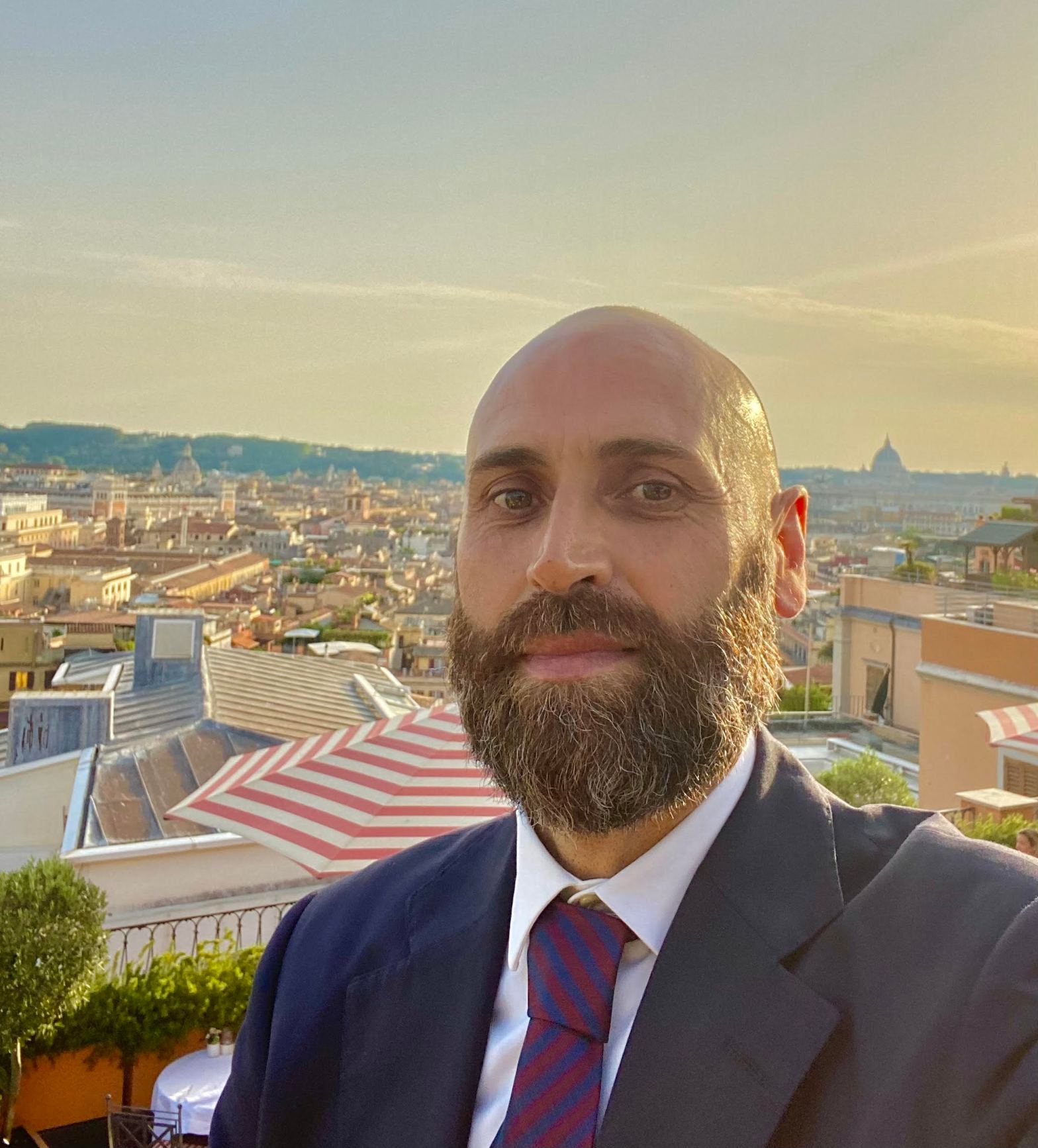
(English text /texte en Français/ Deutschsprachiger text)
#paroladartista #sacro #robertocivetta #barbaramartusciello
Gabriele Landi: Secondo te il sacro ha ancora una sua importanza nell’arte di oggi e nel mondo in cui viviamo?
Roberto Civetta: Si. Gli esseri umani hanno sempre utilizzato l’arte come mezzo di espressione per comunicare il sacro: si tratta di un modus operandi sempre esistito, imprescindibile dalla differenziazione del compito e del credo nelle varie epoche e nei diversi continenti – prendiamo a titolo di esempio la religione Ebraica e quella Cristiana: se nella prima si trova il divieto di rappresentare la figura di Dio, nella seconda se ne ha una richiesta.
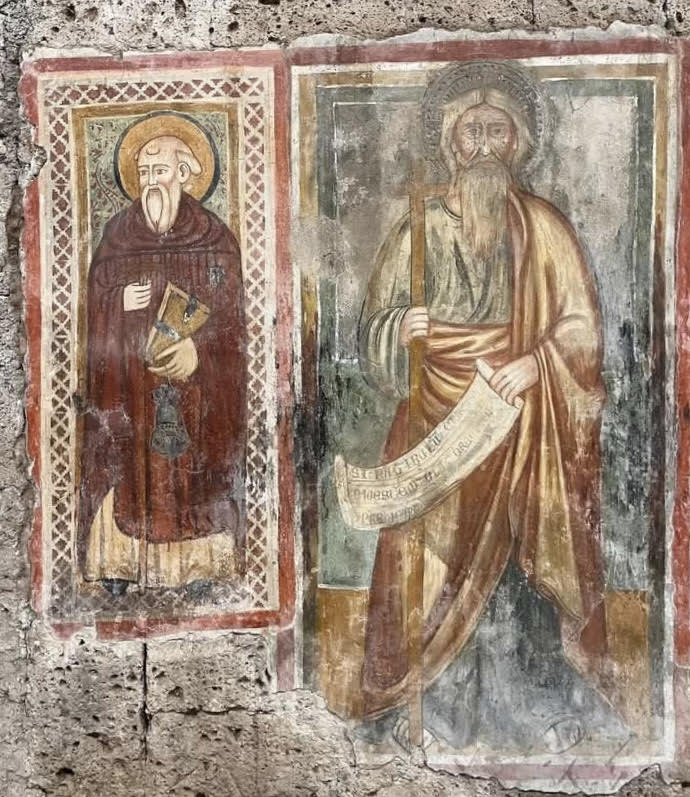
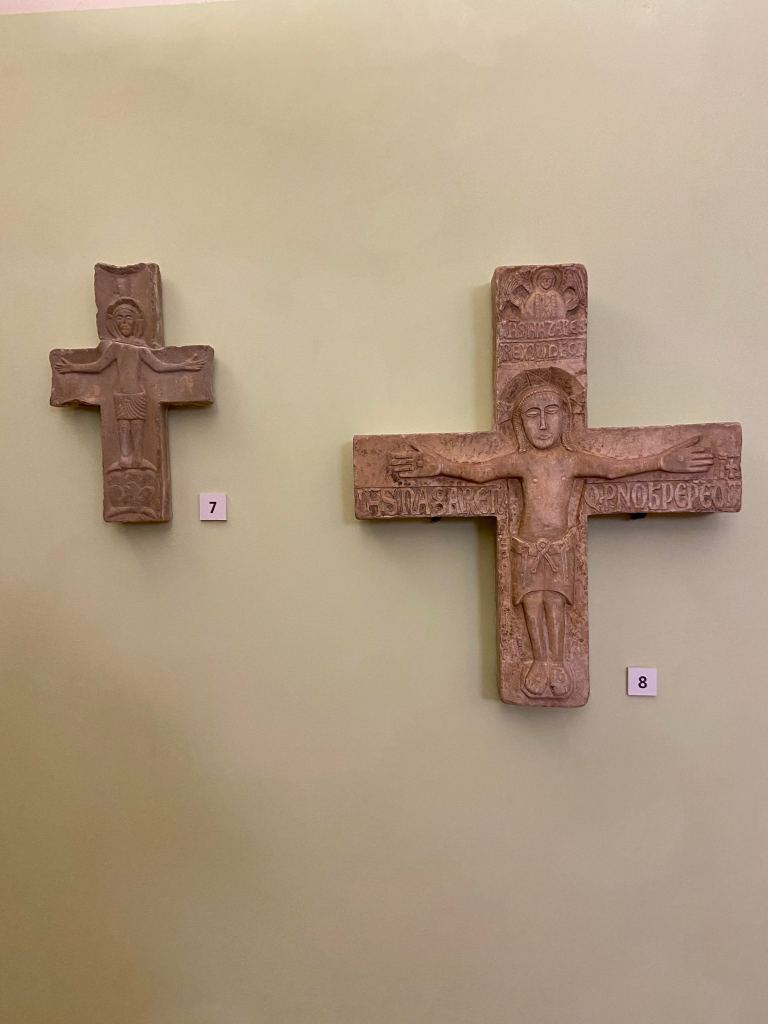
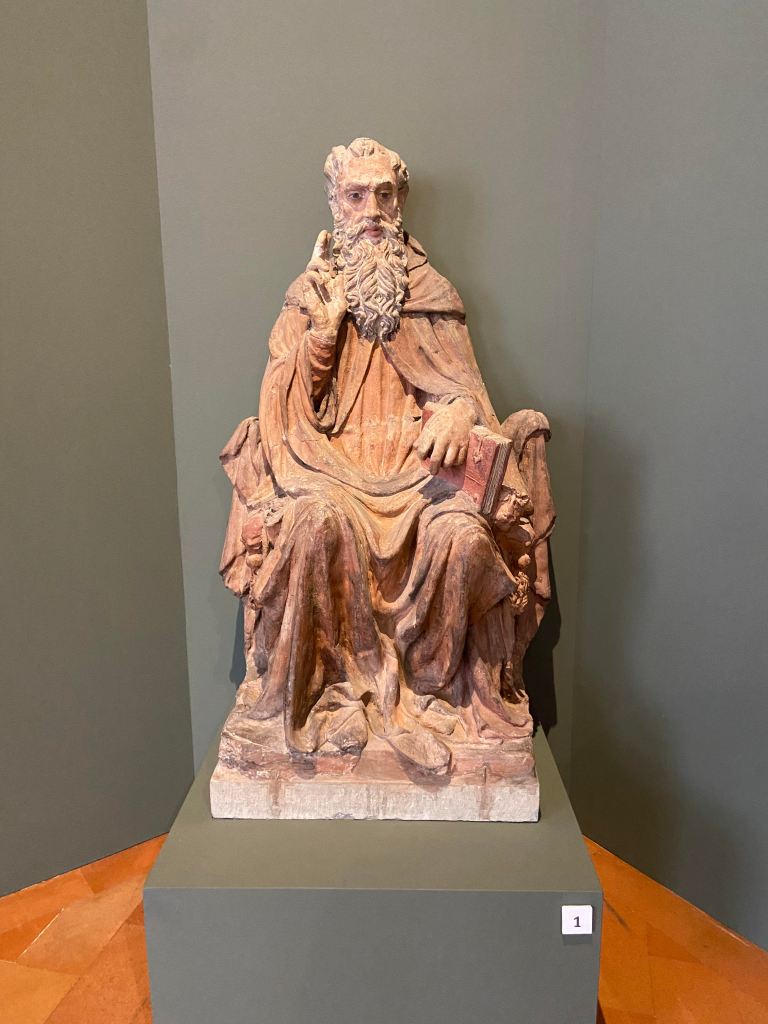
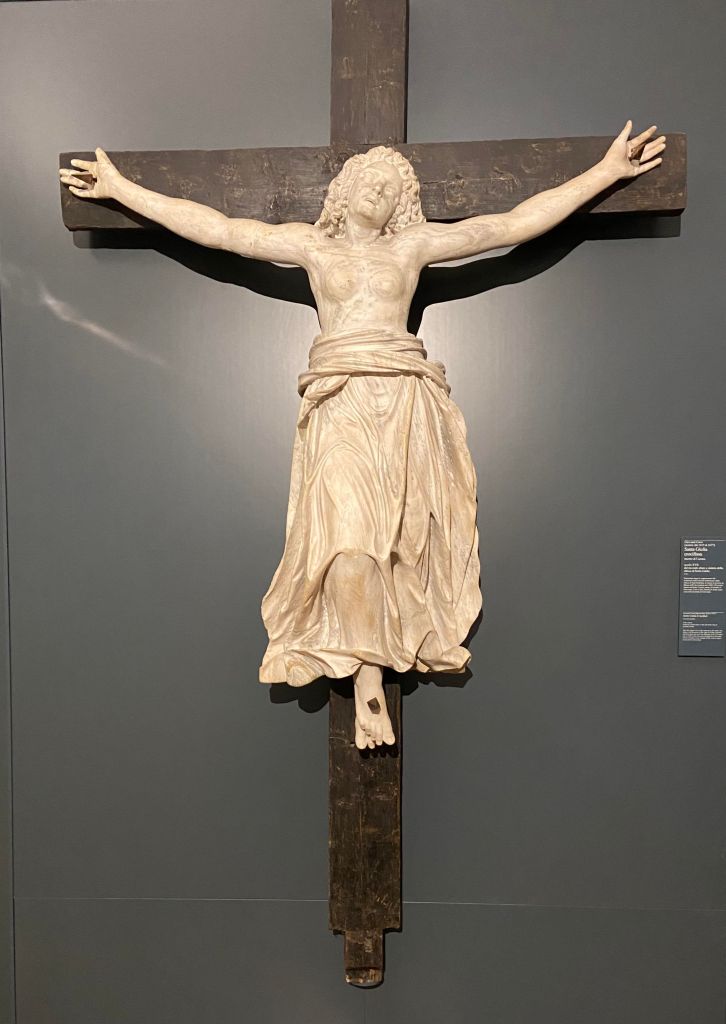
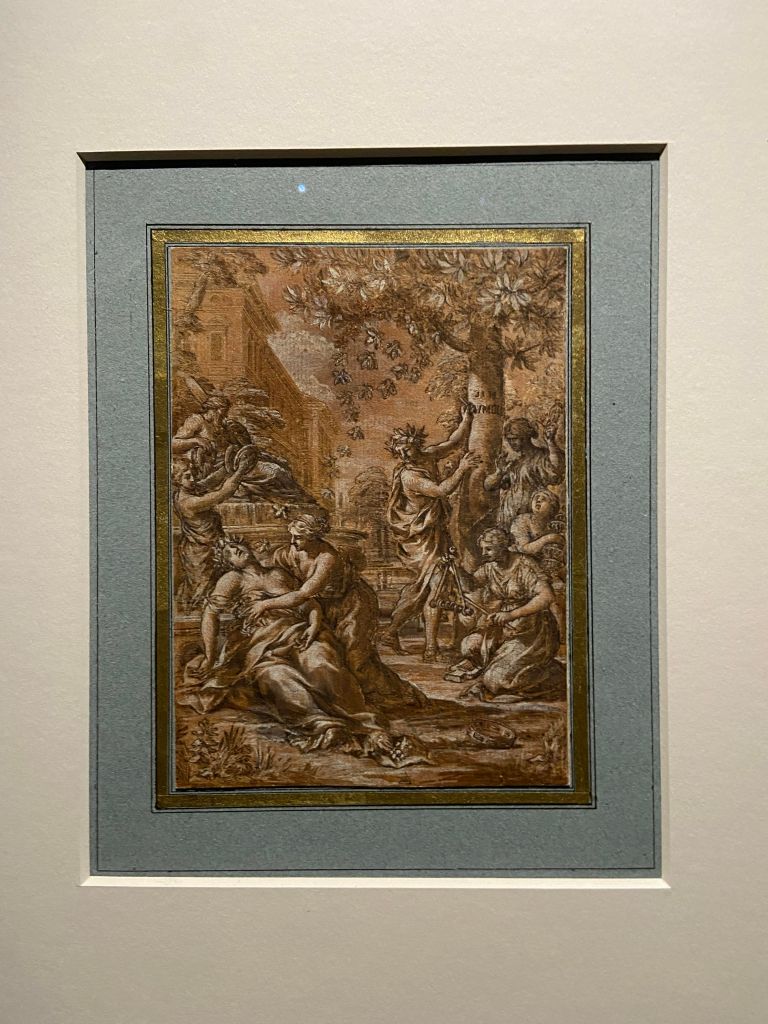
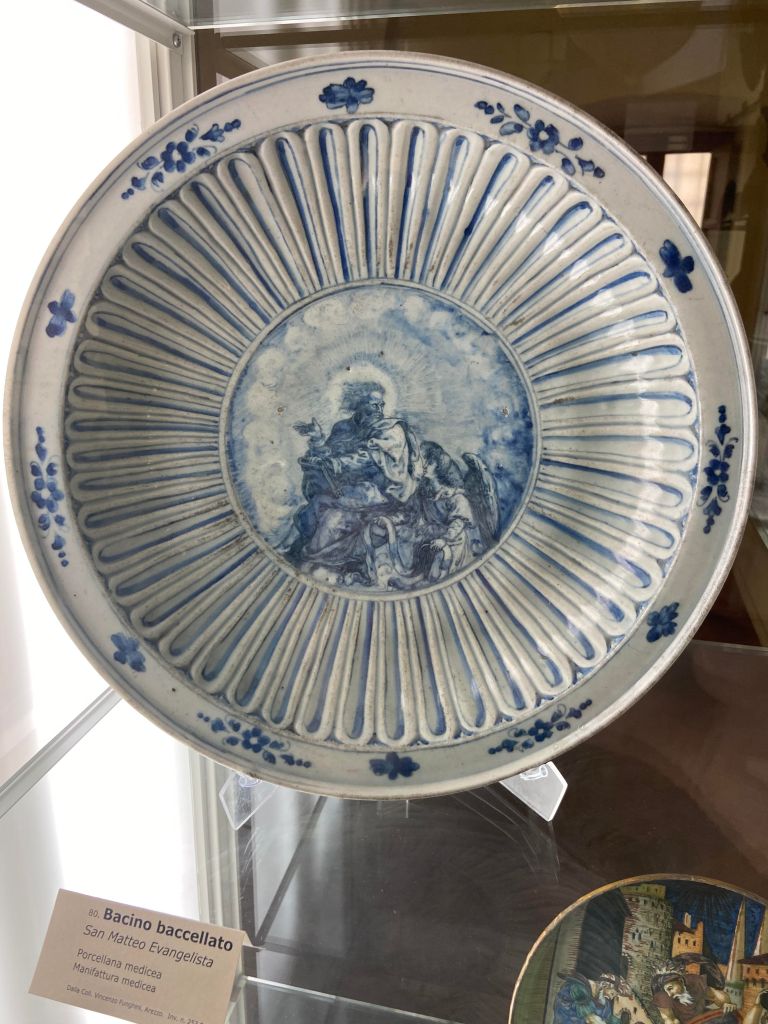
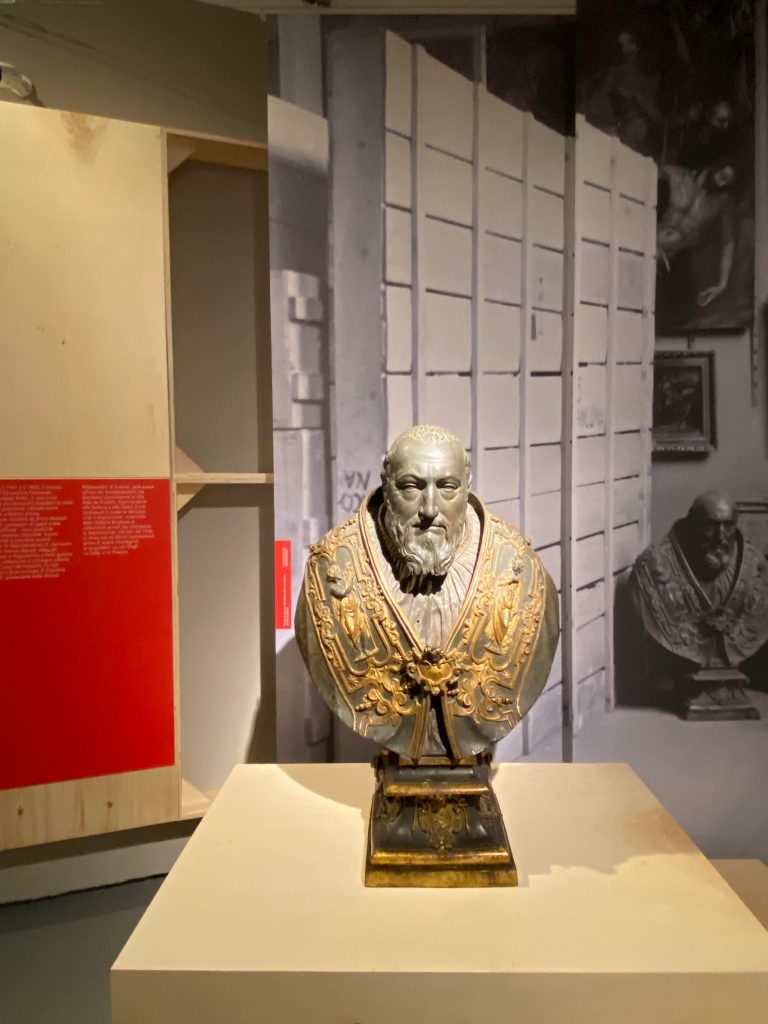
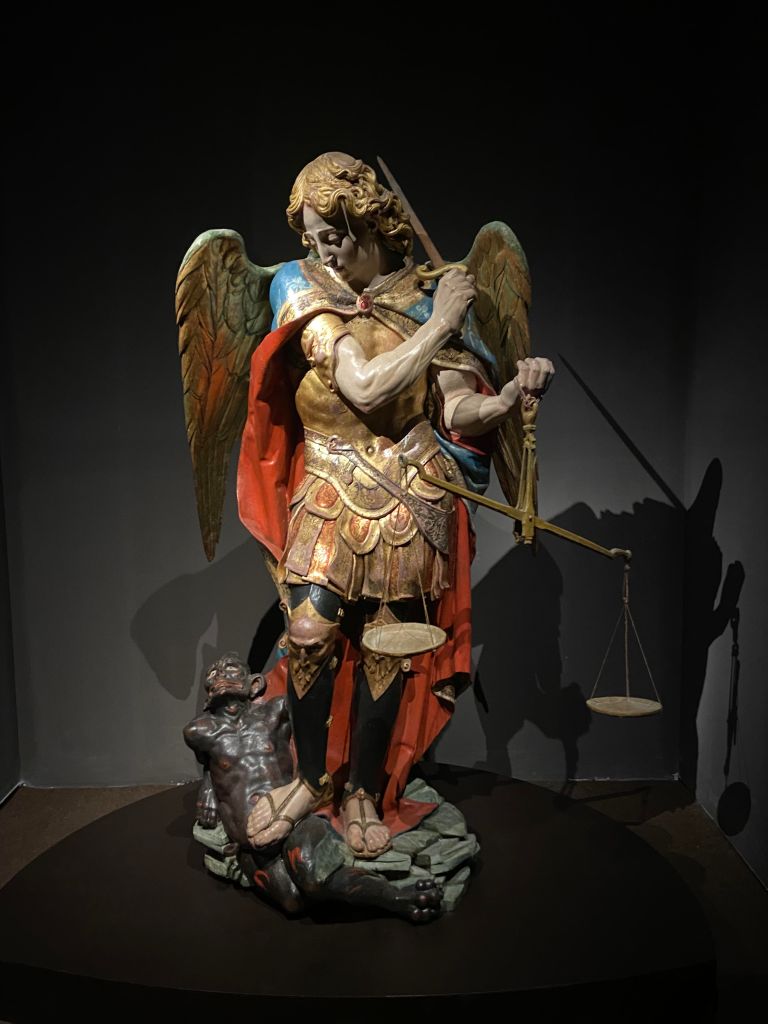
L’artista restituisce attraverso diversi materiali e diverse tecniche (pietra, carboncino, pigmenti, colori, disegni, incisioni, graffiti, pitture, mosaici, sculture, architetture, scrittura e stile), le espressioni mutevoli dell’arte e tutte queste coinvolgono, in maniera diretta o indiretta, codici simbolici adottati dalle religioni per restituire, attraverso l’osservazione, la realtà vissuta – o che si vuole mantenere viva. Dalle cerimonie e rappresentazioni magico-culturali, a quelle religiose, sia divine che pagane. (fig. 1, 2, 3, 4, 5)
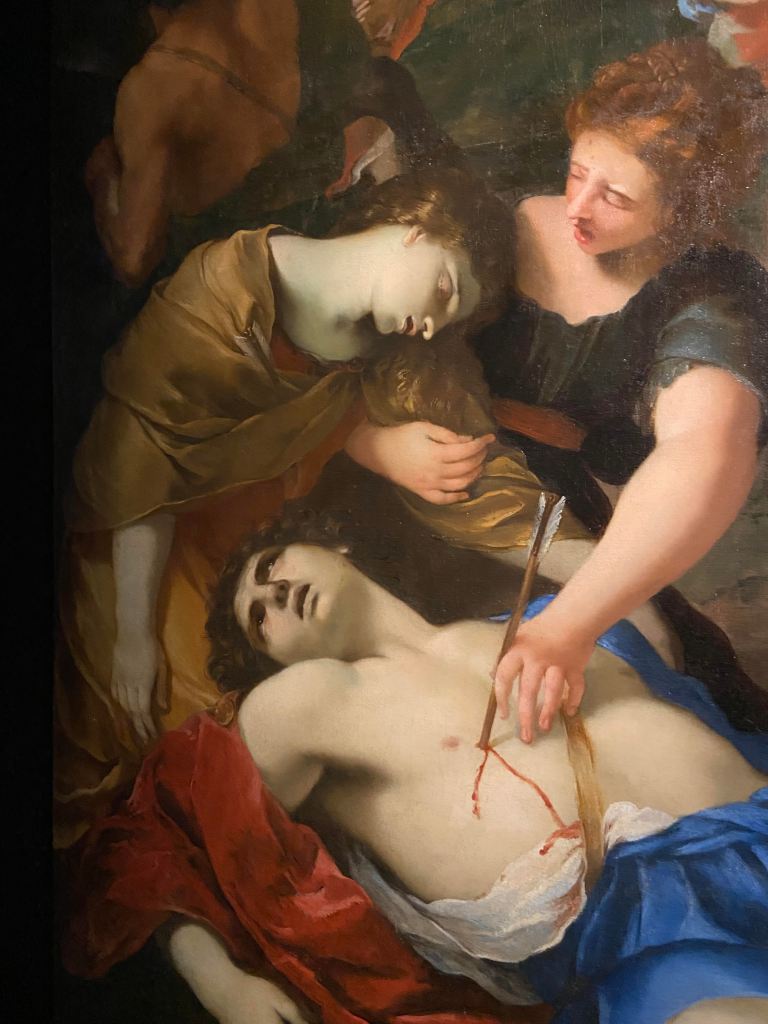
La storia mostra palesemente e con forza le meraviglie dell’arte sacra, che per secoli ha inneggiato nei luoghi di fede e si è eretta a trasmissione di valori universali, anche aiutando l’umanità a trovare una speranza di vita futura nell’aldilà, in qualunque modo la si sia immaginata. In alcuni territori, addirittura, si è ucciso per dimostrare e imporre il proprio credo. Anche in quei casi purtroppo ci si è serviti dell’arte come strumento o, per meglio dire, come simbolo sacro di guerra, usato per affermare la supremazia della propria religione e diffonderne la fede – una fede che, però, in quel caso, fede non è. (da fig. 6 a fig. 12)
Trasferendo il pensiero al XX e XXI secolo, in riferimento all’arte cristiana, potremmo affermare che la ricerca artistica sul rapporto sacro e umano continua, evolvendosi anche nelle popolazioni degli altri continenti, seppure sembri affievolita in termini numerici rispetto al passato. (fig 13, 14, 15)
La ricerca dell’arte, come diffusione di quei temi cristiani sacri che intendono mostrare la realtà attraverso le esperienze degli artisti, è inevitabilmente influenzata dagli accadimenti storici che l’uomo si è trovato a dover attraversare: guerre mondiali, contrasti, differenze economiche, sociali, razziali e di genere. (fig. 16)
La presenza del sacro nell’arte, è ancora rappresentata da alcuni importanti artisti, come ad esempio Oliviero Rainaldi che, forte di una propria ricerca interiore, crea soggetti cristiani. Le sue due ultime opere sono temporaneamente esposte al Pantheon, a Roma. (fig. 17, 18)
Influenzata dalla natura dell’essere umano, l’arte ci ha mostrato sempre il sacro nelle sue varie forme e continuerà a farlo: nel bene, quando alla fede viene dato il valore di trasmissione di sentimenti puri e sinceri, che non ledano con la loro diffusione la libertà altrui; nel male, quando la fede viene sfruttata come approvvigionamento di potere e disuguaglianza.
Pensando all’evoluzione dell’arte sacra, in conclusione, possiamo affermare che non sia davvero possibile non prendere in considerazione la sua importanza in futuro.
English text
Points of view on the sacred Roberto Civetta invited by Barbara Martusciello
#paroladartista #sacred #robertocivetta #barbarbaramartusciello
Gabriele Landi: In your opinion, does the sacred still have an importance in today’s art and in the world we live in?
Roberto Civetta: Yes. Human beings have always used art as a means of expression to communicate the sacred: it is a modus operandi that has always existed, inseparable from the differentiation of task and belief in the various eras and continents – let us take the Jewish and Christian religions as an example: if in the former there is a ban on representing the figure of God, in the latter there is a demand for it.
Through different materials and different techniques (stone, charcoal, pigments, colours, drawings, engravings, graffiti, paintings, mosaics, sculptures, architecture, writing and style), the artist renders the changing expressions of art, and all of these involve, directly or indirectly, symbolic codes adopted by religions to render, through observation, the reality experienced – or that one wishes to keep alive. From magical-cultural ceremonies and representations to religious ones, both divine and pagan. (fig. 1, 2, 3, 4, 5)
History clearly and powerfully demonstrates the wonders of sacred art, which for centuries has hymned in places of faith and stood as a transmission of universal values, even helping mankind to find hope for a future life in the afterlife, whichever way one imagined it. In some territories, people have even killed to demonstrate and impose their beliefs. In those cases, too, art has unfortunately been used as a tool or, rather, as a sacred symbol of war, used to assert the supremacy of one’s religion and spread its faith – a faith that, however, in that case, is not faith. (fig. 6 to fig. 12)
Transferring the thought to the 20th and 21st centuries, with reference to Christian art, we could say that artistic research into the relationship between the sacred and the human continues, evolving also in the populations of other continents, even if it seems to have weakened in numerical terms compared to the past. (fig 13, 14, 15)
The pursuit of art, as the dissemination of those sacred Christian themes that aim to show reality through the experiences of artists, is inevitably influenced by the historical events that mankind has had to go through: world wars, contrasts, economic, social, racial and gender differences. (fig. 16)
The presence of the sacred in art is still represented by a number of important artists, such as Oliviero Rainaldi, who, on the basis of his own inner research, creates Christian subjects. His two latest works are temporarily exhibited at the Pantheon in Rome. (fig. 17, 18)
Influenced by the nature of the human being, art has always shown us the sacred in its various forms and will continue to do so: for the good, when faith is given the value of transmitting pure and sincere sentiments, which do not harm the freedom of others by their dissemination; for the bad, when faith is exploited as a supply of power and inequality.
Thinking about the evolution of sacred art, in conclusion, we can say that it is really not possible to overlook its importance in the future.
Texte en Français
Points de vue sur le sacré Roberto Civetta invité par Barbara Martusciello
#paroladartista #sacré #robertocivetta #barbaramartusciello
Gabriele Landi : Selon vous, le sacré a-t-il encore une importance dans l’art d’aujourd’hui et dans le monde dans lequel nous vivons ?
Roberto Civetta : Oui. L’être humain a toujours utilisé l’art comme moyen d’expression pour communiquer le sacré : c’est un modus operandi qui a toujours existé, inséparable de la différenciation des tâches et des croyances selon les époques et les continents – prenons l’exemple des religions juive et chrétienne : si dans la première il y a une interdiction de représenter la figure de Dieu, dans la seconde il y a une demande en ce sens.
A travers différents matériaux et différentes techniques (pierre, fusain, pigments, couleurs, dessins, gravures, graffitis, peintures, mosaïques, sculptures, architecture, écriture et style), l’artiste rend les expressions changeantes de l’art, et toutes impliquent, directement ou indirectement, les codes symboliques adoptés par les religions pour rendre, par l’observation, la réalité vécue – ou que l’on veut garder vivante. Des cérémonies et représentations magico-culturelles aux cérémonies et représentations religieuses, divines et païennes. (fig. 1, 2, 3, 4, 5)
L’histoire démontre clairement et avec force les merveilles de l’art sacré qui, pendant des siècles, a chanté dans les lieux de foi et transmis des valeurs universelles, aidant même les hommes à retrouver l’espoir d’une vie future dans l’au-delà, quelle que soit la façon dont on l’imaginait. Dans certains territoires, des personnes ont même tué pour démontrer et imposer leurs croyances. Dans ces cas aussi, l’art a malheureusement été utilisé comme un outil ou plutôt comme un symbole sacré de la guerre, utilisé pour affirmer la suprématie de sa religion et répandre sa foi – une foi qui, dans ce cas, n’en est pas une. (fig. 6 à fig. 12)
Si l’on transpose la réflexion aux XXe et XXIe siècles, en se référant à l’art chrétien, on peut dire que la recherche artistique sur le rapport entre le sacré et l’humain se poursuit, évoluant également dans les populations d’autres continents, même si elle semble s’être affaiblie en termes numériques par rapport au passé. (fig 13, 14, 15)
La poursuite de l’art, en tant que diffusion de ces thèmes sacrés chrétiens qui visent à montrer la réalité à travers les expériences des artistes, est inévitablement influencée par les événements historiques que l’humanité a dû traverser : guerres mondiales, contrastes, différences économiques, sociales, raciales et de genre. (fig. 16)
La présence du sacré dans l’art est encore représentée par un certain nombre d’artistes importants, comme Oliviero Rainaldi, qui, sur la base de sa propre recherche intérieure, crée des sujets chrétiens. Ses deux dernières œuvres sont temporairement exposées au Panthéon de Rome. (fig. 17, 18) Influencé par la nature de l’être humain, l’art nous a toujours montré le sacré sous ses différentes formes et continuera à le faire : pour le bien, lorsque la foi est valorisée par la transmission de sentiments purs et sincères, qui ne portent pas atteinte à la liberté d’autrui par leur diffusion ; pour le mal, lorsque la foi est exploitée comme une source de pouvoir et d’inégalité.
En pensant à l’évolution de l’art sacré, en conclusion, nous pouvons dire qu’il n’est vraiment pas possible de négliger son importance dans le futur.
Deutschsprachiger text
Sichtweisen auf den heiligen Roberto Civetta auf Einladung von Barbara Martusciello
#wordadartist #sacred #robertocivetta #barbarbaramartusciello
Gabriele Landi: Hat Ihrer Meinung nach das Heilige in der heutigen Kunst und in der Welt, in der wir leben, noch eine Bedeutung?
Roberto Civetta: Ja. Der Mensch hat die Kunst schon immer als Ausdrucksmittel benutzt, um das Heilige zu vermitteln: Es ist ein Modus Operandi, den es immer gegeben hat, der untrennbar mit der Differenzierung der Aufgaben und des Glaubens in den verschiedenen Epochen und Kontinenten verbunden ist – nehmen wir die jüdische und die christliche Religion als Beispiel: Während es in der ersten verboten ist, die Figur Gottes darzustellen, wird sie in der zweiten gefordert.
Mit unterschiedlichen Materialien und Techniken (Stein, Kohle, Pigmenten, Farben, Zeichnungen, Gravuren, Graffiti, Gemälden, Mosaiken, Skulpturen, Architektur, Schrift und Stil) gibt der Künstler die sich wandelnden Ausdrucksformen der Kunst wieder, die alle direkt oder indirekt symbolische Codes beinhalten, die von den Religionen übernommen wurden, um durch Beobachtung die erlebte Realität wiederzugeben – oder die man lebendig halten möchte. Von magisch-kulturellen Zeremonien und Darstellungen bis hin zu religiösen, sowohl göttlichen als auch heidnischen. (Abb. 1, 2, 3, 4, 5)
Die Geschichte zeigt deutlich und eindrucksvoll die Wunder der sakralen Kunst, die seit Jahrhunderten an den Orten des Glaubens erklingt und universelle Werte vermittelt und den Menschen sogar dabei hilft, Hoffnung auf ein zukünftiges Leben im Jenseits zu finden, wie auch immer man es sich vorstellt. In einigen Gebieten haben Menschen sogar getötet, um ihre Überzeugungen zu demonstrieren und durchzusetzen. Auch in diesen Fällen wurde die Kunst leider als Werkzeug oder vielmehr als heiliges Symbol des Krieges benutzt, um die Vorherrschaft der eigenen Religion zu behaupten und ihren Glauben zu verbreiten – einen Glauben, der in diesem Fall jedoch kein Glaube ist. (Abb. 6 bis Abb. 12)
Überträgt man den Gedanken auf das 20. und 21. Jahrhundert, könnte man mit Blick auf die christliche Kunst sagen, dass die künstlerische Erforschung der Beziehung zwischen dem Heiligen und dem Menschen weitergeht und sich auch in den Bevölkerungen anderer Kontinente weiterentwickelt, auch wenn sie zahlenmäßig im Vergleich zur Vergangenheit schwächer geworden zu sein scheint. (Abb. 13, 14, 15)
Das Streben nach Kunst als Verbreitung jener heiligen christlichen Themen, die darauf abzielen, die Realität durch die Erfahrungen der Künstler darzustellen, wird unweigerlich von den historischen Ereignissen beeinflusst, die die Menschheit durchmachen musste: Weltkriege, Gegensätze, wirtschaftliche, soziale, rassische und geschlechtliche Unterschiede. (Abb. 16)
Die Präsenz des Sakralen in der Kunst wird noch immer von einigen bedeutenden Künstlern vertreten, wie Oliviero Rainaldi, der auf der Grundlage seiner eigenen inneren Forschung christliche Themen schafft. Seine beiden jüngsten Werke sind vorübergehend im Pantheon in Rom ausgestellt. (Abb. 17, 18)
Beeinflusst von der Natur des Menschen, hat uns die Kunst immer das Heilige in seinen verschiedenen Formen gezeigt und wird dies auch weiterhin tun: zum Guten, wenn dem Glauben der Wert beigemessen wird, reine und aufrichtige Gefühle zu übermitteln, die durch ihre Verbreitung die Freiheit der anderen nicht verletzen; zum Schlechten, wenn der Glaube als Quelle von Macht und Ungleichheit ausgenutzt wird.
Wenn wir über die Entwicklung der sakralen Kunst nachdenken, können wir abschließend sagen, dass es wirklich nicht möglich ist, ihre Bedeutung für die Zukunft zu übersehen.


 paroladartista.com